Compression stockings for rheumatism: can they offer support?

Painful joints, stiff legs, or fatigue after an ordinary day. Rheumatism can have a major impact on how you feel and move on a daily basis. Sometimes, your feet, ankles, and lower legs may also feel sensitive or swollen. 

Moreover, rheumatism is not one specific condition. There are various forms, which means that the symptoms and the way your body reacts can differ from person to person. In this blog, you will read about what rheumatism can do to your body, what symptoms may arise, and when compression stockings might offer extra support.

Side Image

What does rheumatism do to your body?

Rheumatism is a collective term for various conditions that affect your joints, muscles, and other parts of your body involved in movement. There are many different forms, and symptoms can vary greatly from person to person. Furthermore, rheumatism does not only occur in the elderly; some forms can develop at a young age.

In inflammatory rheumatism, such as rheumatoid arthritis, the immune system accidentally attacks the body's own tissue. This can lead to inflammation in the joints. Such inflammation can cause a joint to become warm, painful, stiff, or swollen. In other forms of rheumatism, such as osteoarthritis, different processes play a role.

The feet and ankles can also cause symptoms. In addition, fatigue can play a major role. When movement becomes more difficult due to pain or stiffness, it can be tempting to move less. Yet, regular exercise is actually important for many people with rheumatism. It is primarily about finding a good balance between exertion and recovery.

Side Image

Do compression stockings help with rheumatism?

When you suffer from rheumatism, your feet, ankles, and lower legs can sometimes feel heavy, tired, or swollen. These symptoms can become more noticeable, especially after sitting or standing for a long time. In certain situations, compression can be a possible addition.

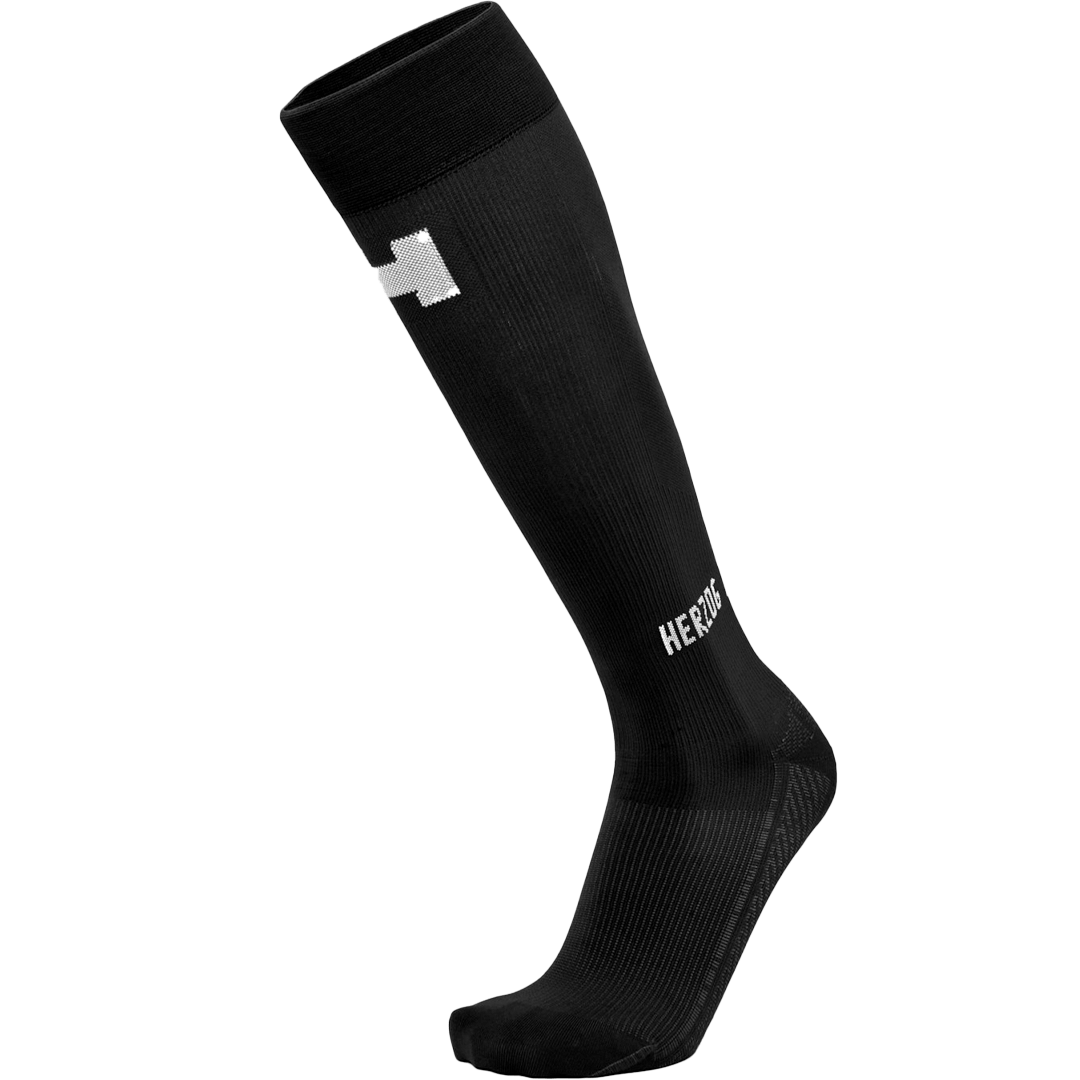
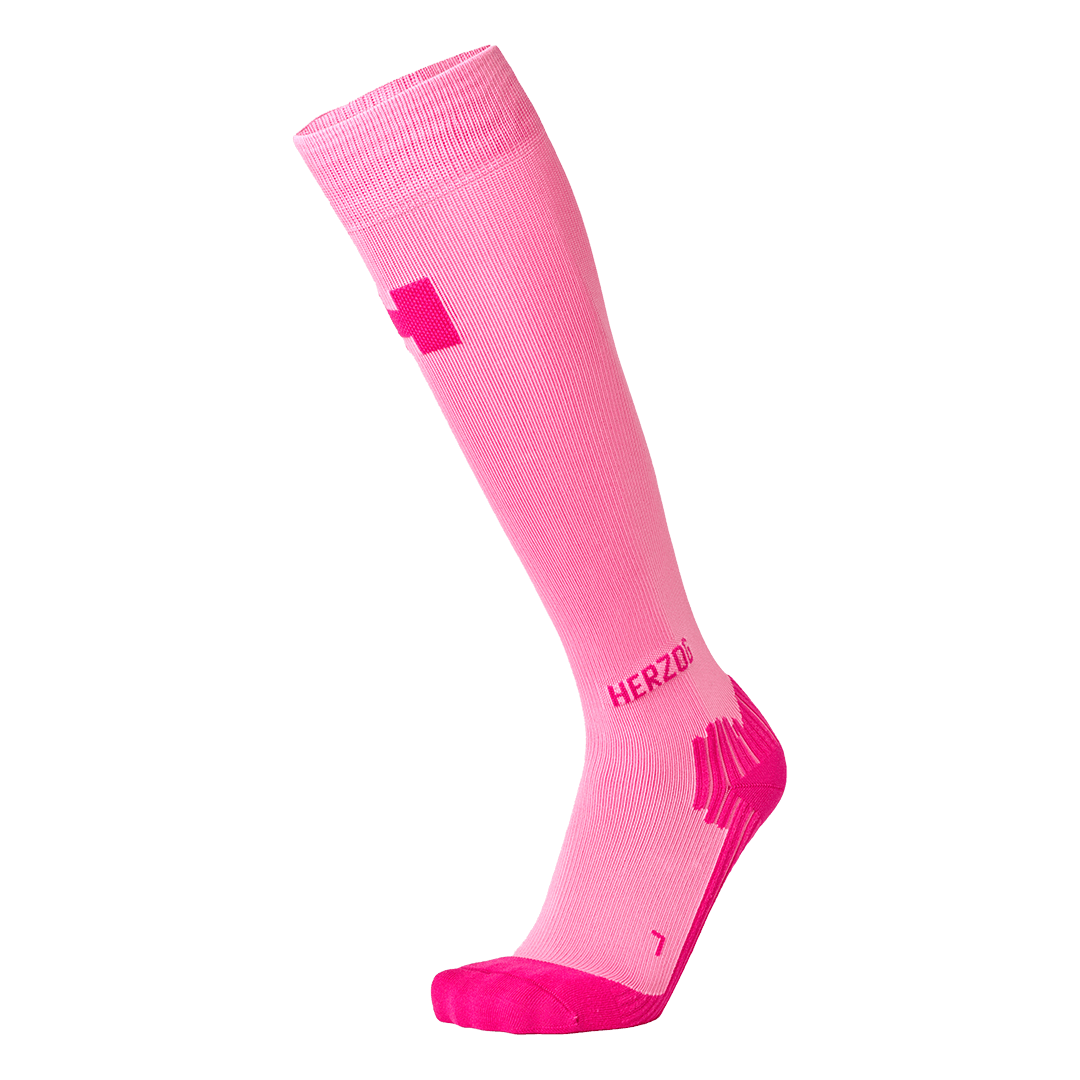
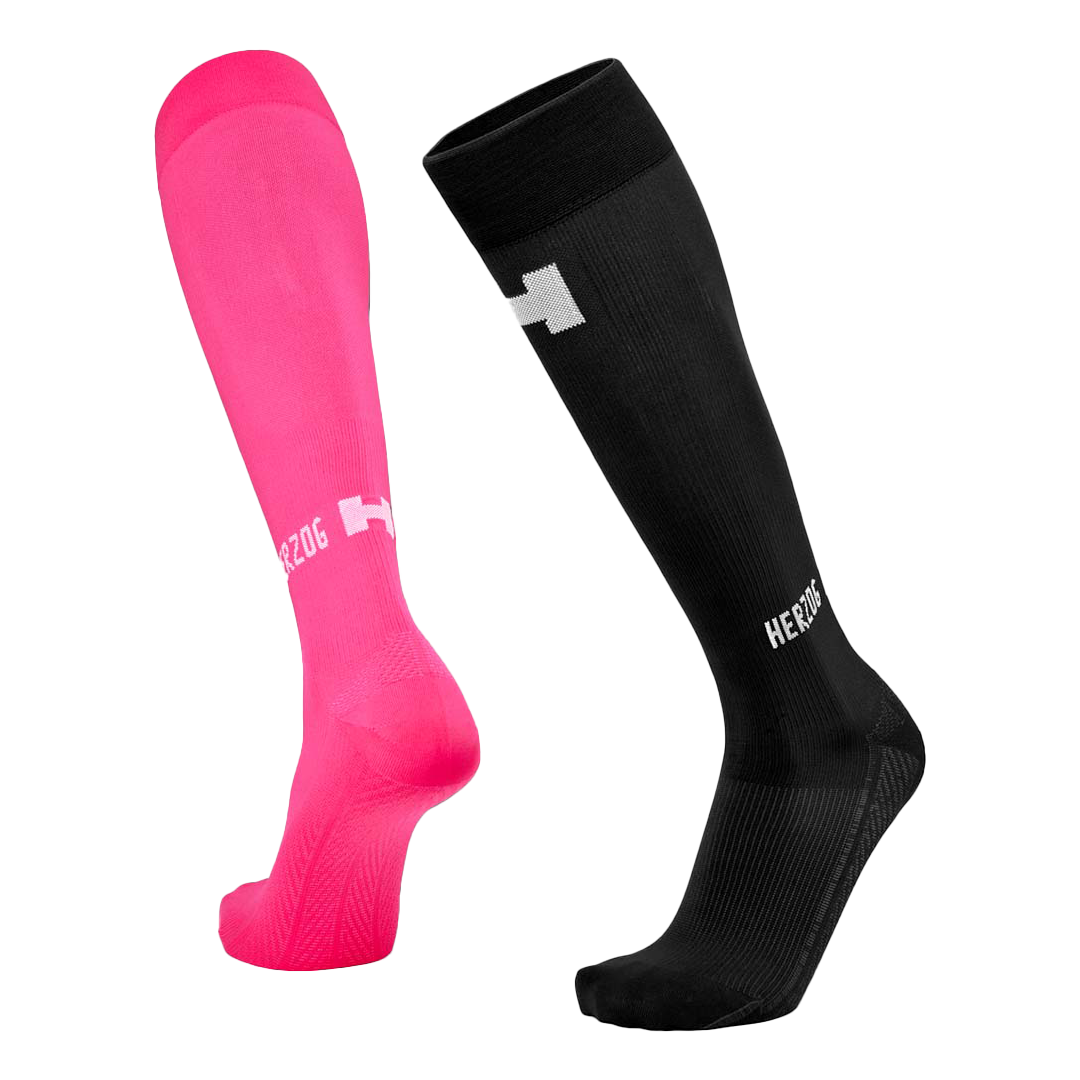
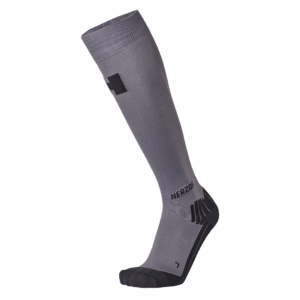
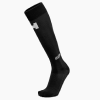
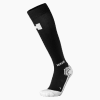
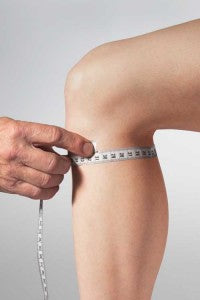
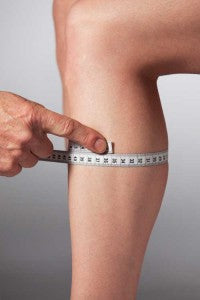
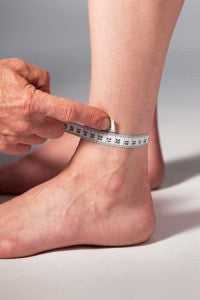
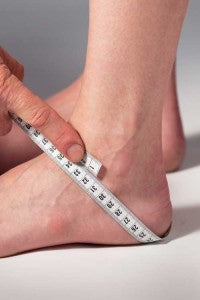
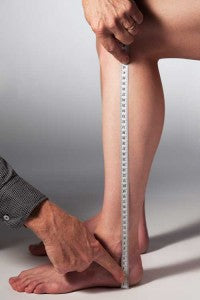
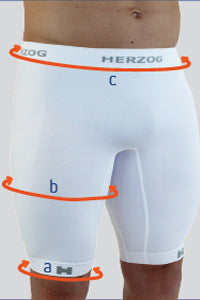
A compression stocking provides targeted pressure around the lower leg. When fluid retention plays a role, compression can help keep swelling better under control. In addition, a well-fitting stocking can provide a firm and supportive feeling around the calves and lower leg. The Herzog PRO Compression Socks are accurately measured at six points. This takes into account the shape and size of your leg, ensuring the stocking fits properly. This allows the compression to be applied in a targeted manner.

A compression stocking does not treat rheumatism and does not reduce the underlying condition. Therefore, view it primarily as a possible support for certain symptoms, for example when your legs feel heavy or swollen.

Side Image

When are compression stockings suitable?

Whether compression stockings are right for you depends on the type of rheumatism you have, your symptoms, and your personal situation. Not everyone with rheumatism experiences the same symptoms, nor does every swelling have the same cause.

Do you regularly suffer from heavy legs or swollen ankles? Then it may be worth discussing whether compression could be beneficial for you. A properly fitted stocking could, for example, become part of your routine during a walk, on a more active day, or when you are standing for long periods.

The stocking should fit snugly, but should not cause pain or discomfort. If you experience increased pain while wearing them, if the swelling increases, or if the color of your foot changes, stop wearing them immediately and have your symptoms assessed.

Do you have circulatory problems, skin issues, or significant swelling? Consult your doctor, physiotherapist, or other healthcare provider before using compression stockings.

Frequently asked questions

Do compression stockings help with rheumatism?

No, compression stockings do not treat or cure rheumatism. However, they can provide support for symptoms such as heavy legs or swelling. Whether compression is suitable varies per person.

Can I continue to exercise if I have rheumatism?

For many people with rheumatism, physical activity is actually important. Which type of exercise and how much varies per person and per day. Therefore, build it up gradually and, above all, listen carefully to your body.

When is the best time to wear compression stockings?

Some people find wearing the stockings pleasant during a walk or an active day, while others use the stockings specifically when they are standing or sitting for longer periods. The most important thing is that the stockings are comfortable and suit your daily activities.

Relevant blogs

6 Effective tips to prevent and relieve shin splints

Prevent and alleviate shin splints with 6 practical tips for runners. Less pain, faster recovery, and better training.

Treating Whiplash: 3-Phase Recovery with Compression and Cold Therapy

Recovering from a calf strain? Discover the 3 recovery phases and how compression and cold therapy can contribute to optimal and responsible recovery.

All about calf problems: causes, symptoms, and what you can do about them

Suffering from calf complaints? Read all about possible causes, common symptoms, recovery, and what you can do to prevent calf complaints.