How you can prevent traveler's thrombosis while flying

Anyone who has ever taken a long flight knows the feeling: stiff legs, swollen feet, and a heavy feeling after hours of sitting still. What seems harmless can lead to a serious complication for some travelers, namely thrombosis, a blood clot that forms in the veins of the lower leg. According to the Thrombosis Foundation, about one in four people worldwide die from the consequences of thrombosis, although this often involves broader medical situations than just air travel.

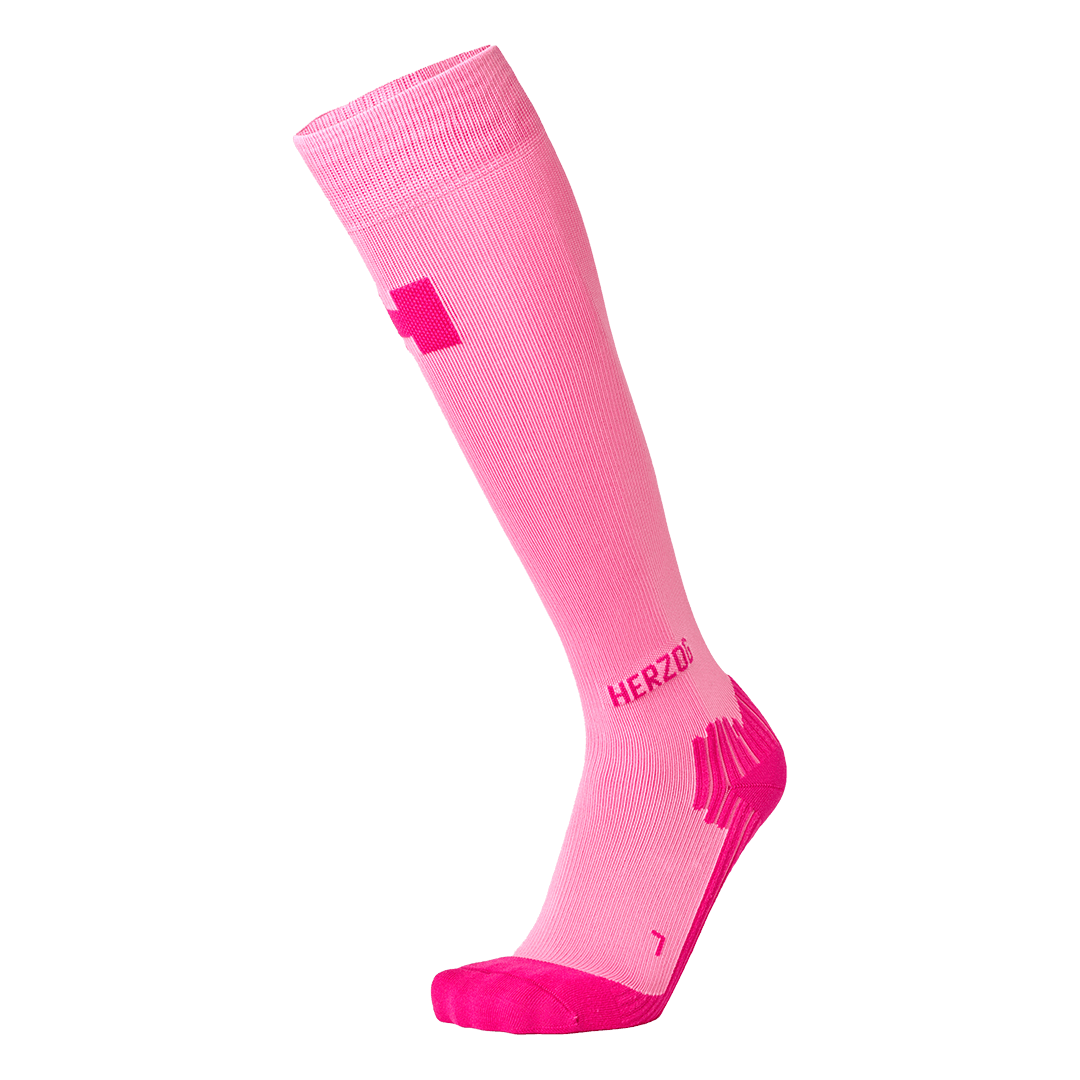
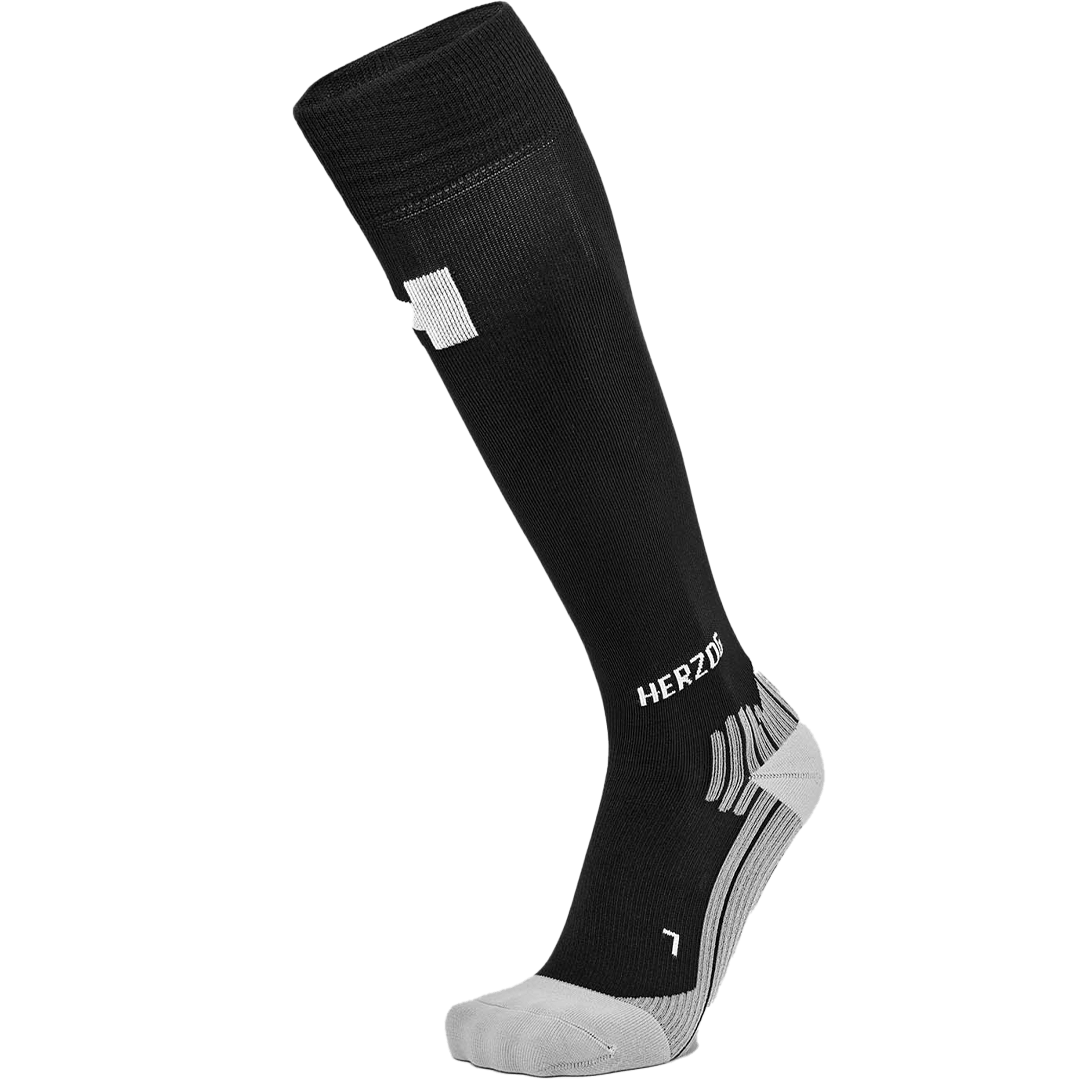
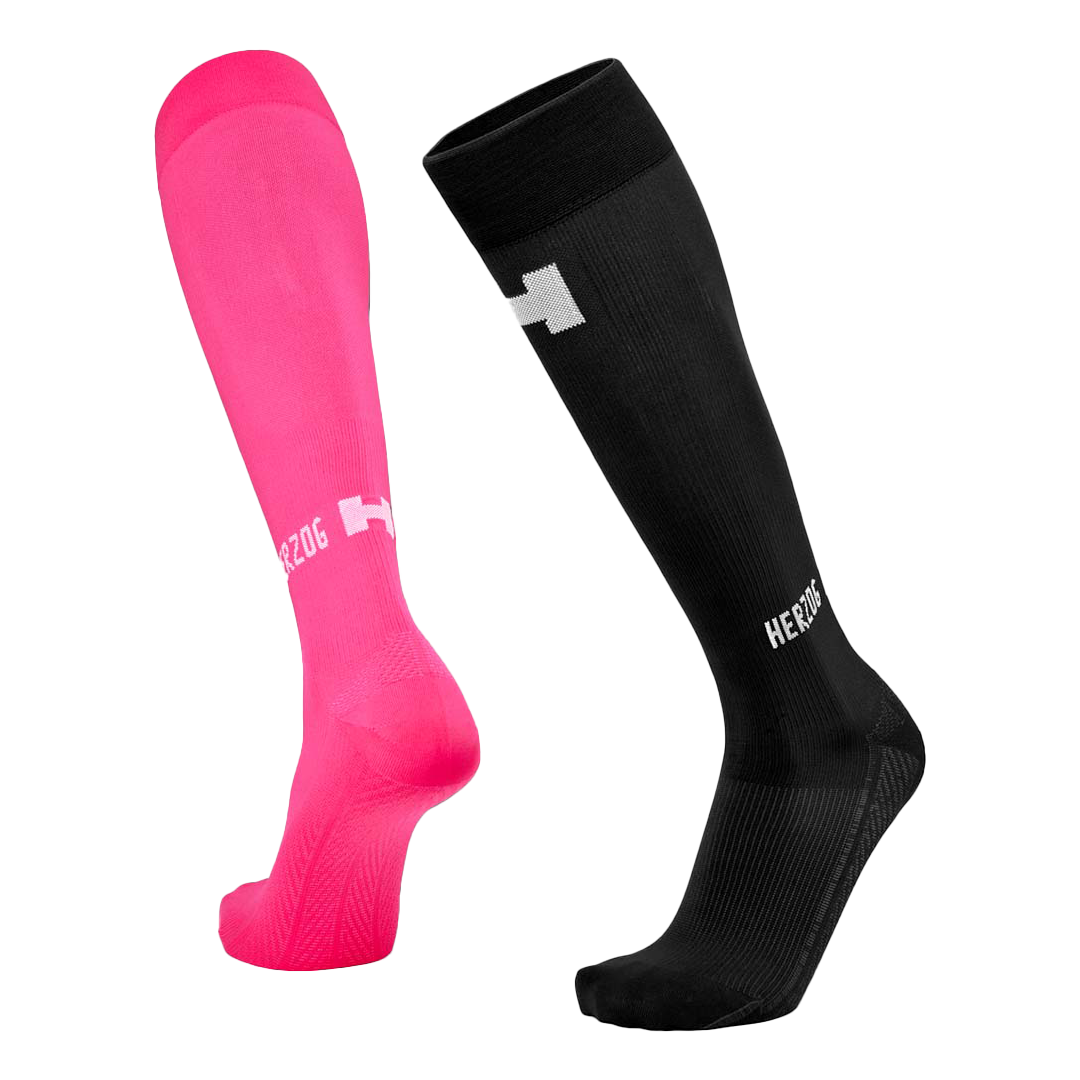
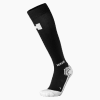
Herzog compression socks are used by travelers to support blood circulation in the calves during long periods of sitting still, such as on a flight or in a car. This is not a means to prevent thrombosis, but a practical aid in addition to sufficient movement and hydration. Thrombosis often arises from a combination of sitting still, dehydration, and reduced muscle activity in the lower leg.


Side Image

What happens to your legs during a long flight?

Blood is returned from the legs to the heart via veins with small valves that prevent backflow. This return flow is heavily dependent on the calf muscle, which acts like a pump with each step, pushing the blood upwards. If you sit still for hours with bent knees, this pumping action is largely lost. Blood then remains in the lower legs longer, which temporarily increases the risk of clot formation. This explains why long flights, bus trips, and car journeys, in particular, carry an increased risk.

During a flight, specific additional factors come into play. The cabin air is dry, causing you to dehydrate faster and your blood to become slightly thicker. The legroom is limited, making you less likely to stand up or change position. Many people also sit with their legs crossed or with their knees sharply bent against the seat in front of them, which increases pressure on the veins behind the knee.

Not everyone faces the same risk. People with varicose veins, a previous thrombosis, obesity, hormonal contraception, or a recent surgery naturally have slower blood circulation or an increased tendency to clot. Pregnancy and prolonged immobility due to, for example, a cast also play a role. If you are unsure whether your situation entails an increased risk, it is advisable to discuss this with a GP beforehand, especially if you have varicose veinsor previous leg complaints.

Side Image

When should you worry about thrombosis?

A little swelling after a long flight is normal and usually resolves on its own once you move and stand up again. Thrombosis behaves differently. The symptoms often appear in one leg, not both, and persist or worsen after the flight. Typical signs include a throbbing or stabbing pain in the calf, swelling that doesn't subside, a warm lower leg, and sometimes a slight reddish discoloration of the skin.

The distinction from ordinary travel fatigue lies primarily in the unilateral nature and progression. Swelling from prolonged sitting usually affects both legs and decreases after a short walk. Pain and swelling due to thrombosis often persist for days and can even worsen. If you experience shortness of breath, chest pain, or a sudden feeling of breathlessness after a flight, immediate medical advice is needed, as a clot may have dislodged. If in doubt, always contact a general practitioner or emergency room.

Some symptoms resemble thrombosis but have a different cause. Restless legs, varicose veins, or simply swollen anklesafter a long day of travel are more common and usually harmless, even if they feel unpleasant at the time. Nevertheless, it is wise to take changes in your legs seriously, especially if you have a history of thrombosisor vascular problems in the family. A doctor can quickly distinguish between these different causes with a simple examination and provide targeted advice.

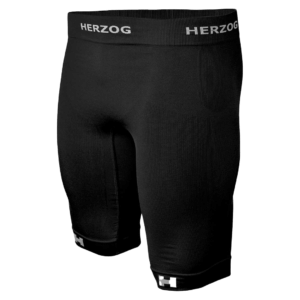
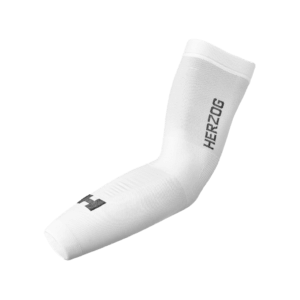
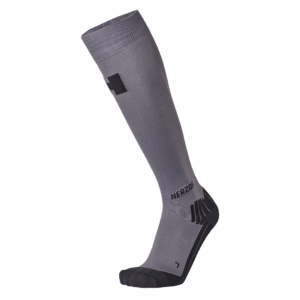
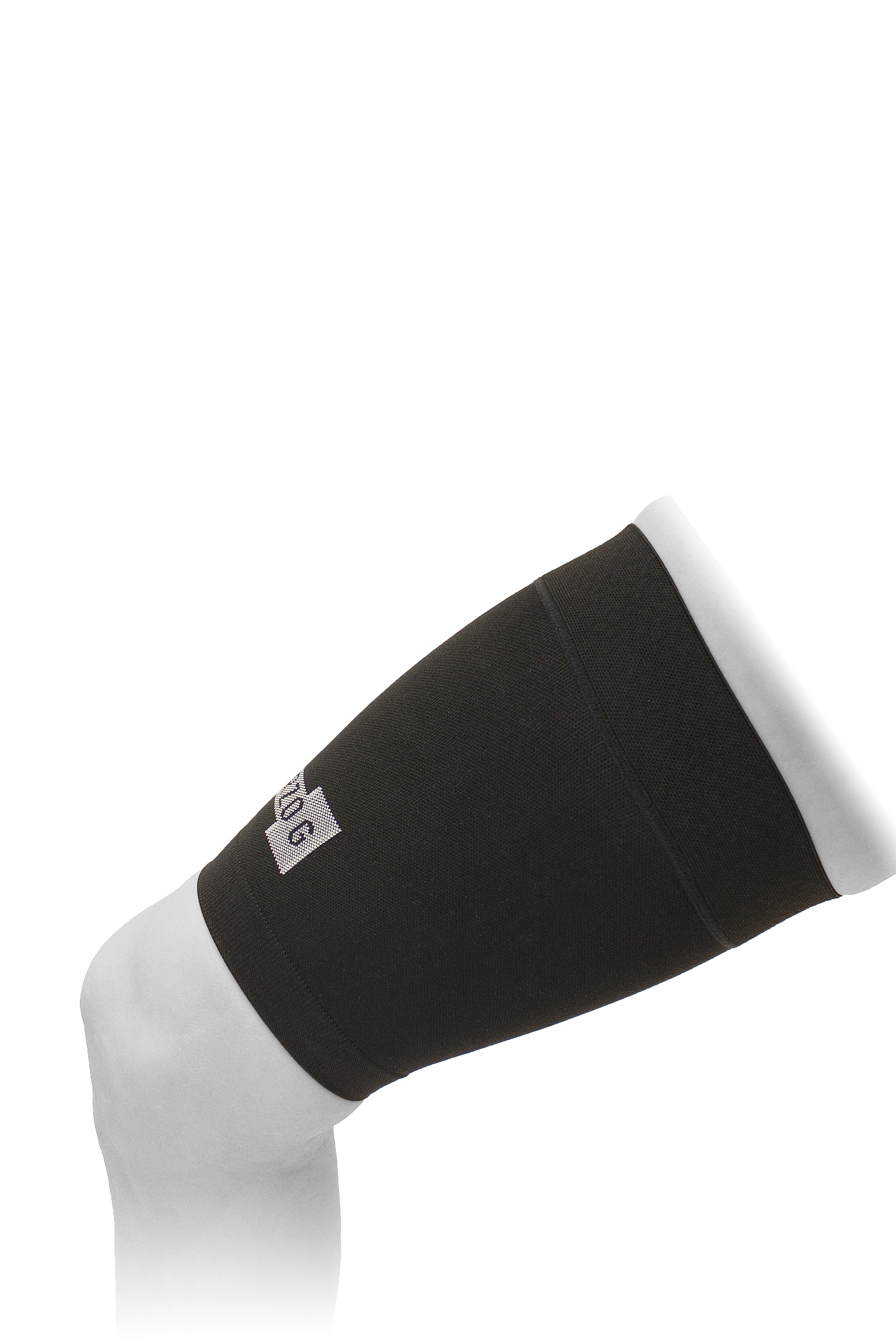
Products in this blog

Side Image

How do you limit the risk while traveling?

The most important measure against thrombosis during a flight is simple: keep moving. Stand up at least every hour, walk a lap through the aisle and make pumping movements with your feet by moving your toes up and down. This activates the calf muscle and keeps the blood circulation going, even if you are largely stuck in your seat. Drinking enough water and limiting alcohol also helps to prevent the blood from thickening extra.

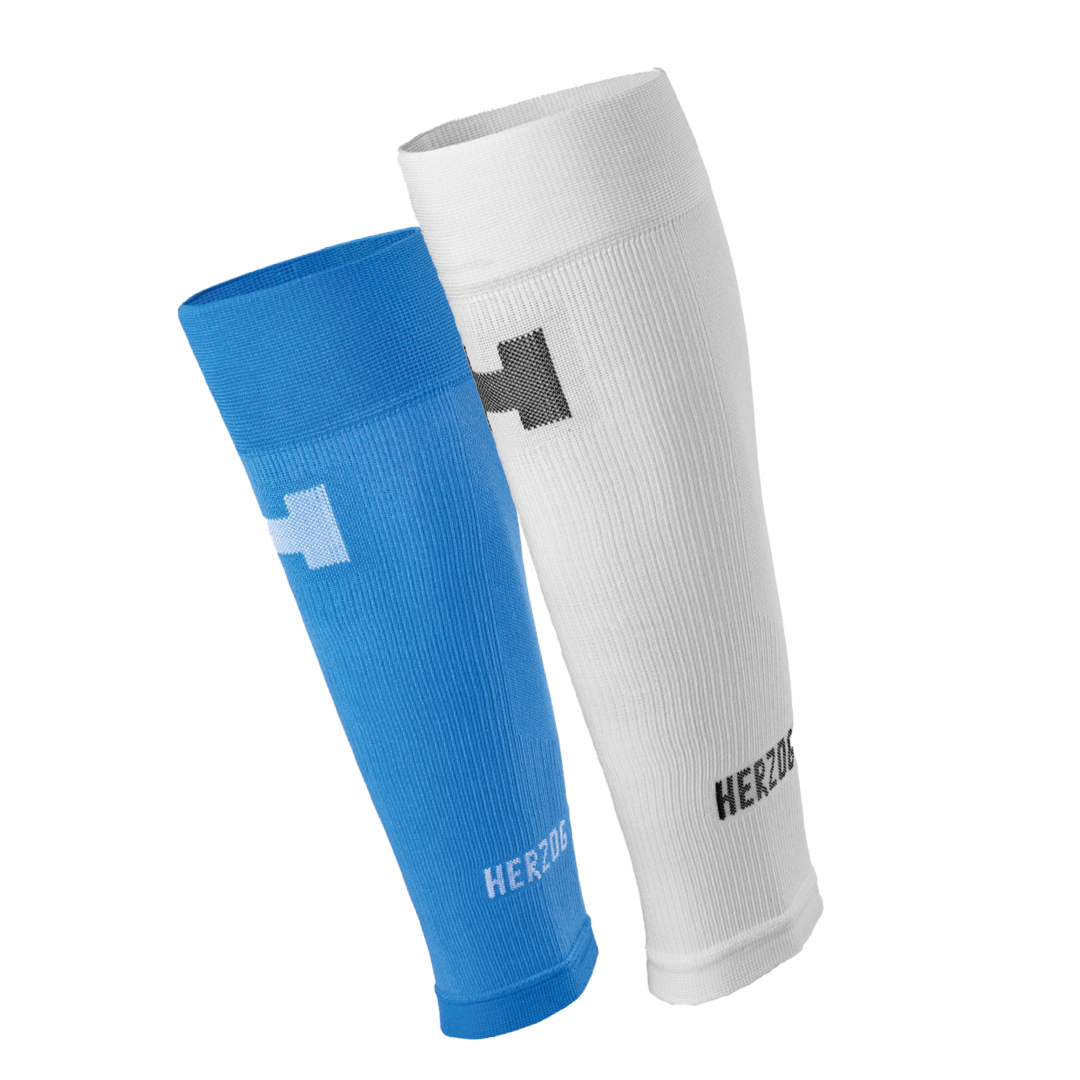
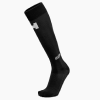
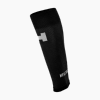
In addition to exercising, many travelers choose compression stockings during flightsto actively support blood circulation. Herzog's compression technology works with a controlled gradual pressure distribution, where the pressure at the ankle is highest and gradually decreases towards the knee. This stimulates venous return, without you having to continuously move yourself. Herzog PRO Compression Stockings and Herzog PRO Compression Tubes also carry an MDR quality mark, which means that they meet medical quality requirements.

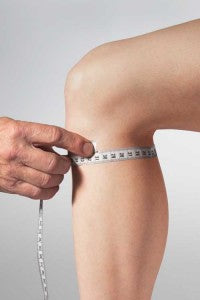
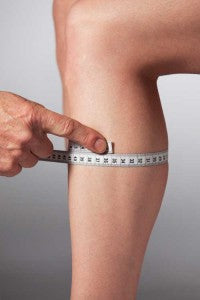
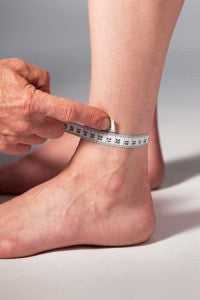
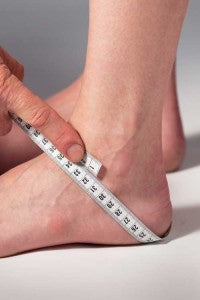
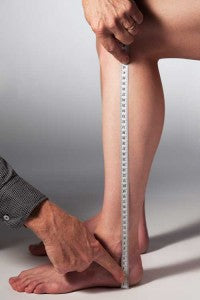
A standard stocking has the same pressure everywhere, which is less effective for blood circulation and can sometimes even constrict. Herzog custom-made compression stockings are individually measured at six points, so that the pressure build-up precisely matches the shape of your leg. This approach stems from over twenty years of experience in medical compression and is used by both athletes and healthcare professionals. For travel with a lower risk, standard Herzog compression stockings are often sufficient, while people with vascular complaints can benefit from a custom-made stocking.

Frequently Asked Questions

Can compression stockings prevent thrombosis?

Compression stockings are not a treatment for thrombosis, but the gradual pressure distribution can support blood circulation in the legs during long periods of sitting still. Many people experience less heaviness and swelling in their legs after using them during a flight. If you have an increased personal risk, such as a previous thrombosis or pregnancy, it is always wise to discuss this with a doctor beforehand.

How long should you wear compression stockings during a flight?

This varies per person and depends on the duration of the flight and your own situation. Many travelers wear them from boarding until some time after arrival, combined with regular movement. If you are unsure about the correct duration or fit, it is advisable to consult a doctor or specialist.

Who is at extra risk of thrombosis while traveling?

People with a history of thrombosis, varicose veins, overweight, pregnancy, or hormonal contraception often have an increased risk during long journeys. A recent operation or prolonged immobility due to, for example, a cast also play a role. If you are unsure about your personal risk, discuss this with a general practitioner before making a long journey.

Relevant blogs

Het hysterese-effect van Herzog compressiekousen: wat betekent het?
The hysteresis effect of Herzog compression stockings: what does it mean?

Discover how the hysteresis effect in the yarn of Herzog compression stockings works and why it is important during movement.

Op weg naar de Amsterdam City Walk met Herzog Medical

De Amsterdam City Walk komt eraan! Ontdek hoe je je voorbereidt op een lange wandeltocht en waarom aandacht voor je voeten, benen en herstel belangrijk is.

Compressiekousen bij een spierscheur: helpen ze bij het herstel?
Compression stockings for a muscle tear: do they help with recovery?

Discover what compression stockings can do for a muscle tear and during your recovery.

Eerste HYROX? Dit moet je weten voordat je begint
First HYROX? Here's what you need to know before you start

First HYROX on the schedule? Discover what to expect and how to prepare your body properly.

Compressiekousen bij reuma: kunnen ze ondersteuning bieden?
Compression stockings for rheumatism: can they offer support?

Pain, stiffness, swelling, or tired legs? Discover what rheumatism does to your body and what compression stockings can do for you.

Waarom dragen steeds meer voetballers compressieshorts?
Why are more and more footballers wearing compression shorts?

Discover why more and more footballers are wearing compression shorts and how targeted compression can provide support during training and matches.

Van halve naar hele marathon: waar moet je lichaam aan wennen?
From half to full marathon: what does your body need to get used to?

Discover what your body needs to get used to, what symptoms may arise, and how to properly prepare yourself for 42.2 kilometers.

Waarom sporters tijdens lange afstanden vaker compressie dragen
Why athletes more often wear compression during long distances

Discover why athletes in marathons, trail runs, and long walks increasingly wear compression and what it does for the calf and ankle.

Liesklachten bij hardlopen: waar komt het vandaan?
Groin pain during running: where does it come from?

Discover the causes of groin pain when running, which muscles are involved, and how to specifically recover and rebuild.

Peesplaatklachten: symptomen, oorzaken en wat je eraan kunt doen
Plantar Fasciitis: symptoms, causes, and what you can do about it

Read about plantar fasciitis, its symptoms, causes, and how to alleviate the discomfort.