Knee pain while running
- Herzog Medical
Running is an accessible and effective way to stay fit, but unfortunately, many runners experience knee pain sooner or later. It is one of the most common injuries in running. But where does this pain come from, and more importantly: what can you do about it?
What causes knee pain?
Knee pain in runners usually develops gradually and is often the result of overuse. The most common causes are:
1. Runner's knee (patellofemoral pain syndrome)
This is the most common running injury. You feel pain at the front or side of the knee, especially after longer distances, when climbing stairs, or after sitting for a long time. The cause often lies in incorrect tracking of the kneecap or an imbalance in the thigh muscles.
2. Iliotibial band syndrome (ITBS)
Pain on the outside of the knee, often sharp and occurring while running. The cause is an overuse of the tendon plate that rubs over the knee joint. Limited hip stability often plays a role.
3. Overuse of the quadriceps or hamstrings
An disturbed muscle balance, incorrect running technique, or rapid training progression can cause pain around the knee tendons. The knee is then literally "pulled along" by stiff or weak muscles.
Exercises to reduce knee pain
Fortunately, with the right approach, you can do a lot to address or even prevent your knee problems. Here are some effective exercises:
➤ Improve hip stability
Many knee problems stem from instability higher up. Train your glutes and hips with:
• Clamshells
• Lunges with a focus on hip control
• Side-steps with a mini-band
➤ Strengthen quadriceps and hamstrings
Strong thigh muscles relieve pressure on your knees. Good exercises include:
• Wall sits
• Hamstring bridges
• Step-ups on a low elevation
➤ Stretching and foam rolling
Loosening the IT band area and your quadriceps helps relieve tension around the knee. Regularly pay attention to:
• Foam rolling of the IT band and quads
• Stretching of quadriceps and hamstrings
Compression stockings as support for knee pain?
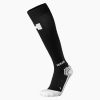
Although compression stockingsare not a substitute for targeted training or treatment, they can play an important supplementary role in recovering from knee complaints. How?
➤ Support for lower leg muscles
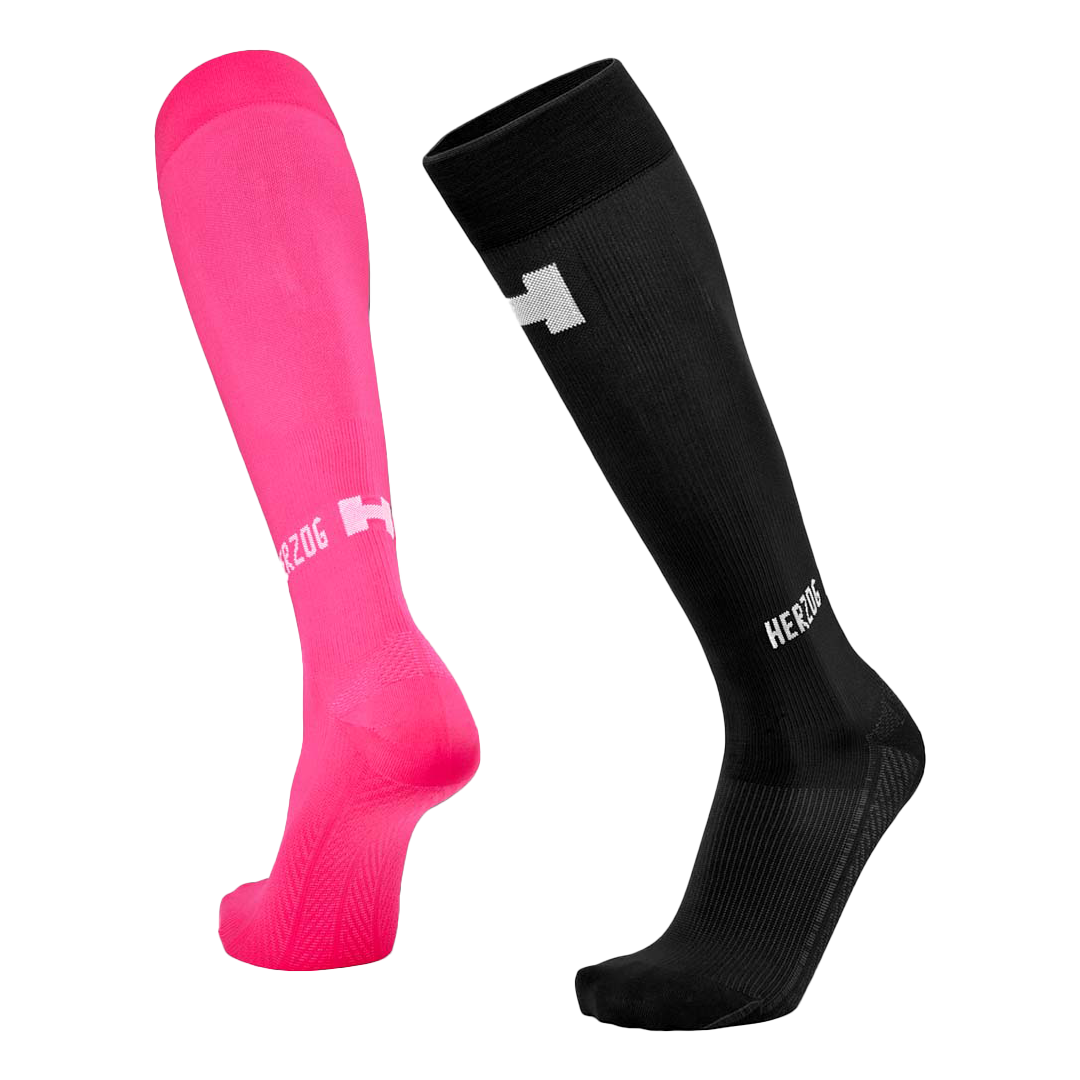
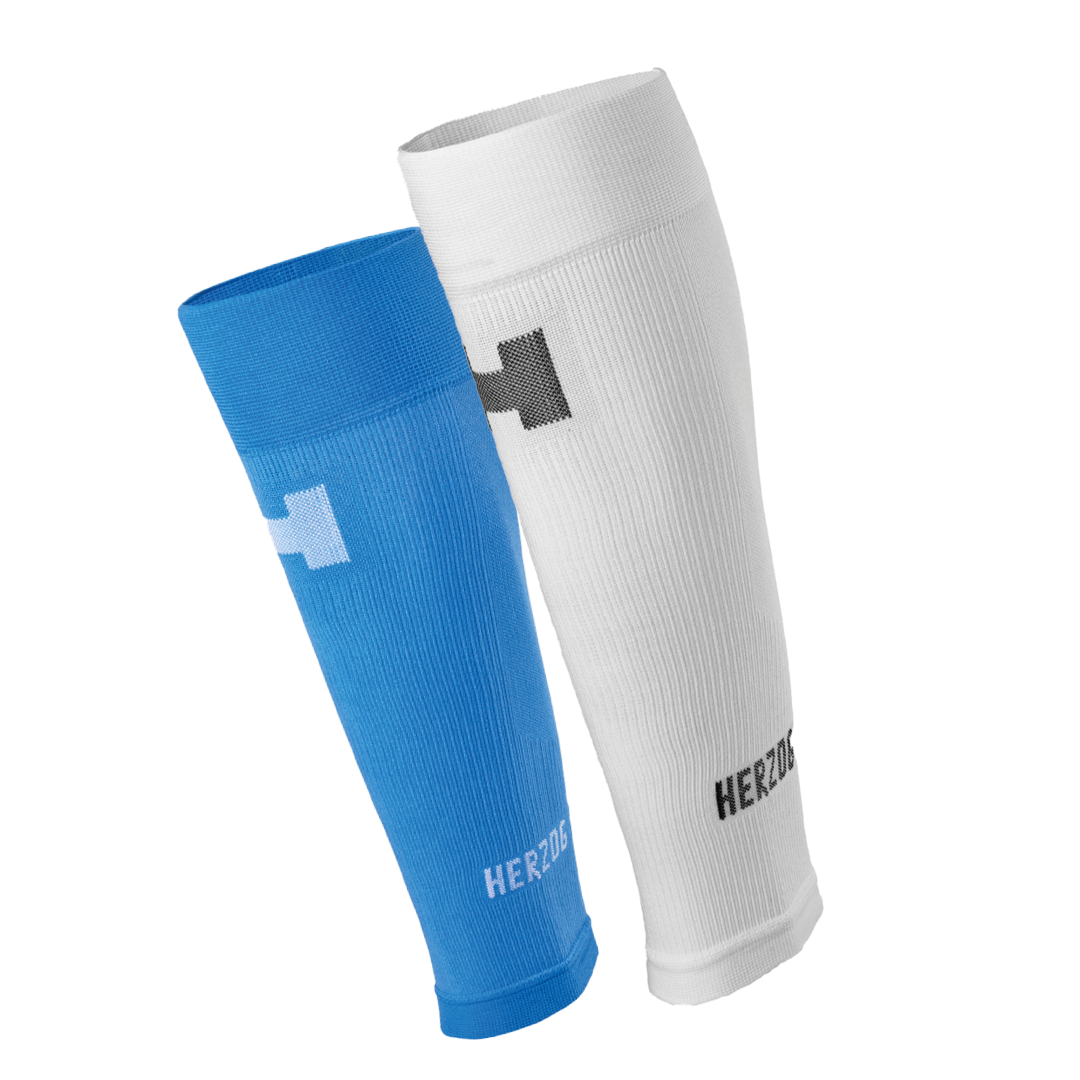
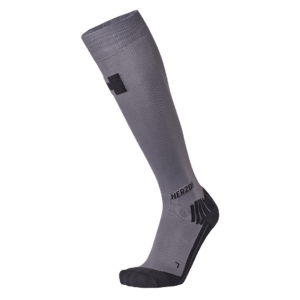
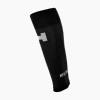
Herzog compression stockings exert gradual pressure, from ankle to knee. This helps stabilize the lower leg and reduces the pulling forces on structures around the knee, especially in runners with an unstable running style.
➤ Better circulation and less muscle damage
Improved circulation leads to faster removal of waste products and accelerated recovery. This can help reduce inflammatory reactions around the knee, especially with conditions like runner's knee or tendon irritations.
➤ Prevention during the build-up phase
Are you resuming training after a period of rest? The extra support and muscle control provided by compression stockings can help prevent a recurrence of symptoms.
Knee pain does not have to mean the end of your running enjoyment. By understanding your body well, building up your training intelligently, and addressing your weak links with targeted exercises, you can usually move pain-free again within a few weeks. With the right support, you can also recover faster and prevent future injuries.
Keep moving, but listen to your body
Latest blogs
The art of triathlon: training, nutrition and recovery
Read more about how to get the best out of yourself during a triathlon with the right balance of training, nutrition, and recovery.
The hysteresis effect of Herzog compression stockings: what does it mean?
Discover how the hysteresis effect in the yarn of Herzog compression stockings works and why it is important during movement.
On our way to the Amsterdam City Walk with Herzog Medical
The Amsterdam City Walk is coming up! Discover how to prepare for a long walk and why paying attention to your feet, legs, and recovery is important.
Compression stockings for a muscle tear: do they help with recovery?
Discover what compression stockings can do for a muscle tear and during your recovery.
First HYROX? Here's what you need to know before you start
First HYROX on the schedule? Discover what to expect and how to prepare your body properly.
Compression stockings for rheumatism: can they offer support?
Pain, stiffness, swelling, or tired legs? Discover what rheumatism does to your body and what compression stockings can do for you.
Why are more and more footballers wearing compression shorts?
Discover why more and more footballers are wearing compression shorts and how targeted compression can provide support during training and matches.
From half to full marathon: what does your body need to get used to?
Discover what your body needs to get used to, what symptoms may arise, and how to properly prepare yourself for 42.2 kilometers.
Why athletes more often wear compression during long distances
Discover why athletes in marathons, trail runs, and long walks increasingly wear compression and what it does for the calf and ankle.
Groin pain during running: where does it come from?
Discover the causes of groin pain when running, which muscles are involved, and how to specifically recover and rebuild.