Choosing walking socks for the Four Days Marches: why compression makes all the difference
The Nijmegen Marches are a major achievement. Walking 30, 40, or even 50 kilometers four days in a row requires preparation and the right equipment. Many walkers pay a lot of attention to their shoes but forget one crucial part of their gear: hiking socks.
In this blog, you'll read why good hiking socks are essential during long hikes, which features truly make a difference, and why more and more participants in the Marches are choosing hiking socks with medical compression.
Side Image

Fit: how the right sock prevents friction and blisters

For long distances, such as the 120 to 200 kilometers during the Nijmegen Marches, the fit of your sock is at least as important as that of your shoe. A good hiking sock fits snugly, prevents creases, and does not slip. This reduces the risk of friction, pressure points, and ultimately, blisters.

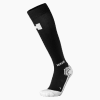
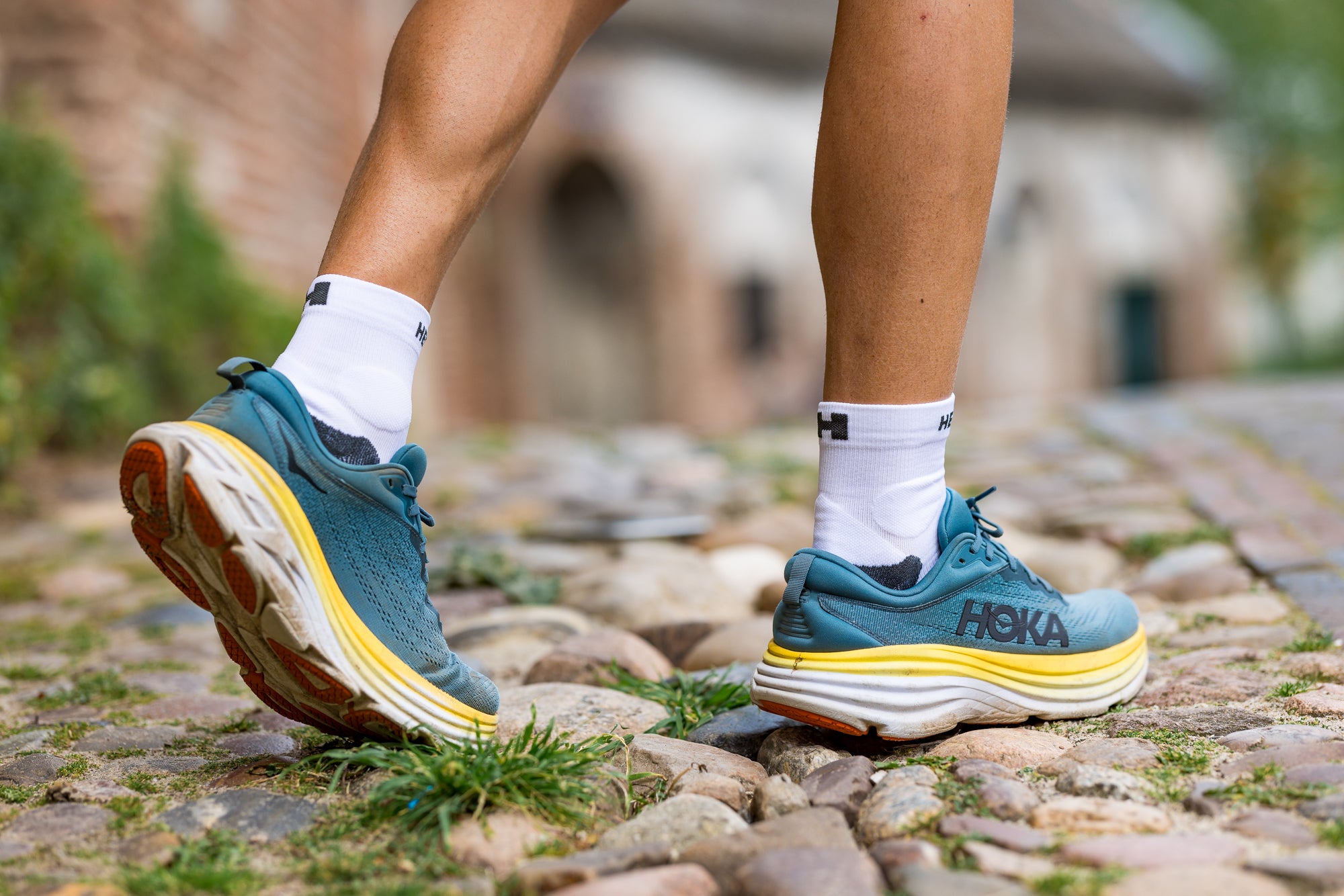
Compressionhiking socksgo a step further. Thanks to the snug, anatomical fit, the sock stays perfectly in place, even after hours of walking. The medical compression pressure ensures that there is no excess material that can fold or slip.

Side Image

Material: breathable, quick-drying and antibacterial

Cotton socks, for example, may seem comfortable, but they are disastrous for hikers. Cotton retains moisture, dries slowly, and thus increases the risk of blisters. Therefore, always opt for synthetic materials such as polyamide, polyester, or elastane.

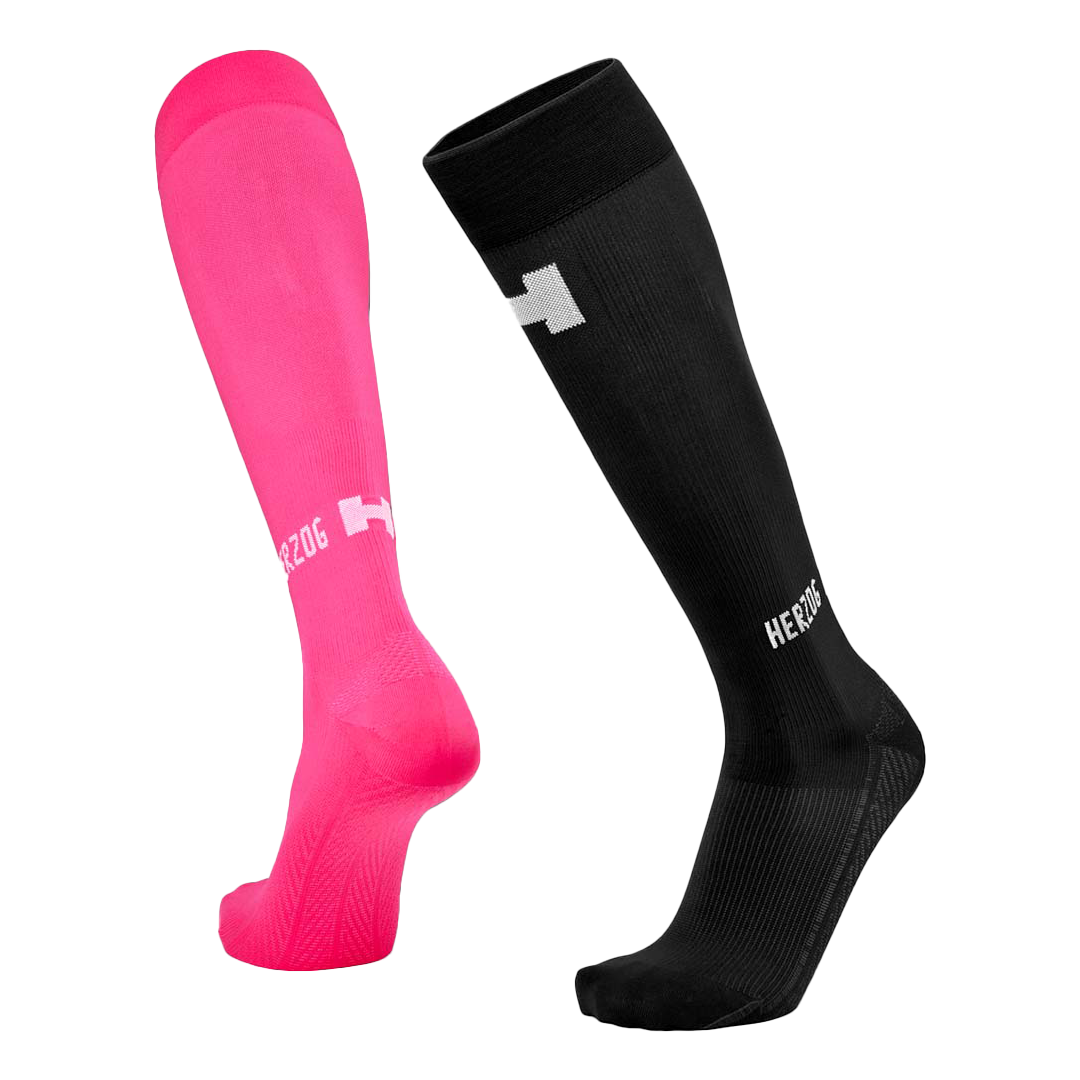
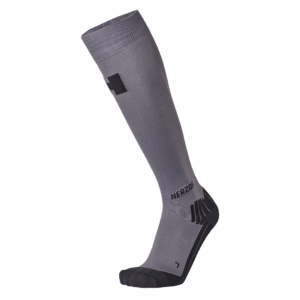
Herzog compression socks are made from a durable blend of breathable, quick-drying fibers with elastic compression yarns. This keeps your feet drier, fresher, and better protected – even on warm days or in wet conditions.

Products in this blog

Side Image

Why compression really makes a difference during the Nijmegen Marches

While standard hiking socks mainly focus on preventing blisters and providing more comfort during walking, compression hiking socks go a step further: theyactively support your muscles and blood circulation.

The benefits:

  • Less muscle fatigue during walking
  • Less fluid retention in ankles and feet
  • Accelerated recovery between walking days
  • Lower risk of overuse injuries to calves and tendons

For most Nijmegen Marches participants, this is not a superfluous luxury. Four days of intensive walking demands a lot from your legs; compression helps you absorb the strain and shorten your recovery time.

High or low hiking socks: what suits your hike?

Not every hiker chooses the same sock height, and that's understandable. What works well depends on the type of shoes you wear, the weather, and the distance you're walking. Herzog therefore offers a compression solution for various applications:

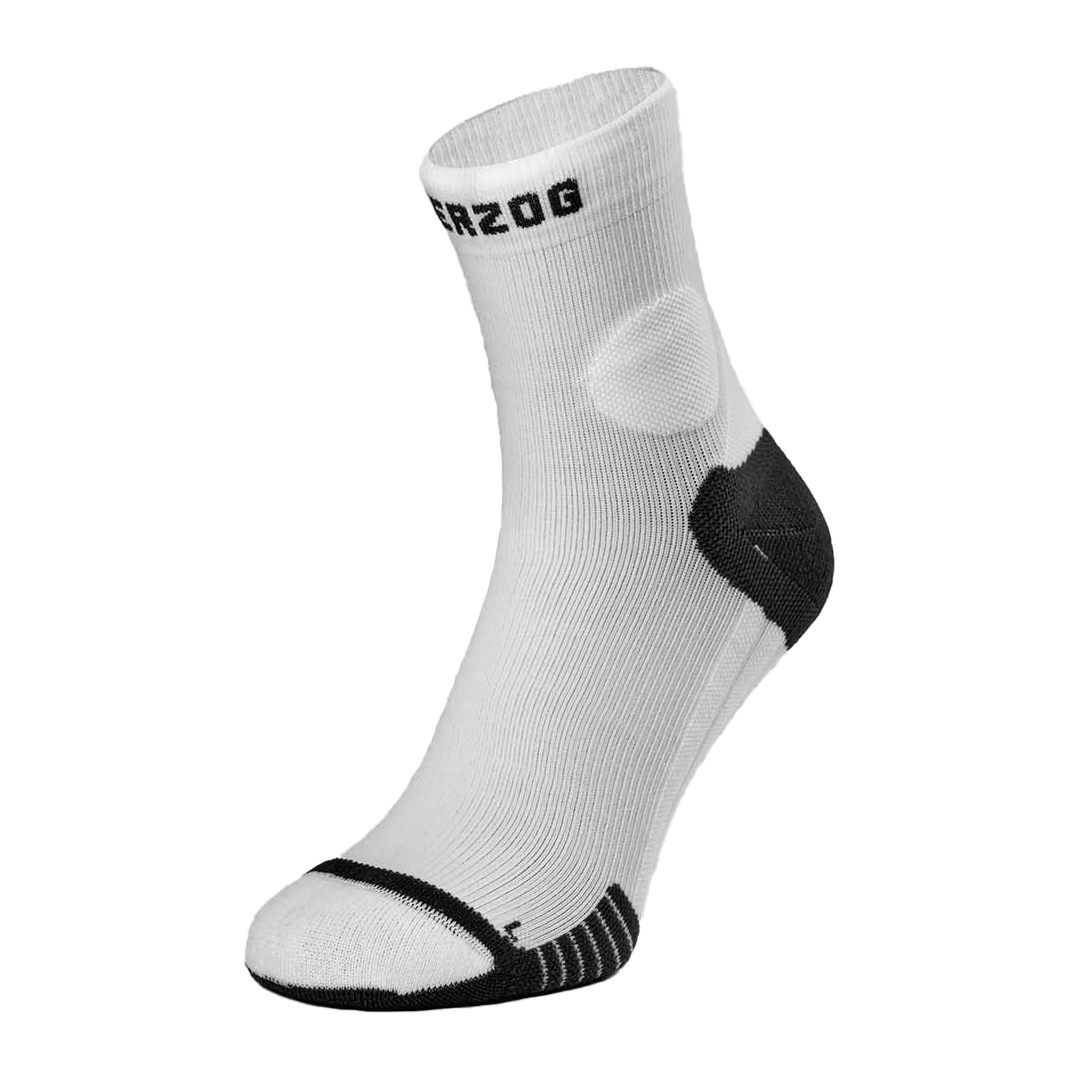
  • Need low hiking socks? The Pro Compression Ankle Sock is ideal for warm weather or when walking with light, low hiking shoes. This sock fits snugly, breathes well, and provides light compression around the foot and ankle, without getting too warm.
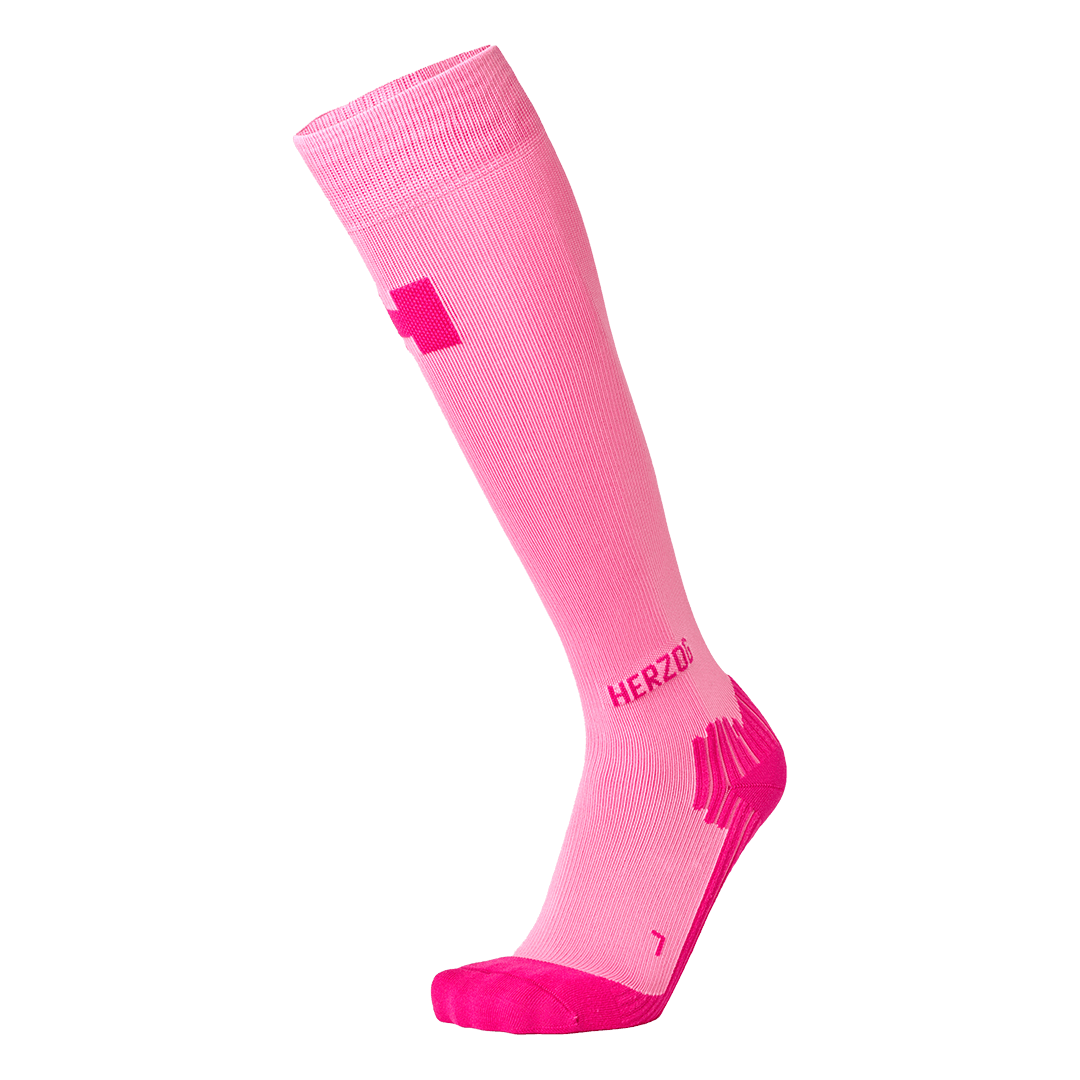
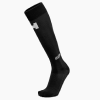
  • Need high hiking socks? The Support Compression Sock reaches below the knee and is great for longer distances or if you notice your calves tire quickly. This sock actively supports the lower legs and helps limit muscle fatigue.

Whether you choose short or long socks for your hike: hiking socks with compression provide more comfort while walking and better support along the way.

Practical tips for hiking socks during the Nijmegen Marches

Good preparation prevents a lot of discomfort on the way. With these tips, you'll get the most out of your hiking socks and your hiking performance:

  • Break in your socks in time: Just like your shoes, test your socks well before the start. This way, you can be sure of a good fit and avoid surprises along the way.
  • Wash your socks carefully: To maintain the compression and structure of the socks, preferably hand wash them or wash them inside out at a low temperature.
  • Change socks on long days: In extremely warm or wet conditions, it's wise to change socks halfway through the day. This helps to keep your feet dry and prevent blisters.
  • Bring multiple pairs: Make sure you have at least two pairs per hiking day. Also, always keep an extra spare pair on hand for emergencies.
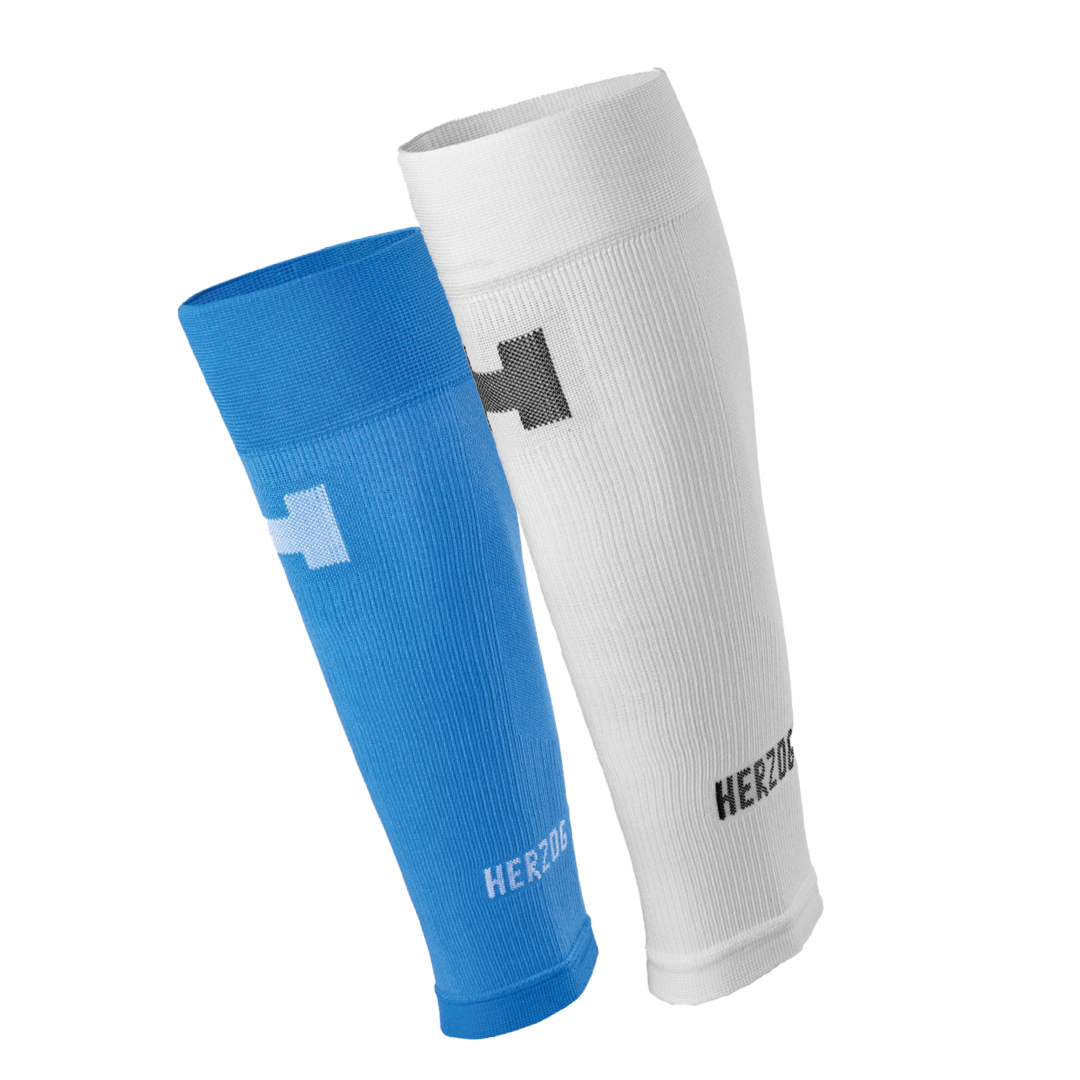
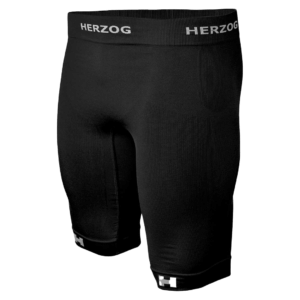
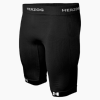
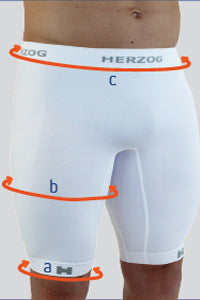
  • Actively support your recovery: Combine your compression socks with recovery support, such as a massage gun or compression shorts. This helps your muscles recover faster between hiking days.

Hiking socks that keep you on your feet

Anyone walking the Four Days Marches knows how important it is to stay injury-free – so you can start fresh on day two, three, and four. Good footwear is essential, but don't underestimate your socks: they largely determine your comfort and endurance.

The hiking socks from Herzog are developed based on medical compression technology. They support your muscles, reduce the chance of blisters, and help prevent fluid accumulation. Ideal for those who want to start prepared and finish fit.

Relevant blogs

6 Effective tips to prevent and relieve shin splints

Prevent and alleviate shin splints with 6 practical tips for runners. Less pain, faster recovery, and better training.

Treating Whiplash: 3-Phase Recovery with Compression and Cold Therapy

Recovering from a calf strain? Discover the 3 recovery phases and how compression and cold therapy can contribute to optimal and responsible recovery.

All about calf problems: causes, symptoms, and what you can do about them

Suffering from calf complaints? Read all about possible causes, common symptoms, recovery, and what you can do to prevent calf complaints.