Why athletes more often wear compression during long distances

During a long endurance run, half marathon, or hike, the load on your body constantly changes. In the beginning, every step feels light and controlled, but as the kilometers add up, muscles and tendons have to work harder to perform the same movement smoothly. You particularly notice this in your lower legs: your calves become heavier, your ankles less stable, and your tendons more susceptible to overuse. That's why you see many athletes wearing compression during marathons, trail runs, and long hikes.

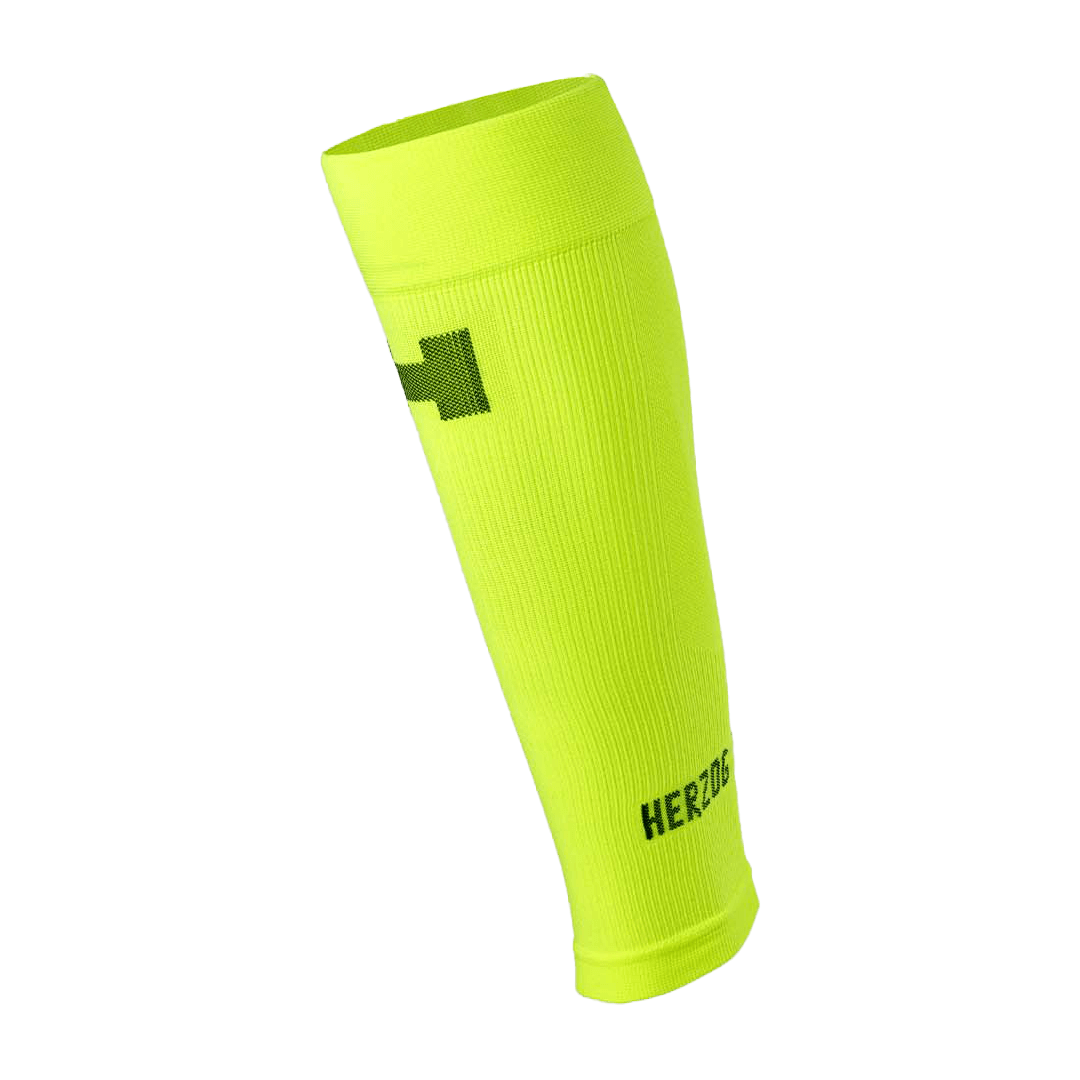
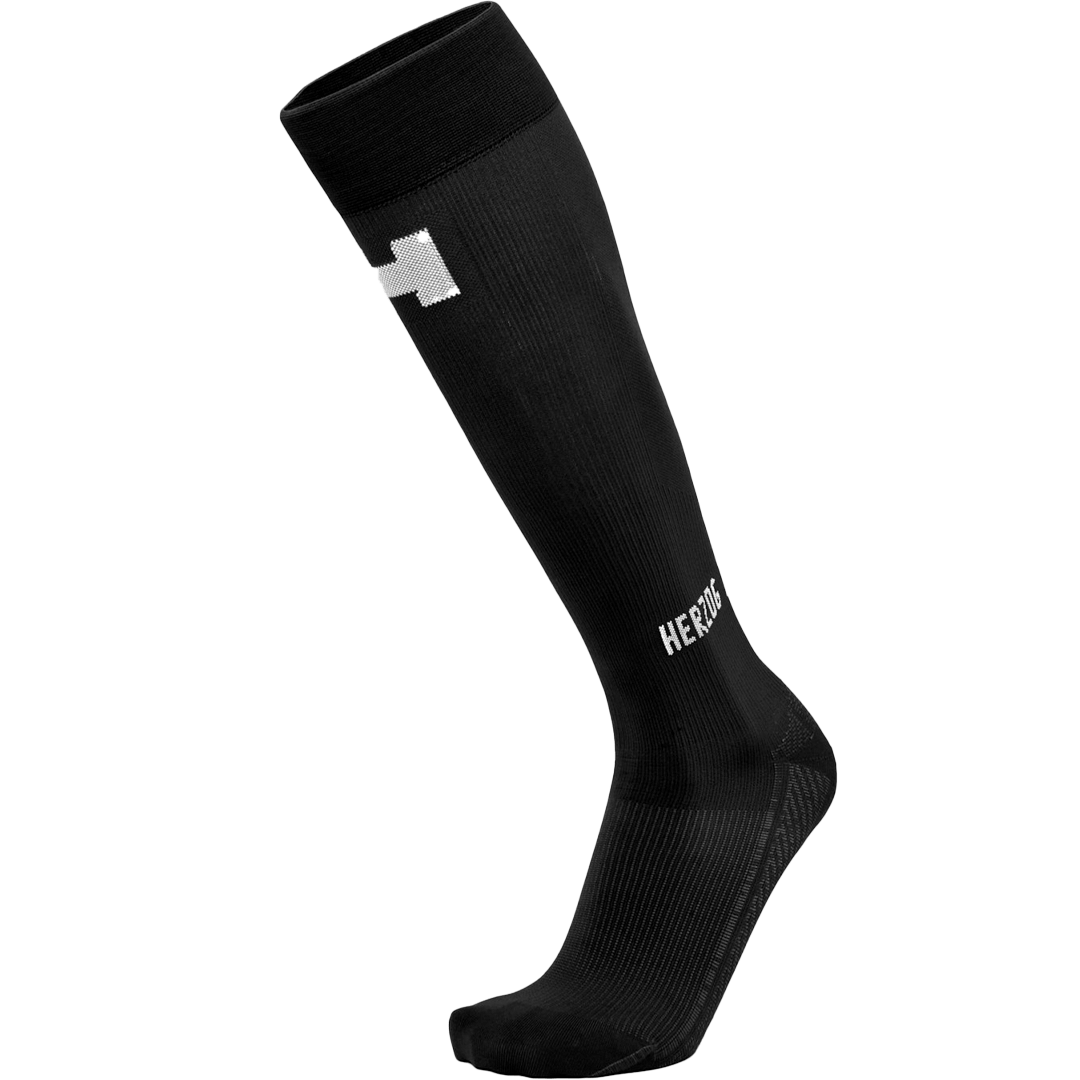
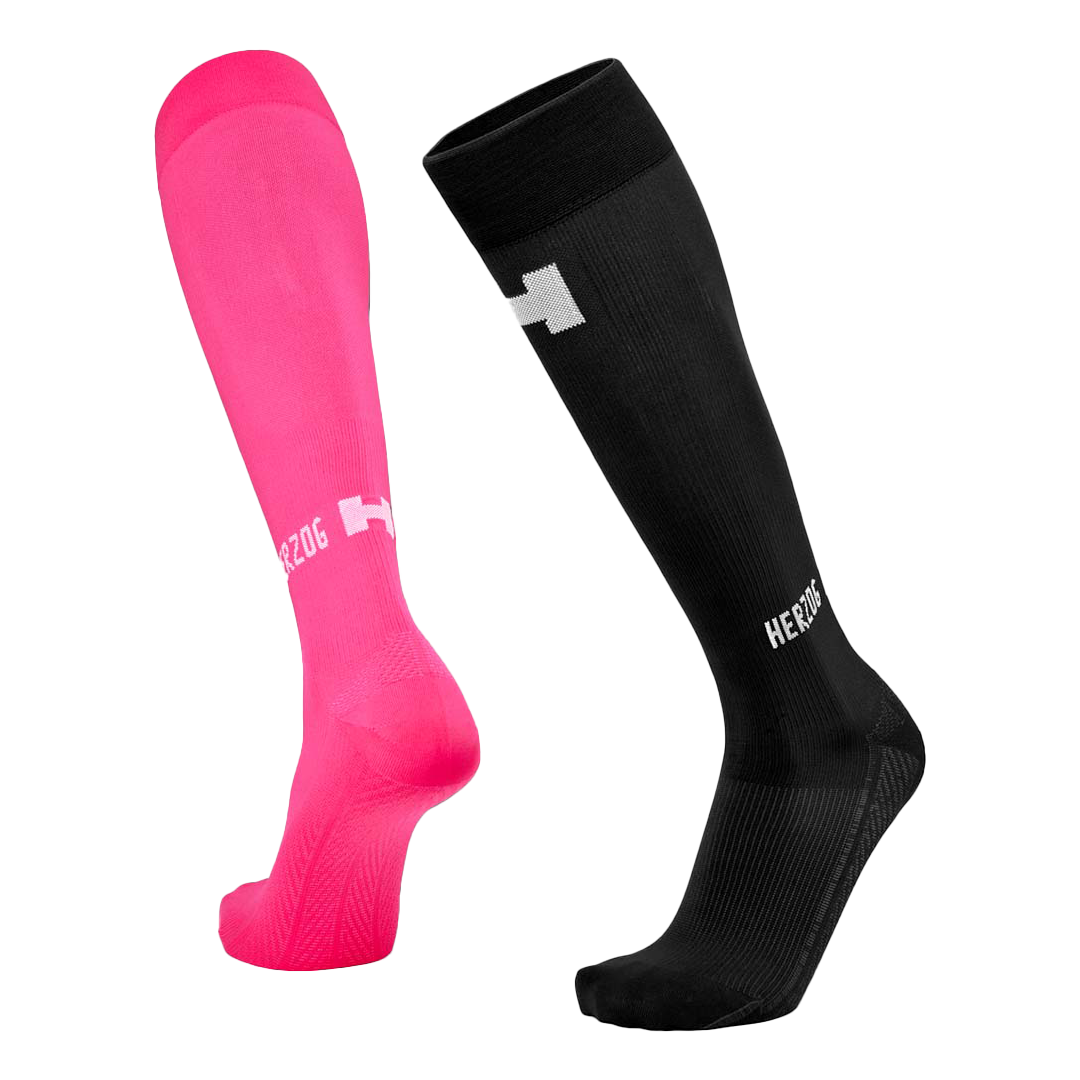
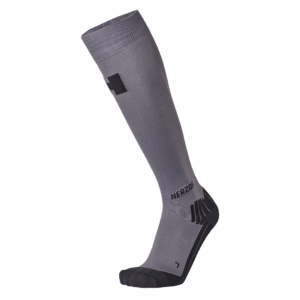
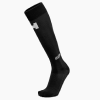
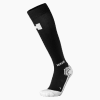
At Herzog, this need is reflected in the development of Herzog PRO Compression Socks, which are specifically designed to support the calf and ankle during prolonged exertion. They are intended to reduce muscle vibration and support blood circulation, so your body can better handle the strain of a long distance. This application doesn't come out of nowhere but from over twenty years of experience with compression technology in sports and healthcare.

Side Image

What happens in your lower legs during long distances?

The longer you're on the go, the more your muscles have to compensate for fatigue. The calf muscle, which contracts with every step to propel you forward, experiences small vibrations that accumulate as the distance grows. This vibrating costs extra energy and can contribute to a tired, heavy feeling in the calves. You'll barely notice this during a short run of a few kilometers, but during a half marathon or longer, it becomes increasingly noticeable. It is precisely in this phase that the first signs of overuse often appear, such as stiffness or a feeling of pressure around the tendon.

In addition to muscle fatigue, blood circulation plays a role. During exercise, blood must be pumped upwards from the lower legs, against gravity. Muscle contractions help with this, but as muscles fatigue, that pump function becomes less effective. The result can be a heavy or swollen feeling in the ankles and feet, especially towards the end of a long distance. That feeling of heaviness often starts in the last few kilometers and is still clearly noticeable in many runners after a marathon, when the lower legs feel tight and full.

This combination of muscle fatigue and reduced blood circulation makes the lower legs more vulnerable to injuries. Consider shin splints, where the shinbone membrane becomes irritated by repeated stress, or Achilles tendon problems that arise when the calf isn't working as well. Also, calf problemsin a broader sense are more common during long distances than during shorter training sessions. The body continues to function, but with less margin for errors in running technique or surface, which increases the risk of overuse. Those who ignore these signals run the risk of a minor overuse developing into an injury that requires weeks of recovery.

Side Image

How does compression support your lower legs during exercise?

Compression apparel works by applying light, controlled pressure to the calf and ankle. This pressure helps to hold the muscle more firmly in place, reducing vibration with each push-off. For many athletes, this feels like a more stable, less wobbly sensation in the calf, especially when muscles are already fatigued. This mechanism is explained in more detail on the page about the effect of compression, which describes how pressure and blood circulation are related during exertion.

With Herzog compression socks, this pressure is not applied randomly but is gradually distributed in a controlled manner: strongest at the ankle, gradually decreasing towards the knee. This is a principle that originated in medical compression technology and is applied in sports variants. A standard sock without this gradient often applies the same pressure everywhere, which has less effect on blood flow back to the heart. The difference is therefore not in the idea of compression itself, but in how precisely that pressure is built up.

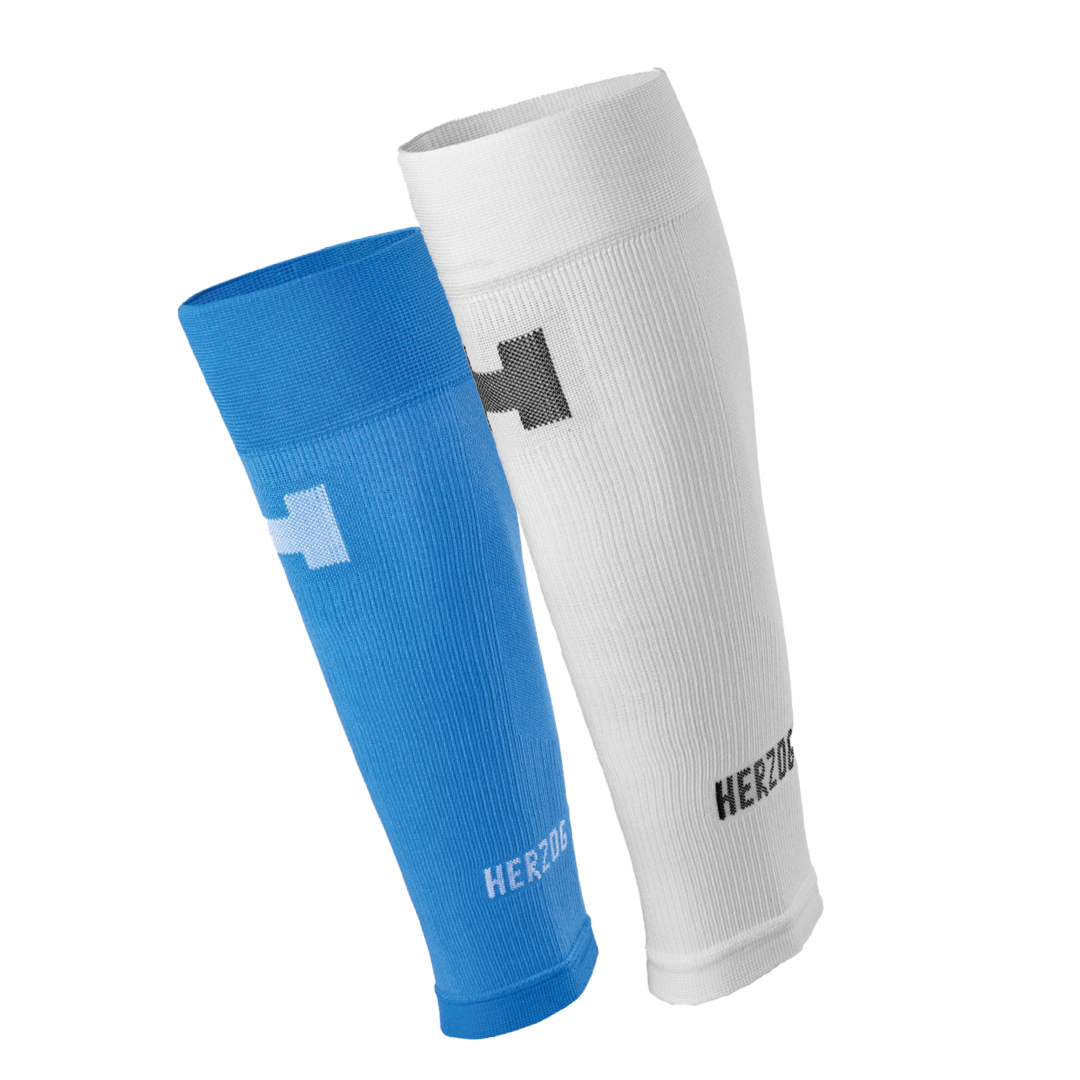
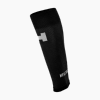
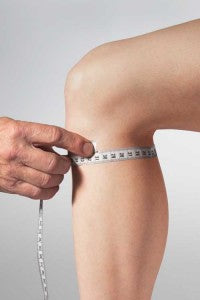
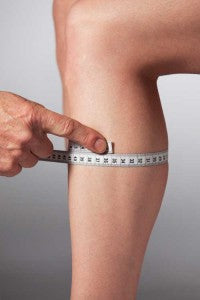
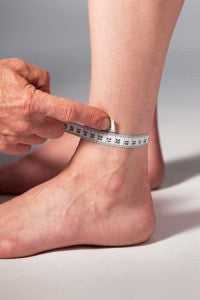
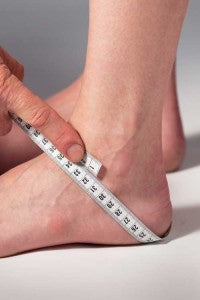
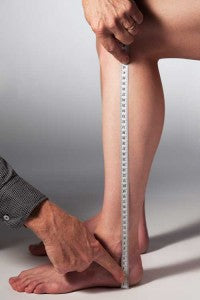
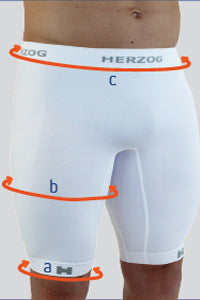
For this build-up to work properly, Herzog PRO Compression Socks and Herzog PRO Compression Tubes are individually measured at six and four points, respectively. This ensures that the sock conforms to the shape of your calf and ankle, rather than to an average size. This custom fitting is also why these products, along with their MDR certification, are used by both athletes and healthcare professionals. For people who experience recurring calf complaints, this precise distinction can make a noticeable difference in comfort during long distances.

Products in this blog

Side Image

For which sports and situations is compression during exercise beneficial?

Compression is not only worn during running. It also plays a role in long-distance walkingand trail runningon uneven terrain, where the calf and ankle experience similar strain. In trail running, the terrain constantly changes, meaning the ankle needs extra stabilization in addition to the support already provided by the calf muscle. For long hikes, it is primarily the duration of the exertion that matters, even if the intensity per step is lower than for running or trail running. Also, during long, strenuous cycling rides, a similar type of calf fatigue plays a role, even though the form of movement is different from running.

Whether compression is beneficial depends on the situation in which you exercise. For a short five-kilometer run, the added value is limited because muscles and circulation are hardly stressed. As soon as the distance increases to fifteen kilometers or more, many athletes notice that the calf feels less fatigued when compression is worn. Also, in warm weather, when the body already has extra difficulty regulating blood circulation, the supportive effect of compression can feel pleasant during and after exercise.

In addition to the exercise itself, the period afterwards also plays a role. Immediately after a long distance, muscles and the vascular system are still actively recovering, even though the movement has stopped. Many athletes choose to keep compression on in the hours after a marathon, trail run, or long walk, precisely because the body is still busy removing the accumulated stress. The experience Herzog has gained over the past twenty years in both sports and healthcare translates into socks that are tailored to this phase of exertion and recovery.

Frequently asked questions

Does compression really help during running?

Compression can contribute to a more stable feeling in the calf and supports blood circulation during prolonged exertion. It is not a miracle cure, but many athletes experience less vibration and a lighter feeling in their lower legs during long distances. The effect varies per person and per type of exertion.

When should I put on compression, before or after exercise?

Some athletes wear compression during exercise, while others only put it on afterwards to support recovery. Both applications are common and depend on personal preference and the type of activity. If in doubt, it is advisable to start during shorter training sessions to experience what feels comfortable.

Is compression suitable for existing conditions such as varicose veins or swollen ankles?

For conditions such as varicose veins, edema, or thrombosis, it is important to first consult a general practitioner or specialist before using compression during sports. They can assess what degree of pressure and what type of stocking is appropriate. Self-administering compression without such an assessment is not recommended for these conditions.

Relevant blogs

6 Effective tips to prevent and relieve shin splints

Prevent and alleviate shin splints with 6 practical tips for runners. Less pain, faster recovery, and better training.

Treating Whiplash: 3-Phase Recovery with Compression and Cold Therapy

Recovering from a calf strain? Discover the 3 recovery phases and how compression and cold therapy can contribute to optimal and responsible recovery.

All about calf problems: causes, symptoms, and what you can do about them

Suffering from calf complaints? Read all about possible causes, common symptoms, recovery, and what you can do to prevent calf complaints.