From half to full marathon: what does your body need to get used to?

Moving from a half to a full marathon is about more than just doubling the distance. While you are already putting in a significant effort during 21.1 kilometers, 42.2 kilometers requires much greater endurance and a body capable of handling prolonged strain. Muscles, tendons, and joints have to process an increasing number of kilometers during training.

It is precisely when your training volume increases that complaints can arise. This does not mean these complaints are inevitable, but it does mean your body needs time to adapt to the extra load. So, how do you ensure your body is ready for that first full marathon? And which complaints should you take seriously during your preparation?

Side Image

From 13.1 to 26.2 miles: what changes in your
body?

The transition from a half to a full marathon means your body is under strain for much longer periods. During a long endurance run, you repeat the same movement thousands of times. Every landing, push-off, and step demands renewed effort from your muscles, tendons, and joints. The further you run, the more fatigue sets in. This can change your running technique and increase the load on certain parts of your body.

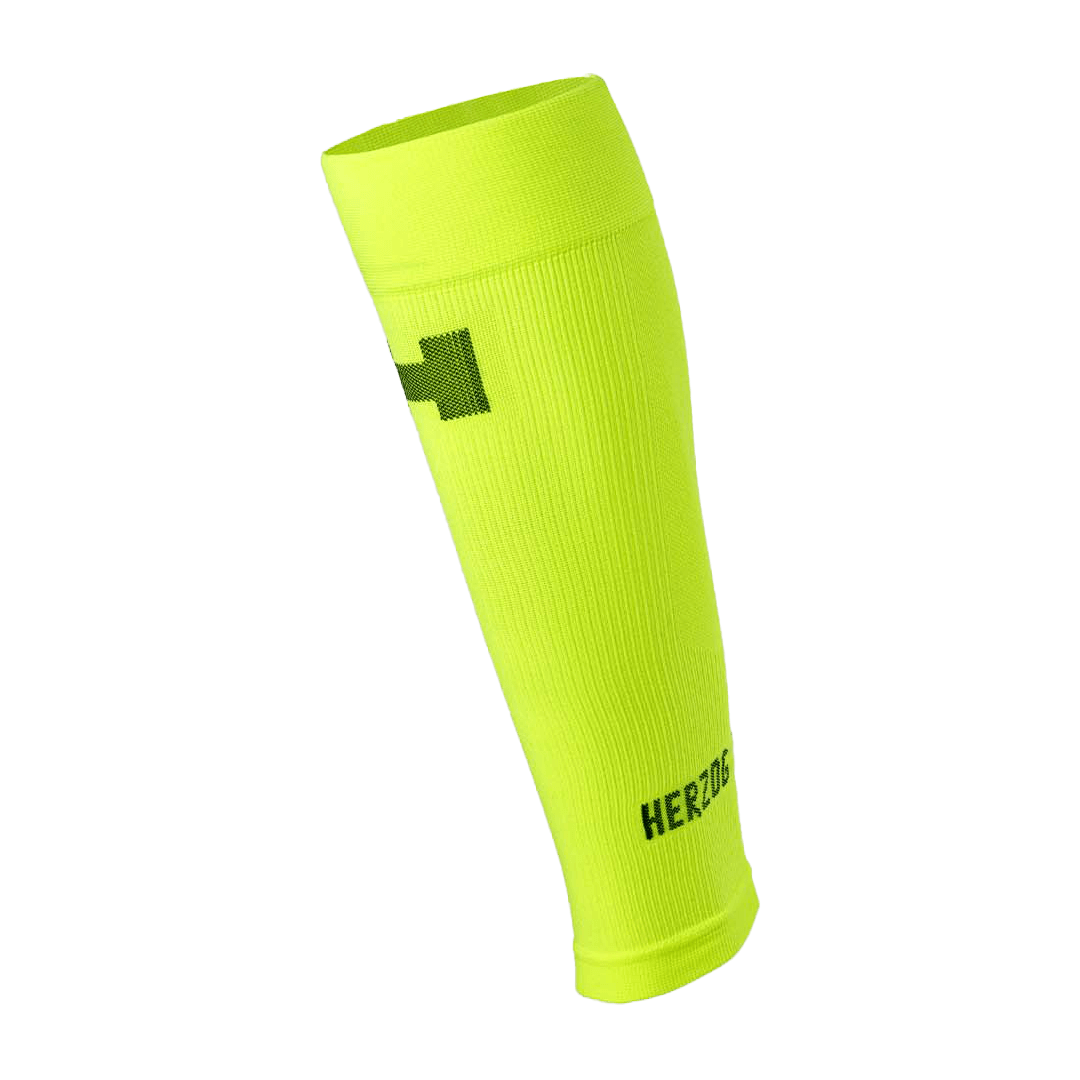
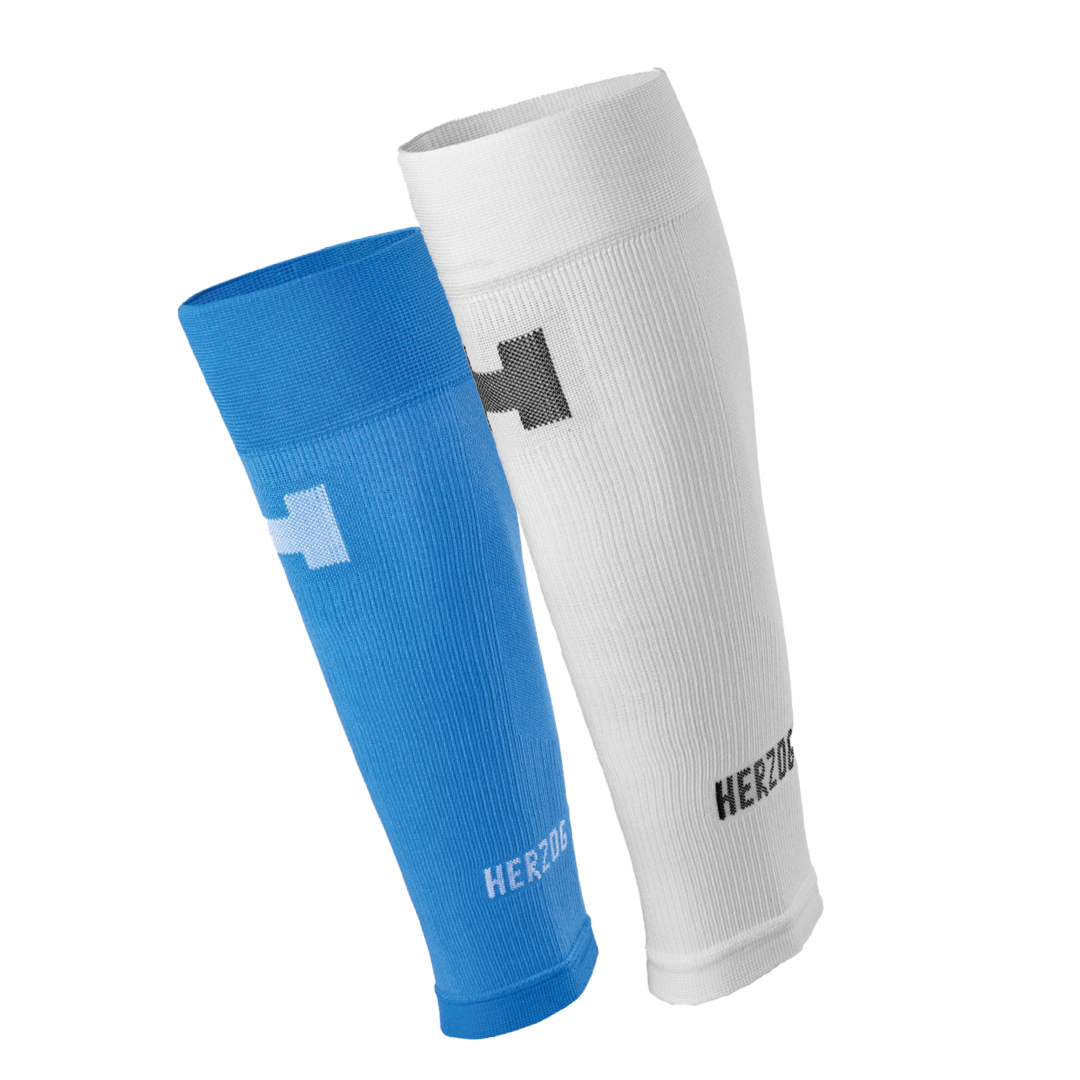
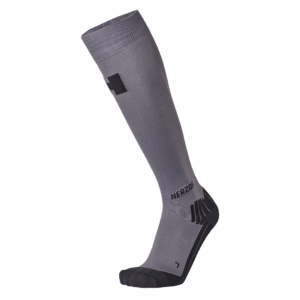
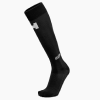
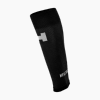
Your calves and lower legs in particular take a beating during long runs. When your training load increases faster than your body can keep up, complaints can arise. As you add more miles, there is increasing pull on the sensitive periosteum of the shin and the Achilles tendon. Shin splints, also known as medial tibial stress syndrome, are a well-known example of this. The pain often develops gradually and can become more pronounced as you increase your mileage. Calf issues can also arise when muscles do not get enough time to recover between training sessions. Herzog compression stockings help to reduce the impact load on the lower leg, limiting that pulling force.

It is not just your lower legs that need to get used to the extra miles. Your knees, Achilles tendons, and hamstrings also face prolonged, repetitive stress during marathon training. A solid training plan is therefore essential. By gradually increasing distance and intensity, you give your body time to adapt. Persistent or increasing pain is a signal to adjust your training and, if necessary, seek advice from a professional.

Side Image

Common complaints during preparation

Shin splints are a common complaint among runners who increase their training load. You often notice this as a nagging or sharp pain along the shin bone. Calf issues also occur regularly, for example after a long endurance run or when training frequency is increased. Tired or stiff calves are not always a sign of an injury, but recurring or increasing pain deserves attention.

In addition, longer distances can cause knee problems and Achilles tendon issues. Especially a sudden increase in the number of kilometers, extra hill training, or a combination of many intensive training sessions can increase the load quickly. Your body must not only get used to the number of kilometers, but also to the conditions under which you run them.

Preventing complaints therefore starts with more than just taking a rest when something hurts. Alternate hard training sessions with easy ones and plan sufficient recovery moments. Furthermore, ensure a good warm-up, appropriate shoes, and enough attention for strength and mobility. This way, you give your body the best chance to handle the transition from a half to a full marathon well.

Products in this blog

Side Image

Recovery: at least as important as your training

When training for a full marathon, it is tempting to focus primarily on logging miles. Yet, a large part of your body's adaptation actually takes place during recovery. Muscles, tendons, and other tissues are given time to adapt to the load you have built up during your training sessions. Insufficient recovery can actually cause fatigue to accumulate and minor complaints to keep recurring.

Therefore, plan not only your training sessions but also your recovery. Sufficient sleep, proper nutrition, and rest between heavy workouts form the foundation. A light recovery workout can also help keep you moving without putting heavy strain on your body again. If you regularly suffer from your calves, shins, or other parts of your body, do not just look at the complaint itself, but also at your total training load.

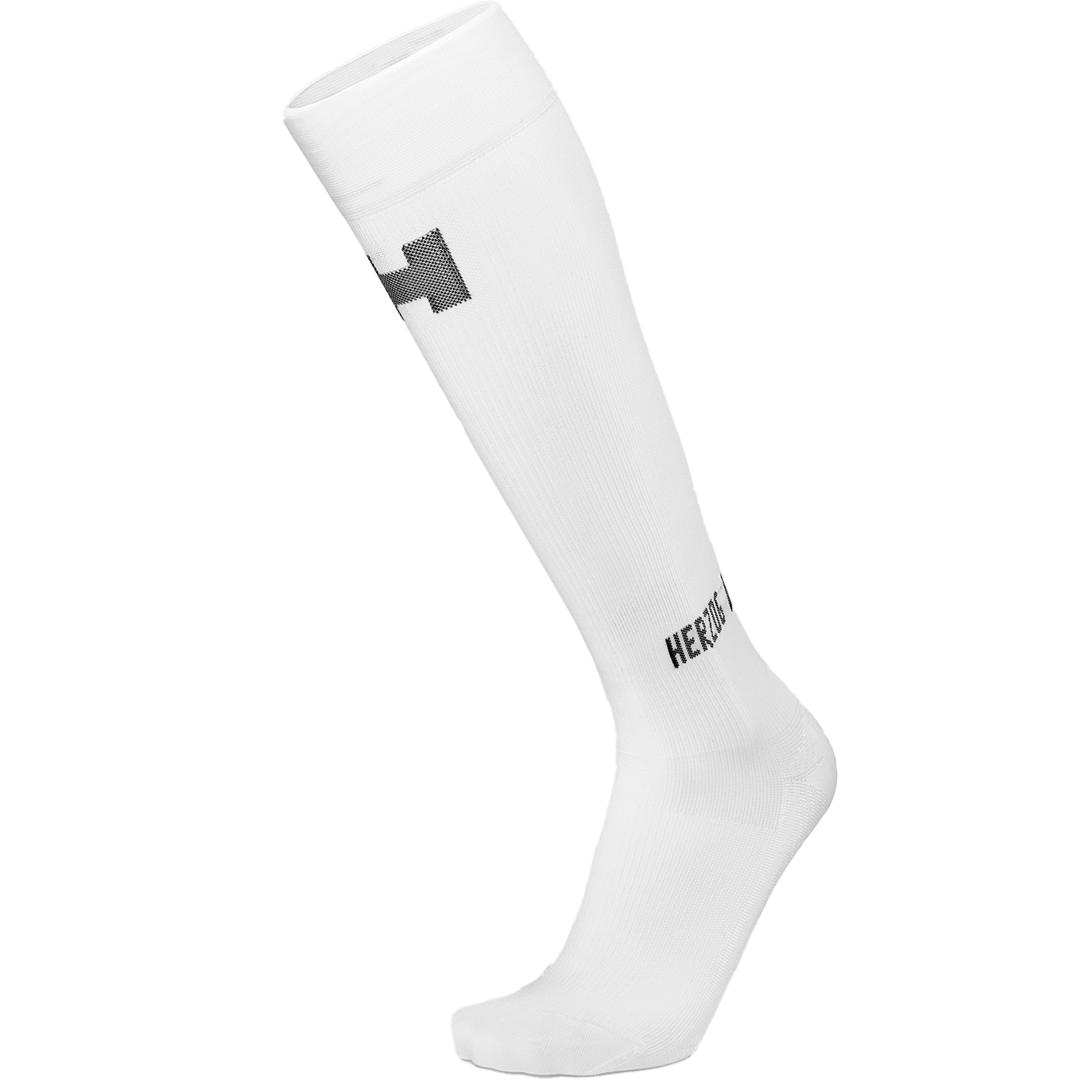
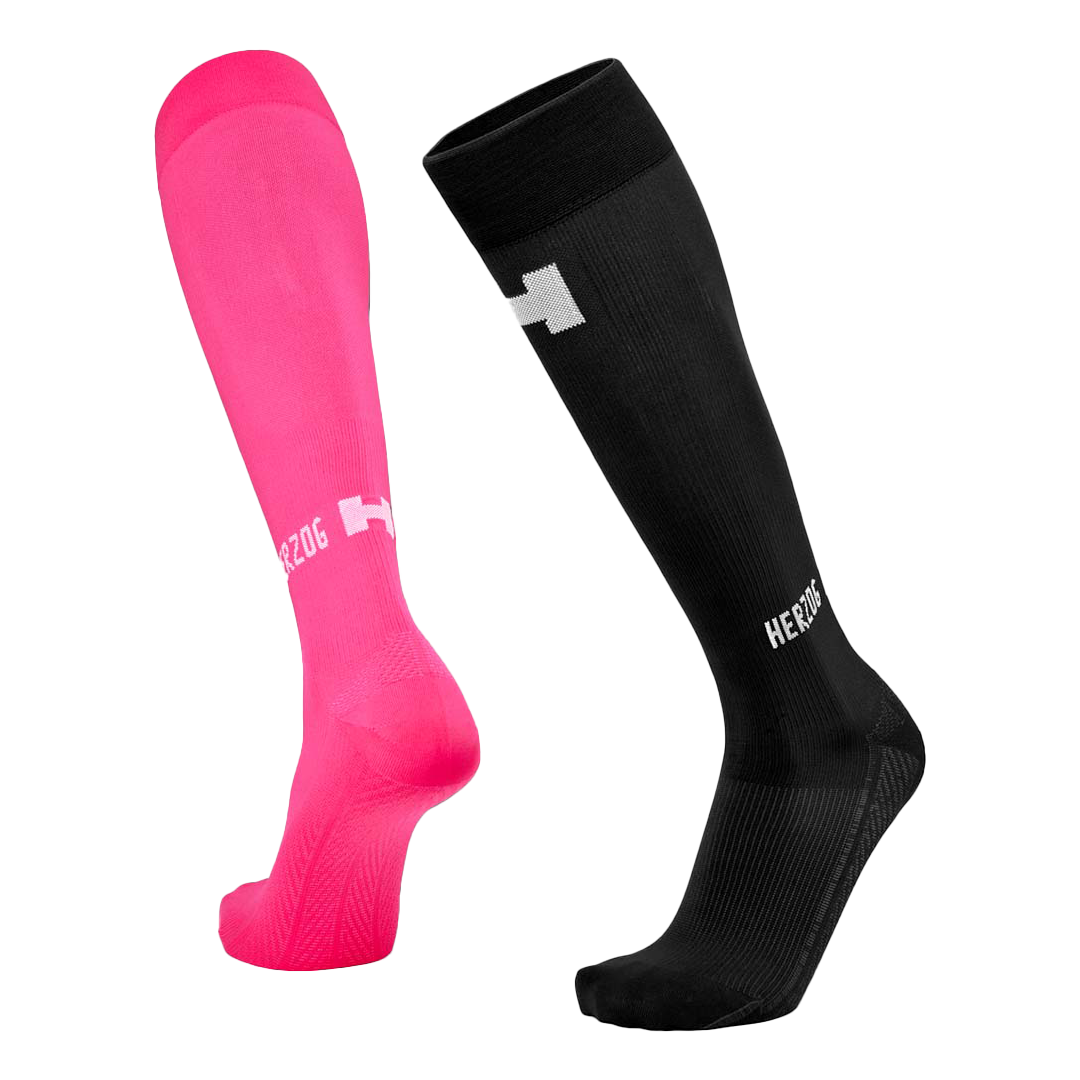
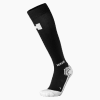
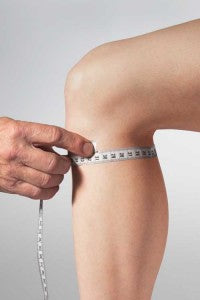
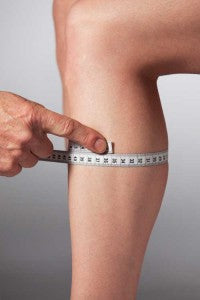
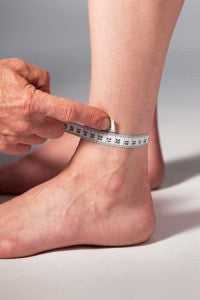
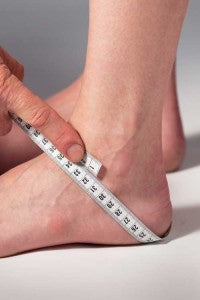
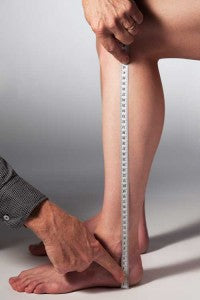
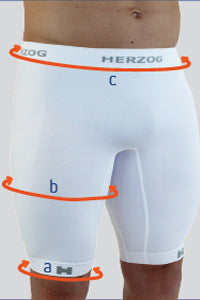
Compression can be a supplement to your recovery routine during or after a workout. Herzog compression products are developed to provide targeted pressure around the leg. The Herzog PRO Compression Stockingsare accurately measured at multiple points for a fit that conforms well around the lower leg. They can be used, for example, during longer endurance runs or in the recovery period afterward. Compression does not replace rest or a sound training schedule, but it can be a pleasant addition for many athletes.

The finish line begins with your preparation. A full marathon does not just start at the starting gun. The miles you log in the weeks leading up to it, the recovery you take, and the way you listen to your body determine how well-prepared you are at the start. Give your body time to get used to the extra load, so you can work toward those 42.2 kilometers step by step.

Relevant blogs

Het hysterese-effect van Herzog compressiekousen: wat betekent het?
The hysteresis effect of Herzog compression stockings: what does it mean?

Discover how the hysteresis effect in the yarn of Herzog compression stockings works and why it is important during movement.

Op weg naar de Amsterdam City Walk met Herzog Medical

De Amsterdam City Walk komt eraan! Ontdek hoe je je voorbereidt op een lange wandeltocht en waarom aandacht voor je voeten, benen en herstel belangrijk is.

Compressiekousen bij een spierscheur: helpen ze bij het herstel?
Compression stockings for a muscle tear: do they help with recovery?

Discover what compression stockings can do for a muscle tear and during your recovery.

Eerste HYROX? Dit moet je weten voordat je begint
First HYROX? Here's what you need to know before you start

First HYROX on the schedule? Discover what to expect and how to prepare your body properly.

Compressiekousen bij reuma: kunnen ze ondersteuning bieden?
Compression stockings for rheumatism: can they offer support?

Pain, stiffness, swelling, or tired legs? Discover what rheumatism does to your body and what compression stockings can do for you.

Waarom dragen steeds meer voetballers compressieshorts?
Why are more and more footballers wearing compression shorts?

Discover why more and more footballers are wearing compression shorts and how targeted compression can provide support during training and matches.

Van halve naar hele marathon: waar moet je lichaam aan wennen?
From half to full marathon: what does your body need to get used to?

Discover what your body needs to get used to, what symptoms may arise, and how to properly prepare yourself for 42.2 kilometers.

Waarom sporters tijdens lange afstanden vaker compressie dragen
Why athletes more often wear compression during long distances

Discover why athletes in marathons, trail runs, and long walks increasingly wear compression and what it does for the calf and ankle.

Liesklachten bij hardlopen: waar komt het vandaan?
Groin pain during running: where does it come from?

Discover the causes of groin pain when running, which muscles are involved, and how to specifically recover and rebuild.

Peesplaatklachten: symptomen, oorzaken en wat je eraan kunt doen
Plantar Fasciitis: symptoms, causes, and what you can do about it

Read about plantar fasciitis, its symptoms, causes, and how to alleviate the discomfort.