Why are more and more footballers wearing compression shorts?

Compression shorts are now a common sight on many football pitches. From professional footballers to amateurs, more and more players are wearing compression shorts under their football shorts. But why? Compression is not only for recovery after training or a match; targeted compression can also support the muscles that take a lot of strain during football.

Football demands a lot from your body. Explosive sprints, sudden changes of direction, braking, and shooting put a significant strain on the hamstrings, thighs, and groin, among other areas. Precisely these muscle groups are vital for almost every explosive action on the pitch.

But what exactly do compression shorts do during football? And why are more and more footballers choosing to wear them under their kit?

Side Image

Football demands a lot from your muscles

During a football match, you are constantly switching between walking, jogging, sprinting, decelerating, and accelerating again. Especially during explosive actions, your hamstrings, thighs, and groin muscles take a lot of strain. The repetition of these movements can lead to fatigue and an increasing load on the muscles.

As a match progresses, tired muscles are less able to respond to the rapid movements you make while playing. Good preparation and recovery are therefore important to ensure that your body can handle this strain throughout the season.

The transition to a new football season can also require extra attention. When training sessions and matches resume after a summer break, your body needs to get used to the intensity again. Building up too quickly can increase the risk of overuse and muscle complaints such as a groin injury or hamstring injury.

Side Image

What does compression shorts do during football?

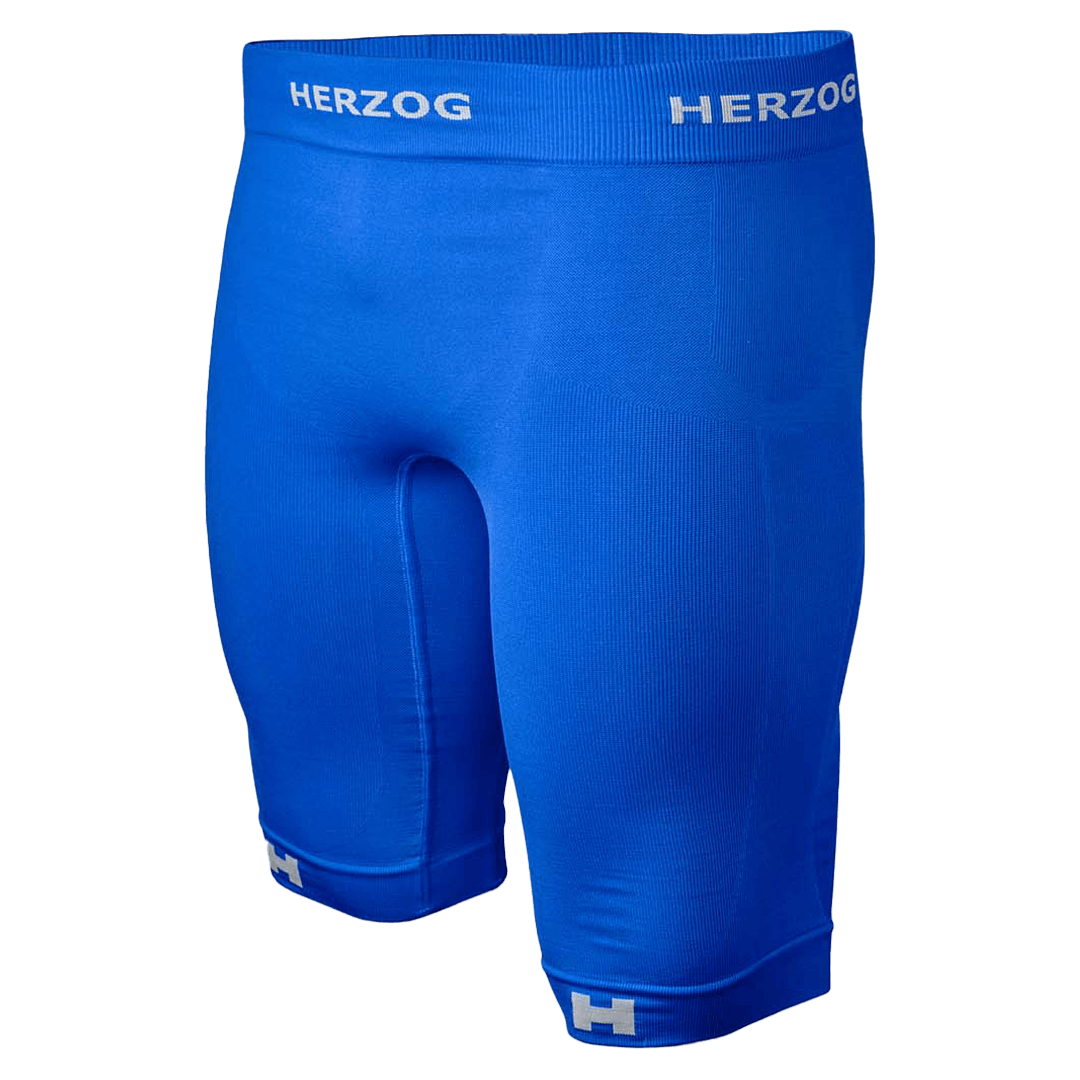
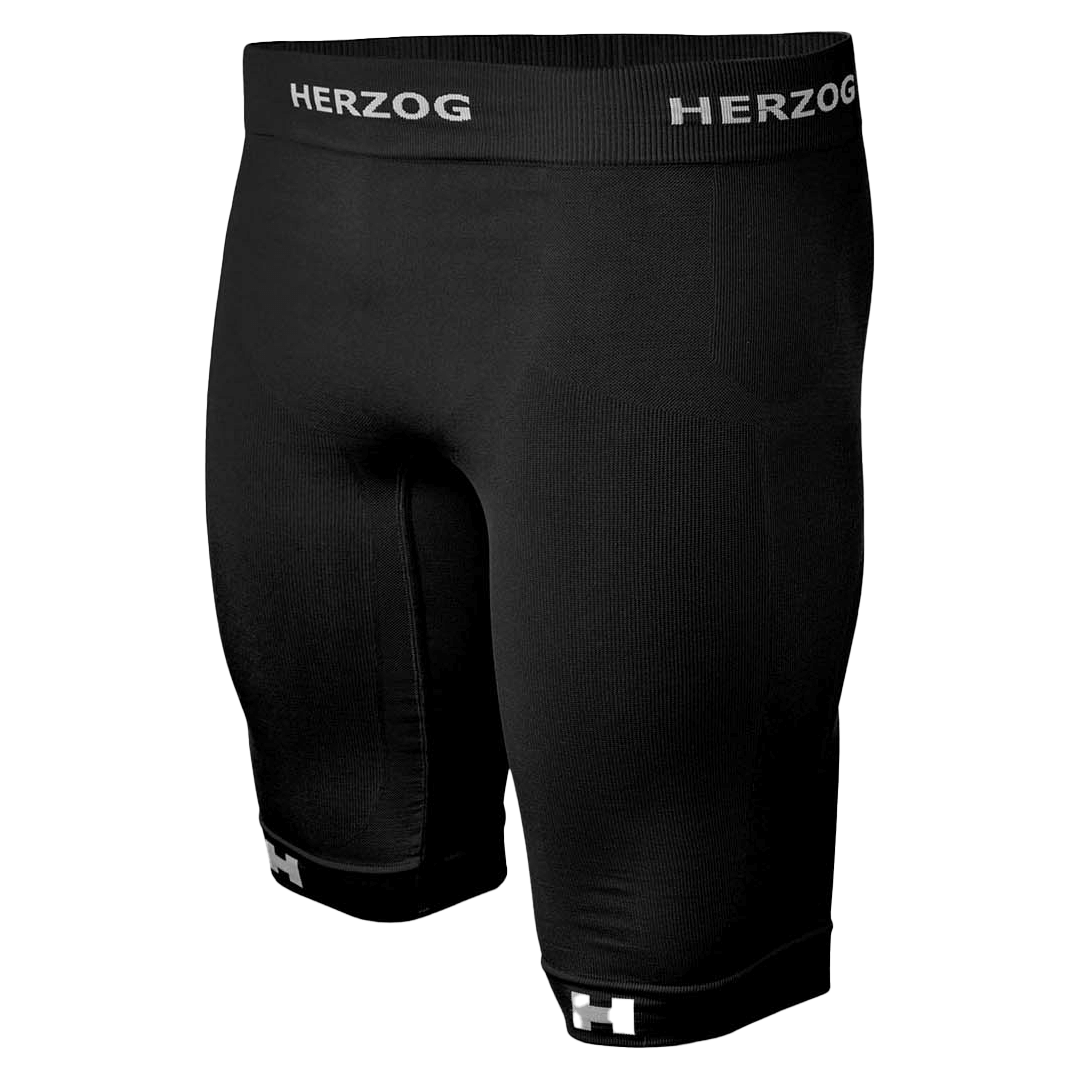
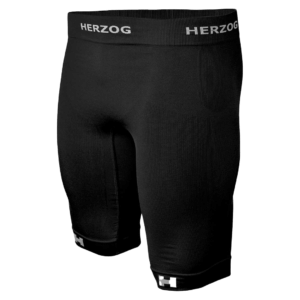
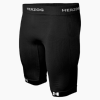
Compression shorts fit snugly around the thighs and close to the body. The targeted compression supports the muscles during movement and helps reduce muscle vibrations. This can make the legs feel more stable and supported during explosive movements such as sprinting, jumping, and pushing off. This can be beneficial during training and matches where you demand a lot of power and speed from your legs.

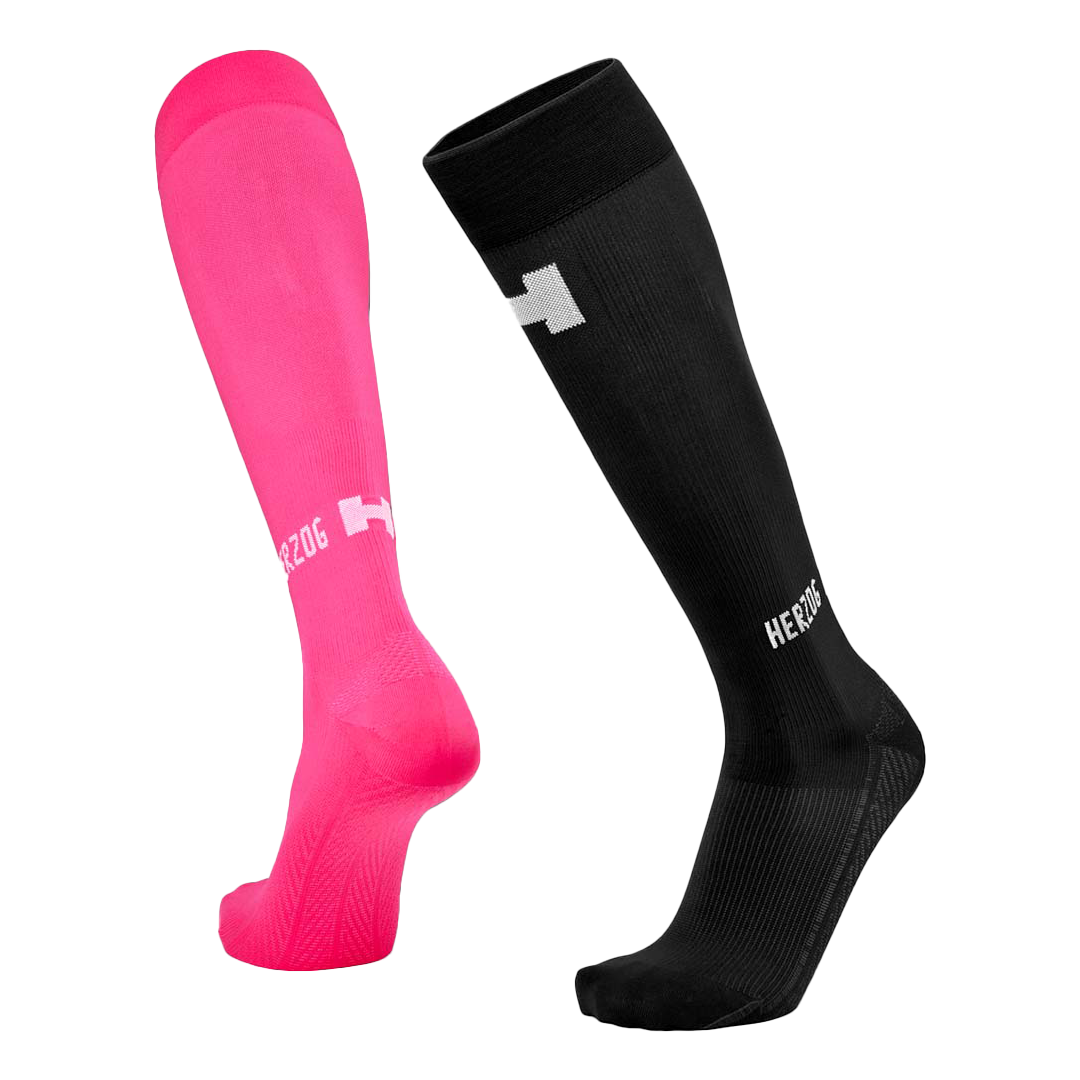
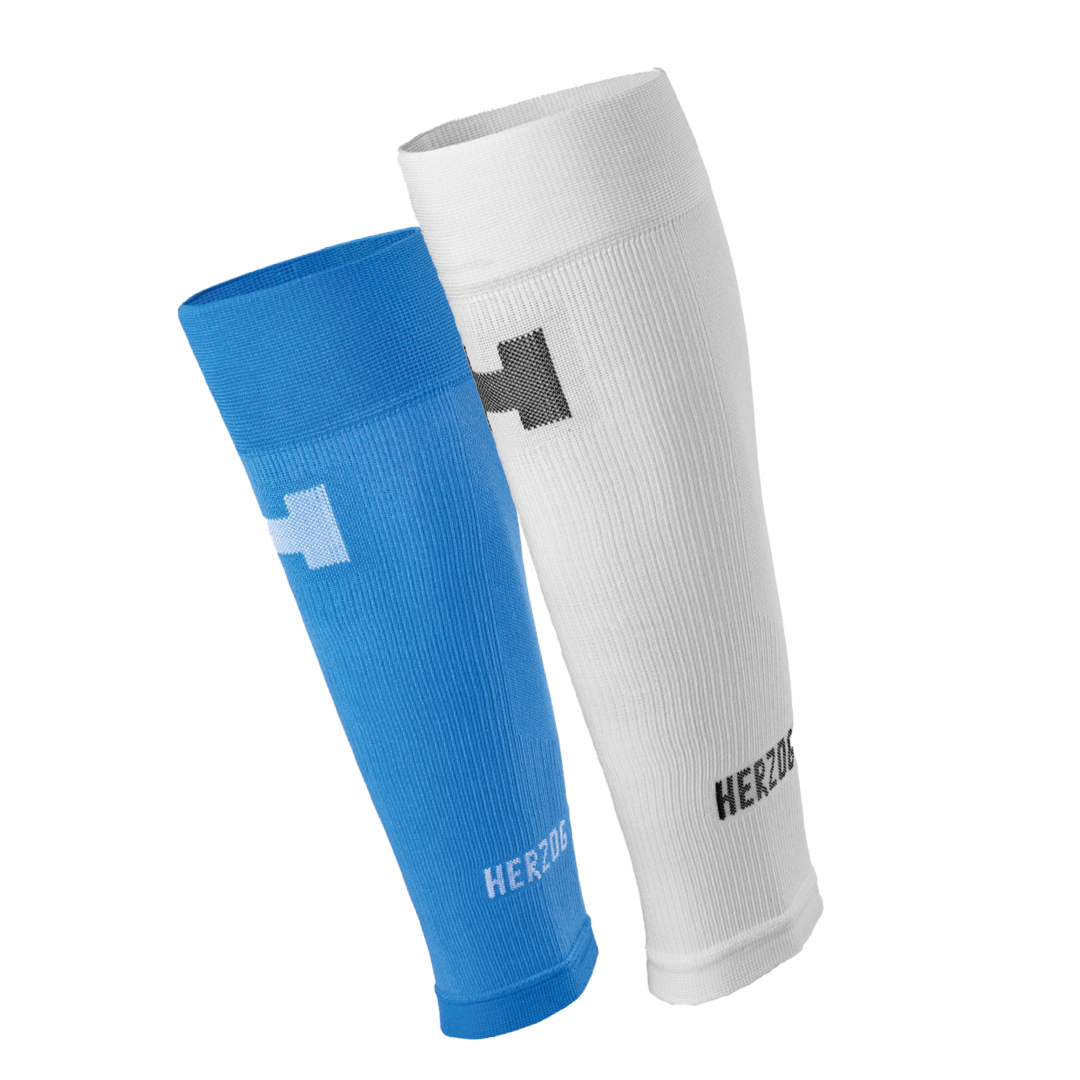
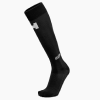
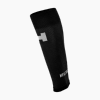
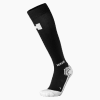
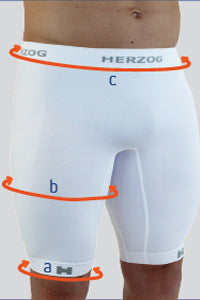
The Herzog PRO Sport Compression Shorts use a decreasing pressure gradient from 22 to 13 mmHg. The pressure is highest around the upper thigh and gradually decreases towards the knee. This way, the support is built up specifically, without the shorts feeling equally tight everywhere. This ensures a comfortable combination of compression and freedom of movement, so you can continue to move freely during exercise. While compression shorts focus on the thighs and groin, compression socks can provide support around the calves and lower leg.

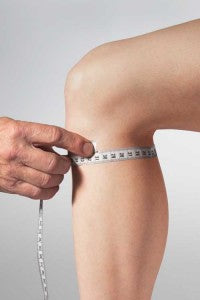
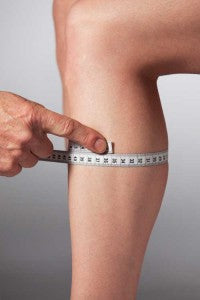
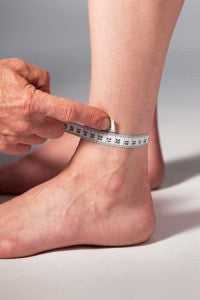
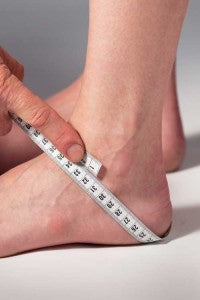
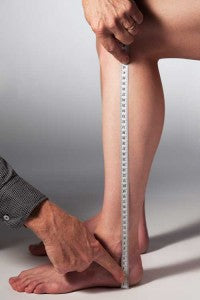
Thanks to a specific sizing system, the shorts are tailored to the shape of your leg at three points. This creates a personalized fit that keeps the compression in the right place, even when you move a lot. The shorts therefore remain well-fitting during exercise and offer targeted support where you need it. This way, you combine a firm fit with the comfort that is important during every training session or match.

Products in this blog

Side Image

More than just shorts under your kit

Compression shorts don't just have to come out of the closet when you're experiencing discomfort. Especially in a sport like football, where explosive movements constantly alternate, support during exercise can become part of your regular routine.

Always combine compression with a good warm-up, a gradual training build-up, and sufficient recovery. Compression shorts are not a substitute for good preparation but can be a valuable supplement.

The match may only start at the first whistle, but your preparation begins much earlier. How you train, how you recover, and how you support your body largely determines how you approach those 90 minutes. With the right preparation, you can confidently embark on every sprint, tackle, and action. Because on the field, you primarily want to focus on the game, not on your muscles.

5 tips for good match day preparation

A good match doesn't just start with the first whistle. With these 5 tips, you'll give your body a good foundation to start the match fit and prepared.

1. Take your time with your warm-up

Start calmly and give your body time to get going. Gradually build up intensity with light jogging, dynamic exercises, and a few short sprints.

2. Activate your muscles

Pay extra attention to the muscle groups that endure a lot during football, such as your hamstrings, thighs, and groins. This way, you prepare your muscles for the explosive movements to come.

3. Gradually build up your load

After a summer break, injury, or period with less training, it can be quite tempting to go all out right away. Give your body time to get used to the intensity again and build up training step by step.

4. Give your body sufficient recovery

Good preparation isn't just about training. Sufficient sleep, good nutrition, and rest between heavy training sessions help your body recover and be ready for the next exertion.

5. Listen to your body

Fatigue is a natural part of sports, but persistent or increasing pain is a different story. Take the signals your body gives you seriously and adjust your training accordingly if necessary. Extra support, such as compression shorts, can be part of your preparation.

This way, you ensure that you are not only ready for kick-off but also for the 90 minutes that follow.

Relevant blogs

6 Effective tips to prevent and relieve shin splints

Prevent and alleviate shin splints with 6 practical tips for runners. Less pain, faster recovery, and better training.

Treating Whiplash: 3-Phase Recovery with Compression and Cold Therapy

Recovering from a calf strain? Discover the 3 recovery phases and how compression and cold therapy can contribute to optimal and responsible recovery.

All about calf problems: causes, symptoms, and what you can do about them

Suffering from calf complaints? Read all about possible causes, common symptoms, recovery, and what you can do to prevent calf complaints.