Groin Injury in Athletes: Causes, Symptoms, and Recovery

A groin injury is a bothersome and often persistent complaint that primarily affects athletes who sprint, turn, push off, or change direction frequently. Think of footballers, hockey players, tennis players, padel players, and runners. The pain can arise suddenly after an explosive movement, but it can also build up slowly due to overuse.

Because various muscles, tendons, and structures come together in the groin, it is important to take complaints seriously. The sooner you know where the pain is coming from, the better you can approach your recovery.


Side Image

What is a groin injury?

A groin injury usually refers to an overuse or damage to the muscles and tendons on the inside of the thigh. The adductors play a particularly important role in this. This muscle group helps move the leg inward and stabilizes the pelvis during athletic movements.

During sprinting, turning, shooting, jumping, and accelerating, these muscles are subjected to a lot of force. When the load becomes greater than the tissue can handle, irritation or small damages can occur.

A groin injury can occur acutely, for example during a sprint or a sliding movement, but it also often develops gradually due to repeated strain.

What are the symptoms of a groin injury?

The complaints vary per athlete and depend on the severity and cause of the injury.

Common symptoms include:

  • Pain on the inside of the thigh
  • Groin pain when sprinting or turning
  • A pulling or dull ache
  • Stiffness after exertion
  • Pain when moving the leg sideways
  • Less power when pushing off or accelerating
  • Sensitivity to pressure on the groin area

In an acute injury, a sudden sharp pain can occur. With overuse, the complaint often starts more subtly and becomes progressively clearer over several training sessions.

Side Image

How does a groin injury occur?

A groin injury rarely has a single cause. Usually, multiple factors play a role simultaneously.

Too rapid training progression

When training volume or intensity increases too quickly, muscles and tendons don't get enough time to adapt. This occurs, for example, after a summer break or when you suddenly start playing multiple matches per week again.

Many explosive movements

Sports with many accelerations, braking actions, and changes of direction place extra demands on the adductors. This is why groin complaints are relatively common in football, hockey, and racket sports.

Reduced strength or stability

The muscles around the pelvis, hips, glutes, and core work together to keep the body stable. When a part of this chain is weaker, extra stress can be placed on the groin.

Fatigue

As a training session or match progresses, muscle control decreases. This can lead to a different distribution of load, and some muscle groups may be more heavily stressed than usual.

Insufficient recovery

Those who schedule intense training sessions too close together do not give muscles and tendons enough time to recover. This can lead to an accumulation of irritation.

Which athletes are at greater risk?

Groin injuries are particularly common in sports where speed and change of direction are important.

Think of:

  • Football
  • Hockey
  • Tennis
  • Padel
  • Athletics
  • Handball
  • Korfball
  • Running

Athletes who return to full training too quickly after a long break are also at greater risk.

What can you do for a groin injury?

For mild symptoms, it is advisable to temporarily reduce training load. Complete rest is often not necessary, but continuing to train through increasing pain is usually not a good idea.

The basis of recovery often consists of:

  • Temporarily reducing load
  • Targeted strength training
  • Mobility exercises
  • Gradual return to sport
  • Sufficient recovery between training sessions

Because groin pain can have various causes, it is advisable to have recurring or persistent symptoms assessed by a physiotherapist or sports physician.

How long does it take to recover from a groin injury?

Recovery time varies greatly.

A mild overuse injury can improve within a few weeks, while more severe muscle or tendon issues can take significantly longer. Especially when an athlete returns to full activity too soon, there is a chance that the injury will flare up again.

A gradual build-up is therefore more important than returning to full training as quickly as possible.

Products in this blog

Side Image

The role of compression in groin support

During exercise, the muscles around the thigh and groin are constantly exposed to muscle vibrations, pulling forces, and explosive movements.

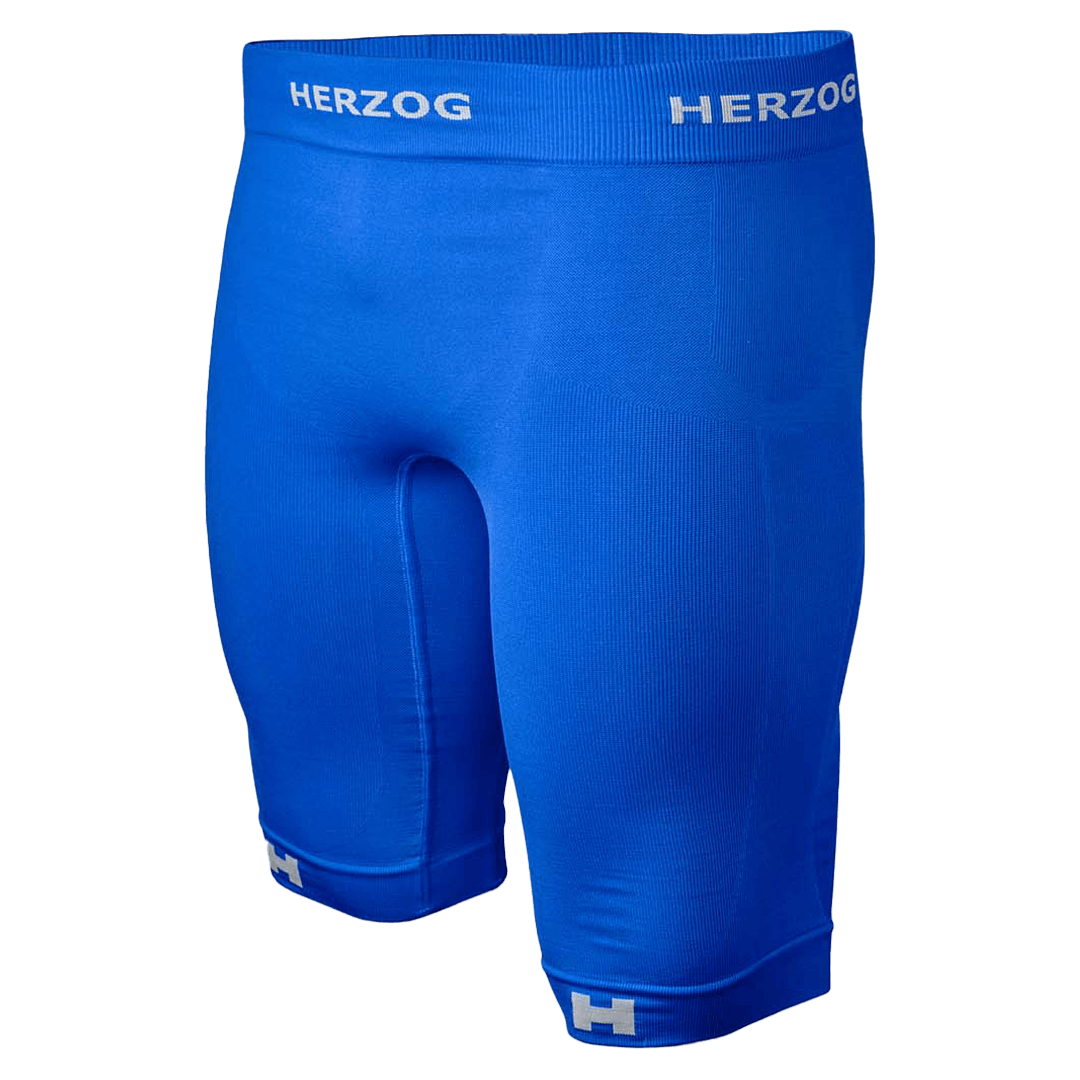
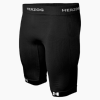
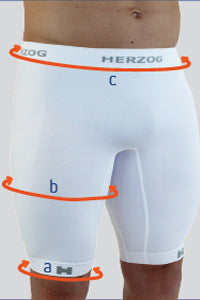
Therefore, many athletes use theHerzog PRO Compression Shortsas extra support during training and competitions.

The shorts provide targeted compression around, among other things:

  • The adductors
  • The hamstrings
  • The thighs
  • The glutes

As a result, many athletes experience a firm and supported feeling during intense movements.

Why the Herzog PRO Compression Shorts?

While standard sports shorts are primarily intended as clothing, the Herzog PRO Compression Shorts were developed based on compression technology.

The targeted pressure helps to limit muscle vibrations and supports muscle groups that experience significant forces during sprinting, turning, and accelerating.

This makes the shorts particularly interesting for athletes who:

  • Regularly make explosive movements
  • Are prone to groin or hamstring complaints
  • Want extra support for their thighs
  • Want to experience more stability during training

The shorts do not cure an existing groin injury, but they can play a valuable role as part of a broader approach to support, recovery, and injury prevention.

When is the best time to wear the shorts?

The Herzog PRO Compression Shorts can be worn:

  • During training
  • During competitions
  • During explosive sports sessions
  • During the gradual return to activity after an injury, in consultation with a therapist

Especially in sports where there is a lot of sprinting and turning, the extra support can feel comfortable.

Prevention is still better than cure

A good warm-up, strong adductors and glutes, a gradual training build-up, and sufficient recovery remain the most important pillars to reduce the risk of groin complaints.

Compression can support this, but it does not replace these fundamentals.

Shop the compression trousers

Frequently asked questions

Can you continue running with a groin injury?

With minor complaints, careful movement is sometimes possible, as long as it remains pain-free. If pain persists or increases, it is wiser to temporarily reduce the load and consult a physiotherapist for a targeted recovery plan.

How long does it take to recover from a groin injury?

Recovery time varies greatly per person and depends on the severity of the overuse and the underlying cause. Minor complaints sometimes subside after a short period of rest and recovery, while more severe overuse requires more time and guidance.

Can compression help with groin injury recovery?

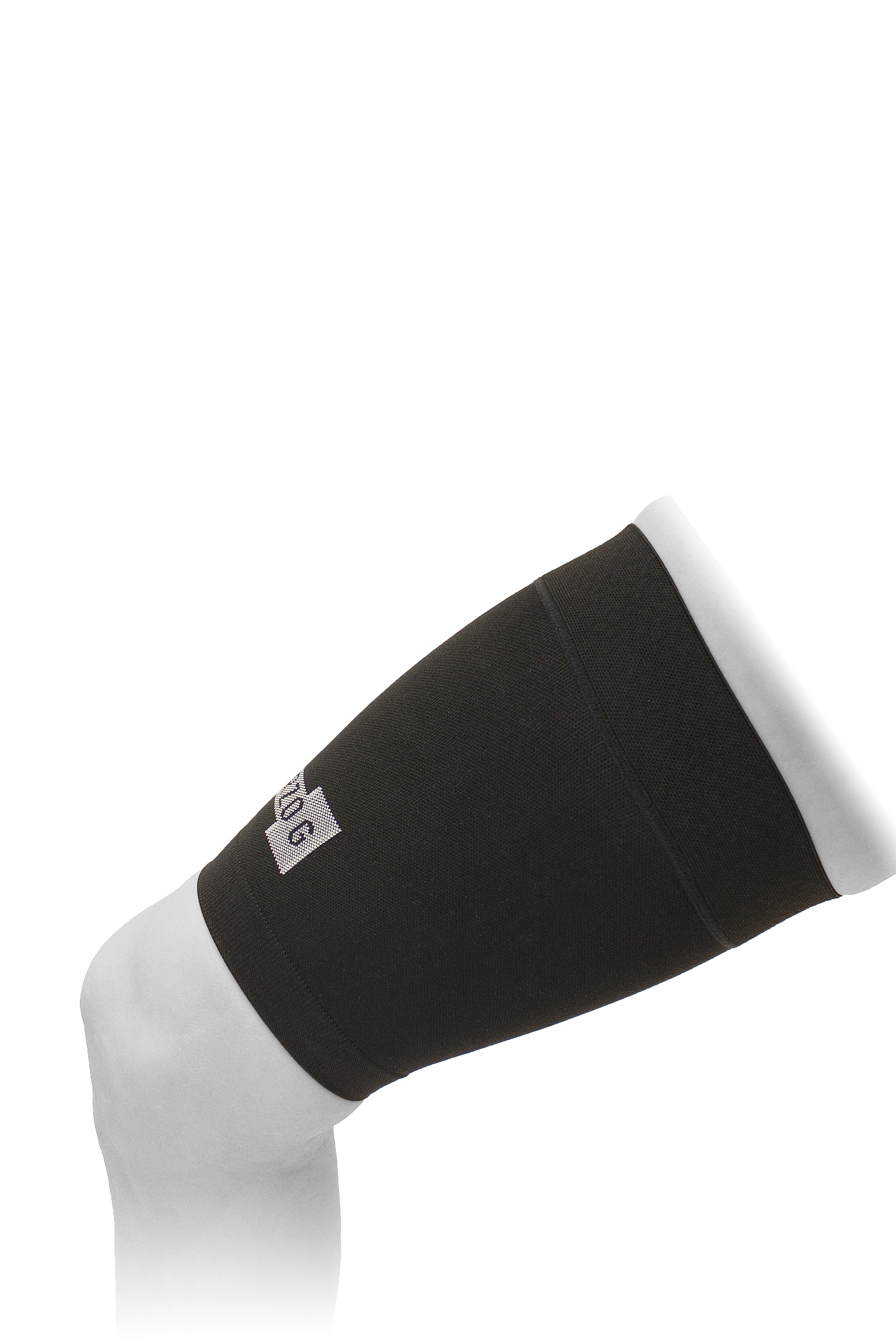
Compression around the thigh can contribute to a more comfortable feeling during movement and supports blood circulation during the recovery phase. It does not replace an assessment by a doctor or physiotherapist, especially when symptoms persist or worsen.

Relevant blogs

6 Effective tips to prevent and relieve shin splints

Prevent and alleviate shin splints with 6 practical tips for runners. Less pain, faster recovery, and better training.

Treating Whiplash: 3-Phase Recovery with Compression and Cold Therapy

Recovering from a calf strain? Discover the 3 recovery phases and how compression and cold therapy can contribute to optimal and responsible recovery.

All about calf problems: causes, symptoms, and what you can do about them

Suffering from calf complaints? Read all about possible causes, common symptoms, recovery, and what you can do to prevent calf complaints.