The Utility of Carbon-Plated Shoes: Hype or Game Changer?
- Herzog Medical
In the running world, you almost don't belong anymore without a pair of carbon-plated shoes. They are worn by top athletes and recreational runners alike, promising faster and more efficient running. But what makes carbon-plated shoes so special? And is it really worth the investment?
What are carbon shoes?
Carbon shoes are running shoes with a stiff carbon plate embedded in the sole. This plate, together with a special, resilient midsole, creates a kind of catapult effect. The idea is that you get energy back with every step, making you tire less quickly and maintain a higher pace more easily.
Advantages of carbon shoes
1. More efficient running
Due to the stiffness of the carbon plate and the springy cushioning, your foot rolls off more easily. This can lead to a more efficient running style, where you waste less energy.
2. More speed
Many runners find that they run slightly faster with carbon shoes, especially over longer distances. It's not a miracle cure, but it can give that extra push.
3. Less strain on muscles
The soft, responsive sole absorbs shocks. As a result, many runners experience less muscle soreness after a tough training session or race.
4. Motivating effect
New shoes often provide motivation. Knowing that you are running with advanced technology can be as much of a mental boost as a physical one.
Are carbon plate shoes for everyone?
While the benefits sound appealing, there are also a few caveats:
• Price: Carbon plate shoes are more expensive than regular running shoes.
• Durability: They often wear out faster due to the soft foam in the sole.
• Technique: The shoes work best for runners with good running technique. Beginner runners will benefit more from first building a good foundation.
When should you use carbon plate shoes?
Carbon plate shoes are often used for races or tempo training. For easy runs, they are not strictly necessary – you are better off saving your more durable (and often more comfortable) shoes for those training sessions.
Carbon plate shoes are not a magic solution, but they can make a difference. Especially if you have been running for a while and are ready for that extra boost for a faster time, a pair of carbon plate shoes can be worth the investment.
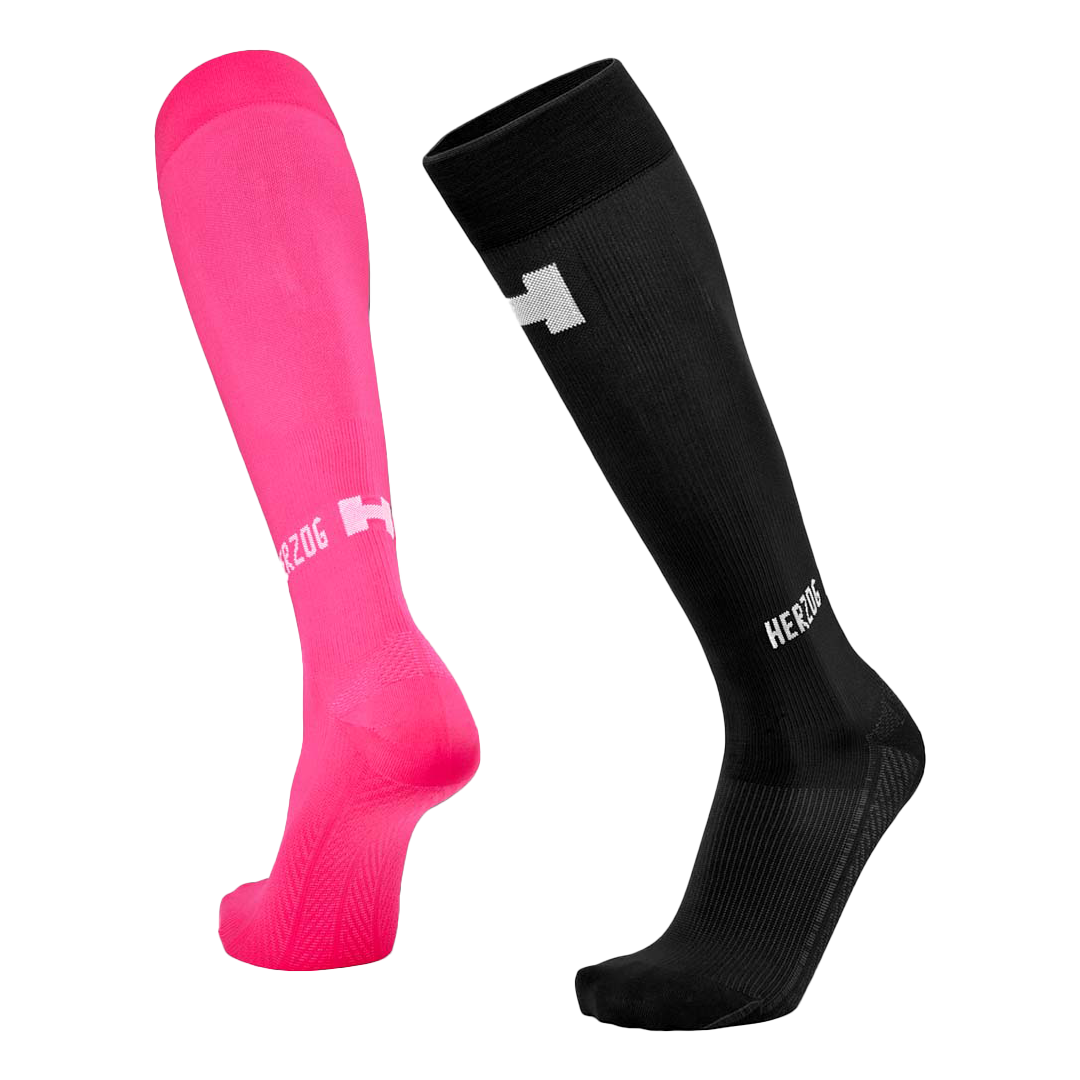
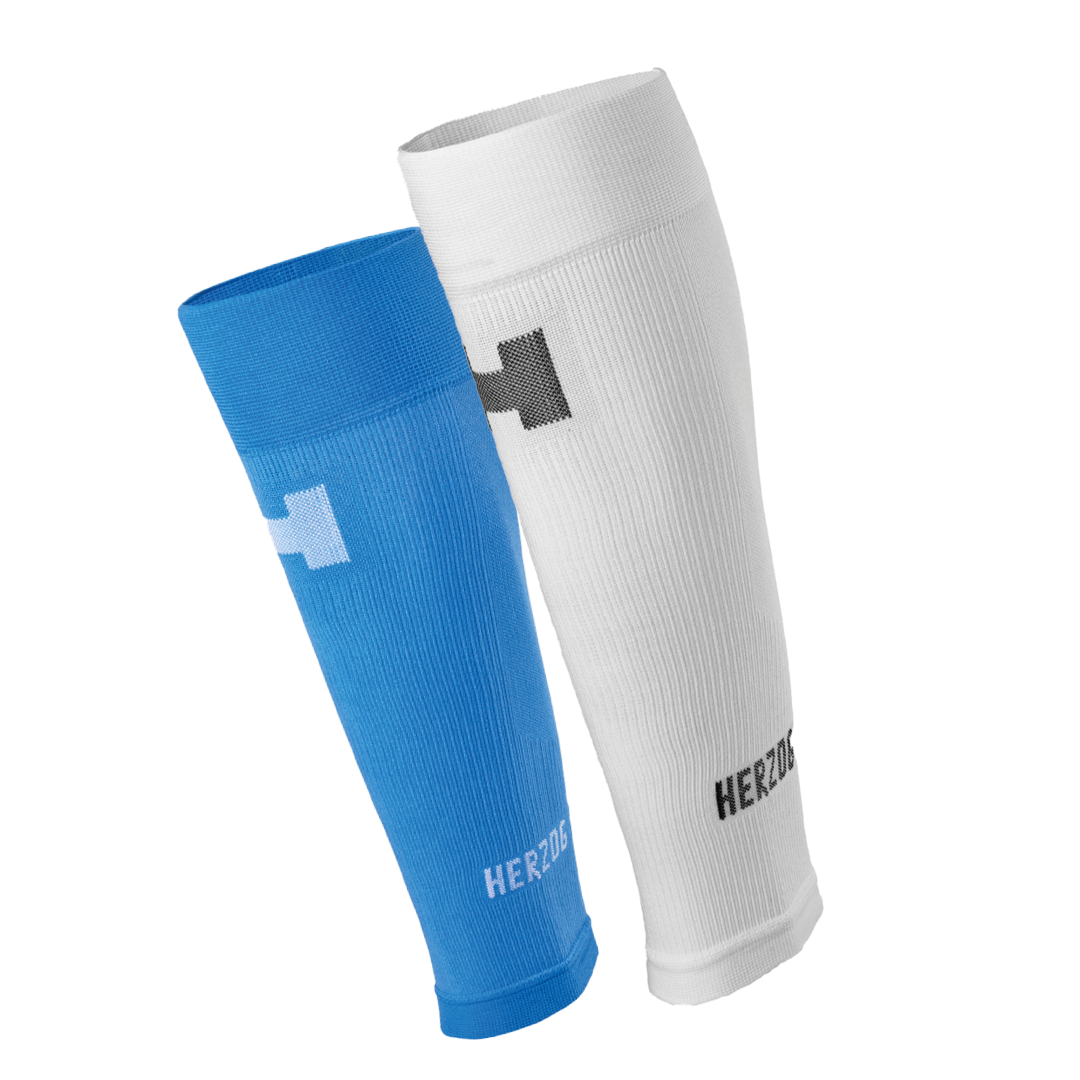
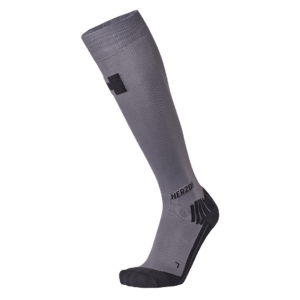
Make sure your muscles and tendons gradually get used to these shoes. Combine them with good preparation and supportive materials, such as compression socks, to prevent injuries. Are you interested in carbon plate shoes? Get advice at one of these sales points.
Latest blogs
The art of triathlon: training, nutrition and recovery
Read more about how to get the best out of yourself during a triathlon with the right balance of training, nutrition, and recovery.
The hysteresis effect of Herzog compression stockings: what does it mean?
Discover how the hysteresis effect in the yarn of Herzog compression stockings works and why it is important during movement.
On our way to the Amsterdam City Walk with Herzog Medical
The Amsterdam City Walk is coming up! Discover how to prepare for a long walk and why paying attention to your feet, legs, and recovery is important.
Compression stockings for a muscle tear: do they help with recovery?
Discover what compression stockings can do for a muscle tear and during your recovery.
First HYROX? Here's what you need to know before you start
First HYROX on the schedule? Discover what to expect and how to prepare your body properly.
Compression stockings for rheumatism: can they offer support?
Pain, stiffness, swelling, or tired legs? Discover what rheumatism does to your body and what compression stockings can do for you.
Why are more and more footballers wearing compression shorts?
Discover why more and more footballers are wearing compression shorts and how targeted compression can provide support during training and matches.
From half to full marathon: what does your body need to get used to?
Discover what your body needs to get used to, what symptoms may arise, and how to properly prepare yourself for 42.2 kilometers.
Why athletes more often wear compression during long distances
Discover why athletes in marathons, trail runs, and long walks increasingly wear compression and what it does for the calf and ankle.
Groin pain during running: where does it come from?
Discover the causes of groin pain when running, which muscles are involved, and how to specifically recover and rebuild.