What happens in your muscles during sustained exertion

Whether you're running a marathon, going for a long walk, cycling, or on your feet all day: prolonged exertion places significant demands on your muscles. Often, you only notice this after a while. Your legs feel heavier, your muscles become more fatigued, and it takes increasing effort to maintain the same pace. What happens in your muscles during this exertion can be well explained by how your body uses energy and circulates blood.

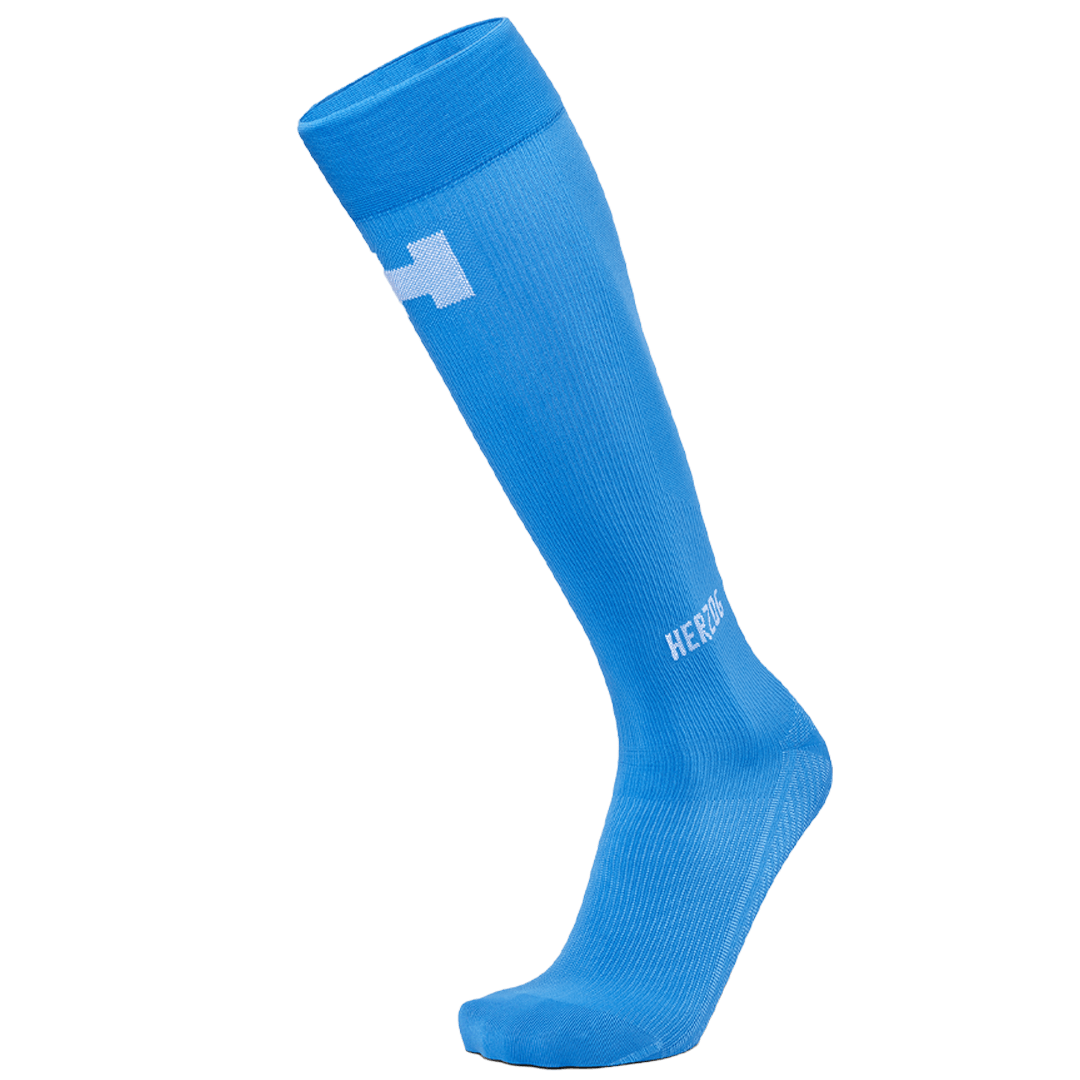
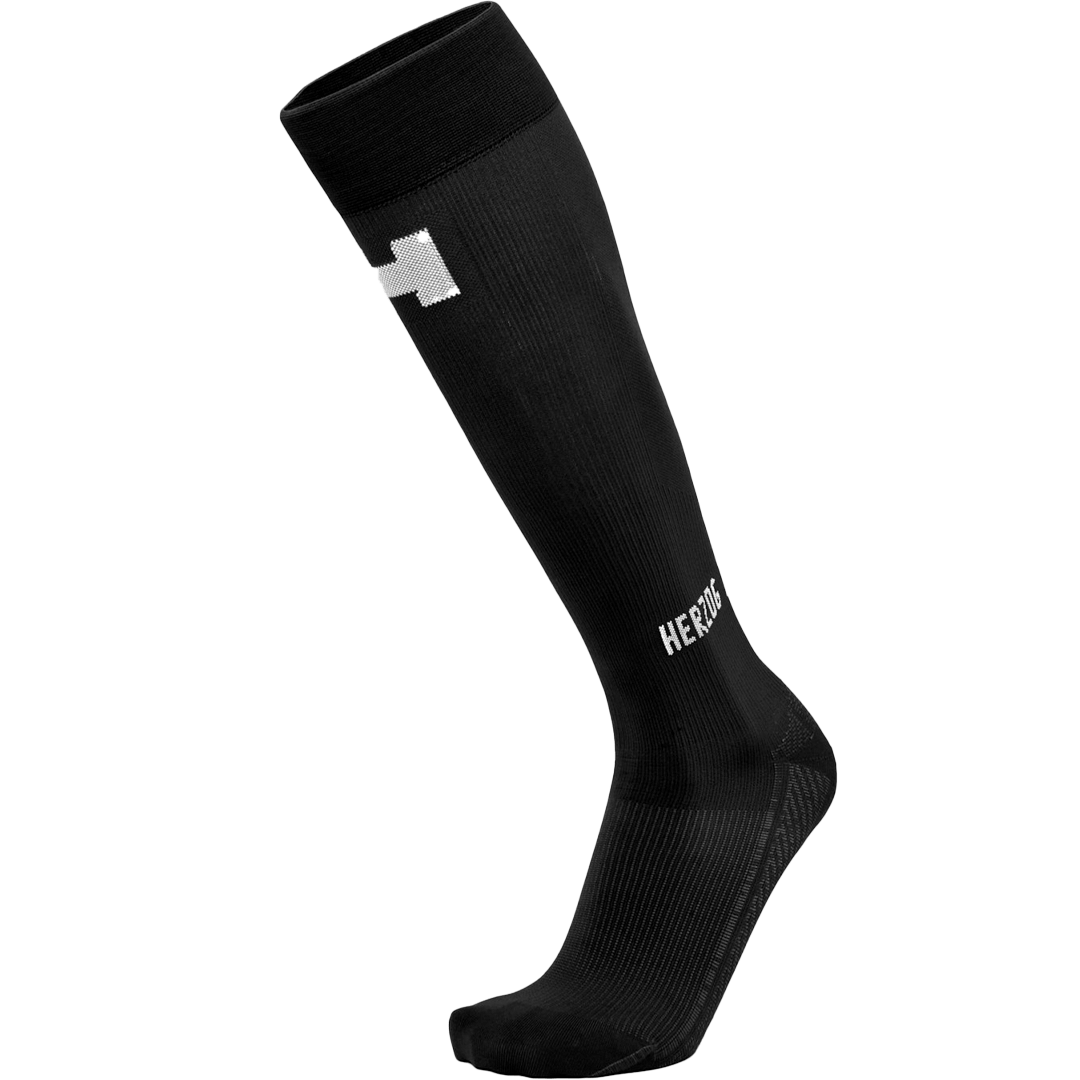
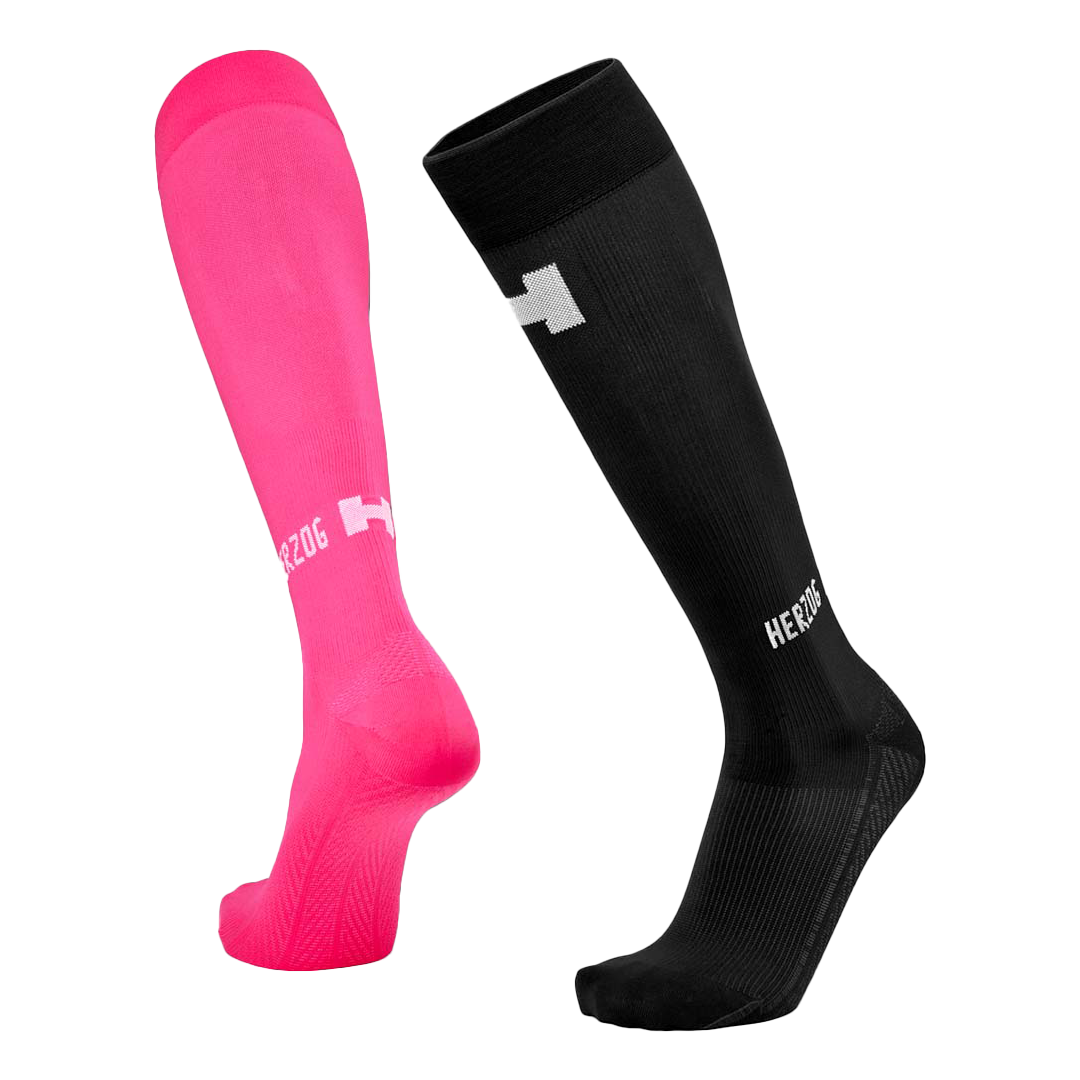
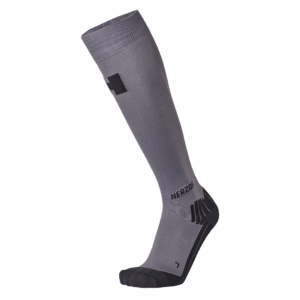
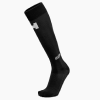
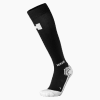
During prolonged exertion, blood circulation in your legs plays a significant role in how quickly fatigue sets in. Many runners and walkers therefore use Herzog PRO Compression Socks during long distances, as controlled pressure on the calf and leg muscles can support blood circulation. This doesn't change the physiological process of fatigue itself, but it can contribute to a more comfortable feeling in the legs during and after exercise.

Side Image

What happens in your muscles during prolonged exertion?

As soon as your muscles are active for a prolonged period, they continuously consume energy. Initially, muscle fibers draw that energy from glycogen, the stored sugar reserve in your muscles and liver. As that reserve diminishes, your body must switch to other fuel sources, which is less efficient. Simultaneously, repeated muscle contractions create small micro-tears in the muscle tissue. This is a normal part of exertion, but it contributes to the feeling of fatigue you build up during a long training session or walk. Especially during activities like runningor cycling, you often only notice this after an hour or more.

In addition to energy reserves, the supply of oxygen also plays a major role. Your muscles need oxygen to continue producing energy efficiently, and that oxygen is supplied via the blood. During prolonged exertion, your heart and circulatory system must therefore constantly pump blood to the active muscles. Calf muscles function as a kind of pump that helps push blood from your lower legs back to the heart. When this pumping function comes under pressure, for example due to long, continuous exertion or prolonged standing still, blood can accumulate in your lower legs. This explains why your legs feel heavy after a long day.

This process does not only occur in top-level sports. People with sedentary jobs or even standing jobs, such as nurses or hospitality staff, also notice by the end of the day that their lower legs feel tired and sometimes swollen. The same applies to hikers who are on the road all day, or cyclists who complete a long tour. The combination of sustained muscle activity, reduced blood flow, and the accumulation of waste products such as lactic acid means that muscles always feel more fatigued after prolonged exertion than after a short, intensive effort. Those who regularly experience calf problems often recognize this pattern well.

Side Image

Why do muscles get fatigued?

Muscle fatigue arises from a combination of factors that occur during prolonged exertion. The energy reserves in the muscle become depleted, waste products like lactic acid accumulate, and the tiny micro-tears in the muscle tissue cause a slight, creeping irritation. Additionally, after a while, the nervous system cooperates less sharply with the muscle fibers, leading to less precise control. The result is that muscles can produce less force, while your brain tries to maintain the same pace. This difference between what you want and what your muscles are still capable of, you perceive as fatigue.

Besides the muscle itself, gravity also plays a role. During prolonged standing, walking, or cycling, blood and fluid sink towards your lower legs due to gravity. Your veins must return that fluid to the heart against gravity, and these veins are aided by the calf muscle pump. When your muscles become fatigued, this pump function works less effectively, making it easier for fluid to accumulate around your ankles and lower legs. This explains why many people experience swollen anklesor a heavy, tense feeling in their calves after a long walk or a day on their feet.

Herzog's compression technology addresses precisely this mechanism. Through a controlled gradual pressure distribution, where the pressure is highest at the bottom of the stocking and gradually decreases upwards, the return of blood to the heart is supported. This does not mean that muscle fatigue is prevented, as that primarily depends on energy consumption and exertion, but it can contribute to less swollen legs and a lighter feeling during and after prolonged exertion. Many people who walk or stand a lot for their work find this pleasant, as do athletes who cover long distances.

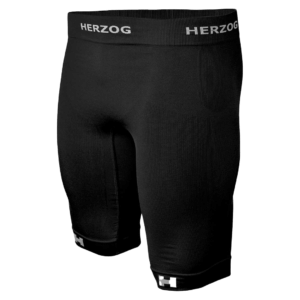
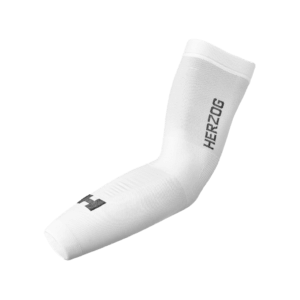
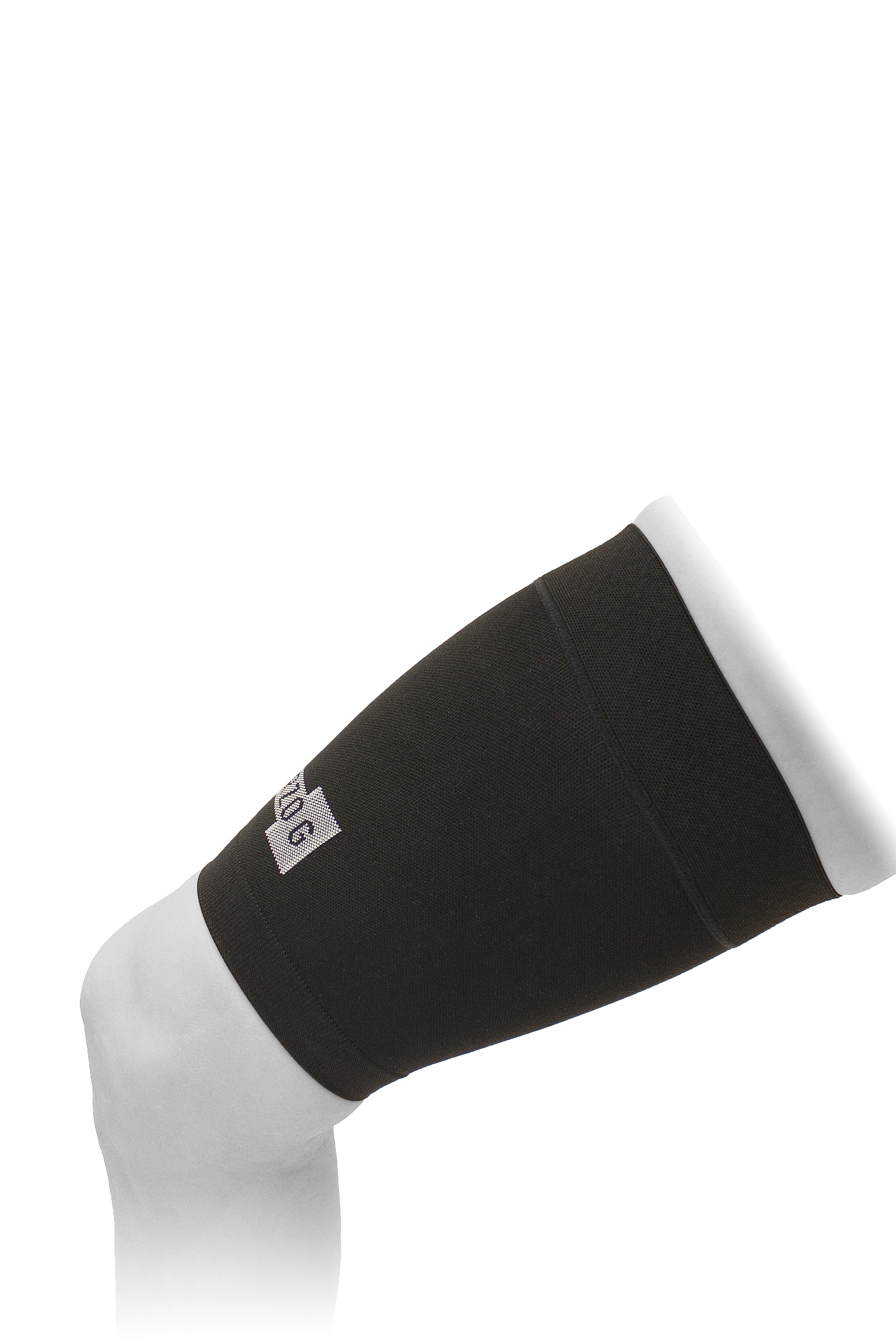
Products in this blog

Side Image

How do you support your muscles during and after prolonged exertion?

During prolonged exertion, it helps to consciously pace yourself so that your muscles don't deplete their energy reserves too quickly. Consuming enough fluids and carbohydrates during a long tour or hike maintains energy supply, and regular short breaks give your muscles a chance to recover from the build-up of waste products. The terrain and your running technique also play a role: uneven terrain or an incorrect push-off demands more from specific muscle groups, as is often the case with trail running. Those who keep these factors balanced will find that fatigue sets in less quickly and less intensely.

After exertion, recovery is just as important as the exertion itself. Your muscles need time to replenish energy reserves and repair micro-tears in the tissue. Active recovery, for example by walking or cycling gently afterwards instead of sitting down immediately, maintains blood circulation and can help remove waste products. Recovery with compression stockingsis also used by many athletes, as the pressure on the legs can support blood circulation in the hours after training or a competition. Sufficient rest and sleep also remain indispensable for muscle recovery.

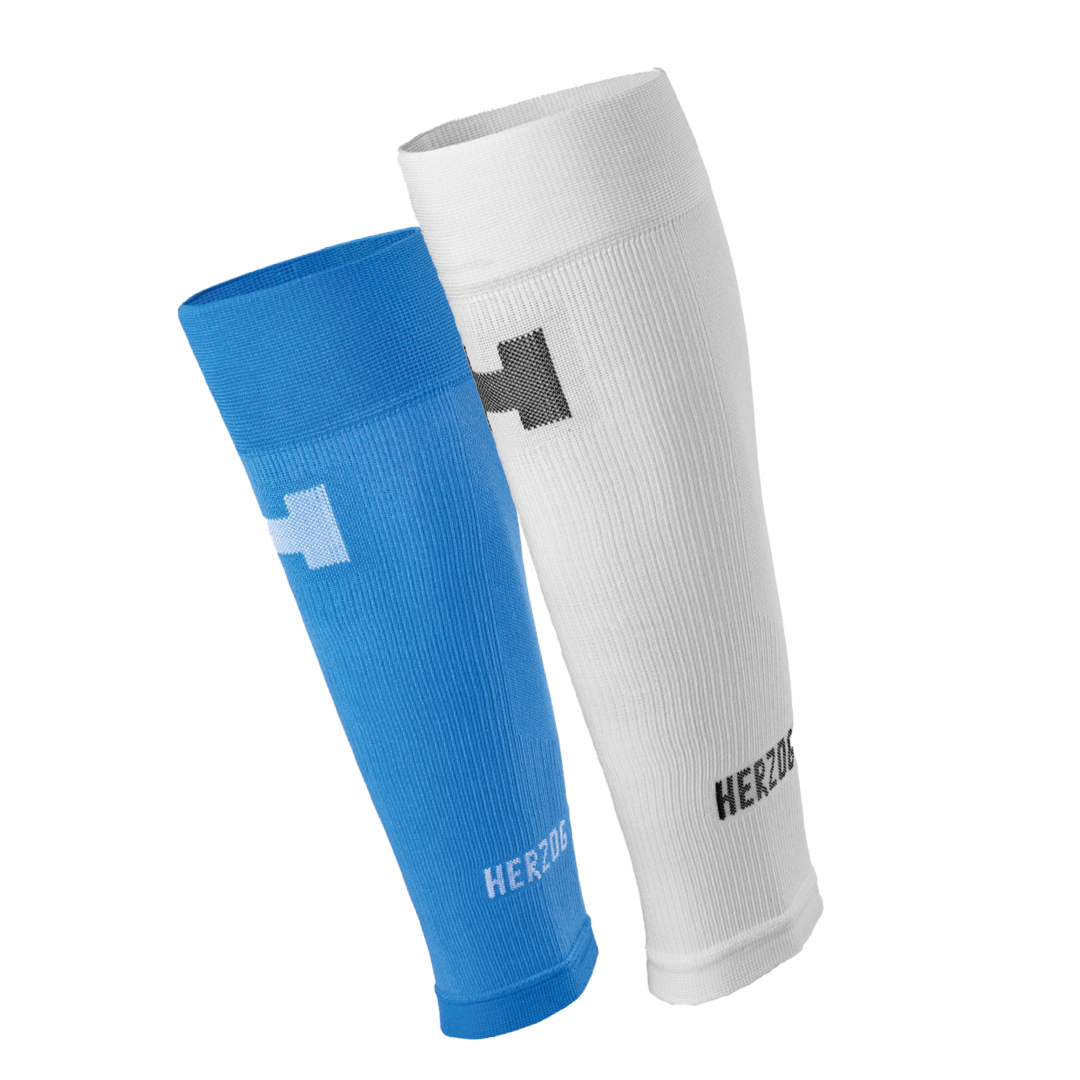
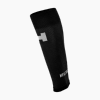
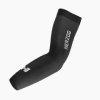
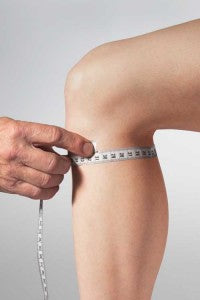
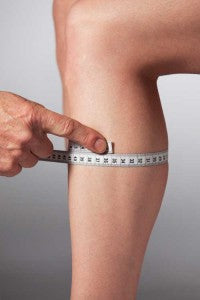
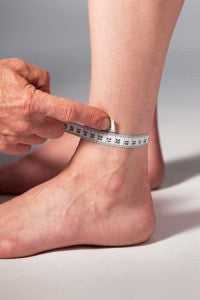
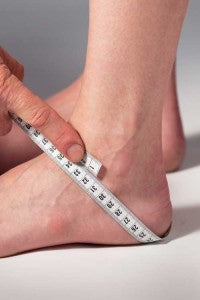
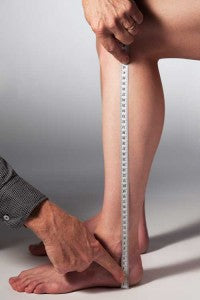
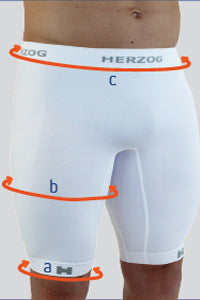
For over twenty years, Herzog has been developing compression technology that supports both athletes and healthcare professionals in precisely these types of processes. The Herzog PRO Compression Stockings and Herzog PRO Compression Tubes are MDR-certified and are individually fitted at six measurement points, so that the pressure distribution matches the shape of your lower leg rather than a standard size. This medical background means that the stockings can play a role not only during training, but also in recovery and daily use. What happens in your muscles during prolonged exertion remains a physiological process, and Herzog focuses on supporting the surrounding blood circulation.

Frequently asked questions

Why do my legs feel heavy during a long walk or run?

This is due to a combination of energy depletion in your muscles and reduced blood circulation in your lower legs. As muscles fatigue, the calf muscle pump works less efficiently, allowing blood and fluid to accumulate more easily. This causes the heavy, tight feeling that many people recognize after prolonged exertion.

Does compression during exercise help against muscle fatigue?

Compression does not prevent muscle fatigue, as it arises from energy consumption and exertion itself. However, controlled pressure distribution can support blood circulation, which is why many people experience a lighter feeling in their legs during and after prolonged exertion.

What is the difference between standard compression socks and medical compression socks?

Medical compression socks are developed from medical compression technology and have a built-up, gradual pressure distribution that is tailored to the shape of the lower leg at each measurement point. Standard socks often lack this precision, so the pressure is distributed less precisely. For example, Herzog PRO Compression Socks and Herzog PRO Compression Tubes are individually fitted at six measurement points and carry an MDR quality mark.

Relevant blogs

6 Effective tips to prevent and relieve shin splints

Prevent and alleviate shin splints with 6 practical tips for runners. Less pain, faster recovery, and better training.

Treating Whiplash: 3-Phase Recovery with Compression and Cold Therapy

Recovering from a calf strain? Discover the 3 recovery phases and how compression and cold therapy can contribute to optimal and responsible recovery.

All about calf problems: causes, symptoms, and what you can do about them

Suffering from calf complaints? Read all about possible causes, common symptoms, recovery, and what you can do to prevent calf complaints.