Why do you get swollen ankles? These are common causes

Many people experience it sooner or later: swollen ankles. Especially after a long day of standing, during warm weather, a flight, or an intense sports training, ankles suddenly feel thicker than usual. Often it's harmless, but that doesn't make the discomfort any less annoying. Heavy legs, a tight feeling around the ankle, or shoes that suddenly pinch are recognizable signs of fluid retention in the lower legs.

Nevertheless, many people wonder where swollen ankles come from exactly and why some people suffer from them much more quickly than others. At Herzog, we regularly see people with heavy-feeling legs looking for support. This makes the topic not only recognizable but also well explainable from how your body moves fluid.


Side Image

What happens in your body when your ankles swell?

Your ankles swell when more fluid accumulates in the tissue of your lower leg than is normally drained. Veins and lymphatic vessels normally transport fluid and waste products upwards, against gravity. When you sit or stand still for extended periods, the calf muscle contributes less as a pump, and fluid more easily accumulates around the ankle. This explains why symptoms often worsen towards the end of the day and why they often subside somewhat after a night of rest.

Heat also plays a role. In high temperatures, blood vessels dilate, allowing more fluid to leak through the vessel wall into the surrounding tissue. This occurs more frequently in warm weather, after a hot shower, or during a holiday in a warm country. A sedentary job also contributes to this, as the calf muscle is barely active for hours. You can find more information about how prolonged sitting affects your lower legs under sedentary job and compression stockings.

Hormonal fluctuations, certain medications, and age can also play a role. As you get older, vein complexes and connective tissue lose some of their elasticity, making it easier for fluid to accumulate. With recurrent or persistent swelling, it is important not to overlook underlying causes such as varicose veins. On the page about varicose veins, you can read more about how vein complexes can also be a cause of swollen ankles.

Side Image

What situations more often lead to swollen ankles?

Athletes often experience swollen ankles after a strenuous training session or competition. Intense exertion causes increased blood flow and minor fluid shifts in the tissue, especially around the calf and ankle. During running or trail running, repeated stress on the lower legs can amplify this, particularly on warm days or during long distances. You can read more about this specific stress on the runningpage, which also explains how recovery after exertion proceeds.

During a flighta similar mechanism is at play. You sit still for a long time in a small space, the cabin pressure changes, and the air is dry, which adversely affects blood circulation in the legs. Many travelers notice upon arrival that their ankles and feet feel more swollen than when they departed. This is usually temporary and subsides after a few hours of movement, but it is a reason why travelers often opt for extra support during long flights.

Also, a job where you stand a lot, such as in healthcare, hospitality, or at the cash register, increases the chance of swollen ankles by the end of the day. The same applies to warm summer days, where the combination of heat and little movement can exacerbate symptoms. During pregnancy, the additional pressure on the blood vessels in the pelvis also plays a role, making it more difficult for fluid to be drained from the legs.

Products in this blog

Side Image

When should you be concerned and what can you do yourself?

Swollen ankles are usually harmless and disappear on their own after rest, exercise, or elevating your legs. Nevertheless, it is important to be vigilant if the swelling appears suddenly, is only on one side, or is accompanied by pain, redness, or a warm feeling. These could be signs of thrombosis and require assessment by a GP or specialist. More information about this complaint can be found on the page about thrombosis.

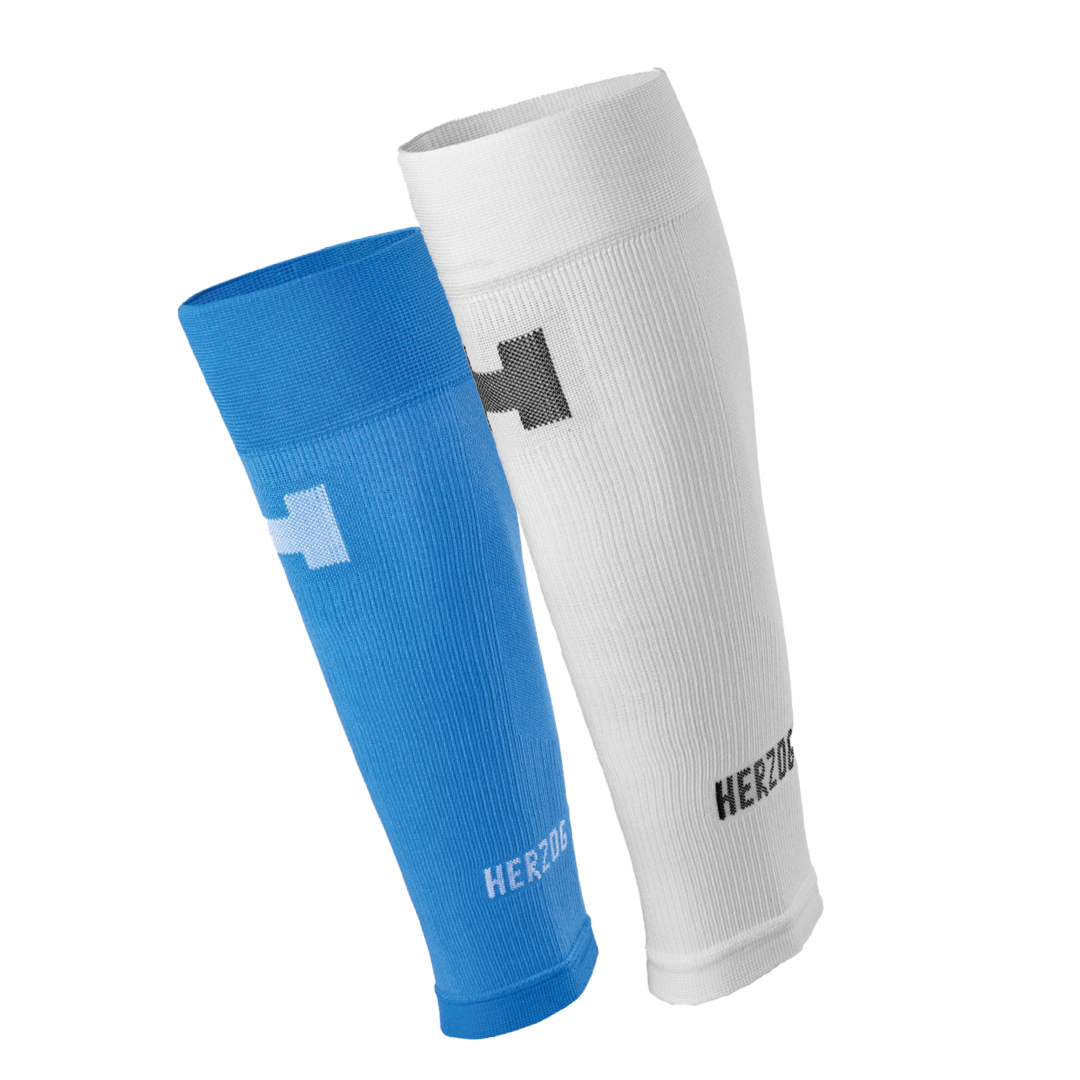
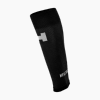
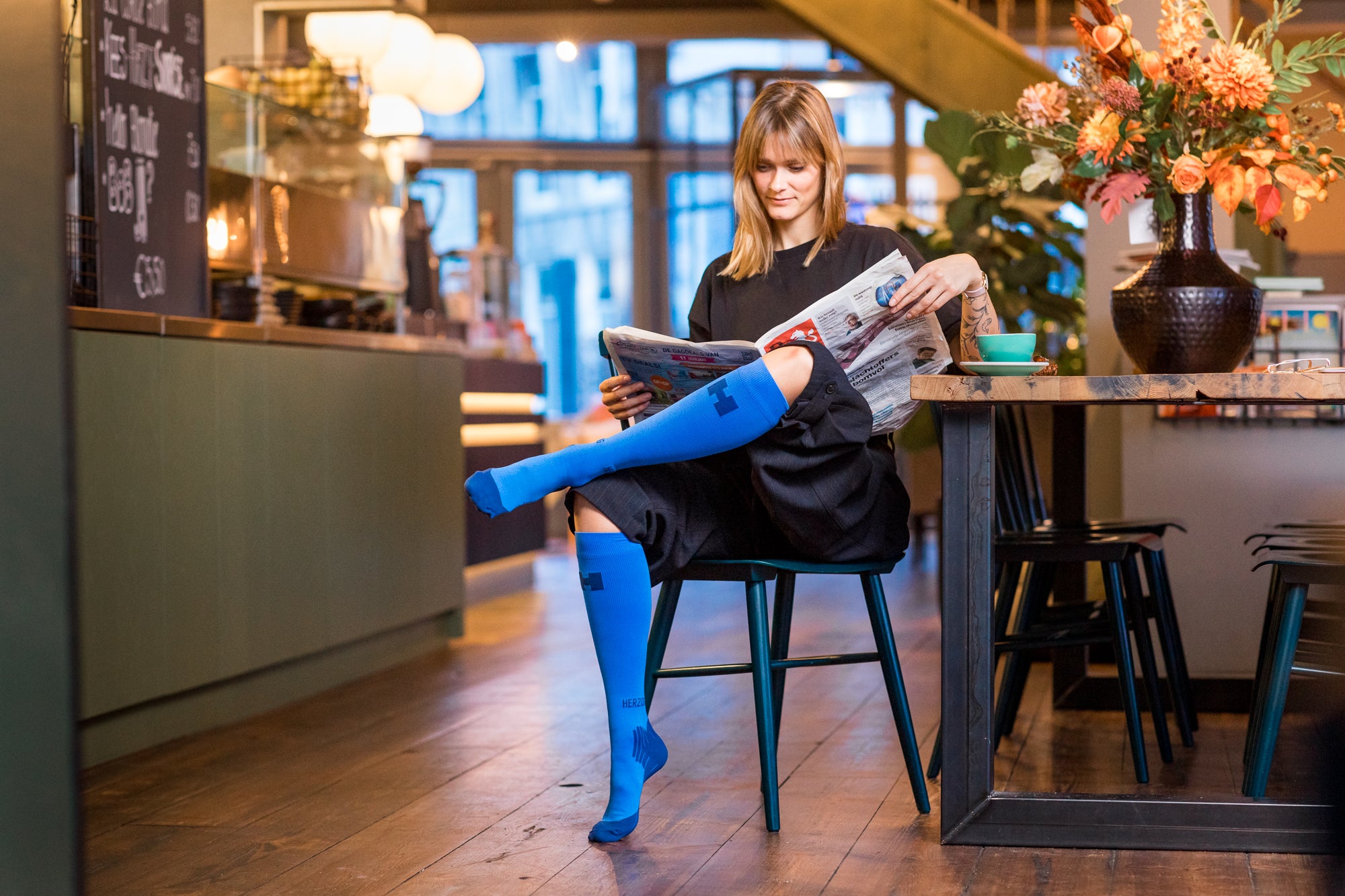
In addition to exercising and elevating your legs occasionally, many people opt for compression support. Herzog's compression technology is designed to support blood flow in the lower leg, from the ankle upwards towards the calf, through a controlled, gradual pressure distribution. This can contribute to a less heavy feeling after a long day of standing or sitting. It is not a treatment for an underlying condition, but it is a way to relieve discomfort during daily activities.

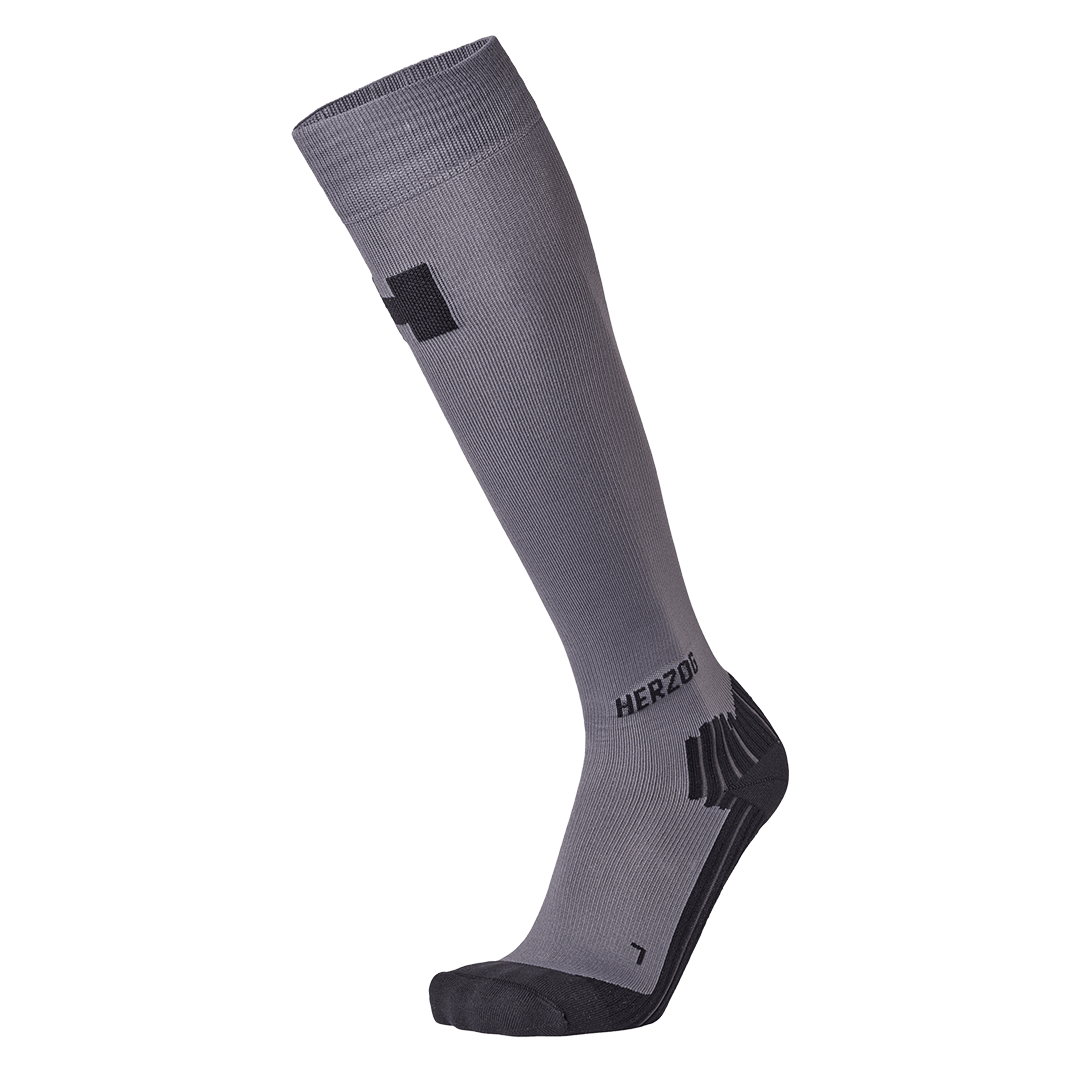
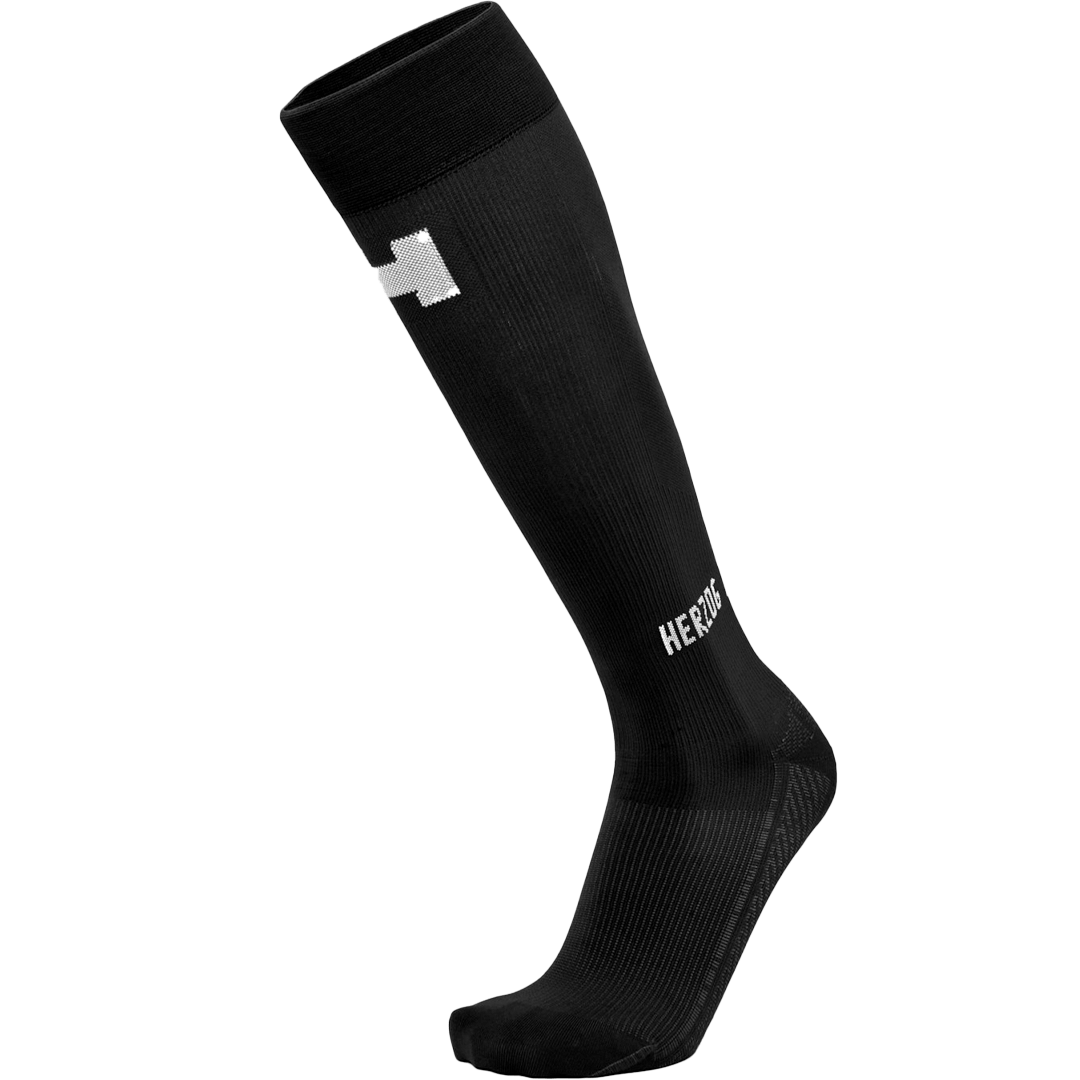
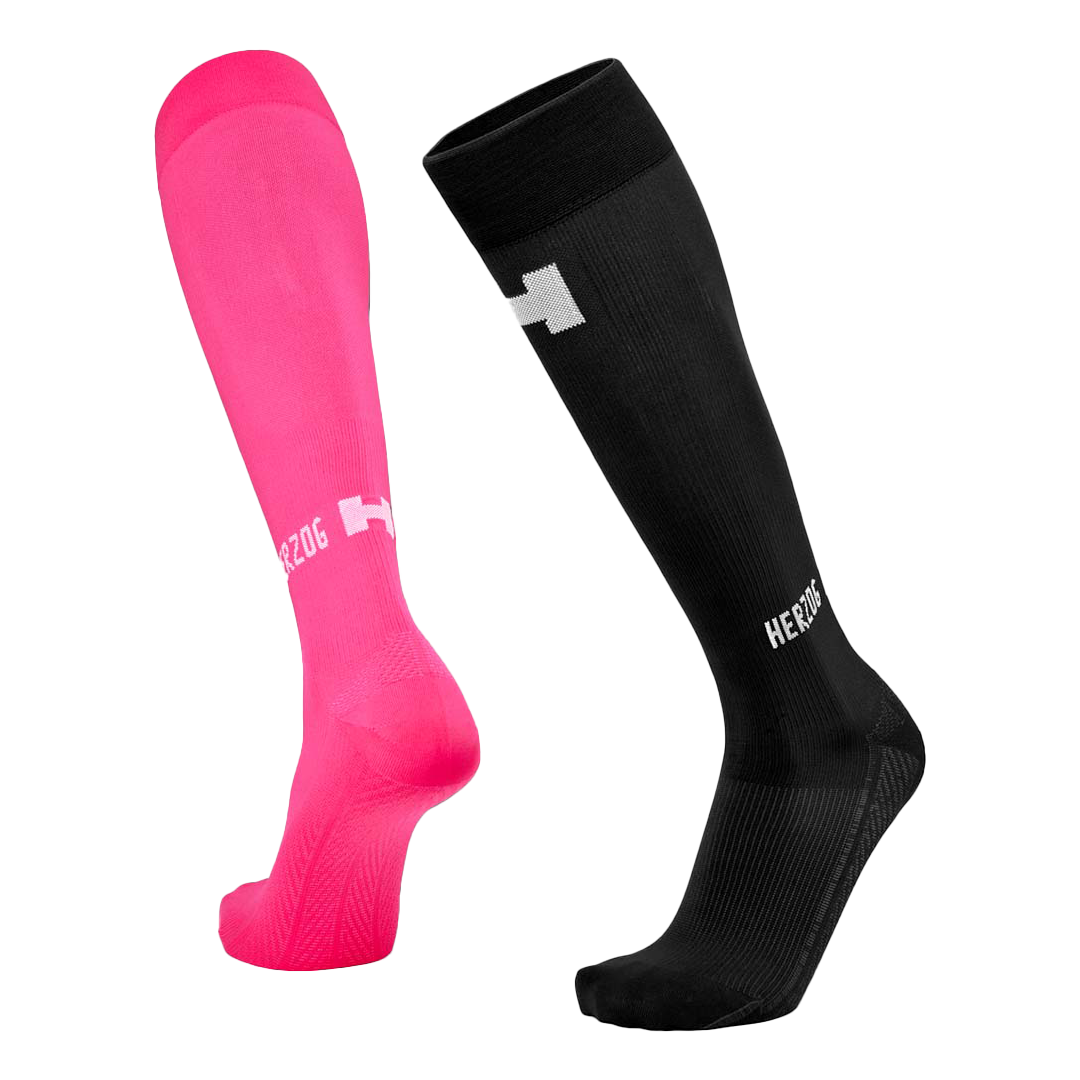
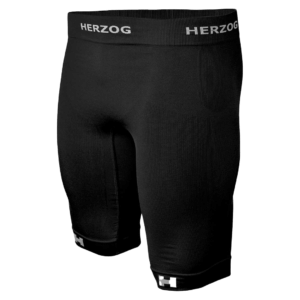
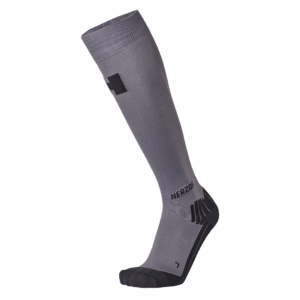
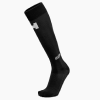
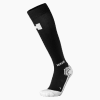
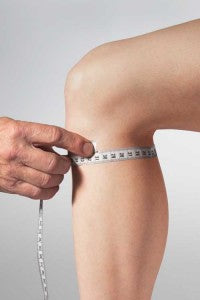
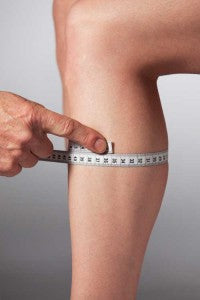
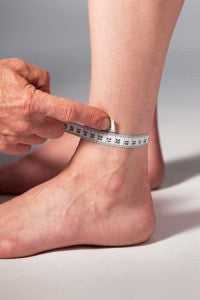
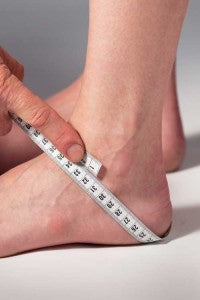
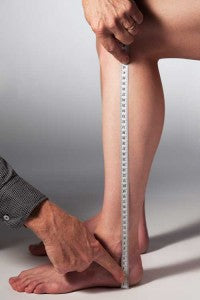
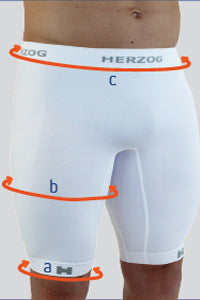
Where a standard stocking has the same tightness everywhere, Herzog works with a pressure distribution that gradually decreases towards the calf. The Herzog PRO Compression Socksare individually measured at six points and carry an MDR quality mark, making them suitable for both athletes and healthcare professionals. This approach stems from over twenty years of experience as a compression specialist and is intended to precisely fit the shape of your lower leg.

Frequently asked questions

Are swollen ankles always a sign of a problem?

No, in most cases, fluid retention is harmless and is associated with heat, prolonged standing, or air travel. If the swelling occurs suddenly, is only on one side, or is accompanied by pain, it is advisable to consult a general practitioner.

Do compression stockings help with swollen ankles?

Compression can contribute to improved blood flow in the lower leg and is experienced by many people as relieving a heavy sensation. It is not a treatment for an underlying condition, but a supportive measure in addition to exercise and rest.

Why do ankles swell more often during warm weather?

In warm weather, blood vessels dilate, making it easier for fluid to leak into the surrounding tissue. In combination with little movement, such as on holiday or during a long day of sitting, the chance of swollen ankles increases.

Relevant blogs

6 Effective tips to prevent and relieve shin splints

Prevent and alleviate shin splints with 6 practical tips for runners. Less pain, faster recovery, and better training.

Treating Whiplash: 3-Phase Recovery with Compression and Cold Therapy

Recovering from a calf strain? Discover the 3 recovery phases and how compression and cold therapy can contribute to optimal and responsible recovery.

All about calf problems: causes, symptoms, and what you can do about them

Suffering from calf complaints? Read all about possible causes, common symptoms, recovery, and what you can do to prevent calf complaints.