5 tips to get through the winter without injuries

Stay fit and healthy during the cold winter months

As the days get shorter and colder, runners are much more prone to calf problems. Stiffness, muscle soreness, or a calf strain can unfortunately put you out of action for several weeks. Do you want to get through this dark winter period injury-free? We have put together a number of "injury prevention tips" for you.

Side Image

1. Warm those muscles up!

If you want to prevent typical running injuries, flexible muscles are very important. Therefore, always do a warm-up before you actually start training. Did you know that your muscles tense up more when it's very cold outside? It's a big mistake to start your workout hard right away, thinking: 'I'll get warm faster that way'. This will cause your muscles to tense up even more and increases the chance of calf complaints and Achilles tendon problems. It's smart to do some simple stretching exercises at home before you leave to warm up all your muscles properly.

2. Build up your training

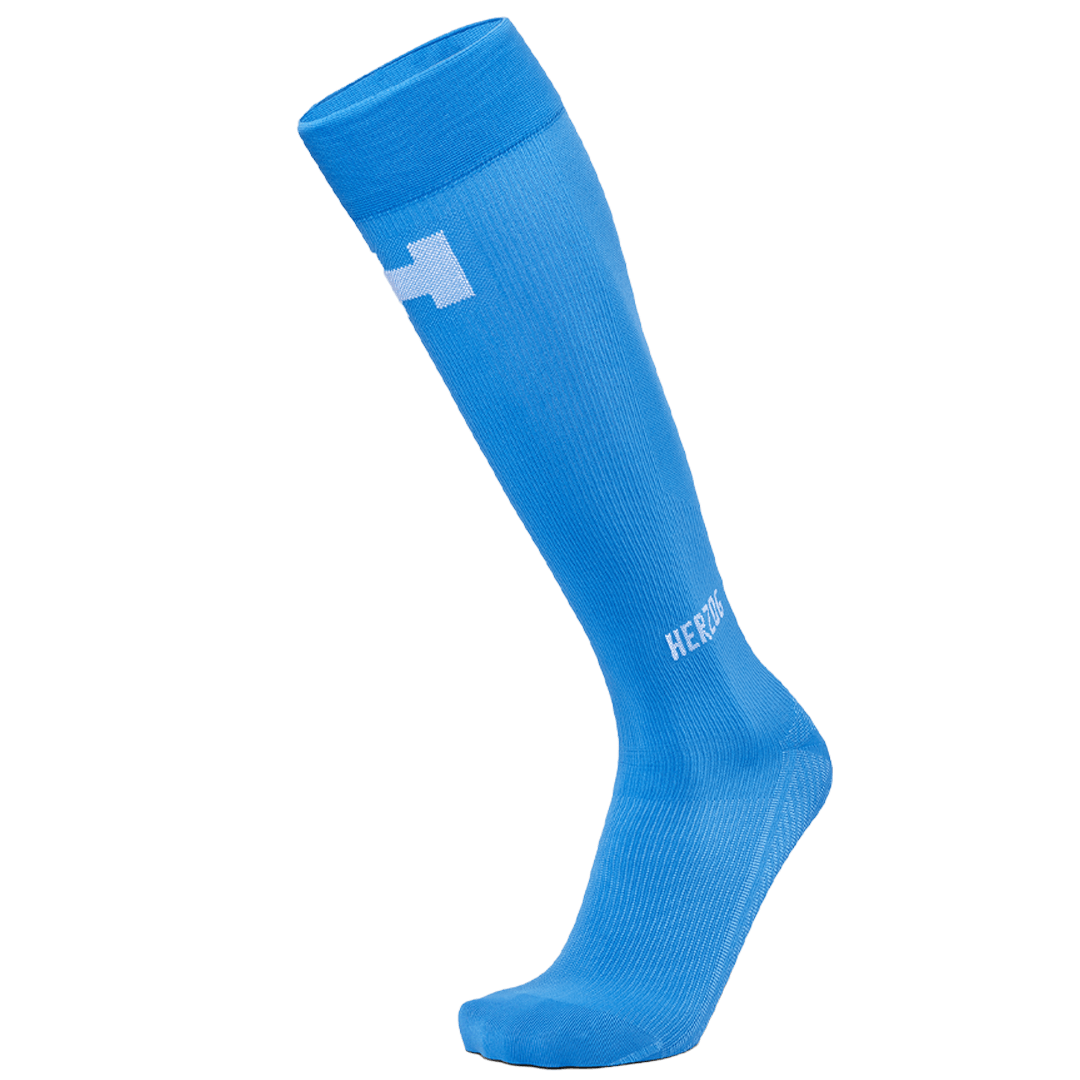
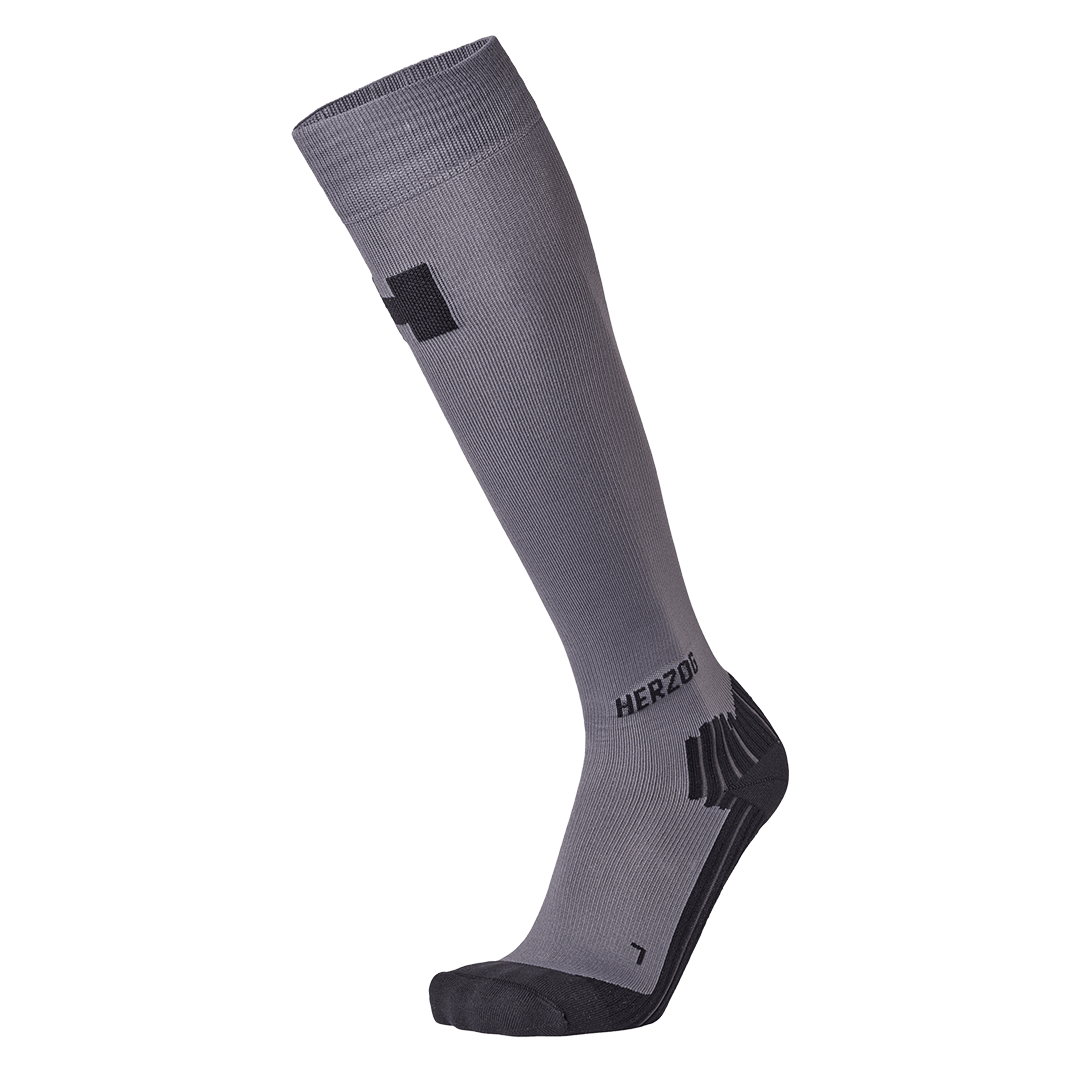
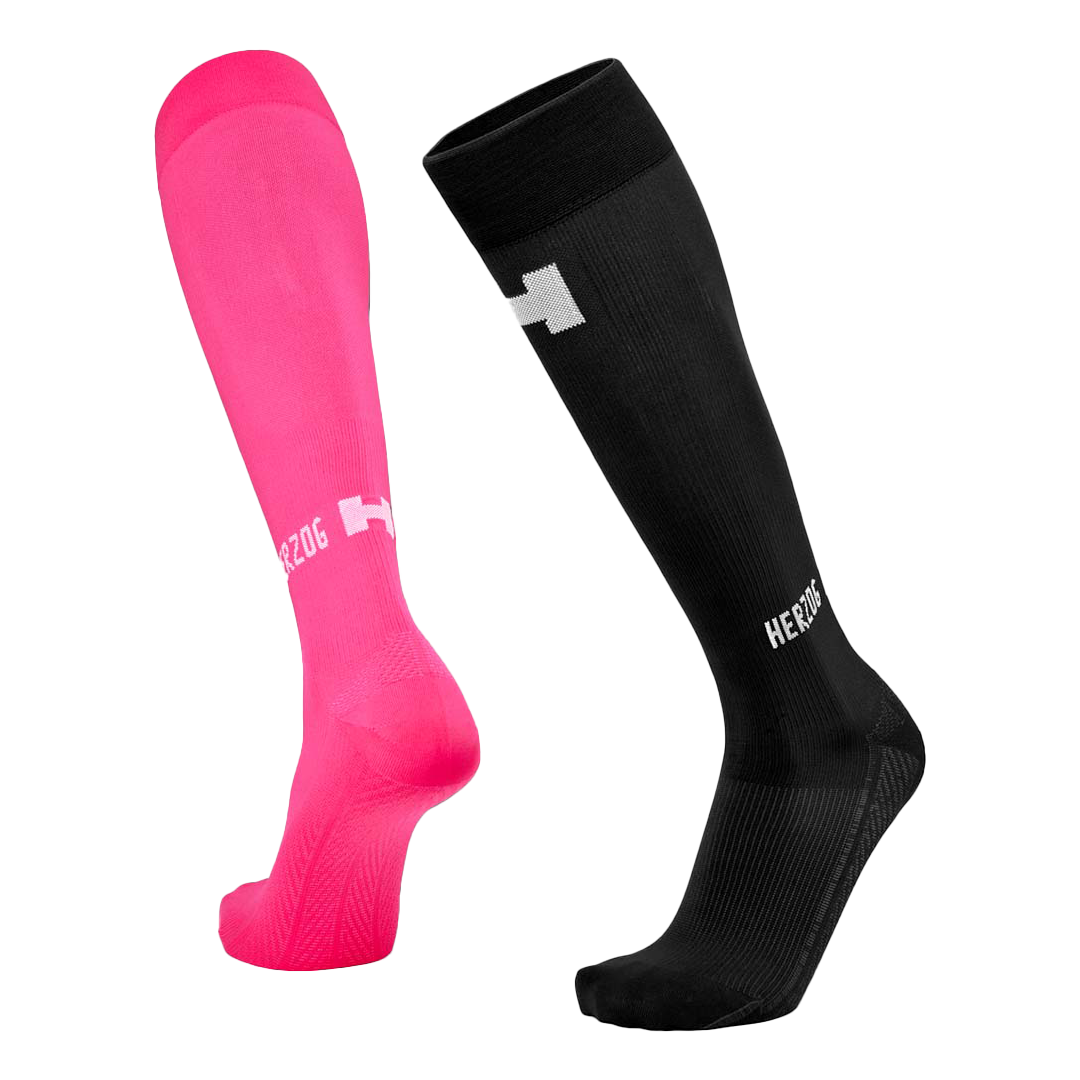
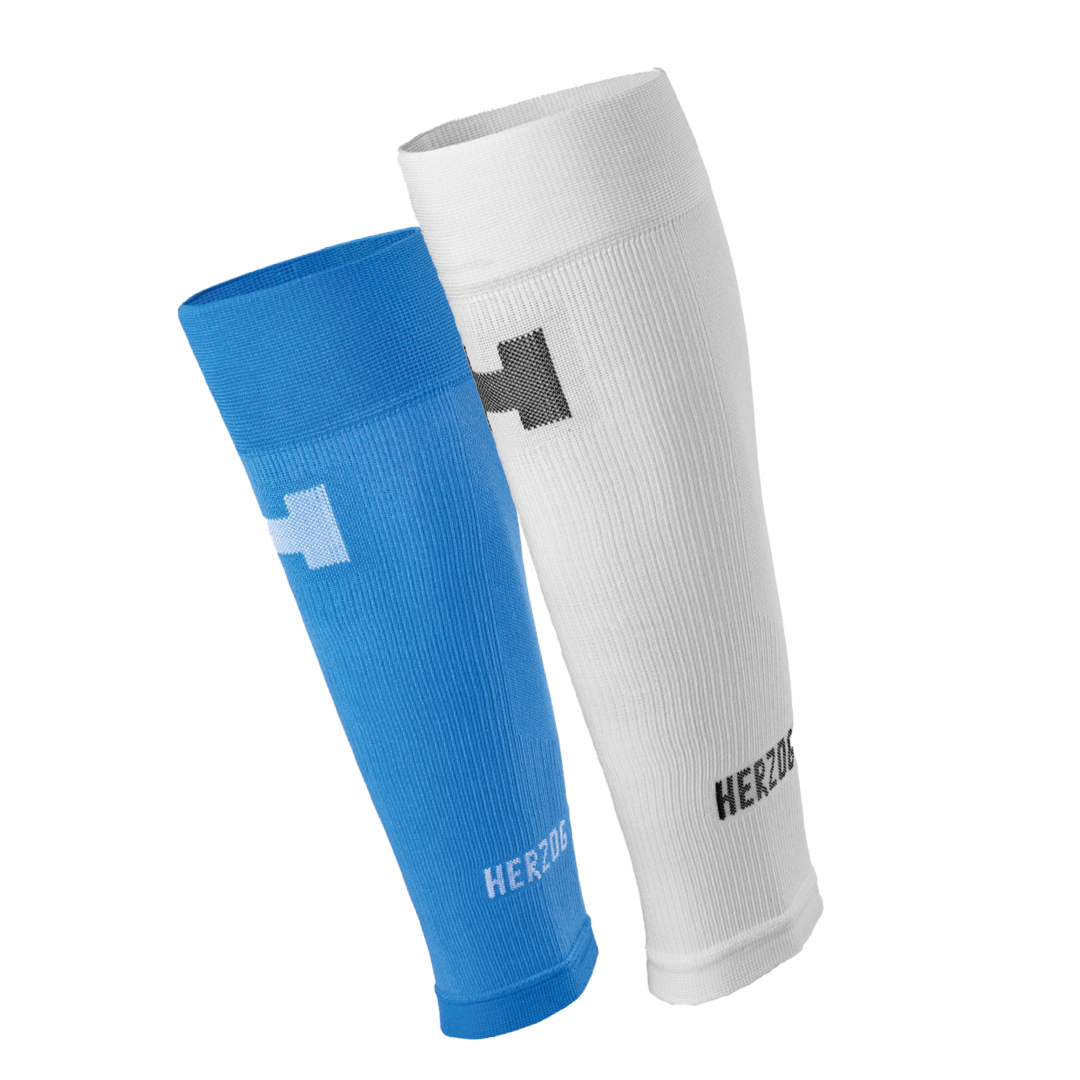
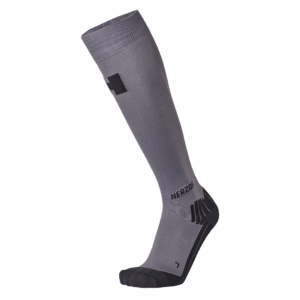
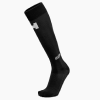
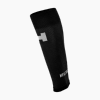
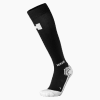
Do you have a tempo run on your schedule? Before you start running at a higher pace, it's smart to first run relaxed for at least 10 minutes. Give your muscles and tendons time to get well supplied with blood. This is very important because your body absorbs up to three times (!) your own body weight with every landing during running. You can imagine that with every step, your muscles, tendons, and shin membranes are considerably pulled. Do you want to support your calves a little extra? Herzog PRO Sports Compression Socks significantly reduce shock loads during running. This helps prevent muscle damage and muscle soreness.

3. Support your feet

Since your body tends to keep its core warm and the extremities of your body are much less well supplied with blood, your hands and feet are vulnerable. As a runner, thin but warm gloves are an absolute 'must' in winter. You also need to 'wrap' your feet well. Did you know that Herzog Compression Ankle Socks have optimal heat exchange and also support your arch? This means not only warm feet, but also extra support for your heel-instep line.

Side Image

4. Speed up your recovery

After your run, it's tempting to immediately plop down on the couch with a hot chocolate... And rightly so: you're satisfied and your workout is over. However, it's better if you stretch your calves for 5 or 10 minutes after your run. An efficient cool-down calms your nervous system and ensures improved blood flow. This way, you can prevent adhesions and shortening of your muscles. If you want to do it really well, it is recommended to wear Herzog Compression Socks. These socks ensure that blood flow from the capillary network towards the heart is optimized. This speeds up the removal of waste products from the combustion process. In other words: you give your recovery a significant boost!

5. Fuel up with the right nutrition!

The food you choose largely determines how well your body recovers and how rested you are for the next run. Generally, the advice is to eat 0.3 grams of protein and 1.2 to 1.5 grams of carbohydrates per kilogram of body weight. Preferably within 20 to 30 minutes after your workout. If you have little time after your workout, make sure you have a water bottle and a healthy snack for on the go. No inspiration? Here are some healthy and tasty snacks for you:

– Quark with honey and fruit
– Toast with egg & avocado
– Protein shake with banana
– Oatmeal with cinnamon and fruit

You will certainly get through this winter fit and injury-free!

Products in this blog

Relevant blogs

6 Effective tips to prevent and relieve shin splints

Prevent and alleviate shin splints with 6 practical tips for runners. Less pain, faster recovery, and better training.

Treating Whiplash: 3-Phase Recovery with Compression and Cold Therapy

Recovering from a calf strain? Discover the 3 recovery phases and how compression and cold therapy can contribute to optimal and responsible recovery.

All about calf problems: causes, symptoms, and what you can do about them

Suffering from calf complaints? Read all about possible causes, common symptoms, recovery, and what you can do to prevent calf complaints.