The art of triathlon: training, nutrition and recovery

Swimming, cycling and running. Three different disciplines, one sport and a real challenge for your body. Whether you are training for your first sprint triathlon or working towards a full Ironman: a good performance requires more than just a lot of training hours. Nutrition and recovery also play a very important role. In this blog you will discover what triathlon entails and how you can get the best out of yourself with the right balance between training, nutrition and recovery.

The art of triathlon: training, nutrition and recovery

1. Training: the foundation for your performance

A triathlon requires endurance, discipline and a well-structured training plan. You combine three different sports, each with its own technique, intensity and physical demands. Good preparation for a triathlon therefore begins with a training schedule tailored to your goal and level.

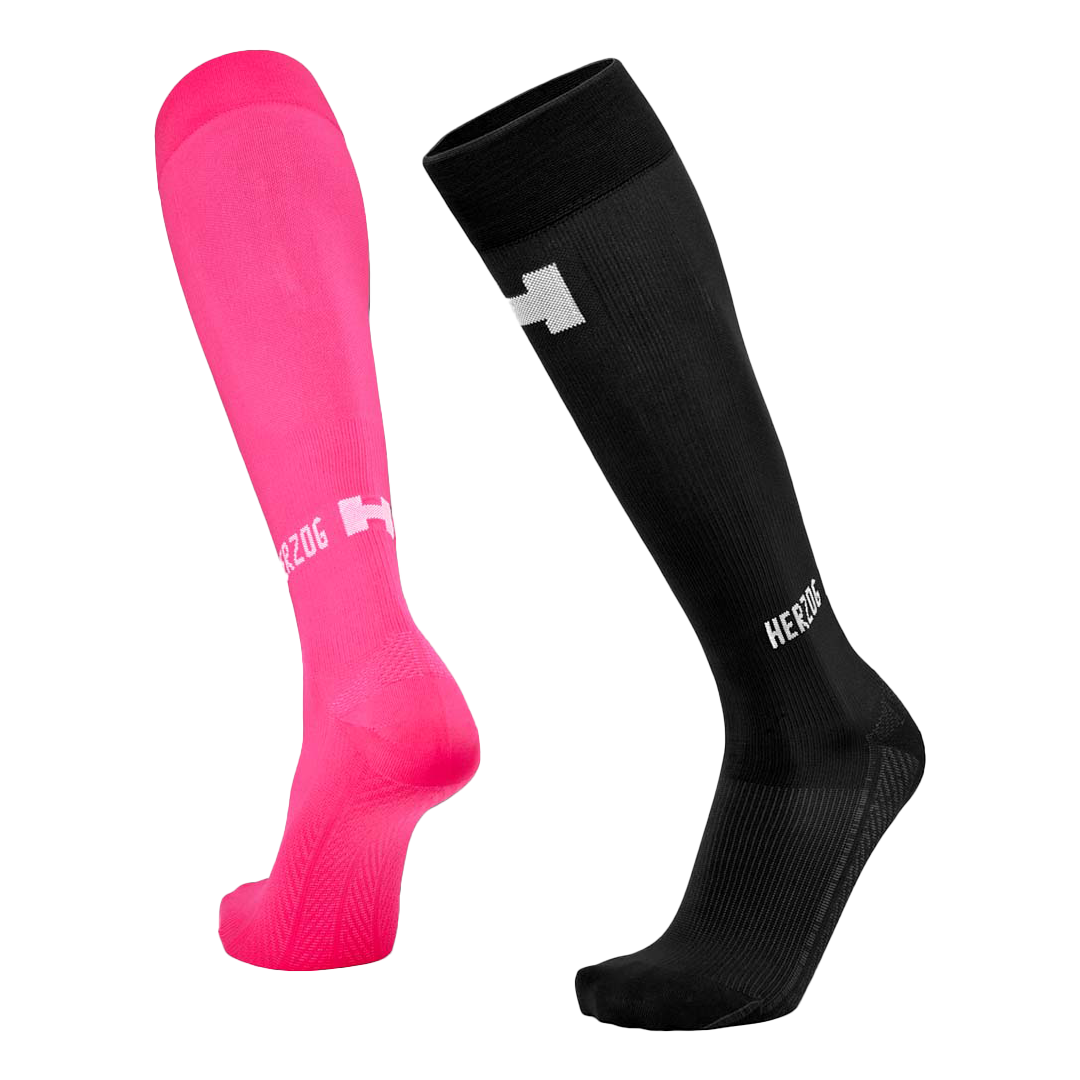
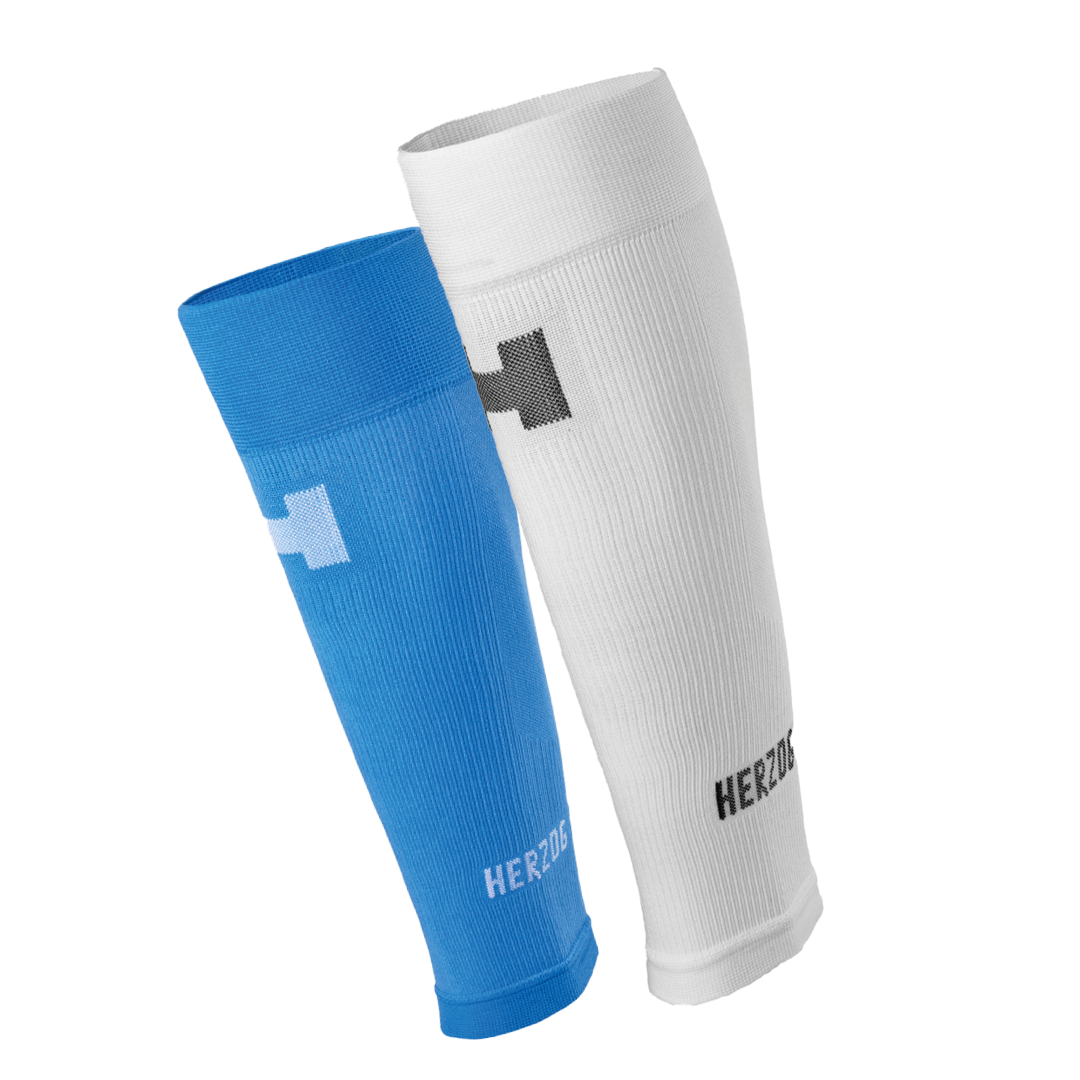
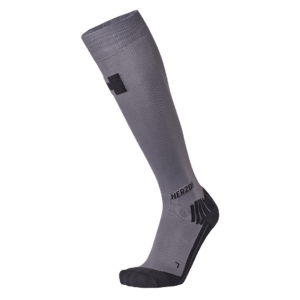
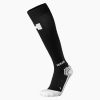
Swimming, cycling and running each require different skills. While swimming is mainly about working on your technique, cycling is more about building endurance and pacing your energy. When you get to the run, you need to have enough energy left to maintain your pace. These three sports together place considerable demands on your body. The Herzog PRO compression socks and tubes give your lower legs that little bit of extra support.

It is also important not only to train the different disciplines separately, but also to regularly train them back-to-back. For example, by going for a run after a bike ride (brick training), you can get used to running on tired legs. In addition, the transitions are also part of your training. You want to lose as little time as possible during the race, so it is a smart idea to practice them a few times beforehand.

The art of triathlon: training, nutrition and recovery

2. Nutrition: enough fuel for all those kilometers

During a triathlon, your body consumes a lot of energy. Especially over longer distances, it is important to replenish your carbohydrates in time and keep drinking enough. If you only start eating and drinking when you get hungry or tired, you are actually already too late. Then it can be difficult to keep your energy levels up afterwards.

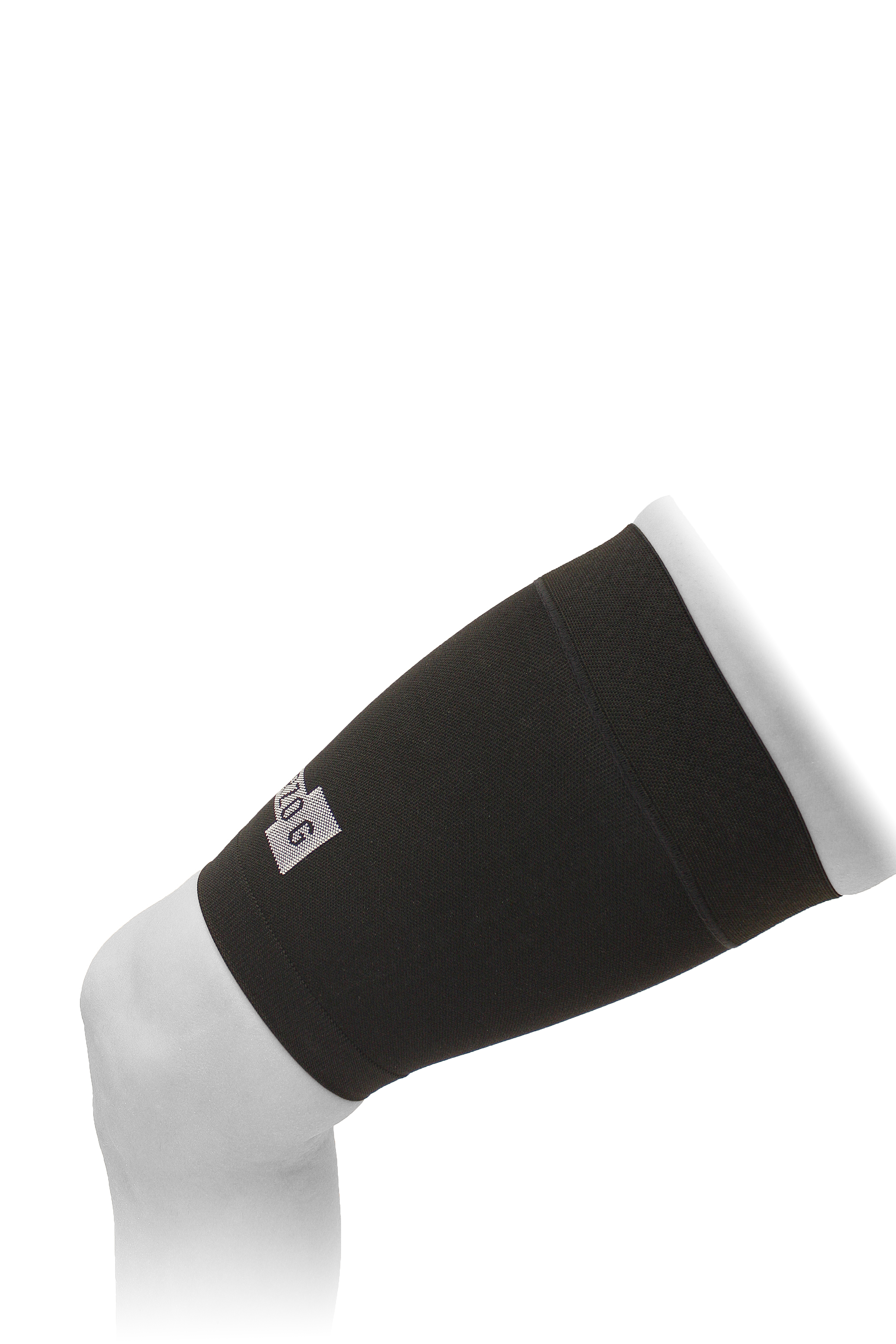
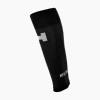
Besides nutrition, you can also test your clothing during your training. Think of a well-fitting trisuit, comfortable socks, or perhaps compression. The Herzog PRO Compression Sleeves are designed to provide compression around the lower leg and are used by many athletes during exercise. Because the sleeves are footless, you can wear them for the entire triathlon race and combine them with your own sports socks.

What and how much exactly you need during training and your race depends on the distance, the intensity, and how well your body tolerates nutrition during exercise. During long efforts, sports drinks and gels can help replenish your energy stores. Practice with different products (sports drinks, bars, gels, etc.) and timing during your training, so you know what works well for you.

Nutrition also plays a role before the start. A meal that contains enough carbohydrates and that you tolerate well helps you to start the race with full energy stores. After the race, carbohydrates, proteins, and sufficient fluids are important to support your body in recovery.

The art of triathlon: training, nutrition and recovery

3. Recovery: the foundation for your next effort

After a strenuous effort, your body needs time to recover. During that period, your body adapts to the efforts it has to make. Good recovery is therefore not an afterthought, but an important part of your training program. Especially if you train several times a week, it is important to leave enough time between intensive sessions.

In addition to rest and nutrition, some athletes also choose compression as part of their recovery routine. For this purpose, Herzog Medical offers, among others, the PRO Compression Stockings. The Tubes can have a place in the routine of triathletes during sports, the stockings in the recovery routine.

Sufficient sleep, good nutrition, drinking enough and a well-distributed training schedule also form the basis of recovery. A relaxed training session or a day without intensive strain can help reduce fatigue. Also stay alert to signs such as prolonged muscle pain, more fatigue than usual or declining performance. Sometimes you gain more with an extra rest day than it costs to complete that hard training no matter what.

Frequently asked questions about triathlon

Waarom is de wisselzone zo belangrijk bij triathlon?

In de wisselzone wisselen triathleten van zwemkleding naar fietskleding en vervolgens naar hardloopkleding, Een goede voorbereiding en indeling kunnen helpen om hier zo min mogelijk tijd te verliezen.

Wat is het verschil tussen Herzog PRO Tubes en PRO Compressiekousen

De Herzog PRO Compressietubes zijn voetloze compressiekousen die compressie bieden rond de onderbenen. Tijdens triathlon kun je ze de hele race aanhouden en ze zijn daarnaast te combineren met je eigen sportsokken. De kousen hebben wel een voetgedeelte en zijn tijdens inspanning, maar ook als onderdeel van je herstelroutine te gebruiken.

Wat maakt triathlon zo uitdagend?

Triathlon is een uitdagend omdat je drie verschillende sporten achter elkaar beoefent. Iedere discipline vraagt om andere vaardigheden en belast je lichaam ook op een andere manier. Daarnaast moet je je energie goed verdelen om ook bij het laatste onderdeel nog wel genoeg energie over te houden

Latest blogs

De kunst van triathlon: training, voeding en herstel
The art of triathlon: training, nutrition and recovery

Read more about how to get the best out of yourself during a triathlon with the right balance of training, nutrition, and recovery.

Het hysterese-effect van Herzog compressiekousen: wat betekent het?
The hysteresis effect of Herzog compression stockings: what does it mean?

Discover how the hysteresis effect in the yarn of Herzog compression stockings works and why it is important during movement.

Op weg naar de Amsterdam City Walk met Herzog Medical
On our way to the Amsterdam City Walk with Herzog Medical

The Amsterdam City Walk is coming up! Discover how to prepare for a long walk and why paying attention to your feet, legs, and recovery is important.

Compressiekousen bij een spierscheur: helpen ze bij het herstel?
Compression stockings for a muscle tear: do they help with recovery?

Discover what compression stockings can do for a muscle tear and during your recovery.

Eerste HYROX? Dit moet je weten voordat je begint
First HYROX? Here's what you need to know before you start

First HYROX on the schedule? Discover what to expect and how to prepare your body properly.

Compressiekousen bij reuma: kunnen ze ondersteuning bieden?
Compression stockings for rheumatism: can they offer support?

Pain, stiffness, swelling, or tired legs? Discover what rheumatism does to your body and what compression stockings can do for you.

Waarom dragen steeds meer voetballers compressieshorts?
Why are more and more footballers wearing compression shorts?

Discover why more and more footballers are wearing compression shorts and how targeted compression can provide support during training and matches.

Van halve naar hele marathon: waar moet je lichaam aan wennen?
From half to full marathon: what does your body need to get used to?

Discover what your body needs to get used to, what symptoms may arise, and how to properly prepare yourself for 42.2 kilometers.

Waarom sporters tijdens lange afstanden vaker compressie dragen
Why athletes more often wear compression during long distances

Discover why athletes in marathons, trail runs, and long walks increasingly wear compression and what it does for the calf and ankle.

Liesklachten bij hardlopen: waar komt het vandaan?
Groin pain during running: where does it come from?

Discover the causes of groin pain when running, which muscles are involved, and how to specifically recover and rebuild.