All about Achilles tendon problems: causes, symptoms, and what you can do about them

A stiff or painful Achilles tendon just above the heel is a complaint familiar to many runners, hikers, and other active athletes. Especially the first steps in the morning or at the start of a training session can feel stiff or sensitive. Achilles tendon problems usually develop gradually, because the tendon is stressed more often than it can recover.

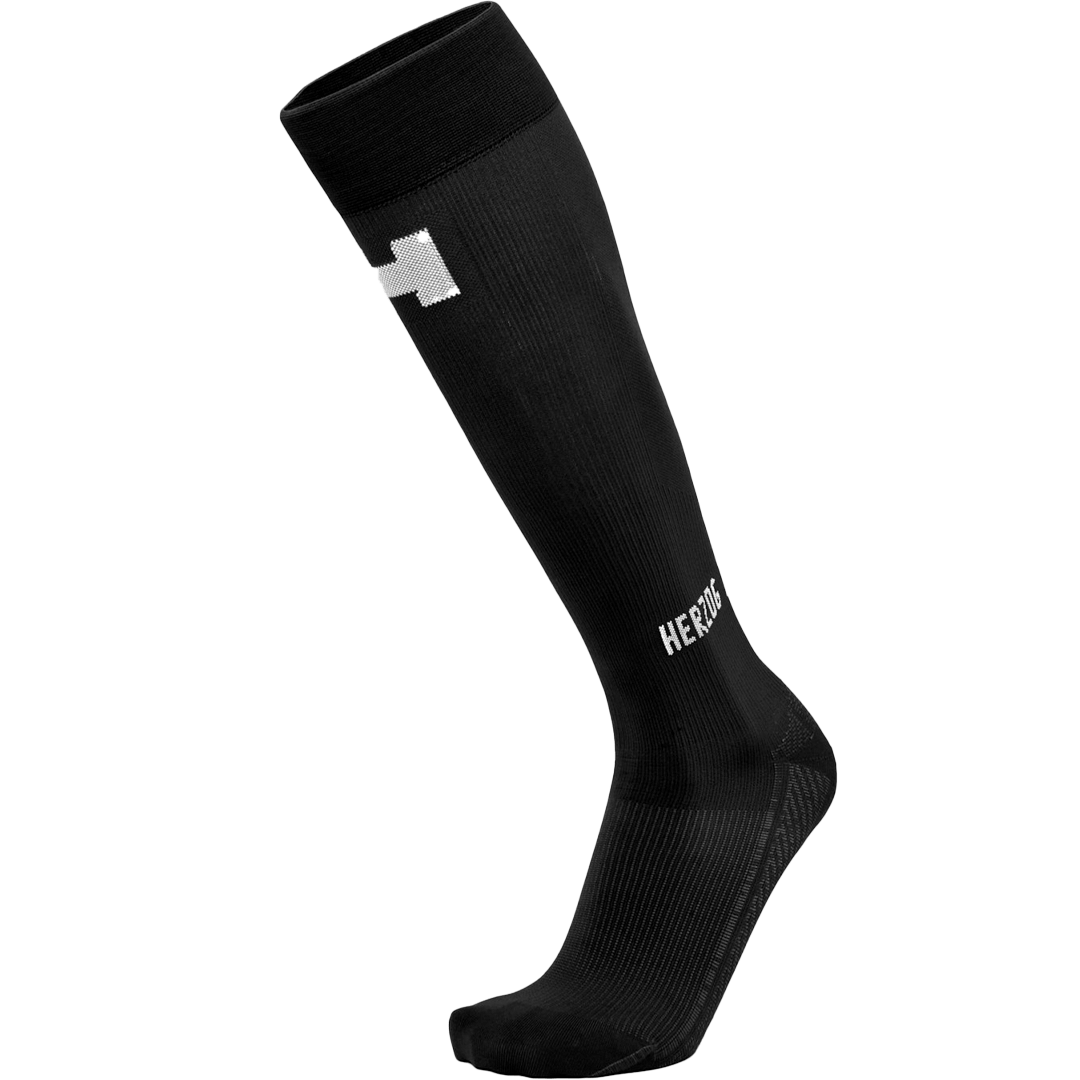
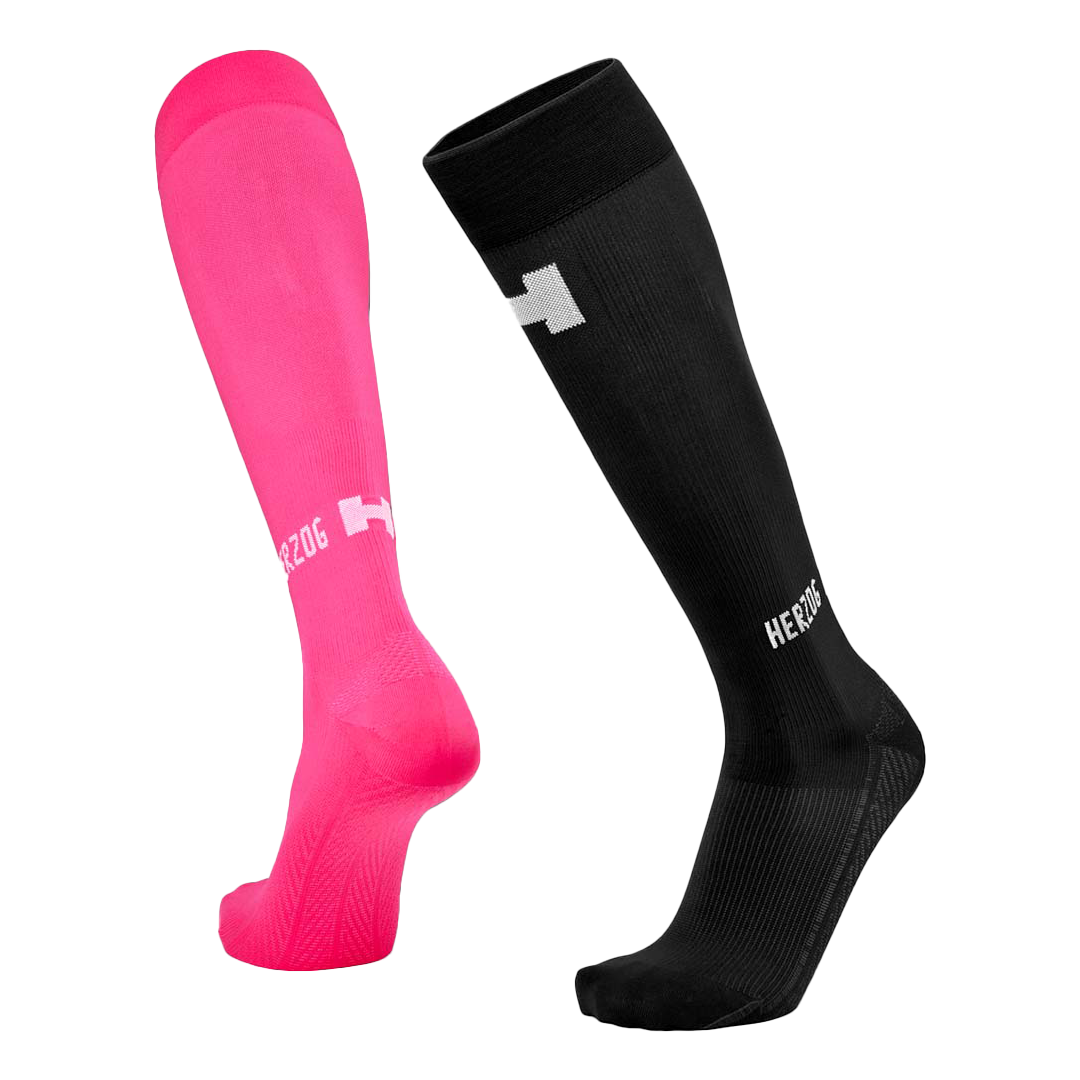
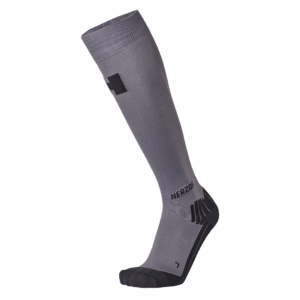
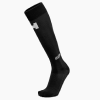
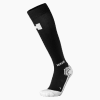
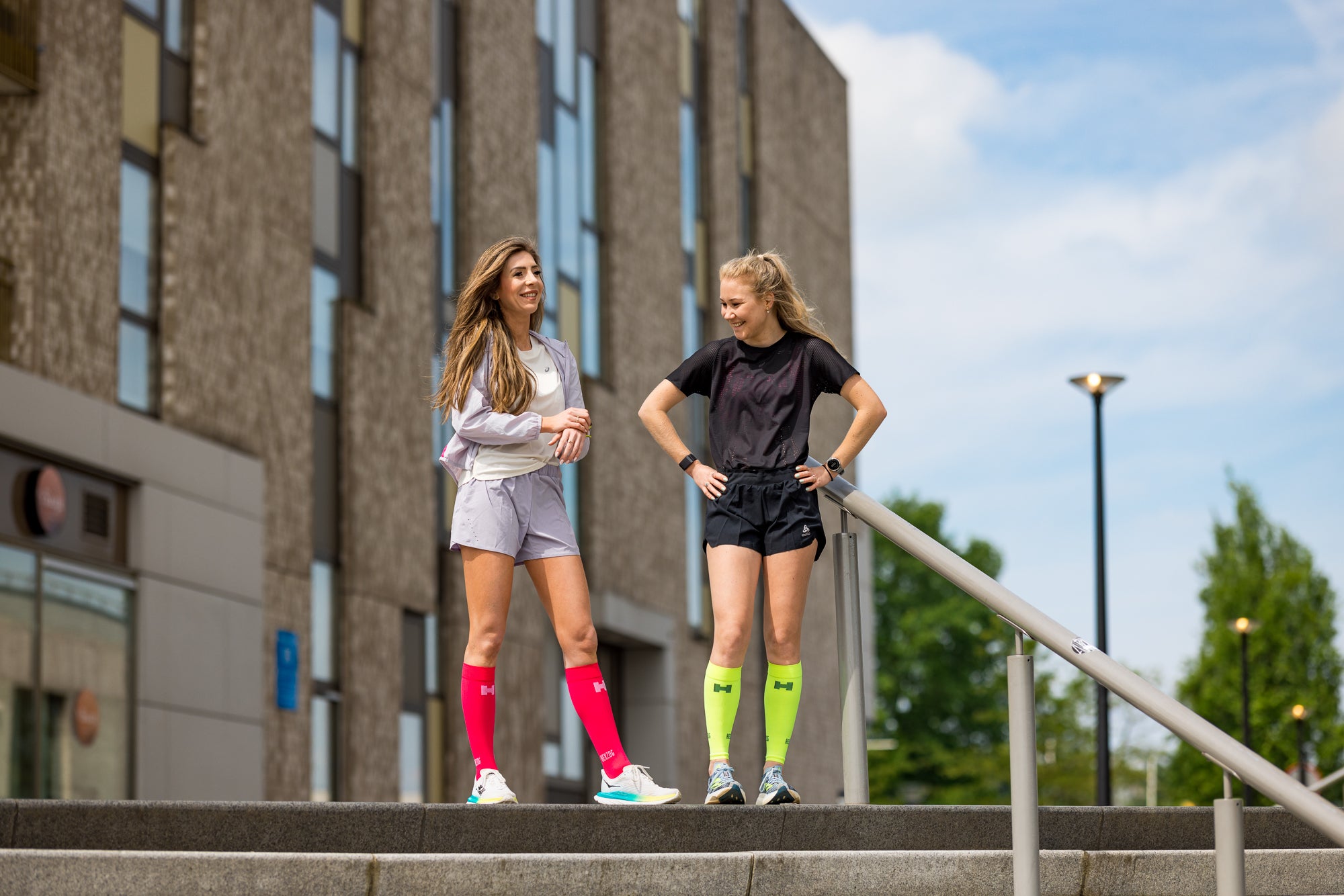
At Herzog, we regularly see these complaints in athletes who increase their training volume or intensity a little too quickly. In addition to a gradual training build-up, good support for the calf and Achilles tendon can also contribute to comfortable movement. That is why many athletes choose Herzog PRO Sport Compression Socks while running or walking.

Side Image

What causes Achilles tendon pain?

Achilles tendon problems usually arise from repeated overuse of the tendon that connects your calf muscle to your heel. Every step, sprint, or push-off puts stress on this tendon, and too many repetitions without sufficient rest lead to tiny micro-tears that don't get enough time to heal. Runners often notice this after a training session where they ran a little faster or further than usual. Hikers who suddenly cover longer distances, for example during a holiday or a new hiking routine, also experience the same mechanism.

A second cause lies in the calf muscles themselves. Stiff or overly short calf muscles pull extra on the Achilles tendon, increasing the tension with every step. This is especially true for athletes who suddenly resume intense runningor walkingafter a period of rest. Incorrect footwear, such as worn-out running shoes or shoes without good heel support, can also increase the pressure on the tendon. When trail running on uneven terrain, the varying load per step adds to this.

Age also plays a role, as the tendon becomes less elastic over the years and is less able to withstand sudden peaks in load. People with flat feet or a significantly collapsed arch often stress the Achilles tendon slightly differently, which increases the chance of problems. In addition, there is an overlap with other lower leg injuries: stiff calf muscles are often associated with calf complaints. The causes are therefore rarely completely separate.

Side Image

What are the symptoms of an Achilles tendon injury?

The most recognizable complaint is stiffness just above the heel, especially with the first steps after getting up or after sitting for a long time. Many runners also feel this at the beginning of a training session, after which the pain sometimes decreases slightly while running. Pressing on the tendon, a few centimeters above the heel bone, then causes pain, and the tendon may feel slightly thicker than on the other side. These complaints often develop insidiously, with no clear moment when they started.

With longer-lasting complaints, the tendon may become visibly thicker or show a nodule, indicating tissue changes due to prolonged overuse. Some people particularly notice pain when pushing off, for example, when climbing stairs or accelerating during running. A distinction is made between complaints in the middle of the tendon and complaints close to the heel attachment, as the approach may differ slightly. In both cases, overuse of the tendon plays the main role.

Sometimes the pain occurs suddenly and sharply, for example during a sprint or forceful push-off, followed by a feeling of weakness in the calf. This can indicate a more seriousAchilles tendon injury, where tendon fibers are damaged. If you hear a snap or feel as if you've been kicked when no one was behind you, it's wise to have this assessed by a general practitioner or physiotherapist, especially if you can barely stand on your toes.

• Pain that worsens when climbing stairs or a slope

• A tendon that feels stiffer in the morning than later in the day

• Swelling that seems to increase rather than decrease daily

• A snapping sensation followed by sudden weakness in the calf

• Pain that persists, even apart from sports or walking

Products in this blog

Side Image

What can you do yourself for Achilles tendon complaints?

If you are experiencing initial symptoms, it is advisable to temporarily reduce the load slightly, without completely stopping movement. It often helps to replace a number of intensive training sessions with cycling or gentle walking and then gradually build up again.

In addition, the following measures can help:

  • Gradually increase training volume and speed.
  • Stretch and strengthen calf muscles regularly.
  • Wear shoes that still offer sufficient cushioning and support.
  • During exercise, wear Herzog PRO Sports Compression Socks to provide extra support to the calf muscles.
  • Allow the tendon sufficient recovery time between intensive training sessions.

If the symptoms persist or worsen, it is advisable to consult a general practitioner or physiotherapist.

How can Herzog compression socks support with Achilles tendon complaints?

The Achilles tendon endures great forces with every step. The calf muscles play an important role in this: they constantly pull on the tendon during push-off. When the calf moves a lot or tires more quickly, the load on the Achilles tendon also increases.

Herzog PRO Sports Compression Socksare designed to firmly support the calf muscles during exercise. Due to the medical, graduated compression, the muscles move less back and forth while running. Many athletes therefore experience that their calves feel fresher for longer and that the pulling forces on the Achilles tendon decrease.

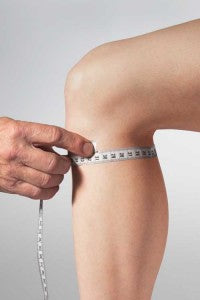
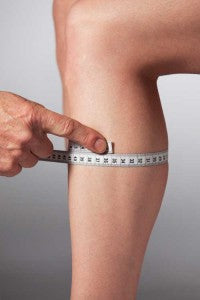
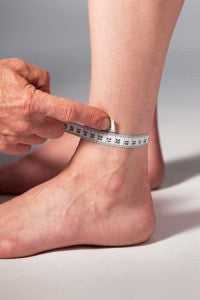
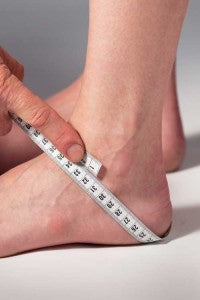
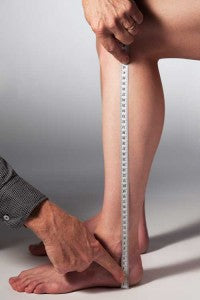
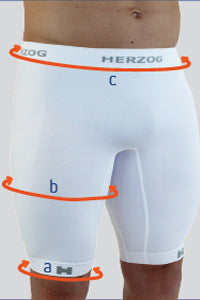
The socks are individually measured at six points, so that the compression matches the shape of the lower leg instead of a standard size. In addition, the socks carry an MDR quality mark as a medical device. Although compression socks do not treat an Achilles tendon injury, they can contribute to more support during exercise and help reduce the load on the calf muscles.


Cooling after exercise

Cooling is also often used for Achilles tendon complaints to reduce pain, limit any swelling and calm the irritated tendon tissue. For this, the Herzog Compry Coolcan be used with an ankle bandage. This product combines cooling with compression. This can support the natural recovery process.

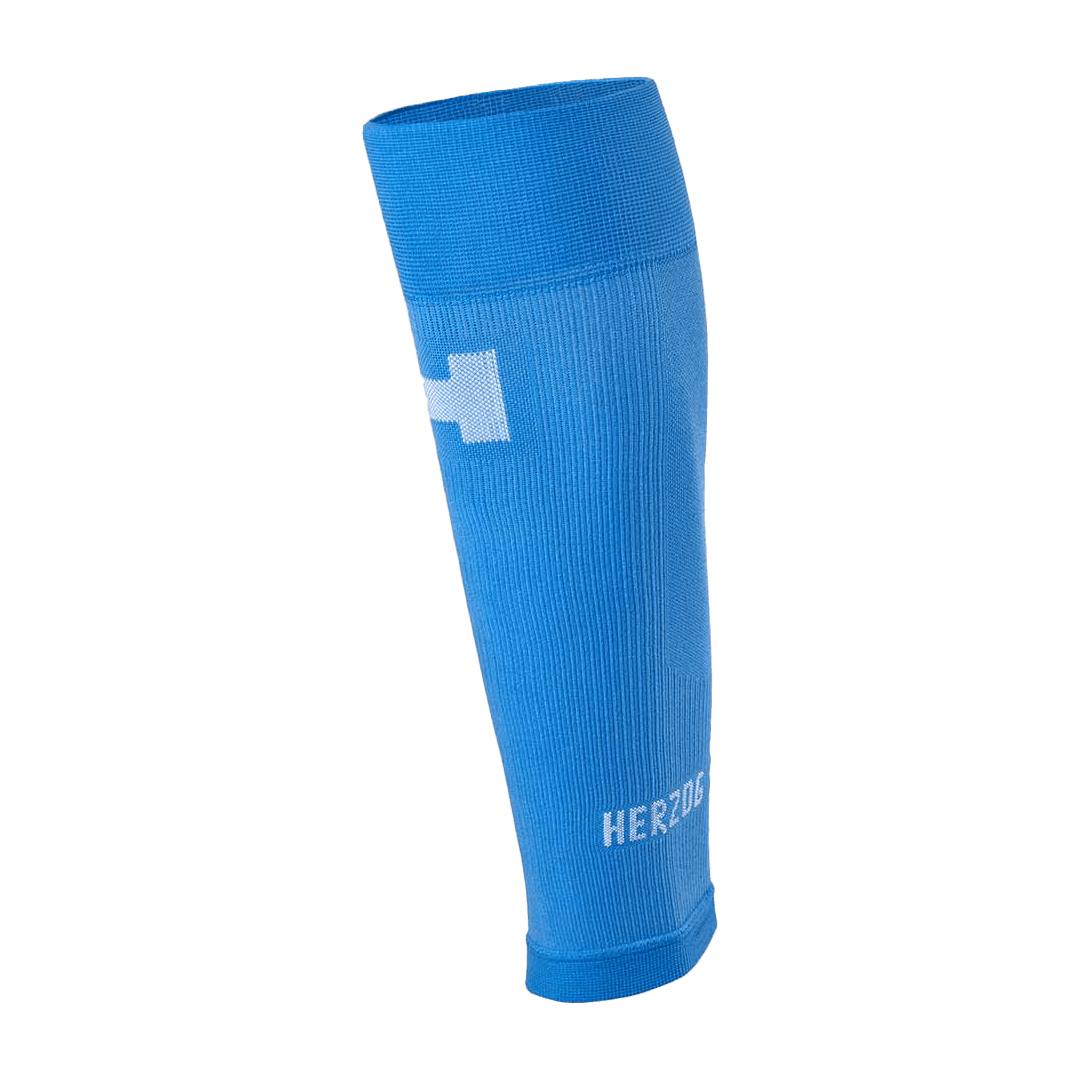
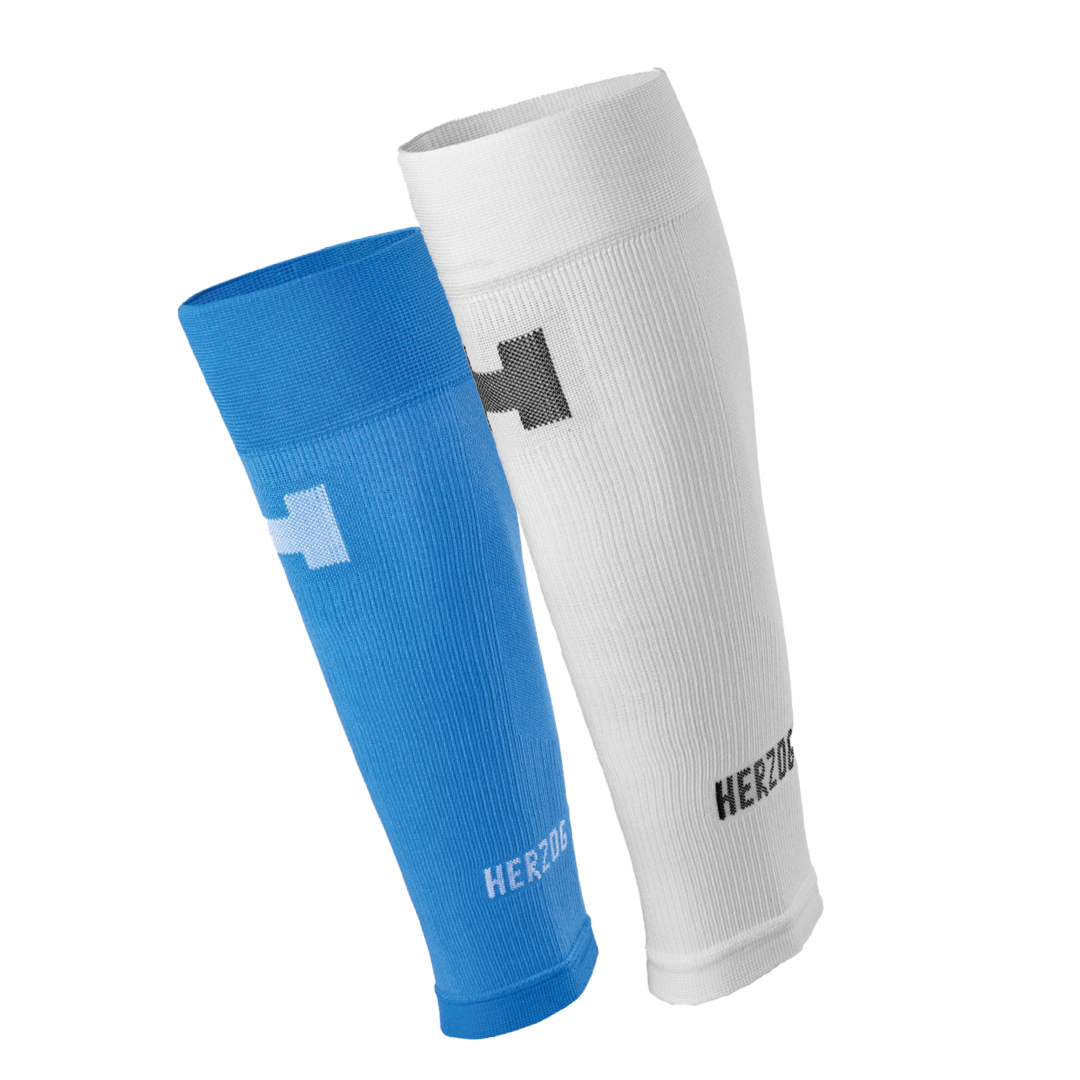
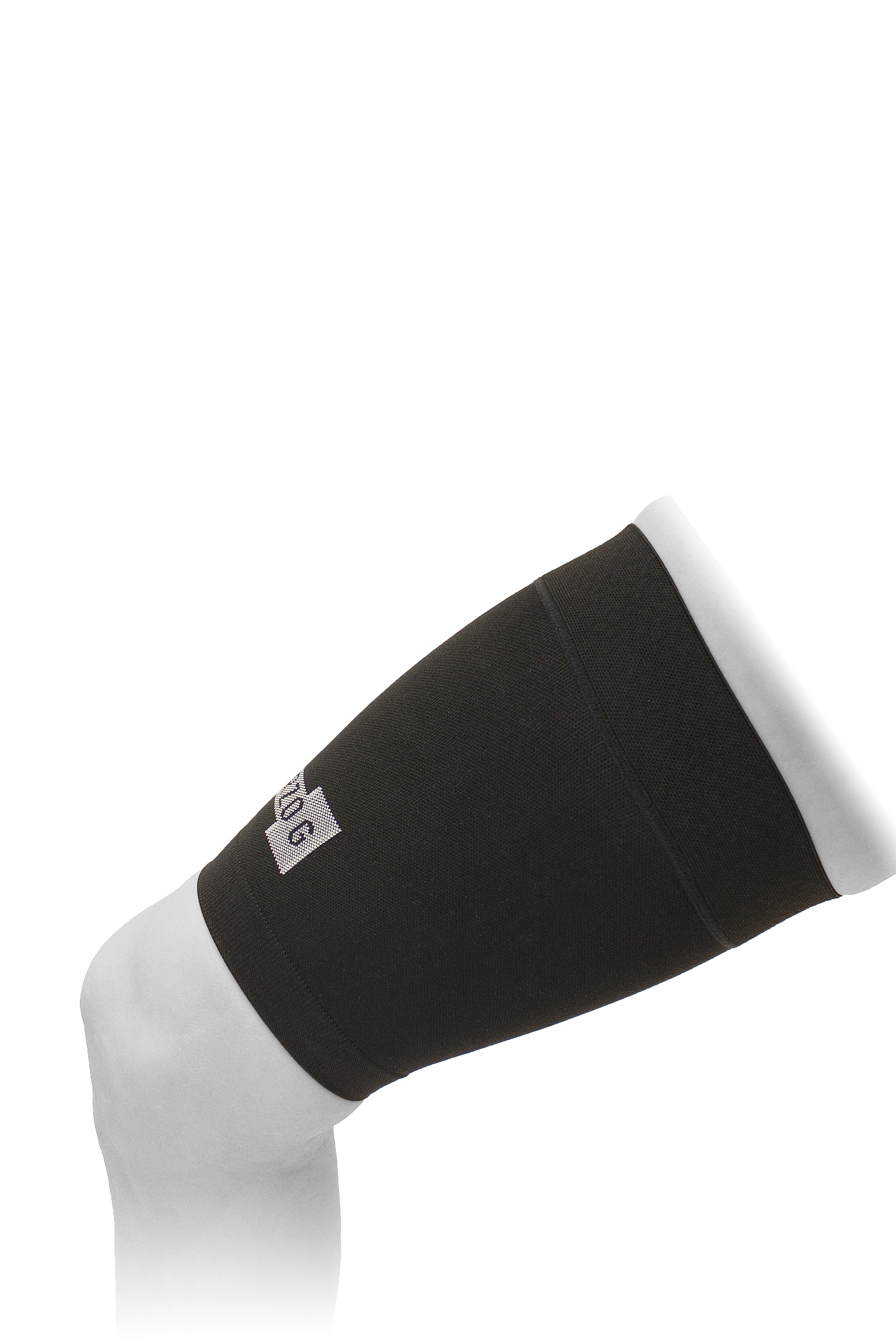
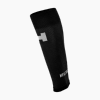
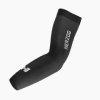
During exercise, however, the focus for many athletes is on supporting the calf muscles with Herzog PRO Sports Compression Socksor Herzog PRO Compression Tubes. Cooling is mainly a supplement after exercise.

Frequently asked questions

How long does it take to recover from Achilles tendon problems?

Recovery varies greatly from person to person and depends on how long the overuse has been occurring and how well the load is subsequently adjusted. With mild symptoms, you often notice improvement within a few weeks, while persistent problems can last longer. Consistent and gradual build-up usually works better than resuming full load too quickly.

Can you still exercise with Achilles tendon problems?

Light, pain-free forms of exercise such as cycling or swimming are often still possible, while reducing the load on the Achilles tendon. Continuing to exercise through sharp pain is not advisable as this can further increase overuse. Listen to how the tendon responds and adjust your training accordingly.

When should you see a doctor for Achilles tendon problems?

In case of sudden, sharp pain, a snapping sensation, or if you can no longer stand on your toes, it is advisable to have this assessed. Persistent swelling or symptoms that do not improve after adjusting your activities are also good reasons to consult a doctor or physical therapist.

Is rest good for Achilles tendon problems?

Complete rest is usually not recommended for most Achilles tendon problems. Tendons actually need dosed movement and load to recover and stay strong. It is therefore often better to temporarily reduce the load, for example by exercising less intensely or temporarily replacing running with cycling or swimming. Then gradually build up the load again and avoid training through sharp pain.

Relevant blogs

6 Effective tips to prevent and relieve shin splints

Prevent and alleviate shin splints with 6 practical tips for runners. Less pain, faster recovery, and better training.

Treating Whiplash: 3-Phase Recovery with Compression and Cold Therapy

Recovering from a calf strain? Discover the 3 recovery phases and how compression and cold therapy can contribute to optimal and responsible recovery.

All about calf problems: causes, symptoms, and what you can do about them

Suffering from calf complaints? Read all about possible causes, common symptoms, recovery, and what you can do to prevent calf complaints.