Hamstring Injury in Runners: Causes, Symptoms, and Recovery

A hamstring injury is one of the most common muscle injuries among runners. Symptoms range from a slight irritation to a muscle tear that requires weeks or months of recovery. Especially during sprinting, accelerating, or running uphill, a lot of force is placed on the back of your thigh, which can lead to overloaded muscle fibers. Recognizing the first signs helps to prevent further damage and to work on recovery in a targeted manner.

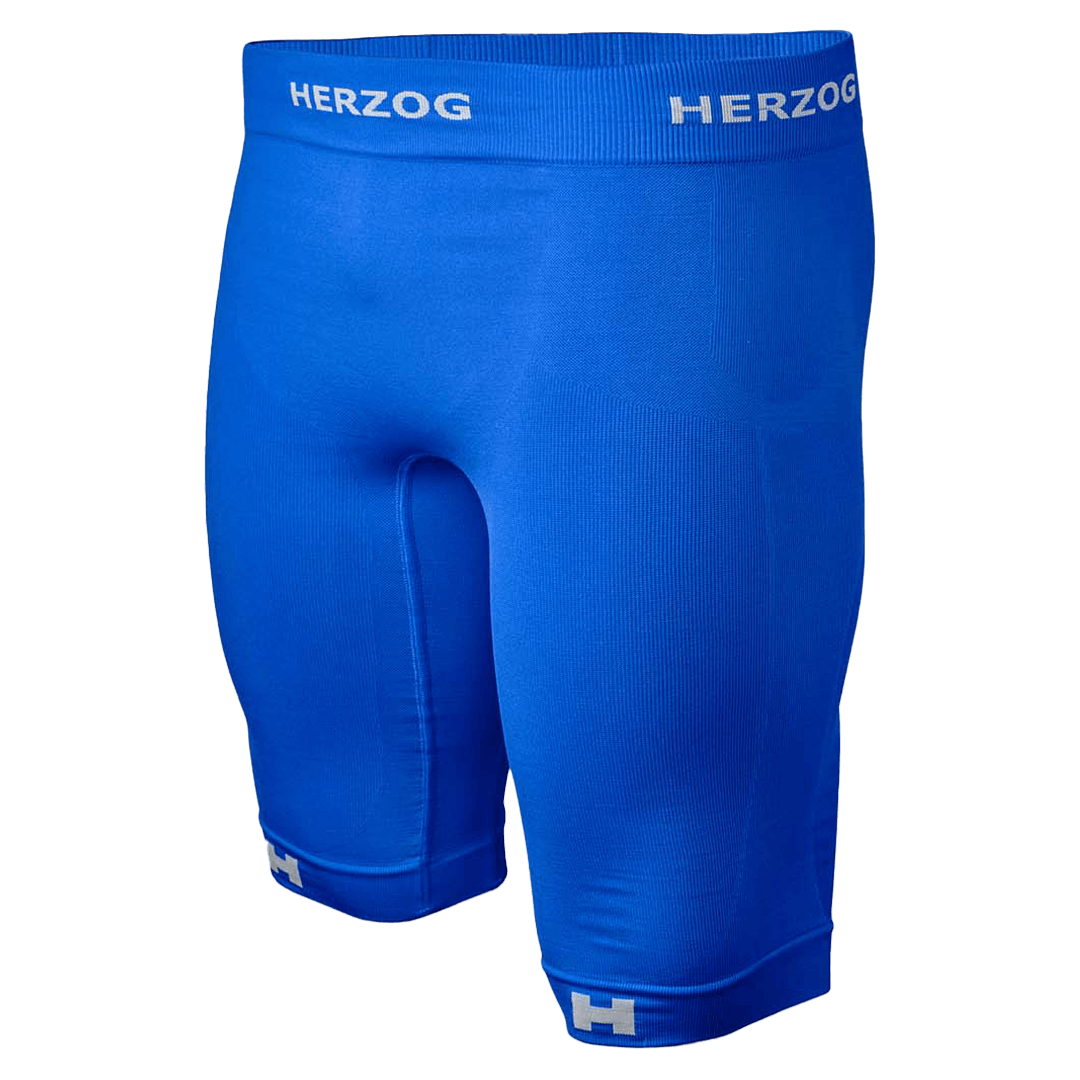
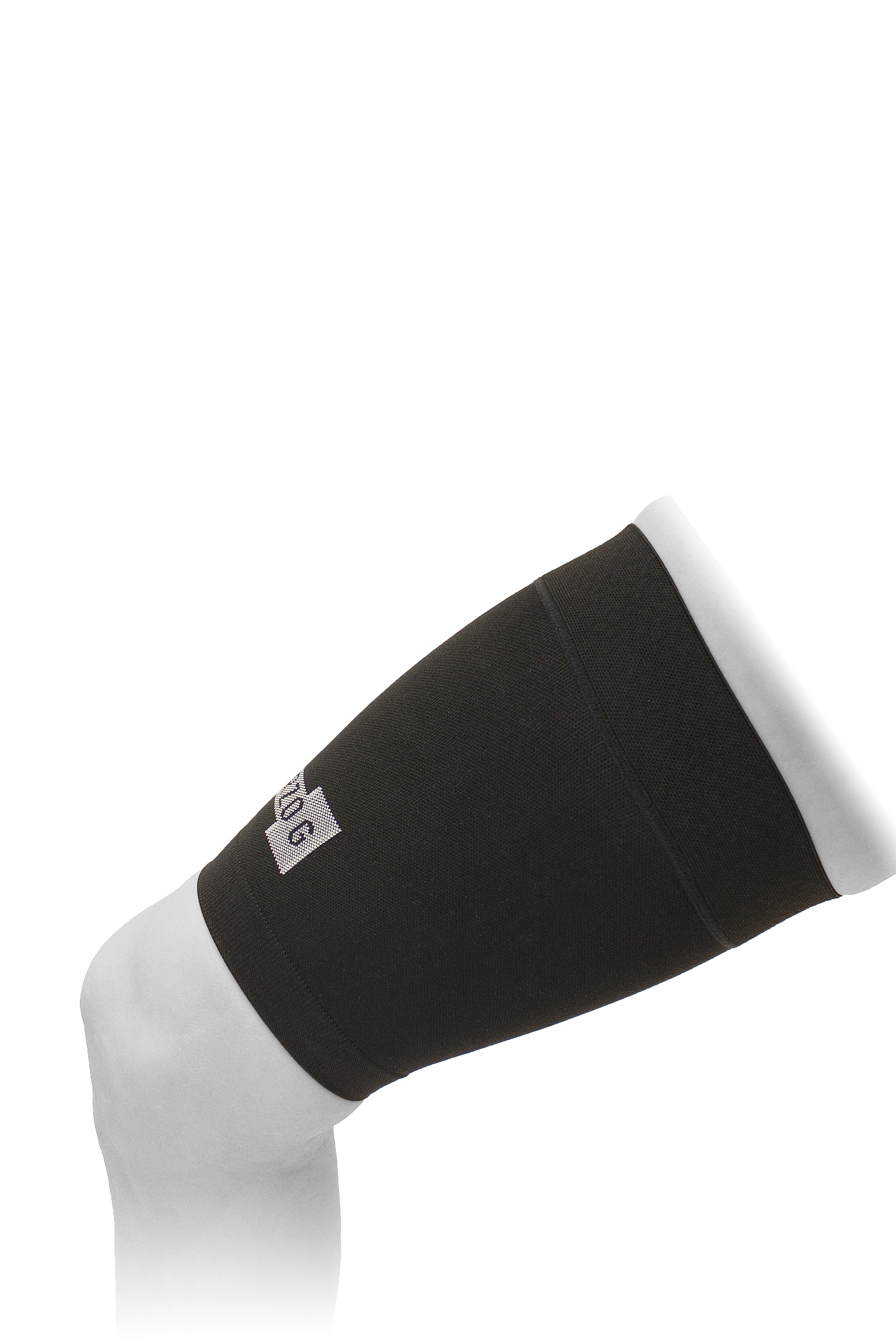
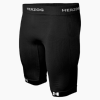
Many runners returning from a hamstring injury find that extra support during the recovery phase feels comfortable. The Herzog Pro Compression Shorts have been specially developed to provide targeted compression around the thighs, hamstrings, and groin. The shorts fit snugly to the body and can provide a supportive and stable feeling during gentle recovery training. They are not a substitute for sufficient rest, targeted exercises, or a good warm-up, but can be a practical addition when you are gradually building up your training load again.


Side Image

What causes a hamstring injury in runners?

The hamstrings consist of three muscles at the back of your upper leg that work together to bend your knee and extend your hip. When running, and especially when sprinting or accelerating, these muscles must switch from stretching to contracting within a fraction of a second. That rapid transition demands a lot from the muscle fibers. When the load is greater than the muscle can currently handle, local damage occurs, ranging from a slight strain to a tear in the muscle tissue.

Several factors increase the likelihood of a hamstring injury. Cold or stiff muscles at the start of a workout, an imbalance between the hamstrings and quadriceps, and fatigue towards the end of a long run can all play a role. Runners who do a lot of trail runningon uneven terrain also run an increased risk, as the muscles are stressed slightly differently with every unexpected step than on a flat surface. Those who increase the intensity or volume of training too quickly also increase the chance of overuse.

The onset of a hamstring injury is similar to a calf strainin the calf. Both injuries can arise from a sudden, explosive movement where the muscle is insufficiently prepared for the peak load. The main difference lies in the location and function of the affected muscle.

The Herzog Pro Compression Shorts provide targeted compression around the thighs. Due to their snug fit, the shorts can offer extra support during running and help limit unwanted muscle vibrations. This can be beneficial during intensive training and with a responsible training build-up. However, compression shorts can never fully prevent a hamstring injury. A good warm-up, strong hamstrings and glutes, and a gradual training build-up remain essential.

Side Image

What symptoms indicate a hamstring injury?

With a mild hamstring injury, you often feel a dull ache or stiffness in the back of the thigh. This discomfort usually arises during or shortly after running. Many runners describe it as a pulling sensation that worsens when accelerating or lifting the knee. The pain is generally tolerable and may subside after a few days of rest. However, do not ignore the discomfort: continuing to run with an irritated muscle can cause a mild strain to worsen.

With a more severe hamstring injury, the pain often occurs suddenly, for example, as a sharp stab in the back of the thigh during a sprint or explosive movement. Continuing to run is then usually no longer possible without a clear limp. Swelling can occur within a few hours. With a larger tear, a blue discoloration may also become visible due to a bruise under the skin. Applying force when bending the knee also feels noticeably more difficult than normal.

Persistent pain, a clear hollow in the muscle, or a large bruise are reasons not to continue training independently. A general practitioner, physiotherapist, or sports physician can determine the extent of the damage with a physical examination and possibly an ultrasound, and what recovery plan is appropriate. More explanation about the origin of this injury and the most important signs can be found on our page about the hamstring injury. Self-diagnosing based solely on pain level is difficult, as a mild strain and a muscle tear can initially cause similar symptoms.

Products in this blog

Side Image

How do you approach recovery from a hamstring injury?

Recovery from a hamstring injury begins with reducing the load. This doesn't always mean complete rest. With a minor strain, it often helps to keep moving gently for the first few days and temporarily avoid pain-provoking movements, such as sprinting or uphill running. A larger tear requires more rest. Gradual build-up is only responsible once the acute pain has sufficiently subsided. Continuing to exercise with an insufficiently recovered hamstring is a major reason why symptoms recur.

As soon as the pain clearly diminishes, you can gradually increase the load. For example, start with walking, then move on to a gentle jogging pace, and only later add sprints or intervals. This gives the muscle fibers time to adapt to the load again. Targeted strength training for the hamstrings and glutes can help make the thigh stronger and more stable. If you experience persistent or more severe symptoms, seek guidance from a physiotherapist or sports doctor.

More background on responsible build-up and training can be found on our page about running.

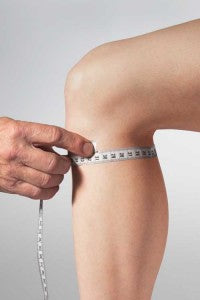
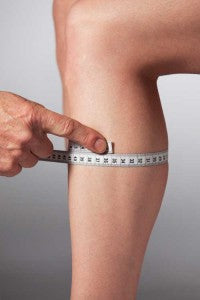
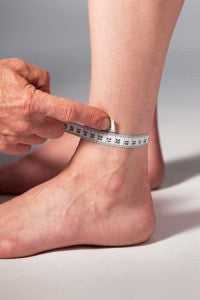
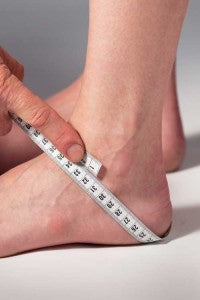
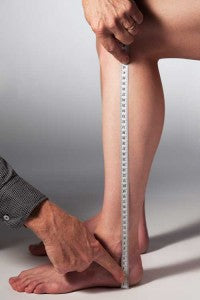
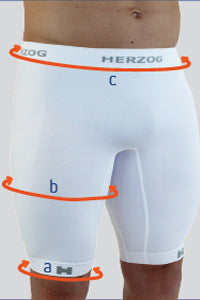
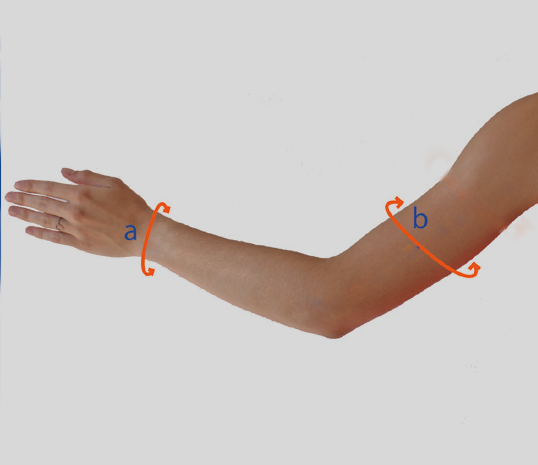
During the build-up phase, extra support around the thigh can be beneficial. The Herzog Pro Compression Shorts provide targeted compression to the hamstrings, quadriceps, and groin. Unlike standard sports shorts, the correct size is not only determined by S, M, or L. For an accurate fit, various points of the body are measured. This ensures the shorts fit your physique well and compression is applied in the right places.

Wear the shorts during gentle build-up training, strength training, or more intense running sessions once your body is ready for it. Always listen to pain signals. The shorts support the thigh but do not automatically make an injured hamstring load-bearing.

Frequently Asked Questions

How long does it take to recover from a hamstring injury?

This varies greatly from person to person and depends on the severity of the damage. A minor strain can heal within a few weeks, while a larger tear may take several months. Sufficient recovery time and a gradual increase in training load largely determine when you can fully resume running.

Can you continue running with a hamstring injury?

In the case of very mild symptoms, gentle movement may sometimes be possible, as long as there is no sharp pain and the symptoms do not worsen during or after running. If there is clear pain, it is better to stop and reduce the load. Continuing to run with an irritated or torn muscle increases the risk of prolonged or recurring symptoms.

Does a compression short help with a hamstring injury?

A compression short does not cure a hamstring injury. However, the targeted compression and snug fit can provide a supported and stable feeling to the thigh during movement. Therefore, the Herzog Pro Compression Shorts can be a pleasant addition during a responsible training build-up. Medical guidance, targeted exercises, and sufficient recovery always remain paramount in the event of an injury.

Can you prevent a hamstring injury with the Herzog Pro Compression Shorts?

The shorts can offer extra support to the hamstrings and other muscles around the thigh, but cannot completely prevent an injury. Therefore, always combine wearing the shorts with a good warm-up, targeted strength training, sufficient recovery, and a gradual increase in training load.

What is the difference between a hamstring injury and a calf strain?

A hamstring injury occurs in the muscles at the back of the thigh, while a calf strain (zweepslag) usually affects the calf muscle. Both injuries often occur during a sudden, explosive movement where the muscle cannot handle the load. The difference therefore mainly lies in the location of the damage.

Relevant blogs

6 Effective tips to prevent and relieve shin splints

Prevent and alleviate shin splints with 6 practical tips for runners. Less pain, faster recovery, and better training.

Treating Whiplash: 3-Phase Recovery with Compression and Cold Therapy

Recovering from a calf strain? Discover the 3 recovery phases and how compression and cold therapy can contribute to optimal and responsible recovery.

All about calf problems: causes, symptoms, and what you can do about them

Suffering from calf complaints? Read all about possible causes, common symptoms, recovery, and what you can do to prevent calf complaints.