Heel spurs: symptoms, causes, and what you can do to get rid of them

Heel spur is a common term for pain under the heel. Often, the symptoms are not directly caused by the bony protrusion on the heel bone, but by irritation or overuse of the plantar fascia under the foot. This plantar fascia runs from the heel to the toes and supports the arch of the foot. Many people feel the pain especially with the first steps in the morning or after sitting for a while.

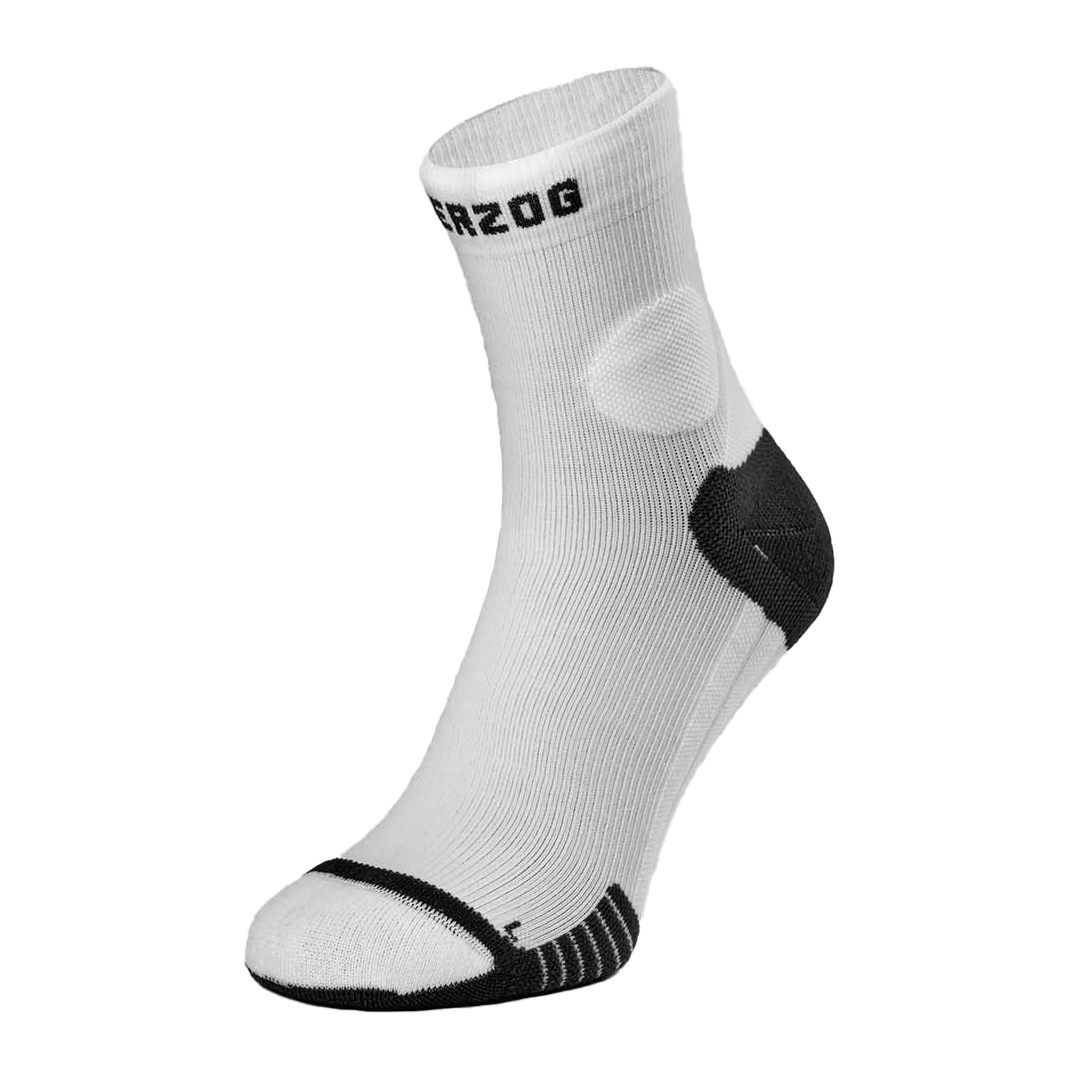
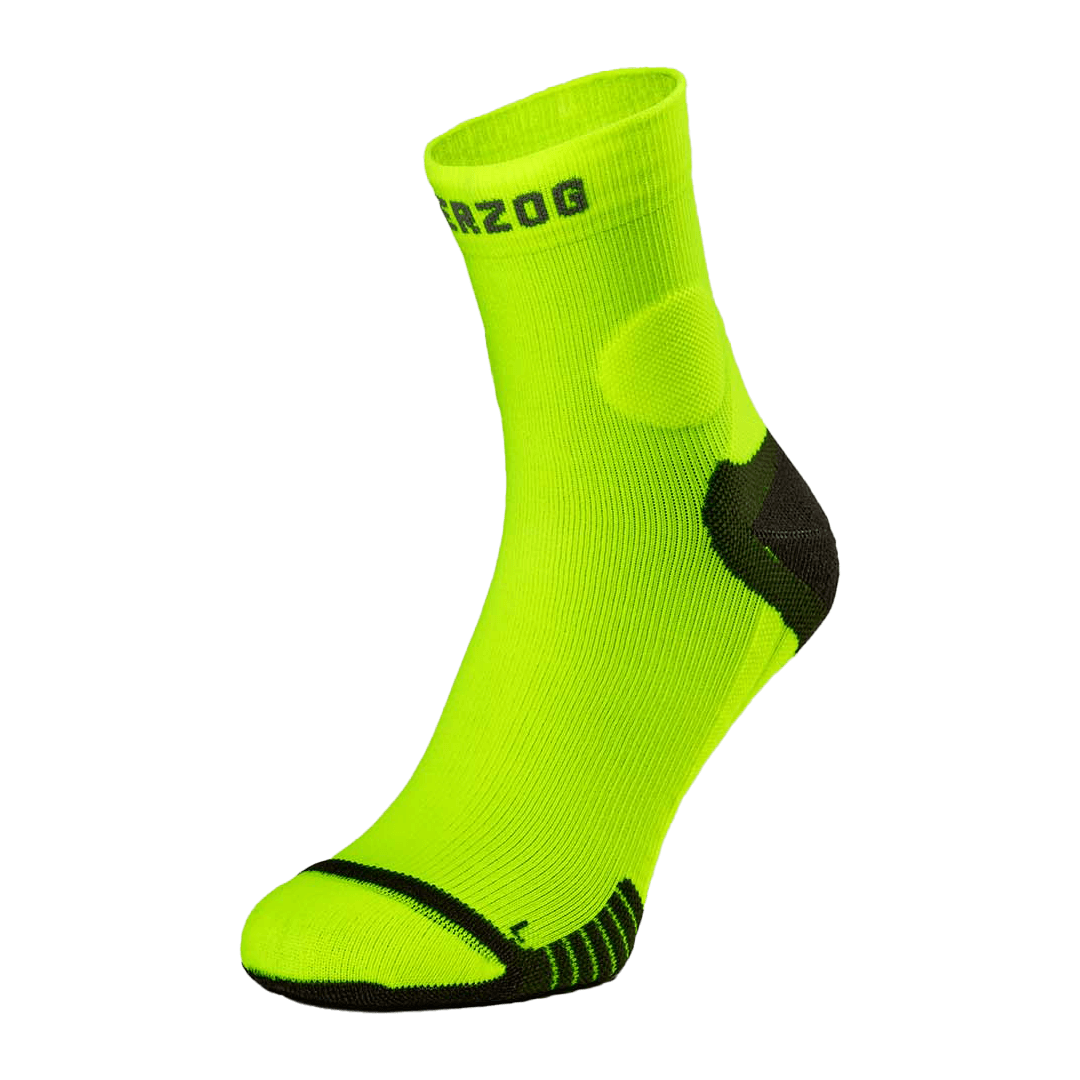
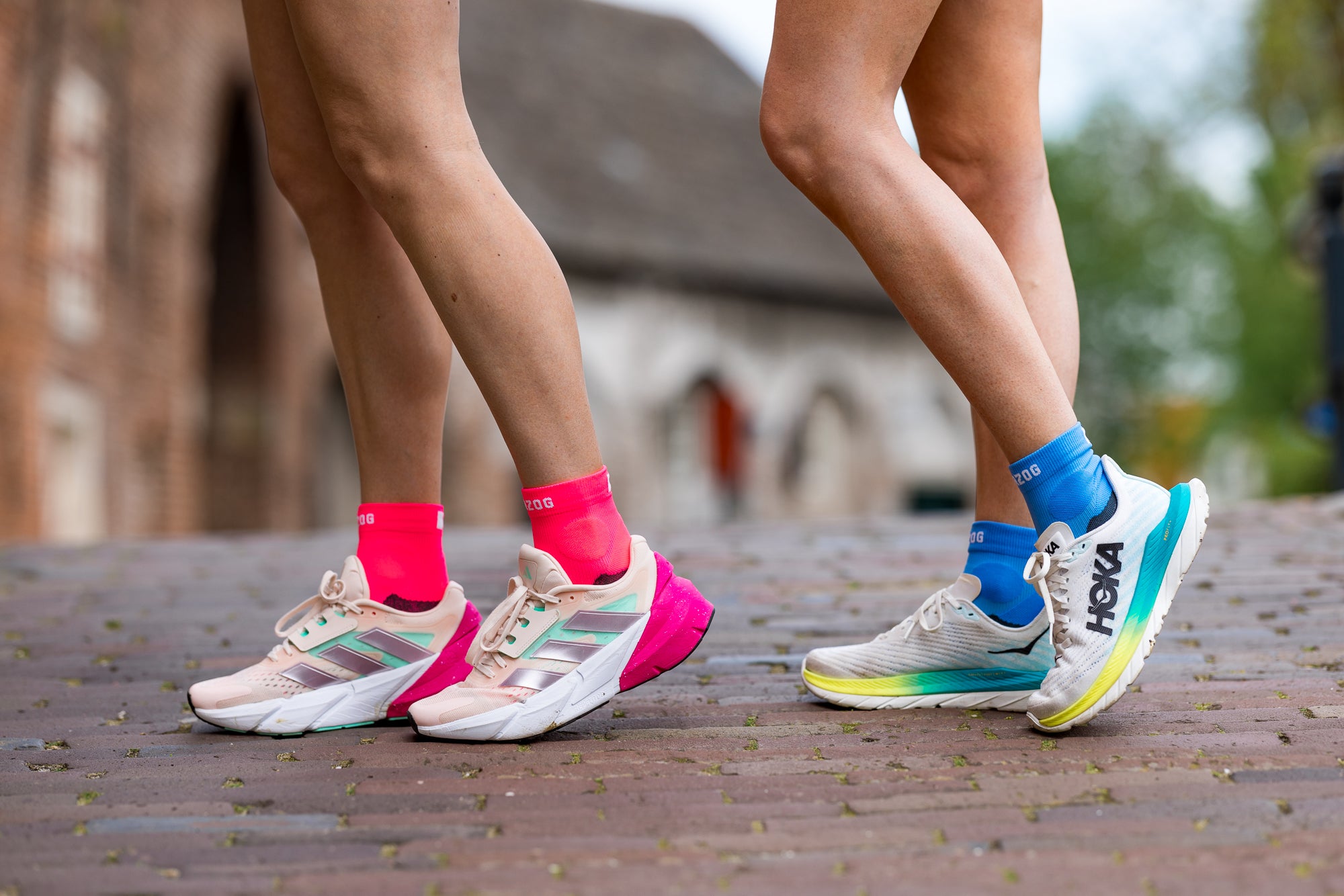
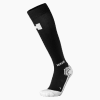
With heel complaints, extra support around the foot and ankle can be pleasant. The Herzog ankle socks fit snugly around the foot and provide compression around the arch of the foot and the ankle. They offer support during walking, working, and exercising. An ankle sock does not eliminate the cause of heel spur, but it can be a practical addition to load adjustment, exercises, and good footwear.


Side Image

What are the symptoms of plantar fasciitis?

The pain associated with plantar fasciitis is usually located under the heel bone, where the plantar fascia attaches to the heel. Many people describe it as a sharp or burning pain, similar to the sensation of stepping on a pebble.

The discomfort is often most severe during the first steps after getting out of bed. During the night, the plantar fascia is subjected to less strain. When you stand up and start walking again in the morning, the tissue is suddenly stressed anew. After a few minutes of walking, the pain may temporarily subside, but it often returns after a period of sitting or standing still.

The symptoms can also worsen after prolonged standing, walking, or running. Some people primarily feel the pain at the end of the day, after the foot has been under strain for an extended period. The area under the heel can be tender to the touch. With long-term complaints, the pain may radiate to the arch of the foot or the side of the foot, causing you to alter your gait.

The severity varies greatly from person to person. For some, it remains a mild stiffness that subsides after warming up, while for others, almost every step is painful. Therefore, keep track of when the pain occurs, how long it lasts, and whether certain shoes, surfaces, or activities aggravate the symptoms. This information can help a physical therapist or podiatrist assess the possible cause.

Common signs include:

  • A sharp pain under the heel during the first steps after getting up.
  • Pain that temporarily decreases during walking but returns after rest.
  • A pressure-sensitive spot under or on the inside of the heel bone.
  • Increased discomfort after prolonged standing, walking, or running.
  • Pain that radiates to the arch of the foot or the side of the foot.
Side Image

What causes plantar fasciitis?

Heel pain is often caused by prolonged overuse of the plantar fascia. This is the strong band of connective tissue that runs from the heel bone to the toes and supports the arch of the foot. When this is repeatedly subjected to too much tension, small injuries and irritation can occur at its attachment to the heel bone.

In response to this prolonged stress, the body may form extra bone. An X-ray will then show a small bony protrusion: the actual heel spur. However, such a bony protrusion does not always have to cause pain. Some people have a visible heel spur without symptoms, while others experience a lot of pain without a clear bony protrusion.

Common causes and risk factors include:

  • A sudden increase in training load.
  • Frequent runningor walking on a hard surface.
  • Prolonged standing during work.
  • Shoes with insufficient cushioning or support.
  • Overpronation, where the foot rolls inwards excessively while walking.
  • A shortened or stiff calf muscle or Achilles tendon.
  • Overweight, which places a heavier load on the foot with every step.
  • Insufficient recovery between training sessions or long working days.

Runners who rapidly increase their mileage and people with standing jobs can be particularly susceptible to heel pain. The foot then endures the same load for extended periods or repeatedly. Good footwear, sufficient recovery, and gradually building up activities are therefore important.

Products in this blog

Side Image

What can you do to get rid of heel spurs?

The first step is usually to temporarily adjust your activity level. You don't always have to stop moving completely, but it's wise to temporarily reduce activities that clearly worsen the pain. For example, walk less often on hard surfaces, choose shorter distances, and incorporate extra rest days.

Well-cushioned shoes with sufficient arch support can help reduce daily stress. Also, check if your sports shoes are worn out. When the cushioning or stability of a shoe has decreased, the plantar fascia has to absorb more impact with every step.

Stretching exercises for the calf and sole of the foot are often used for heel complaints. For example, you can gently roll the sole of your foot over a ball or controlledly stretch your calf and plantar fascia. Perform exercises without forcing them. A physical therapist or podiatrist can assess which exercises are suitable for your symptoms and load capacity.

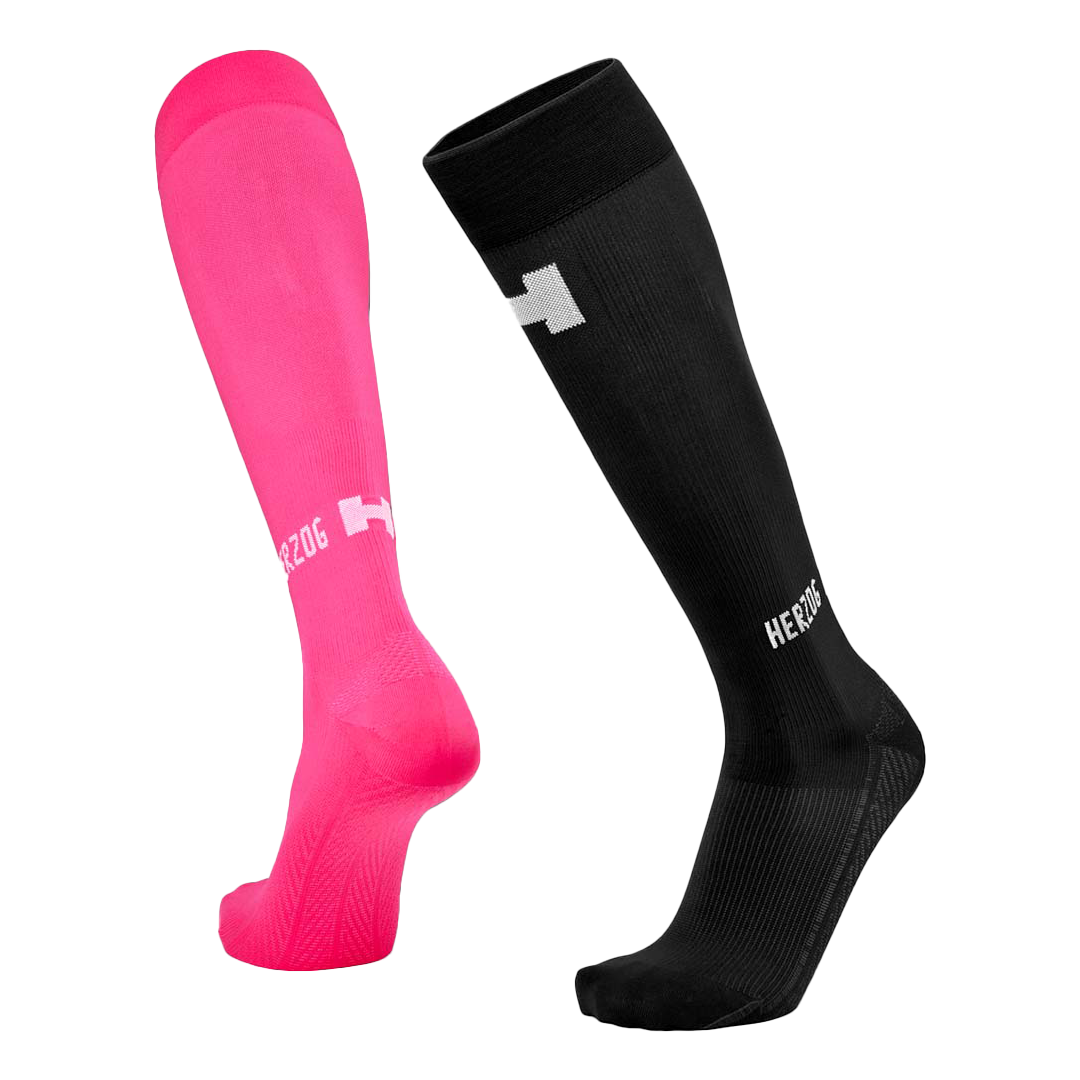
Herzog ankle socks can provide extra support around the foot and ankle during daily activities, walking, or sports. The snug fit and compression around the arch of the foot can provide a stable and supported feeling. Because it is an ankle sock, the calf remains free, and you can easily combine the product with various types of sports and work shoes.

Do not wear the socks as a substitute for appropriate footwear, activity adjustment, or professional treatment. They are intended as supplementary support. If your pain clearly increases during an activity, it is wise to reduce the load.

If heel pain persists despite these adjustments, the pain becomes increasingly severe, or you can hardly bear weight on your foot, consult a general practitioner, physical therapist, or podiatrist. Not every pain under the heel is caused by heel spurs or irritation of the plantar fascia. A professional assessment helps to rule out other possible causes.

Frequently asked questions

Will heel spurs go away on their own?

Heel complaints can decrease when you adjust the load in time, wear good shoes, and specifically work on mobility and strength. However, long-term complaints do not always disappear on their own. If the pain keeps coming back, it is advisable to consult a physical therapist, podiatrist, or general practitioner.

Can an ankle sock help with heel spurs?

A compressive ankle sock does not cure heel spurs. The Herzog ankle sock does provide support around the arch of the foot and the ankle and can therefore provide a comfortable and stable feeling during movement. The sock is primarily intended as a supplement to exercises, good footwear, and a responsible build-up of activity.

When do you wear Herzog ankle socks?

You can wear the ankle socks during walking, working, sports, or other moments when your feet are subjected to prolonged stress. Gradually build up use and check if the sock fits comfortably. If pain, numbness, or tingling increases, take off the sock and have the complaints assessed.

Are the ankle socks suitable for running?

The Herzog ankle socks can be worn while running and fit into regular running shoes. The compressive fit supports the foot during movement. In addition, ensure suitable running shoes and gradually build up distance and intensity.

How long does recovery from heel spurs take?

Recovery time differs per person and depends on the duration of the complaints, the cause, and daily activity. For some people, complaints subside within a few weeks, while long-term complaints can persist for several months. A physical therapist or podiatrist can help with a personal recovery plan.

What is the difference between heel spurs and plantar fasciitis?

Heel spur is a bone outgrowth on the heel bone. Plantar fasciitis, also called fasciitis plantaris, is irritation of the connective tissue band under the foot. The terms are often used interchangeably, but it is usually the irritated plantar fascia that causes the pain and not the bone outgrowth itself.

Relevant blogs

6 Effective tips to prevent and relieve shin splints

Prevent and alleviate shin splints with 6 practical tips for runners. Less pain, faster recovery, and better training.

Treating Whiplash: 3-Phase Recovery with Compression and Cold Therapy

Recovering from a calf strain? Discover the 3 recovery phases and how compression and cold therapy can contribute to optimal and responsible recovery.

All about calf problems: causes, symptoms, and what you can do about them

Suffering from calf complaints? Read all about possible causes, common symptoms, recovery, and what you can do to prevent calf complaints.