Hormones, Your Cycle, and Training: What's Happening in Your Body?

Many female athletes notice that training feels smooth one week and then heavy a few weeks later, without changing anything. This fluctuating feeling is often related to the menstrual cycle. Hormones such as estrogen and progesterone fluctuate throughout the month and affect energy, muscle strength, recovery, and even how your body responds to exertion. Those who recognize this pattern can plan smarter without completely overhauling their training schedule.

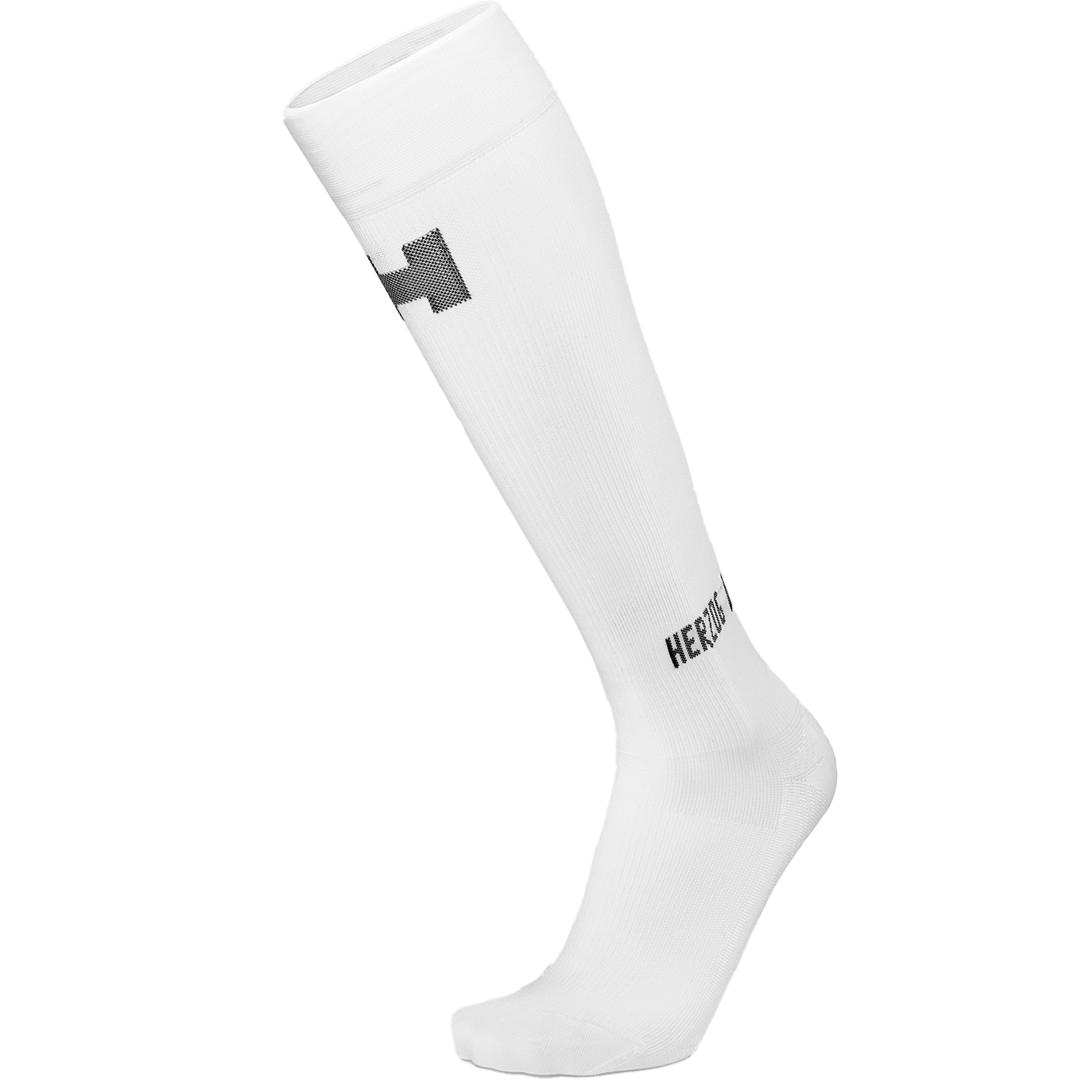
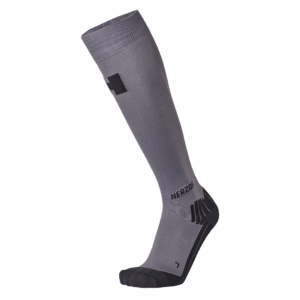
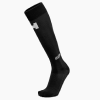
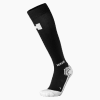
Around menstruation and in the days following, many athletes experience heavy legs and slower recovery, precisely when support is welcome. Herzog compression socks are often worn after a workout to support blood circulation and help muscles recover faster. This is not a miracle cure for hormonal fluctuations but a practical addition to a training routine that adapts to the cycle.

Side Image

What happens hormonally during your cycle?

The cycle broadly consists of two halves. In the first half, the follicular phase, estrogen levels are low at the start and rise towards ovulation. Many women feel more energetic and stronger during this period, and workouts that require a lot of strength or speed often feel lighter. Around ovulation, estrogen peaks, which, in addition to a feeling of strength, also affects connective tissue. Tendons and ligaments become slightly more flexible, which can improve performance but also requires a good warm-up before you start explosive movements.

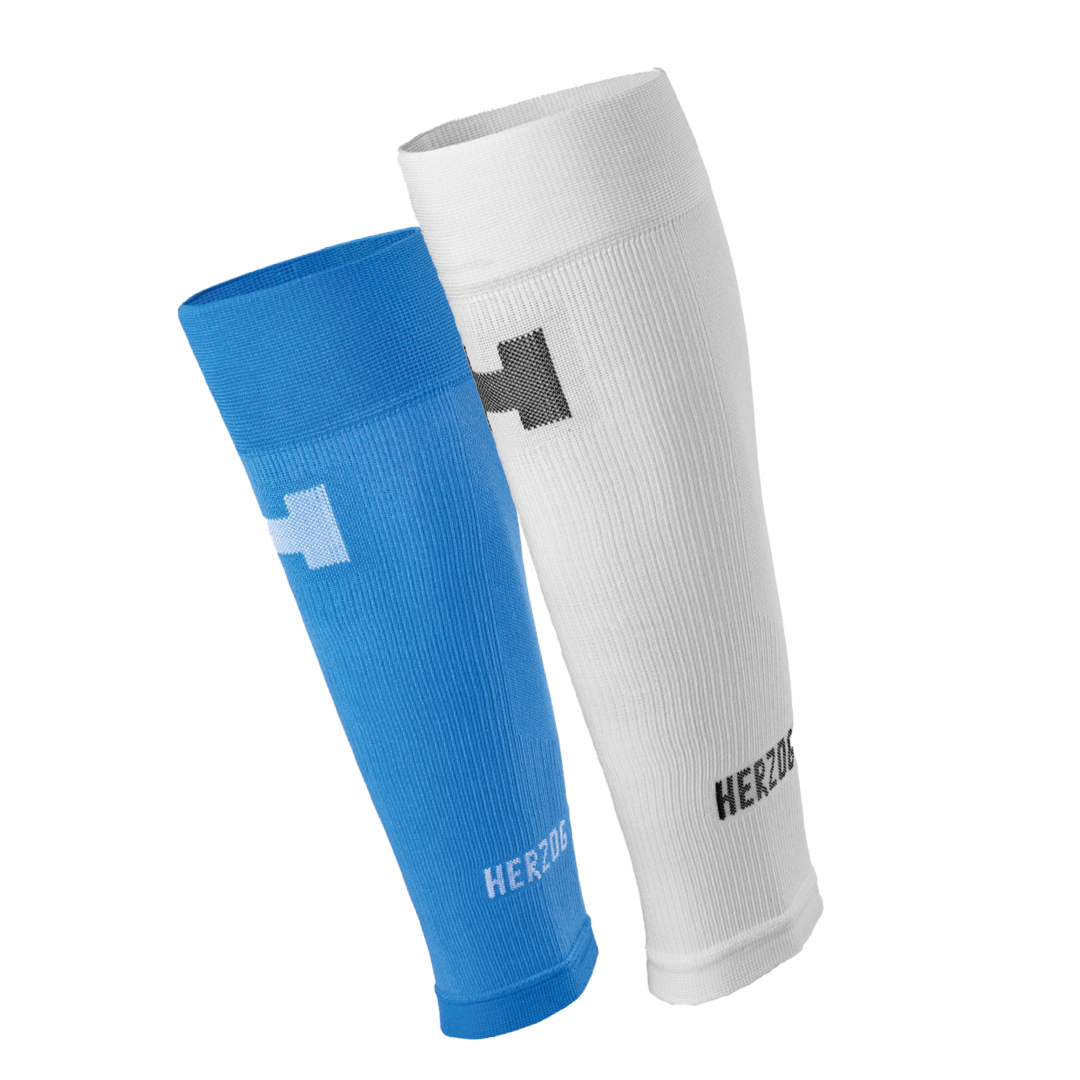
After ovulation, the luteal phase begins and progesterone rises. This hormone causes a slight increase in body temperature and can make workouts feel harder, even if the load remains the same. Recovery often takes a little longer during this phase, and some athletes notice that muscles feel stiff more quickly after exertion. This is also the phase where fluid retention is more common, making legs feel heavier at the end of the day. Those who suffer from this, for example, during runningor walking, often notice it most clearly in their calves, which can feel like calf complaints.

During menstruation, both estrogen and progesterone decrease, and many women experience this as a period with less energy and sometimes lower abdominal cramps. This does not automatically mean that training becomes more difficult; some athletes perform perfectly well during these days. It varies greatly per person and per cycle, and there is little point in linking a fixed training schedule to an average cycle that progresses differently for everyone. It is better to feel how your body reacts in each phase and adjust the intensity accordingly.

Side Image

What do you notice about this during exercise?

In practice, this hormonal rhythm translates into clear differences between training sessions. Around ovulation, many athletes feel strong and can give that little bit extra during intervals or strength training. Two weeks later, in the luteal phase, the same training takes more effort, even if the schedule is identical. This difference is not imaginary; it is a direct consequence of the hormonal fluctuation that affects muscle contraction, oxygen uptake, and temperature regulation. Those who track this pattern for a few cycles often see a recurring rhythm emerge.

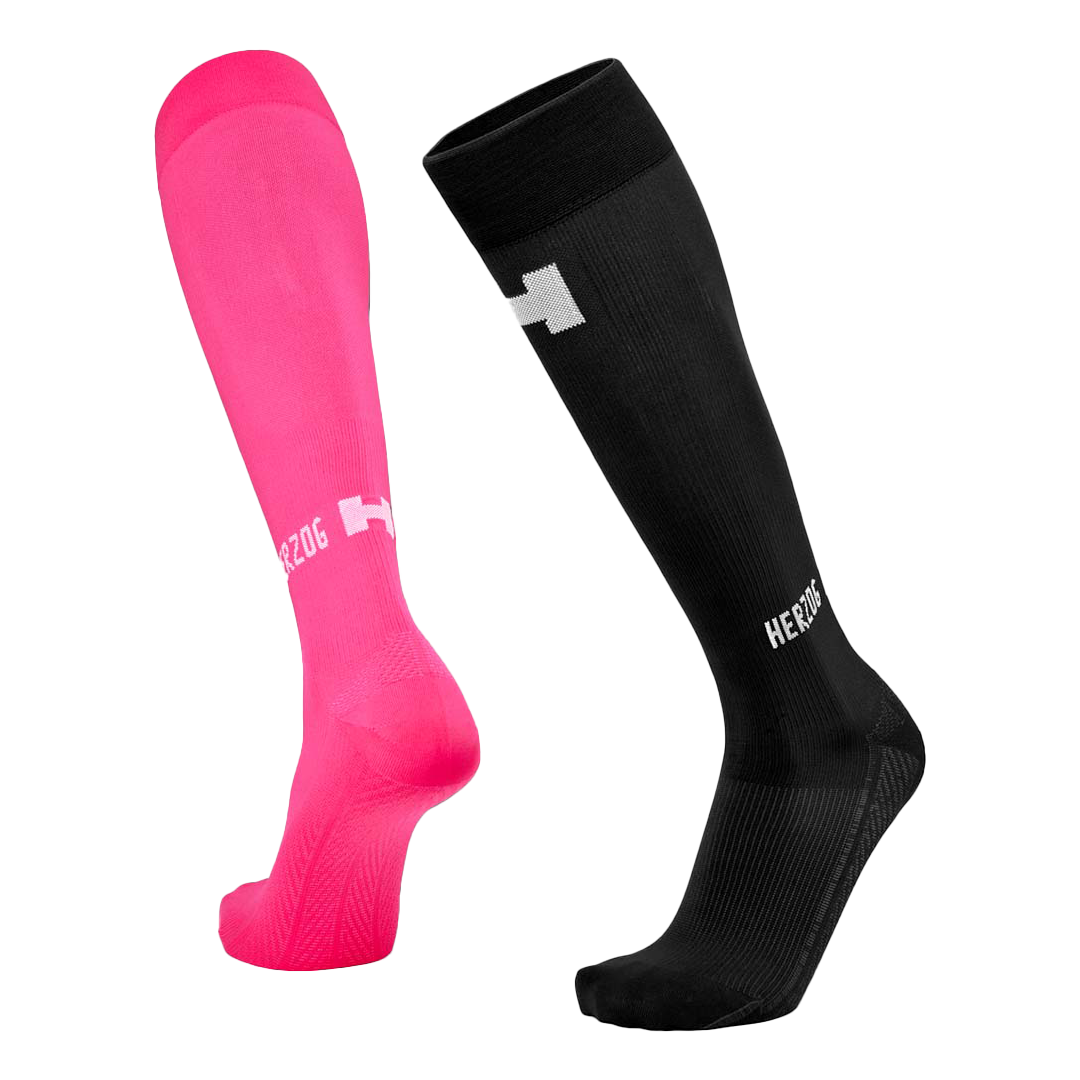
In the luteal phase, many athletes notice that their legs feel tired more quickly and that recovery after an intensive training session takes a little longer. Especially during this period, extra attention to recovery can be valuable. Many athletes therefore opt for Herzog PRO Compression Socks. Thanks to gradual compression, they support blood circulation and venous return, allowing waste products released during exercise to be removed more efficiently and oxygen and nutrient-rich blood to be supplied better. This can contribute to faster recovery after exercise and less heavy or tired legs.

Products in this blog

Recovery Gun
€175,00
Recovery Gun
€175,00
Side Image

How can you deal with this practically?

There's no need to completely adjust your training schedule to your cycle, but it does help to recognize how your body reacts in the different phases. Do you feel like you have less energy or recover more slowly in a certain week? Don't be afraid to make a training session slightly less intense or to schedule an extra recovery day. Conversely, you can use a period when you feel strong and energetic for an intense interval or strength training. By tracking how you feel for a few months, you'll often discover a pattern that suits your body.In the luteal phase, many women experience a heavier feeling in their legs or retain more fluid. This can manifest as, for example, swollen anklesor tired legs at the end of the day. Herzog PRO Compression Sockscan offer extra comfort during this period by supporting blood circulation and venous return. Many female athletes experience more support during and after training thanks to gradual compression.

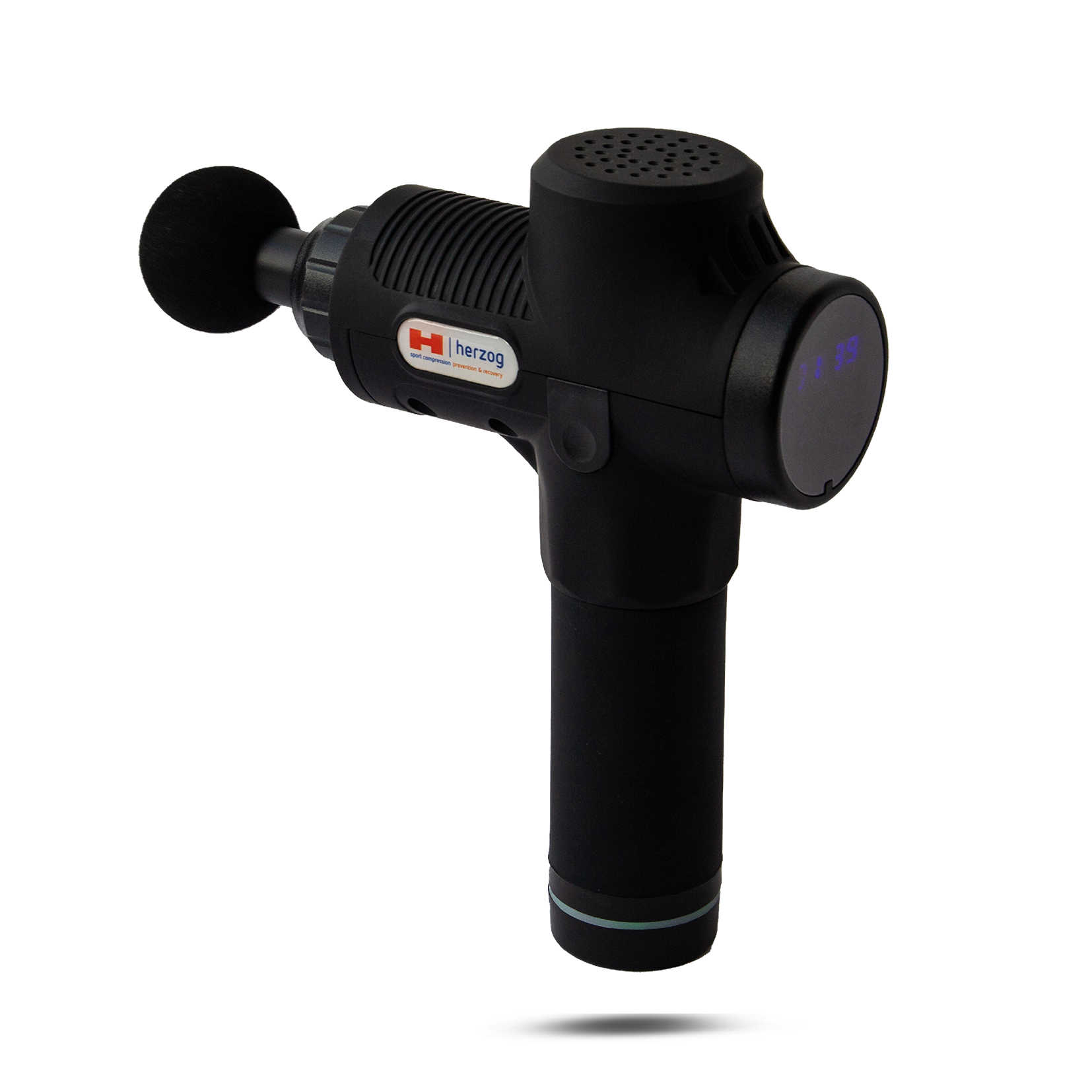
In addition to compression, many (top) female athletes in the luteal phase also use active aids such as a massage gunto loosen stiff muscles after training. In combination with Herzog compression socks, a recovery routine is created that supports both muscles and blood circulation. This method of recovery is not only used by recreational athletes, but also by top athletes. For example, professional cyclists from Fenix-Premier Tech, Baloise Glowi Lionsand top players from TeamNL Korfbaluse Herzog compression socks as part of their recovery routine after training and competitions.

Frequently asked questions

Does my cycle really affect my athletic performance?

Yes, hormonal fluctuations during the cycle affect energy, strength, and recovery. Many athletes feel stronger around ovulation, while workouts in the luteal phase often feel more difficult. This varies greatly per person and per cycle.

Should I adjust my training to my cycle?

It's not necessary to completely overhaul your schedule, but understanding your cycle can help you plan intensity more intelligently. If you feel less energetic in a certain week, you can slightly reduce the intensity. In an energetic week, you can train a bit harder.

What helps with heavy legs in the luteal phase?

Sufficient rest, staying active, and compression stockings can help relieve the heavy feeling in the legs. Herzog's stockings support blood circulation in the lower legs with controlled gradual compression.

Relevant blogs

6 Effective tips to prevent and relieve shin splints

Prevent and alleviate shin splints with 6 practical tips for runners. Less pain, faster recovery, and better training.

Treating Whiplash: 3-Phase Recovery with Compression and Cold Therapy

Recovering from a calf strain? Discover the 3 recovery phases and how compression and cold therapy can contribute to optimal and responsible recovery.

All about calf problems: causes, symptoms, and what you can do about them

Suffering from calf complaints? Read all about possible causes, common symptoms, recovery, and what you can do to prevent calf complaints.