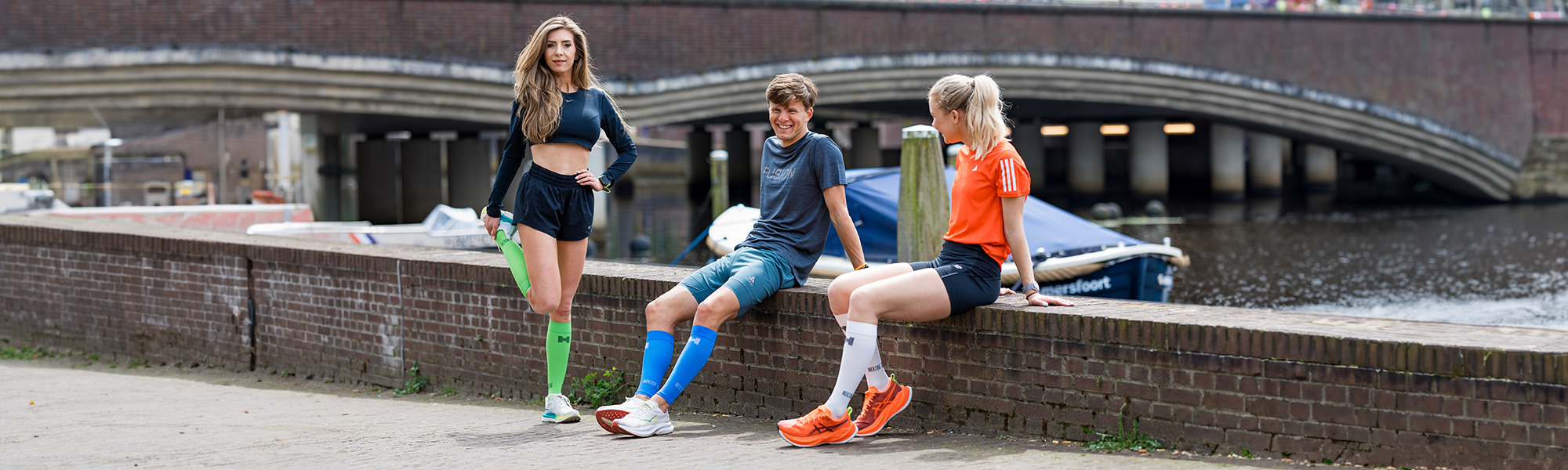
Injuries are increasingly the reason people stop exercising: how do we prevent this?

An increasing number of Dutch people are quitting sports (temporarily or permanently) due to injuries. This is according to the latest research by VeiligheidNL. In 2023 alone, no fewer than 5.3 million sports injuries were reported. Fitness topped the list with 1.2 million injuries, followed by field football (1 million) and running (690,000). These are alarming figures that show injuries are no longer an isolated incident – they represent a structural problem within sports.

Side Image

Acute and insidious injuries

The study shows that almost two-thirds of injuries are acute, for example due to a wrong movement or a collision. Examples include spraining an ankle during football or straining your back due to an incorrect exercise at the gym. The remaining injuries develop gradually, usually as a result of overuse – a risk that is often underestimated, especially by runners and fitness enthusiasts.

Remarkably, among runners, 57% of injuries are acute, despite the fact that this sport is often considered relatively 'safe'. These figures highlight that solo athletes also run risks, especially without proper preparation or technique.

Side Image

Sick of the sidelines

Injuries are not only painful – they completely undermine the enjoyment of sports. 65% of injured athletes were unable to continue their sport due to their injury, with an average recovery time of no less than 18 days. Even more concerning: almost 20% of injuries are recurring. Without proper treatment or preventive measures, many athletes remain stuck in a vicious cycle of injury – recovery – recurrence.


Why do people stop exercising?

Those who have to recover for a longer period lose motivation. This is especially true for recreational athletes who use sports for relaxation or as a fitness goal. The threshold to return after an injury is often high, especially if there is fear of recurrence or if recovery is slow. Thus, injuries become one of the main reasons to stop exercising altogether.

What can we do? Prevention is essential

The good news is that many injuries are preventable. Some proven strategies:
• Warm-up & cool-down: Prepare your body well and end training sessions responsibly.
• Technique and guidance: Get coached, especially if you are just starting out or doing heavy exercises.
• Listen to your body: Pain is never normal. Take signals seriously, and address them before they get worse.
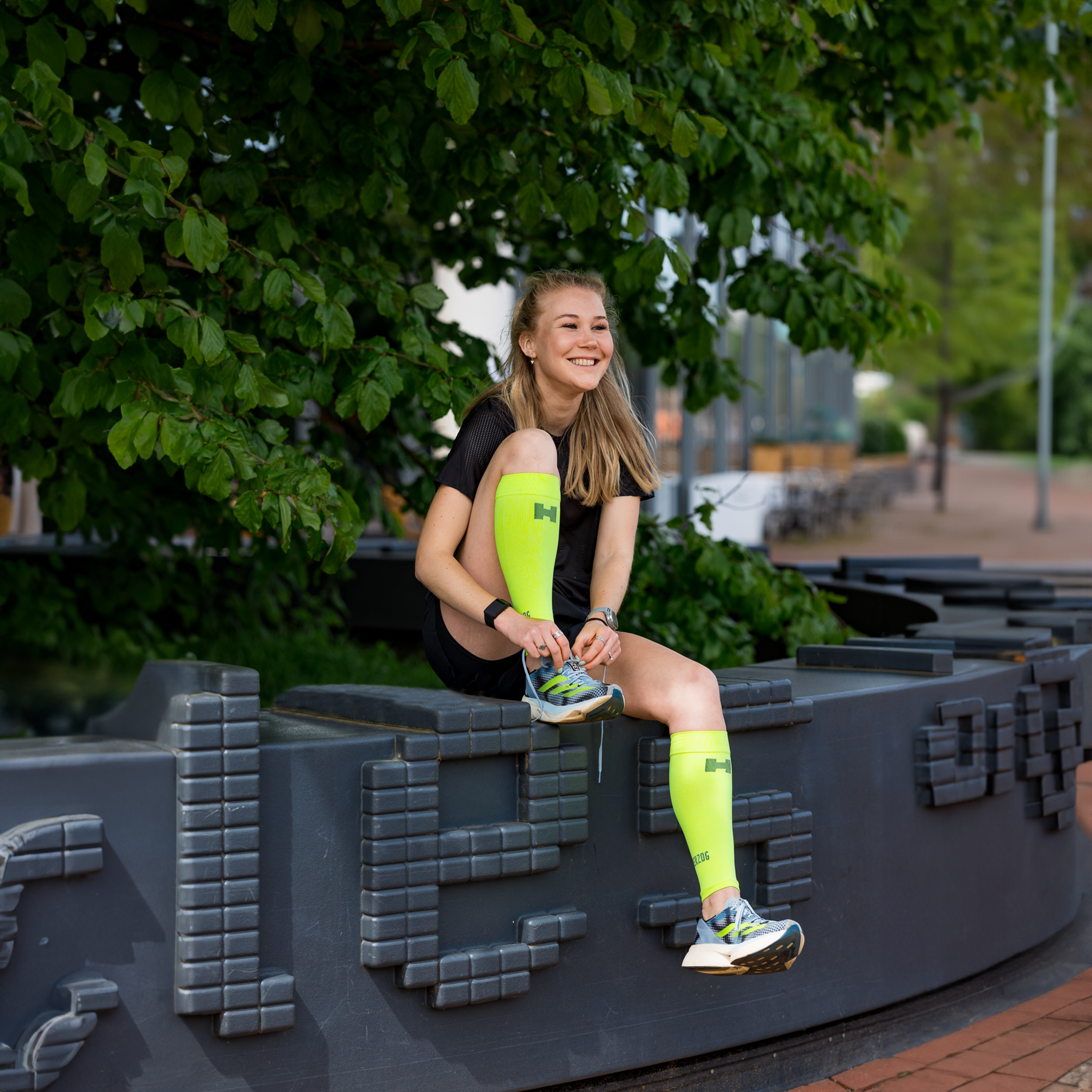
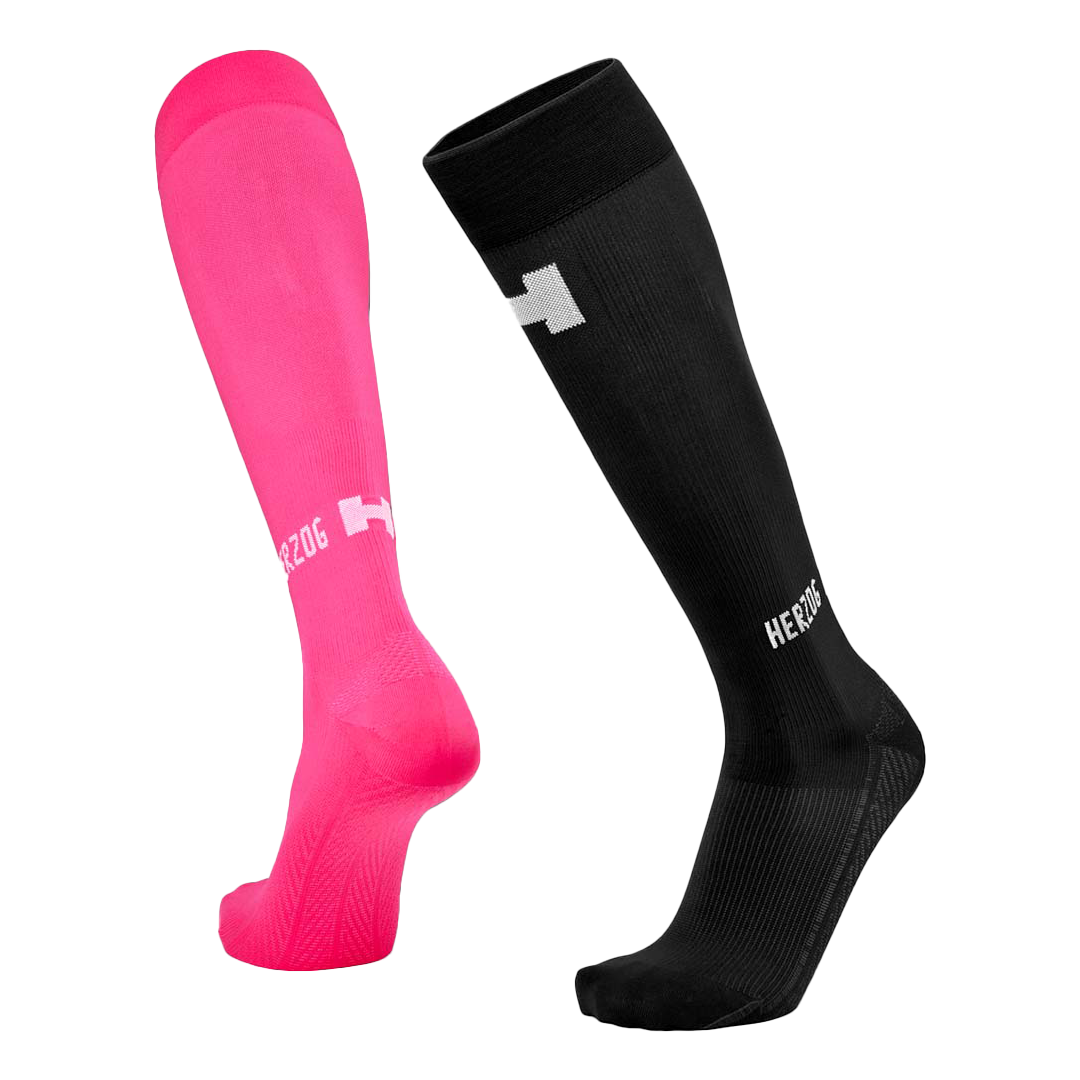
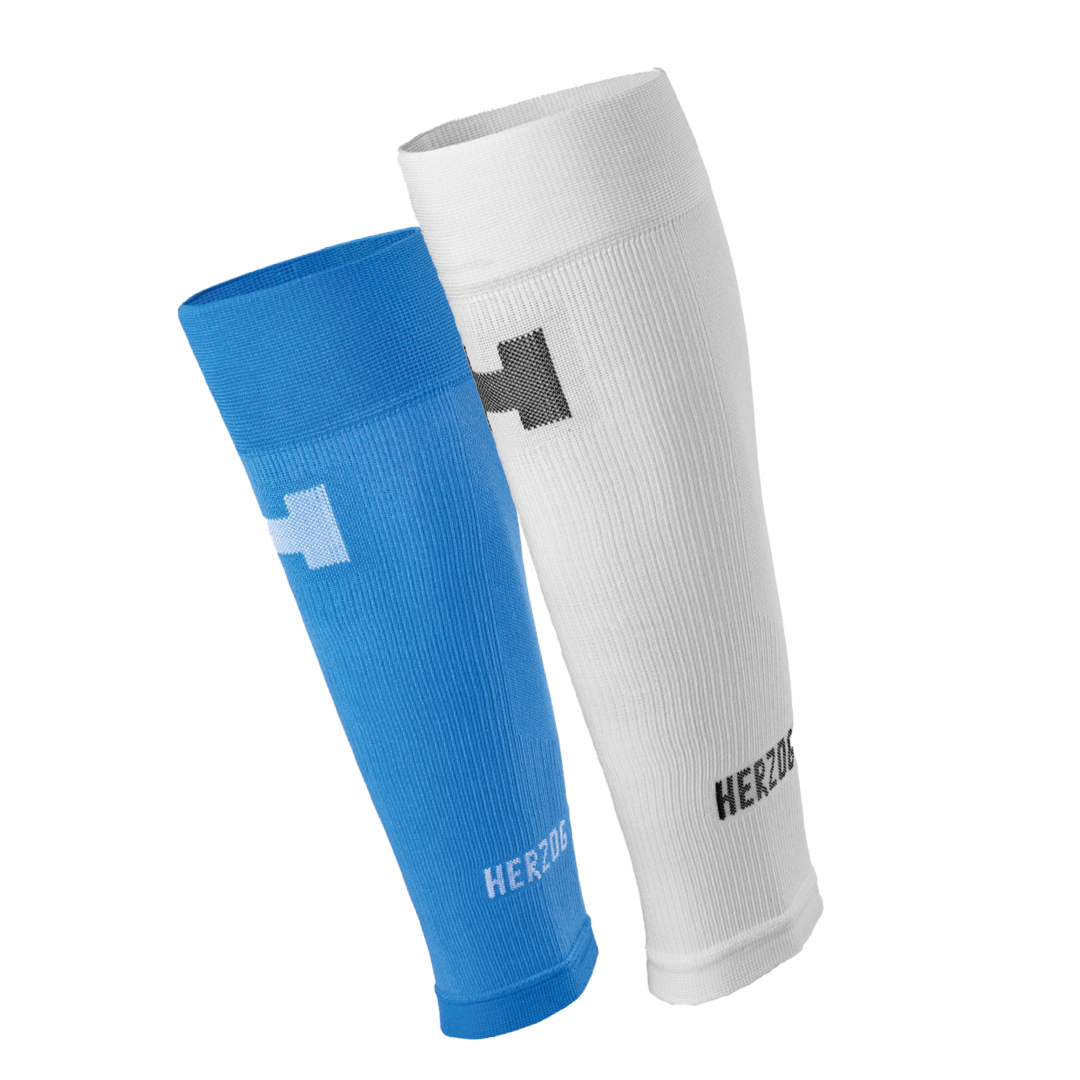
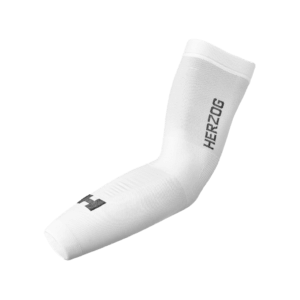
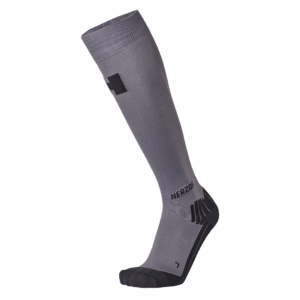
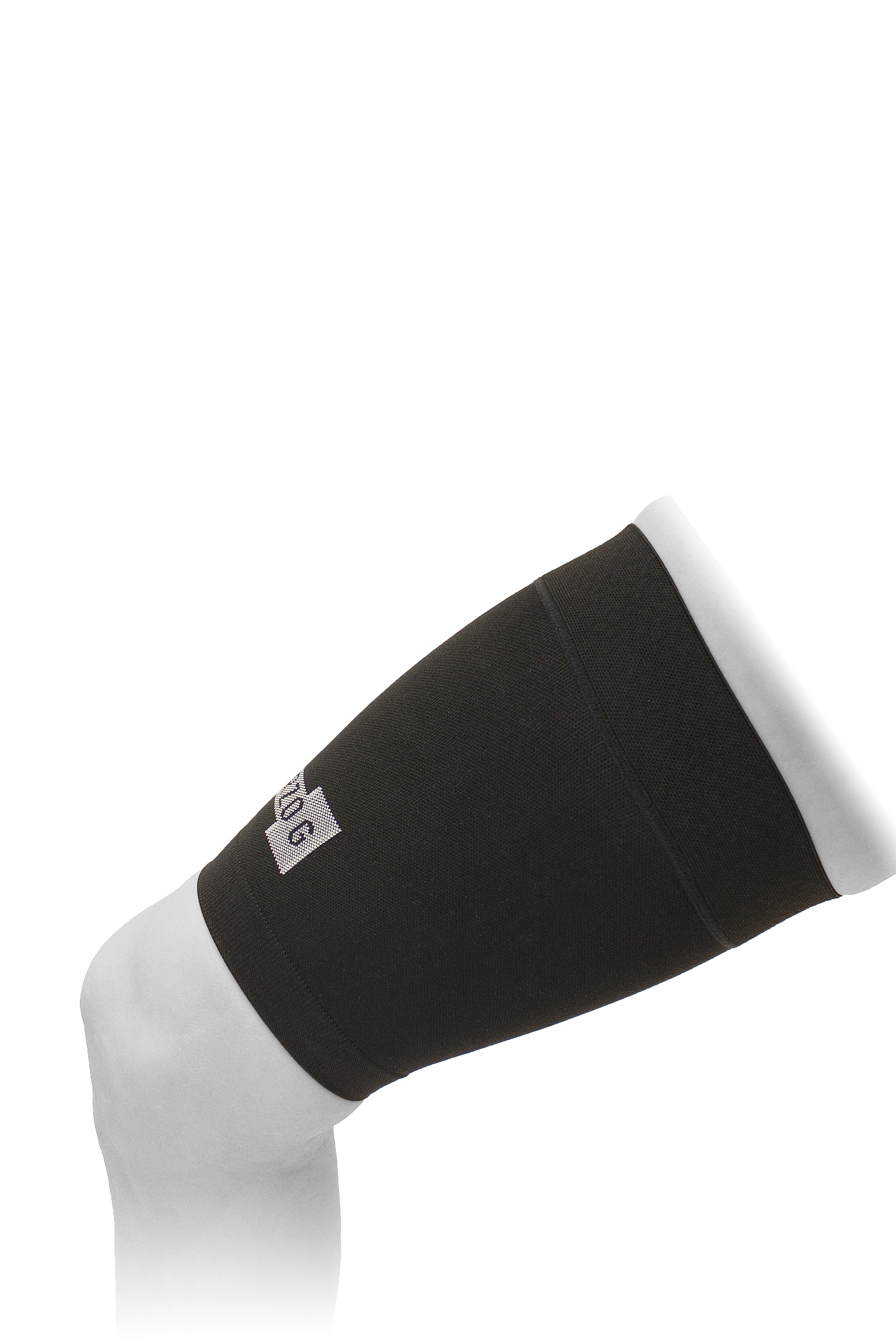
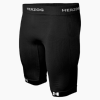
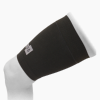
• Use supportive aids: Herzog Compression Stockings or braces can limit overuse and promote recovery.
• Build up gradually: Too much, too fast, too often is the number one cause of injuries. Give your body time to adapt.

Side Image

Support with Herzog compression socks

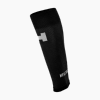
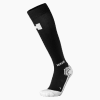
A practical aid that is increasingly helping athletes prevent and recover from injuries is Herzog compression socks. These medically substantiated socks provide targeted pressure on the lower leg and help reduce muscle vibrations, overuse, and fluid accumulation. They are widely used by runners, footballers, and fitness enthusiasts, both preventively and for recovery from issues such as shin splints, calf complaints, or Achilles tendon problems. Through the correct fit and pressure build-up, Herzog socks not only support performance but also ensure that athletes recover faster and spend less time on the sidelines.

Take the first signs seriously

Many athletes recognize it: stiff calves after a training session, a nagging pain while running, or a tired feeling in the lower legs. It seems harmless and is often dismissed with the thought: "it will pass." But precisely these early signs are crucial. They are the first warning light your body gives. By taking action now – rest, adapted training, possibly supportive compression – you prevent something small from developing into a persistent or even irreparable injury. Play smart, listen to your body, and prevent a temporary discomfort from turning into long-term absence.


Sports should be sustainable, not a risk

The figures from VeiligheidNL make one thing clear: injury prevention must be taken seriously. If we want sports to remain a healthy habit, we must also do it responsibly. By making smart choices – from training to recovery – you reduce the risk of absence and increase long-term enjoyment.


At Herzog, we believe it is important to contribute to this. Our compression socks are developed to support athletes in both preventing and recovering from injuries. Whether you exercise recreationally or train intensively: we believe that every athlete has the right to a body that moves with them, not against them. This is how we help you continue to exercise responsibly and with confidence.

Relevant blogs

Het hysterese-effect van Herzog compressiekousen: wat betekent het?
The hysteresis effect of Herzog compression stockings: what does it mean?

Discover how the hysteresis effect in the yarn of Herzog compression stockings works and why it is important during movement.

Op weg naar de Amsterdam City Walk met Herzog Medical

De Amsterdam City Walk komt eraan! Ontdek hoe je je voorbereidt op een lange wandeltocht en waarom aandacht voor je voeten, benen en herstel belangrijk is.

Compressiekousen bij een spierscheur: helpen ze bij het herstel?
Compression stockings for a muscle tear: do they help with recovery?

Discover what compression stockings can do for a muscle tear and during your recovery.

Eerste HYROX? Dit moet je weten voordat je begint
First HYROX? Here's what you need to know before you start

First HYROX on the schedule? Discover what to expect and how to prepare your body properly.

Compressiekousen bij reuma: kunnen ze ondersteuning bieden?
Compression stockings for rheumatism: can they offer support?

Pain, stiffness, swelling, or tired legs? Discover what rheumatism does to your body and what compression stockings can do for you.

Waarom dragen steeds meer voetballers compressieshorts?
Why are more and more footballers wearing compression shorts?

Discover why more and more footballers are wearing compression shorts and how targeted compression can provide support during training and matches.

Van halve naar hele marathon: waar moet je lichaam aan wennen?
From half to full marathon: what does your body need to get used to?

Discover what your body needs to get used to, what symptoms may arise, and how to properly prepare yourself for 42.2 kilometers.

Waarom sporters tijdens lange afstanden vaker compressie dragen
Why athletes more often wear compression during long distances

Discover why athletes in marathons, trail runs, and long walks increasingly wear compression and what it does for the calf and ankle.

Liesklachten bij hardlopen: waar komt het vandaan?
Groin pain during running: where does it come from?

Discover the causes of groin pain when running, which muscles are involved, and how to specifically recover and rebuild.

Peesplaatklachten: symptomen, oorzaken en wat je eraan kunt doen
Plantar Fasciitis: symptoms, causes, and what you can do about it

Read about plantar fasciitis, its symptoms, causes, and how to alleviate the discomfort.