Preventing Groin Injuries: Practical Tips for Athletes

A groin injury can be remarkably persistent. While a sprained ankle often feels fine again within a few weeks, groin complaints frequently recur for weeks or months if they are not thoroughly addressed. Especially athletes who do a lot of sprinting, turning, or explosive acceleration are at an increased risk. Think of footballers, hockey players, trail runners, and runners who do interval or hill training. Fortunately, you can do a lot yourself to better prepare your body for this strain.

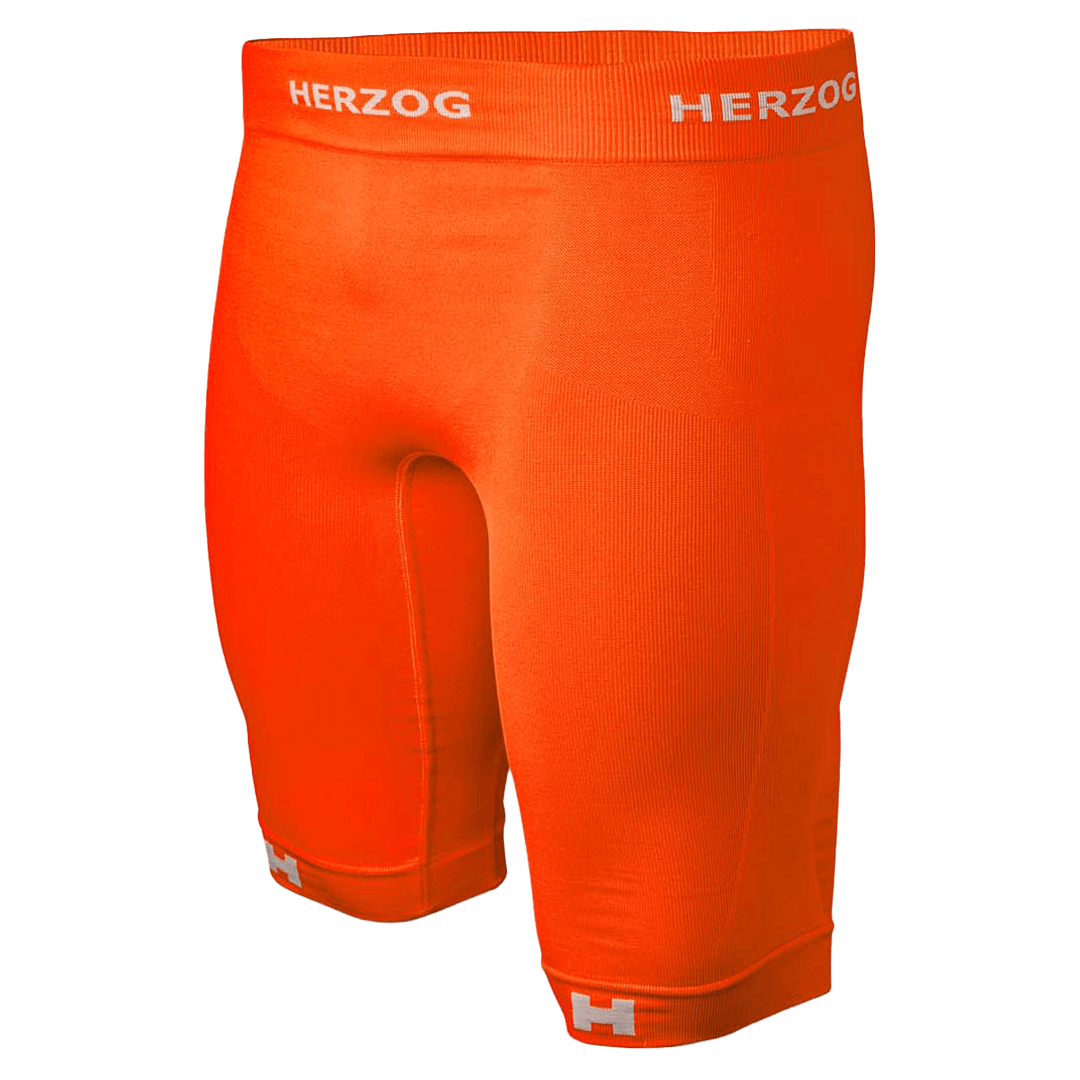
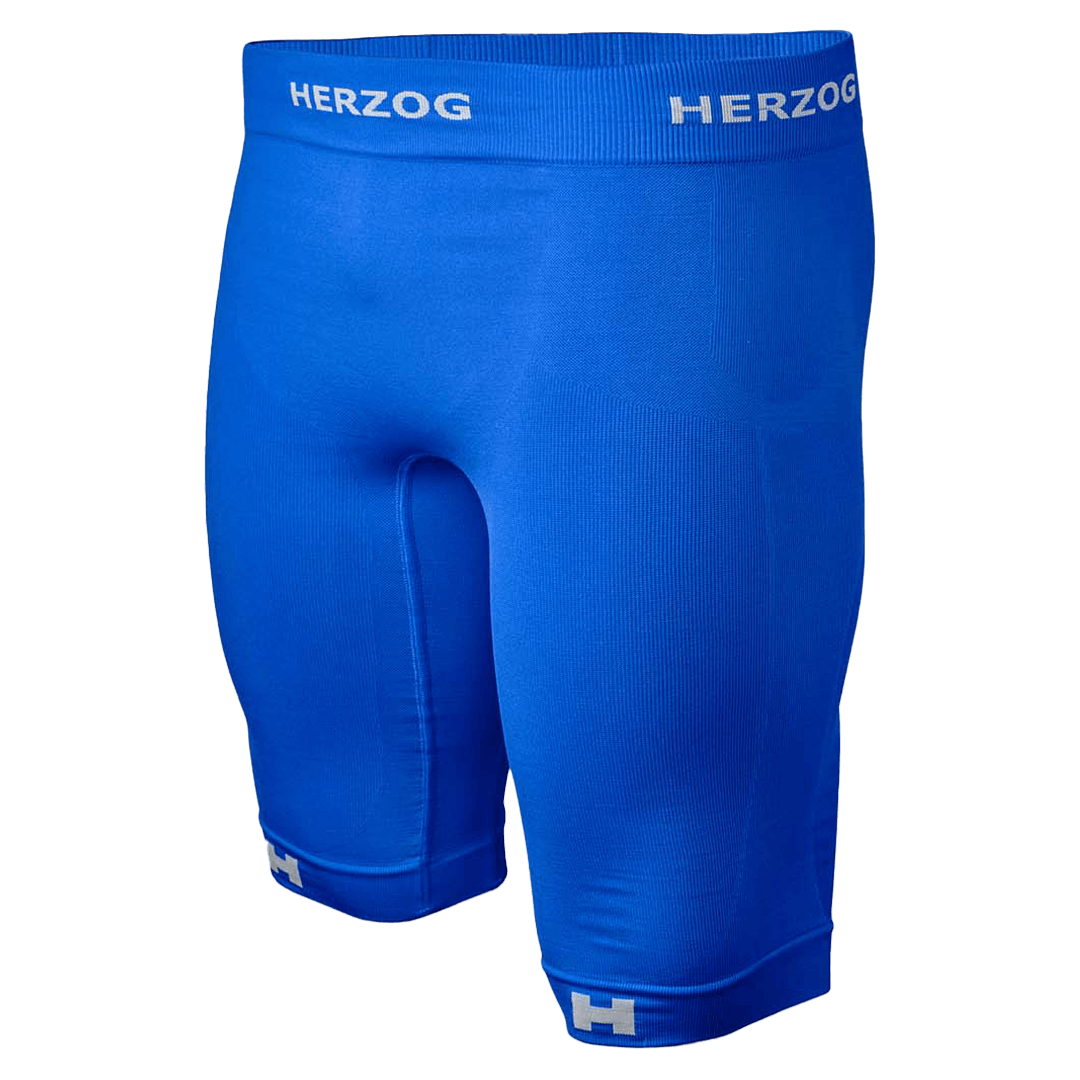
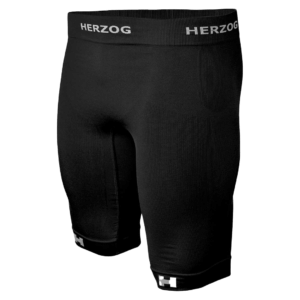
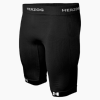
The Herzog Pro Compression Shorts are designed to provide targeted compression around the upper legs, hamstrings, and groin. The shorts fit snugly against the body and can provide a supportive and stable feeling during exercise. This makes the shorts a practical addition to a good warm-up, targeted strength training, and a responsible training build-up. The shorts cannot completely prevent or cure a groin injury, but they do offer support to precisely the area that is heavily loaded during explosive movements.

 

Side Image

How does a groin injury occur during sports?

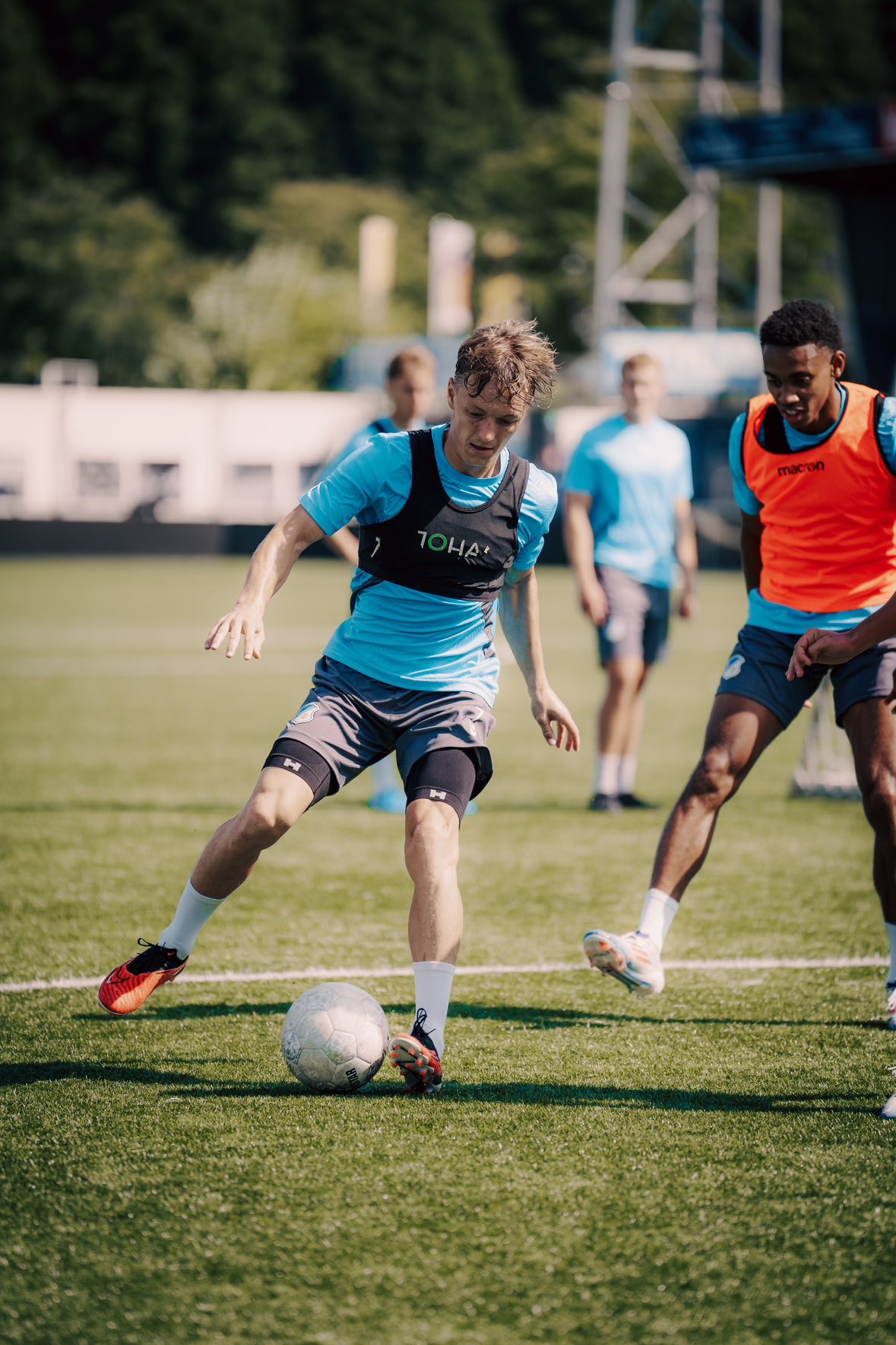
The groin consists of a group of adductor muscles that run from your pelvis to the inside of your thigh. These muscles stabilize your pelvis with every step and work extra hard when you accelerate, decelerate, change direction, or move over uneven terrain. In sports such as football, hockey, and running, they are primarily stressed during pushing off and lateral movements.

When the adductors are weaker or less resilient than the surrounding muscles, an imbalance can occur. This increases the risk of overuse. Especially sudden movements, such as a sprint, slide tackle, sharp turn, or unexpected step, can put a lot of strain on the groin.

Many groin injuries do not occur at a single moment but gradually build up due to repeated overuse. A too rapid increase in training volume, a lot of interval or sprint training without sufficient recovery, and an inadequate warm-up can play a role in this. A previous injury that has not fully healed, such as a hamstring injury, can also subtly change your movement pattern.

Such an adjustment can cause the body to unconsciously compensate. Other muscles then have to do more work, increasing the load on the groin. A complaint in the hamstring, calf, or hip can thus indirectly contribute to problems around the groin.

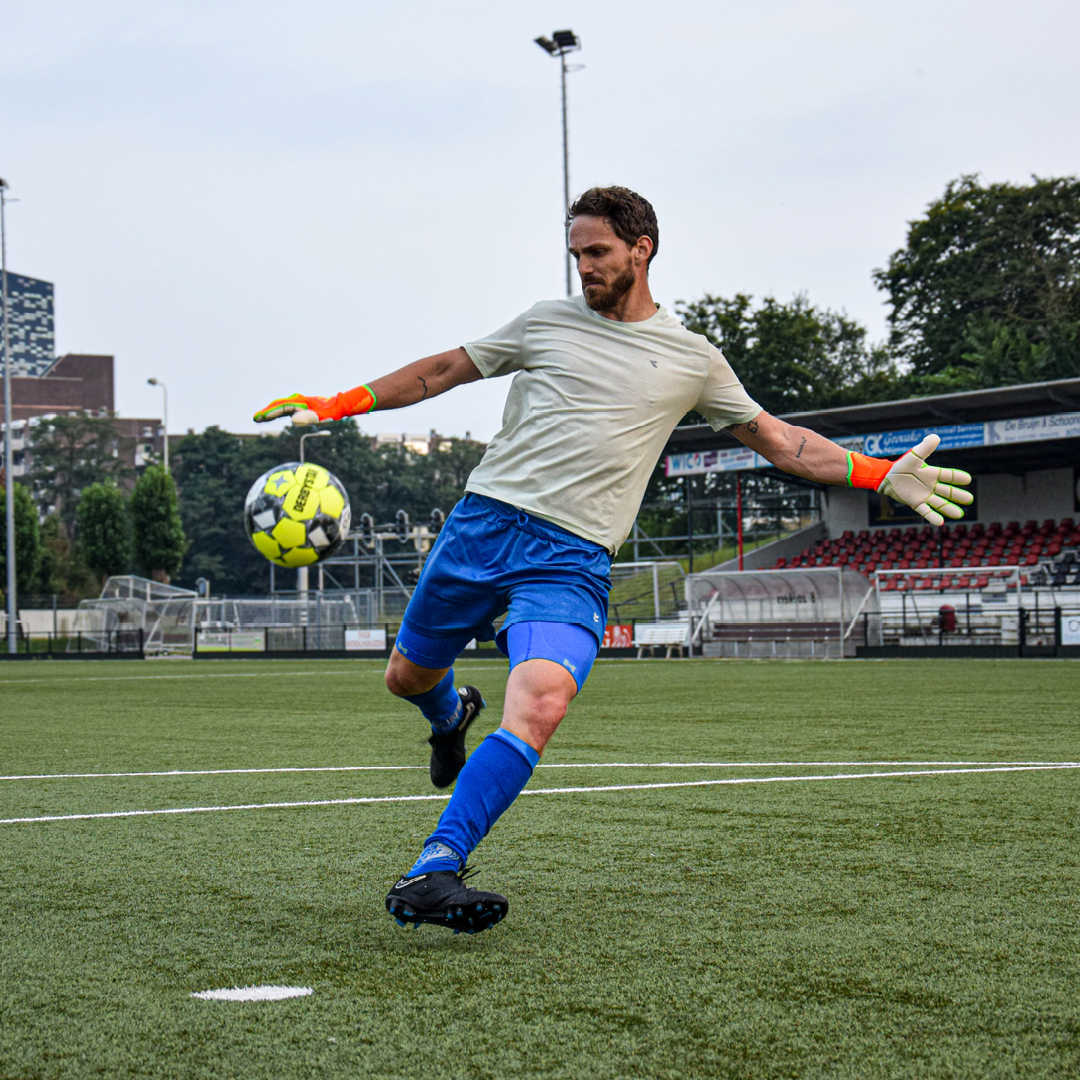
Groin injuries are particularly common in athletes who regularly perform sprints, lateral movements, and explosive accelerations. Think of footballers and hockey players who are constantly turning and maneuvering, but also trail runners on technical terrain and runners who combine sprint training with an intensive endurance program. Even after a period of rest or injury, it is important to gradually build up the load. Muscles need time to become stronger and more resilient again.

Side Image

What measures reduce the risk of a groin injury?

A good warm-up is one of the most important ways to prepare your body for intense exertion. Dynamic exercises such as leg swings, lunges with rotation, and short accelerations activate the adductors and other muscles around the hips and thighs.

Do not start a training session or competition directly with a maximum sprint or explosive movement, but gradually build up the intensity. In cold weather or after a rest period, take extra time for your warm-up. Your muscles are often less flexible then and need to readjust to quick changes of direction and peak loads.

In addition to a good warm-up, targeted strength training helps to make the groin more resilient. Exercises such as side lunges, Copenhagen planks, and adduction exercises with a resistance band specifically strengthen the muscles around the groin and pelvis. Combine these exercises with general leg and core training. Stable hips, strong glutes, and a strong core help to distribute the load better across the body during sports.

If you want to combine strength training structurally with your sport, a program that combines strength, stability, and sport-specific movements is often more effective than just isolated stretching exercises. On the fitnesspage, you will find more background information on strength training as a supplement to your sport.

Rest and recovery are at least as important as the training itself. Consciously incorporate rest days after sessions or competitions with a lot of sprints and changes of direction. Also, be alert for stiffness or tenderness that lasts longer than a day. Cross-training, such as gentle cycling or swimming, can help maintain your fitness without exposing the groin to the same peak load again.

Pay attention to the following early signs, among others:

  • A pulling sensation on the inside of the thigh during explosive movements.
  • Groin stiffness that lasts longer than usual in the morning.
  • Pain that increases with sideways movements or sharp turns.
  • A noticeable difference in strength between the left and right side.
  • Recurring complaints after training sessions or competitions with a lot of sprinting.

Products in this blog

Side Image

What role do the Herzog Pro Compression Shorts play?

The Herzog Pro Compression Shorts provide targeted compression around the thighs, hamstrings, and groin. The snug fit can provide a supportive and stable feeling during movement. This is especially beneficial for sports that involve quick sprints, stops, turns, and twists.

Compression around the thighs can also help limit muscle vibrations during exercise. The shorts do not literally keep the muscles warm like thermal pants, but the close-fitting design can contribute to a comfortable feeling around the thighs. The shorts thus form a supportive layer during training and competitions.

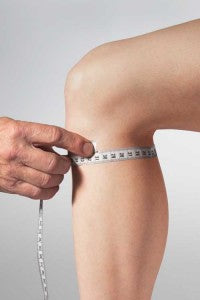
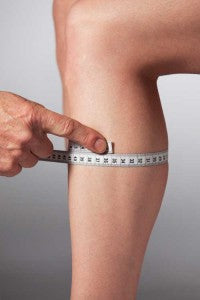
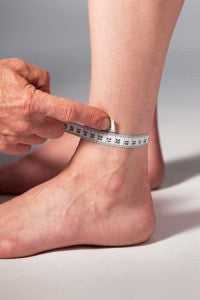
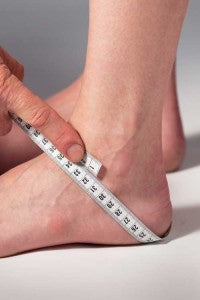
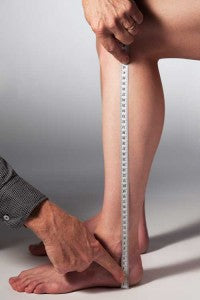
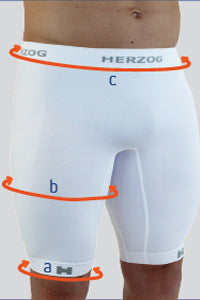
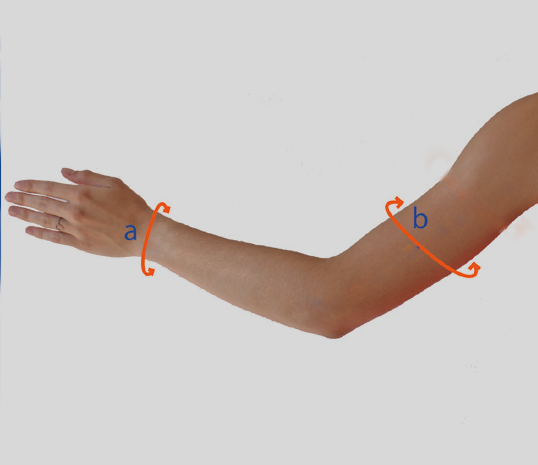
For optimal effectiveness, the correct size is important. The Herzog Pro Compression Shorts are therefore not chosen solely based on standard sizes such as S, M, or L. By measuring different points of the body, the size can be accurately tailored to the physique. This ensures the shorts fit well and the compression is applied to the intended areas.

The shorts can be worn during training, competitions, and a responsible return to sport. However, when recovering from groin complaints, wearing the shorts does not automatically mean you are fully capable of exertion again. Always gradually increase intensity and stop if complaints increase during or after exercise.

Compression is not a substitute for a good warm-up, strength training, or sufficient recovery. The Herzog Pro Compression Shorts fit within a broader approach where load capacity, technique, strength, and recovery come together. More background on responsible training can be found on our page about running.

Have persistent or recurring groin complaints assessed by a physiotherapist, sports physician, or general practitioner. Groin pain can have various causes. A proper diagnosis is therefore important before fully resuming training.

Shop the compression tights

Frequently Asked Questions

Can compression shorts prevent a groin injury?

Compression shorts can provide extra support around the thighs and groin, but they cannot completely prevent a groin injury. Groin injuries usually result from a combination of overuse, insufficient strength, fatigue, and too rapid a training progression. A good warm-up, targeted strength training, and sufficient recovery therefore remain essential.

Do Herzog Pro Compression Shorts help with groin problems?

The shorts do not heal a groin injury. However, the targeted compression and snug fit can provide a supportive and stable feeling around the groin and thighs during movement. This makes the shorts a pleasant addition during sports and responsible training progression.

Which sports can you wear the Herzog Pro Compression Shorts for?

The shorts are suitable for sports where the thighs, hamstrings, and groin are intensely stressed. These include football, hockey, running, trail running, athletics, and fitness. Especially during sprinting, turning, braking, and explosive acceleration, these muscle groups are heavily used.

How long does recovery from a groin injury typically take?

Recovery time varies per person and depends on the cause and severity of the injury. Minor complaints may subside within a few weeks, while persistent or more severe injuries require a longer recovery period. For persistent or recurring complaints, it is advisable to consult a physiotherapist or sports doctor.

Can I continue to exercise with mild groin pain?

With mild complaints, modified exercise is sometimes possible, as long as the pain does not increase during or after the activity. For now, avoid maximal sprints, sharp changes of direction, and other movements that provoke the complaint. In case of stabbing pain, loss of strength, or recurring complaints, it is advisable to stop and seek professional advice.

Relevant blogs

6 Effective tips to prevent and relieve shin splints

Prevent and alleviate shin splints with 6 practical tips for runners. Less pain, faster recovery, and better training.

Treating Whiplash: 3-Phase Recovery with Compression and Cold Therapy

Recovering from a calf strain? Discover the 3 recovery phases and how compression and cold therapy can contribute to optimal and responsible recovery.

All about calf problems: causes, symptoms, and what you can do about them

Suffering from calf complaints? Read all about possible causes, common symptoms, recovery, and what you can do to prevent calf complaints.