Swollen ankles after a long day of standing or sitting: what helps?

After a long day at work, a car ride, or a day on your feet, you often notice it immediately: your ankles feel tight, your socks leave an imprint, and your legs feel heavy. This is a recurring issue, especially for people with standing or sedentary jobs. By the end of the day, it seems as if your lower legs have literally expanded, and walking then requires a little more effort than usual.

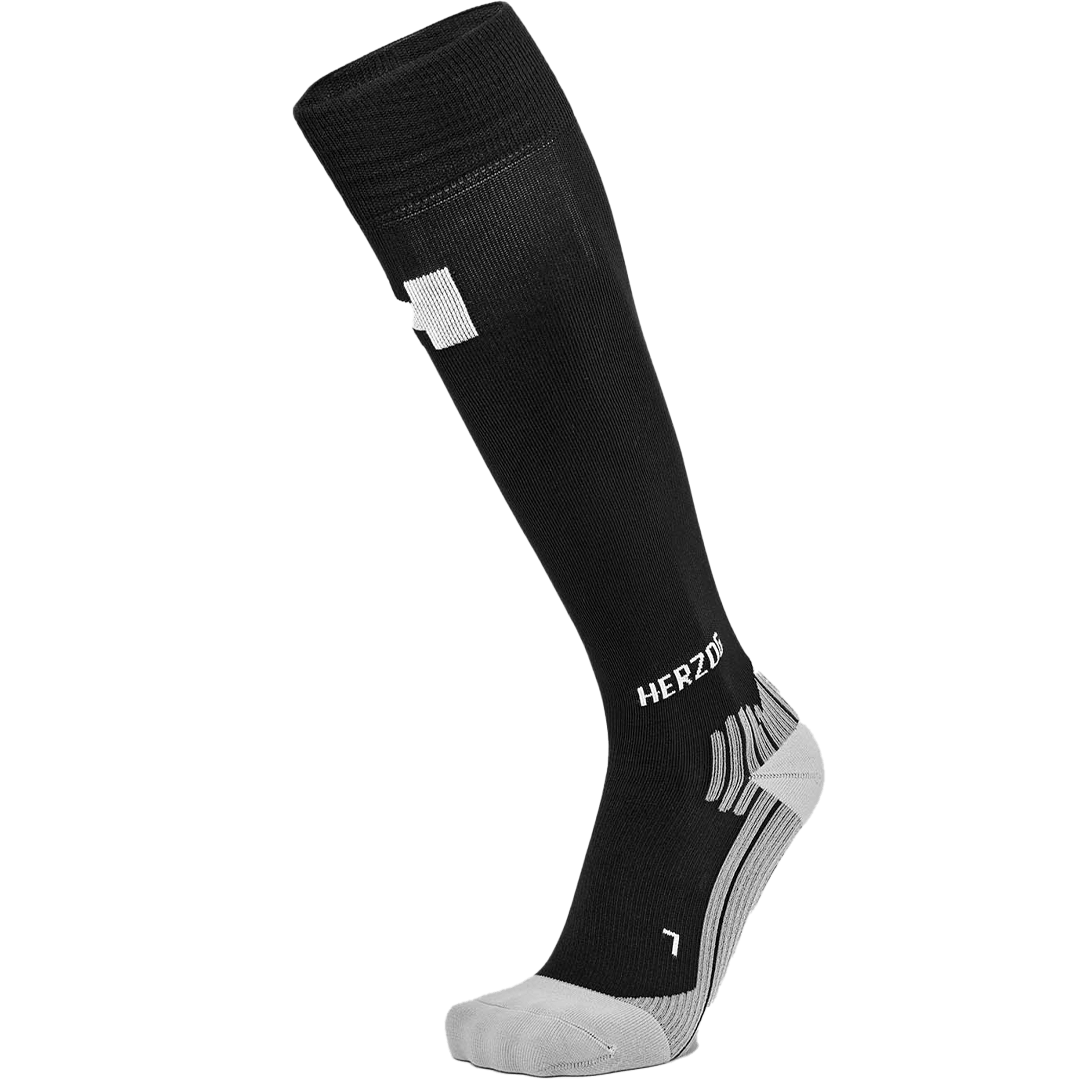
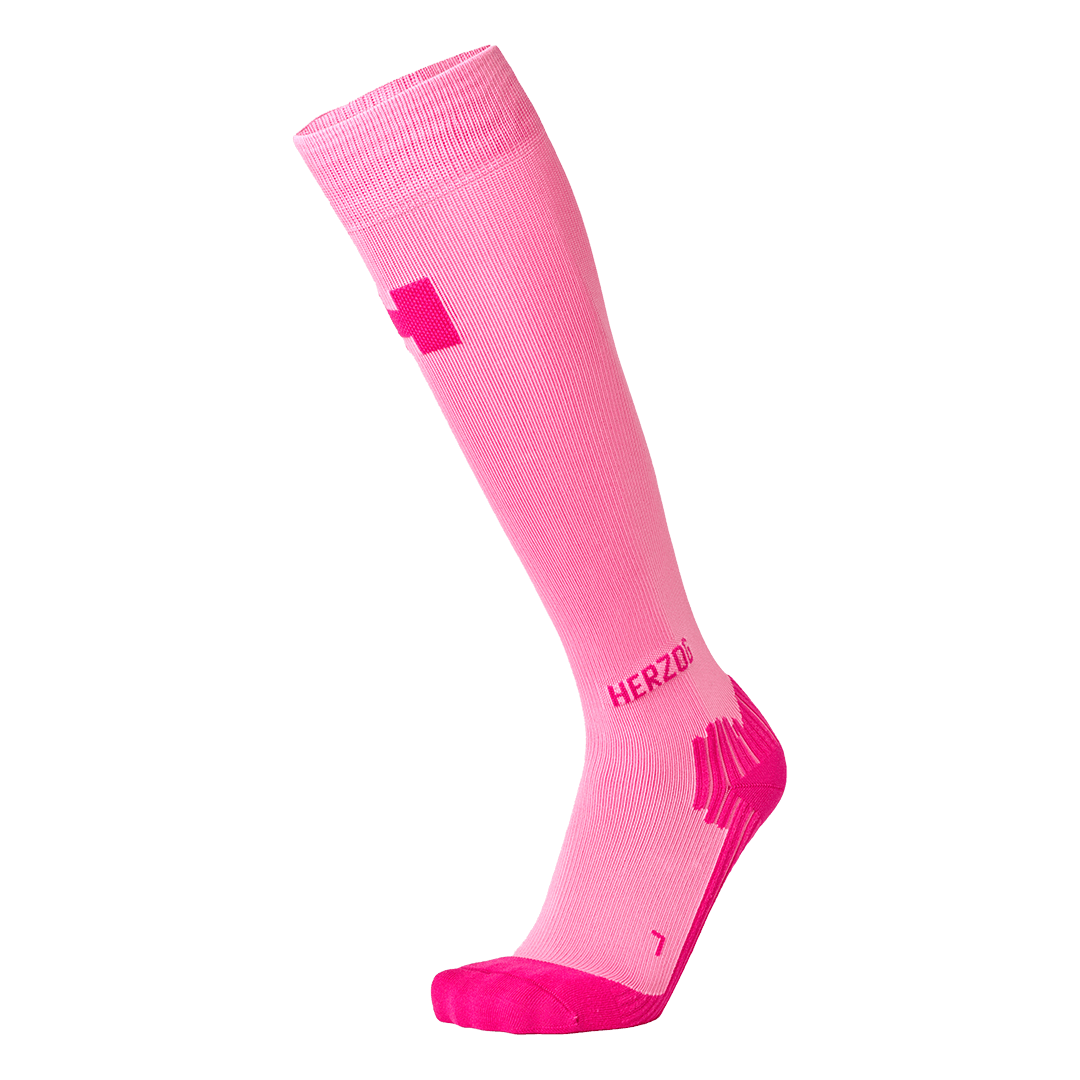
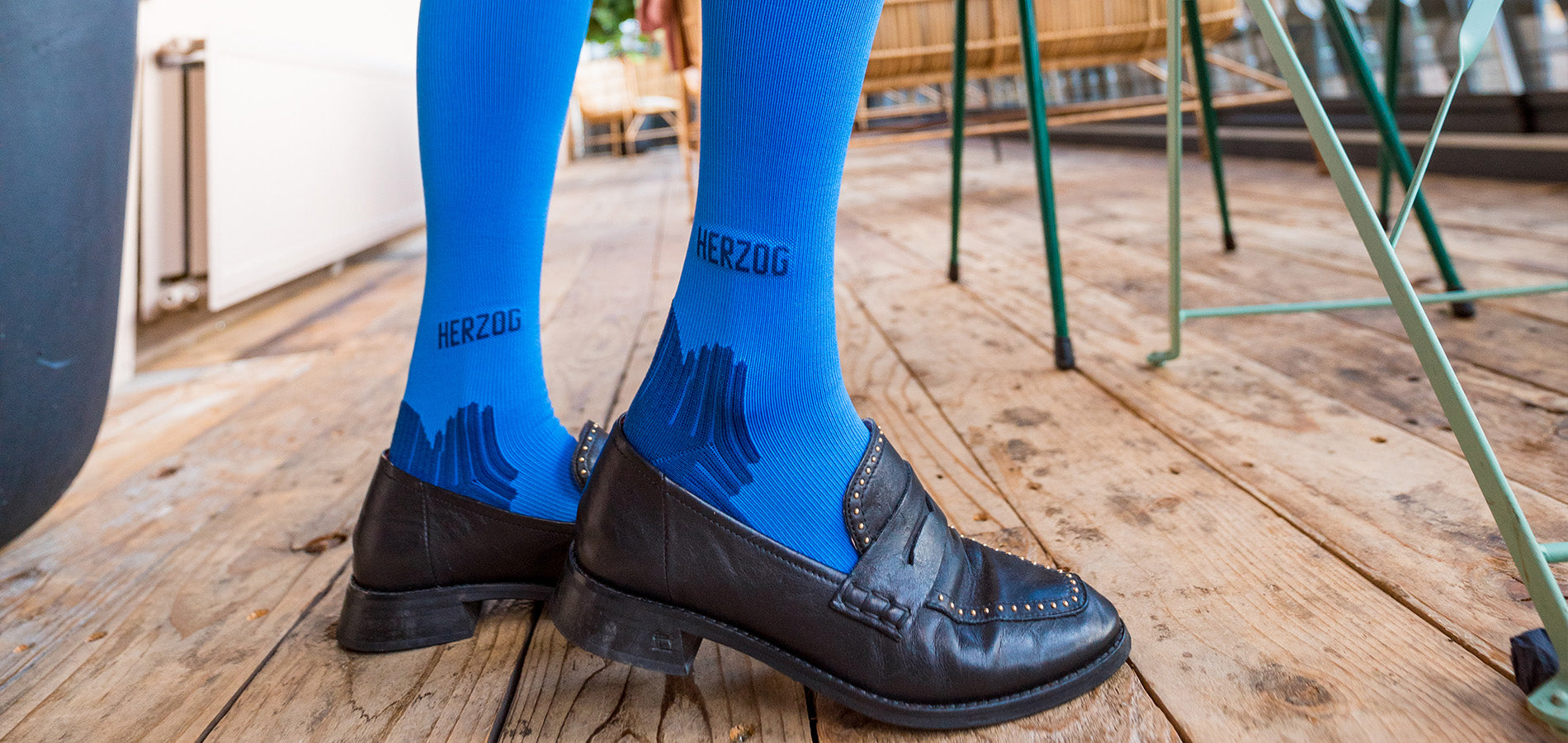
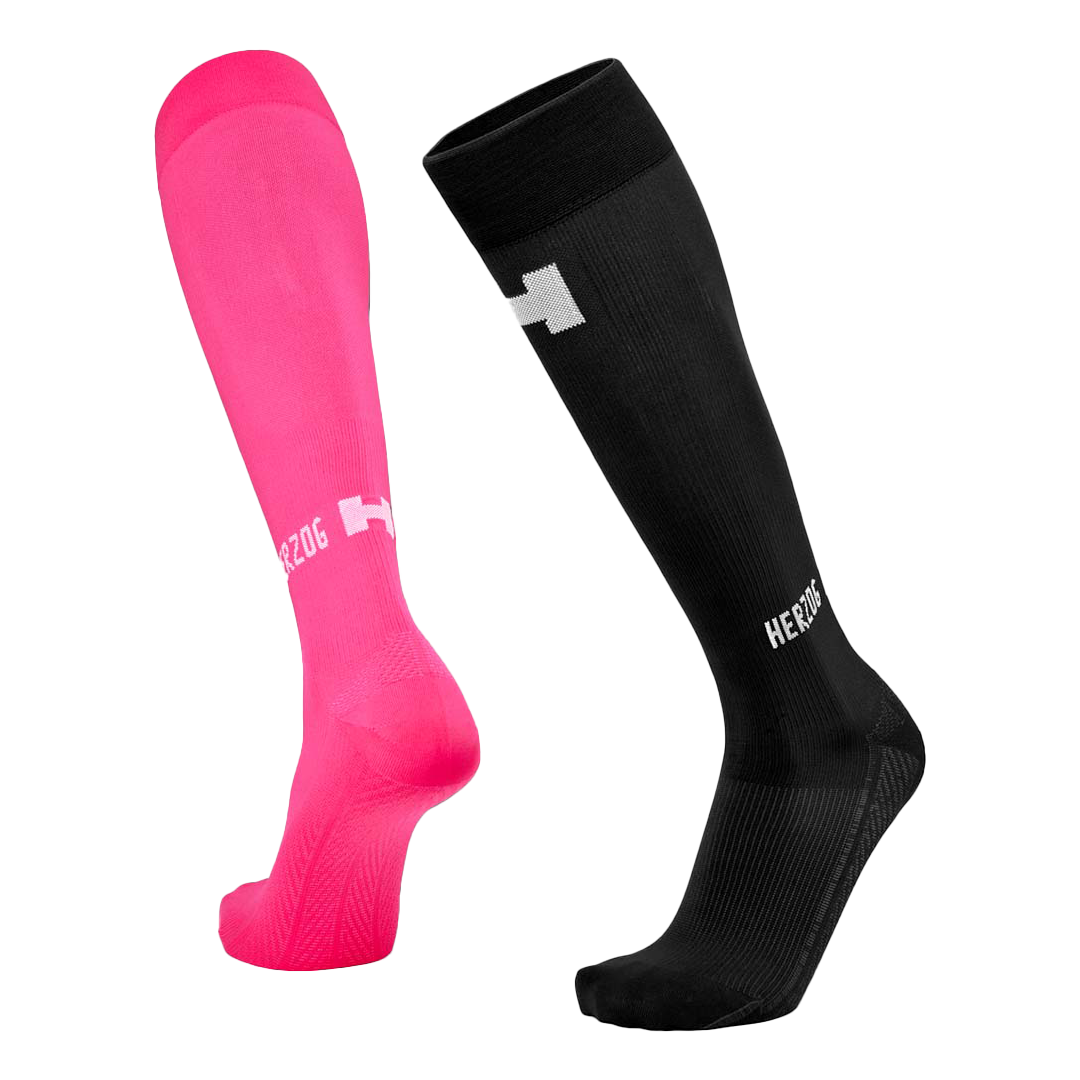
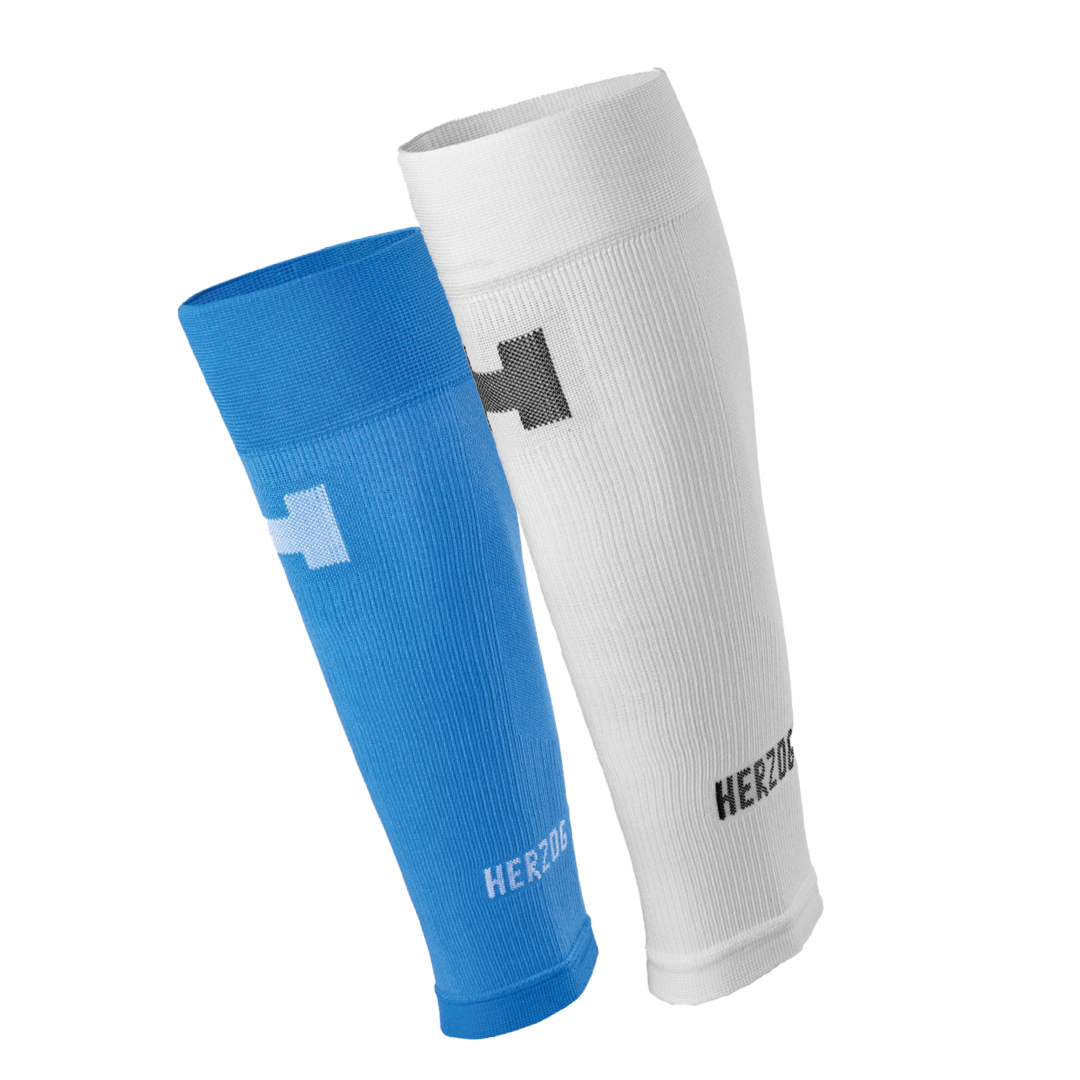
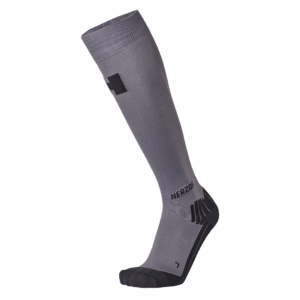
This fluid retention often occurs because blood and fluid in the lower legs are less easily pumped upwards when you stand still or sit still for a long time. Herzog develops compression products that support this circulation, for athletes as well as for people who spend all day at a desk or on their feet. A Herzog compression sock provides controlled pressure that helps blood flow towards the heart, instead of pooling in the lower legs.

Side Image

What happens in your body when you stand or sit for extended periods?

The veins in your legs work against gravity to return blood to the heart. This primarily occurs when your calf muscles contract during walking, which is known as a muscle pump. If you stand still for hours, or sit for a long time with your legs bent, this pumping action almost completely ceases. Fluid and blood then sink to the lowest points, usually the ankles and feet, and accumulate there until you notice your shoes feel tighter.

Heat intensifies this effect. In warm weather, your blood vessels dilate, allowing fluid to leak more easily from the vessels into the surrounding tissue. This explains why swollen ankles are more common in summer or after a hot holiday. A long flight or car journey has the same effect: you sit for hours with bent knees, the calf muscle does little work, and fluid collects in the lower leg. Many people recognize this sensation as a tight band around the ankle when taking off socks or shoes.

For people with sedentary jobs or jobs that require a lot of standing, this is a daily recurring problem. Think of hairdressers, nurses, teachers, or people who work in an office without much opportunity to move around. If you want to know more about swollen ankles, you often see that the problem is related to posture, lack of variety, and limited muscle activity in the lower legs. This is usually not a sign of anything serious, but it is good to recognize the pattern so you know when action is needed.

Side Image

When are swollen ankles harmless and when are they not?

In most cases, swollen ankles after a long day are harmless and disappear on their own after a night's rest or some movement. You can recognize this because the swelling in both legs is roughly equal, there is no pain, and the skin does not feel warm or red. This type of fluid retention is called mild edema, and it usually occurs after exertion, heat, or prolonged sitting. As soon as you start walking or elevate your legs, the swelling often subsides within a few hours.

There are also situations where swollen ankles do require attention. If the swelling is only on one side, developed quickly, and is accompanied by pain, warmth, or a red discoloration, it could indicate a condition such as thrombosisand it is important to discuss this with a doctor. Ankles can also remain structurally swollen, especially towards the end of the day, due to varicose veinsor chronic venous problems. If the swelling persists despite rest and movement, a medical check-up is advisable instead of waiting.

With lymphedema or lipedema, the swelling is often more persistent and sometimes spreads beyond just the ankle, towards the calf or lower leg. This requires guidance from a specialist, as the approach is different from fluid that simply arises from standing for a long day. In consultation with a doctor, some people opt for Herzog medical compression stockings as part of a broader approach, but this never replaces a diagnosis or treatment advice. For most people with mild, daily swelling, however, the cause is simply a lack of movement.

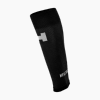
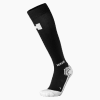
Products in this blog

Side Image

What can you do about swollen ankles?

Movement is the most direct way to maintain circulation in your lower legs. If you stand still a lot, try to tense your calf muscles every half hour by rising onto your toes. If you sit for long periods, occasionally elevate your legs above your heart, for example, on a cushion or footstool. Even a short walk between work tasks helps, as your calf muscles then act like a pump, pushing fluid upwards instead of letting it pool.

Compression is another way to support circulation and works on a different principle than regular socks. A standard sock applies roughly the same pressure everywhere, while Herzog's compression technologyuses gradual pressure that is highest at the ankle and gradually decreases towards the knee. This helps push blood towards the heart instead of letting it pool in the lower legs. Many people notice this difference especially at the end of a long day of standing or sitting.

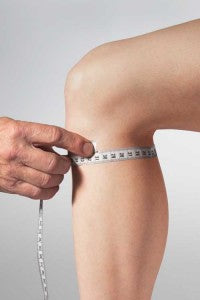
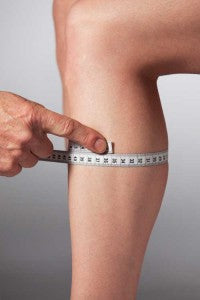
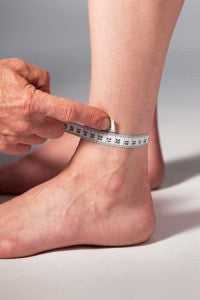
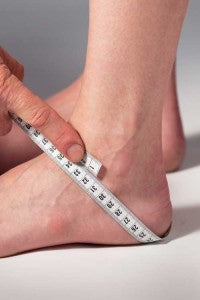
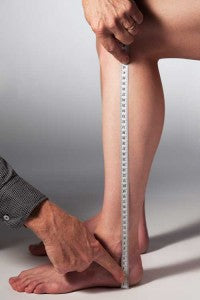
Herzog compression socks are used by people with sedentary jobs, travelers on long flights, and athletes who want to recover after exertion, among others. As a compression specialist with over twenty years of experience, Herzog also develops custom-made compression socks that are individually fitted at six measurement points, so that the pressure perfectly matches the shape of your lower leg. For medical use, there are also Herzog PRO Compression Socks and PRO Compression Tubes, which carry an MDR certification and are developed from medical compression technology used by both athletes and healthcare professionals.

Frequently asked questions

Why do my ankles swell when I stand or sit for long periods?

This is because the calf muscles, which normally pump blood upwards, are less active when you stand or sit still for long periods. Fluid and blood then sink to the lowest points of the body, usually the ankles and feet. Heat further amplifies this effect, as blood vessels dilate.

Do swollen ankles always disappear by themselves after a long day?

In most cases, yes, especially if the swelling is equal in both legs and there is no pain. Movement, elevating the legs, or a night's rest usually makes the swelling subside. If the swelling persists longer or only occurs on one side, it is advisable to consult a doctor.

Can compression help with swollen ankles after a long day?

Many people find that compression supports circulation in the legs and that their legs feel less heavy after a long day. The pressure works from the ankle towards the knee, which helps to push blood and fluid in the right direction. This is not a treatment for underlying conditions, but a way to alleviate daily discomfort.

Relevant blogs

6 Effective tips to prevent and relieve shin splints

Prevent and alleviate shin splints with 6 practical tips for runners. Less pain, faster recovery, and better training.

Treating Whiplash: 3-Phase Recovery with Compression and Cold Therapy

Recovering from a calf strain? Discover the 3 recovery phases and how compression and cold therapy can contribute to optimal and responsible recovery.

All about calf problems: causes, symptoms, and what you can do about them

Suffering from calf complaints? Read all about possible causes, common symptoms, recovery, and what you can do to prevent calf complaints.