The best running tips for spring: Stay fit & injury-free!

Spring is finally here! The sun is shining, the birds are singing, and temperatures are starting to get pleasant. Perfect conditions to get back to running! But training in spring also brings some extra challenges. From temperature fluctuations to pollen allergies, you need to be well-prepared to prevent injuries and perform optimally.

Side Image

1. Be prepared for temperature changes

Spring often means volatile weather. It can still be chilly in the morning, but suddenly quite warm later in the day. It is important to adjust your running outfit accordingly. Choose breathable clothing that wicks away sweat quickly, and also consider layers that you can easily take off. This ensures you always stay comfortable, regardless of the weather.

Tip:Start your workout with a light jacket or vest that you can take off when the temperature rises.

2. Be mindful of the sun

While spring weather is delightful, you need to pay extra attention to sun protection. Running in the sun can increase the risk of dehydration, so remember to apply sunscreen generously and wear a cap or hat to protect your face.

Tip:Make sure you bring enough water to stay hydrated, especially if you are running longer distances.

Side Image

3. Pollen Allergy: What to do?

Spring also means trees and flowers are blooming, and for many people, this means suffering from allergies. If you are sensitive to pollen, try walking during the early morning hours when pollen concentration is at its lowest. Wear sunglasses to protect your eyes and consider using an antihistamine if you respond well to it.

Tip:Choose a route that keeps you away from blooming trees and grassy areas to reduce your symptoms.

4. Adjust your training schedule

Spring is a great time to tackle your running goals, but remember to gradually adjust your training schedule to the season. If you haven't run for a long time or the weather was too cold, start slowly and gradually build up your distances. Overexertion can lead to injuries, especially when your body is not yet accustomed to the higher temperatures.

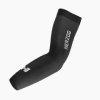
Products in this blog

Side Image

3. Pollen Allergy: What to do?

Spring also means that trees and flowers are blooming, and for many people, this means suffering from allergies. If you are sensitive to pollen, try walking during the early morning hours when pollen concentration is lowest. Wear sunglasses to protect your eyes and consider using an antihistamine if you respond well to it.

Tip:Choose a route that keeps you away from blooming trees and grassy areas to reduce your symptoms.

4. Adjust your training schedule

Spring is a great time to tackle your running goals, but remember to gradually adjust your training schedule to the season. If you haven't run for a long time or the weather was too cold, start slowly and gradually build up your distances. Overexertion can lead to injuries, especially when your body is not yet accustomed to higher temperatures.

Relevant blogs

6 Effective tips to prevent and relieve shin splints

Prevent and alleviate shin splints with 6 practical tips for runners. Less pain, faster recovery, and better training.

Treating Whiplash: 3-Phase Recovery with Compression and Cold Therapy

Recovering from a calf strain? Discover the 3 recovery phases and how compression and cold therapy can contribute to optimal and responsible recovery.

All about calf problems: causes, symptoms, and what you can do about them

Suffering from calf complaints? Read all about possible causes, common symptoms, recovery, and what you can do to prevent calf complaints.