The medical application of Herzog stockings

I regularly receive questions from runners about the use of our socks for injury prevention. For example, how do our socks help to prevent muscle soreness, calf cramps, calf tears, shin splints, and Achilles tendon problems? In addition, we regularly receive questions about medical problems other than just sports injuries. These often involve questions about general vascular problems, such as thrombosis, varicose veins, edema formation, restless legs, as if our socks are compression stockings. As the founder of Herzog, I will try to discuss these often blood circulation-related issues one by one in this article.

Side Image

What are Support Stockings or Therapeutic Elastic Stockings (TES)?

First, a brief introduction to the world of support stockings, officially TES, but for simplicity, let's stick to support stockings. These stockings are prescribed by a bandagist and must meet strict conditions:

  • Condition 1
    There must be a pressure gradient from distal to proximal. This is the medical term for: further away from the heart / towards the heart.
  • Condition 2
    The stocking must very accurately follow the contour of the leg.
  • Condition 3
    Support stockings must always fall within a specific compression class. If not, they cannot be called compression stockings.

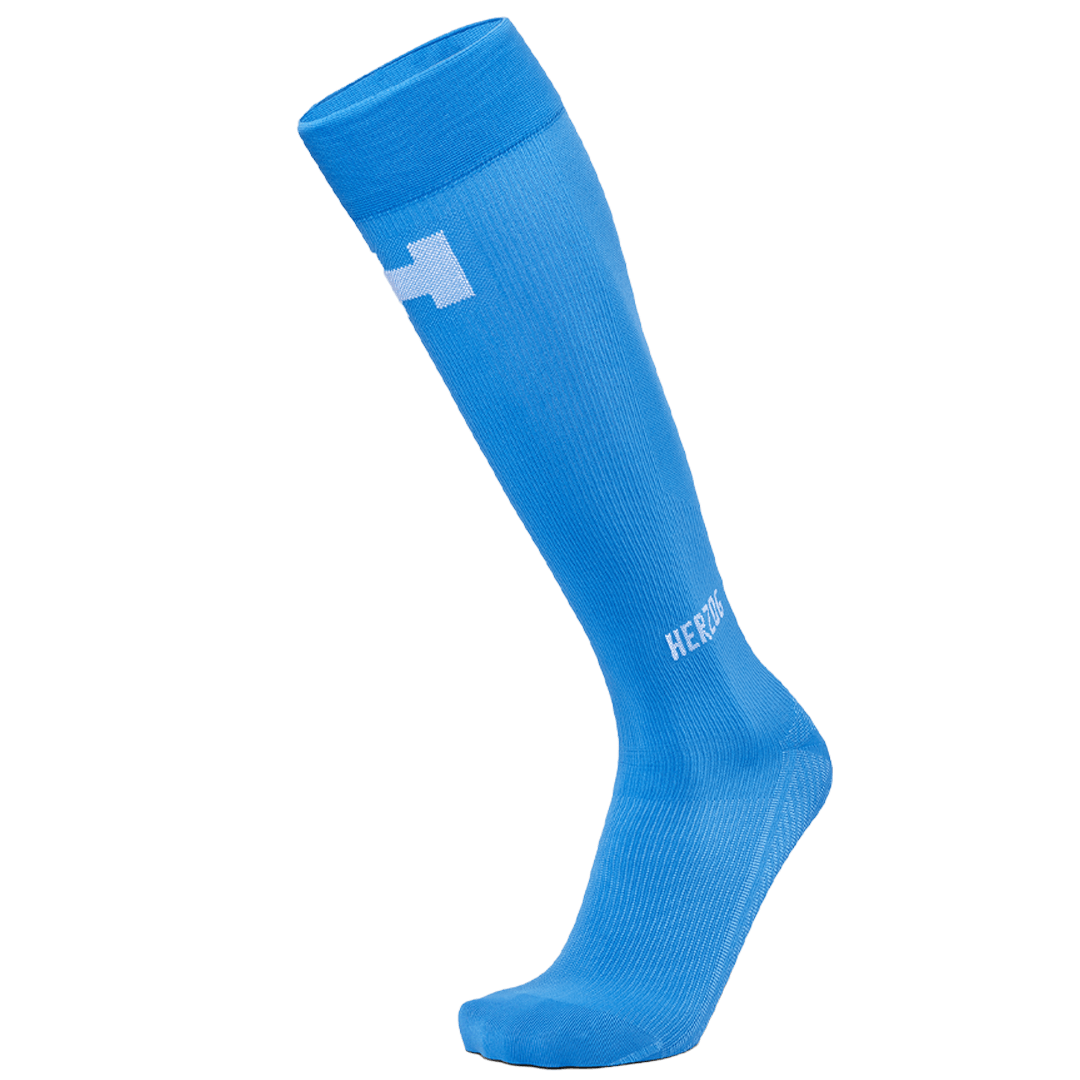
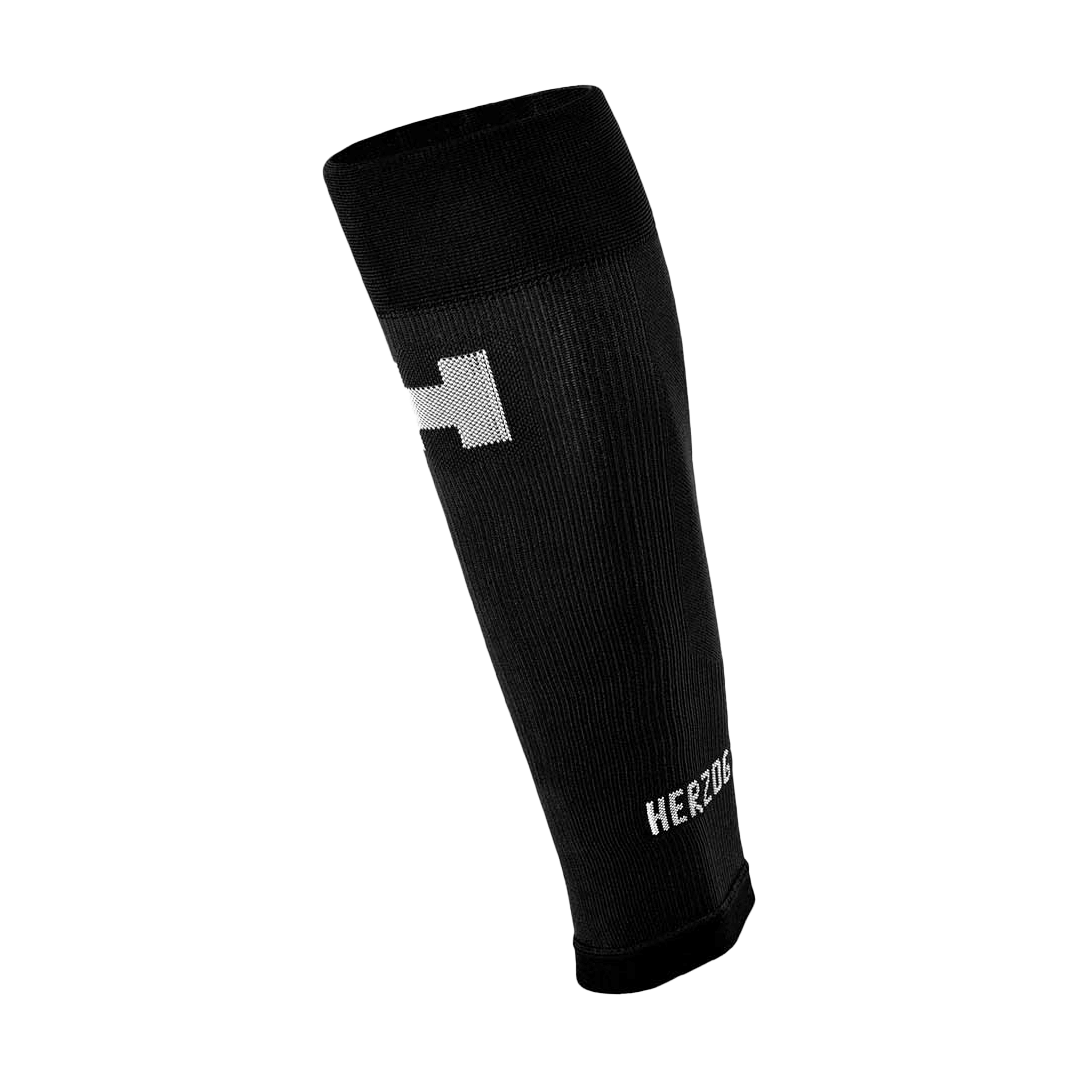
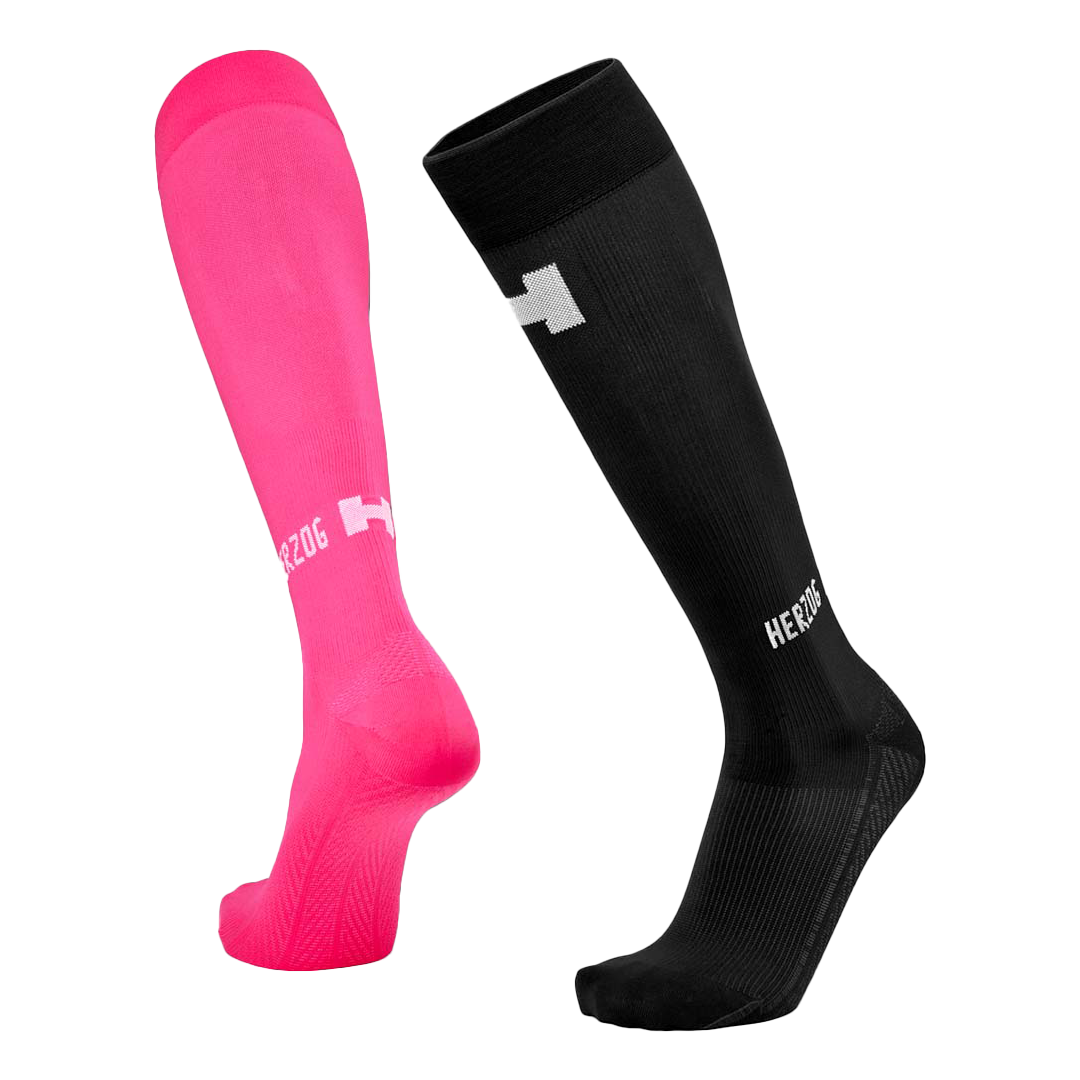
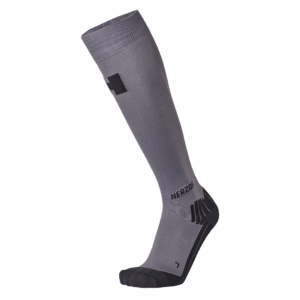
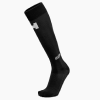
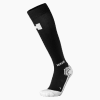
For your information: there are 4 compression classes that are used depending on the medical condition. The Herzog PRO compression stocking is the only stocking in the sports industry that meets all the above conditions. This is very special because they are sports compression stockings. What is unique is that our stockings are manufactured on the same machines on which support stockings are knitted. With the PRO stockings, the pressure decreases from ankle to knee. Our stockings also provide the most compression in sports, 30 mmHg at the ankle to 23 mmHg below the knee (mmHg stands for 'millimeters of mercury pressure'). This amount of compression falls into the high end of pressure class 2, even on the border of pressure class 3.

“In the sports industry, only Herzog PRO Compression Stockings meet the TES condition”

Side Image

The perfect fit

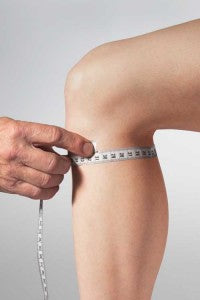
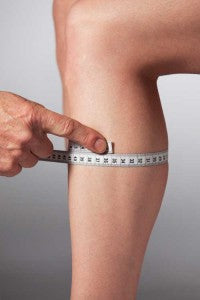
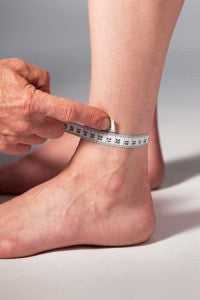
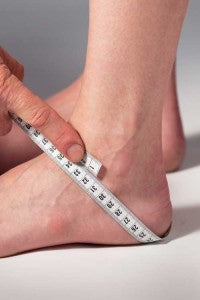
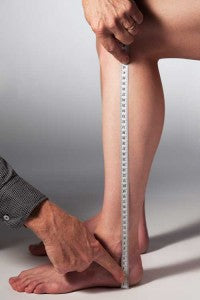
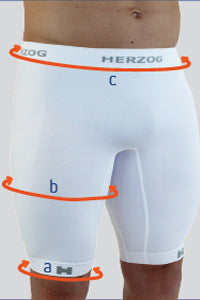
To meet all these requirements, ensuring neither too much nor too little compression, the leg is measured at 5 points for Herzog PRO socks. Combined with shoe size, this results in 6 variables, exactly as with support stockings.

You see that more and more so-called sports compression socks are appearing on the market these days. Compression is apparently ‘hot’. With many brands, shoe size determines the size, or at best calf circumference. However, shoe size says nothing about the shape or length of your leg. If you have socks that don't fit your legs, there will be no effect. You can surely imagine that a gymnast who is 150 cm tall and weighs 50 kg needs a completely different sock than a volleyball player who is 200 cm tall and weighs 90 kg.

Products in this blog

Side Image

Every leg is unique

Just imagine the calf circumference of a sprinter with shoe size 43 and a sinewy marathon runner with the same shoe size. Both have a totally different calf contour. It is therefore absolutely impossible to determine a ready-to-wear size based solely on a shoe size. The same applies to measuring only the calf. Compare someone 170 cm tall with a calf circumference of 40 cm and an athlete 190 cm tall with the same calf circumference. The pressure is completely unevenly distributed in one of them.

Somewhat long-winded, but it is important to know that the Herzog PRO sock is the only sock that meets all the qualifications for a compression stocking! As the only producer of compression socks in sports, everything we claim is also ‘evidence-based’, so studies prove all our statements. The sizing is very extensive, with no less than 6 circumference sizes, 3 shaft lengths combined with 3 shoe sizes. That's 54 sizes per color. This is the only guarantee for an optimal pressure gradient of a sock that fits around your individual leg.

"As the only producer of compression socks in sports, everything we claim is also evidence-based"

I conclude this contribution by stating that our socks can therefore be used for the aforementioned vascular problems, but always after your practitioner has agreed. I want to emphasize that you should never self-medicate. In the contributions below, I will specifically address the aforementioned vascular problems.

Relevant blogs

6 Effective tips to prevent and relieve shin splints

Prevent and alleviate shin splints with 6 practical tips for runners. Less pain, faster recovery, and better training.

Treating Whiplash: 3-Phase Recovery with Compression and Cold Therapy

Recovering from a calf strain? Discover the 3 recovery phases and how compression and cold therapy can contribute to optimal and responsible recovery.

All about calf problems: causes, symptoms, and what you can do about them

Suffering from calf complaints? Read all about possible causes, common symptoms, recovery, and what you can do to prevent calf complaints.