
Traveler's Thrombosis: How Compression Stockings Support Your Circulation

During long journeys, many people suffer from heavy legs, swollen ankles or tired calves. Prolonged sitting affects blood circulation. Especially during long flights, car journeys or train journeys, blood flow in the legs can slow down. That is why you hear the term "traveller's thrombosis" more and more often: a form of thrombosis associated with prolonged immobility while travelling.

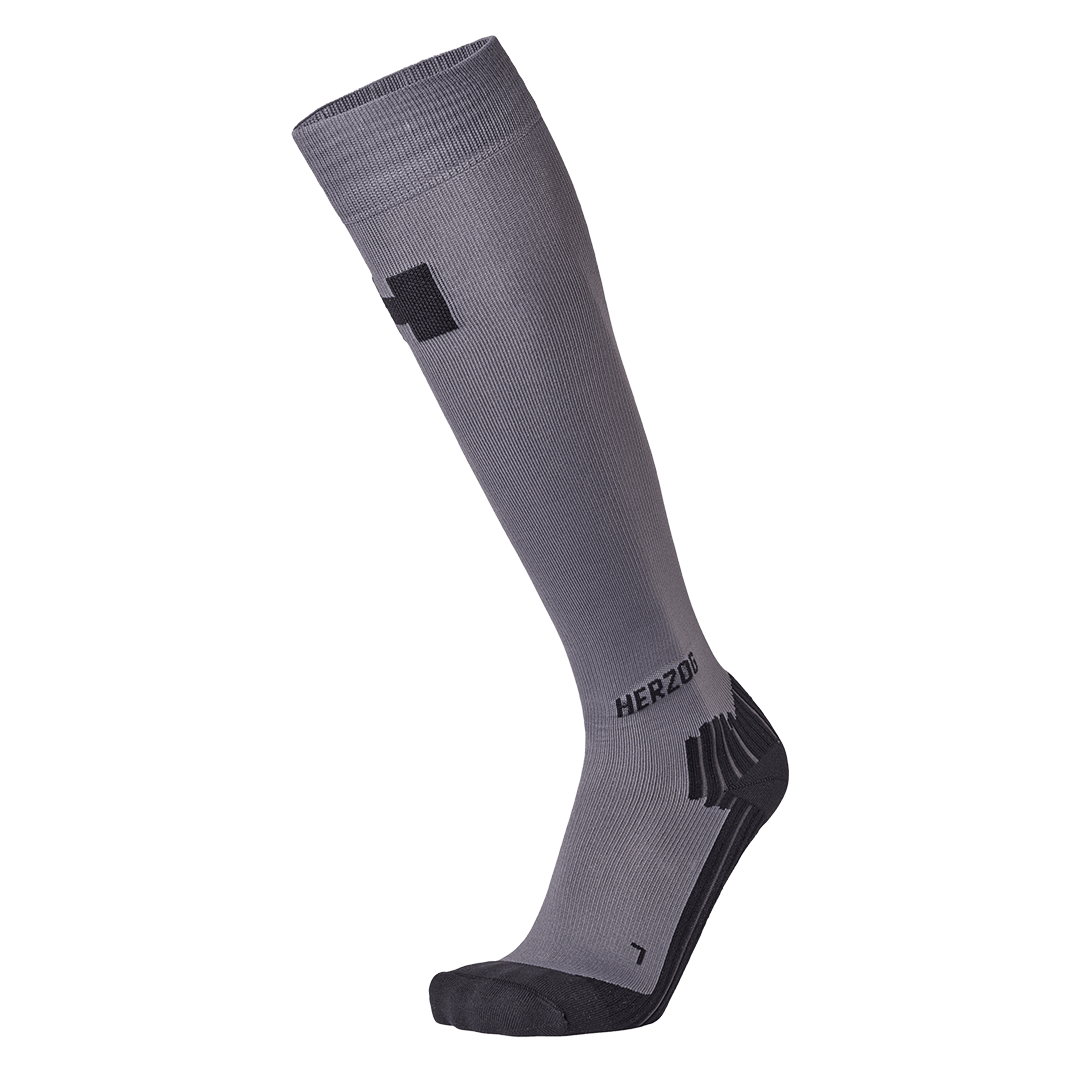
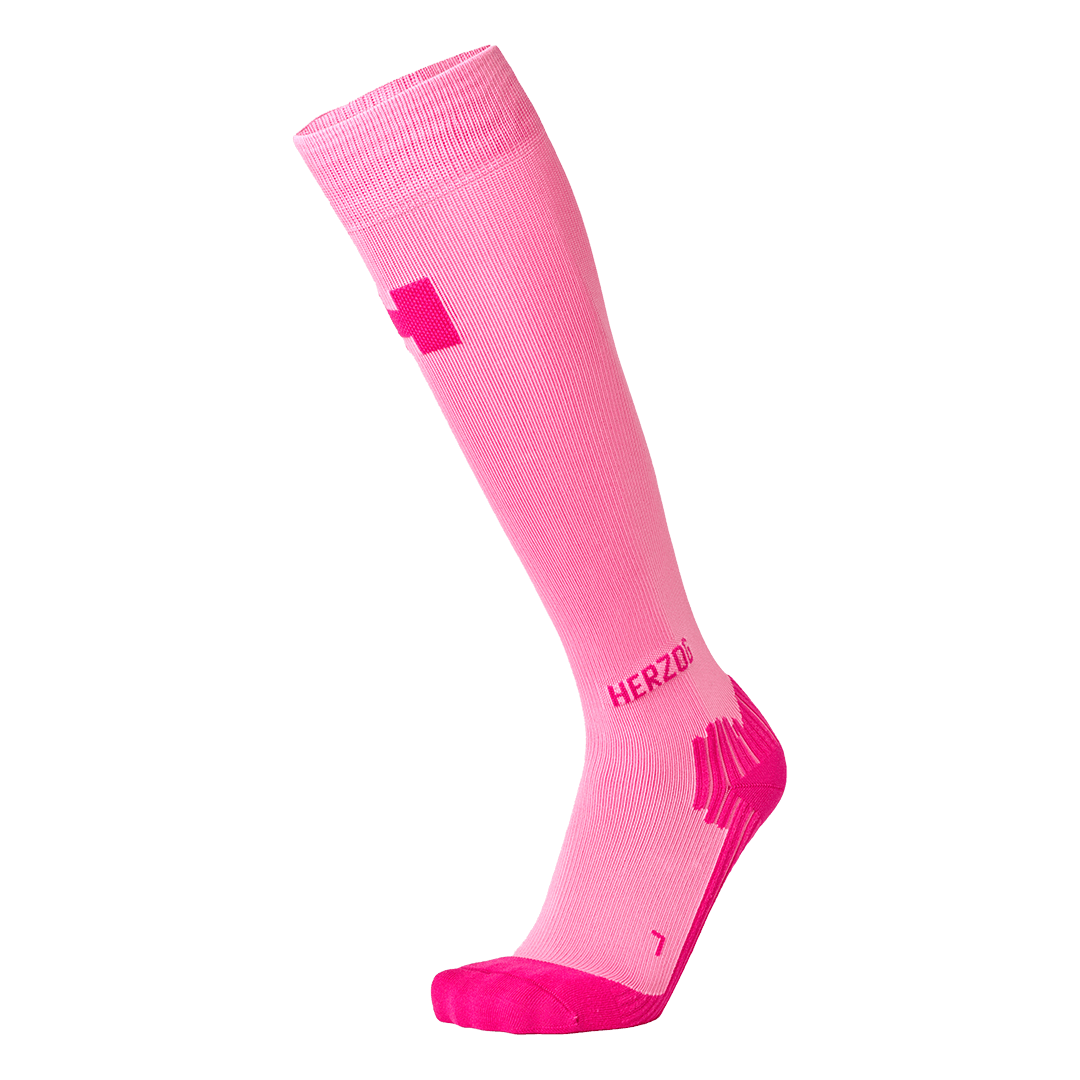
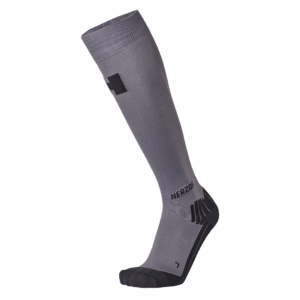
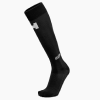
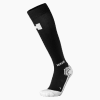
At Herzog Medical, we regularly receive questions about supportive stockings during travel and flights. For most travellers, the Herzog Support is the most accessible choice. These socks provide gradual compression around the foot, ankle and calf and are designed to be worn comfortably for extended periods. The Support can help reduce heavy, tired and swollen legs during a long journey.

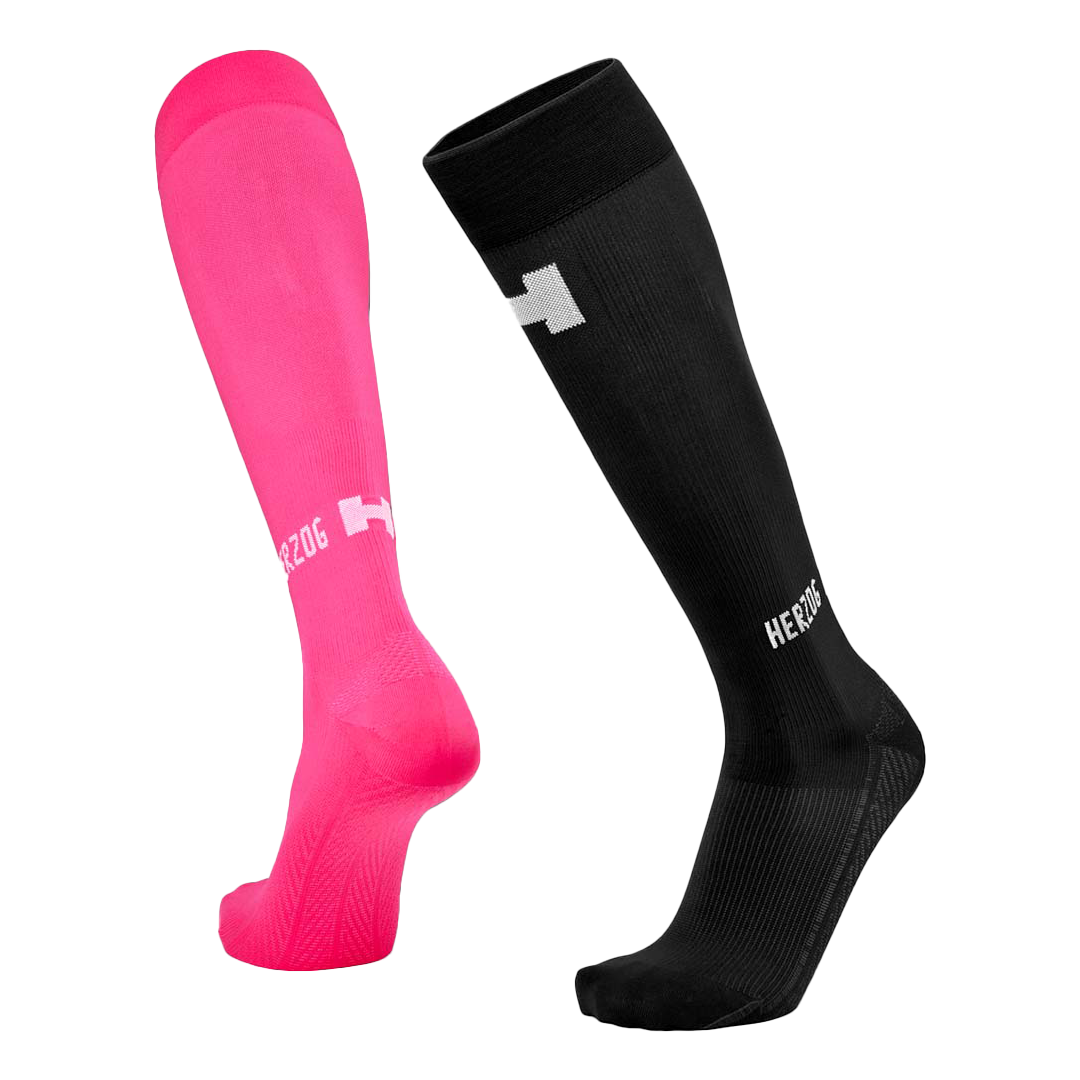
Those who need more powerful compression or socks that are precisely measured at multiple points on the leg can opt for the Herzog PRO Compression Socks. Which version is most suitable depends on your personal situation, the duration of the journey and the extent to which you normally experience complaints.


Side Image

What happens in your legs when you sit still for long periods?

Under normal circumstances, the calf muscle helps pump blood back to the heart. Every step you take compresses the veins in your lower leg, pushing blood upwards against gravity. This so-called muscle pump only works well if you move regularly. If you sit still for hours in a plane seat, train compartment, or car, this pump largely stops working. Blood then remains in the veins of your lower legs for longer, which can increase the pressure in those vessels and slow down circulation.

In addition to slowed circulation, you often see fluid accumulating in the tissue around your ankles and lower legs. This explains why your shoes feel tighter after a long flight or why you end up with swollen anklesafter a day of driving. This is usually harmless in itself and subsides after a while. Nevertheless, it is a sign that your circulation is working harder than normal, especially if you combine this with little movement, little fluid intake, and a cramped sitting position.

For most people, it remains limited to tired or swollen legs that feel normal again after resting. However, in a small percentage of travelers, slowed circulation can contribute to the formation of a blood clot, which can lead to thrombosis. Signals such as a painful, warm, or unilaterally swollen leg after a long journey should be taken seriously. If you are unsure whether pain and swelling in your leg are due to normal fatigue or something more serious, contact your doctor. Self-diagnosis based on the internet is no substitute for medical advice.

Side Image

How does compression support circulation during travel?

Compression stockings work with a pressure gradient that is highest at the ankle and gradually decreases towards the knee or thigh. This gradual build-up helps direct blood in the right direction, from your foot upwards, back towards your heart. Without this gradual reduction, the pressure would counteract rather than support. That's why the difference between a loose elastic stocking and a medically sound stocking is greater than you might initially think, even though they sometimes look similar in terms of fabric.

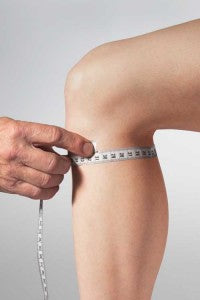
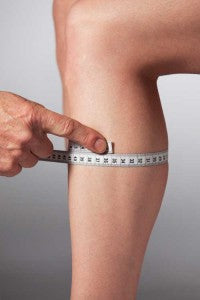
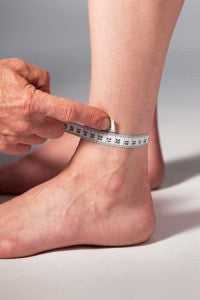
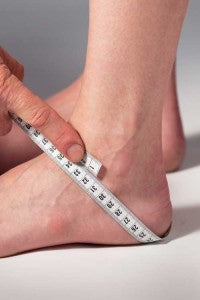
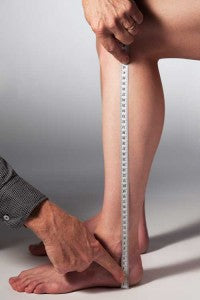
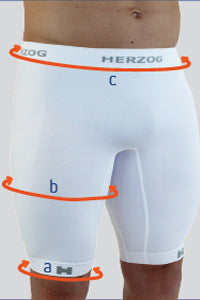
With Herzog compression stockings, this pressure build-up is precisely coordinated, with Herzog's compression technology forming the basis for a controlled gradual pressure distribution. For the PRO line, custom measurements are taken at six points, so that the stocking fits the shape of your lower leg and not an average size chart. This is precisely where a difference arises with a standard stocking from the drugstore, which often only has a few sizes and therefore applies less targeted pressure where it is needed. For travelers who sit for many hours, this difference can be noticeable in how their legs feel after arrival.

Herzog PRO Compression Stockings are MDR-certified, the European medical certification for aids that meet strict quality requirements. This does not mean that a stocking prevents thrombosis, but it does mean that the construction and pressure level have been medically tested and substantiated. For people with sedentary jobs or frequent air travel, this is a reason to consider sedentary job compression stockingsas a regular part of the day, in addition to occasional use during travel itself, for example on a long flight or a multi-day business trip by car.

What can you do yourself during a long journey?

Ideally, put on the Herzog Support in the morning or before departure, when your legs and ankles are not yet swollen. Wear the stocking during the journey and take it off upon arrival when you can move sufficiently again. Make sure the stocking is smooth on the leg and that the cuff is not folded over.

In addition to wearing the Support, it helps to stay active during the journey. In the train or plane, get up regularly to walk a few steps. In the car, it is advisable to stop intermittently and stretch your legs. Even simple movements from your seat, such as pulling up your feet, rotating your ankles, and alternately lifting your heels and toes, activate the calf muscles.

Also, drink enough water and limit large amounts of alcohol. Wear comfortable clothing that is not tight around your groin or waist. Compression works best as part of a combination of measures: well-fitting stockings, sufficient movement, and attention to your personal risk factors.

Products in this blog

Side Image

Which Herzog compression sock is right for your journey?

Both the Herzog Supportand the Herzog PRO Compression Sockscan be worn while travelling. Which sock is best depends, among other things, on the duration of the trip, your personal complaints, and the desired wearing comfort.

The Herzog Support is thicker than the PRO and has a cushioned footbed. This provides extra cushioning and comfort in the shoe, which can be pleasant during a flight, car ride, or train journey. The Support is therefore an accessible choice for travellers who want to support their legs and experience less discomfort from heavy legs, tired calves, or slight fluid retention around the ankles.

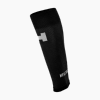
For longer journeys of approximately five hours or more, the Herzog PRO Compression Sock may be a more suitable choice. The PRO is precisely fitted and provides powerful, controlled graduated compression around the foot, ankle, and lower leg. The PRO can also be considered for people who frequently suffer from swollen legs, are known to have vascular problems, or have an increased risk of thrombosis. In these situations, it is important to discuss with a doctor or therapist beforehand which compression is suitable.

Do you currently have symptoms that could indicate thrombosis, such as a suddenly swollen, painful, red, or warm leg? Then contact a doctor immediately. Do not put on compression socks on your own initiative to treat these complaints.

Herzog Support

A comfortable choice for travel and daily use. The Support provides graduated compression around the foot, ankle, and calf and can help with heavy, tired, or slightly swollen legs. The sock is thicker than the PRO and has a cushioned footbed. This provides extra cushioning and comfort while walking, standing, and sitting for long periods.

Suitable for:

  • flight, car, and train travel;
  • travellers seeking extra comfort underfoot;
  • slight fluid retention around the ankles;
  • heavy or tired legs;
  • prolonged sitting or standing;
  • daily use and sedentary work.

Herzog PRO Compression Socks

A precisely fitted compression sock that can also be used excellently during travel. The PRO is particularly interesting for longer journeys of five hours or more, when your legs hardly move for an extended period. The sock is measured at six points, so the fit and pressure distribution match the individual shape of the leg.

Suitable for:

  • journeys of approximately five hours or longer;
  • travellers seeking more powerful, precisely fitted compression;
  • people who regularly suffer from swollen or tired legs;
  • athletes who also use the same sock during exercise and recovery;
  • people with an increased risk of thrombosis, after consulting with a doctor or therapist.

For general support and extra comfort, the Support is a logical choice. If the journey lasts longer than five hours or you need more powerful, individually fitted compression, then the PRO may be a better fit.

Frequently asked questions

What exactly is traveler's thrombosis?

Traveler's thrombosis is a form of thrombosis that can occur due to prolonged sitting during a trip, for example on a plane, in a car, or on a train. Because the calf muscle is used very little, blood flow in the legs slows down, which can increase the risk of a blood clot. It is not a fixed diagnosis but a collective term for thrombosis associated with travel.

Do compression stockings help with traveler's thrombosis?

Compression stockings can contribute to better circulation by exerting pressure that is highest at the ankle and decreases towards the knee. Many people experience less heavy or swollen legs after a long trip when wearing stockings. They do not prevent thrombosis but do support blood circulation during prolonged sitting.

When should you consult a doctor for symptoms after a trip?

If you experience a painful, warm, or unilaterally swollen leg after a long trip, it is advisable to contact a general practitioner. Also, if there is persistent swelling that does not subside after rest and movement, consulting a doctor is important. These symptoms may indicate something that requires further investigation.

Relevant blogs

6 Effective tips to prevent and relieve shin splints

Prevent and alleviate shin splints with 6 practical tips for runners. Less pain, faster recovery, and better training.

Treating Whiplash: 3-Phase Recovery with Compression and Cold Therapy

Recovering from a calf strain? Discover the 3 recovery phases and how compression and cold therapy can contribute to optimal and responsible recovery.

All about calf problems: causes, symptoms, and what you can do about them

Suffering from calf complaints? Read all about possible causes, common symptoms, recovery, and what you can do to prevent calf complaints.