Why do you get swollen ankles in hot weather?

As soon as temperatures rise, you often notice it immediately: ankles feel fuller, socks leave marks, and by the end of the day, legs feel heavier than in the morning. Especially in hot weather, during long walks, holidays, or a day spent standing, the lower legs can swell and feel tired. This doesn't happen without reason; the body reacts to heat by dilating blood vessels, which makes it easier for fluid to move into the tissues around the ankles, making the skin feel tighter there.

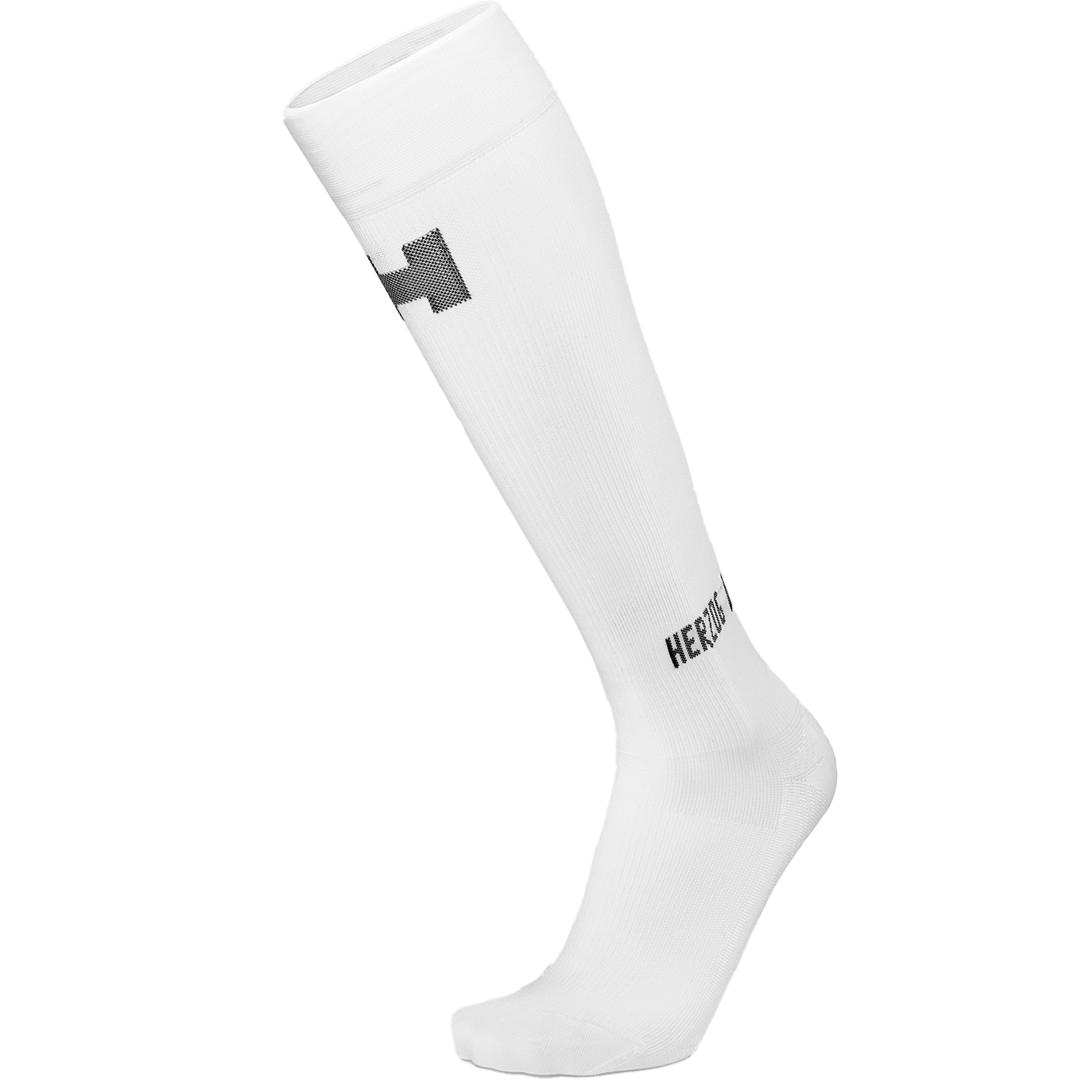
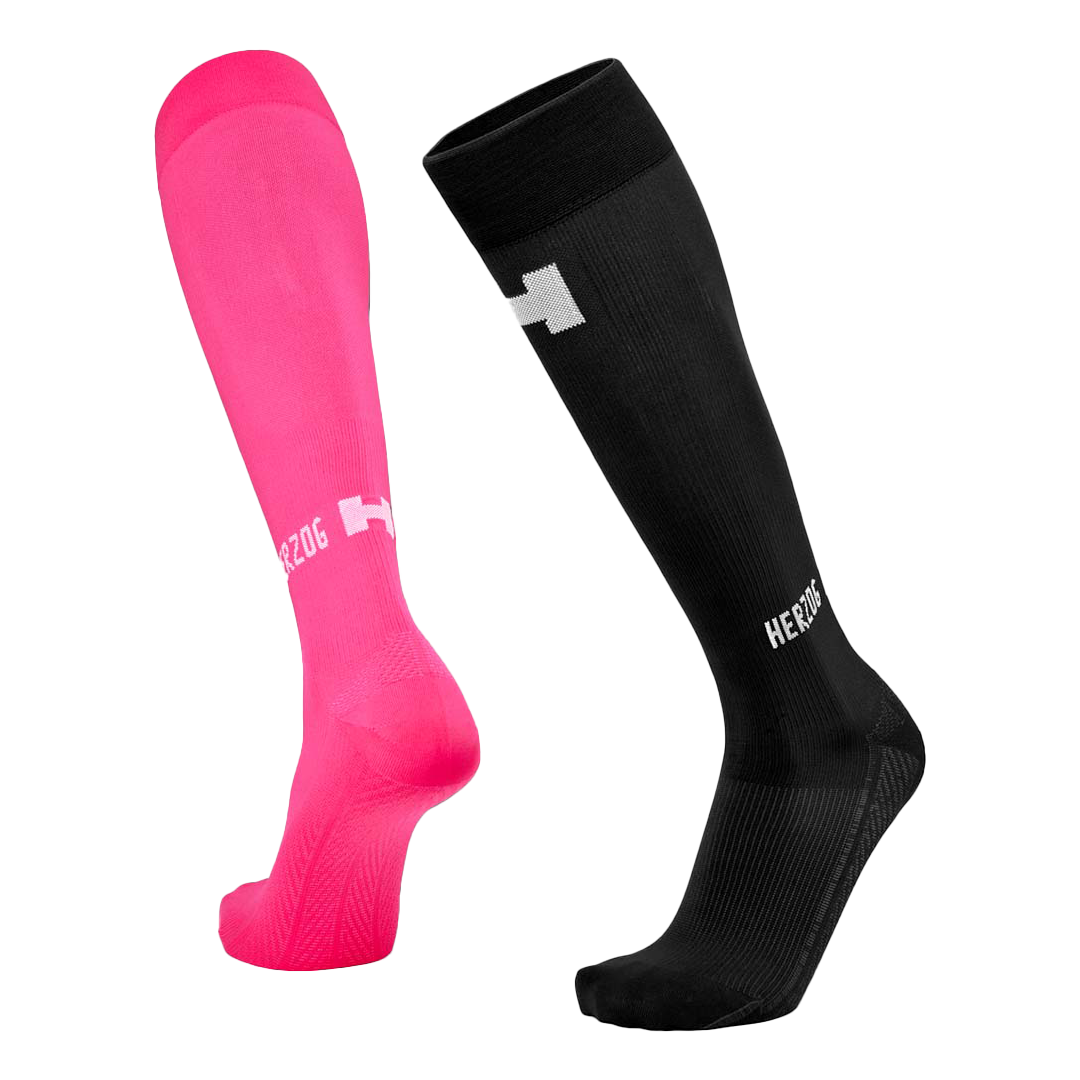
At Herzog, we often see this complaint in people who stand a lot, travel, or exercise in the summer. Herzog compression socks are then used to support blood circulation and reduce the swollen feeling in the legs, in addition to other measures such as moving and drinking enough. Warm weather makes veins extra sensitive, and that requires an approach that goes beyond just putting your feet up at the end of the day.

Side Image

What happens in your body when it's hot?

In high temperatures, your body tries to dissipate heat by dilating the blood vessels in your arms and legs. This is called vasodilation and it ensures that more blood flows closer to the skin, making it easier to release heat. As a result, the venous valves, which normally help pump blood upwards towards the heart, have to work harder. With prolonged heat or little movement, this becomes less effective, causing fluid to accumulate in the tissue around the ankles and lower legs.

Gravity also plays a role. Fluid naturally sinks to the lowest points of the body, and in warm weather, where the veins are already dilated, this process accelerates. People who stand all day, for example in healthcare or hospitality, often notice this more strongly than people who move a lot. Long car journeys or flights in the summer also amplify the effect, as the calf muscle is then hardly contracted to help pump blood upwards.

For most people, this is a temporary and harmless phenomenon that disappears on its own once it gets cooler or the legs start moving again. Nevertheless, it can be helpful to understand exactly what is happening, especially if the complaint recurs regularly. On the page about swollen anklesyou can read more about the various causes, and the page about the effect of compressionexplains how pressure on the legs can support fluid transport.

• Heat causes blood vessel dilation

• Prolonged standing or sitting without movement

• Long flights or car journeys in the summer

• Little activity of the calf muscle as a pump

• Hormonal fluctuations that increase fluid retention

Side Image

Who is more prone to swollen ankles?

Not everyone experiences the same discomfort on warm days. People with sedentary or standing jobs, such as office workers, hairdressers, or nurses, are at higher risk because their calf muscles are less active. Older people also suffer more frequently, as their vein valves become less flexible with age. Pregnant women experience it due to the extra pressure on blood vessels in the pelvis, which hinders blood flow from the legs. Overweight individuals can also retain fluid more quickly in their lower legs due to increased pressure on the veins in the pelvic area.

For some people, the cause is not just warmth but an underlying vascular problem.Varicose veins, impaired valve function, or chronic fluid retention can worsen symptoms as temperatures rise. In cases of sudden, unilateral swelling, pain, or a warm, red sensation in the leg, it's important not to wait and to contact a GP, as this could indicatethrombosis. Persistent edema or lipedema also requires assessment by a specialist.

Even active people can experience it, though the cause is different. After a long walk in the sun or a day of sightseeing, ankles can swell just as much as when sitting still, because muscles get less recovery between efforts. Travelers on long flights notice it due to the combination of sitting still and cabin pressure. For these situations, practical aids such as compression socks duringwalkingor traveling are often considered.

• Sedentary or standing profession

• Older age

• Pregnancy

• Varicose veins or other vascular problems

• Long journeys or flights

Products in this blog

Side Image

What can you do yourself to combat swollen ankles?

Movement is one of the simplest ways to circulate fluid. A short walk, rotating your ankles a few times, or rocking on your toes activates the calf muscle, which functions as a pump helping to push blood upwards. In warm weather, it also helps to elevate your legs above your heart now and then, for example on the couch or during a break at the office, so that fluid can more easily drain from your ankles.

Diet and fluid intake also play a role. A lot of salt in your diet can prompt the body to retain extra fluid, while drinking enough water actually helps to flush out excess fluid. A cool foot bath or rinsing your lower legs with cold water at the end of a warm day can provide relief, as it temporarily constricts blood vessels. Furthermore, comfortable footwear without constricting edges prevents additional hindrance to circulation around the ankle.

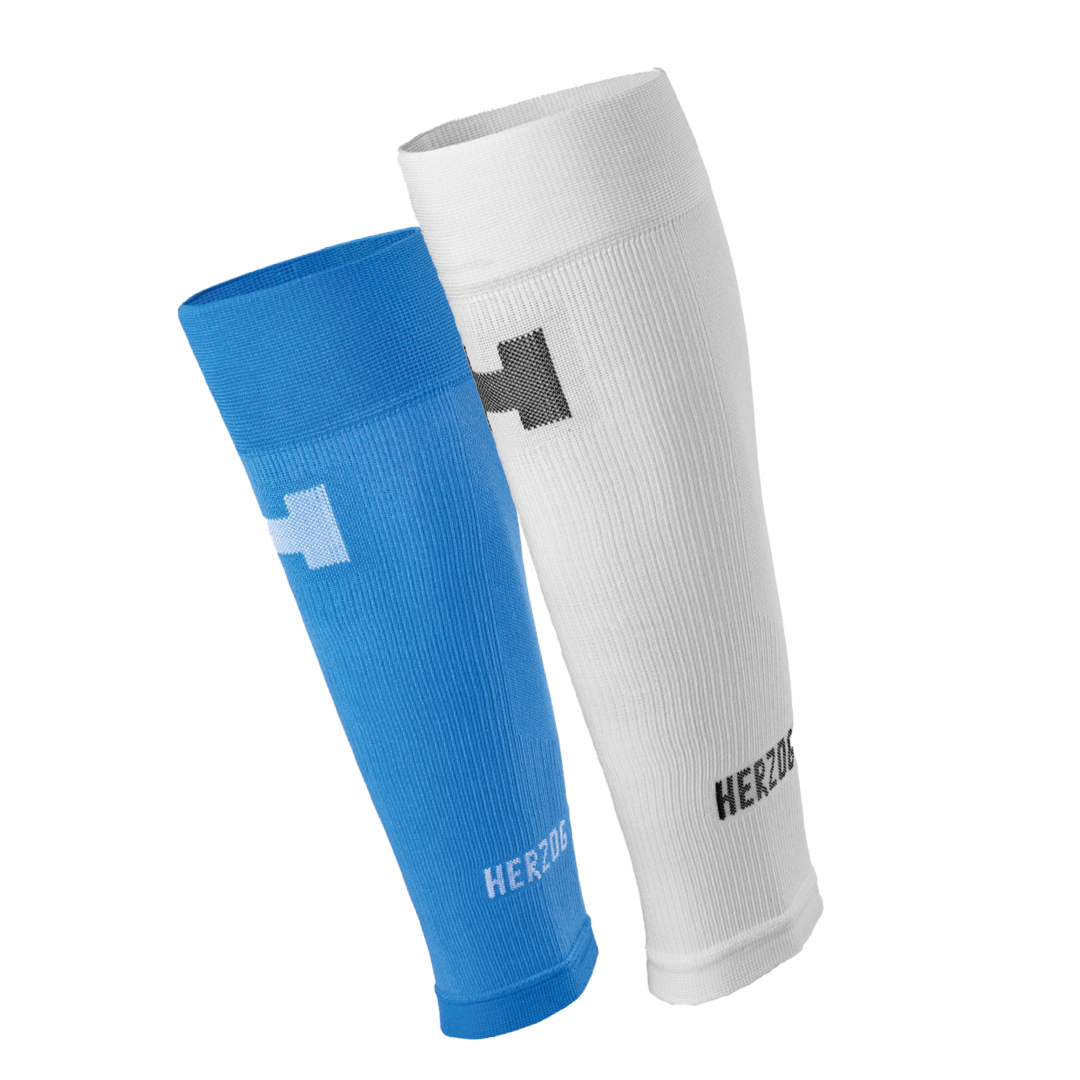
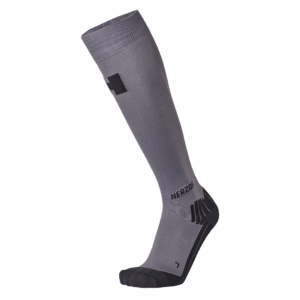
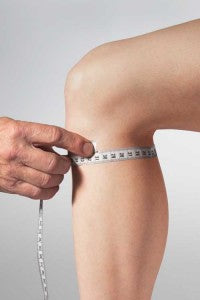
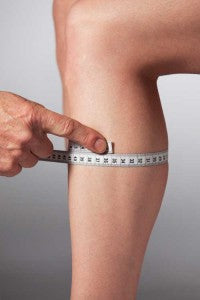
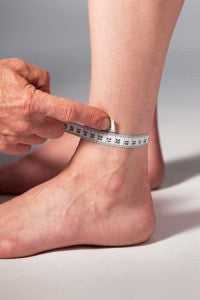
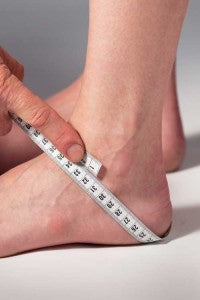
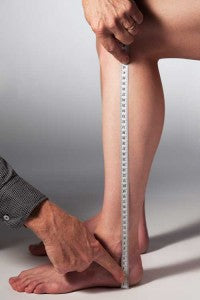
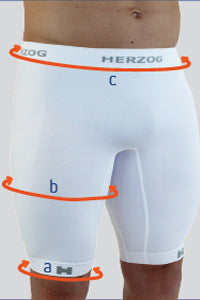
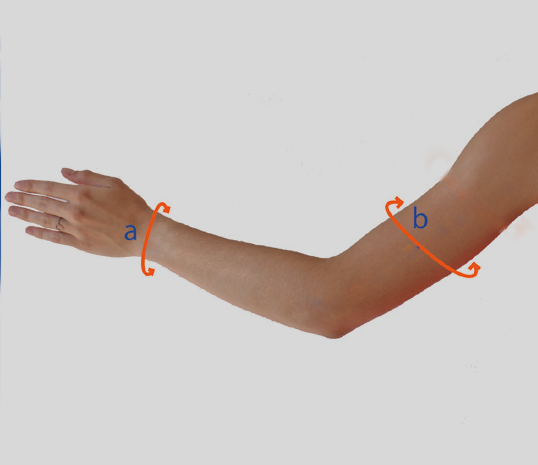
Compression can also play a role here, as targeted pressure on the lower leg supports blood flow and helps to limit the fluid-accumulating effect. Herzog's compression technology is based on a gradual pressure build-up, where the pressure is highest at the ankle and gradually decreases towards the knee. Herzog PRO Compression Socks and Herzog PRO Compression Tubes have an MDR certification, meaning that these products comply with European requirements for medical devices. They are custom-fitted at six measurement points and have been developed from over twenty years of experience in medical compression technology.

• Regular movement and activating the calf muscle

• Elevating legs above the heart

• Less salt, drinking enough water

• Comfortable, non-constricting footwear

• Targeted compression on the lower leg

Frequently asked questions

Why do I only experience swollen ankles in warm weather?

In warm weather, blood vessels dilate, making it easier for fluid to move into the tissues around the ankles. This happens especially if you move little or stand for long periods, as the calf muscle then helps less to pump blood upwards. As soon as it gets cooler or you move more, the swelling often subsides on its own.

Is it dangerous if my ankles swell in the summer?

In most cases, slight swelling in warm weather is harmless and temporary. However, be alert for sudden swelling in one leg, pain, or a warm, red feeling, as this can indicate thrombosis and requires assessment by a GP. Persistent complaints that do not subside also warrant attention from a specialist.

Can compression stockings help with swollen ankles?

Compression stockings can contribute to better circulation because targeted pressure supports fluid transport in the legs. Many people experience less heavy or full feeling when wearing them during warm days, long walks, or travel. It remains important to consult a doctor for persistent or severe complaints.

Relevant blogs

6 Effective tips to prevent and relieve shin splints

Prevent and alleviate shin splints with 6 practical tips for runners. Less pain, faster recovery, and better training.

Treating Whiplash: 3-Phase Recovery with Compression and Cold Therapy

Recovering from a calf strain? Discover the 3 recovery phases and how compression and cold therapy can contribute to optimal and responsible recovery.

All about calf problems: causes, symptoms, and what you can do about them

Suffering from calf complaints? Read all about possible causes, common symptoms, recovery, and what you can do to prevent calf complaints.