
4 tips to prevent running injuries

How can you prevent running injuries?

Have you also dusted off your running shoes? With gyms closed, the Netherlands has taken to running en masse. Perhaps you're jogging regularly and have even bought a new pair of running shoes. Once you get "hooked" on running, it's a wonderful sport, not just for your body but certainly for your mind too. Afterwards, you feel energetic, satisfied, and healthy. Unfortunately, the other side of the coin is that the risk of running injuries is very high. Perhaps you recognize it... stiff calves, a pain in your shin, or a nagging Achilles tendon. Why are runners so prone to injuries? And can you prevent these aches and pains?

Side Image

As a beginner runner, you don't have a running coach who pays attention to your posture, your overall movement pattern, and the use of your arms and legs. Why do many runners experience injuries when they just start, without guidance? The answer is simple: your body is not yet used to the repetitive movement. As a starter, you quickly take 150 to 160 steps per minute. Suppose you run for 15 minutes, you will easily take over 2,250 steps. If you jog for 30 minutes, you will reach over 4,500 steps. During all those landings, you absorb 3 to 5 times your own body weight! That is an enormous shock load for your calves, your Achilles tendons, and your shins. So, it may well be that your heart and lungs are already capable of a lot, but your tendons and muscles cannot yet handle the "impacts" of landing. Your muscles need more time to get used to that repetitive movement. Running is one of the most injury-prone sports, as it's not for nothing that almost 50 percent of beginner runners drop out within a few weeks.

Side Image

4 essential tips for you!

Fortunately, you can do a lot yourself to prevent typical running injuries. We have listed a number of tips for you:

1)First and foremost, it is important to invest in a good pair of running shoes. Get advice at a specialized running store to ensure you have a shoe that suits you in terms of stability, cushioning, and fit.

2) Secondly, it is important to build up your volume cautiously. Make sure you gradually increase your mileage and reduce your training at the first sign of pain. Do you suffer from stiff calves, shin pain, or a nagging Achilles tendon? We label these types of complaints as 'code orange'. Take an (extra) rest day if you experience such complaints.

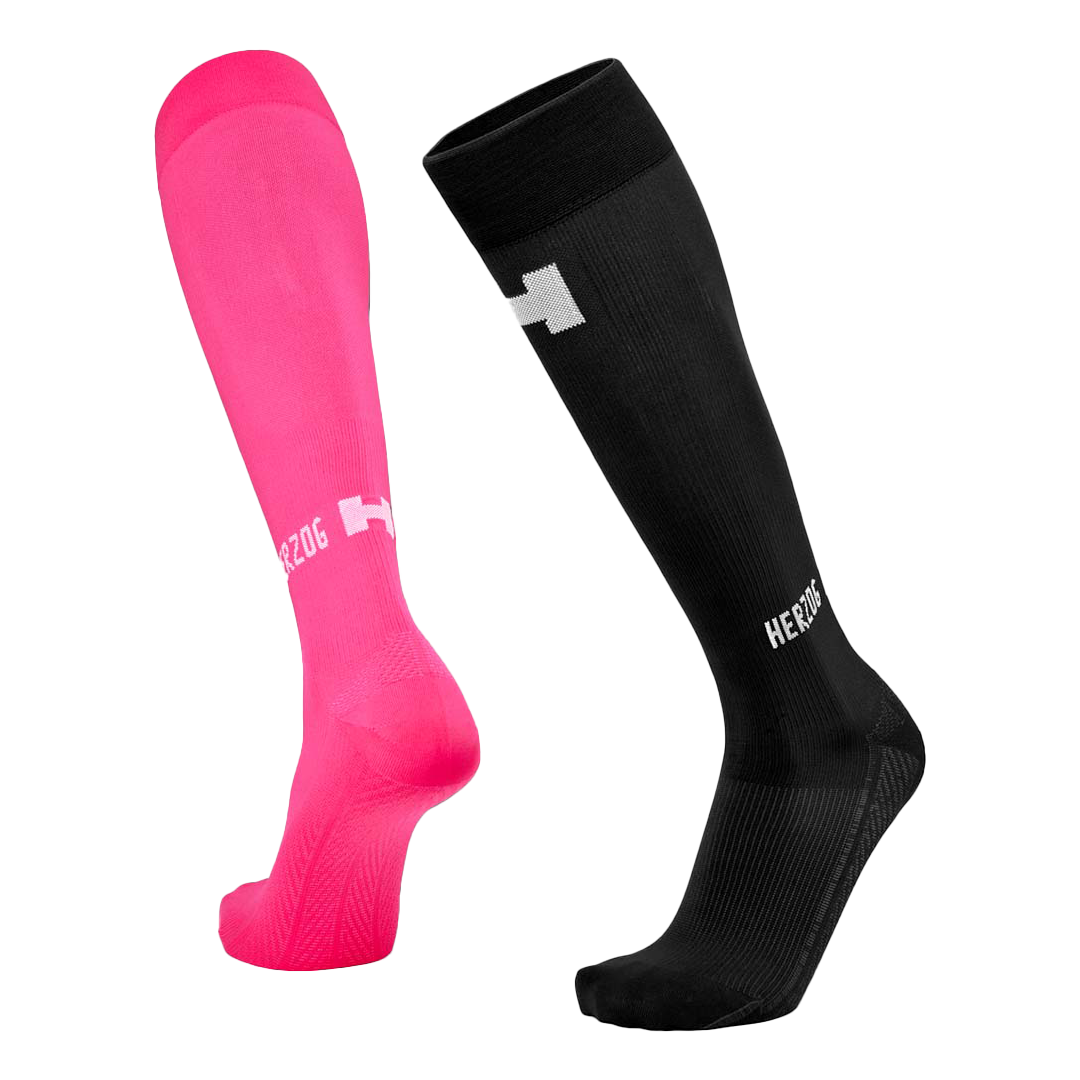
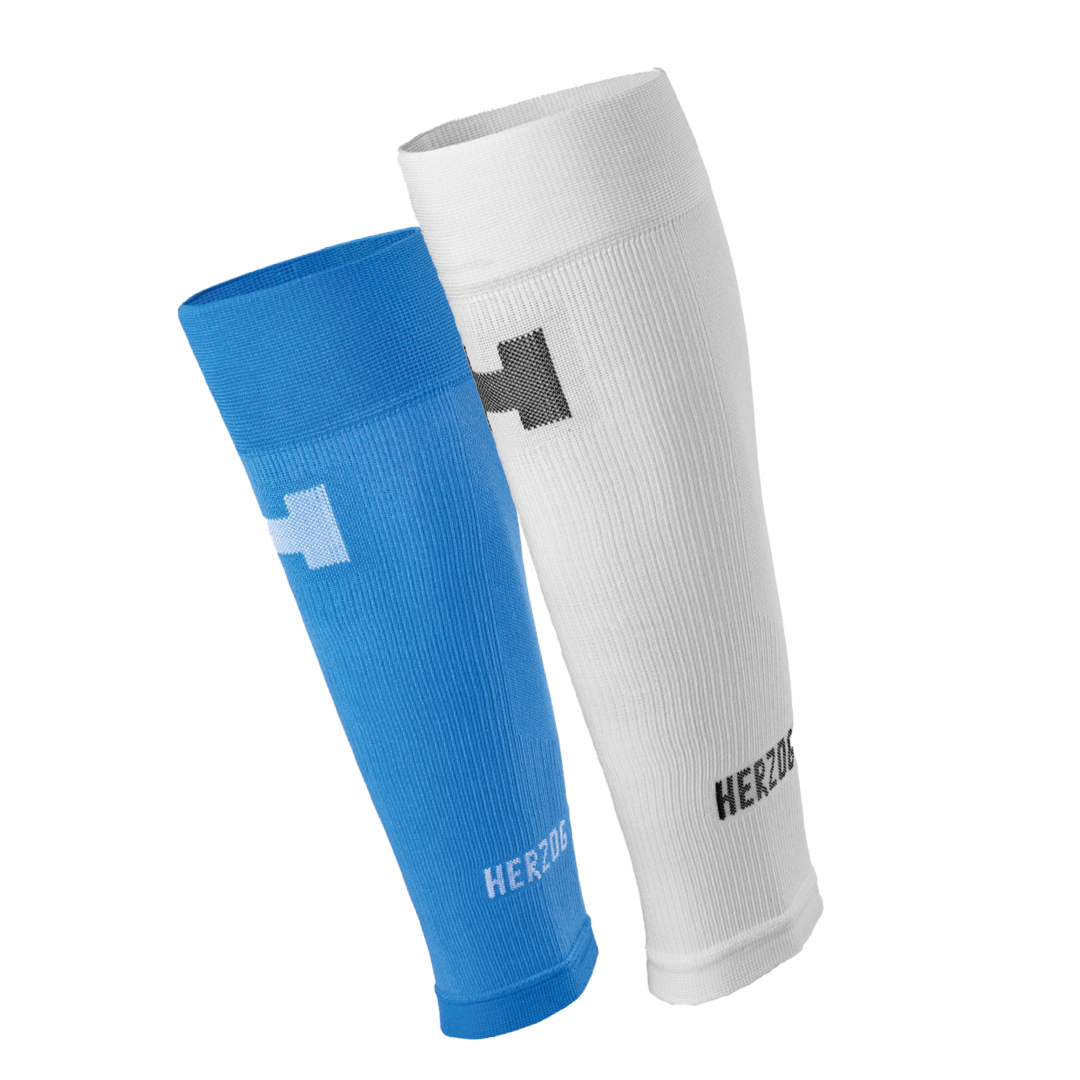
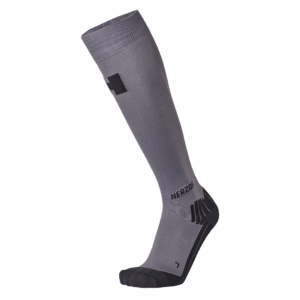
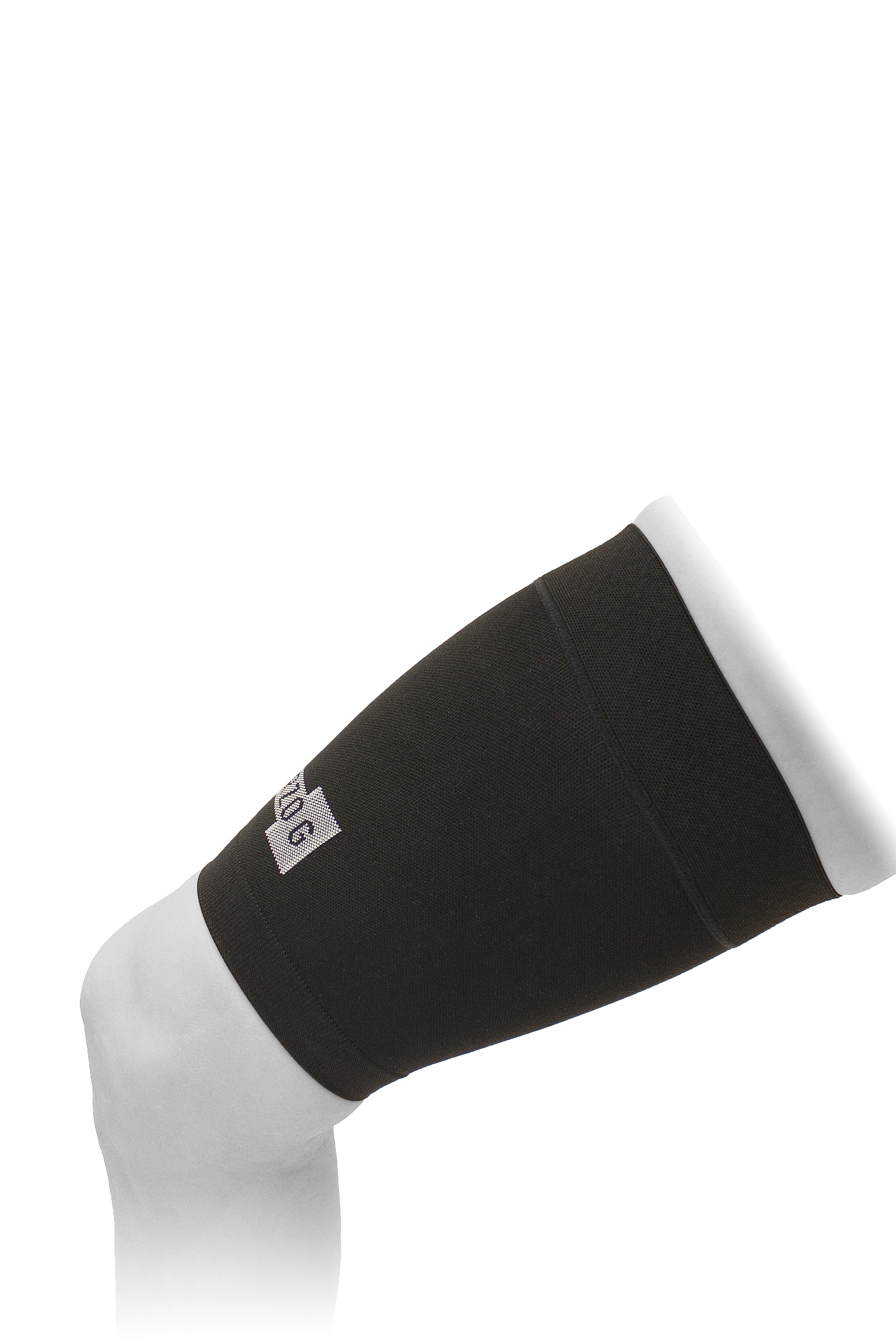
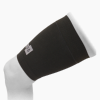
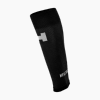
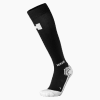
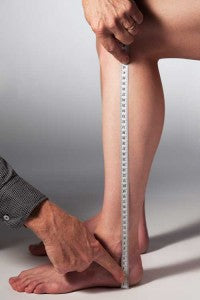
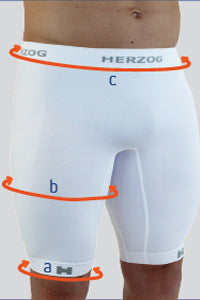
3)Be extremely alert with 'code orange'. These are the first signs of overuse. If you do experience such a complaint, consider Herzog PRO Sport Compression Stockings. What do these stockings do? Herzog Sport Compression Stockingsprovide support and absorb the "shocks" of landing very well. Because the calf muscles remain compact, the relatively heavy calf muscle mass will also pull much less on your Achilles tendons and the membrane around the shin bone. Don't let such an initial sign develop into a real injury that will put you out of action for several weeks and immediately ruin your enjoyment of running.

Side Image

You can optimally use a rest day for a good stretch and to strengthen your body. To stay 'running fit', it's useful to include a few essential exercises in your normal running routine. Through eccentric calf exercises and specific foot exercises, you make your body stronger and can prevent many typical running injuries.

4)Changing surfaces is good for the development of your motor skills. Make sure you don't just run on unpaved surfaces. When landing on asphalt, your calves experience a higher load and you run an increased risk of problems with your shins (shin splints) and Achilles tendons. In the forest, you can easily vary: soft and paved surfaces are plentiful there.

Keep on running, keep up the good work!

Relevant blogs

6 Effective tips to prevent and relieve shin splints

Prevent and alleviate shin splints with 6 practical tips for runners. Less pain, faster recovery, and better training.

Treating Whiplash: 3-Phase Recovery with Compression and Cold Therapy

Recovering from a calf strain? Discover the 3 recovery phases and how compression and cold therapy can contribute to optimal and responsible recovery.

All about calf problems: causes, symptoms, and what you can do about them

Suffering from calf complaints? Read all about possible causes, common symptoms, recovery, and what you can do to prevent calf complaints.