5 Crucial Tips to Stay Injury-Free at the Gym
As an athlete, one of the most annoying things you can experience is getting an injury. Injuries are also common in the gym. Here you mainly see overuse injuries or acute injuries, such as spraining an ankle. Whatever sport you play, you always run a risk of getting injured. Fortunately, you can minimize that risk. Below are 5 crucial tips to help you stay injury-free in the gym!
Side Image

1. Ensure foot and ankle stability

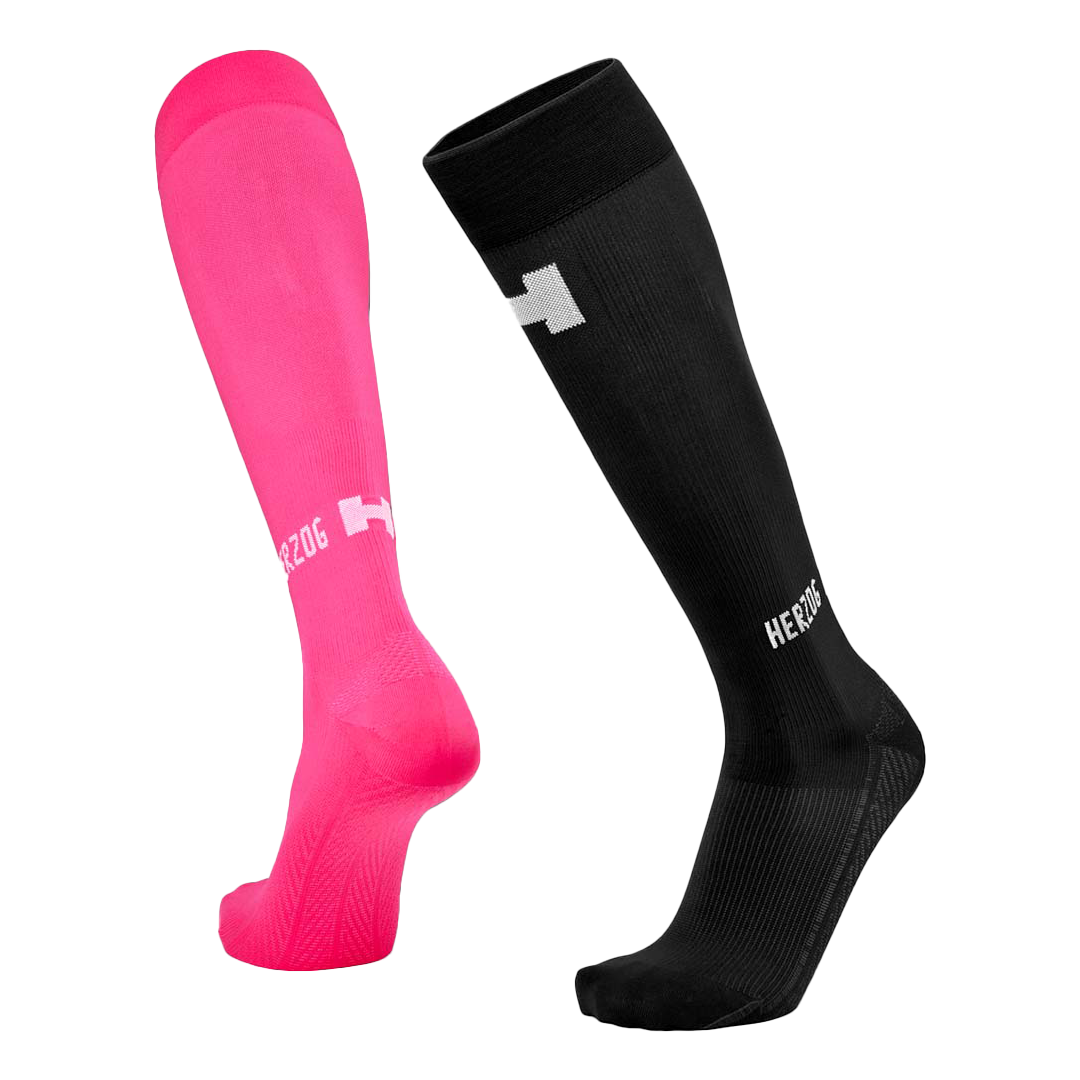
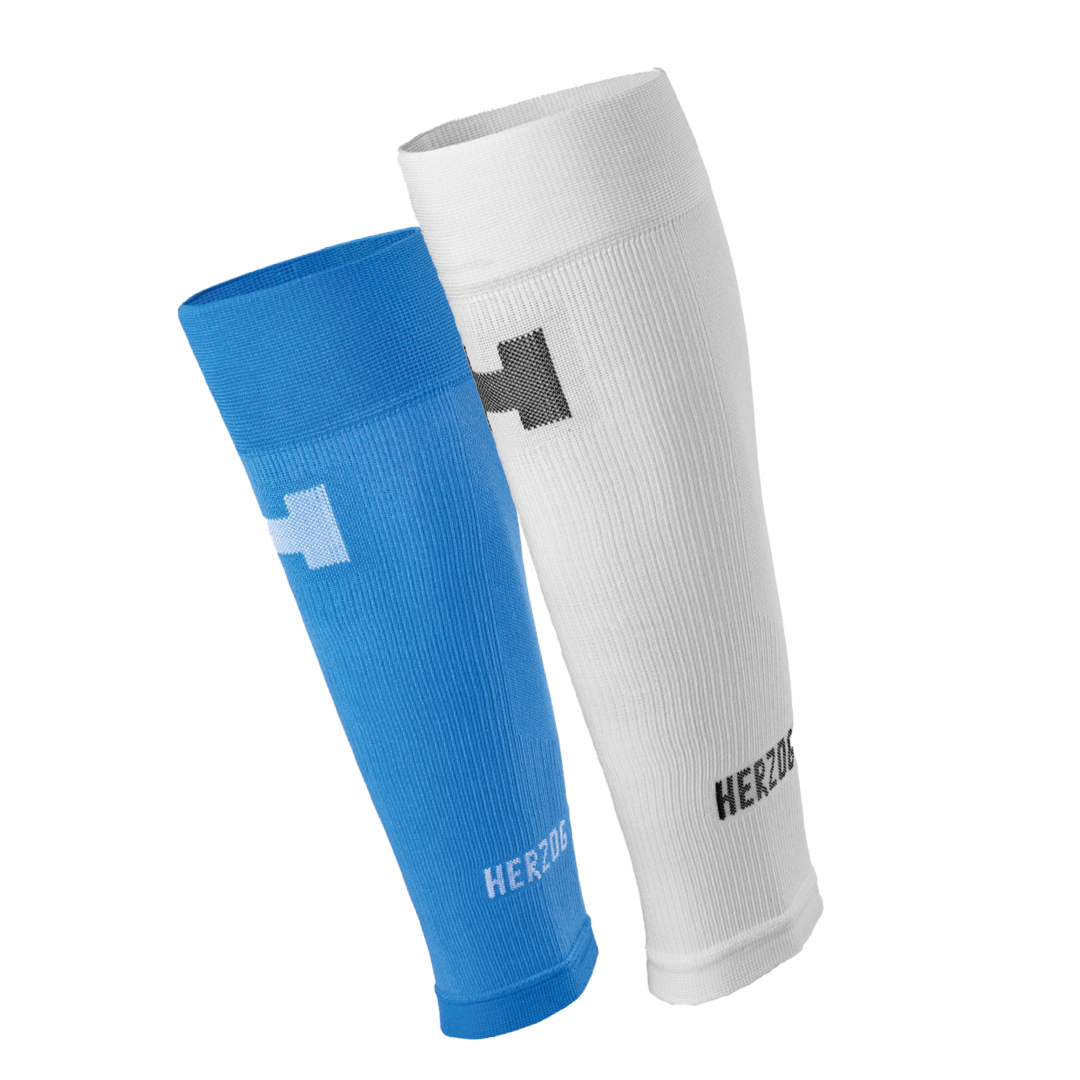
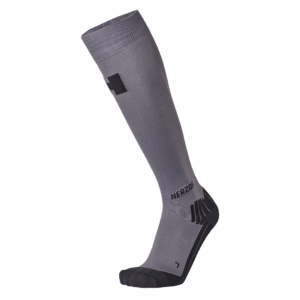
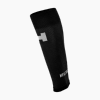
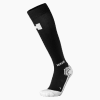
In strength training, it is essential to keep your lower legs and feet stable, as they form the foundation for many strength exercises and are often the point of contact with the ground. In exercises such as squats or deadlifts, weak ankles can lead to incorrect movements, which can overload the knees or lower back and lead to injuries. The Herzog PRO Compression Socksprovide extra support to the lower leg and ankles, relieving strain on the joints and reducing the risk of injuries.

2. Good recovery between training sessions is key

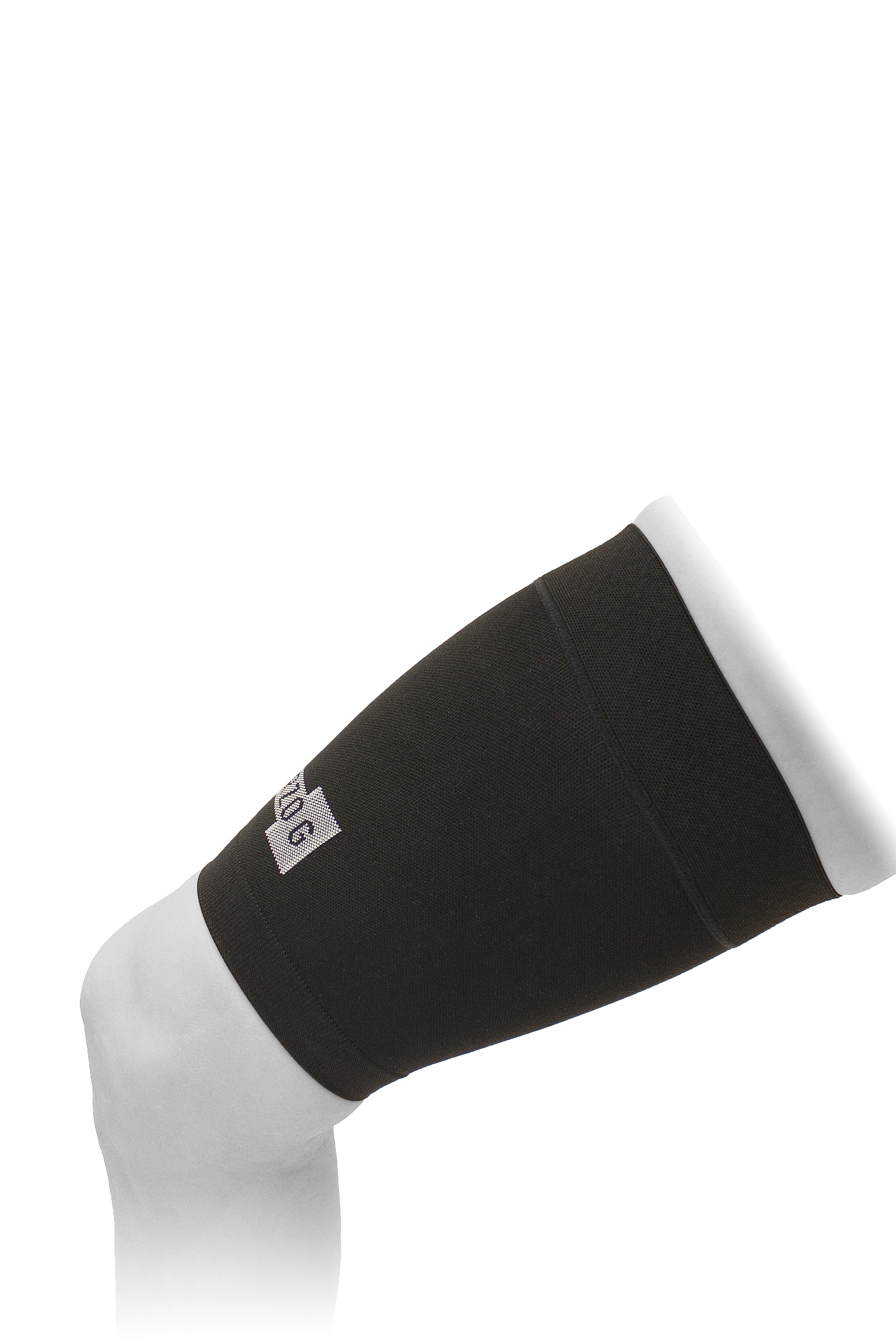
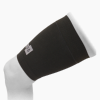
During strength training, muscles normally experience damage, which is a natural process. However, they also need time to recover and get stronger, and precisely this recovery is crucial for muscle growth. The Herzog PRO Compression Socks and shorts play a role in this recovery process, particularly in the lower and upper legs, ensuring you are fully recovered for your next training session. Insufficient recovery can lead to overuse and thus hinder your progress.

During an intense workout, lactic acid quickly accumulates in the muscles, which can lead to muscle soreness. Good blood circulation is therefore very important to quickly remove these waste products from the muscles. The Herzog PRO Compression Socks are also a useful tool for this. By wearing them during or after your workout, you promote blood circulation and the removal of waste products in your legs, minimizing muscle soreness and allowing you to continue your training effectively.

Side Image

3. Get enough sleep

Sleep is often overlooked when it comes to muscle building, but it is actually a crucial link. The hormones testosterone and growth hormone play a crucial role in muscle building after exercise, and these are primarily produced during sleep. Research shows that at least 7 hours of sleep are needed for optimal muscle growth after exercise.

A lack of sleep also makes you more susceptible to injuries, often due to overexertion of certain muscle groups. It is therefore important to get enough sleep not only to promote muscle growth, but also to prevent injuries.

4. Drink enough water

Adequate hydration is vital for your body. It is advisable to drink a good amount of water before your training, so that you start your workout well-hydrated. During training, it is important to drink about 250 ml of water every 15 minutes. This promotes muscle growth after a strength training session, because dehydration can negatively affect hormone levels, such as those of testosterone and growth hormone.

During exercise, you lose a lot of fluid through perspiration, which can lead to dehydration and muscle cramps. A lack of fluid makes your blood thicker and makes it difficult for oxygen and energy to circulate to your muscles. After exercising, it is also important to continue drinking water to prevent muscle soreness, as your body is still cooling down. Insufficient fluid and minerals can damage the fibers of your muscles and increase the risk of injuries such as strains and tears.

Side Image

5. Ensure a proper warm-up and cool-down

A proper warm-up prepares your body for the upcoming training session. Your heart rate increases, your blood circulation speeds up, and your muscles receive more oxygen and energy. During the warm-up, your airways open, allowing you to take in more oxygen. As the name suggests, your muscles also warm up, which enables better metabolism in the muscles. Furthermore, your brain signals to your body that it is transitioning from rest to exertion. In combination with stretching exercises, this ensures your body is ready to perform. This significantly reduces the risk of overuse or tearing of muscles and tendons. During strength training, Herzog PRO Compression Socks and shorts can help keep your muscles warm throughout the entire workout, minimizing the chance of injuries.

After your workout, it is essential to perform a cool-down, however tempting it may be to go straight home after a tough session. Just like a warm-up, a cool-down has numerous benefits that are often overlooked. It helps calm your blood circulation and heart rate; if you lower your heart rate too quickly, you may feel dizzy. Staying active, in turn, can help prevent muscle soreness by allowing your heart to continue flushing out the lactic acid produced during the workout.

If you want to optimally support this process and truly minimize muscle soreness, Herzog PRO Compression products can come in handy. These help the heart by means of a decreasing pressure gradient to remove waste products. This means you recover faster and are ready for your next training session. Staying injury-free in the gym is therefore a lot easier with Herzog Medical!

Relevant blogs

Het hysterese-effect van Herzog compressiekousen: wat betekent het?
The hysteresis effect of Herzog compression stockings: what does it mean?

Discover how the hysteresis effect in the yarn of Herzog compression stockings works and why it is important during movement.

Op weg naar de Amsterdam City Walk met Herzog Medical

De Amsterdam City Walk komt eraan! Ontdek hoe je je voorbereidt op een lange wandeltocht en waarom aandacht voor je voeten, benen en herstel belangrijk is.

Compressiekousen bij een spierscheur: helpen ze bij het herstel?
Compression stockings for a muscle tear: do they help with recovery?

Discover what compression stockings can do for a muscle tear and during your recovery.

Eerste HYROX? Dit moet je weten voordat je begint
First HYROX? Here's what you need to know before you start

First HYROX on the schedule? Discover what to expect and how to prepare your body properly.

Compressiekousen bij reuma: kunnen ze ondersteuning bieden?
Compression stockings for rheumatism: can they offer support?

Pain, stiffness, swelling, or tired legs? Discover what rheumatism does to your body and what compression stockings can do for you.

Waarom dragen steeds meer voetballers compressieshorts?
Why are more and more footballers wearing compression shorts?

Discover why more and more footballers are wearing compression shorts and how targeted compression can provide support during training and matches.

Van halve naar hele marathon: waar moet je lichaam aan wennen?
From half to full marathon: what does your body need to get used to?

Discover what your body needs to get used to, what symptoms may arise, and how to properly prepare yourself for 42.2 kilometers.

Waarom sporters tijdens lange afstanden vaker compressie dragen
Why athletes more often wear compression during long distances

Discover why athletes in marathons, trail runs, and long walks increasingly wear compression and what it does for the calf and ankle.

Liesklachten bij hardlopen: waar komt het vandaan?
Groin pain during running: where does it come from?

Discover the causes of groin pain when running, which muscles are involved, and how to specifically recover and rebuild.

Peesplaatklachten: symptomen, oorzaken en wat je eraan kunt doen
Plantar Fasciitis: symptoms, causes, and what you can do about it

Read about plantar fasciitis, its symptoms, causes, and how to alleviate the discomfort.