5 Tips to Reduce Swollen Ankles

Swollen ankles are a common discomfort. After a long day on your feet caring for others, an intense training session, a flight to your holiday destination, or just a hot summer day, your ankles feel thicker and tense. Your shoes feel tighter, your skin feels stretched, and at the end of the day, all you want to do is put your feet up. Annoying, but in many cases, easily manageable with a few targeted adjustments to your daily routine.

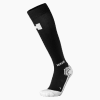
At Herzog Medical, we have been working on compression technology that supports blood circulation in your legs for over twenty years. Many people with recurring swollen ankles reach for Herzog compression socks to reduce fluid retention during a long workday, travel, or intense exercise. Compression is an addition to the other adjustments that follow, such as sufficient exercise and the correct posture during rest.

Side Image

Why do your ankles swell?

Ankle swelling occurs when fluid accumulates in the tissue around your joint. Due to gravity, fluid from your upper body and bloodstream flows to the lowest point of your body, which is often your feet and ankles. If you stand or sit for a long time, your calf muscles are less effective in pumping that fluid upwards towards your heart. Heat enhances this effect, as your blood vessels then dilate, and fluid more easily enters the surrounding tissue. This is how that familiar swollen, tight skin around your ankle develops at the end of the day.

Some situations make swollen ankles more likely. During a flight, you sit for hours in the same position with little movement, allowing fluid to easily collect in your lower legs. During intense exercise, such as running or cycling, temporary swelling occurs because your muscles and blood vessels work harder and attract more fluid. High temperatures, prolonged standing in a job that requires a lot of standing, or hormonal fluctuations can also contribute to a swollen feeling. Check out the page on swollen anklesfor more explanation about the different causes and when it is wise to investigate further.

Swollen ankles are usually harmless and will disappear on their own after rest, movement, or elevating your legs. However, it is important to remain alert for signs that do not fit with ordinary fluid retention, such as sudden swelling on one side, pain, redness, or warmth in your lower leg. These could be indications of thrombosis, in which case it is always necessary to contact your GP or specialist. Medical advice is also advisable for persistent edema, varicose veins, or lymphedema. On the collection for thick anklesyou will find more background on identifiable complaints.

Side Image

Which steps help against swollen ankles?

1. Keep moving regularly

Your calf muscles help to pump blood and fluid from your lower legs back up. Try to walk around for a bit every hour. Can't you get up, for example during a flight or meeting? Then rotate your ankles, move your feet up and down or go up on your toes a few times. Even with compression stockings, regular movement remains important.

2. Elevate your legs

Are your ankles swollen at the end of the day? Then elevate your legs a bit while resting, for example on a pillow or footstool. This can support the drainage of fluid from your lower legs. Make sure your legs are comfortably positioned and prevent only your heels or ankles from resting on a hard edge for a long time.

3. Avoid prolonged sitting or standing still

Remaining in the same position for a long time means that the calf muscles are used very little. Therefore, alternate sitting, standing, and walking as much as possible. Do you have a job where you have to stand for a long time? Then shift your weight regularly, walk a small round in between, and try not to lock your knees completely all the time.

4. Pay attention to salt and constricting clothing

Too much salt can cause your body to retain more fluid. Therefore, pay particular attention to highly processed products, ready meals, and salty snacks. Also, drink enough water throughout the day. Also avoid shoes, socks, and clothing that constrict around your feet, ankles, or lower legs.

5. Consider well-fitted compression stockings

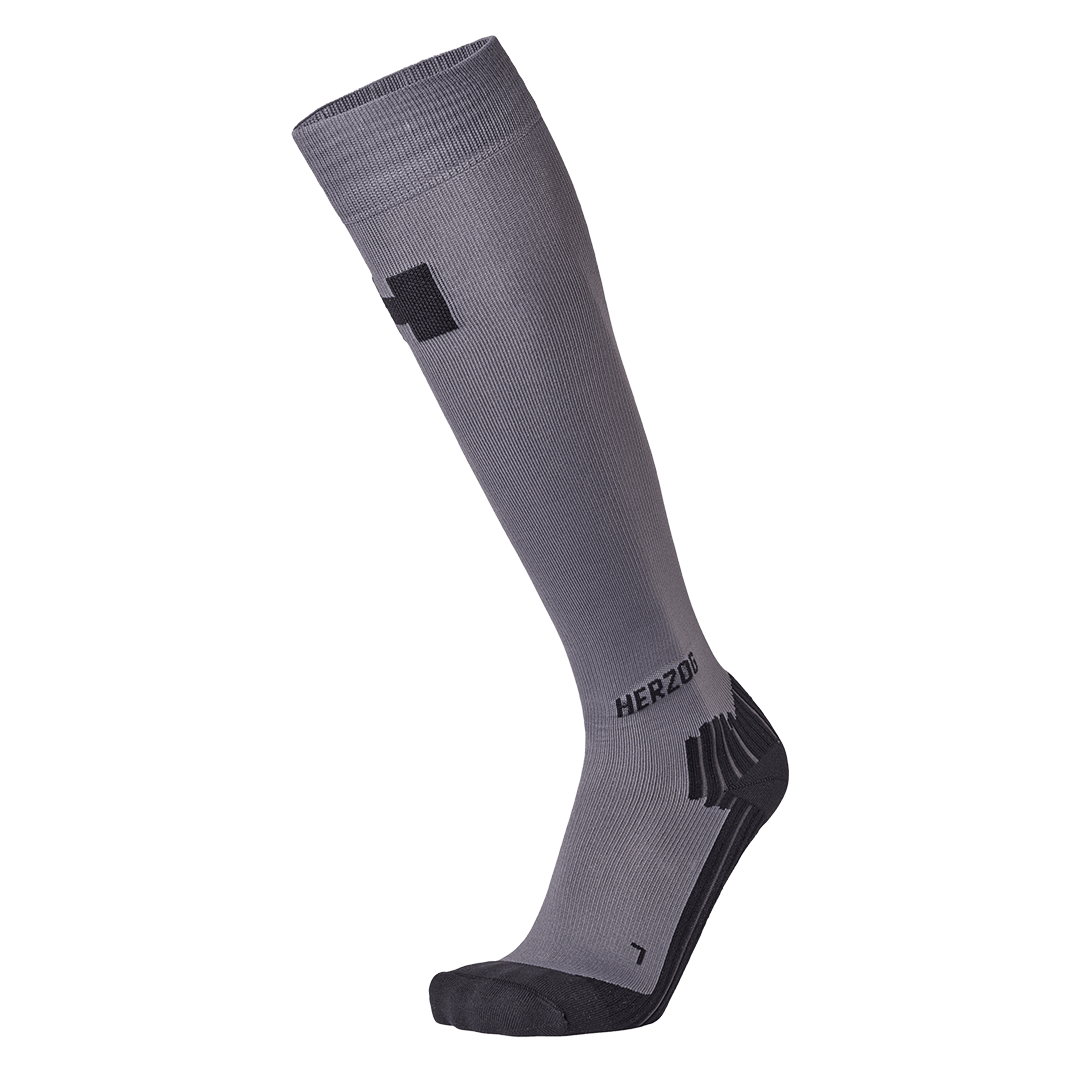
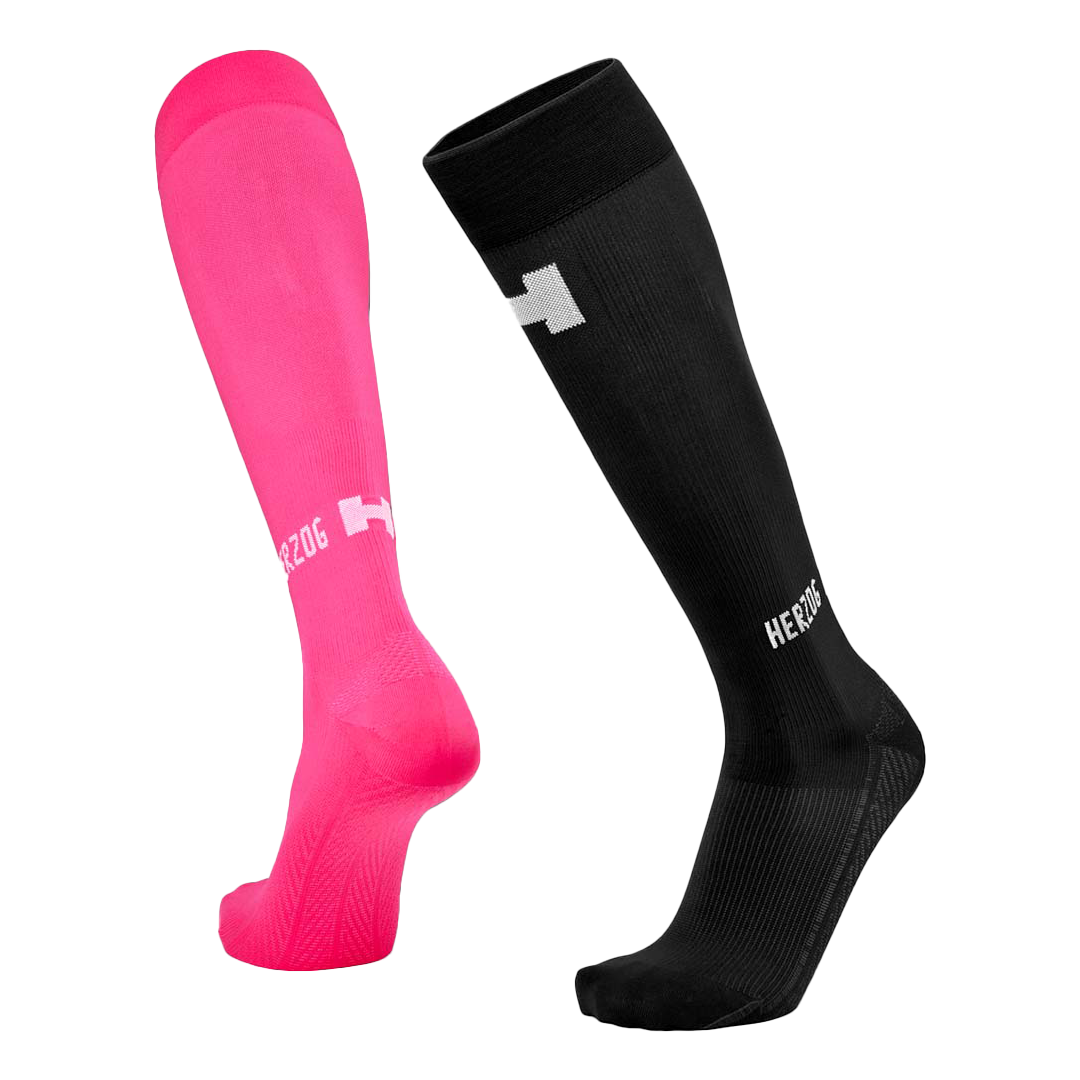
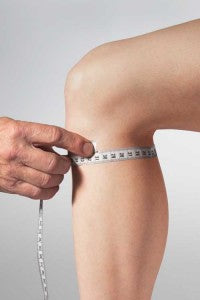
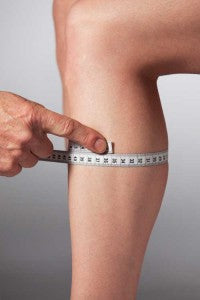
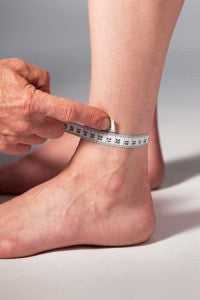
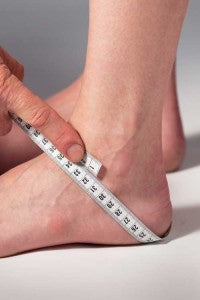
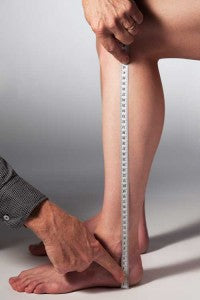
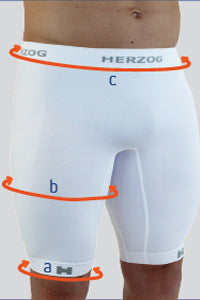
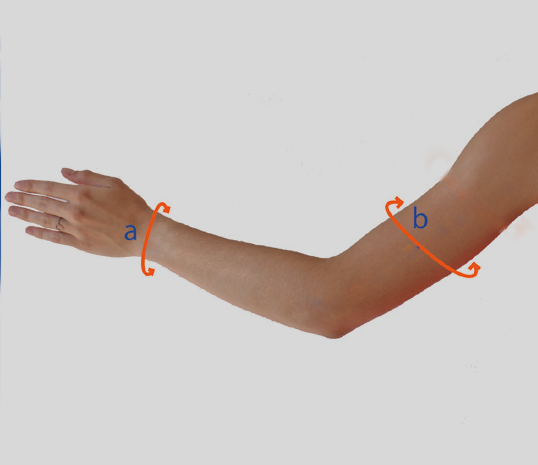
Compression stockings exert controlled pressure on the lower leg. The pressure is highest around the ankle and gradually decreases towards the knee. This supports blood flow back to the heart and can help limit fluid retention throughout the day. Proper sizing is important here. Herzog PRO Compression Stockings are therefore measured at six points around the leg.

In case of sudden swelling, swelling in one leg, pain, redness, warmth or shortness of breath, you should not keep experimenting yourself, but contact a doctor. Also have recurring or persistent swelling evaluated.

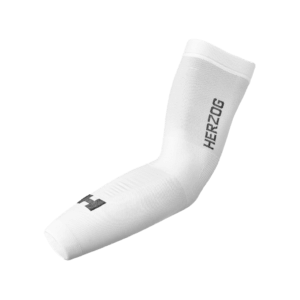
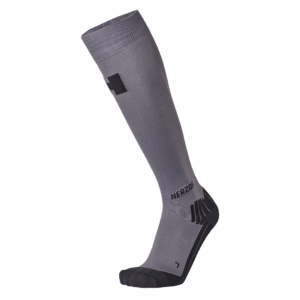
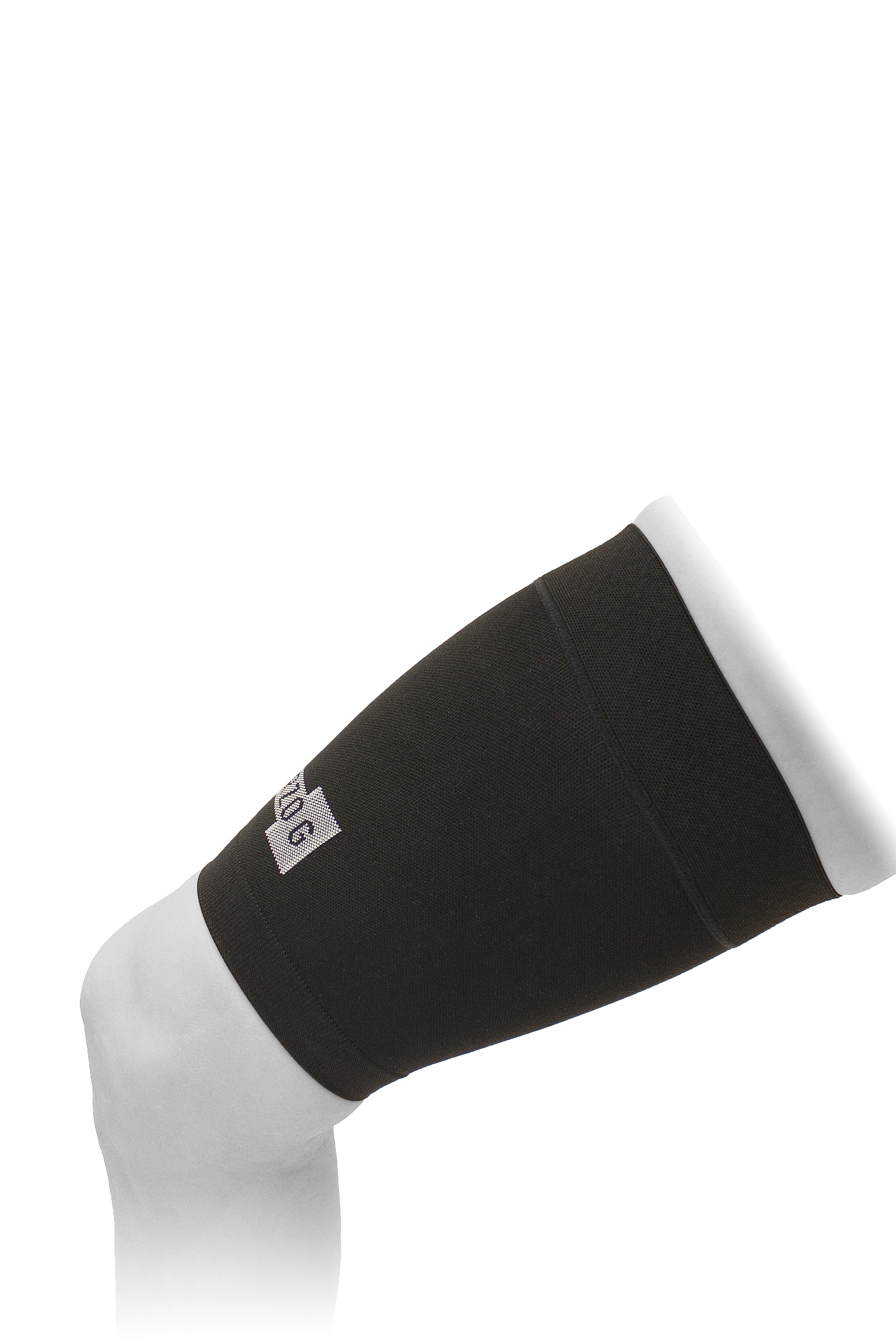
Products in this blog

Side Image

How can compression contribute to less swollen ankles?

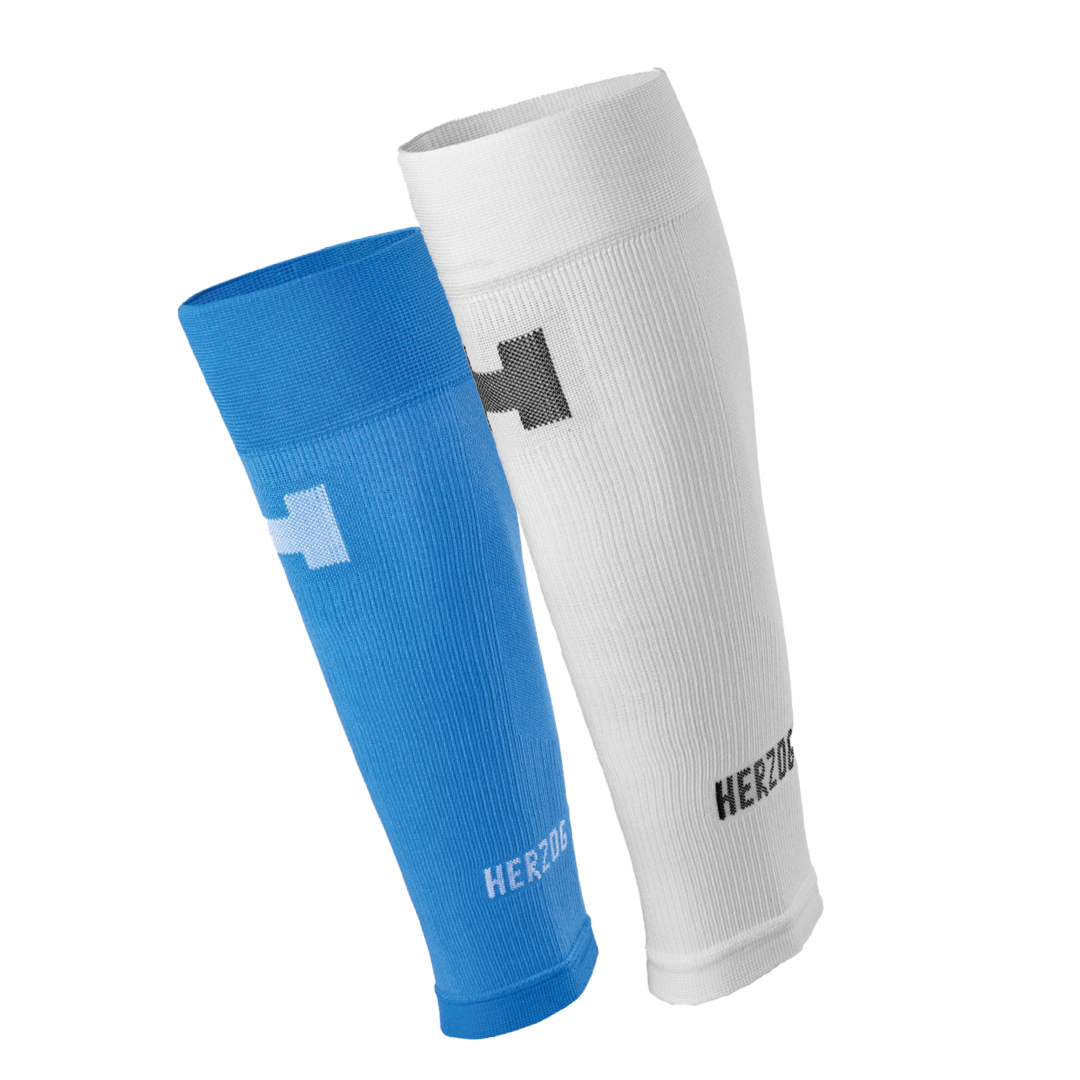
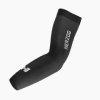
Compression garments apply controlled pressure to your lower leg, with the highest pressure at your ankle, gradually decreasing towards your knee. This gradual buildup supports the natural return flow of blood and fluid towards your heart, and can contribute to less fluid accumulation around your ankle throughout the day. The Herzog PRO Compression Socks and Herzog PRO Compression Tubes are developed based on medical compression technology and carry an MDR quality mark, which means they meet the requirements for medical devices. More explanation about this principle can be found on the page about the effect of compression.

A standard sock from the drugstore is usually available in a few fixed sizes and offers more or less the same pressure everywhere. Medical compression socks from Herzog are individually fitted based on six measuring points along your leg, so that the pressure distribution precisely matches the shape of your calf and ankle. This approach has been used for over twenty years, and the socks are used by both athletes who want to recover from training and healthcare professionals who spend long days standing. For people with a sedentary profession or a lot of travel time, this offers consistent support that goes beyond a sock that coincidentally fits.

Frequently Asked Questions

How long does it take for swollen ankles to feel normal again?

That depends on the situation and cause. If the swelling is due to a long flight or a hot day, it often subsides within a day once you move more and elevate your legs. For recurring issues, for example due to a sedentary job, it may take longer to notice the effects of adjustments. If the swelling persists, it is advisable to have it checked by a GP.

Can you wear compression stockings if your ankles are often swollen?

Many people find that compression stockings help reduce fluid retention throughout the day, especially when standing, sitting or traveling for long periods. The correct pressure gradient is important, and Herzog medical compression stockings are therefore custom-fitted. If you are unsure about the cause of the swelling, it is good to discuss this with a GP first.

When should you see a GP for swollen ankles?

See a GP if the swelling occurs suddenly, is on one side, is accompanied by pain, redness or warmth, or does not subside after rest. These can be signs of thrombosis or another underlying condition that requires further investigation. Medical advice is also recommended for persistent edema or lymphedema.

Relevant blogs

6 Effective tips to prevent and relieve shin splints

Prevent and alleviate shin splints with 6 practical tips for runners. Less pain, faster recovery, and better training.

Treating Whiplash: 3-Phase Recovery with Compression and Cold Therapy

Recovering from a calf strain? Discover the 3 recovery phases and how compression and cold therapy can contribute to optimal and responsible recovery.

All about calf problems: causes, symptoms, and what you can do about them

Suffering from calf complaints? Read all about possible causes, common symptoms, recovery, and what you can do to prevent calf complaints.