Calf cramps while running: these are the most common causes

Calf cramps during running often strike unexpectedly. Sometimes you feel a slight twinge after a few kilometers, other times the cramp suddenly hits during a sprint at the end of a long run. The result is almost always the same: your pace drops, you have to slow down or you stop altogether. For many runners, this is a recurring problem that doesn't just disappear, not even with extra stretching exercises.

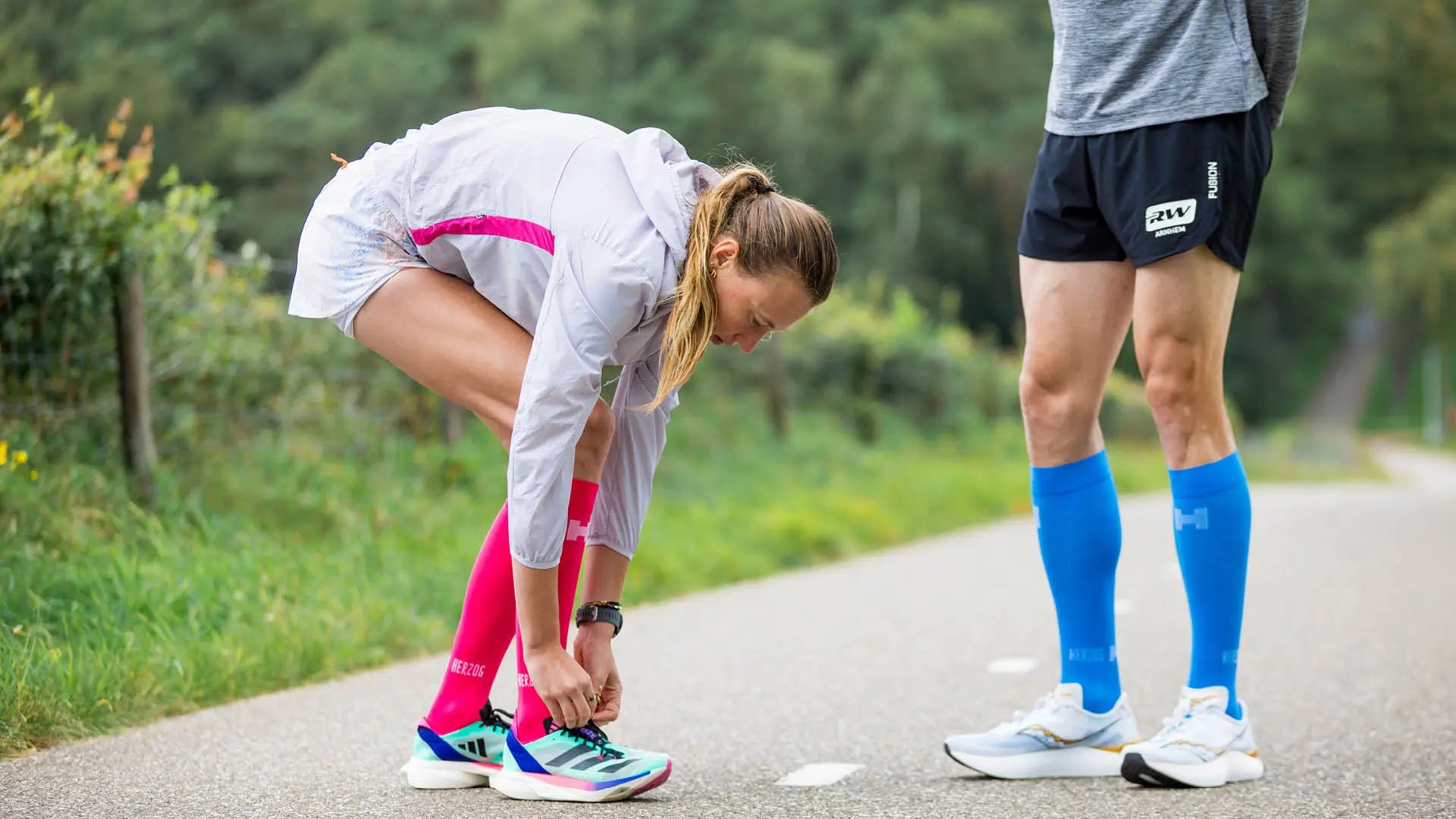
At Herzog Medical, we regularly receive questions from runners looking for a way to better support their calves during running. Often these are runners who notice that their calf muscles tire sooner than the rest of their body, and who are curious if Herzog compression socks can help. Calf cramps rarely occur out of nowhere; usually, multiple factors play a role simultaneously.


Side Image

What causes calf cramps during running?

Calf cramps usually occur because the calf muscle has to work harder than it's used to. This happens, for example, when you run faster than your fitness level allows, when you cover a long distance after a period of little training, or when you run on a hilly course. The muscle then fatigues more quickly and is less able to relax between contractions. This increases the chance of an unexpected cramp, especially in the last kilometers of a long run or during an intense final sprint.

Dehydration and an electrolyte imbalance also often play a role. During running, you lose fluids and minerals such as sodium, potassium, and magnesium through sweat. When this balance is disturbed, nerve impulses to the muscle are transmitted less smoothly, and the calf muscle is more prone to cramping. You particularly notice this on warm days, during long runs, or if you haven't eaten or drunk enough beforehand. Anyone who regularly suffers fromcalf complaintswould do well to chart this pattern.

In addition, the structure of your training plays a big role. A sudden increase in distance, pace, or intensity gives the calf muscle little time to adapt to the new load. A cold muscle, for example, if you start without a warm-up, is also more susceptible to cramps. Poorly fitting footwear or a running technique where you push off a lot on your forefoot can also put extra strain on the calf muscle. All these factors can occur independently, but in practice, they often appear together.

Side Image

What role do fatigue and circulation play in calf cramps?

As a workout progresses, your circulation has to work harder and harder to transport oxygen and nutrients to the calf muscle and remove waste products. During prolonged exertion, this removal can lag, causing waste products to accumulate in the tissue. This contributes to a heavy and stiff feeling in the calves and can increase the risk of cramps. Especially during runs over ten kilometers, runners notice that their calves feel less supple at the end of the workout than at the beginning.

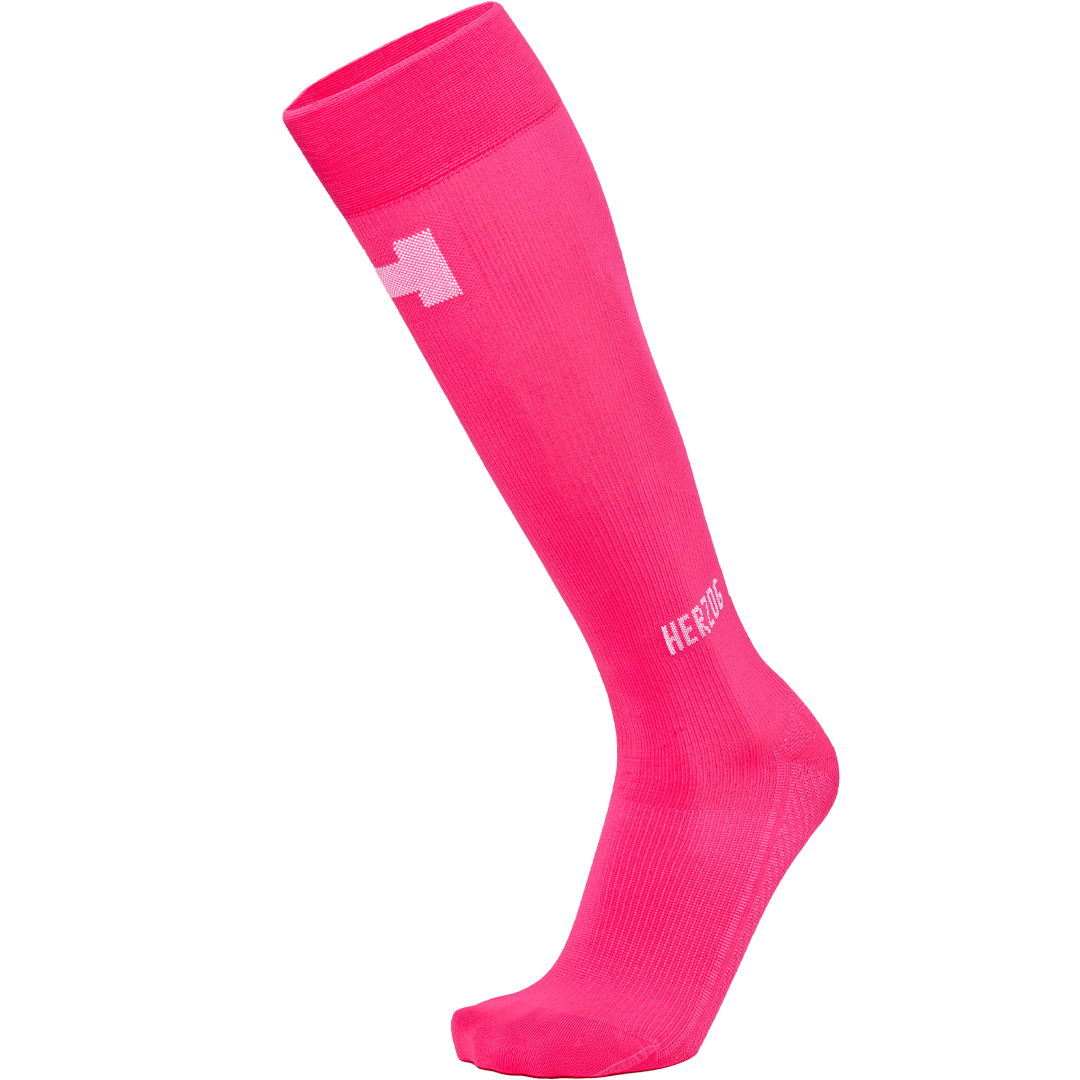
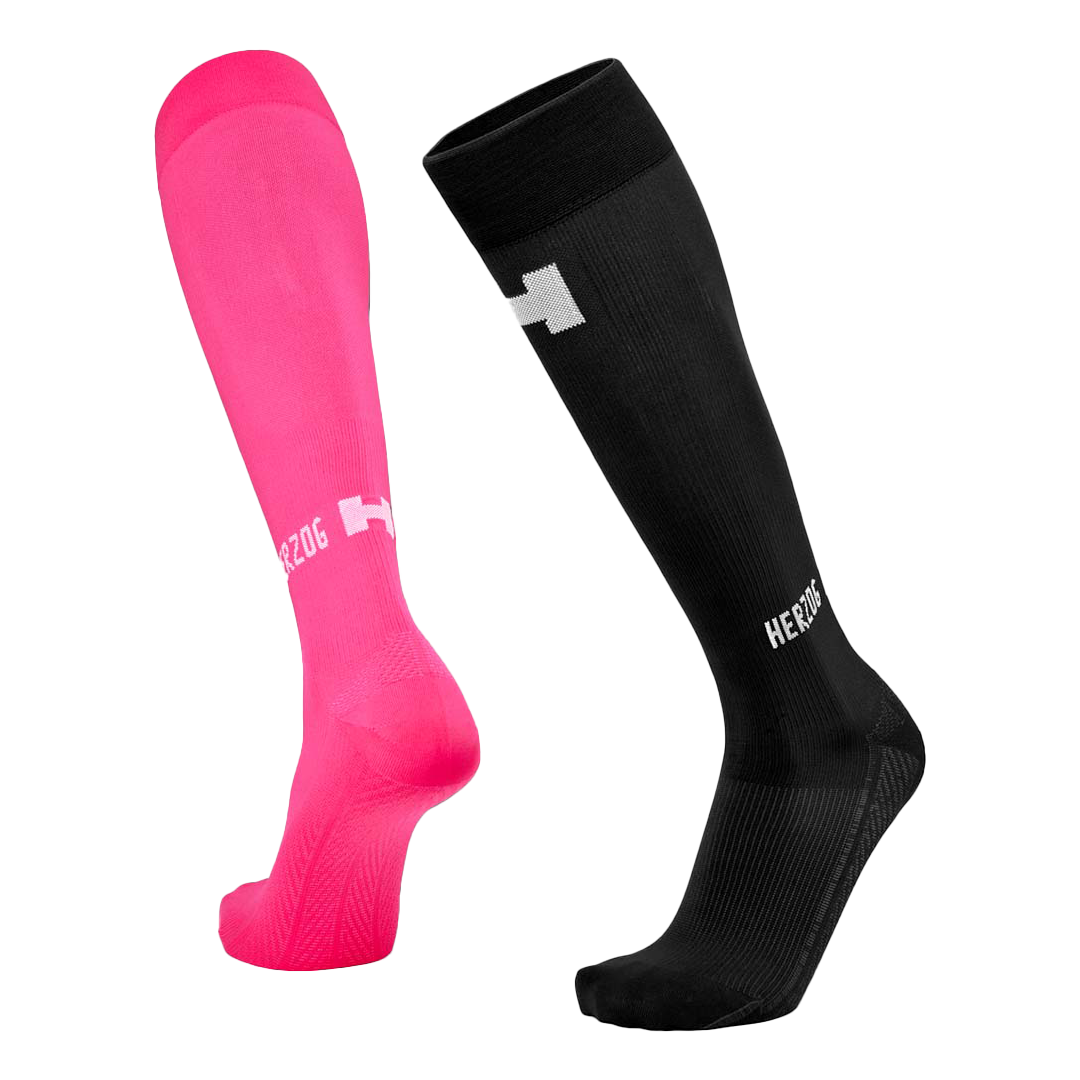
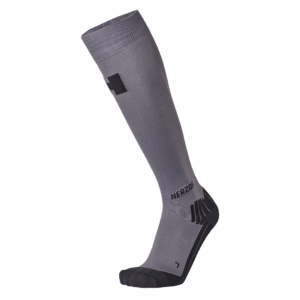
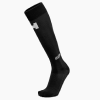
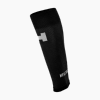
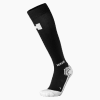
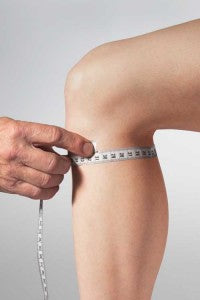
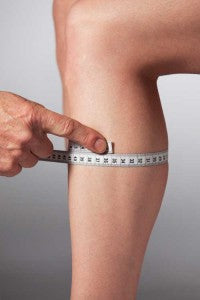
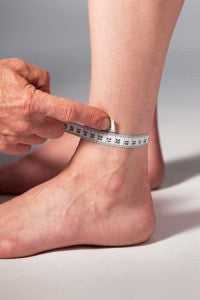
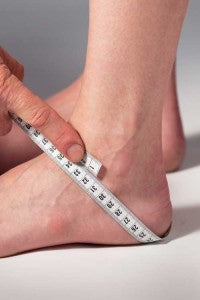
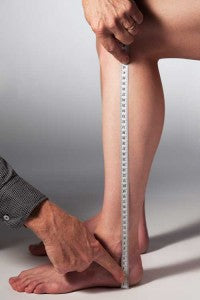
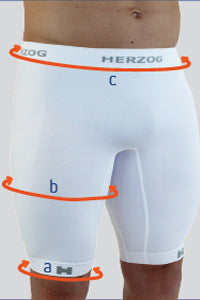
Compression can provide support here by stimulating blood flow in the calf muscle. Herzog's compression technology was developed from medical compression technology and is therefore not only used by athletes but also by healthcare professionals who deal with blood circulation and recovery daily. The difference with a standard sock lies in the pressure distribution. Herzog PRO Compression Socks are individually measured at six points, so that the pressure gradually decreases from ankle to calf. More explanation about this principle can be found under how compression works.

This controlled pressure gradient, also called gradual, supports venous drainage towards the heart while you are running or just after training. For runners who cover many kilometers, this can contribute to less heaviness in the calves during and after exertion. It is not a guarantee against cramps, because fatigue, hydration, and training play at least as significant a role. However, it is one of the reasons why many runners use compression as part of their training routine, in addition to paying attention to specific build-up during running.

Products in this blog

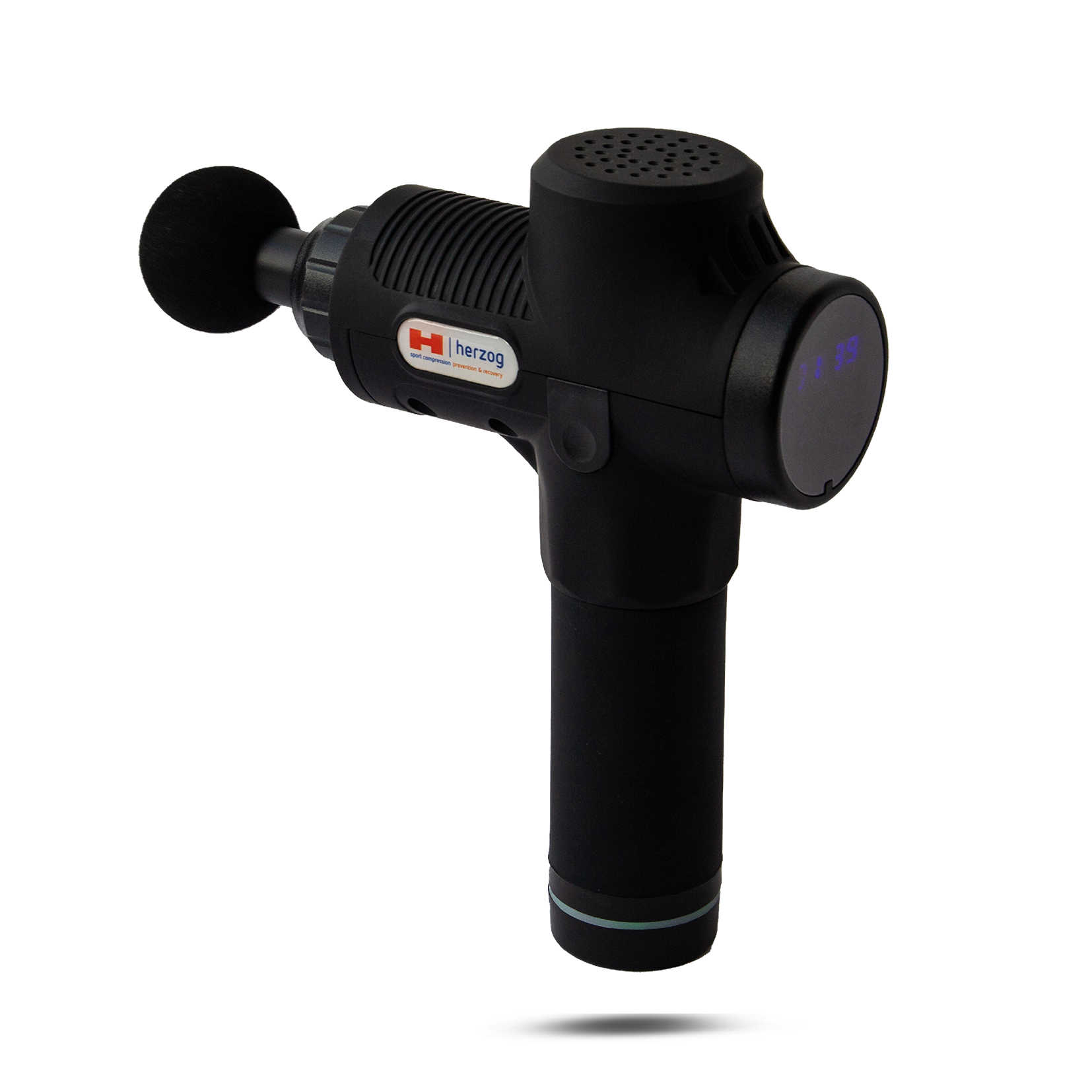
Recovery Gun
€175,00
Recovery Gun
€175,00
Side Image

When should you be concerned about calf pain?

Most calf cramps while running are harmless and disappear after rest, stretching, and sufficient hydration. However, it is important to distinguish between ordinary muscle cramps and symptoms that indicate something else. Persistent pain that does not subside after training, a swollen calf, a leg that feels warm to the touch, or pain that worsens at night are signals that warrant further investigation. This is especially true if the symptoms are in one leg and are not clearly related to your last training session.

For ordinary, training-related calf cramps, the solution usually lies in structuring your training schedule, adequate hydration, and resting on time. For over twenty years, Herzog Medical has been developing compression solutions that support these types of training complaints, from Herzog PRO Compression Stockings with MDR certification to Herzog medical compression stockings used in healthcare. This experience from both sports and medical applications translates into products that are built according to a well-thought-out, gradual pressure distribution. This ensures that the support matches what the calf muscle actually needs during and after running.

Frequently asked questions

What is the fastest way to relieve calf cramps during running?

Often, stopping briefly, gently stretching the calf, and drinking something helps. Cramps due to dehydration or electrolyte deficiency usually subside within a few minutes. If the muscle continues to feel stiff or the cramps keep recurring, it is advisable to critically review your training progression and nutrition.

Can compression prevent calf cramps during running?

Compression can support blood flow in the calf muscle and contribute to a less heavy feeling during and after running. It is not a guarantee against cramps, as fatigue, hydration, and training progression are at least as important. Many runners therefore use compression as a supplement to this foundation, not as a replacement for it.

When are calf cramps a sign of something other than muscle fatigue?

If pain persists after training, the calf feels swollen or warm, or the complaints are only in one leg, it is advisable to consult a doctor. This is especially true if thrombosis is suspected, as this always requires medical assessment.

Relevant blogs

6 Effective tips to prevent and relieve shin splints

Prevent and alleviate shin splints with 6 practical tips for runners. Less pain, faster recovery, and better training.

Treating Whiplash: 3-Phase Recovery with Compression and Cold Therapy

Recovering from a calf strain? Discover the 3 recovery phases and how compression and cold therapy can contribute to optimal and responsible recovery.

All about calf problems: causes, symptoms, and what you can do about them

Suffering from calf complaints? Read all about possible causes, common symptoms, recovery, and what you can do to prevent calf complaints.