
A sudden, sharp pain in the calf, as if someone is hitting your leg with a whip. Many athletes immediately recognize this feeling. A calf strain is a common calf injury that often occurs during running, football, tennis, padel, or other sports involving explosive movements. The pain comes without warning, in the middle of a sprint, a take-off, or a sudden change of direction, making it almost impossible to continue at that moment.
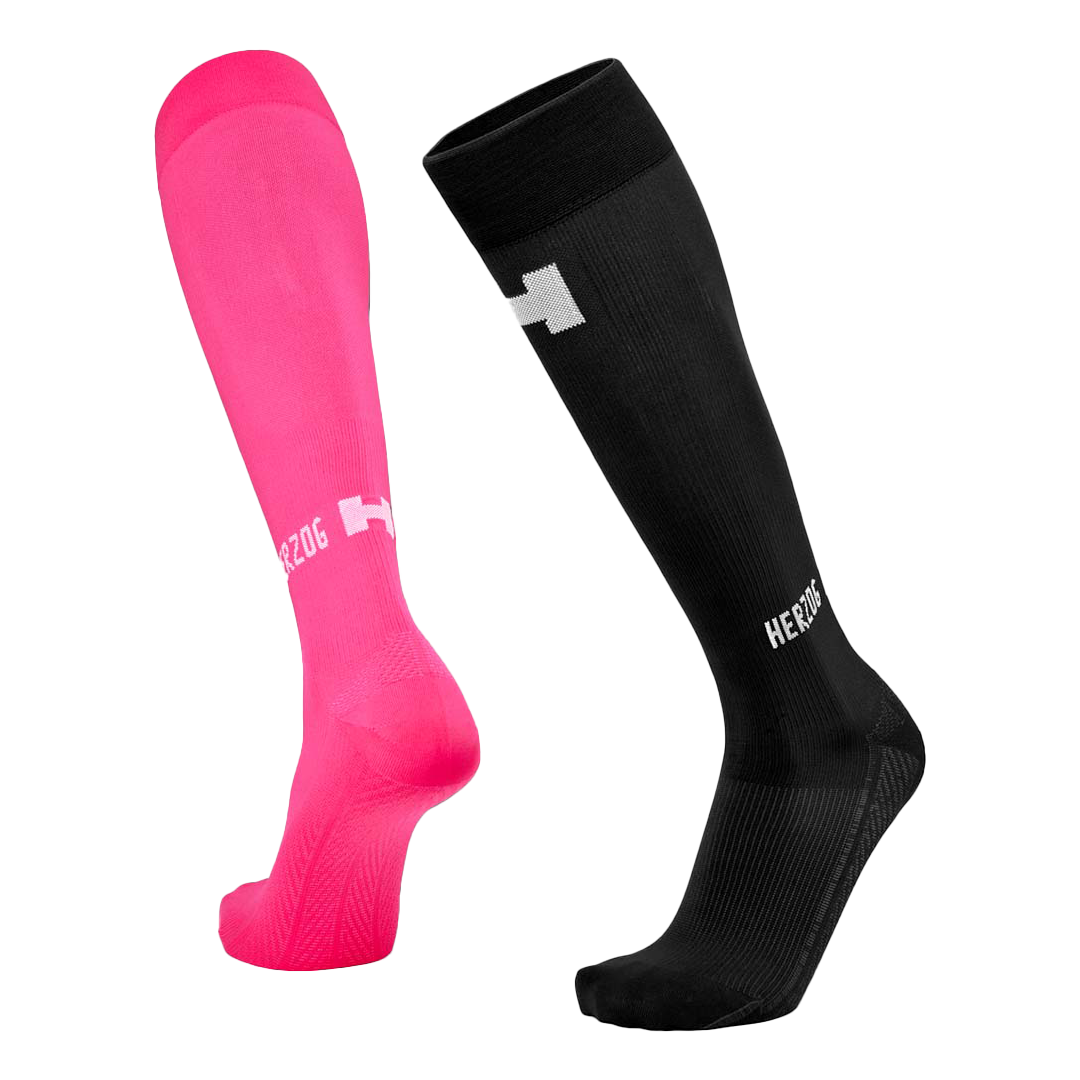
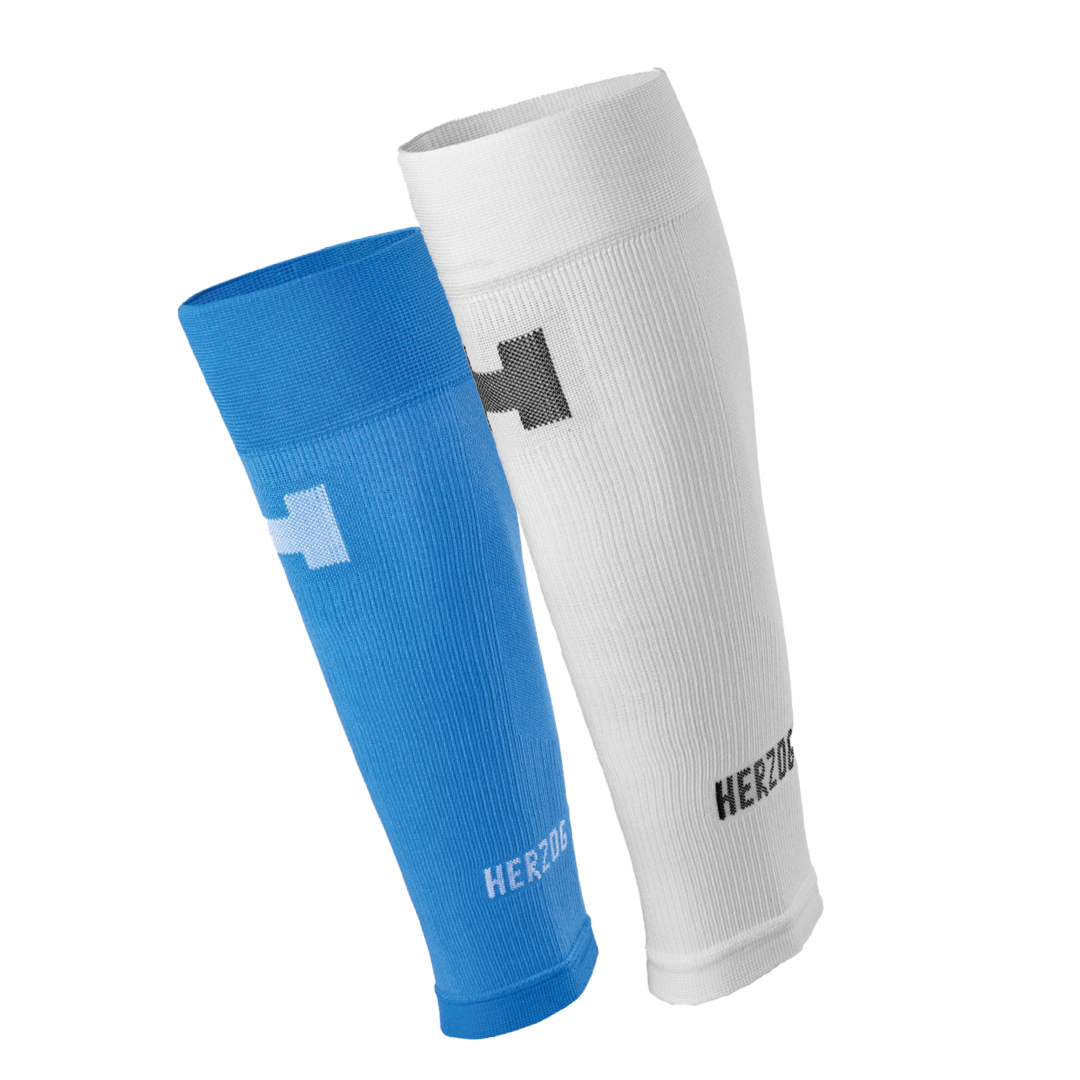
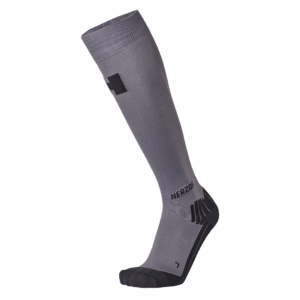
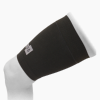
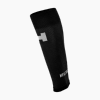
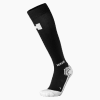
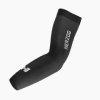
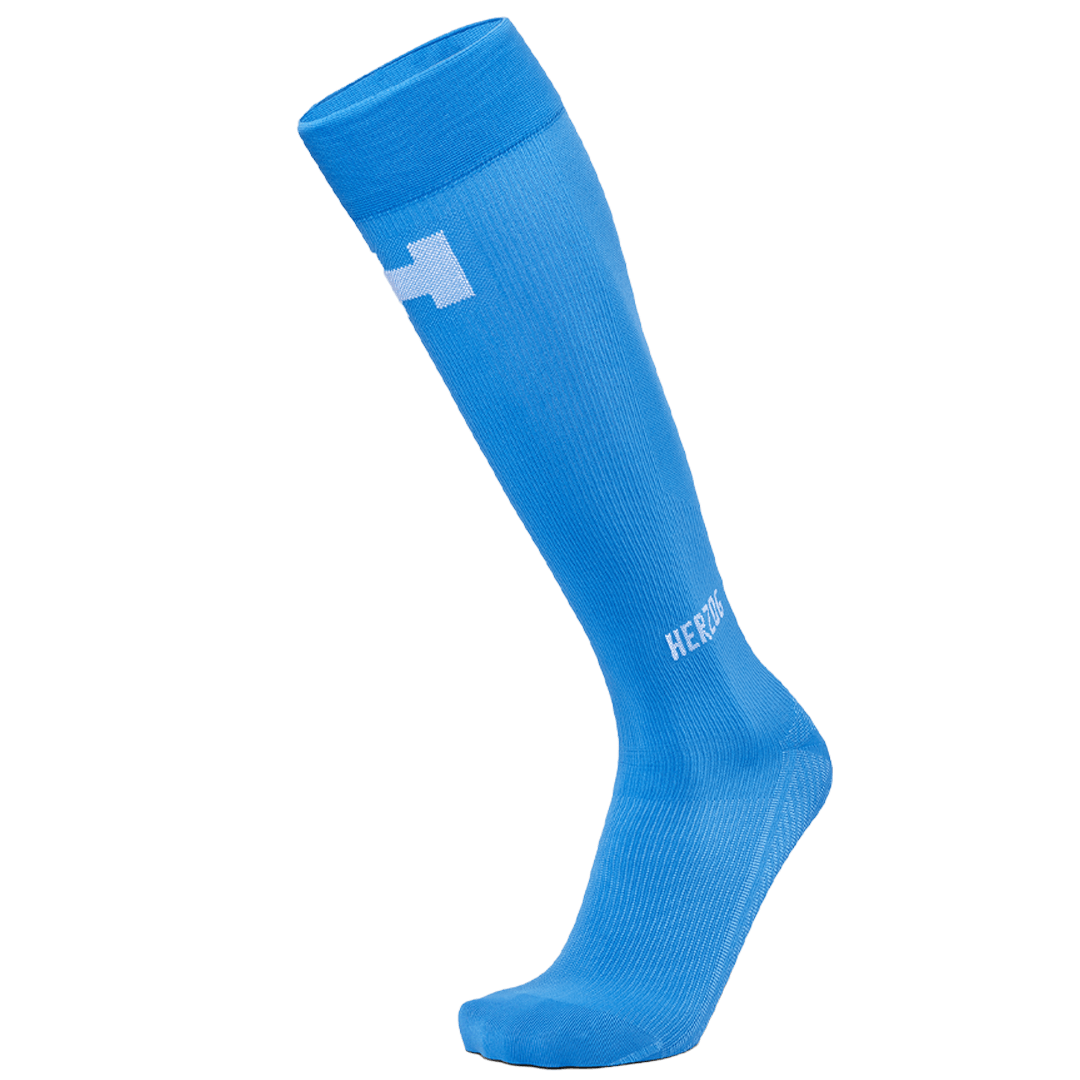
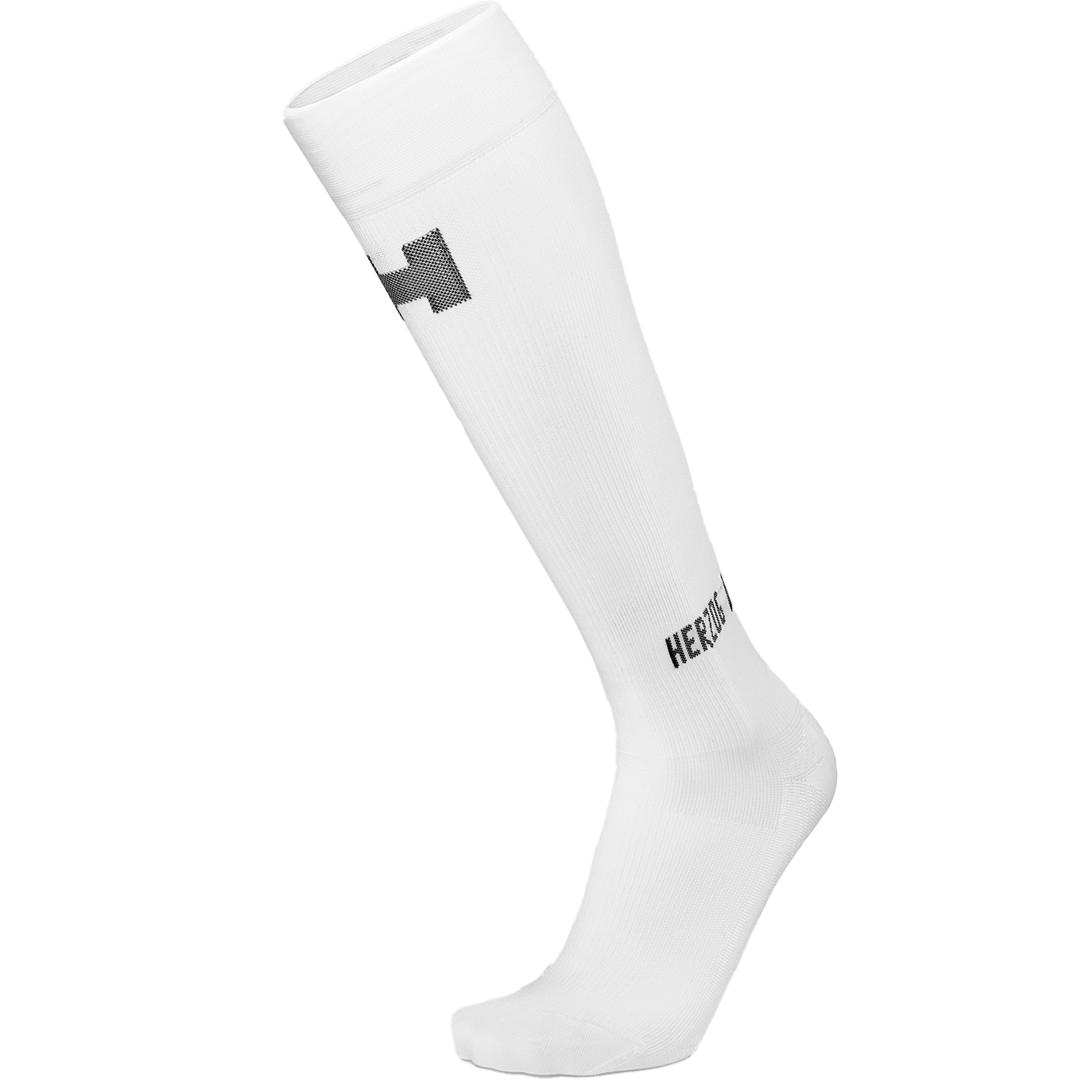
After a calf strain, recovery primarily revolves around rest, gradual loading, and limiting swelling in the calf muscle. Many athletes turn to Herzog compression socks during this phase, as they can support blood circulation and provide a comfortable foundation for recovery, in addition to rest and gradual build-up. This makes them a practical aid, based on Herzog's compression technology, which has been used for over twenty years for calf complaints and other calf injuries.


Products in this blog

Relevant blogs

6 Effective tips to prevent and relieve shin splints
Prevent and alleviate shin splints with 6 practical tips for runners. Less pain, faster recovery, and better training.

Treating Whiplash: 3-Phase Recovery with Compression and Cold Therapy
Recovering from a calf strain? Discover the 3 recovery phases and how compression and cold therapy can contribute to optimal and responsible recovery.

All about calf problems: causes, symptoms, and what you can do about them
Suffering from calf complaints? Read all about possible causes, common symptoms, recovery, and what you can do to prevent calf complaints.