
Heavy legs during pregnancy: what causes them and what can you do about it?

During pregnancy, a lot changes in your body, and one of the most common complaints is the feeling of heavy, tired legs. Especially towards the end of the day, your legs can feel heavy, your ankles may swell slightly, or you may notice that you retain fluid more easily. In warm weather, standing for long periods, or sitting a lot, these complaints often increase, making you sometimes barely want to stand on your feet in the evening.

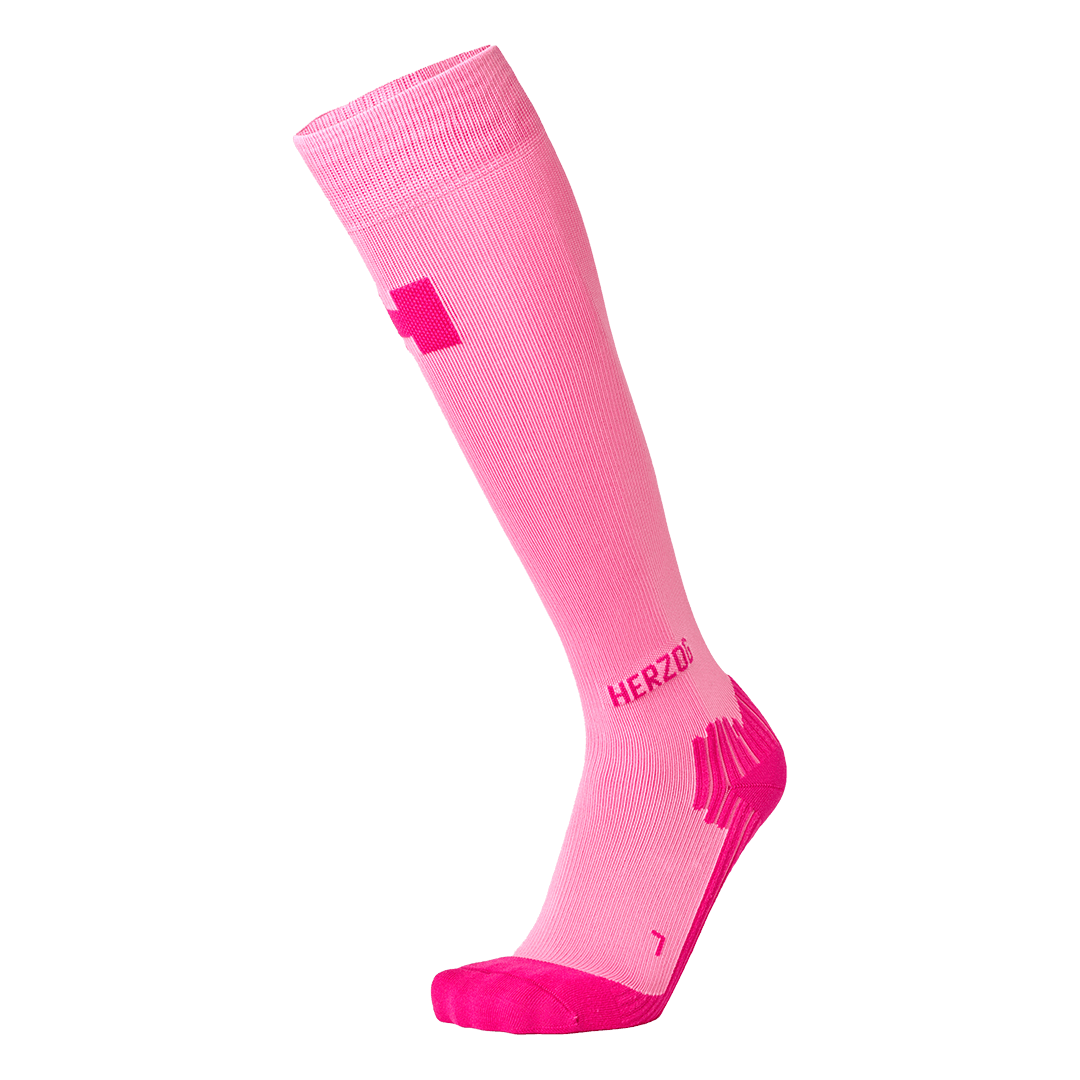
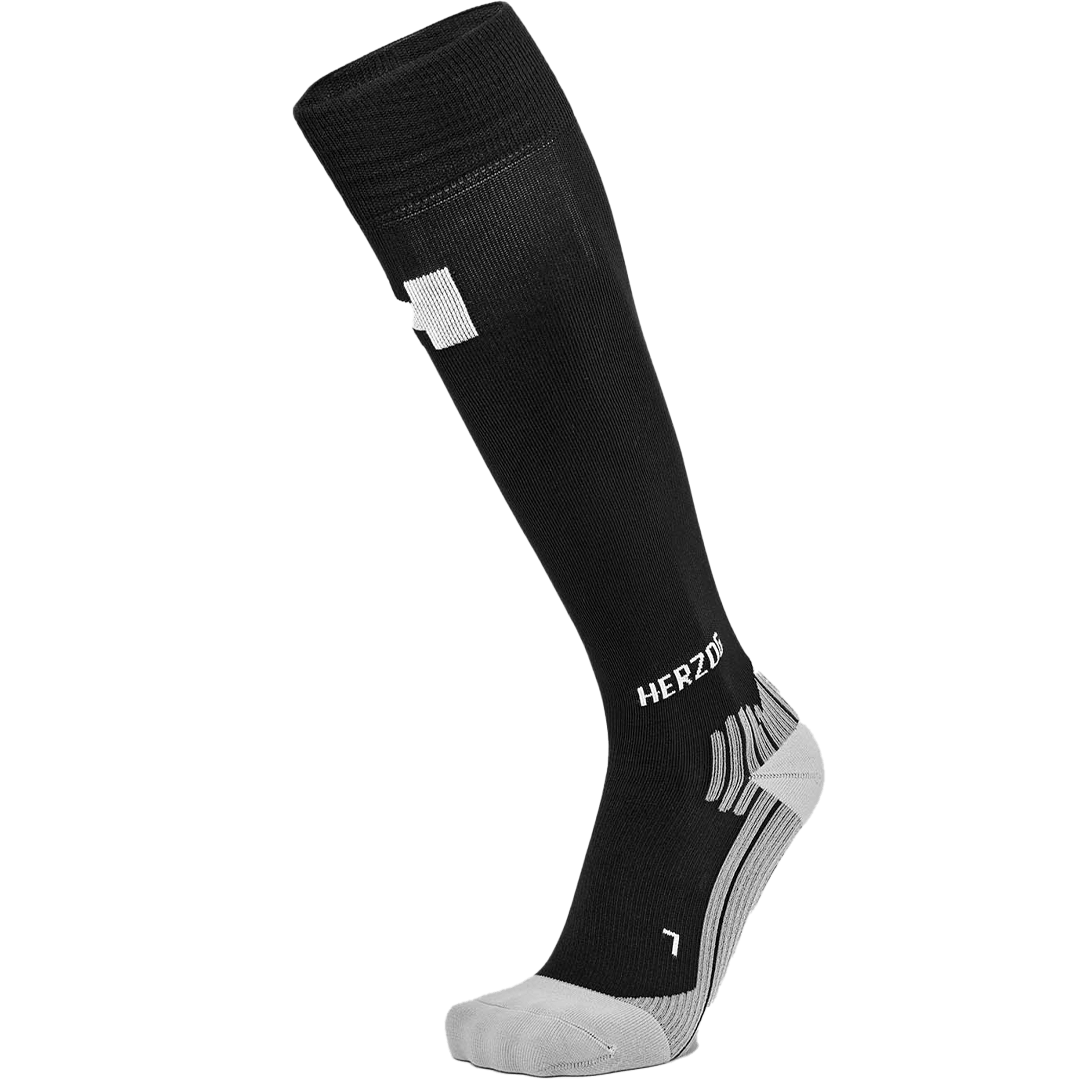
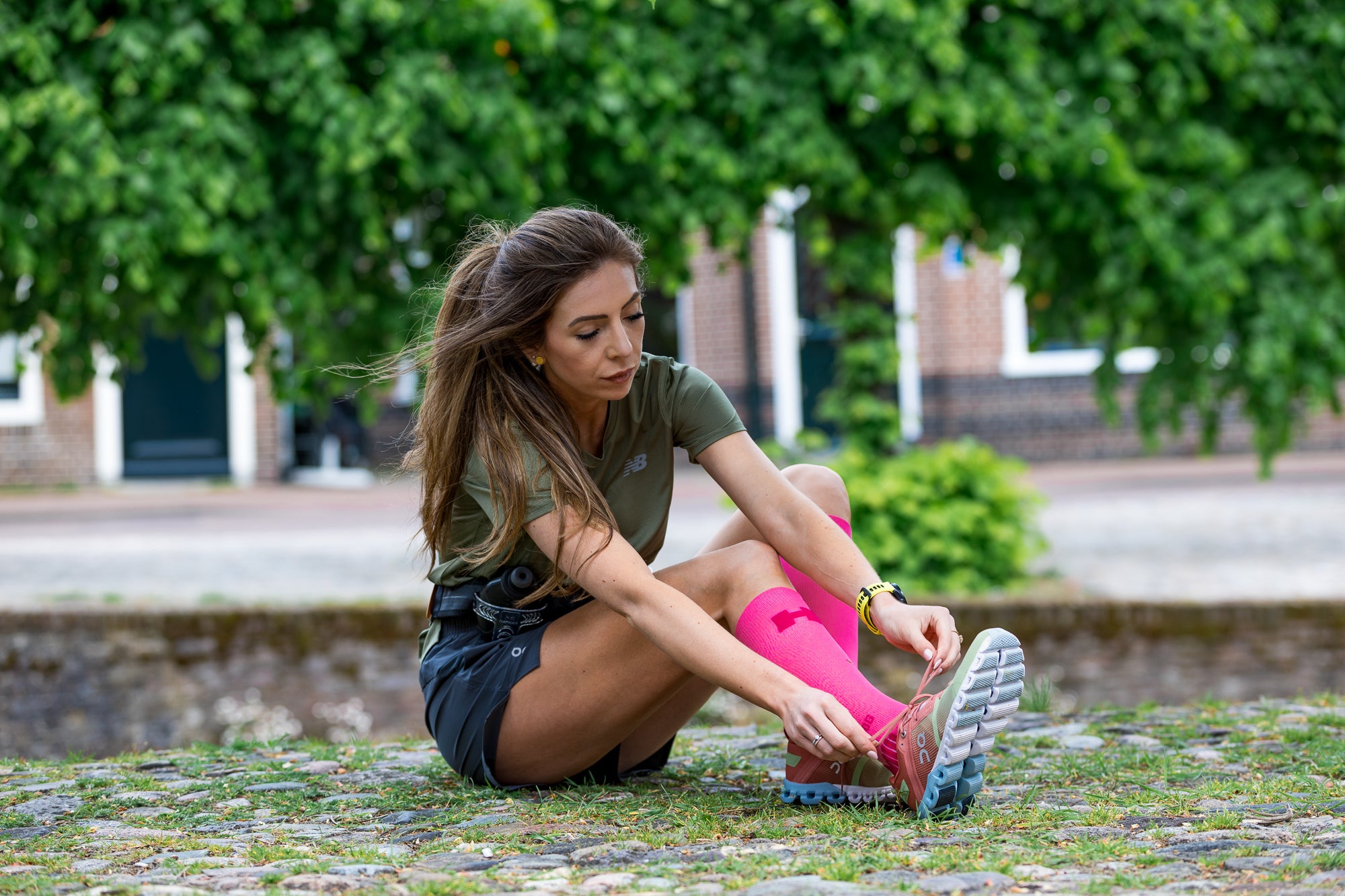
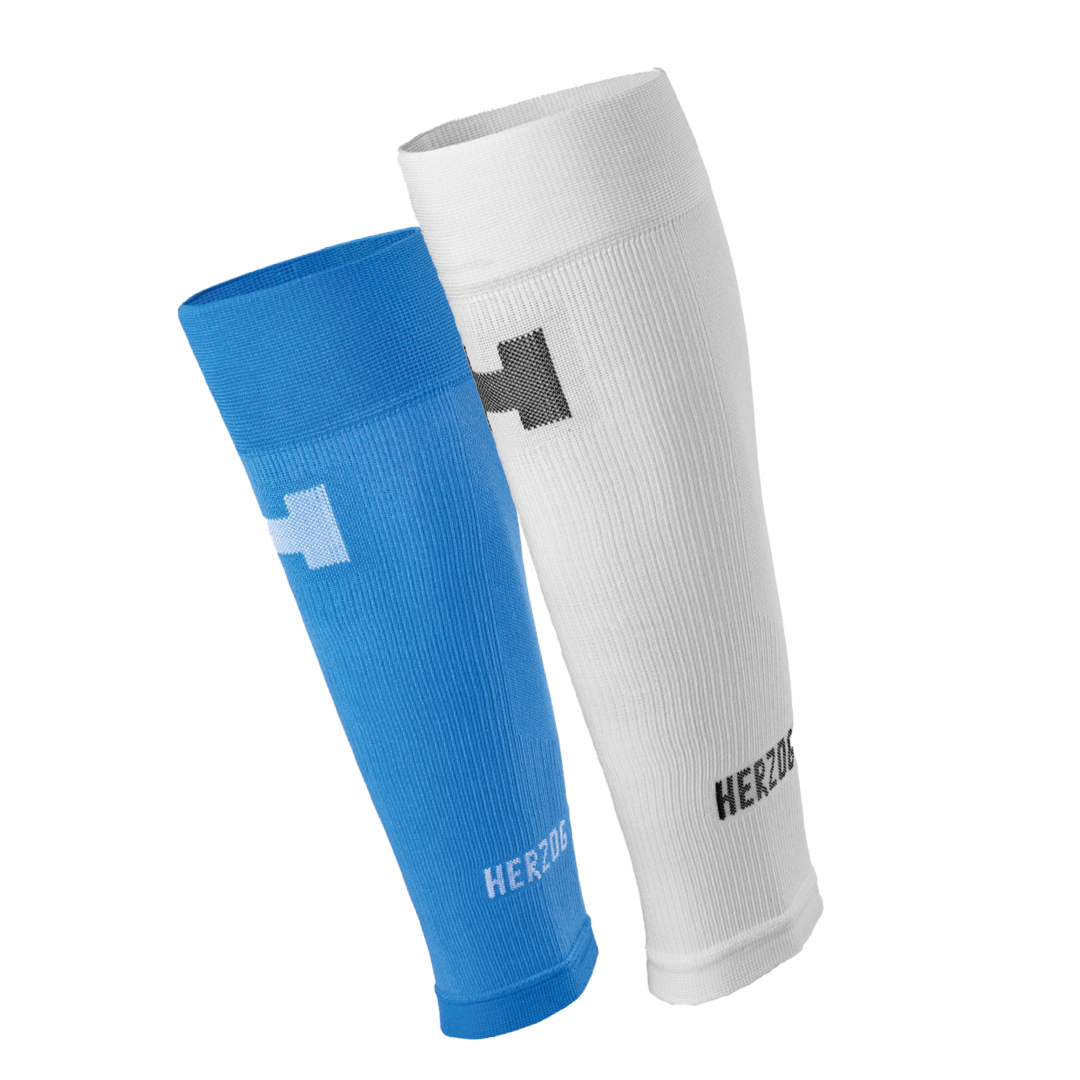
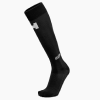
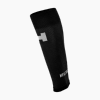
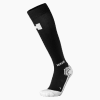
Herzog develops medical and sports compression for various situations, and many pregnant women turn to Herzog compression stockings to relieve the heavy feeling in their legs. The controlled pressure can support blood circulation, preventing fluid retention and making your legs feel lighter at the end of the day. Why that heavy feeling arises, and what you can do yourself to make your legs feel more comfortable, depends on a few clear factors.

Side Image

What causes the heavy feeling in your legs during pregnancy?

During pregnancyyour body produces more of the hormone progesterone, which relaxes the walls of your blood vessels. This is necessary to prepare your body for pregnancy, but it also means that the veins in your legs become less constricted. As a result, blood is pumped back to your heart less efficiently, and it tends to pool in your lower legs and feet. This explains why many women experience a heavier feeling in their legs early in pregnancy, even before their belly really grows.

Additionally, the amount of blood in your body increases significantly during pregnancy to provide both you and the baby with enough oxygen and nutrients. This extra volume must be pumped through the same veins, which increases the pressure in the blood vessels of your legs. From the second trimester, the growing uterus also presses on the large vein that transports blood from your legs to your heart. This combination of more volume and less space makes it easier for fluid and blood to accumulate in your lower legs, ankles, and feet.

The increase in body weight and the change in your posture also play a role. Your center of gravity shifts, causing you to stand and walk differently, which can put extra strain on your lower legs. Many women also move less in the last months of pregnancy, simply because standing or walking for long periods feels more tiring. Less movement means that your muscles help less to pump blood upwards, which can increase the risk of swollen anklesduring pregnancy.

Side Image

Why do heavy legs get worse in heat or prolonged standing?

In warm weather, your blood vessels expand further to dissipate heat, which helps regulate your body temperature. This is less favorable for blood circulation in your legs, as wider veins transport blood even more slowly. In combination with the changes already brought about by pregnancy, you will therefore experience a heavy, tense feeling in your lower legs more quickly on warm days. Many women notice that their ankles feel noticeably thicker in the evening than in the morning, especially during warm summer days.

Standing still for a long time or sitting for a long time has a similar effect, because your leg muscles are then less active in pumping blood back to your heart. If you have a sedentary job, you often notice this extra during pregnancy, as you already retain more fluid. Standing work, such as in healthcare or hospitality, also puts a lot of strain on your legs when you cannot move much in between. Small movements, such as regularly stretching your feet or walking around for a bit, help to keep blood circulation going.

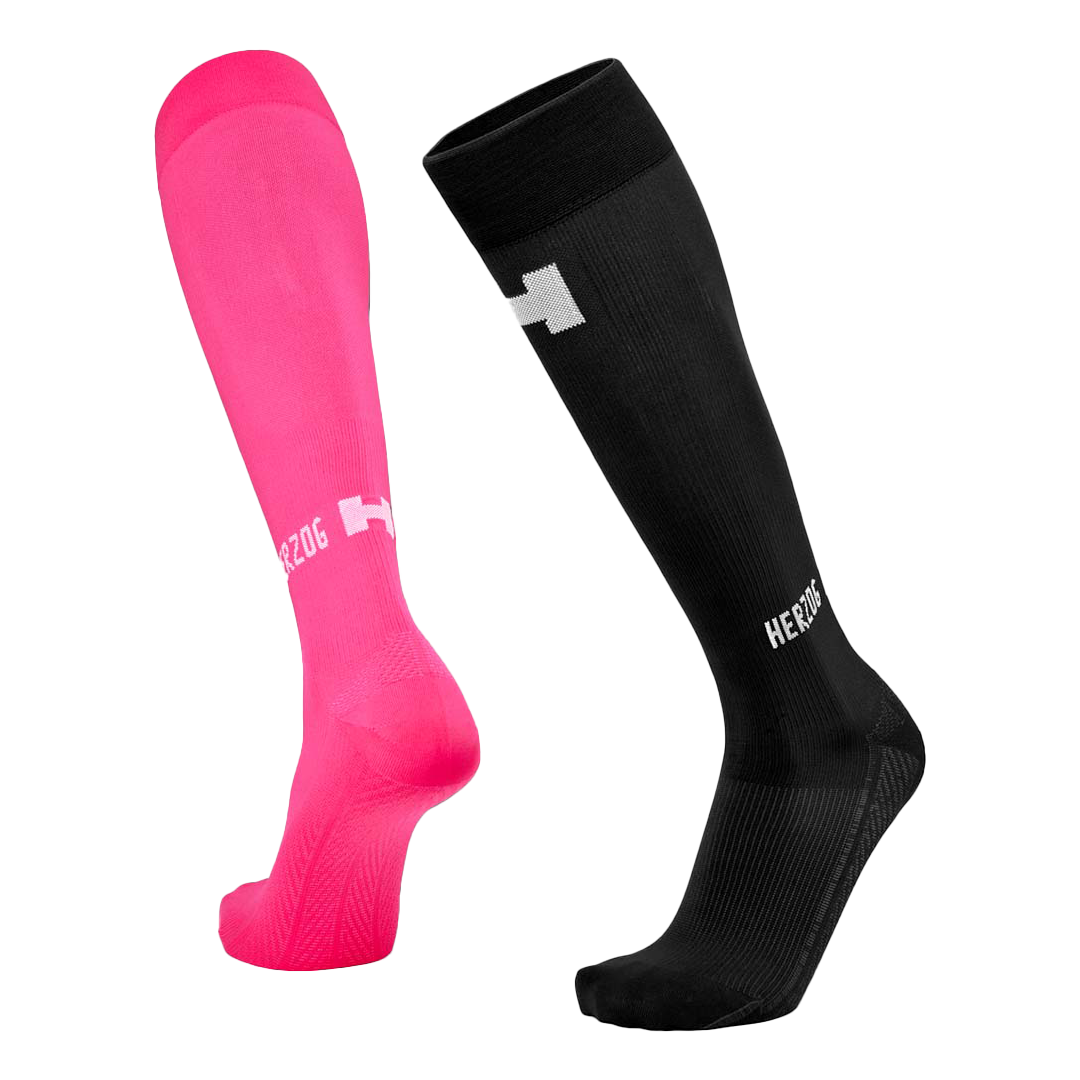
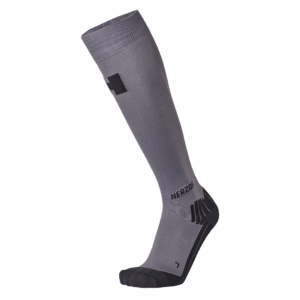
As pregnancy progresses, especially in the third trimester, these complaints become stronger for many women. The belly is then larger, body weight is higher, and the pressure on the blood vessels in the pelvis is greater. This is also when many women start looking for support, and Herzog PRO Compression Stockingsor Herzog Support Compression Stockingsare then regularly mentioned as an option to support blood circulation throughout the day. The controlled gradual pressure distribution ensures that the pressure at the bottom of the leg is highest and gradually decreases, in line with how blood flows towards your heart.

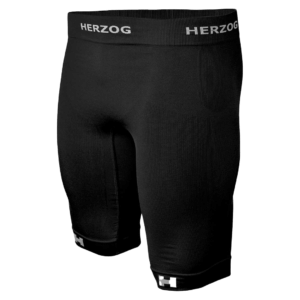
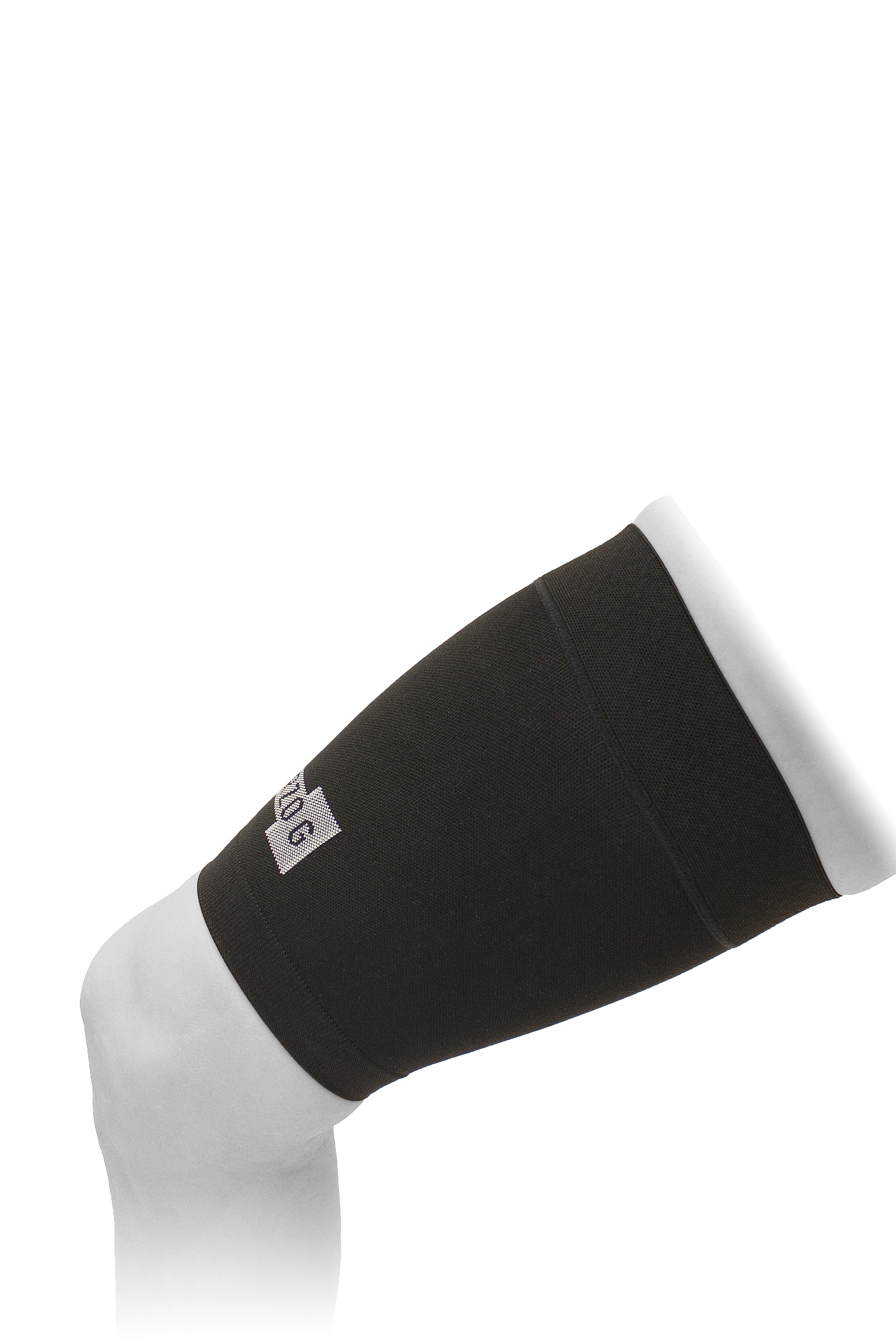
Products in this blog

Side Image

What can you do yourself to alleviate heavy legs, and when should you consult a specialist?

There are several things you can do yourself to make your legs feel more comfortable during pregnancy. Regular exercise, such as taking a short walk, keeps the blood circulating and prevents fluid from stagnating. It also helps to elevate your legs above your heart occasionally, for example, by placing a pillow under your feet when sitting or lying down. Cooling with lukewarm water on warm days and drinking enough fluids can also contribute to a lighter feeling in your legs.

Heavy legs during pregnancy are usually harmless and are part of the normal changes in your body. However, it is important to be alert to signs that may indicate something else, such as sudden swelling in one leg, redness, warmth, or persistent pain. These could be symptoms of thrombosis, and that always requires assessment by your GP or midwife. Also, with persistent varicose veinsor severe swelling that does not subside after rest, it is advisable to have this checked by a healthcare professional.

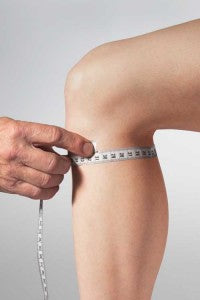
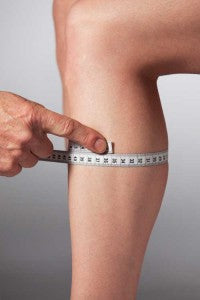
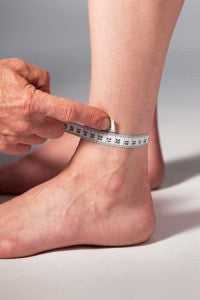
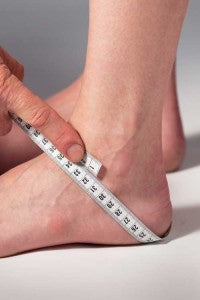
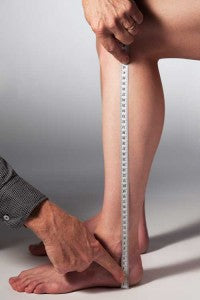
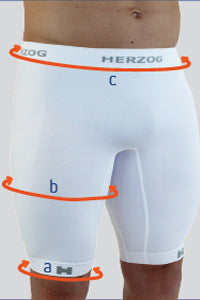
Compression can be a valuable addition to exercise and sufficient rest during pregnancy, as it applies gentle external pressure that supports blood return. Herzog has been a specialist in compression for over twenty years, and Herzog's compression technology is used by both athletes and healthcare professionals. Herzog compression stockings are individually measured at six points, so that the pressure distribution matches the shape of your legs. How compression worksexplains how this controlled pressure can support blood circulation, which can also be relevant during pregnancy.

Frequently asked questions

Are heavy legs during pregnancy normal?

Yes, a heavy feeling in your legs is common during pregnancy and is often associated with hormonal changes and increased blood volume. However, in the case of sudden, unilateral swelling or pain, it is advisable to have this assessed by your GP or midwife.

Can compression stockings help with heavy legs during pregnancy?

Compression stockings can contribute to better circulation by applying light pressure that supports the return of blood to the heart. Many women experience a lighter feeling in their legs as a result, although this varies from person to person.

When should I contact my GP during pregnancy?

Contact your doctor if you experience sudden swelling in one leg, redness, warmth, or persistent pain, as these can be signs of thrombosis. It is also advisable to have persistent, severe swelling that does not subside after rest checked.

Relevant blogs

6 Effective tips to prevent and relieve shin splints

Prevent and alleviate shin splints with 6 practical tips for runners. Less pain, faster recovery, and better training.

Treating Whiplash: 3-Phase Recovery with Compression and Cold Therapy

Recovering from a calf strain? Discover the 3 recovery phases and how compression and cold therapy can contribute to optimal and responsible recovery.

All about calf problems: causes, symptoms, and what you can do about them

Suffering from calf complaints? Read all about possible causes, common symptoms, recovery, and what you can do to prevent calf complaints.