How compression helps with tired and heavy legs

After a long day at work, an intensive training session, or standing for hours, your legs may feel heavy, tired, or restless. Many people recognise this feeling at the end of the day, sometimes combined with a pulling sensation, slight swelling, or the impression that their legs simply have less energy. This is not some vague complaint; there is a clear physiological explanation related to blood and fluid circulation in your lower legs.

Compression is increasingly being used to alleviate these symptoms, and for good reason. At Herzog, we see daily how people with standing professions, busy training schedules, or extensive travel time turn to Herzog compression socks to support their legs throughout the day. Below, we explain step by step exactly how this support works and why so many people experience relief.

Side Image

What happens in your legs when they feel heavy?

Your legs contain an extensive network of veins that must pump blood back to your heart, against gravity. This largely happens via the muscle pump in your calves, which contracts with each step and pushes the blood upwards. When you stand still for a long time, sit for a long time, or move little, this pumping action largely ceases. Blood and fluid then sink to the lowest points, usually your lower legs and ankles, which can cause the familiar heavy and swollen feeling.

This particularly affects people with standing professions, such as nurses, hairdressers, or hospitality workers, but also those with sedentary office jobs where they barely get out of their chair for hours on end. You can read more about this on the page about compression stockings for sedentary jobs. Long flights or car journeys also cause similar complaints, simply because your legs remain in the same position for hours without the normal movement that keeps the blood circulation going.

Some people also experience a restless or tingling sensation in their legs, especially in the evening. This is often associated with restless legs, about which you can read more on the page about restless legs. Although the exact cause can vary per person, slower blood circulation often plays a role. It is therefore not surprising that many of these complaints diminish as soon as blood and fluid drainage gets going again, for example through movement, elevating the legs, or targeted compression.

Side Image

How does compression help with tired legs?

Compression works by applying controlled pressure to your lower leg, with the pressure being highest at the ankle and gradually decreasing towards the knee. This gradual build-up supports the natural direction of blood flow, from your foot to your heart. Because the vein walls are slightly compressed, the blood has less distance to travel and can be returned more easily. A detailed explanation of this mechanism can be found on the page about how compression works.

Not every stocking provides the same support, and this difference lies in the build-up of the pressure distribution. Herzog's compression technology was developed from medical compression technology and works with a carefully adjusted, gradual pressure distribution precisely calculated for the anatomy of the lower leg. This is an important difference from standard stockings from the store, which often have uniform pressure without that build-up, and therefore provide less targeted support for prolonged standing, sitting, or intensive exertion.

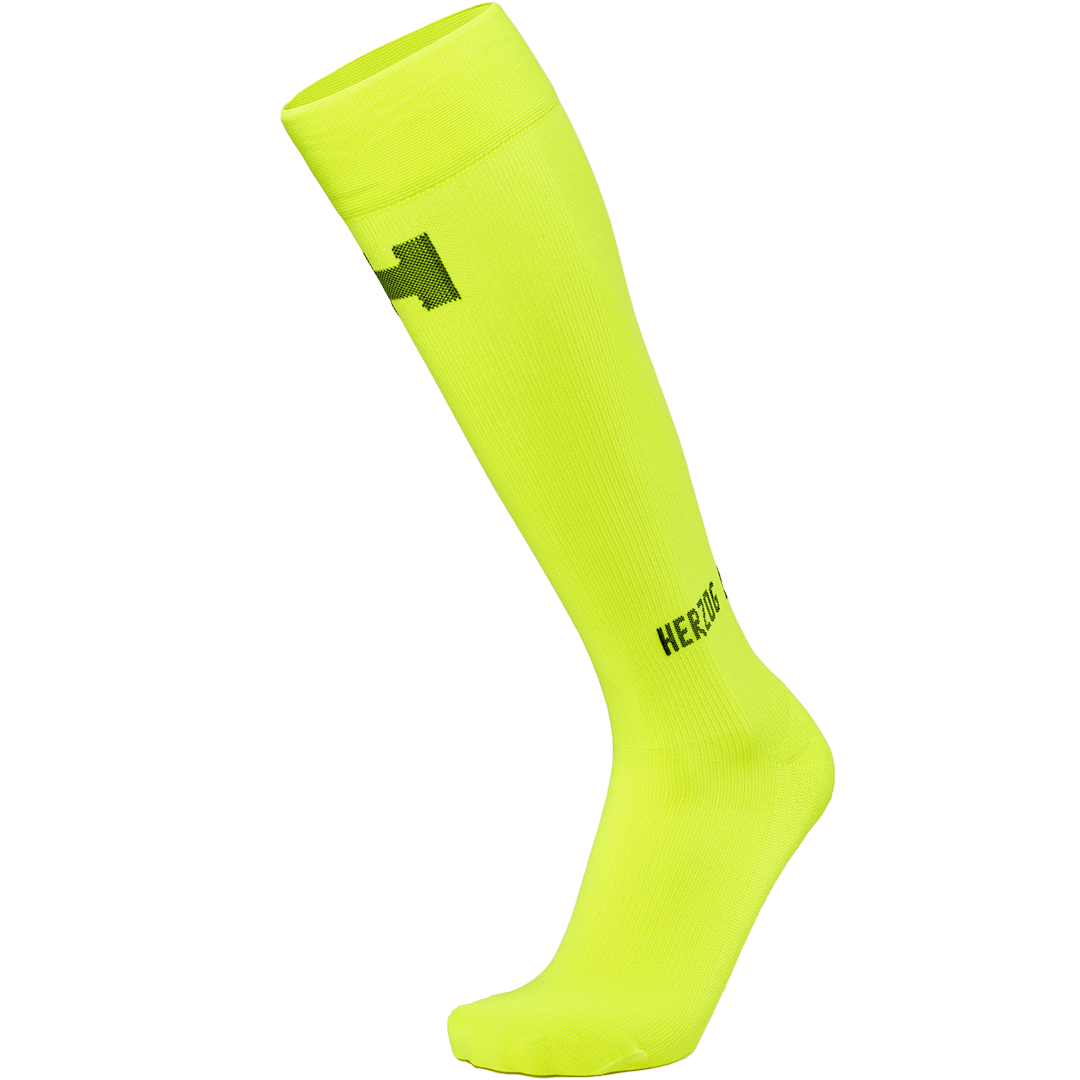
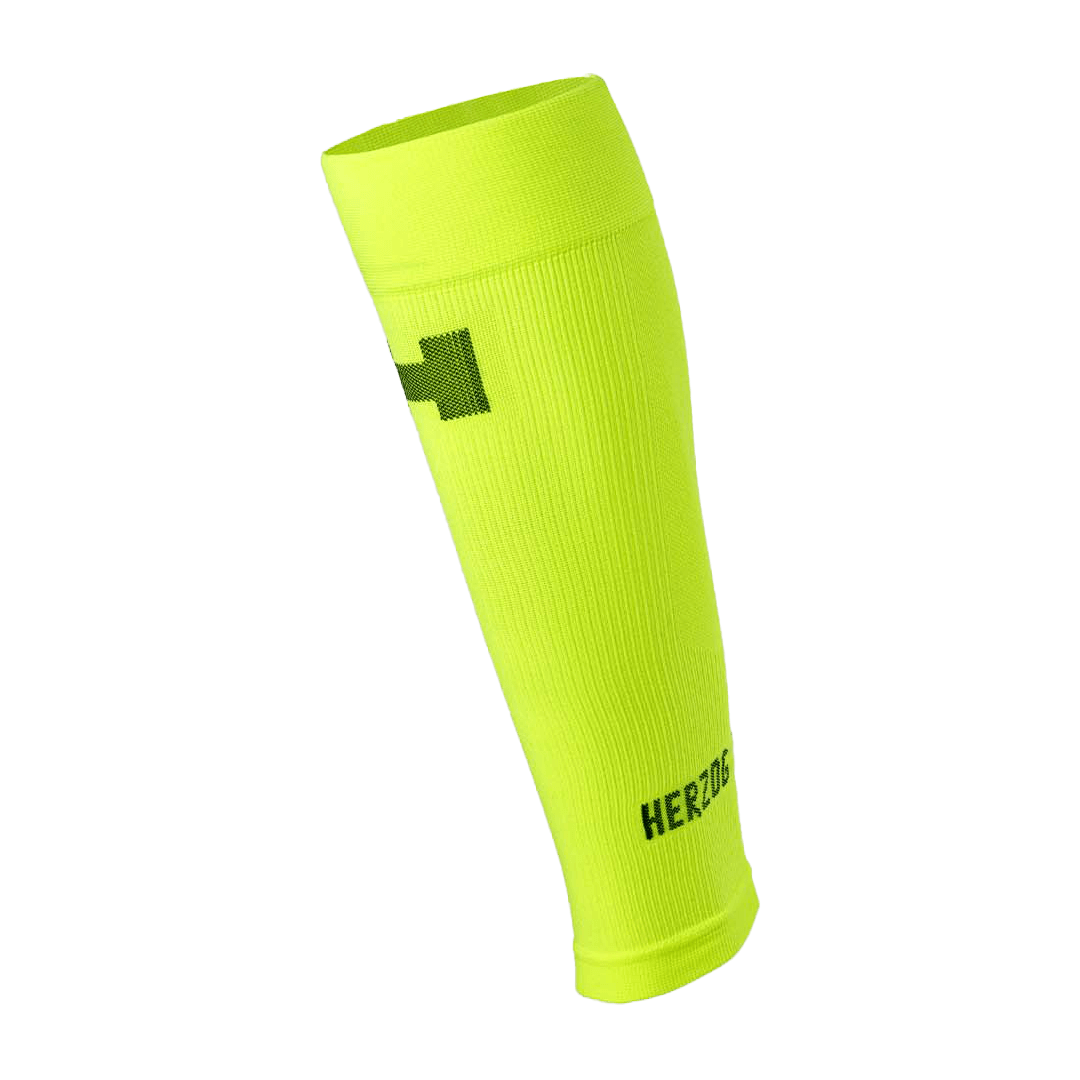
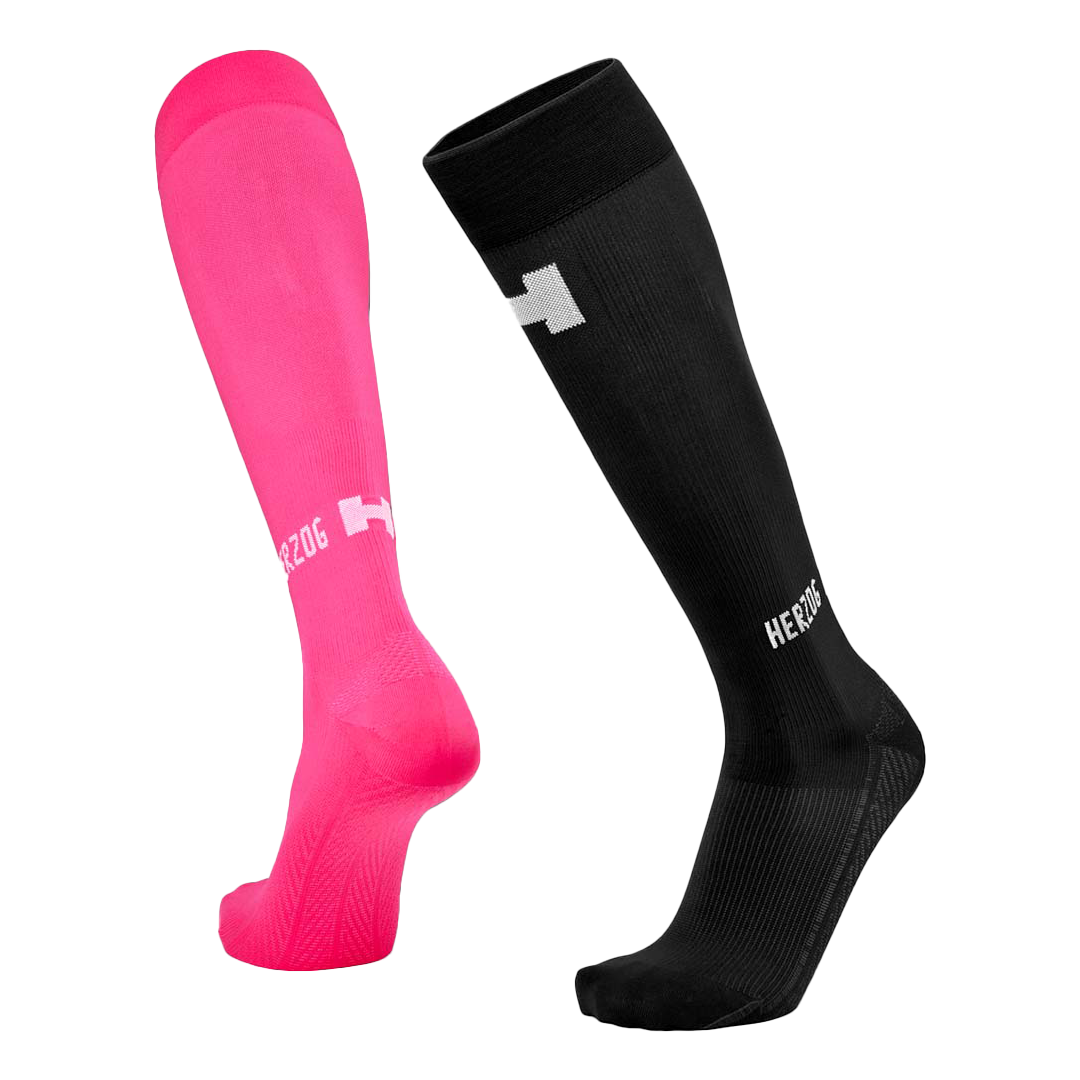
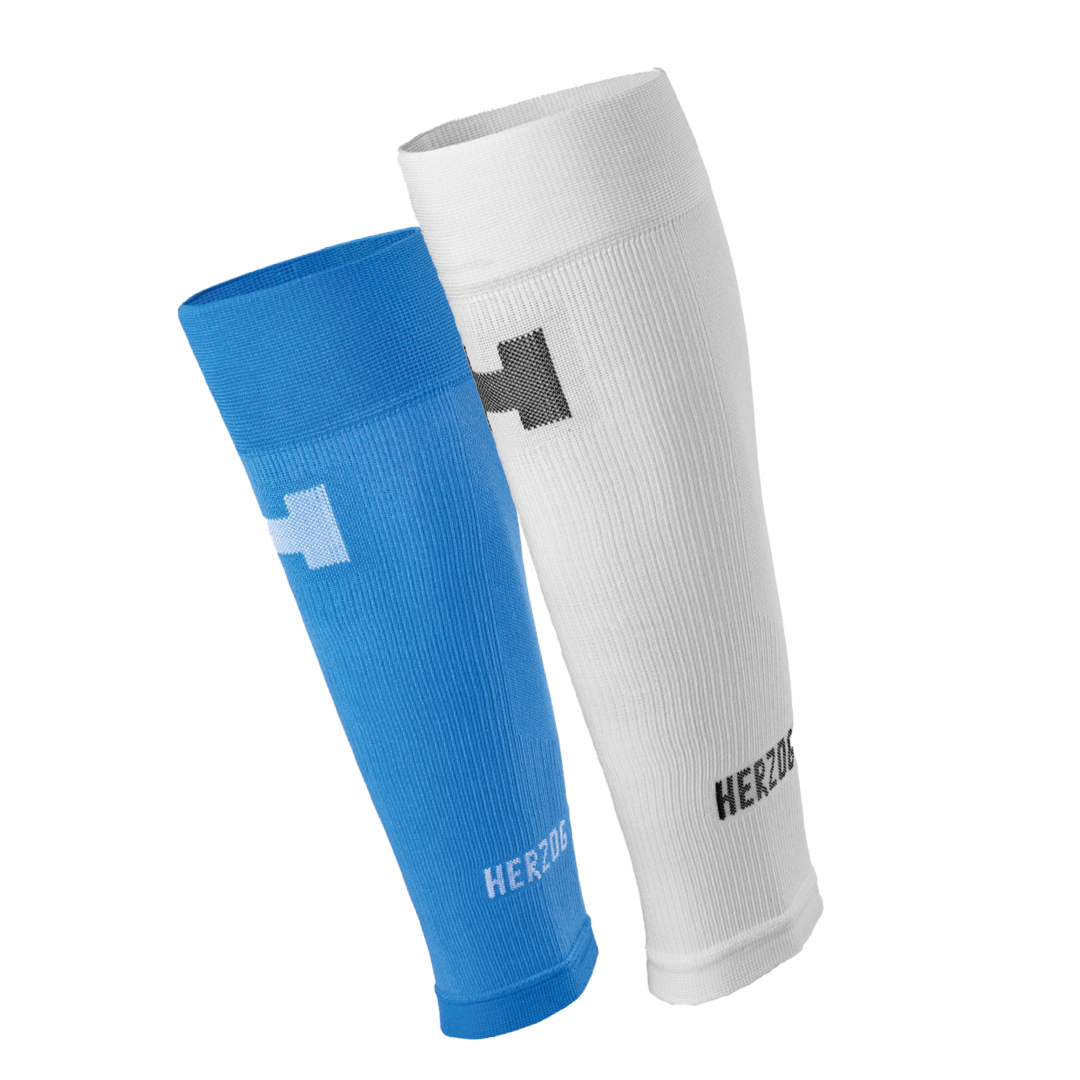
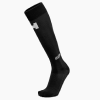
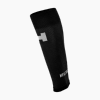
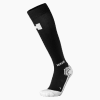
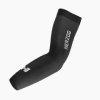
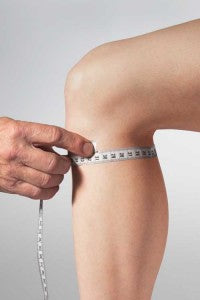
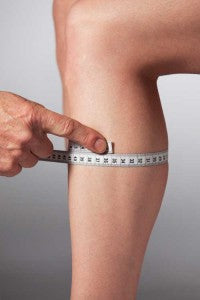
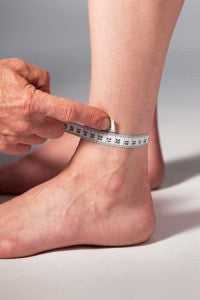
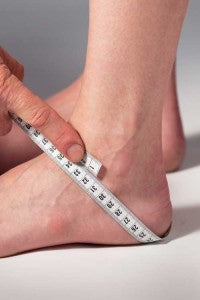
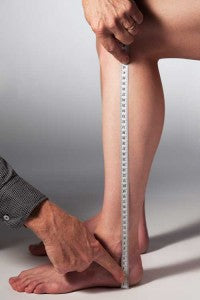
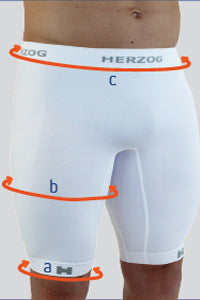
Herzog PRO Compression Stockings are individually fitted at six measurement points, so that the pressure distribution matches the exact shape of your lower leg instead of a standard size. Both the PRO Compression Stockings and the PRO Compression Tubes carry an MDR certification, which means they meet medical quality requirements. Herzog has been a compression specialist for over twenty years and is used by both athletes and healthcare professionals, indicating that its application is broader than just sports or just medical use.

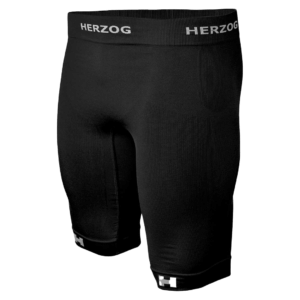
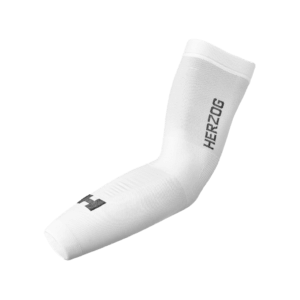
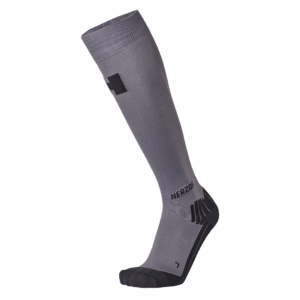
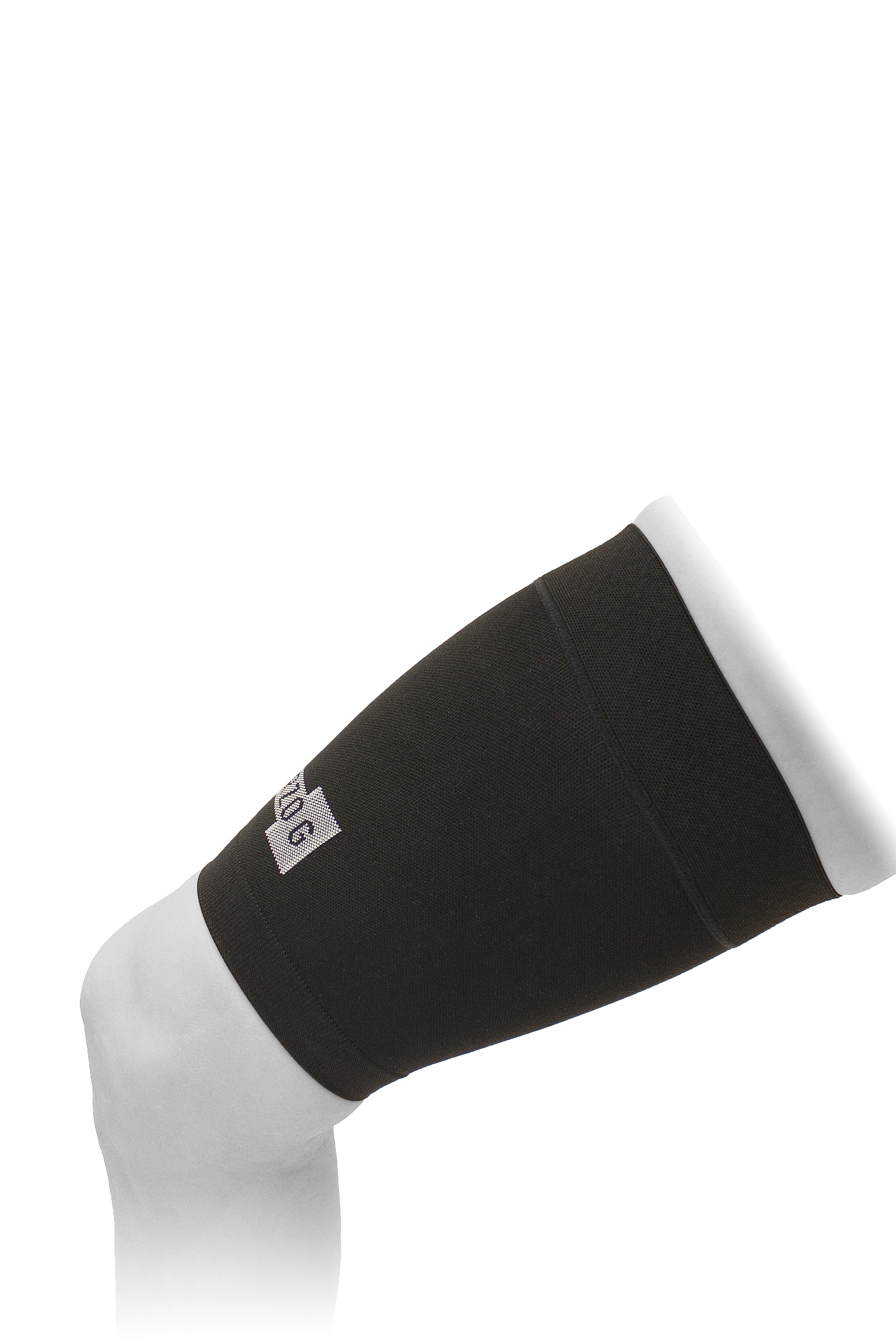
Products in this blog

Side Image

Who is compression suitable for and when should you consult a specialist?

Compression is used by many different groups, from athletes who want to recover after a training session to people who are on their feet all day. Runners, for example, use it to support calf complaints, as can be read on the page about calf complaints in runners, while others use it during long working days or travel to prevent tired legs. Hikers and cyclists often find that their legs feel less heavy more quickly when they wear compression during longer periods of exertion.

For certain conditions, caution and professional advice are important. For complaints indicative of thrombosis, oedema, lipoedema, or varicose veins, it is always advisable to consult a general practitioner or specialist before using compression yourself. More information about these conditions can be found on the pages about thrombosisand varicose veins. In many cases, compression can be supportive, but it never replaces a medical diagnosis or treatment by a doctor.

For daily use and sports recovery, Herzog medical compression stockings and Herzog PRO Compression Tubes offer a practical solution that meets the needs of both active athletes and people with physically demanding workdays. Because the pressure is controlled and gradually built up, the product meets what most people need to support their legs throughout the day or after a workout, without compromising comfort or freedom of movement.

Frequently asked questions

Why do my legs feel heavier in the evening than in the morning?

Throughout the day, blood and fluid move down into your lower legs due to gravity, especially if you spend a lot of time standing or sitting. Without enough movement, this builds up, causing your legs to feel heavier and more tired at the end of the day than in the morning.

Can I wear compression stockings if I don't have a medical condition?

Yes, many people use compression preventatively during work, travel, or sports, even without a medical condition. It supports blood circulation and can contribute to less tired legs after a long day.

When should I consult a doctor instead of trying compression myself?

If you experience persistent swelling, pain, redness, or a heavy feeling that doesn't subside with rest, it's important to consult a general practitioner or specialist. This is especially true if you suspect thrombosis, edema, or varicose veins, as these conditions require professional assessment.

Relevant blogs

6 Effective tips to prevent and relieve shin splints

Prevent and alleviate shin splints with 6 practical tips for runners. Less pain, faster recovery, and better training.

Treating Whiplash: 3-Phase Recovery with Compression and Cold Therapy

Recovering from a calf strain? Discover the 3 recovery phases and how compression and cold therapy can contribute to optimal and responsible recovery.

All about calf problems: causes, symptoms, and what you can do about them

Suffering from calf complaints? Read all about possible causes, common symptoms, recovery, and what you can do to prevent calf complaints.