How medical compression found its way into elite sports

For a long time, compression stockings were primarily associated with the medical world. They were used for complaints such as varicose veins, fluid retention, or tired legs, often on the advice of a GP or specialist. Nowadays, you see compression increasingly in the sports world. From running and cycling to football and triathlon: compression has become an integral part of many athletes' equipment. How this development precisely came about can be well explained by the medical origin of the product.

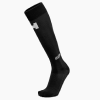
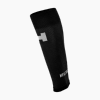
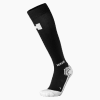
At Herzog, you see this development daily in practice. Runners who feel their calves are heavy after a long endurance run are increasingly opting for Herzog compression socks to support recovery during the days after an intensive training session. What once started as a medical aid for people with vascular complaints has now become a recognizable part of the sports bag, alongside running shoes and sportswear.

Side Image

Where does compression in sports actually come from?

Compression therapy has existed for decades in healthcare. Doctors used compression stockings to support blood circulation in the legs of people with varicose veinsor fluid retention. The idea behind it is simple: by applying controlled pressure to the tissue, blood is more easily transported back to the heart. This application was mainly used for people with sedentary jobs, for thrombosisor other vascular complaints, and was always done in consultation with a general practitioner or specialist. The medical world had been using compression long before the sports world became interested in it.

Somewhere in the 1990s, sports scientists began to wonder if this principle could also be valuable outside the consulting room. Cyclists and runners experimented with stockings originally developed for medical use. They noticed that their legs felt less heavy after intense exertion and that recovery was more pleasant. That was the starting point for a gradual shift from hospital to sports field, with manufacturers gradually beginning to adapt existing medical technology to the needs of active, healthy people who had no medical complaints but did benefit from the support.

Compression can now be found in almost every sport where the legs are heavily stressed. From runningand trail running to cycling and fitness: athletes use compression during exertion, during recovery, or both. The application has become broader, but the basis remains the same as in the medical world: pressure that supports blood circulation and helps the body remove waste products after intensive exertion. What started as an aid for patients has thus grown into a familiar part of the sports equipment of both amateurs and professionals.

Side Image

What makes compression relevant for runners?

Running is one of the sports where the calves and lower legs are subjected to relatively heavy loads. With every step, the body absorbs impact, and repeated stress can lead to muscle fatigue or tissue tension. Many runners recognize the feeling of tight or heavy calves after a long run or an intense interval training session. Complaints around the calf or at the front of the shin often arise when muscles and tendons do not get enough time to recover between training sessions, especially with a rapid increase in training volume.

Compression during or after running can contribute to a more comfortable feeling in the legs. By applying controlled pressure to the tissue, it supports blood circulation and can contribute to a smoother recovery after a training session. Many runners experience that their legs feel less heavy when they wear compression during the cool-down period or the rest of the day. More explanation about this mechanism can be found on the page about recovering with compression socks, where the effect on tissue and muscles is further explained.

In addition to recovery, injury susceptibility and support during competition also play a role. Runners who are prone to an Achilles tendon injuryoften find that light pressure around the lower leg provides a more stable feeling while running, especially on uneven terrain. In trail running, where the load on the calves can be greater due to elevation changes and loose ground, many runners therefore consciously choose compression as a permanent part of their equipment, in addition to footwear and clothing. This is not about resolving an injury, but about support during and after exertion.

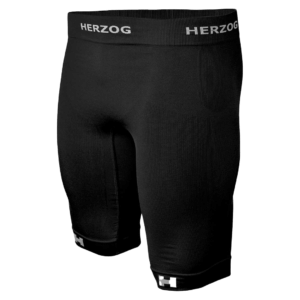
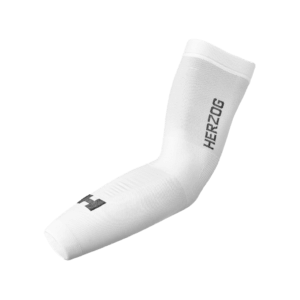
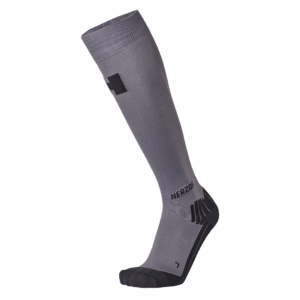
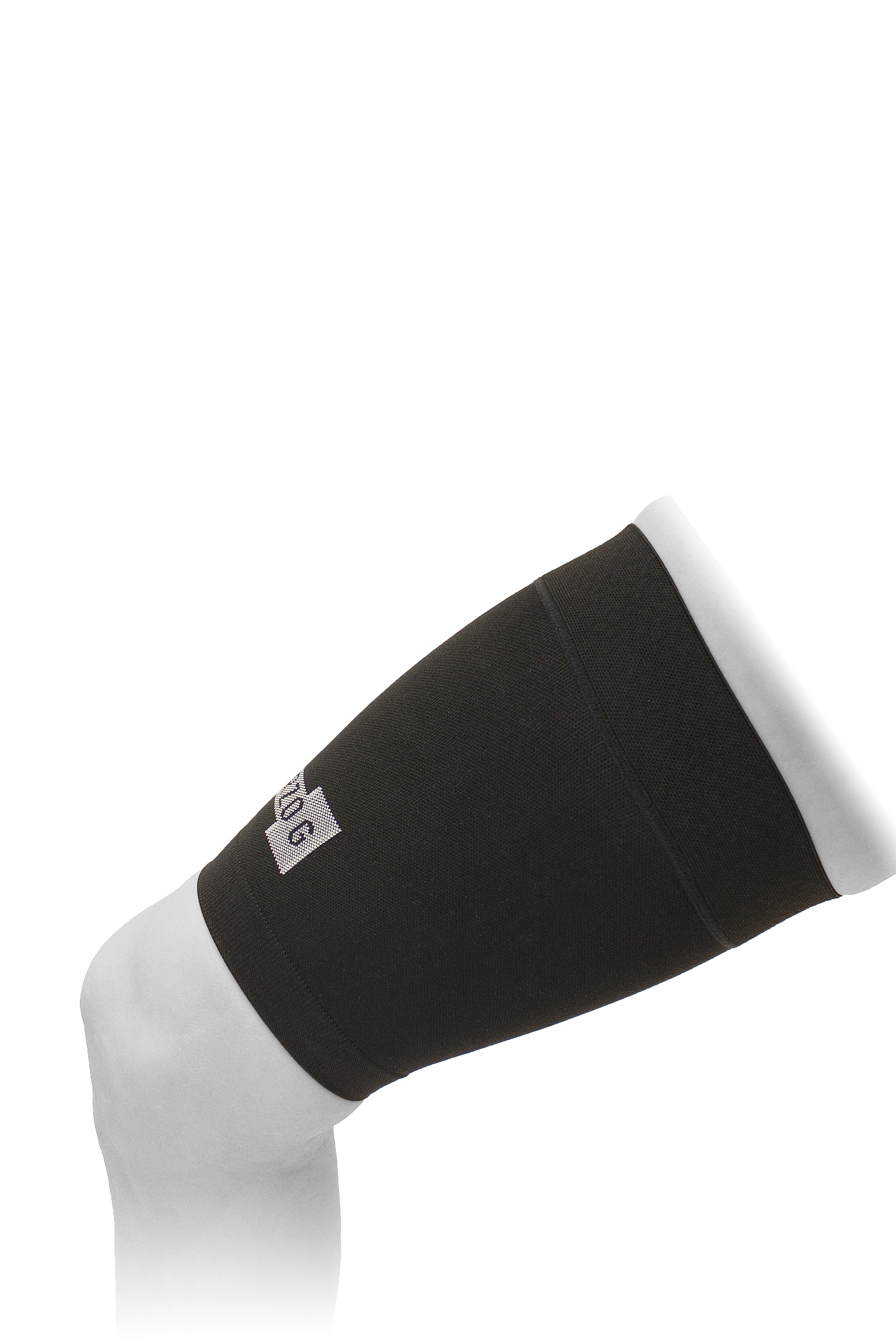
Products in this blog

Side Image

What is the difference between sports compression and a standard sock?

Not every sock that promises compression works the same way. Herzog's approach is based on medical compression technology, which means that the pressure is not built up randomly but is based on a controlled, graduated pressure distribution. This means that the pressure is highest at the ankle and gradually decreases towards the knee, much like the body naturally supports blood flow. A standard elastic sock often lacks this structure, meaning that the pressure is roughly the same everywhere and the effect is less targeted to where it is needed.

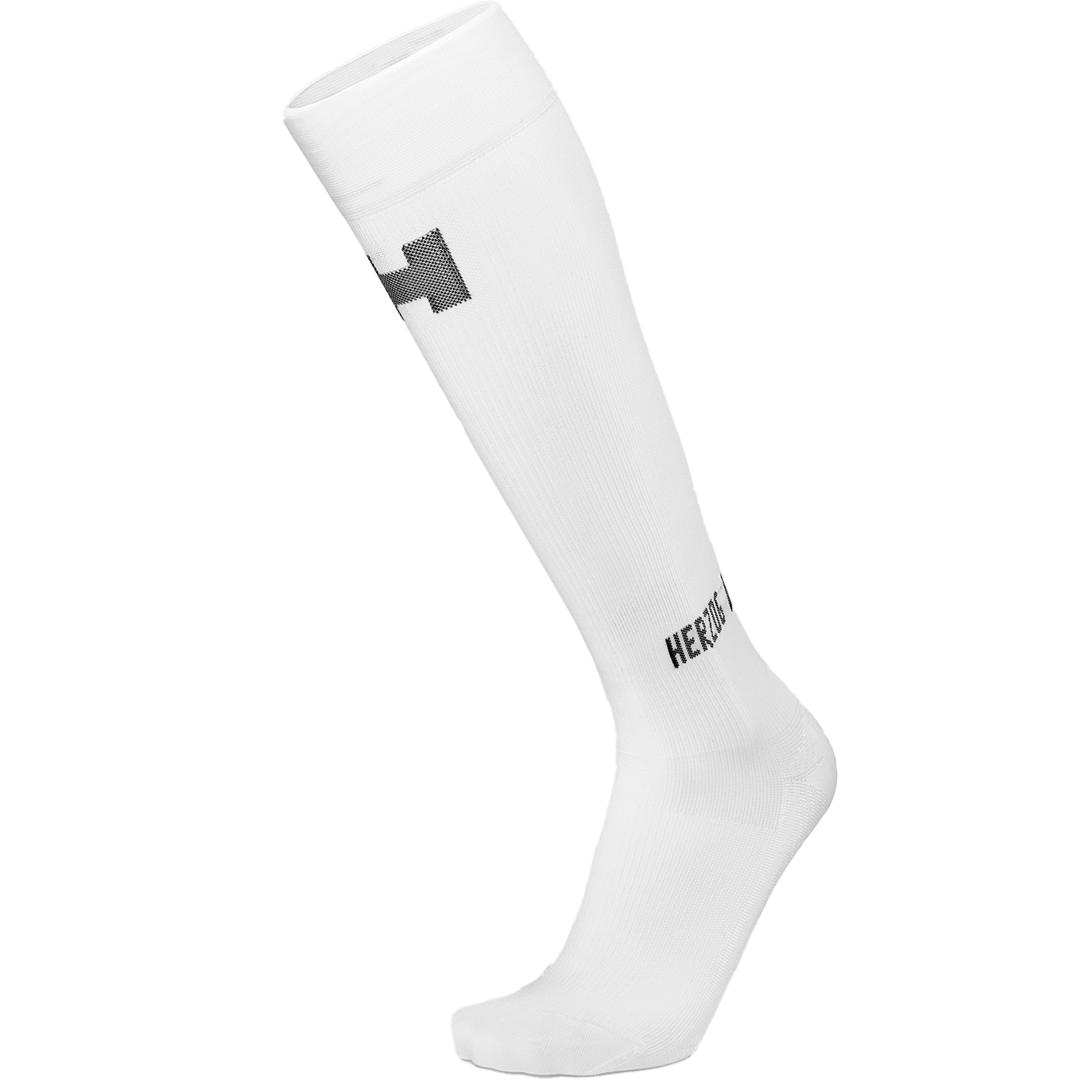
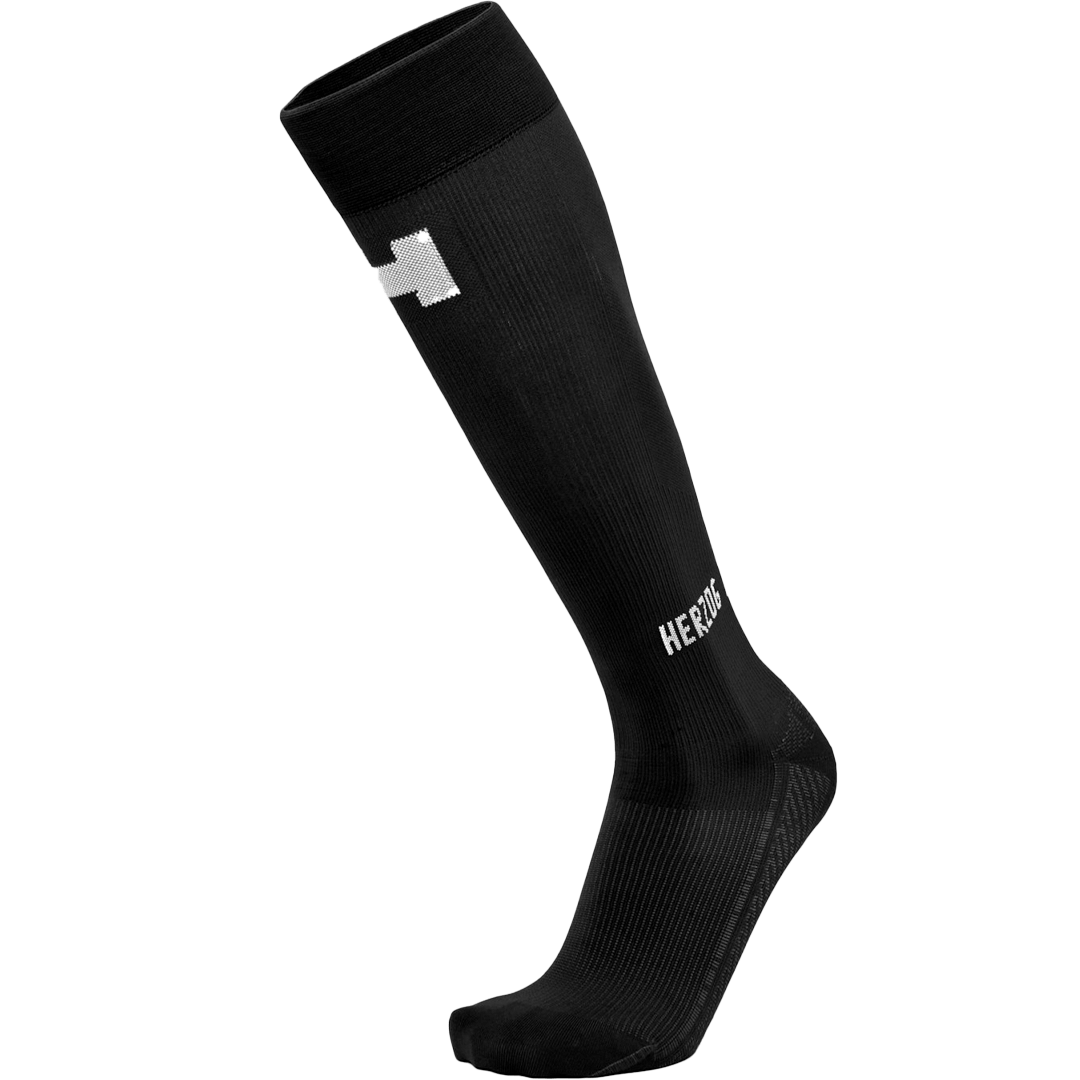
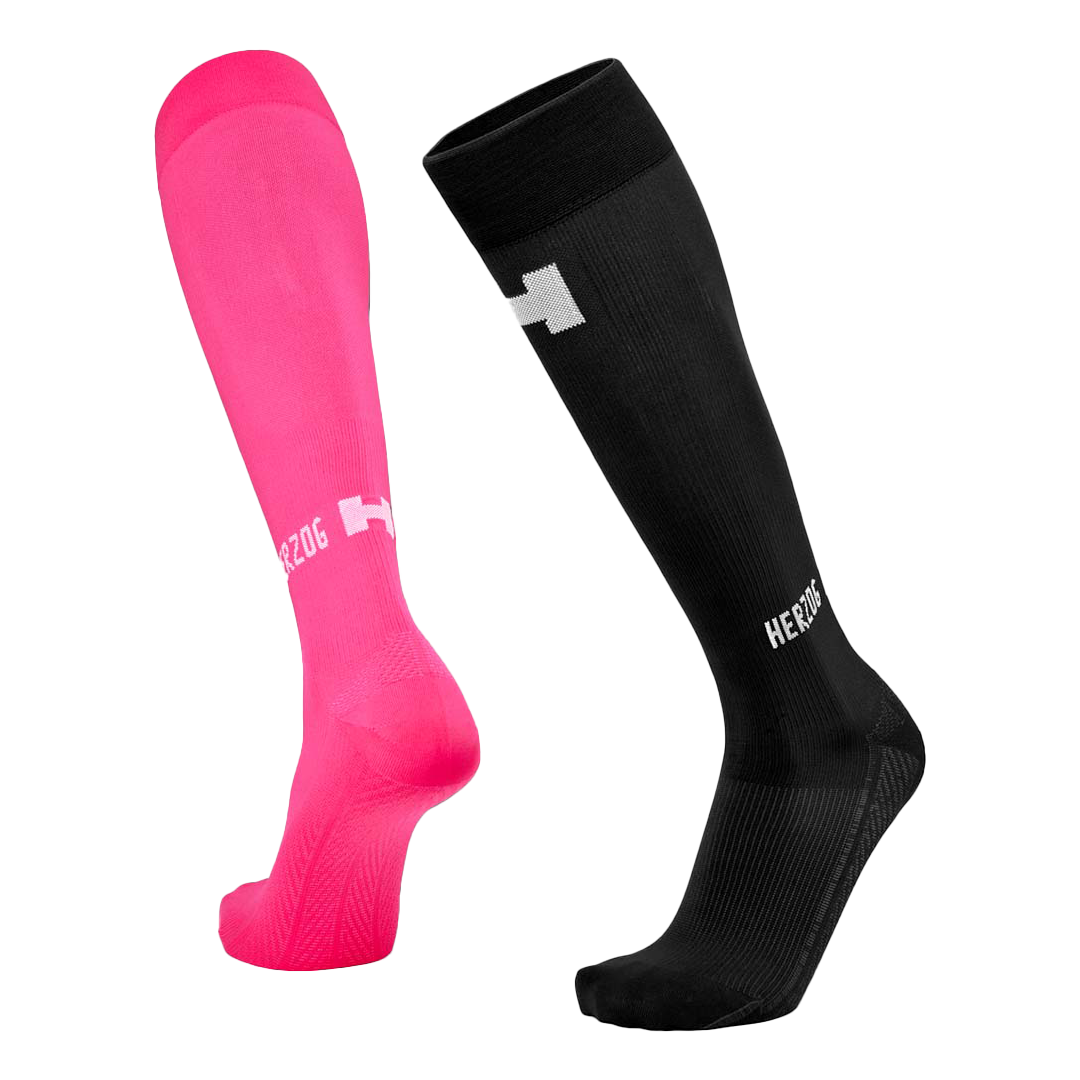
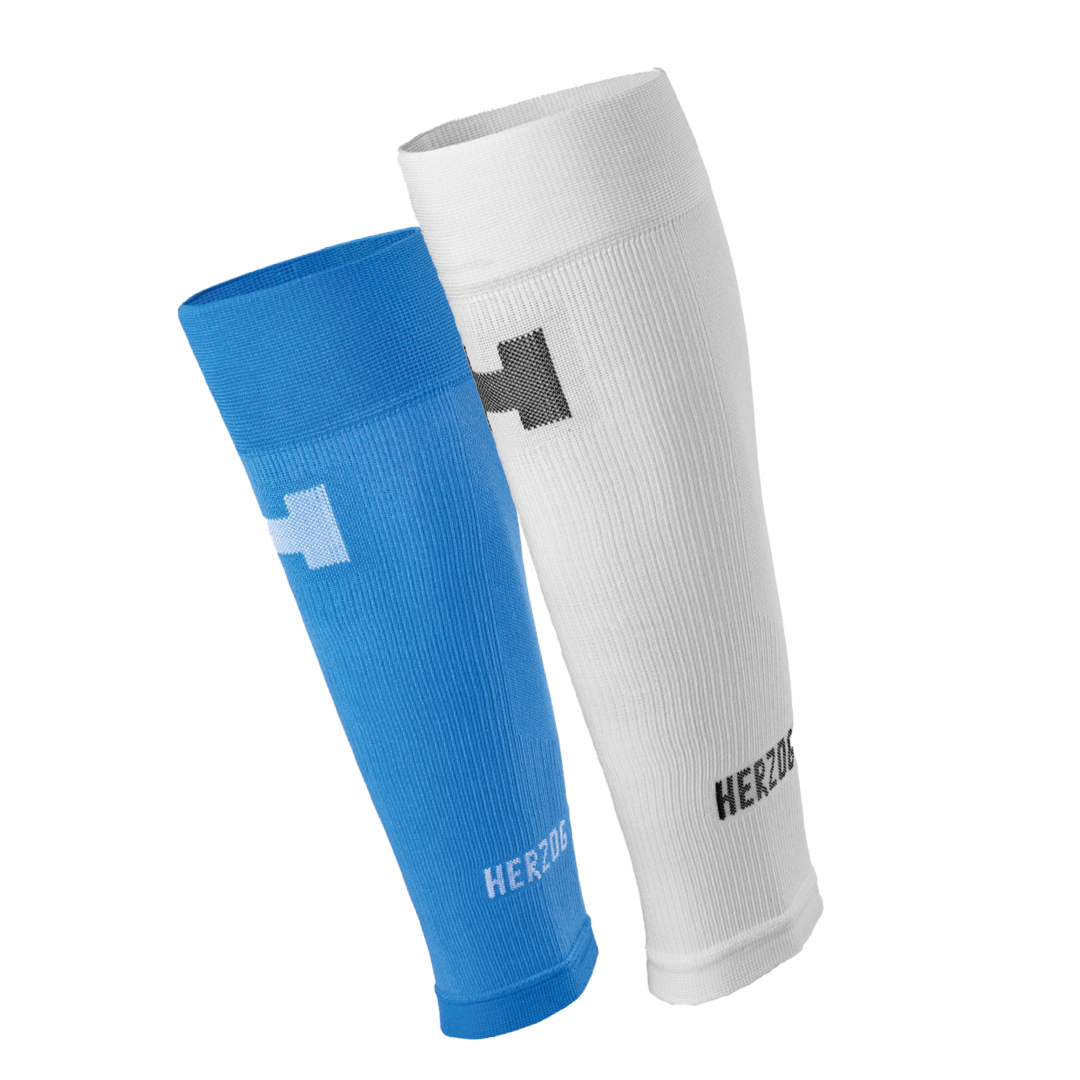
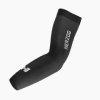
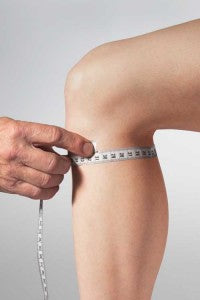
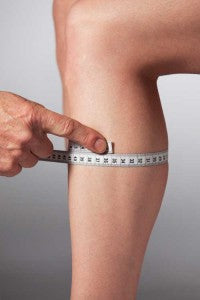
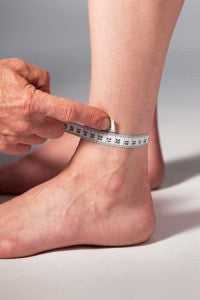
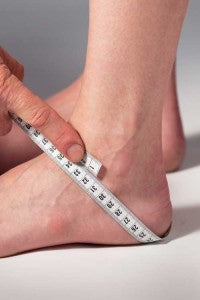
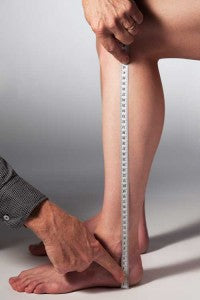
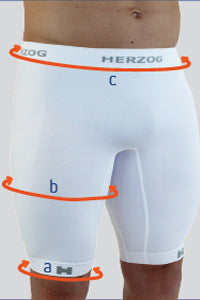
Herzog PRO Compression Socks are custom-fitted at six measuring points, so that the sock conforms to the exact shape of the lower leg. This is a different approach than ready-to-wear sizing, where a sock is offered in a fixed standard size without taking individual differences into account. Herzog PRO Compression Socks and Herzog PRO Compression Tubes are MDR-certified, which means they comply with European guidelines for medical devices. This distinguishes these products from regular sports socks without medical substantiation or certification, and ensures that the pressure is correct, regardless of the exact shape of the calf.

This combination of medical background and application in sports is precisely what Herzog has specialized in for over twenty years. The brand develops compression products that are used by both healthcare professionals and athletes, which perfectly illustrates the link between both worlds. The experience from the medical sector, where precision and pressure build-up are crucial, forms the basis for how Herzog approaches compression for athletes. This ensures that the core of the product remains the same, whether it is worn by someone with vascular complaints or by a runner who wants to support their recovery.

Frequently asked questions

Is compression medically necessary during running?

For most runners, compression is not a medical necessity, but a supportive choice in addition to training and recovery. If you have existing vascular conditions, such as varicose veins or thrombosis, it is always advisable to consult a general practitioner or specialist first. For runners without underlying complaints, compression can contribute to a more pleasant feeling in the legs during and after exercise.

Does every compression sock work the same way?

No, there are differences in how socks are constructed and how much pressure they exert on different parts of the lower leg. Socks with controlled graduated pressure distribution are specifically designed to support blood circulation, while standard elastic socks often lack this construction. You will notice the difference especially after prolonged exertion or prolonged standing.

Can you also use compression preventively without complaints?

Yes, many athletes wear compression not because they have complaints, but because they notice that it contributes to a more pleasant recovery after training. It is not a substitute for a good warm-up or training build-up, but a supplement to it. If you have doubts about underlying complaints, it is always advisable to seek medical advice first.

Relevant blogs

6 Effective tips to prevent and relieve shin splints

Prevent and alleviate shin splints with 6 practical tips for runners. Less pain, faster recovery, and better training.

Treating Whiplash: 3-Phase Recovery with Compression and Cold Therapy

Recovering from a calf strain? Discover the 3 recovery phases and how compression and cold therapy can contribute to optimal and responsible recovery.

All about calf problems: causes, symptoms, and what you can do about them

Suffering from calf complaints? Read all about possible causes, common symptoms, recovery, and what you can do to prevent calf complaints.