Leg thrombosis: symptoms, causes, and risks

Deep vein thrombosis (DVT) occurs when a blood clot blocks blood flow in a deep vein, usually in the calf or thigh. Symptoms often begin innocently, with a heavy feeling or slight swelling after a long journey or a day of inactivity. However, DVT can have serious consequences if not recognized in time. The risk increases particularly during and after long flights or car journeys, because blood flow is reduced when you sit still for hours.

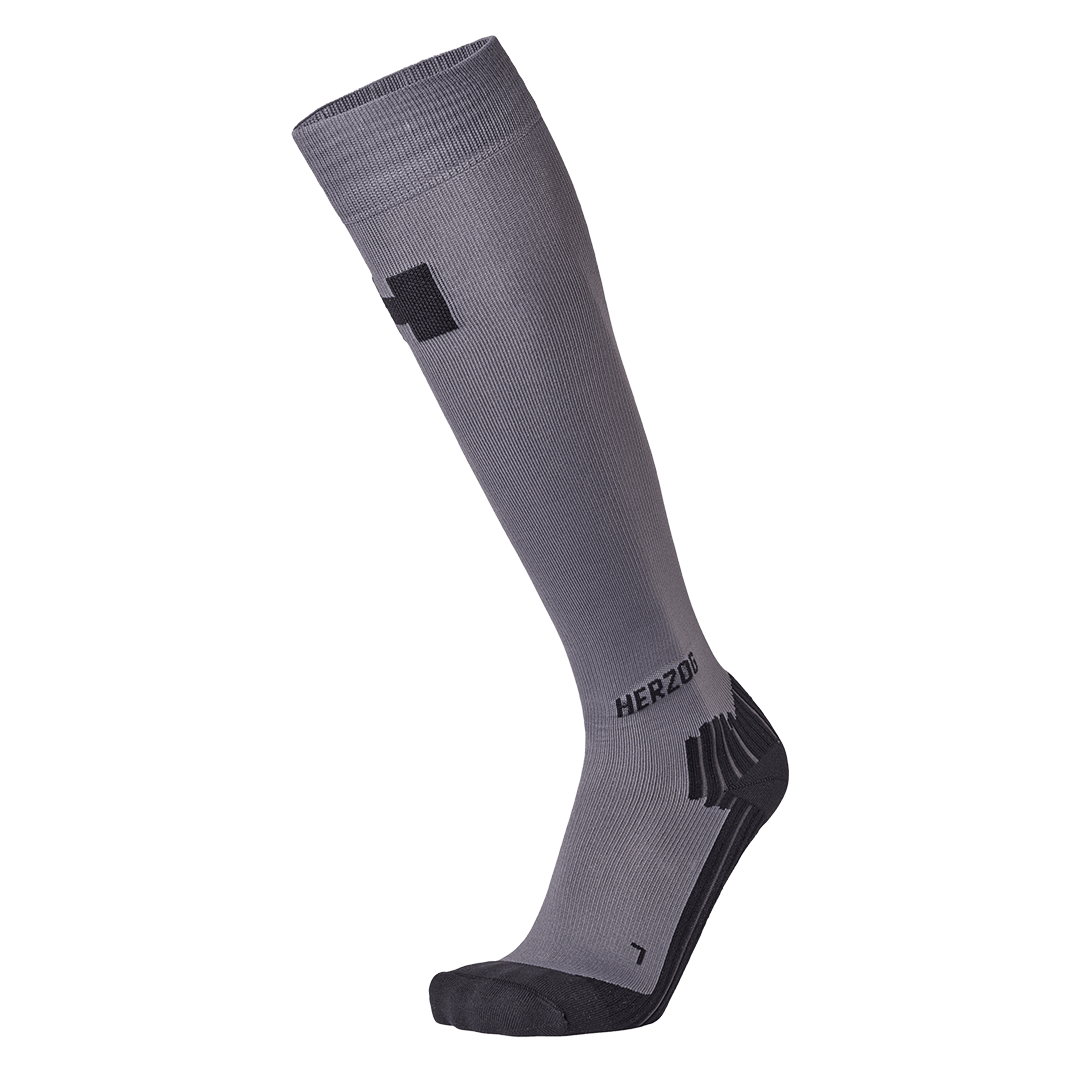
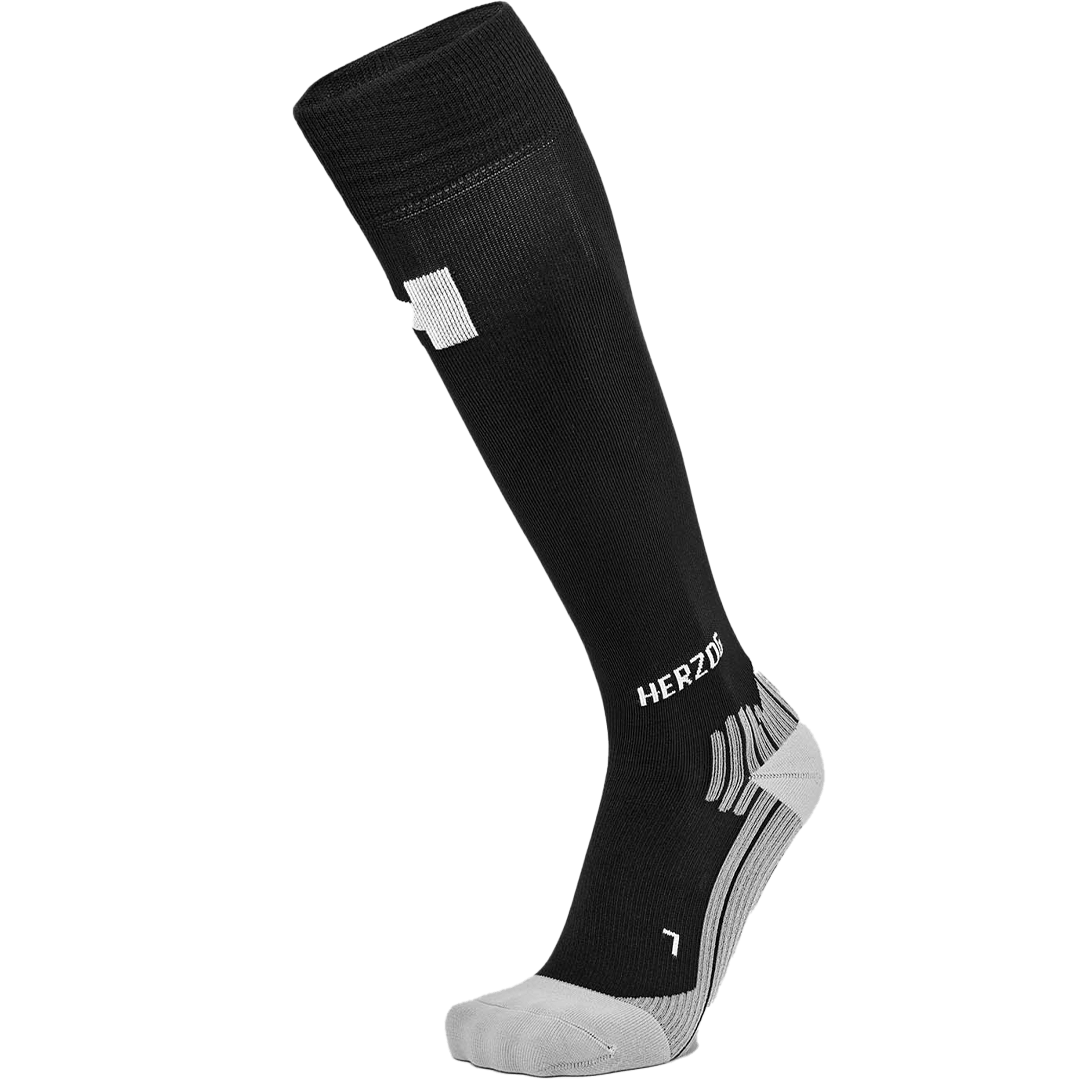
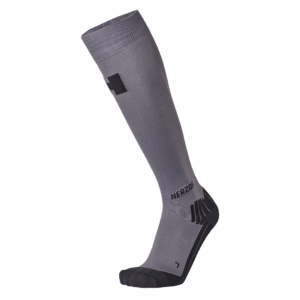
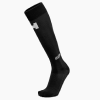
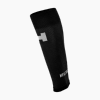
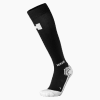
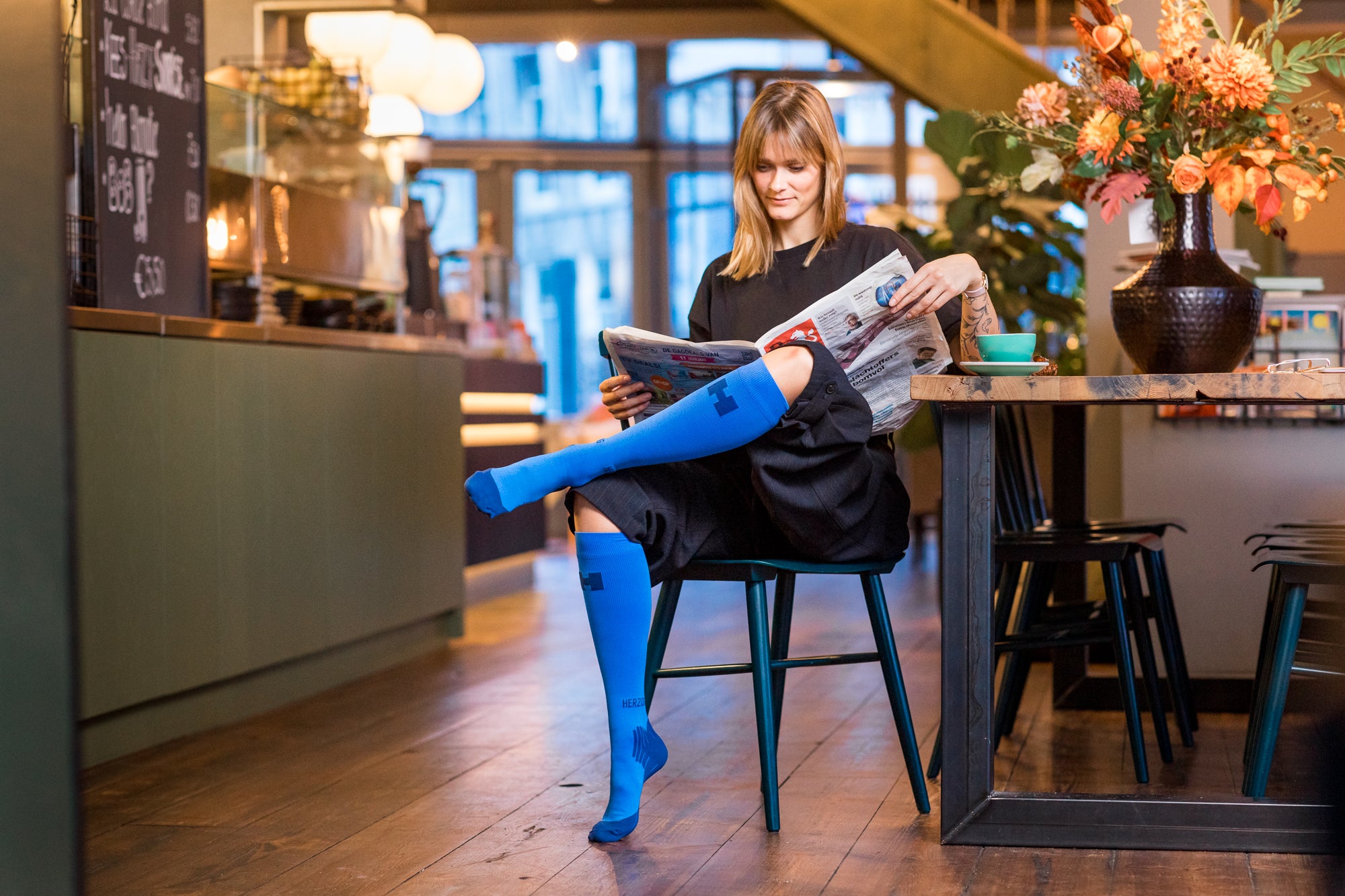
Many people therefore wear Herzog compression socks during long journeys, because controlled pressure on the lower leg can support blood circulation when sitting still for a long time. This does not mean that thrombosis is prevented or treated with this, as diagnosis and treatment should always be done by a general practitioner or specialist. However, wearing compression during travel can contribute to a more comfortable feeling in the legs, in addition to other measures such as moving and drinking enough water.
Side Image

What happens in your leg with thrombosis?

Leg thrombosis occurs when a blood clot, also called a thrombus, blocks a deep vein. This usually happens in the calf, but can also occur higher up in the leg. Because the blood can no longer flow away properly, pressure builds up in the affected area. You often notice this as a heavy, tense feeling in the lower leg, sometimes combined with slight swelling. The body tries to drain the blood through surrounding small veins, but this is not always sufficient to prevent symptoms.

The causes of thrombosis are diverse. Long-term immobility is a well-known factor, such as a long flight, a hospital stay, or a period of bed rest after surgery. Hormonal influences, such as the birth control pill or pregnancy, also increase the risk. In addition, genetic predisposition, smoking, and obesity play a role in the formation of blood clots. For sedentary occupations, where the calf muscle does not actively pump for long periods, some people wear Herzog medical compression stockings to support blood circulation, although the precise cause of symptoms remains something for the general practitioner to assess.

Travel poses a specific risk, because during a flight or long car journey you sit in the same position for hours. The calf muscle, which normally acts as a pump to send blood upwards, then largely remains still. This can result in an accumulation of blood in the lower legs, which increases the risk of clot formation. People with sedentary occupations sometimes recognise this feeling at the end of a working day. You can read more about this connection at complaints due to a sedentary occupation.

Side Image

What symptoms indicate deep vein thrombosis?

The symptoms of thrombosis in the leg vary per person, but a number of signs often recur. A heavy or tense feeling in the calf, often unilateral, is a common first complaint. In addition, swelling is noticeable, sometimes subtle and sometimes clearly visible because the leg feels thicker than normal. Redness or skin that feels warm at the site of the affected vein can also indicate deep vein thrombosis. Pain that increases when walking or stretching the foot is also often reported.

Not everyone immediately recognizes these signs as something serious, especially since a heavy feeling in the legs also occurs after a long day at work or intense physical exertion. The difference often lies in the unilateral nature and the extent to which the complaints persist or worsen. While muscle complaints usually subside within a few days, thrombosis-related complaints often remain present or even increase. For similar complaints in the calf, also check the information on calf complaints, so you can better assess the difference.

Because thrombosis is a medical condition, it is important to always consult a general practitioner or specialist if symptoms persist or worsen. Self-diagnosis based on symptoms alone is not possible, and delaying treatment can increase risks. Even when symptoms resemble varicose veins or another vascular disorder, medical assessment is necessary to differentiate. More background information about thrombosis specifically can be found on the page about thrombosis.

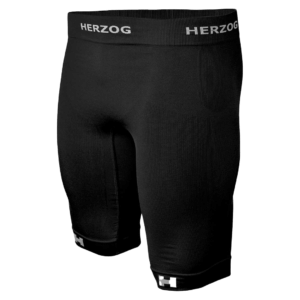
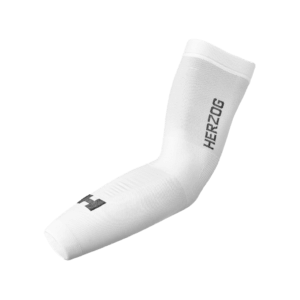
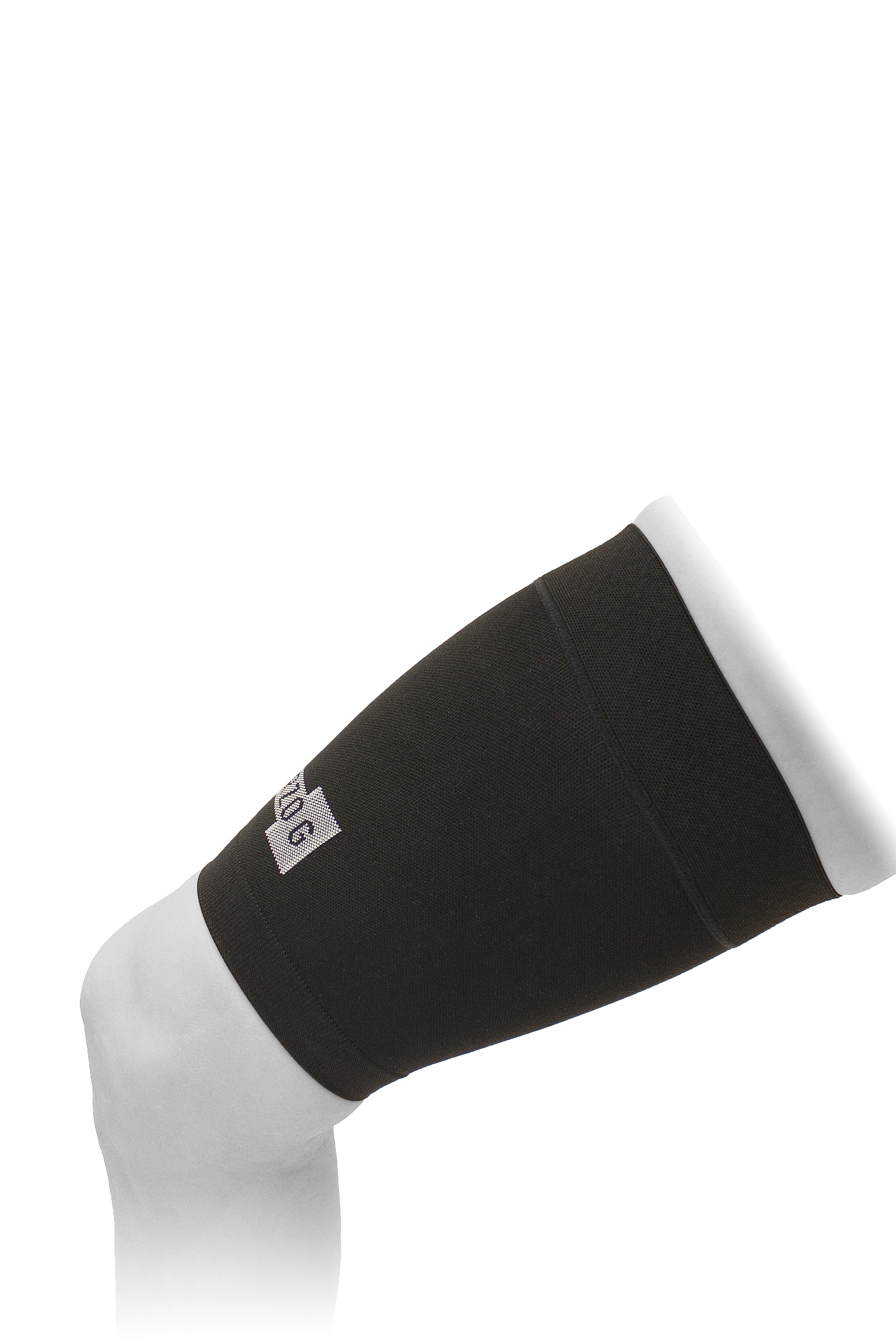
Products in this blog

Side Image

What can you do to reduce the risk during travel?

During long journeys, you can do several things yourself to maintain blood circulation in your legs. Regularly standing up and walking a short distance through the plane or during a layover helps keep the calf muscle active. Contracting the calf muscle while sitting, by moving your feet up and down, also supports blood flow. Drinking enough water and limiting alcohol during the journey also contribute to better circulation.

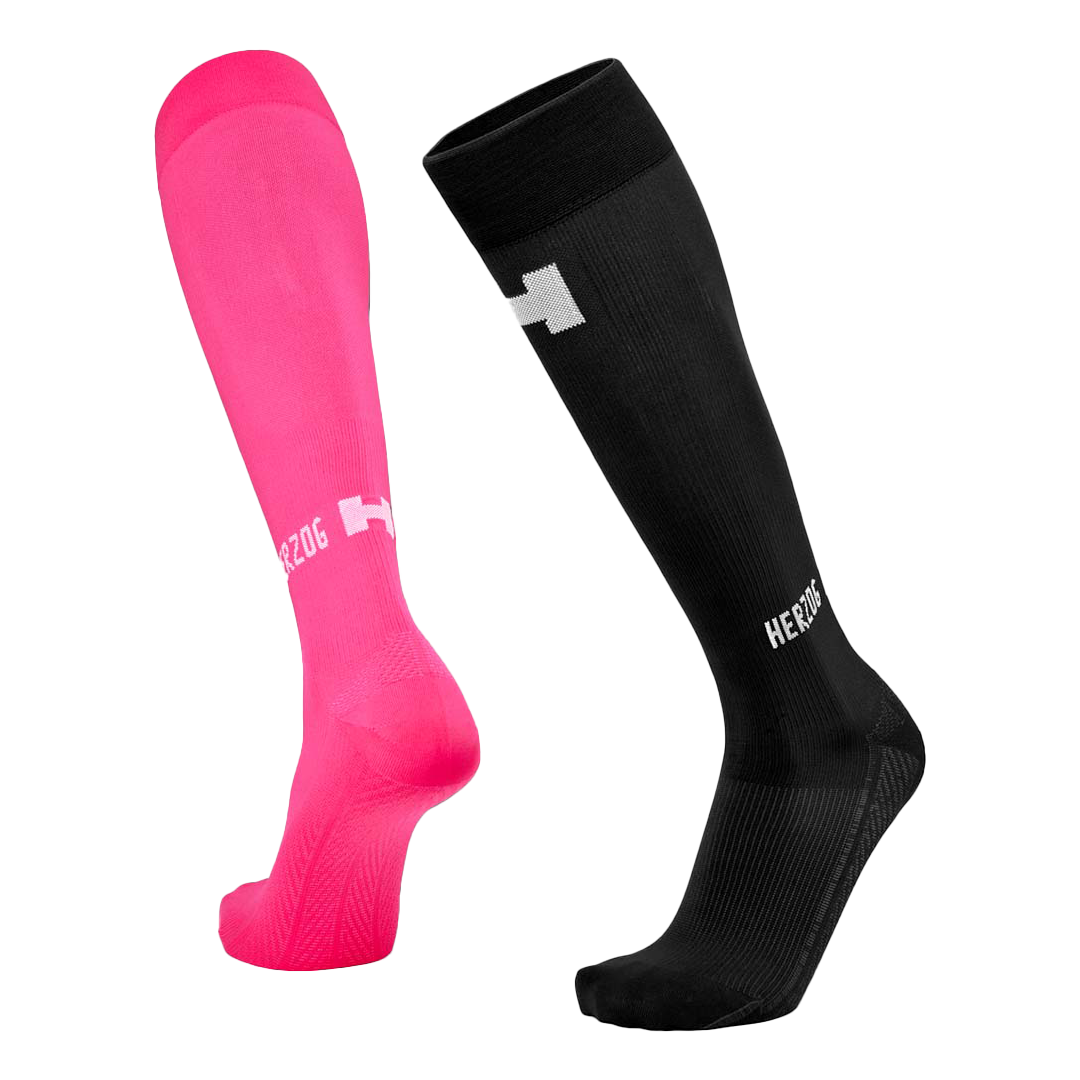
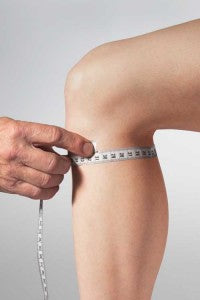
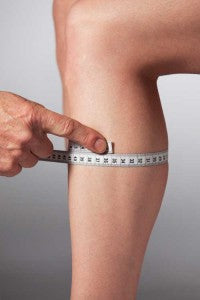
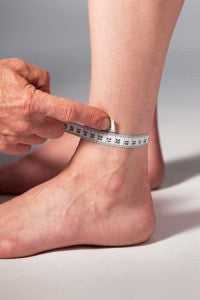
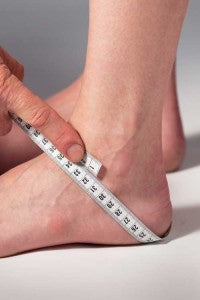
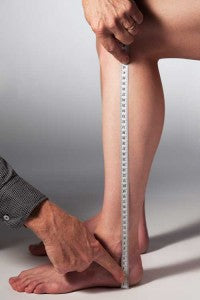
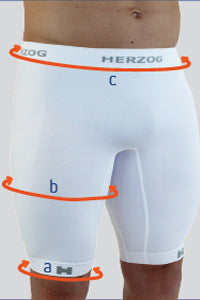
Compression also plays a role here, as controlled pressure on the leg can support venous blood flow during prolonged sitting. Herzog PRO Compression Stockings have been developed using medical compression technology and carry an MDR quality mark, which means they meet the requirements for medical devices. They are custom-fitted at six measuring points, so that the gradual pressure build-up matches the shape of the leg. More explanation about this principle can be found under the how compression works.

For over twenty years, Herzog has been working on compression technology used by both athletes and healthcare professionals, from recovery after exercise to support during long journeys. This experience translates into products such as the flight socks, which many travellers wear in addition to exercise and sufficient hydration. Compression does not replace medical advice for thrombosis, but it does fit within a broader picture of measures that can support blood circulation in the legs during situations of prolonged inactivity.

Frequently asked questions

What is the difference between heavy legs and thrombosis?

Heavy legs after a long day or intense exercise usually disappear after rest. With thrombosis, symptoms often persist or worsen, often combined with swelling, redness, or pain in one leg. If in doubt, it is important to have this assessed by a general practitioner.

Does a long flight increase the risk of thrombosis?

Prolonged sitting during a flight can slow down blood circulation in the legs, which can increase the risk of a blood clot. Moving during the flight, tensing calf muscles, and drinking enough water help maintain circulation. If there are existing risk factors, it is advisable to discuss this with a doctor beforehand.

Can compression stockings prevent thrombosis?

Compression stockings can support blood circulation during prolonged sitting, but they do not prevent or treat thrombosis. The diagnosis and treatment of thrombosis should always be done by a general practitioner or specialist. Compression is, at best, an additional measure alongside exercise and adequate hydration.

Relevant blogs

6 Effective tips to prevent and relieve shin splints

Prevent and alleviate shin splints with 6 practical tips for runners. Less pain, faster recovery, and better training.

Treating Whiplash: 3-Phase Recovery with Compression and Cold Therapy

Recovering from a calf strain? Discover the 3 recovery phases and how compression and cold therapy can contribute to optimal and responsible recovery.

All about calf problems: causes, symptoms, and what you can do about them

Suffering from calf complaints? Read all about possible causes, common symptoms, recovery, and what you can do to prevent calf complaints.