Lipoedema: what is it and what can you do about it?

Lipedema is a chronic condition in which fat is abnormally distributed, usually in the legs and sometimes also in the arms. The fat accumulation occurs regardless of how much you eat or exercise and cannot be removed with a diet. Many people with lipedema recognise a heavy, tense feeling in the legs, pain when touched and bruising more easily than normal. The condition mainly affects women and is often confused with obesity or lymphoedema, even though it is something different.

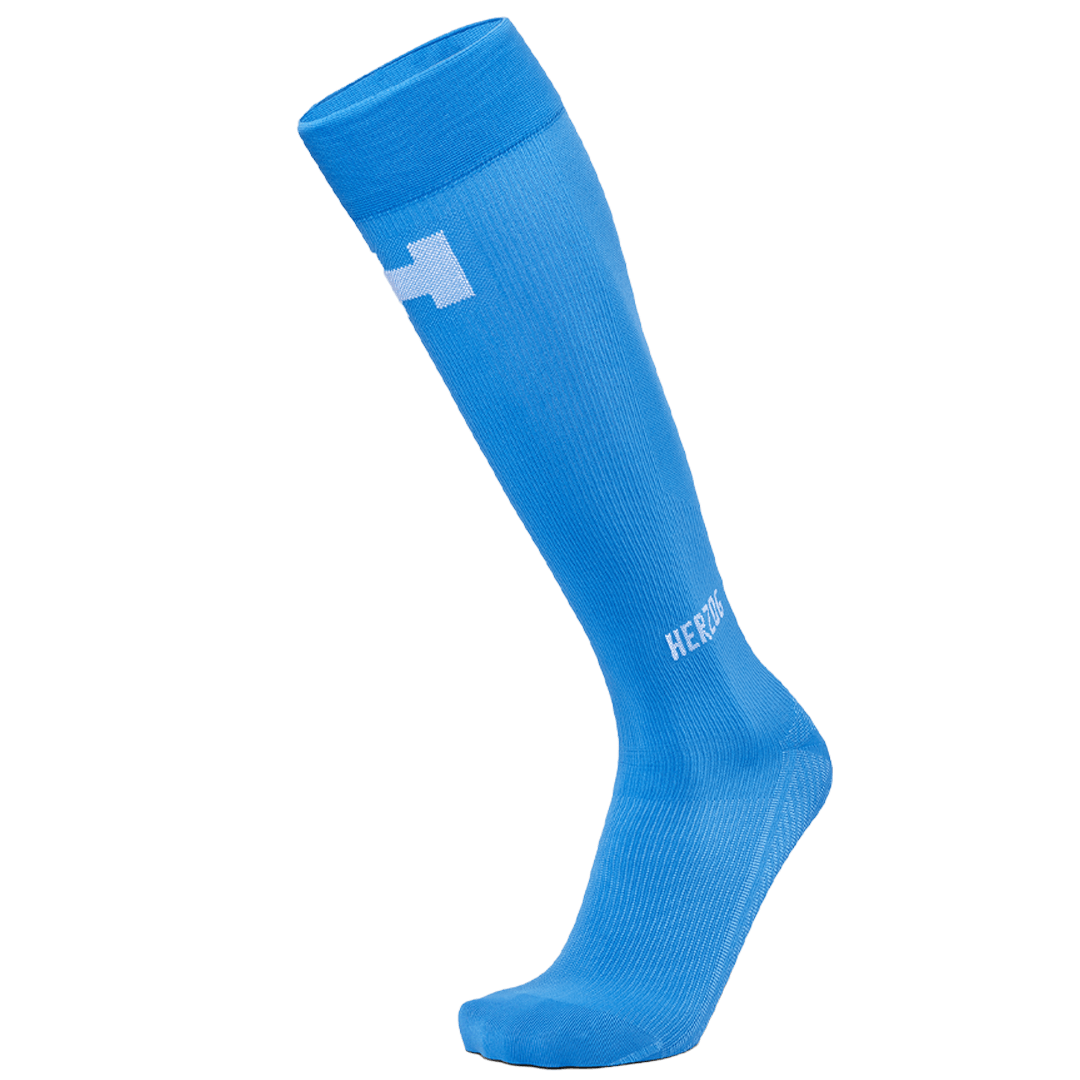
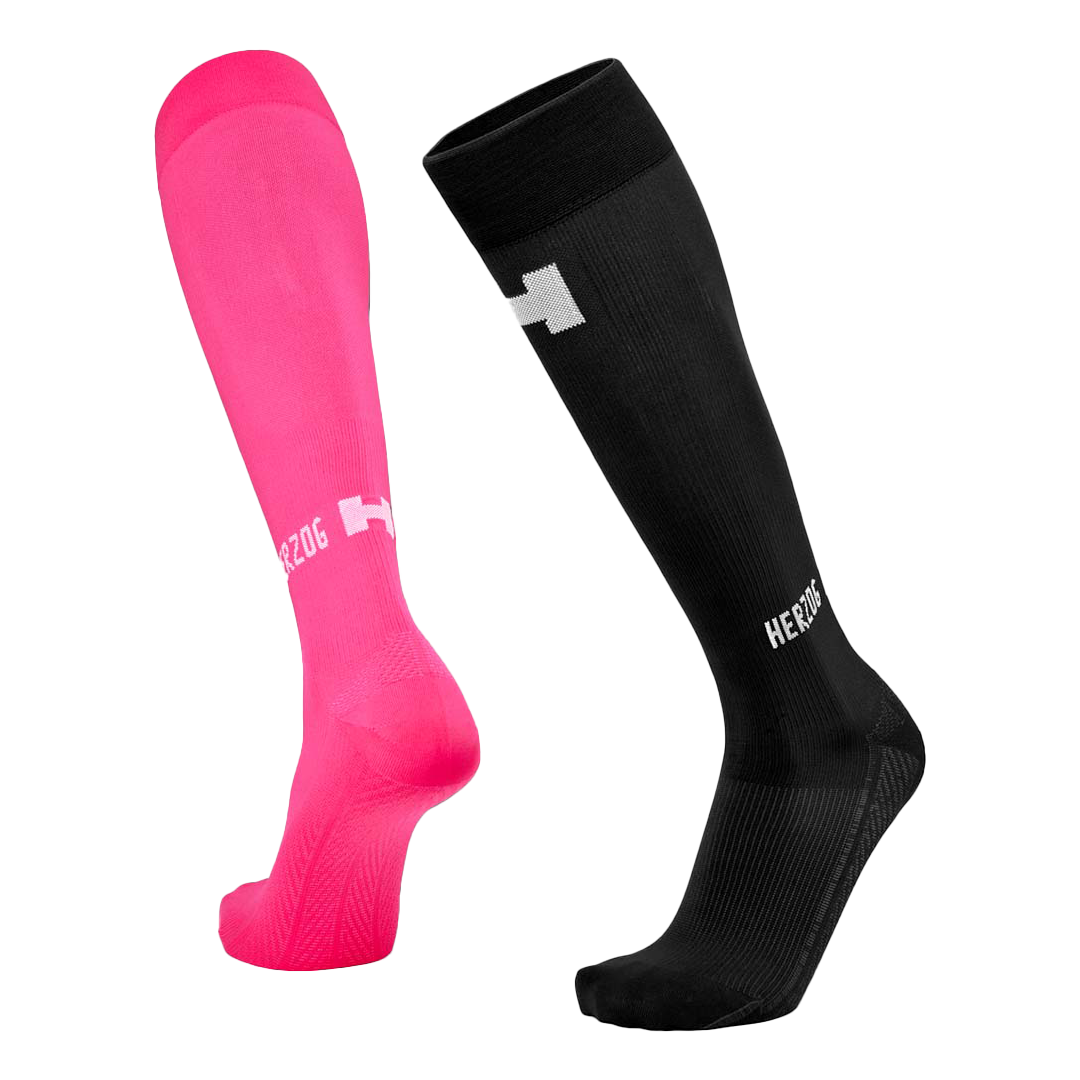
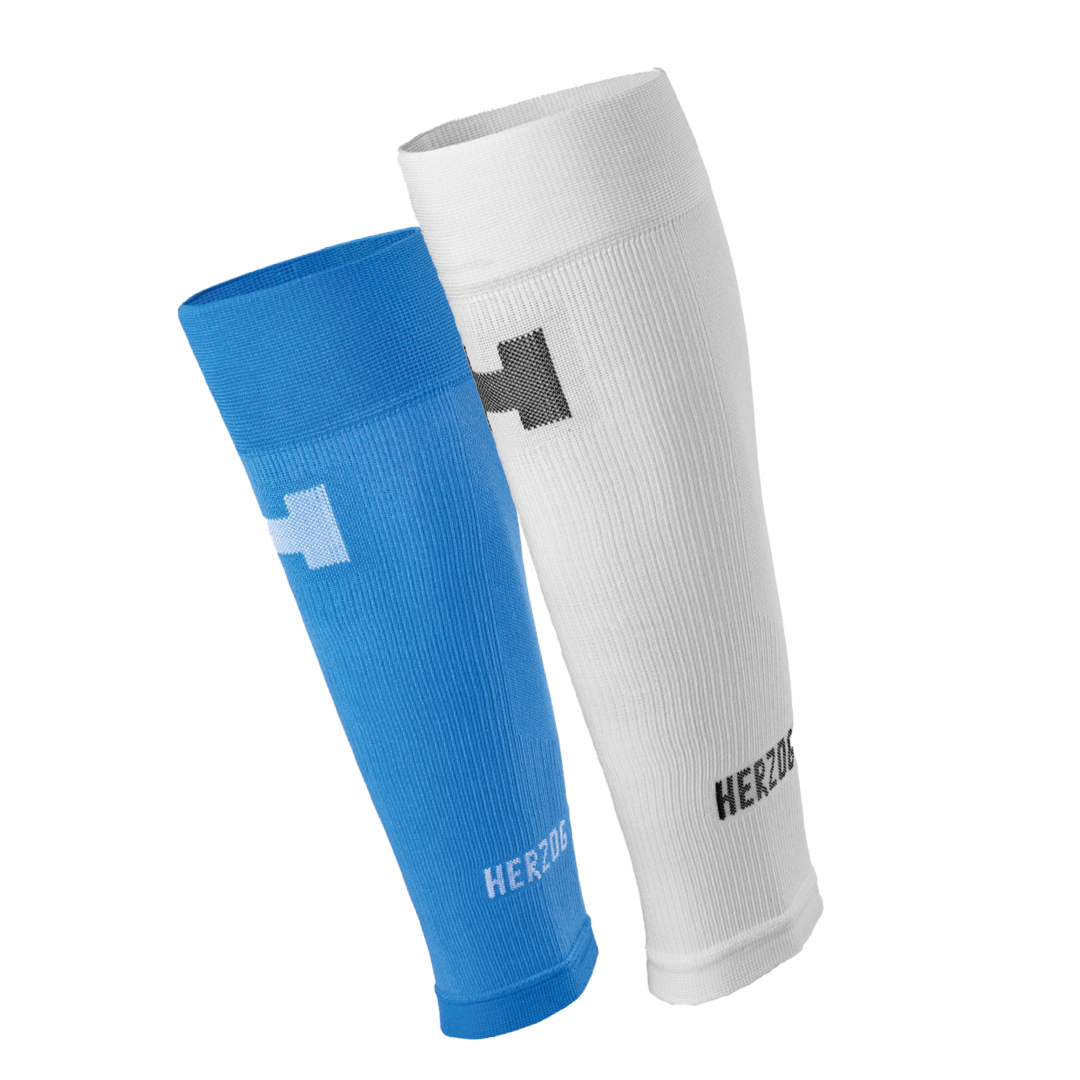
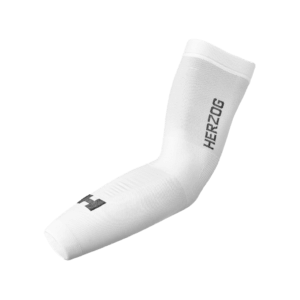
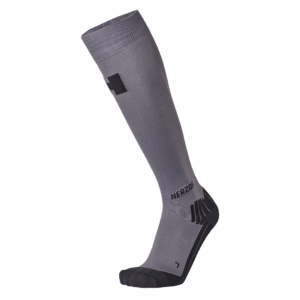
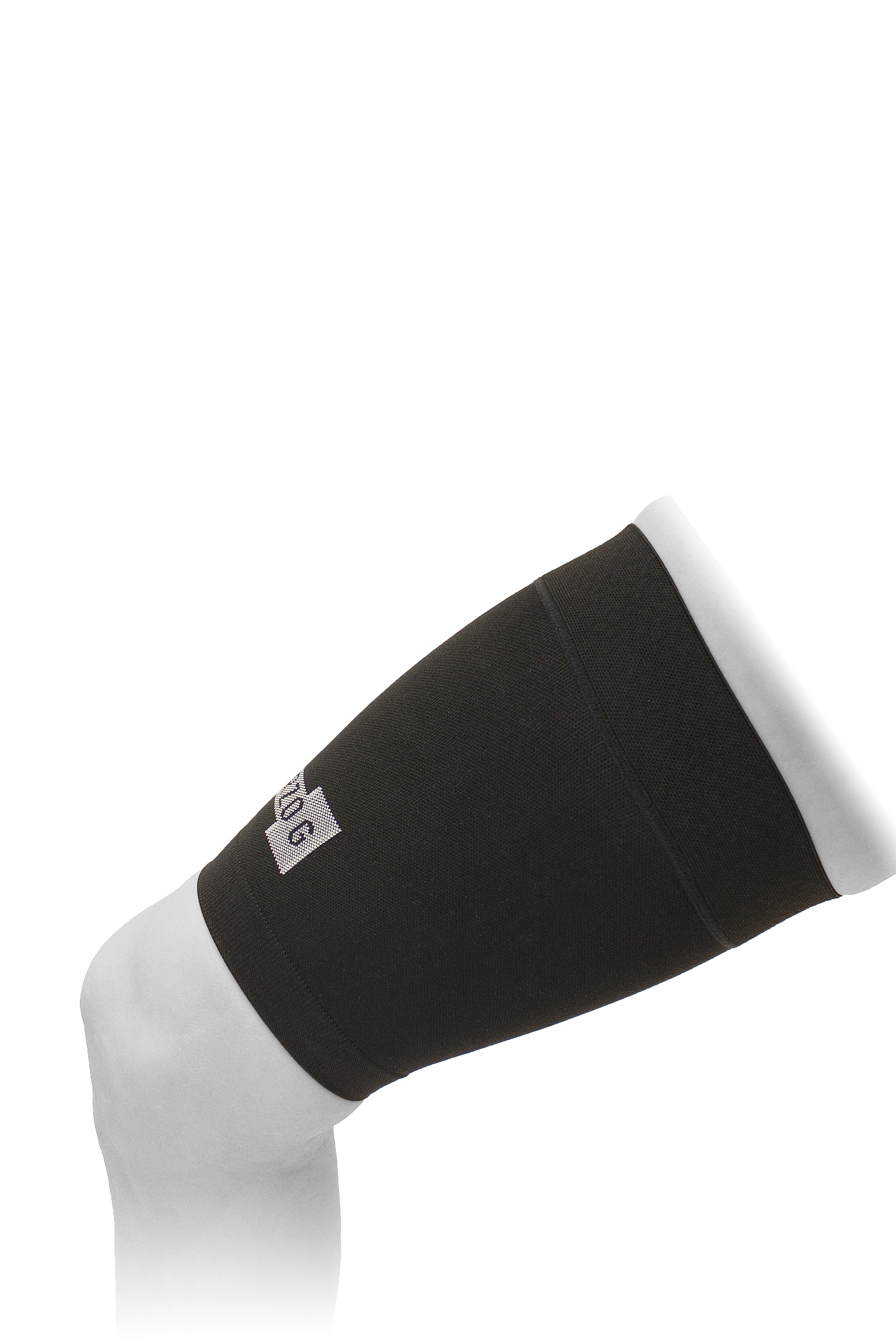
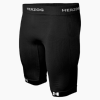
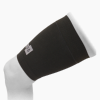
With lipedema, many people resort to compression to reduce the heavy feeling in their legs. Herzog compression stockings are a commonly used application in this regard, as they exert controlled pressure on the tissue and can contribute to a lighter feeling throughout the day.


Side Image

What is lipoedema and how do you recognise it?

Lipoedema usually develops around puberty, during pregnancy, or around menopause, times when hormonal fluctuations are significant. The adipose tissue is symmetrically distributed over both legs or arms, while the feet and hands are often spared. This distinguishes lipoedema from many other forms of fluid retention or swelling. The skin can feel sensitive and tender to the touch, and many people notice that the circumference of their legs is disproportionate to the rest of their body, which often leads to misunderstanding from those around them.

In addition to fat distribution, issues with the lymphatic system often play a role, leading to impaired fluid drainage. This can result in swollen anklesand a feeling of bloating at the end of the day. For some people, lipoedema gradually worsens, and lymphoedema can also develop as an additional condition. This is called lipo-lymphoedema. Early recognition is important because a general practitioner or specialist can then assess which approach is appropriate for the stage the condition is in.

Many women with lipoedema have been told for years that they need to lose weight, even though diet and exercise do not change the fat distribution itself. This can be frustrating and reinforce the feeling of being misunderstood. A doctor or specialised therapist will look at the ratio between the upper body and legs, the symmetry of the swelling, and the degree of tenderness to distinguish lipoedema from other causes of thick legs, such as varicose veinsor a sedentary lifestyle.

Side Image

What is the difference between lipedema, lymphedema, and obesity?

Lipedema, lymphedema, and obesity are often lumped together, but their causes differ greatly. With obesity, fat tissue increases throughout the body, including the abdomen and face, and generally responds to a modified diet. With lipedema, fat distribution is limited to the arms and legs and does not fundamentally change with weight loss. This distinction is important because a misdiagnosis can lead to years of incorrect advice about diet and weight.

Lymphedema occurs when the lymphatic system can no longer properly drain fluid, causing swelling that often starts in the foot or hand and spreads. Lipedema is primarily a fat disorder, although the lymphatic system can also be affected in a later stage. Both conditions can lead to a heavy feeling and an increased risk of restless legsat the end of the day. A specialist can determine the exact condition through physical examination and sometimes imaging.

In case of doubt, it is always advisable to visit a GP, especially if the swelling increases rapidly, feels painfully warm, or is only present in one leg. The latter can indicate thrombosis, which requires a different approach than lipedema. A GP can refer to a vascular specialist or skin therapist for further diagnosis. Making a wrong assessment yourself and, for example, only focusing on diet, often takes years without the symptoms decreasing.

Products in this blog

Side Image

What can you do yourself for lipedema?

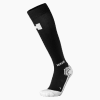
There's no way to train away or diet away lipedema, but there are ways to make the symptoms more bearable. Exercise such as walking, swimming, or cycling supports blood circulation and can reduce the heavy feeling, without addressing the fat distribution itself. For people with asedentary jobwearing Herzog compression socks during long workdays can contribute to less heaviness at the end of the day.

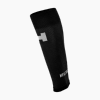
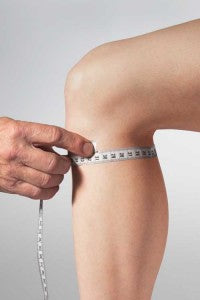
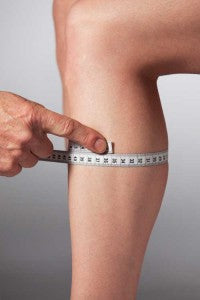
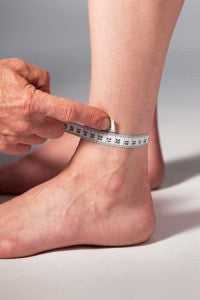
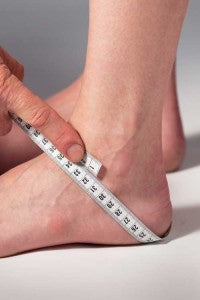
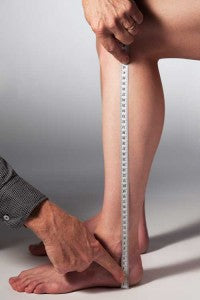
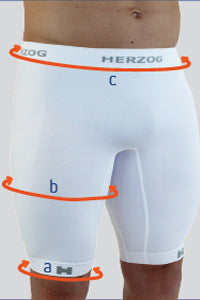
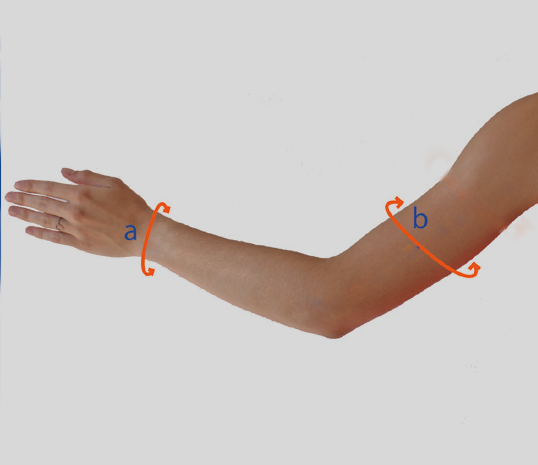
Herzog PRO Compression Socks are developed based on medical compression technology and are custom-fitted at six measuring points, so that the pressure precisely matches the shape of the leg. These socks carry an MDR quality mark and are used by healthcare professionals as well as by people with chronic complaints. The controlled gradual pressure distribution ensures that the pressure is highest at the bottom of the leg and gradually decreases, which can support the transport of fluid towards the body.

Herzog has been a specialist in compression for over twenty years and applies that knowledge in both Herzog medical compression socks and in products for daily use. With lipedema, it's not about a quick fix, but about daily support for a body that reacts differently than average. Always consult a general practitioner or therapist about which form of compression and which pressure class is suitable for your situation, so that the approach matches the stage of the condition.

Frequently asked questions

Is lipedema the same as being overweight?

No, lipedema is a condition where adipose tissue is distributed in a specific way over the arms and legs, regardless of diet or exercise. Overweightness results from a general increase in adipose tissue throughout the body and does respond to an adjusted diet. If in doubt, a general practitioner can assess the distinction.

Does compression help with lipedema?

Compression is not a treatment for lipedema itself, but many people experience less heaviness and a more pleasant feeling in their legs with daily use. It is a supportive measure in addition to any medical advice. Consult with a general practitioner or therapist about the appropriate form of compression.

When should you see a general practitioner for lipedema?

See a general practitioner if the swelling increases rapidly, is only on one side, or is accompanied by warmth and pain, as this may indicate another condition such as thrombosis. Also, if there is doubt about the cause of swollen legs, an assessment by a general practitioner or specialist is useful.

Relevant blogs

6 Effective tips to prevent and relieve shin splints

Prevent and alleviate shin splints with 6 practical tips for runners. Less pain, faster recovery, and better training.

Treating Whiplash: 3-Phase Recovery with Compression and Cold Therapy

Recovering from a calf strain? Discover the 3 recovery phases and how compression and cold therapy can contribute to optimal and responsible recovery.

All about calf problems: causes, symptoms, and what you can do about them

Suffering from calf complaints? Read all about possible causes, common symptoms, recovery, and what you can do to prevent calf complaints.