
Losing Weight with Running: Why It's Often Harder Than You Think

Running seems like the ideal way to lose weight. After all, it burns calories, is accessible, and you feel energetic afterward. However, many people notice that the pounds don't just melt away, even if they faithfully run their laps three times a week. Why is that? And what can you do to achieve results?

Side Image

Why losing weight with running is often disappointing

1. Your body chooses the wrong 'fuel'
If you run at too high a pace, your body mainly burns sugars (carbohydrates) instead of fat. Fat burning primarily occurs during calm, long endurance runs. Many people run too fast to burn fat efficiently.
💡 Tip: Run at a pace where you can still talk. This is usually around 60-70% of your maximum heart rate: the 'fat-burning zone'.
2. Compensatory behavior after running
After an intense workout, you feel like you've earned a reward. That extra cookie or larger portion of pasta 'is fine for once', right? But this often leads to (unconsciously) eating back more calories than you've burned.
3. Running doesn't build muscle mass
While running improves your endurance, it builds little muscle mass. Muscles, in fact, burn more energy at rest than fat tissue. Without additional strength training, your resting metabolism remains relatively low.
4. Your body becomes more efficient
The longer and more often you run, the more efficiently your body learns to use energy. Good news for your performance, but less good for your calorie expenditure. What burned 500 kcal at first might later only burn 350.

Side Image

What does work?

Weight loss is a combination of exercise, nutrition, and recovery. Here are some concrete tips:• Combine running with strength trainingBuild muscle mass and increase your resting metabolism. Think squats, lunges, and core exercises.• Eat mindfully and high in proteinAvoid the "I worked out anyway" pitfall behavior. Ensure you get protein after your run to support your muscles and stay satiated.• Run on an empty stomach (if healthy for you)In the morning, without breakfast, you use fat as fuel more quickly. Please note: this is not suitable for everyone, especially not for intensive training sessions.• Vary your workoutsAlternate easy long runs with interval training. This keeps your body sharp and prevents plateauing.

Compression socks: a boost for recovery and motivation

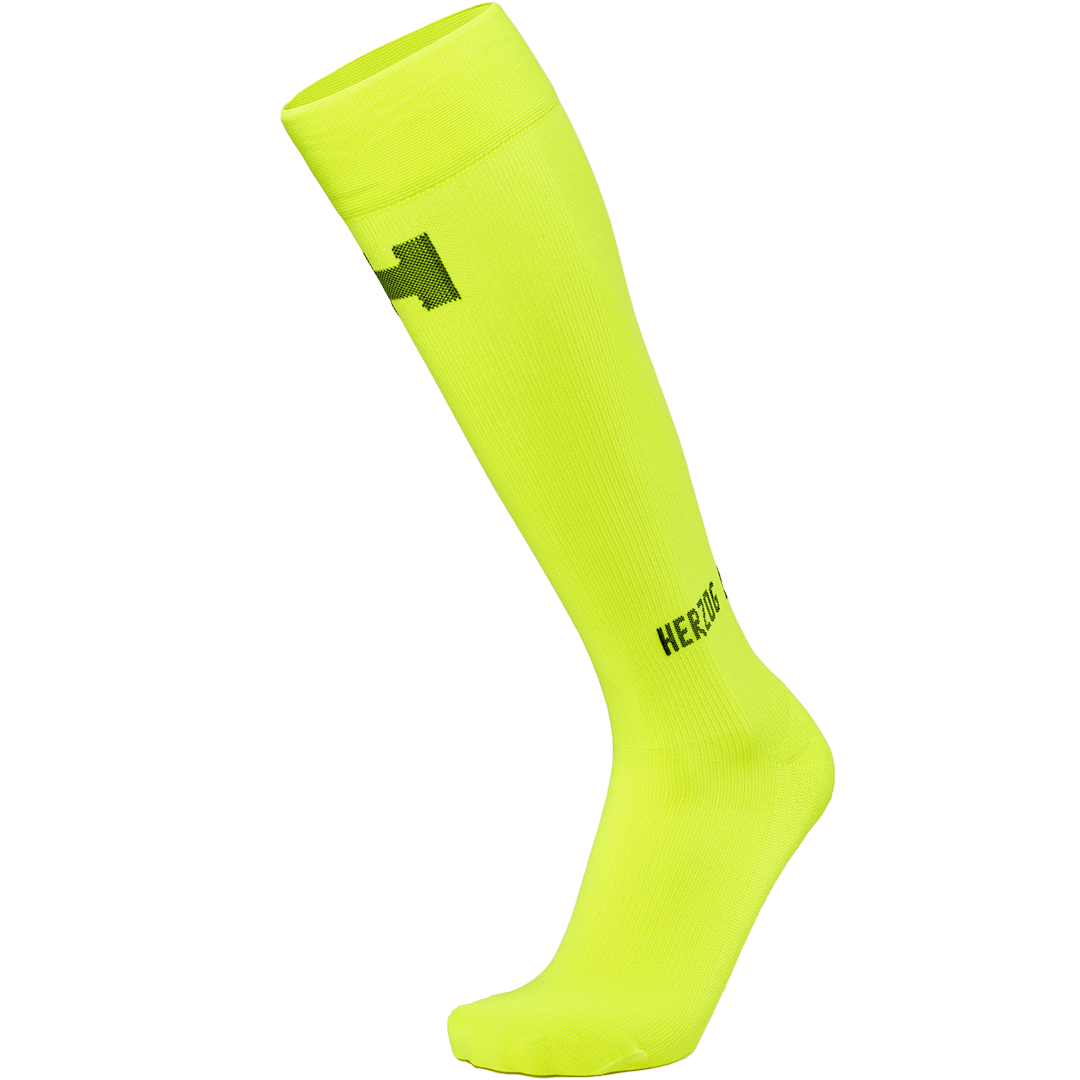
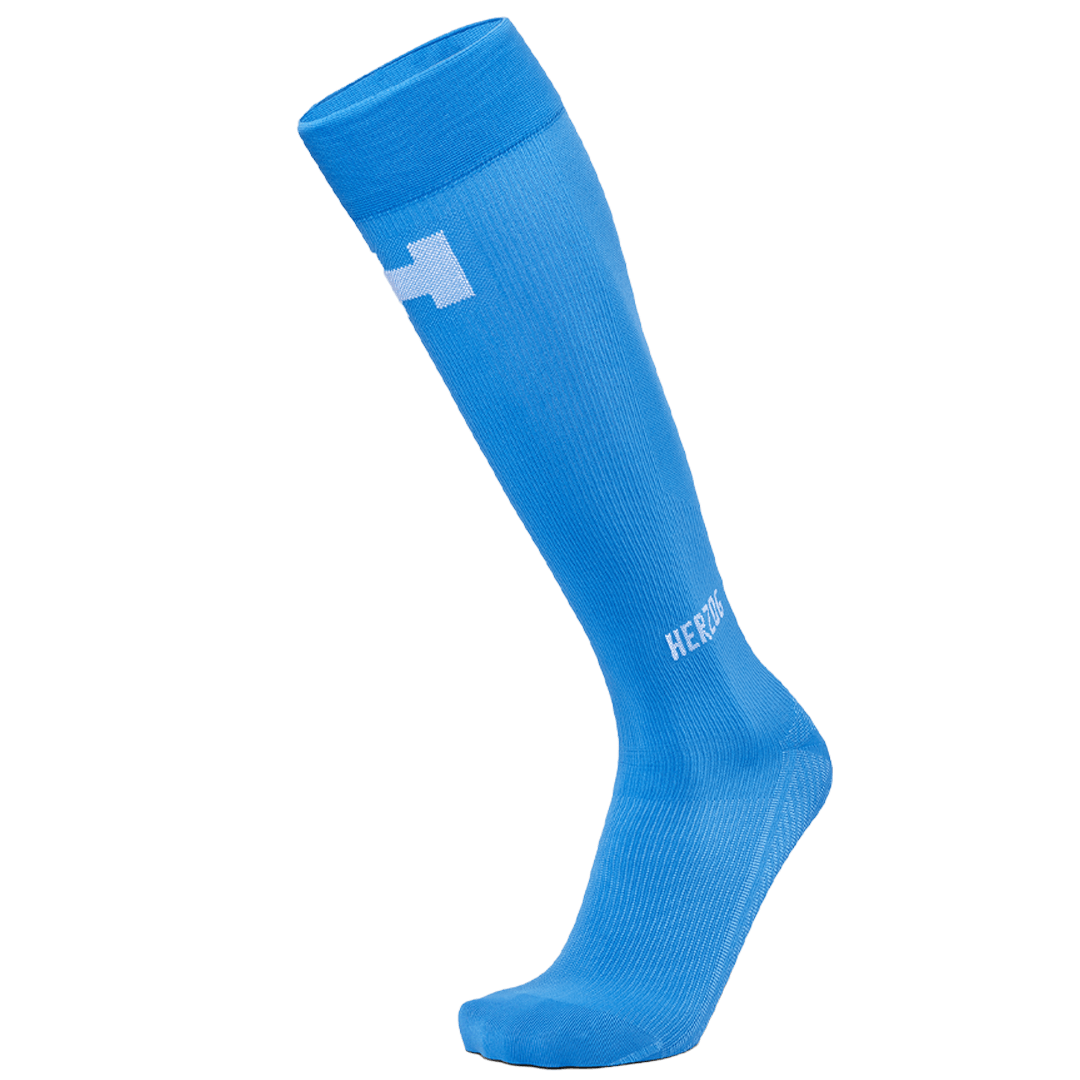
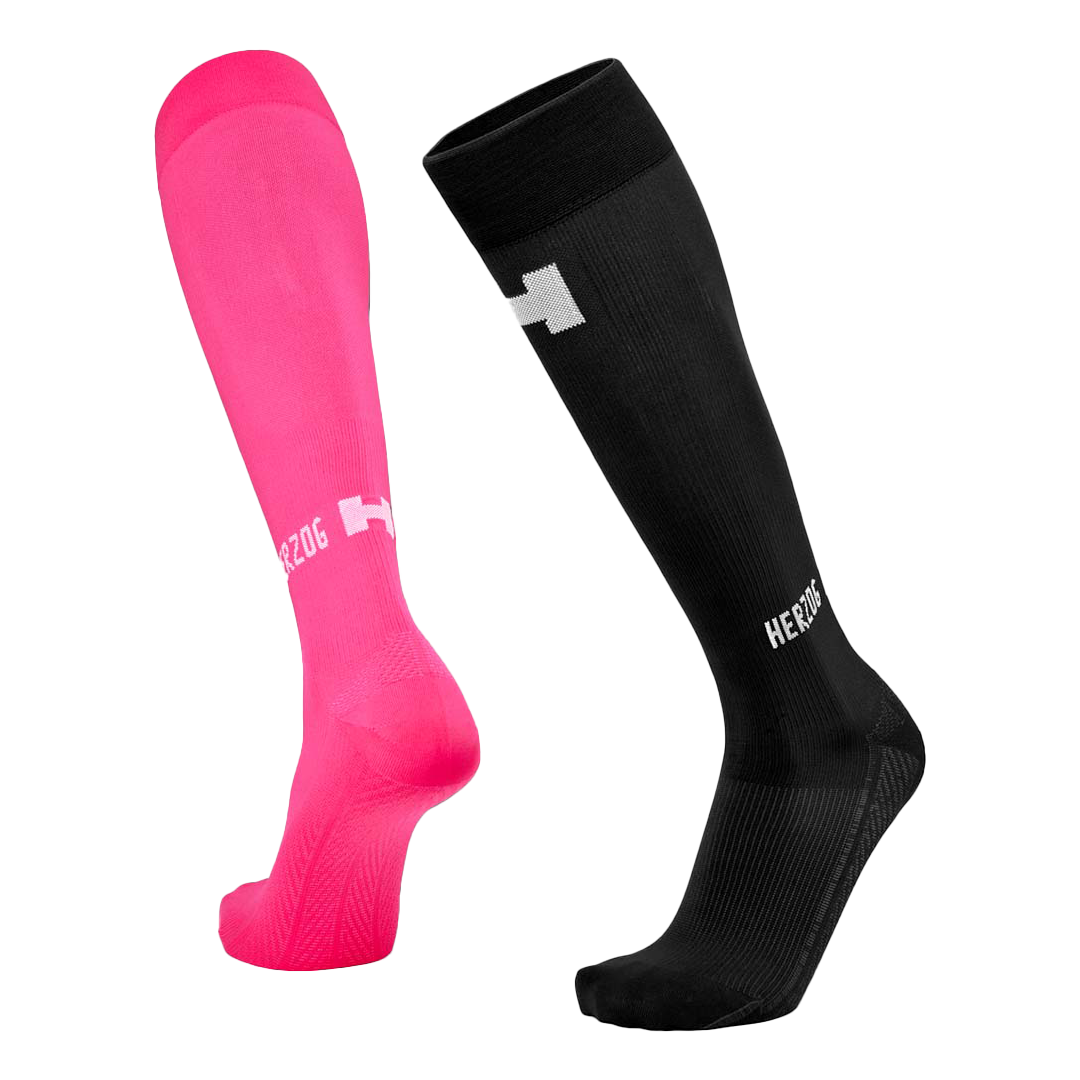
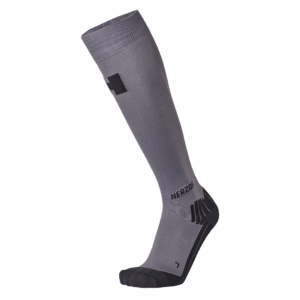
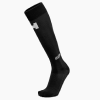
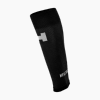
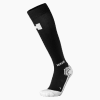
Weight loss is not just about burning calories, but also about consistency. And that's where the importance of recovery comes in. The faster you recover, the more often (and better) you can train. Herzog compression sockssupport you in this:✅ Faster recovery for tired legsDue to gradual compression, waste products are removed more quickly and blood circulation is improved. Less muscle soreness = back on track sooner.✅ Less prone to injuryGood compression stabilizes your lower leg muscles and helps prevent overuse. This is important, especially if you're just starting out or are a bit heavier.

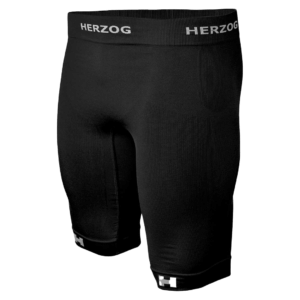
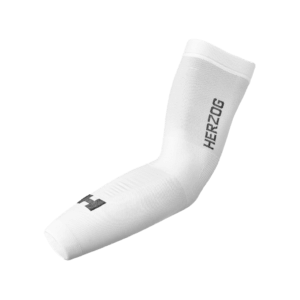
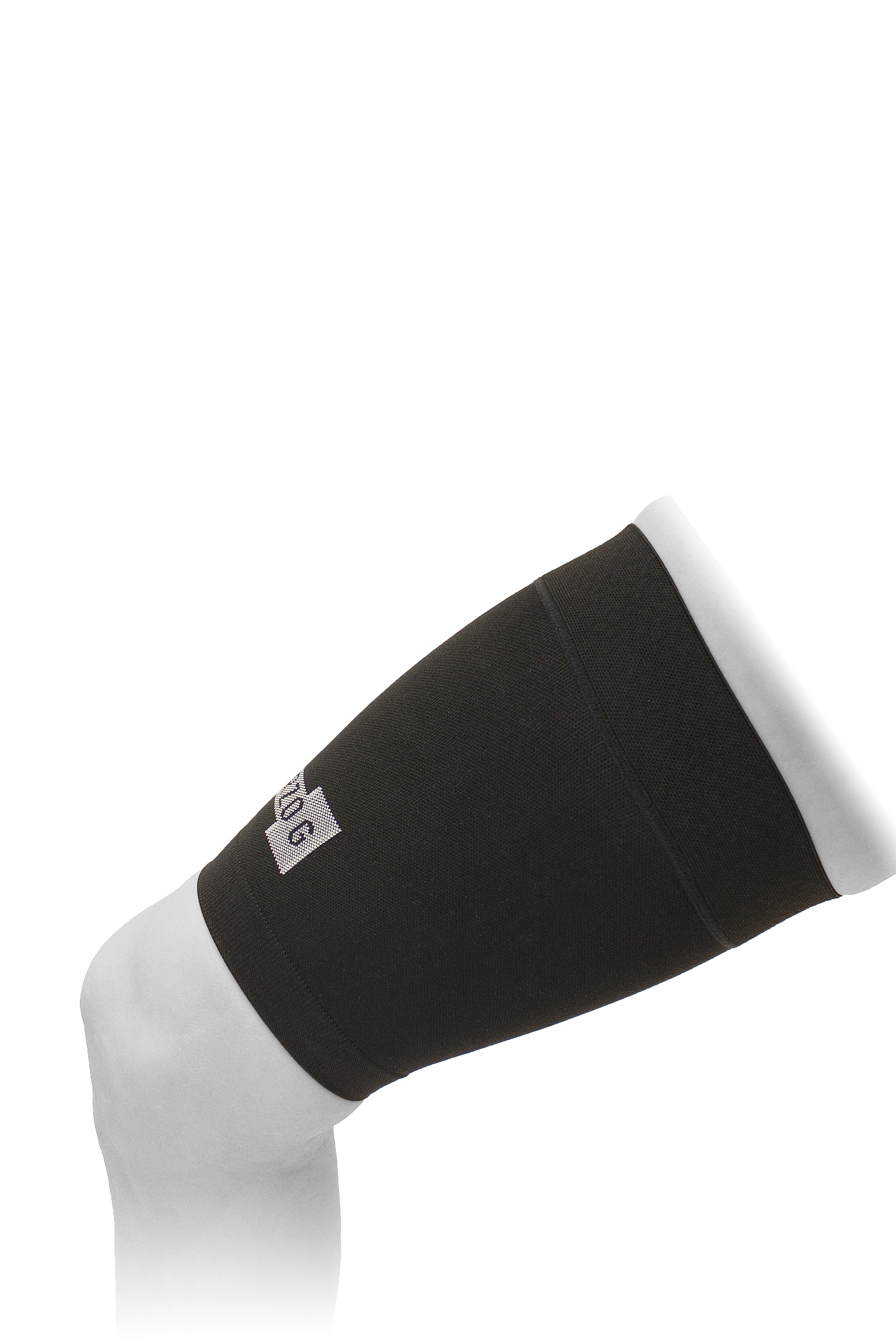
Products in this blog

Relevant blogs

6 Effective tips to prevent and relieve shin splints

Prevent and alleviate shin splints with 6 practical tips for runners. Less pain, faster recovery, and better training.

Treating Whiplash: 3-Phase Recovery with Compression and Cold Therapy

Recovering from a calf strain? Discover the 3 recovery phases and how compression and cold therapy can contribute to optimal and responsible recovery.

All about calf problems: causes, symptoms, and what you can do about them

Suffering from calf complaints? Read all about possible causes, common symptoms, recovery, and what you can do to prevent calf complaints.