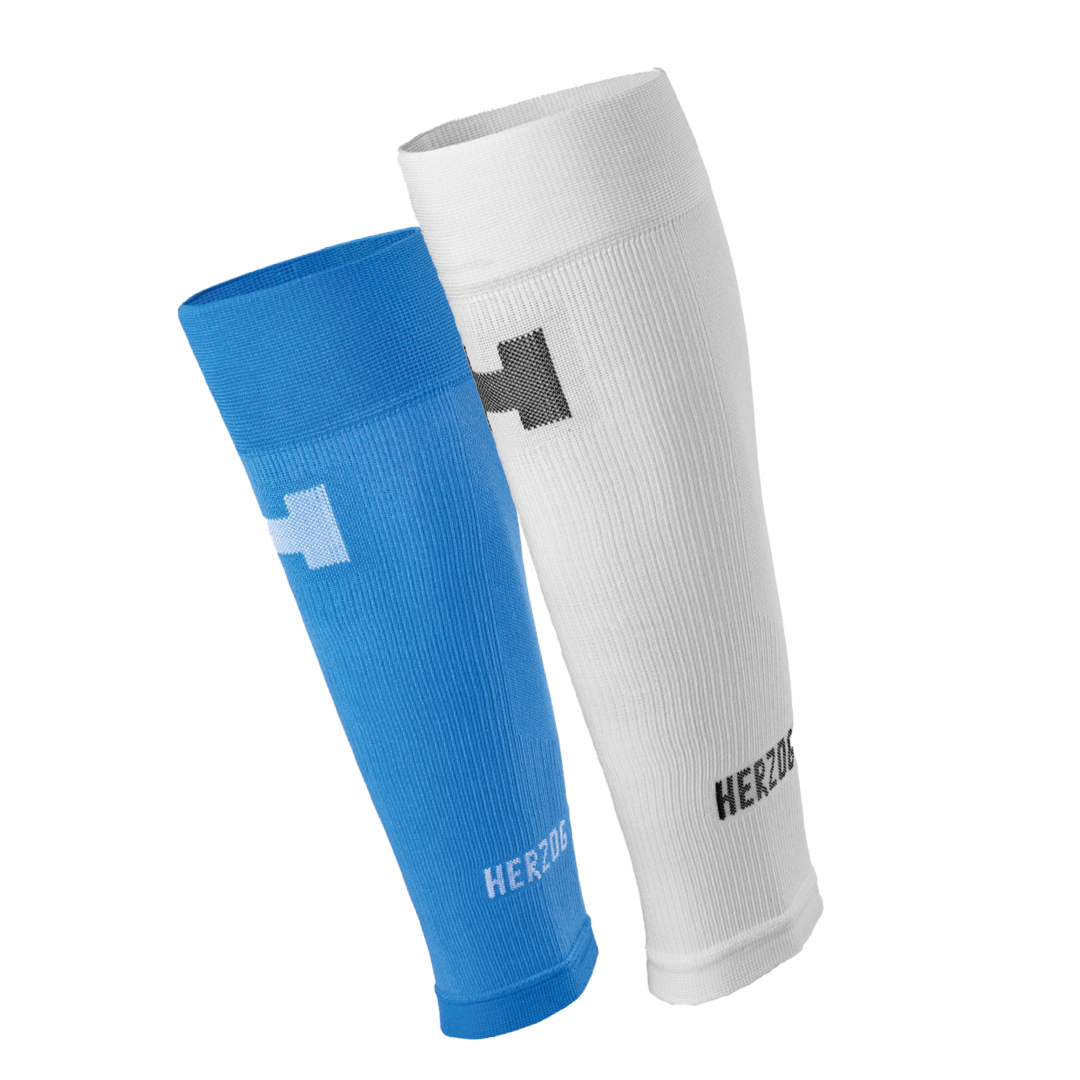
Open-toe compression stockings

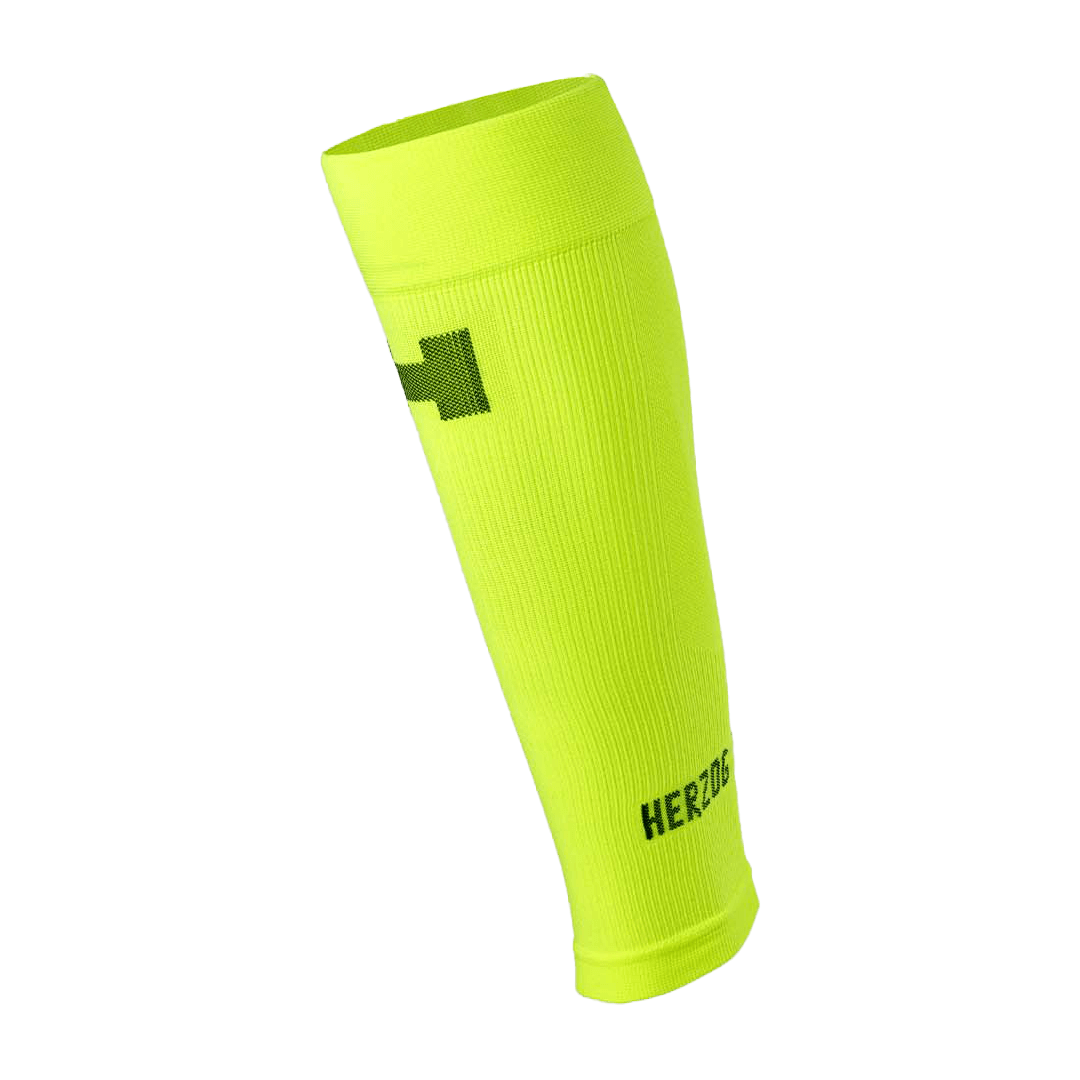
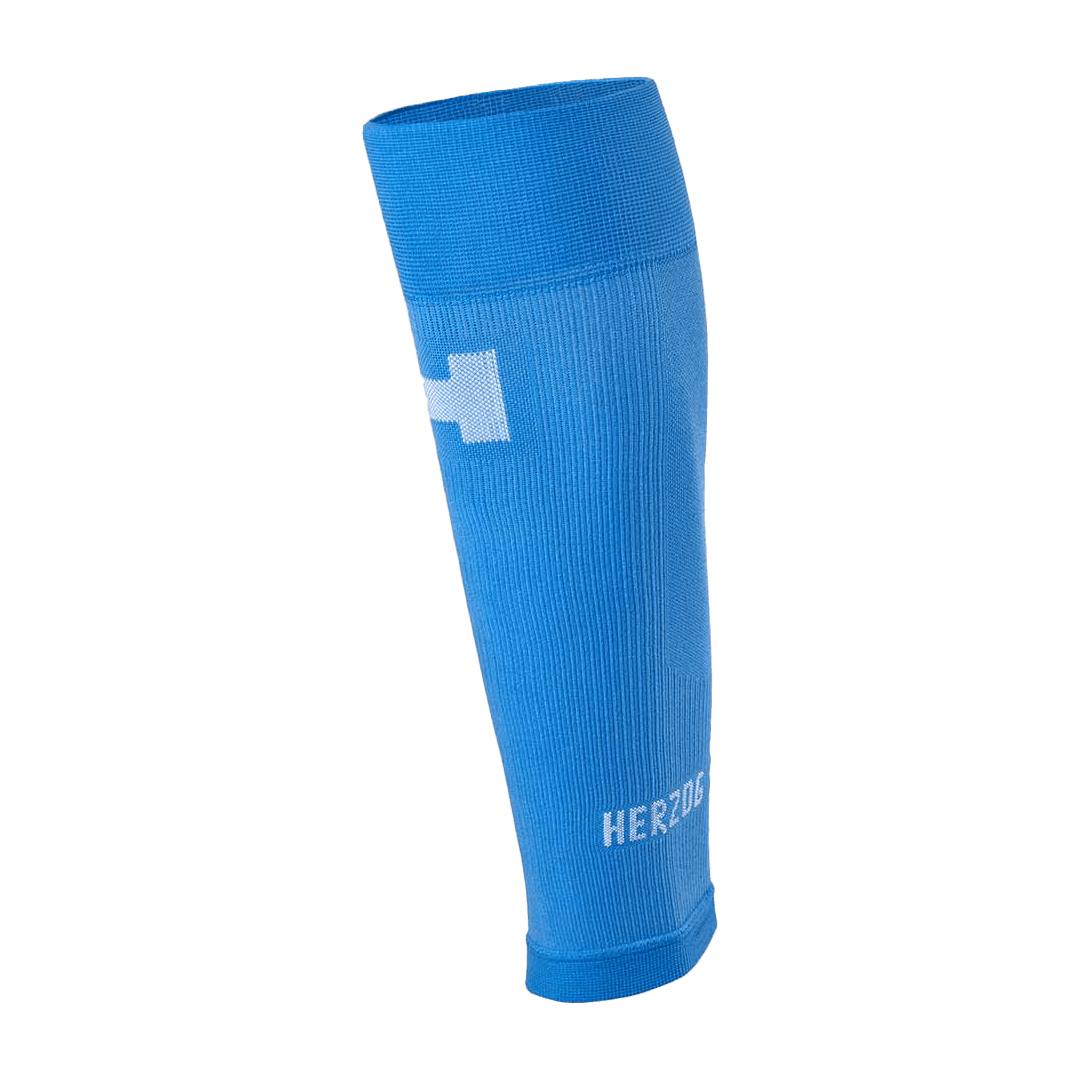
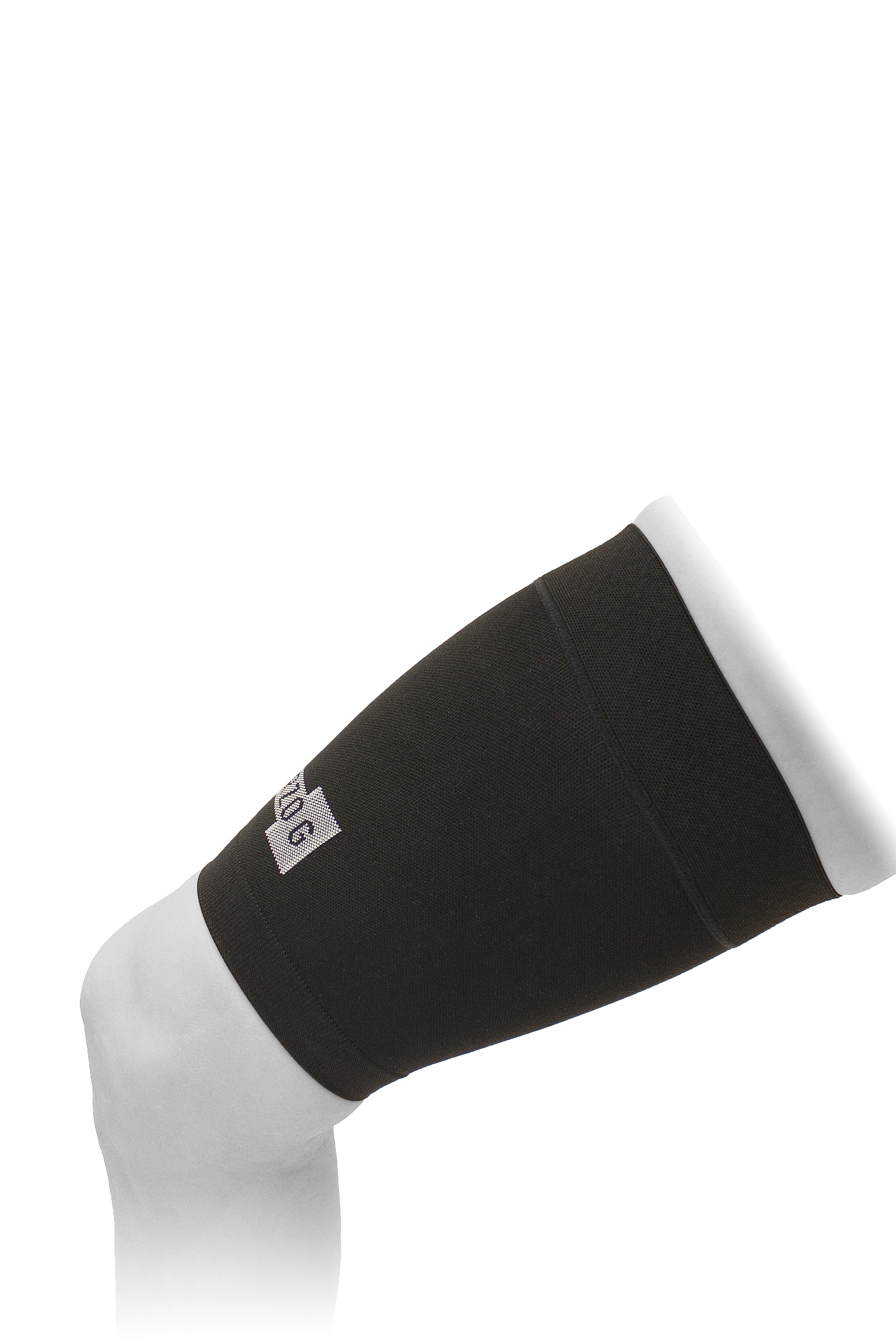
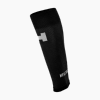
Compression socks without feet, also known as compression tubes, offer support to your calf and lower leg without any fabric covering your foot. This is convenient in situations where you need movement and sensation in your foot, while your calf benefits from controlled pressure. For example, when you put on sports shoes and prefer not to feel an extra layer of fabric under your sole during intense exercise.

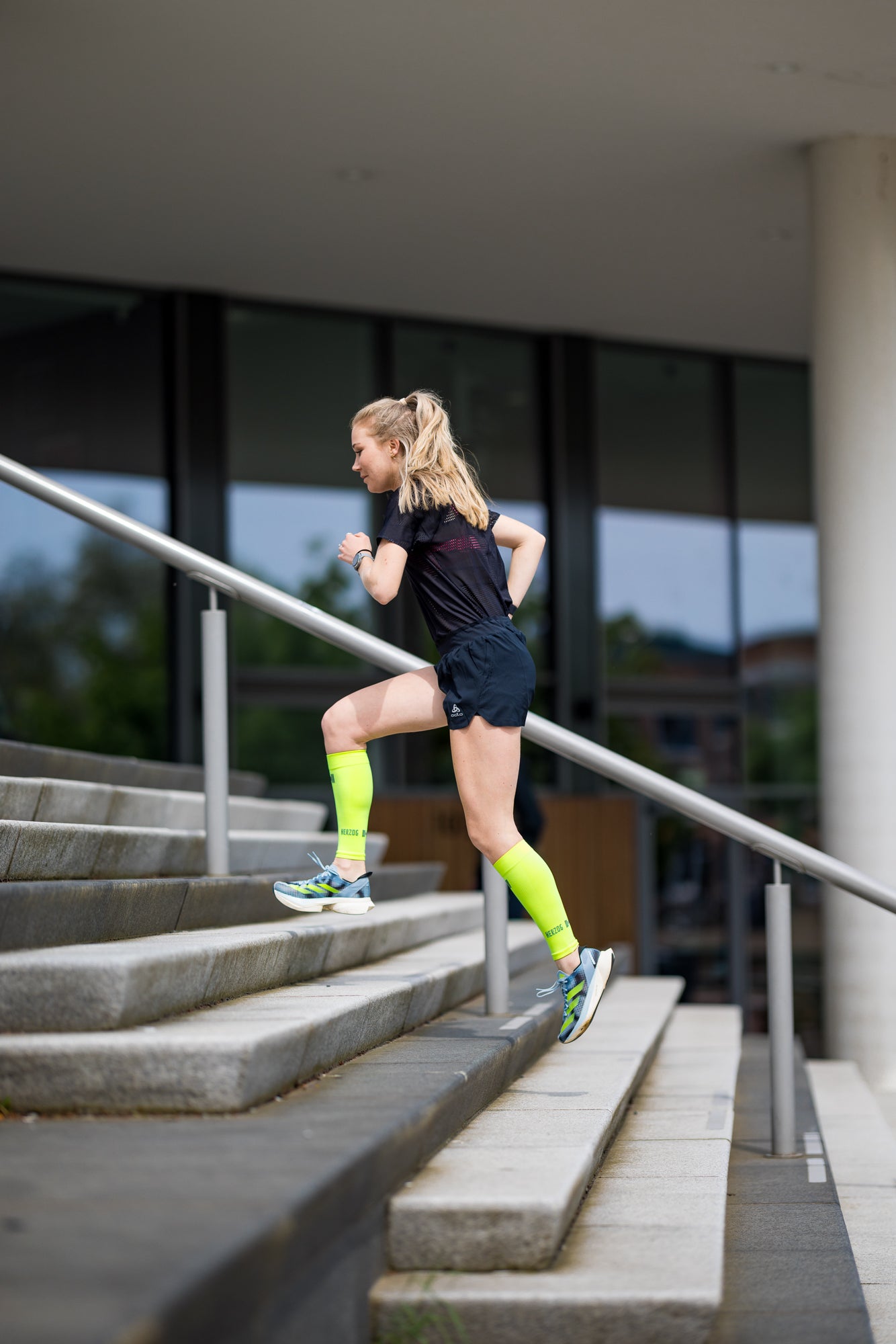
At Herzog, you primarily see this with runners and cyclists who wear a Herzog PRO Compression Tube over their sports shoes. The calf receives support during exercise, while the foot remains free for grip and sensation in the shoe. This makes it a practical choice for those who want to combine compression with specific footwear, such as spikes or cycling shoes, without sacrificing comfort around the toes.


Side Image

When do you choose a compression stocking without a foot?

A footless compression stocking is particularly relevant when your foot already receives support from athletic shoes, socks, or other footwear. For example, when running, the shoe already provides much of the function that a foot section would normally give, making additional compression on the foot less beneficial. For running, a tube can feel more comfortable than a full stocking, especially during longer distances where your foot needs to breathe and move within the shoe.

This preference is also often seen in cycling. Cycling shoes are often tight and have a firm sole, which can cause a compression stocking with a foot to shift or feel unnecessarily bulky under the shoe. A tube allows the calf to benefit from compression during long rides, while the foot remains free to sit properly in the pedal system. For cycling, this is especially relevant for longer training sessions where the calf muscle is subjected to a lot of strain.

In addition, people choose a footless variant in warm weather, or when the skin of the foot is sensitive to extra fabric. Some people prefer to wear their own socks and only want compression on the lower leg. This also applies to those who regularly experience calf complaints and need support without the foot being encased. More explanation about these types of complaints can be found under calf complaints, where you can see how compression on the calf can contribute to recovery and comfort.

Side Image

What is the difference with a compression sock with foot?

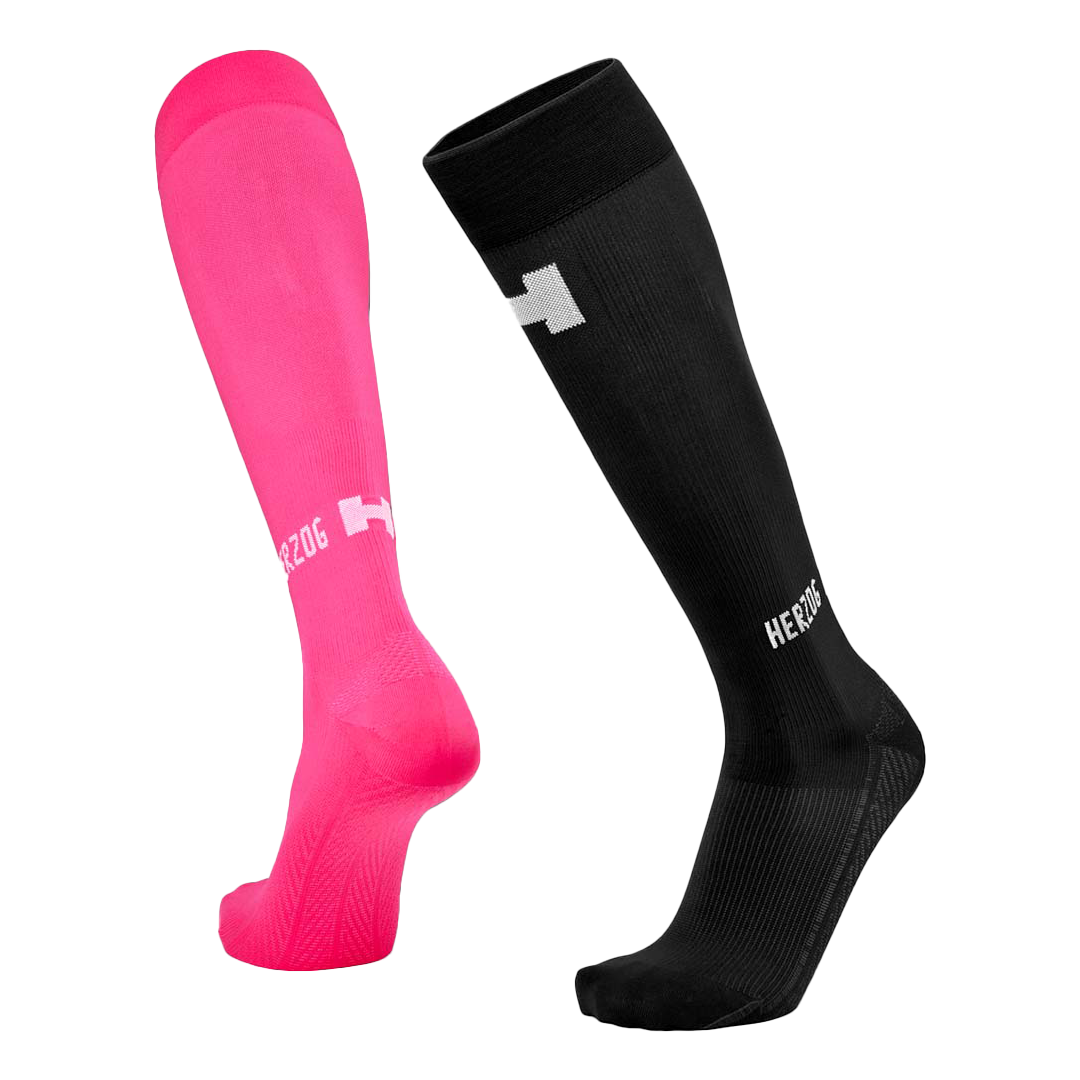
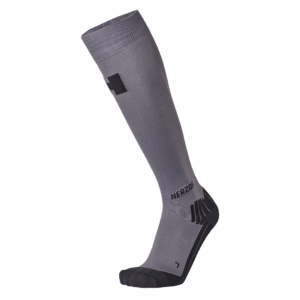
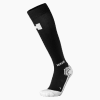
A compression sock with foot builds up pressure from the toes and gradually decreases towards the knee. This is called gradual compression, and it ensures that blood flows back to the heart more easily. With a tube without a foot, the same build-up starts just above the ankle, so the foot itself does not receive direct compression. For many daily or medical applications, this build-up from the foot is desirable, but in sports situations, this is often different.

Herzog's compression technology was developed from medical applications, where precision in pressure distribution is central. With Herzog compression socks with foot, this pressure is carefully built up over multiple zones, so that the body benefits optimally. With a compression tube, this build-up is limited to the lower leg, but the precision in the tissue structure remains the same. More explanation about how this build-up works can be found at how compression works. This makes the difference between a tube and a sock primarily a matter of application, not of quality.

The Herzog PRO Compression Socks and Herzog PRO Compression Tubes also bear an MDR quality mark, which means that they meet medical quality requirements. This quality mark says something about the production and the reliability of the pressure build-up, not about whether you choose a sock or a tube. That choice really depends on the situation in which you wear the compression, whether that is for sports, work, or recovery. If you are unsure which variant suits your goal, it is wise to consider what your footwear and daily activities require of you.

Products in this blog

Side Image

How do you choose the right size and fit for a footless compression sock?

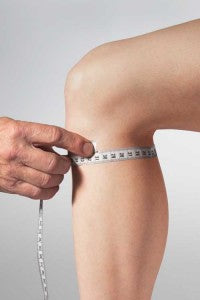
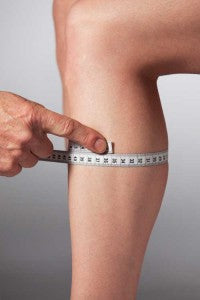
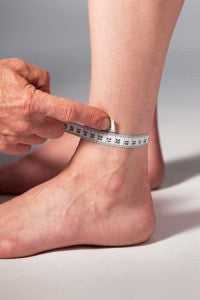
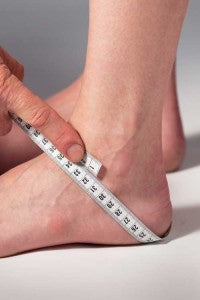
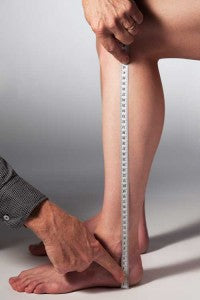
When choosing theright sizeit's not just about length, but especially about the circumference of your calf and ankle. A tube that is too loose offers little support, while a tube that is too tight can constrict. Herzog compression tubes are therefore individually measured at four points, so that the pressure build-up precisely matches the shape of your lower leg, even if you don't have a standard size.

For people with recurring calf or lower leg complaints, a well-fitting tube can make the difference between comfort and irritation. With shin splintcomplaints, for example, people often look at how compression can contribute to less strain during running, although the correct fit remains essential. Even people with sedentary jobs who exercise occasionally notice that the right size is crucial for how comfortable the tube remains throughout the day.

Please note: only wear compression tubes during exercise. For recovery and rest periods, the PRO Compression Sock is more suitable. There is a risk of swollen feet when wearing tubes at rest.

Calculate your size

Frequently Asked Questions

Can I wear a toeless compression sock for calf complaints?

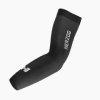
Yes, a compression sleeve can provide support to the calf during exercise or recovery. Many people experience less calf fatigue when wearing a sleeve during running or walking. However, it is advisable to consult a general practitioner for persistent complaints.

Is a compression sleeve as effective as a full-foot compression sock?

That depends on why you need the compression. For the calf, both variants work with the same gradual pressure build-up, but a sleeve leaves the foot free while a sock also supports the foot. The choice therefore mainly depends on your situation and footwear.

Can I wear a compression sleeve while running or cycling?

Yes, many athletes wear a compression sleeve precisely during running or cycling because the foot remains free for the shoe. This allows for grip and movement, while the calf still receives support.

Relevant blogs

6 Effective tips to prevent and relieve shin splints

Prevent and alleviate shin splints with 6 practical tips for runners. Less pain, faster recovery, and better training.

Treating Whiplash: 3-Phase Recovery with Compression and Cold Therapy

Recovering from a calf strain? Discover the 3 recovery phases and how compression and cold therapy can contribute to optimal and responsible recovery.

All about calf problems: causes, symptoms, and what you can do about them

Suffering from calf complaints? Read all about possible causes, common symptoms, recovery, and what you can do to prevent calf complaints.