Padel and Foot Strain: why stability is important

Padel is fast and dynamic. Short sprints, quick turns, and sudden stops mean your feet and ankles are constantly under stress. With every change of direction, your foot absorbs the impact, while your ankle immediately has to find stability again. This combination of explosive movements and unpredictable changes in direction makes padel intense for the lower part of your legs, even if you only play for an hour.

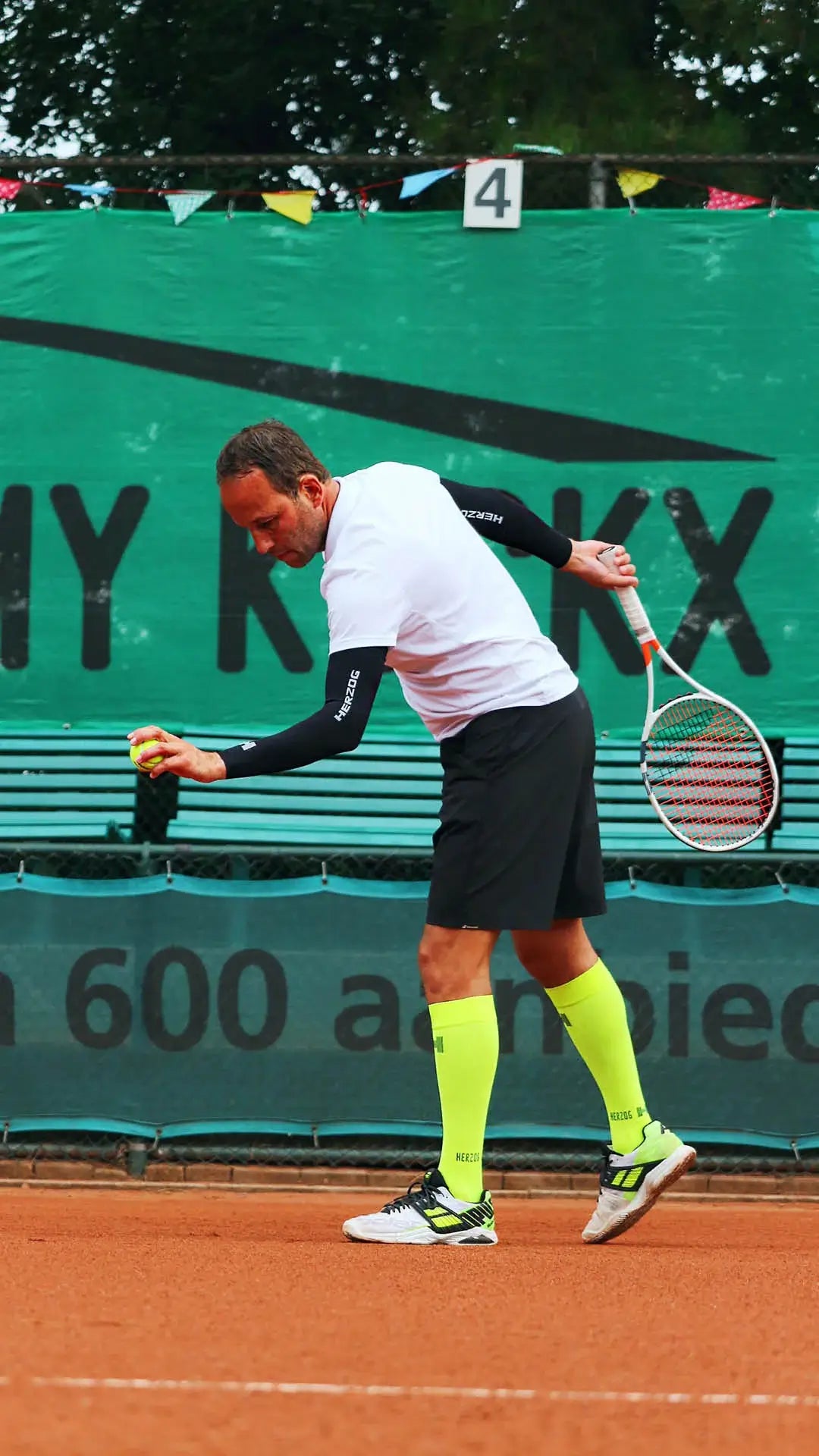
Many padel players notice that their ankles and soles of their feet feel fatigued after a few matches, especially during intense rallies on the court. Herzog compression socks are often used in the sports world to provide extra support around the ankle and lower leg during and after playing. This support can contribute to a more pleasant feeling of stability, without sacrificing your freedom of movement on the court.

Side Image

What happens in your foot and ankle when you play?

When playing padel, your feet are constantly moving sideways, forwards, and backwards, often in a fraction of a second. These lateral movements demand a lot from the small muscles and ligaments around your ankle, which constantly have to correct to keep your weight balanced. Unlike running, where movements are mainly forward-directed, padel constantly changes direction. As a result, your ankle joint and foot arch work differently than you might be used to, increasing the risk of overuse injuries if your stability isn't up to par.

Every deceleration and acceleration creates a shockwave that travels up from your foot. Your sole and Achilles tendon absorb a large part of that force, especially during the short, intense stops typical of padel. Regular players will recognize the feeling of a stiff calf or a strained attachment at the heel after an intense match. This is a sign that the tissues around your ankle and foot have been heavily stressed, especially if the surface is hard or your shoes don't fit your foot shape properly.

In addition to the direct strain, your foot posture also plays a role. Some players naturally have a foot that tilts slightly inward or outward, requiring certain muscles and ligaments to work harder to maintain balance. During long or intensive matches, this can contribute to complaints such as an Achilles tendon injuryor an overworked calf. It is no coincidence that many padel players pay extra attention to ankle stability, precisely to prevent this type of overuse.

Side Image

Why is stability so important in padel?

Ankle and foot stability determines how well your body can absorb shocks and changes in direction. If this stability is insufficient, the load often shifts to other structures, such as your calf, hamstring, or lower back. Your body then unconsciously compensates, which can lead to complaints that are not directly located in your ankle but are a consequence of it. An unstable ankle constantly forces your body to make small corrections, which in the long term is tiring for muscles not primarily intended for that purpose.

One of the most common consequences of insufficient stability is a sprained ankle, often when you quickly change direction to reach a ball just in time. Conditions such as heel spuralso occur more frequently in players who move a lot on the balls of their feet without sufficient support. The arch of the foot and the heel attachment then repeatedly experience peak loads, which in the long term can contribute to pain complaints that do not simply disappear with rest alone.

Stability is not just about preventing injuries; it also influences how you play. A player who is confident in their ankle dares to move more explosively and react faster to a ball that seems just out of reach. If you doubt your stability, you often unconsciously adjust your movements, causing you to be slightly less sharp off the mark. Some players notice that Herzog compression socks during intense matches contribute to a firmer feeling around the ankle, which in turn allows for confident movement.

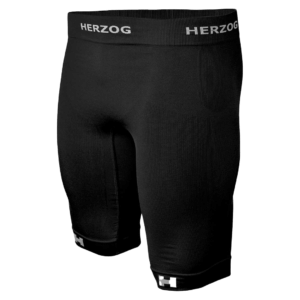
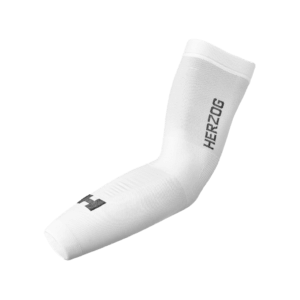
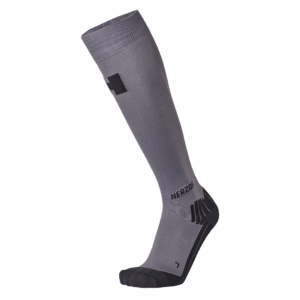
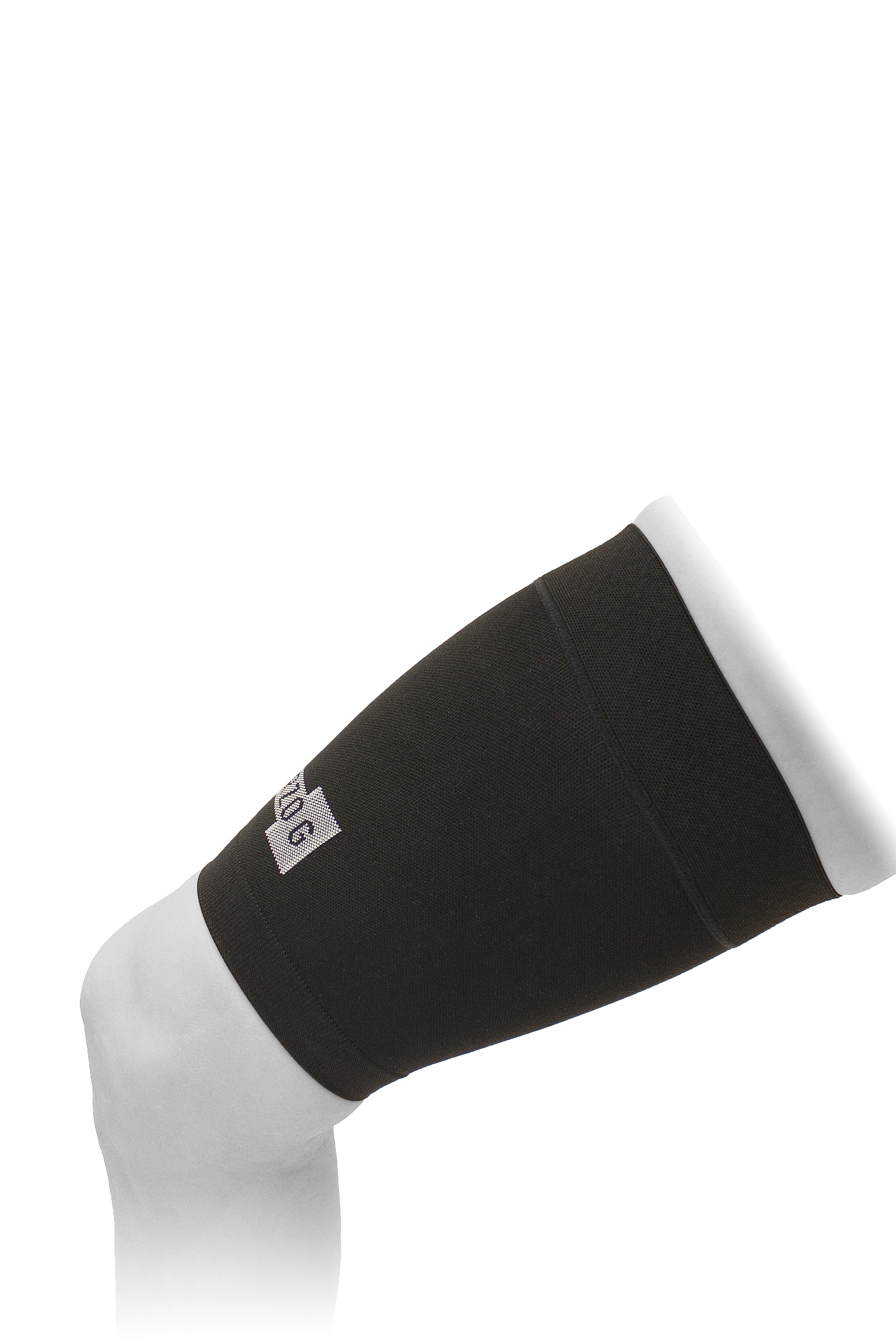
Products in this blog

Side Image

Which compression is suitable for padel?

Which version best suits you depends on where you are looking for support:

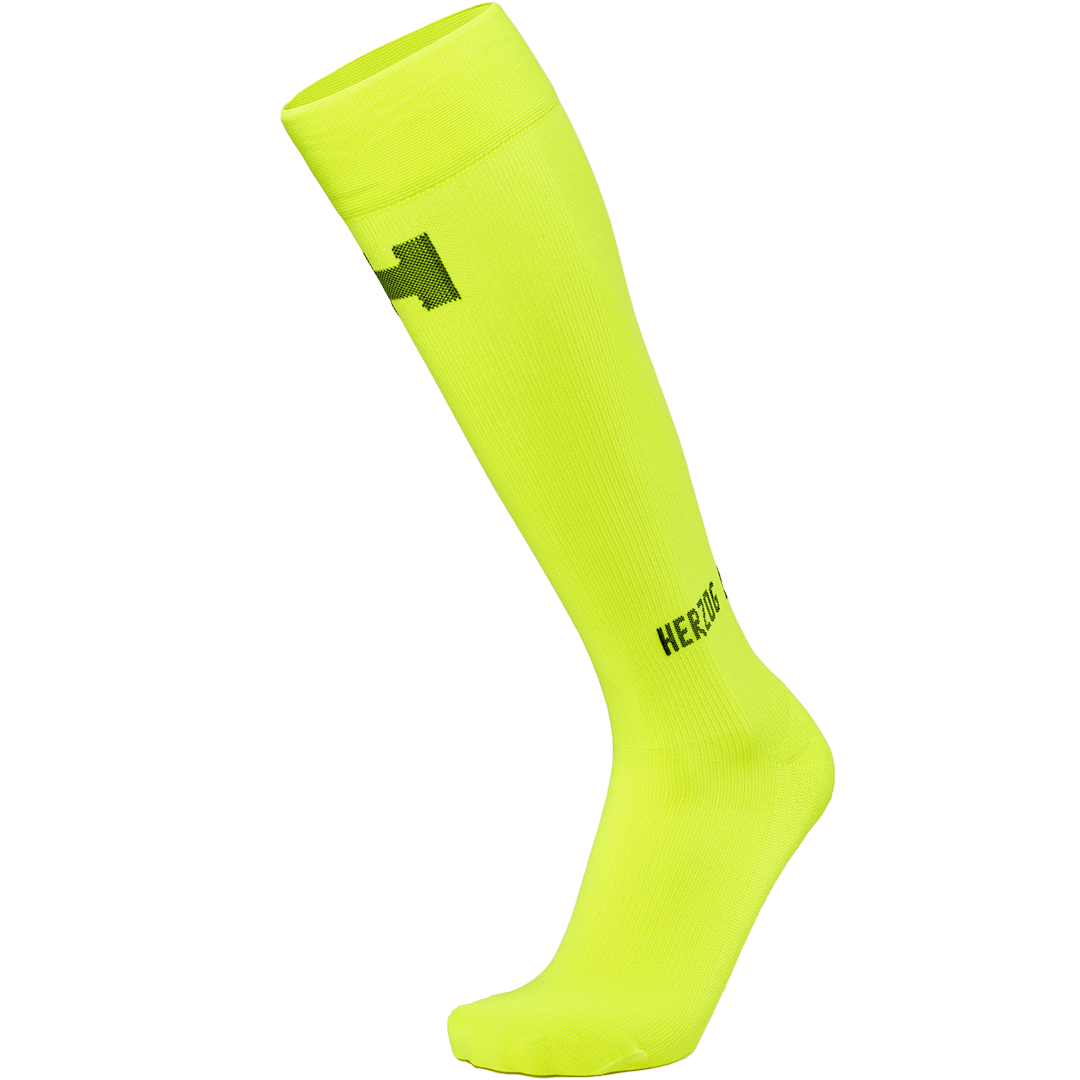
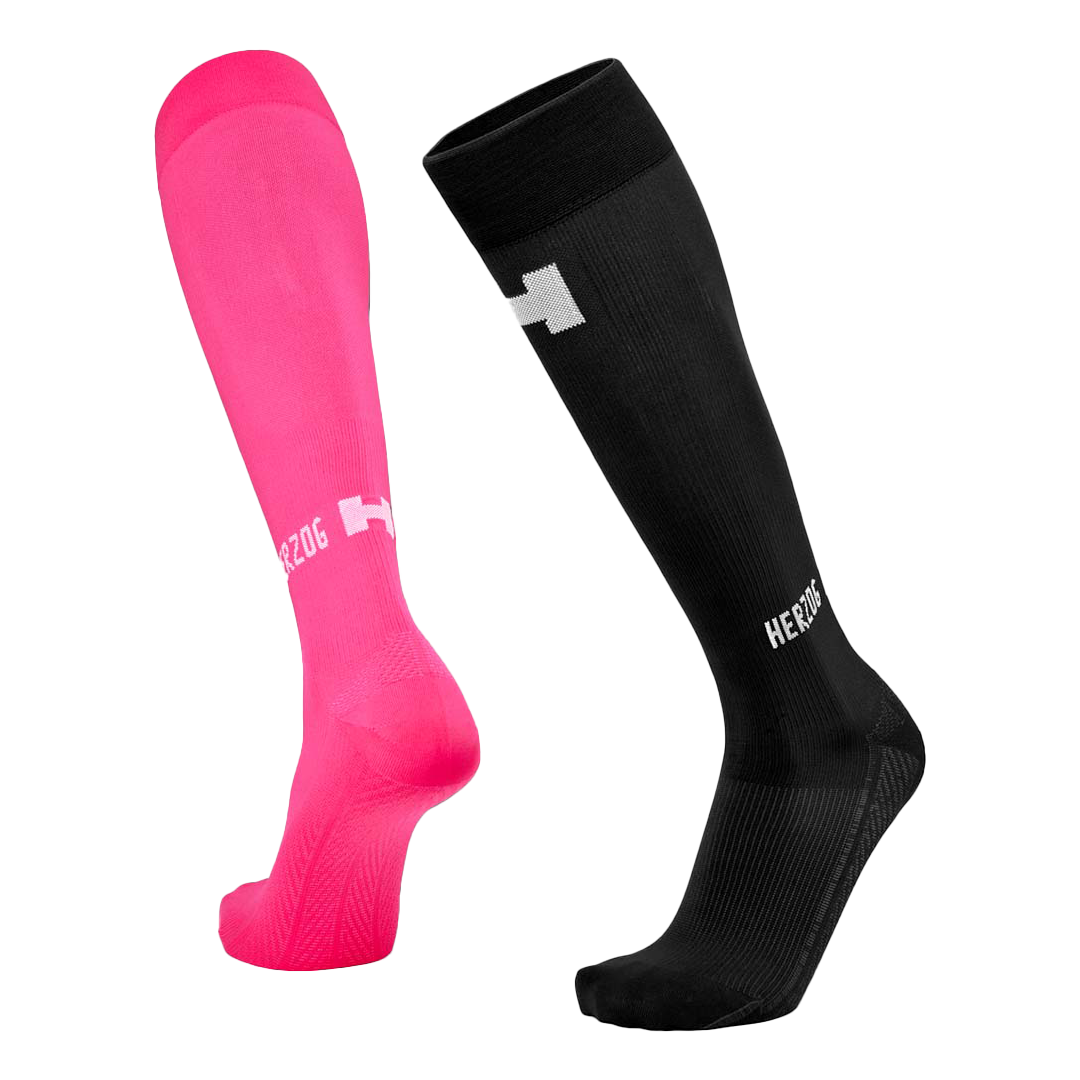
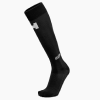
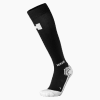
  • Herzog PRO Compression Stockings:provide compression around the foot, ankle, and the entire lower leg. A suitable choice if you also want support around your calves during padel and want to support lower leg recovery after playing.
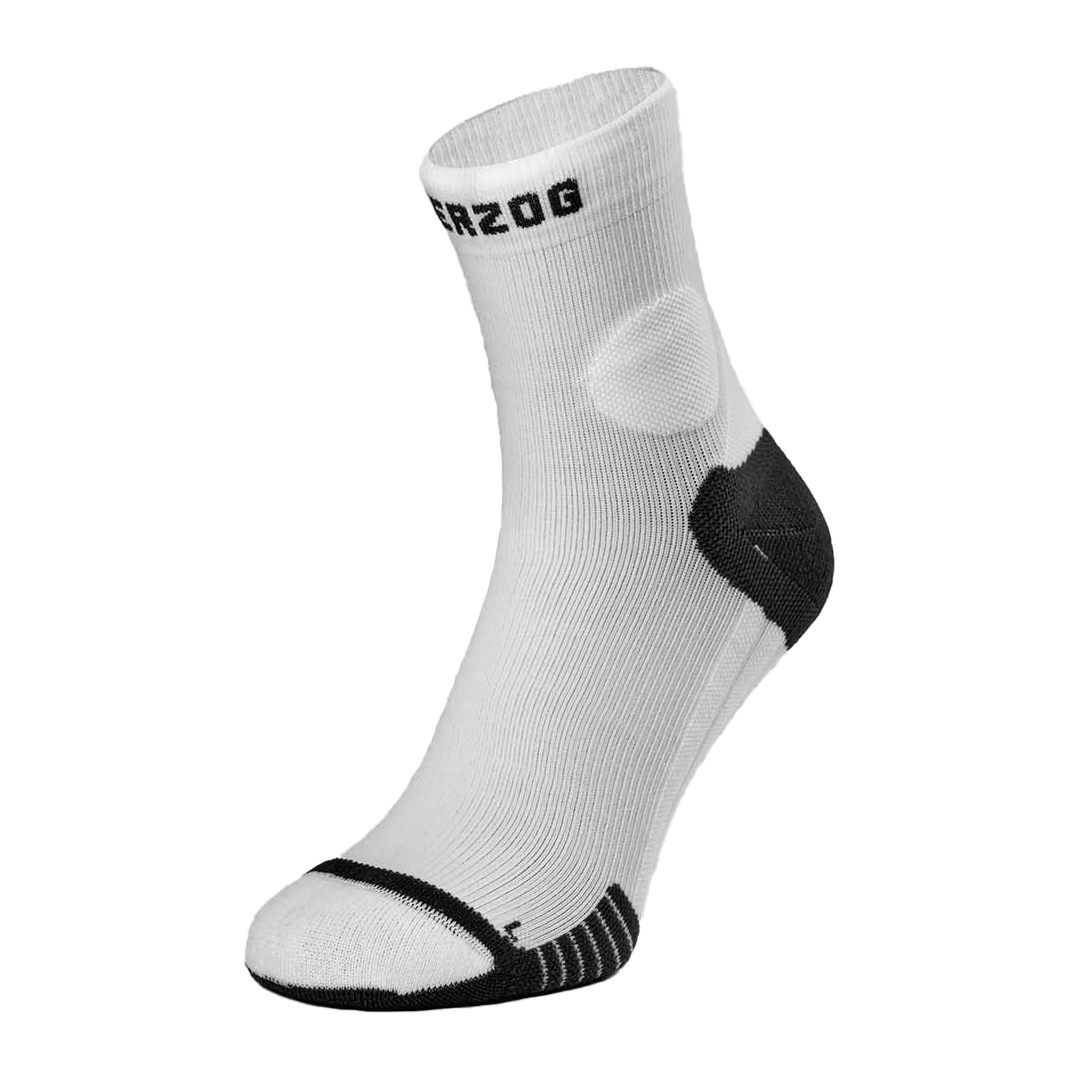
  • Herzog PRO Compression Ankle Socks:specifically target the foot and ankle. They give a firm and enclosed feeling around the arch of the foot and ankle, while the calf remains free. This makes them particularly suitable for padel players who make a lot of lateral movements during play and are looking for localized support in their padel shoes.
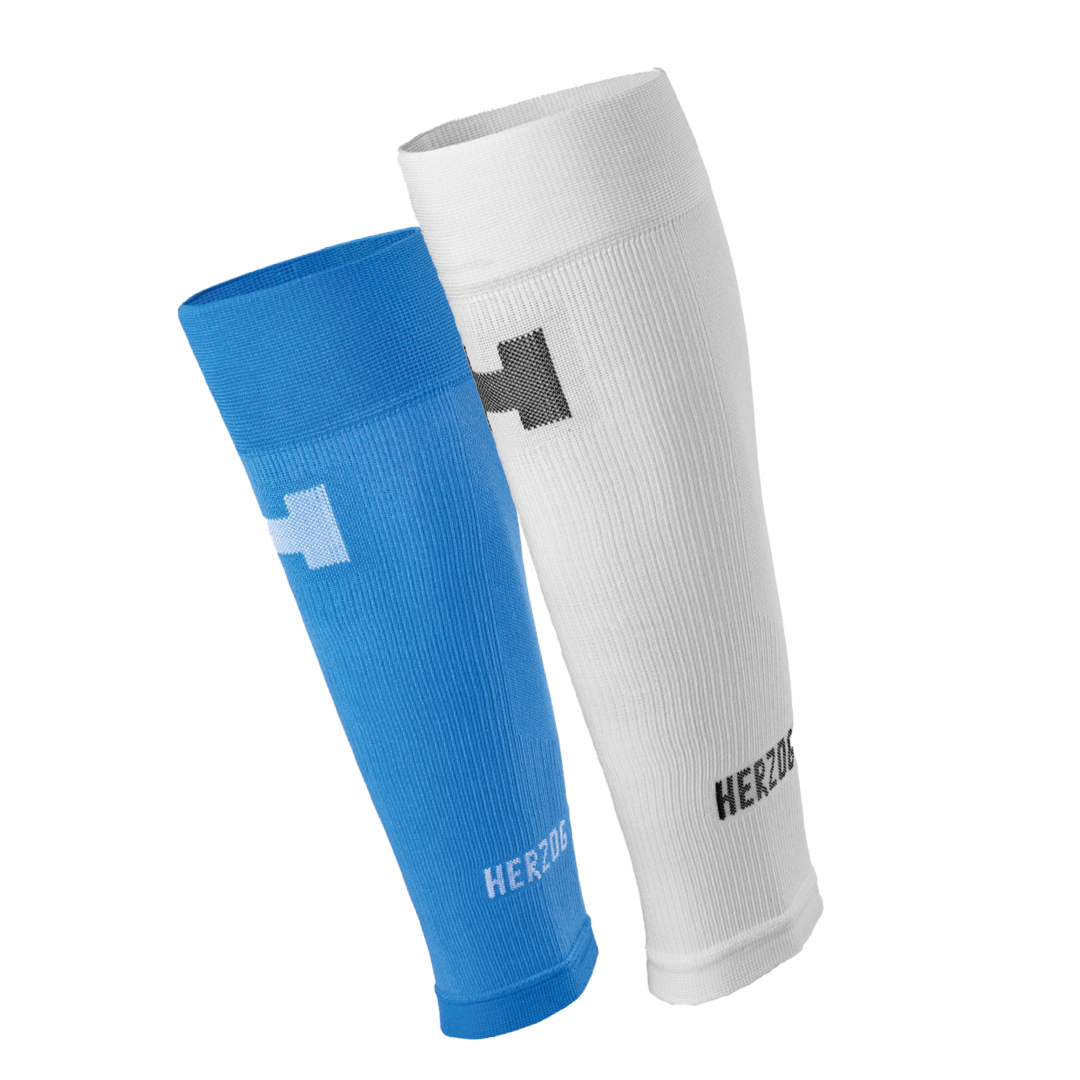
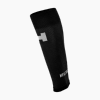
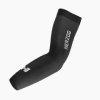
  • Herzog PRO Compression Tubes:provide compression around the lower leg, but leave the foot free. They are suitable when the focus is mainly on calf support.

How do you support stability and recovery after playing?

Compression around the calf and ankle can contribute to a firmer feeling during and after exertion. By applying targeted pressure to the tissue, compression supports blood circulation and can help reduce fatigue symptoms after an intensive game of padel. More explanation about how compression worksshows why this technique has been used for years by both athletes and people with medical complaints. The principle is simple, but the execution requires precision to be truly effective.

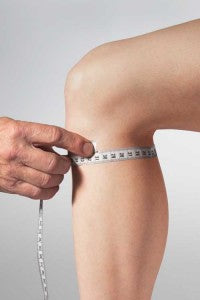
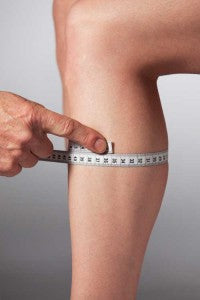
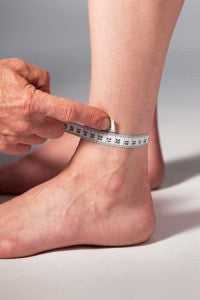
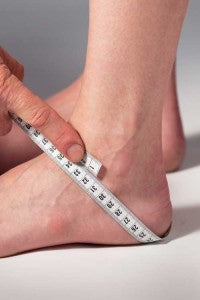
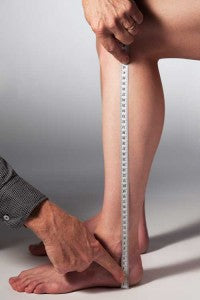
Herzog's compression technology was developed from medical applications and is therefore constructed slightly differently than a standard sports sock. Herzog PRO Compression Stockings are individually measured at six points, which allows for a controlled gradual pressure distribution from bottom to top. This is relevant for padel players, because the pressure is built up where the load is greatest, around the ankle and lower leg. Herzog PRO Compression Stockings and Herzog PRO Compression Tubes also carry an MDR certification, indicating that they meet medical quality requirements.

What padel demands from your feet and ankles aligns well with what Herzog has been doing for over twenty years: supporting tissue that is under pressure, whether during sports or in recovery after a long day on the court. Both athletes and healthcare professionals use this approach, which shows that the basic principles of stability and pressure distribution are widely applicable. More information about recovering with compression stockingsor what to do for swollen anklesshows how this knowledge is applied in practice, always in line with what your body needs after exertion.

Frequently asked questions

Can compression help with recovery after padel?

Compression can contribute to a more pleasant recovery feeling after exertion, as it applies targeted pressure to the calf and ankle. Many people experience less stiffness in their legs after wearing compression socks. It is not a treatment for an injury, but a supportive measure in addition to rest and a good warm-up.

What can you do if your ankle often feels unstable during padel?

Work on ankle stability with targeted exercises and pay attention to your shoe choice, because padel requires a lot of lateral movement. For persistent instability or pain, it is advisable to consult a physiotherapist or general practitioner. Support such as compression can also contribute to a firmer feeling during play.

Is stability support only necessary for advanced padel players?

No, recreational players also experience stress on their ankles and feet, especially with an irregular playing rhythm. Stability is relevant for everyone, because every padel movement requires quick changes of direction. Beginners even relatively more often encounter overuse, because coordination still needs to grow.

Relevant blogs

6 Effective tips to prevent and relieve shin splints

Prevent and alleviate shin splints with 6 practical tips for runners. Less pain, faster recovery, and better training.

Treating Whiplash: 3-Phase Recovery with Compression and Cold Therapy

Recovering from a calf strain? Discover the 3 recovery phases and how compression and cold therapy can contribute to optimal and responsible recovery.

All about calf problems: causes, symptoms, and what you can do about them

Suffering from calf complaints? Read all about possible causes, common symptoms, recovery, and what you can do to prevent calf complaints.