Prevent heavy legs and swollen ankles while traveling

A long flight, a car journey lasting several hours, or a train trip through Europe can be quite taxing on your legs. Many travelers experience heavy legs, tired calves, or swollen ankles en route. Especially on longer journeys, you notice that shoes feel tighter at the end of the day and that your legs feel heavy as soon as you stand up again. This happens more often than you think and is all about how your body handles prolonged sitting.

At Herzog Medical, we see this daily among people who travel a lot for work or vacation. As a compression specialist, we know how important proper pressure distribution is during prolonged sitting, whether on a plane, in a car, or on a train. Precisely during travel, the right support can make a big difference in how your legs feel upon arrival, and how quickly that feeling of heaviness subsides.

Side Image

What happens in your body during a long journey?

When you sit still for a long time, your blood circulation works less efficiently. The calf muscles normally function as a kind of pump that helps push blood from your legs back to your heart. As soon as you don't use these muscles, blood and fluid tend to pool more easily in the lower legs and ankles. This explains why after a long flight or car journey, you often notice that your ankles feel thicker than usual. Especially in an airplane or car seat, where you can barely move, this effect is stronger than during a normal workday.

Besides the reduced muscle pump, the cabin environment in an airplane also plays a role. The lower humidity and pressure difference at high altitude can cause fluid to accumulate more easily in the lower legs. This is one of the reasons why swollen anklesare more common during and after a flight than after a comparable period on the couch. Heat also contributes to this, as blood vessels dilate and the body is less efficient at draining fluid towards the heart.

This process is normally temporary and disappears on its own once you start moving again and your circulation gets going. However, many people find it unpleasant, especially when shoes become tighter or socks leave deep impressions on the skin. Some people are more susceptible to this, for example due to age, prolonged sitting in daily work, or a predisposition to fluid retention. In these cases, a long journey can further intensify the feeling of heavy legs.

Side Image

What can you do to prevent heavy legs while traveling?

Movement is one of the most effective ways to maintain blood circulation during a trip. During a flight or train journey, get up regularly to walk around, and during a car ride, use breaks to walk for a bit. Even small movements count, such as rotating your ankles or wiggling your toes while seated. These movements activate the calf muscles, making it easier for blood to flow back to the heart instead of pooling in the lower legs.

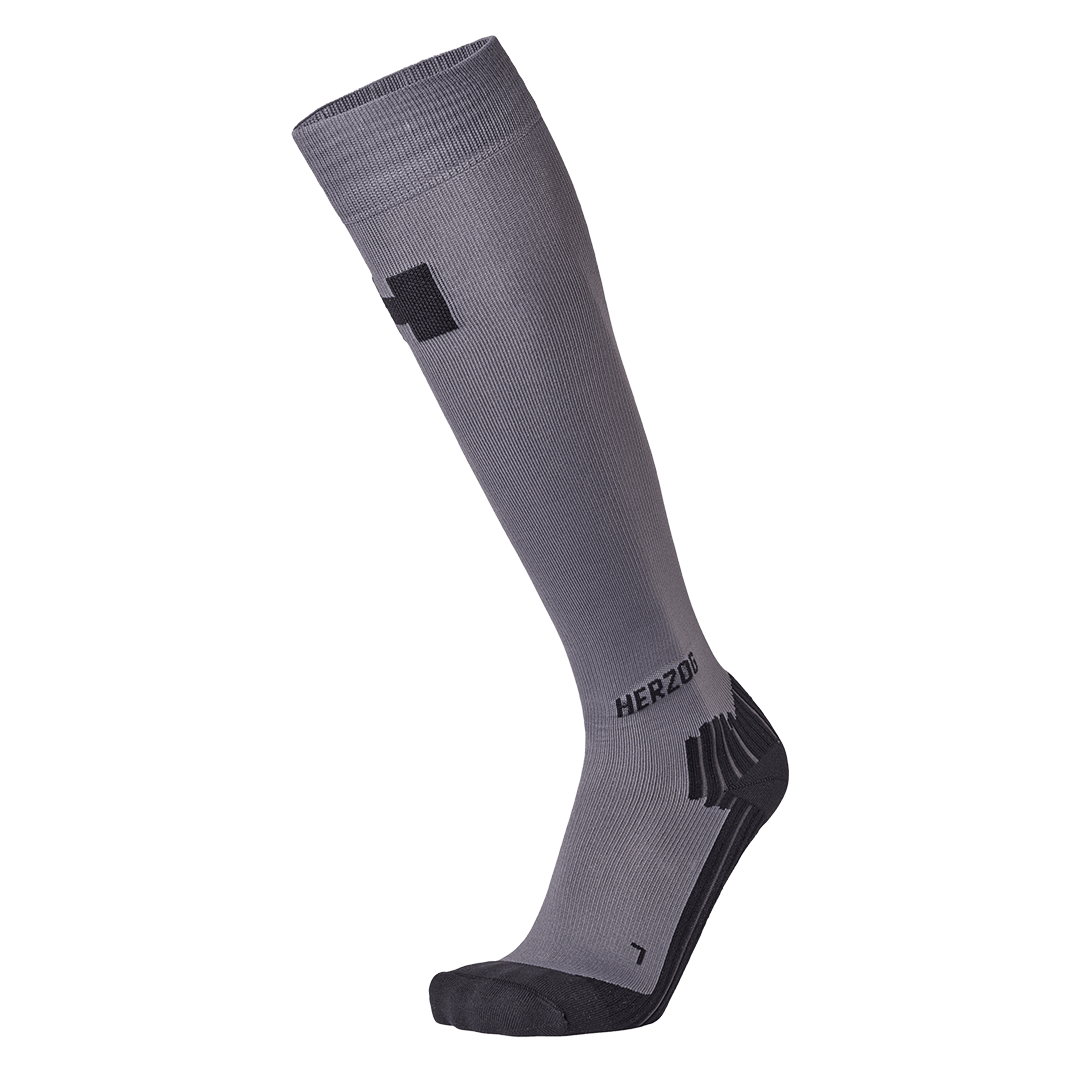
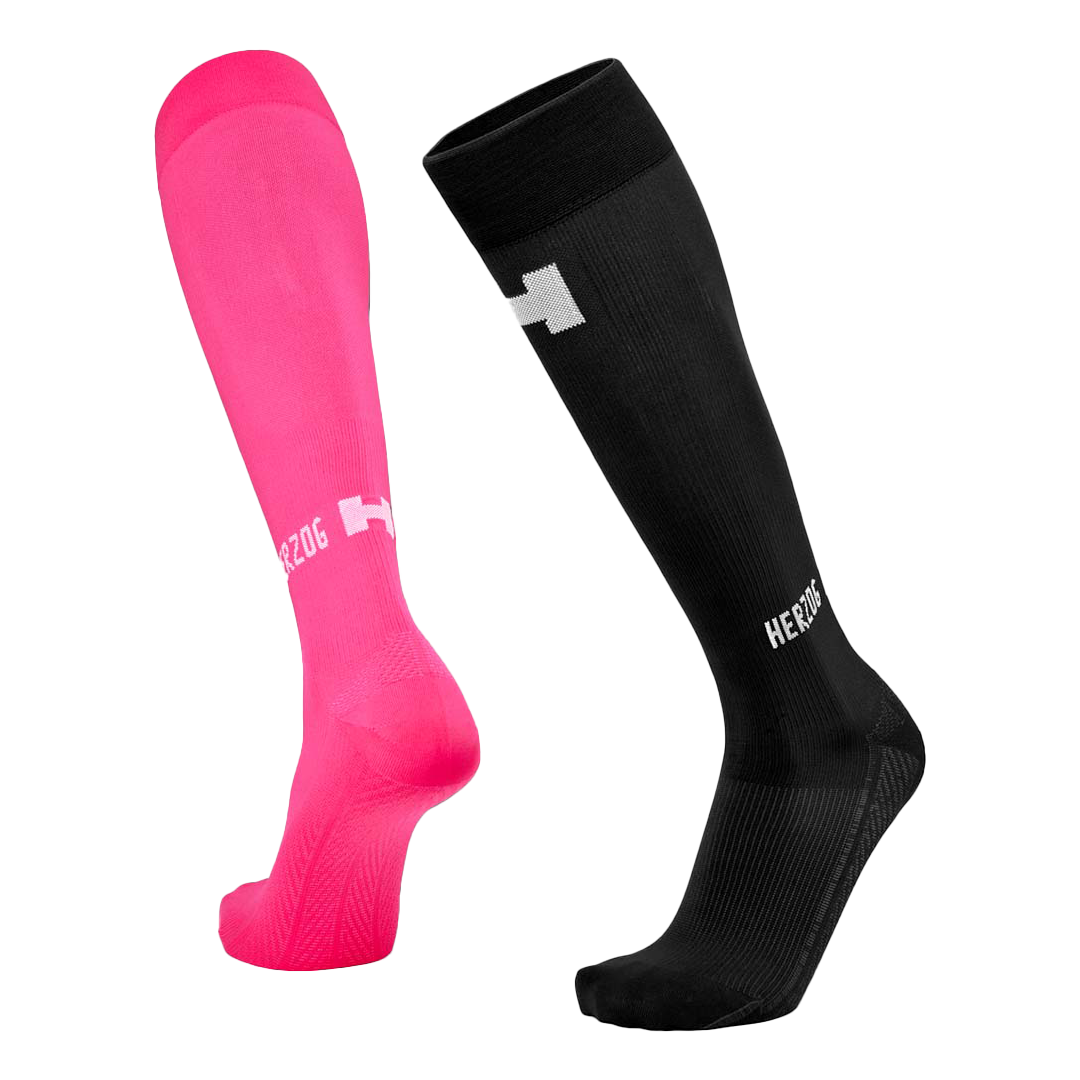
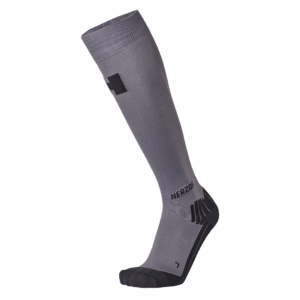
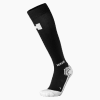
In addition to movement, wearing Herzog compression socks during travelcan help support comfort. These socks apply controlled pressure to the calf and ankle, making it less likely for blood to pool in the lower leg. This differs from regular support stockings because Herzog's compression technology works with a gradual pressure distribution that is strongest at the ankle and gradually decreases towards the knee. Many people experience a lighter feeling in their legs as a result, especially after a long day on the go.

Drinking enough water during the journey also helps, as dehydration can increase the risk of fluid retention. Avoid excessive alcohol or caffeine on the road, as these can exacerbate dehydration. For people who fly more often or travel a lot for work, the situation is similar to that of a sedentary profession, where prolonged sitting is a daily occurrence. In both cases, a combination of movement, sufficient fluids, and supportive clothing helps to reduce the feeling of heavy legs.

Products in this blog

Side Image

When is compression useful and when should you consult a doctor?

For most travelers, the feeling of heavy legs or slight swelling is temporary and harmless. It often disappears within a day after resuming normal movement. However, it is important to distinguish between ordinary travel fatigue and symptoms that indicate something else. When swelling occurs only in one leg, accompanied by pain, warmth, or redness, this is no longer an ordinary travel moment and warrants attention from a general practitioner or specialist.

These signs can indicate, for example,thrombosisorvaricose veins, conditions that require medical assessment and cannot be treated independently with compression garments alone. The same applies to people with a known predisposition to edema, where fluid systematically accumulates in the legs. In these situations, it is important to first consult a general practitioner or specialist before using compression yourself during travel. Applying compression yourself without this consultation can obscure the picture and make it more difficult for a doctor to make an accurate diagnosis.

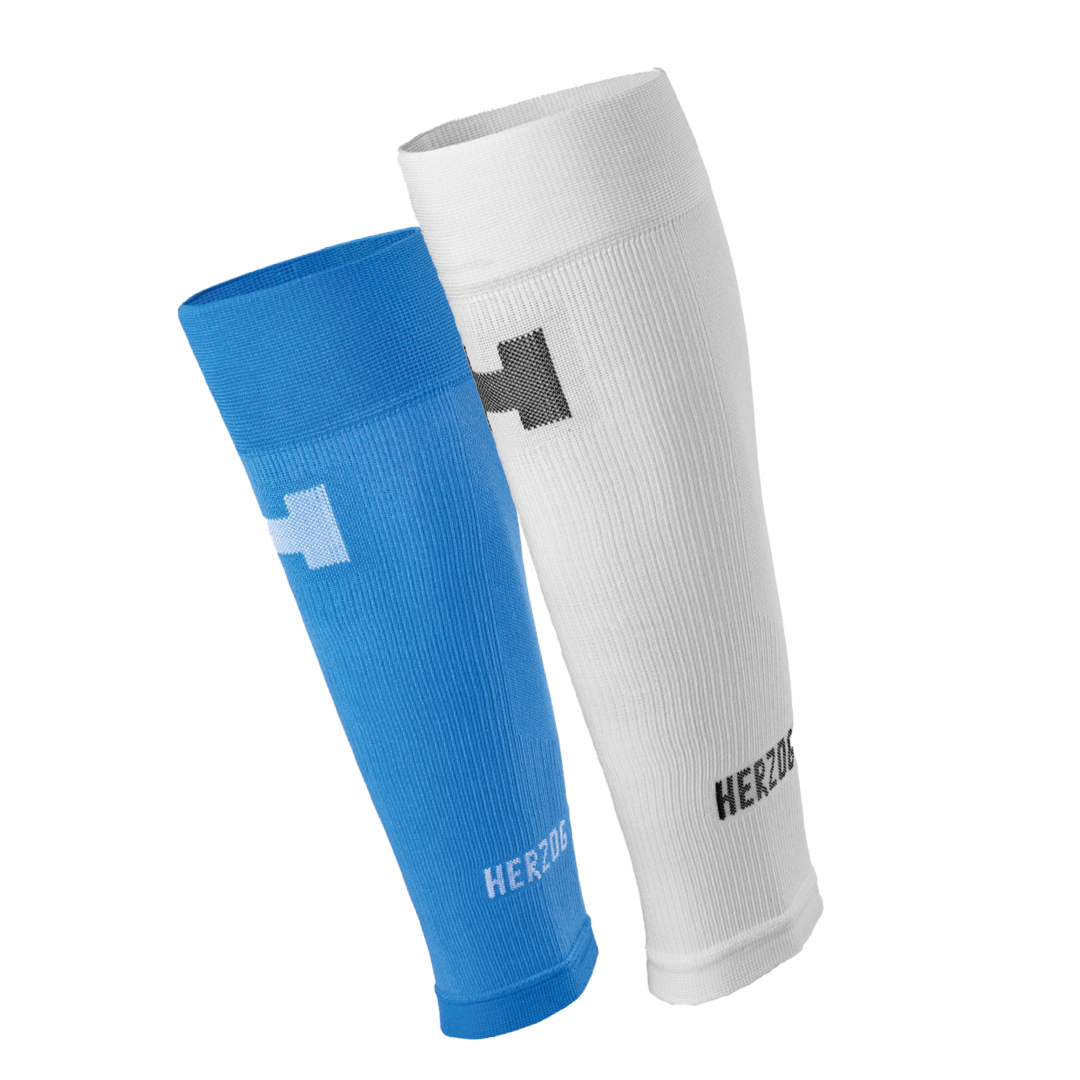
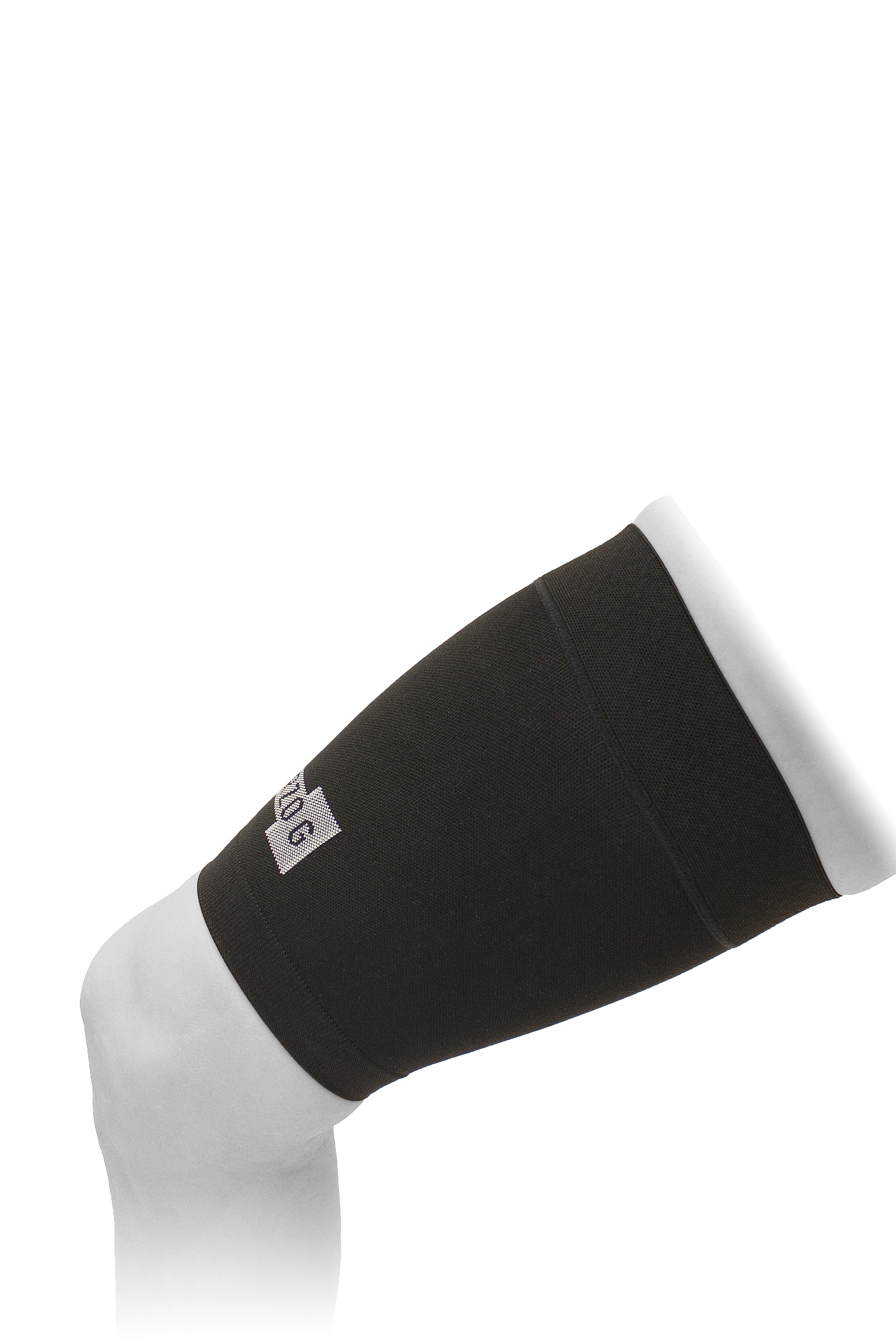
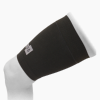
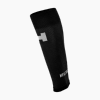
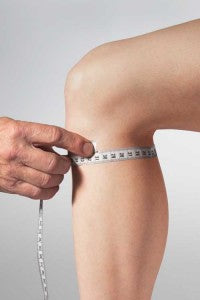
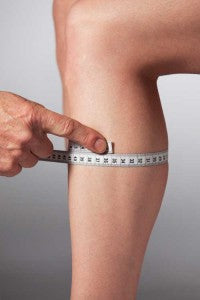
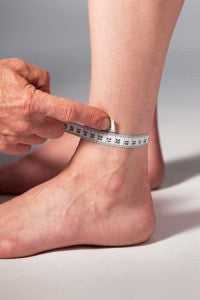
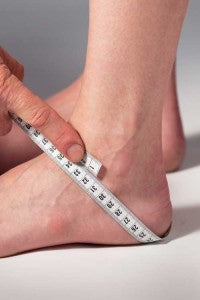
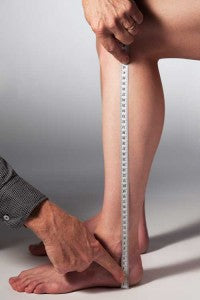
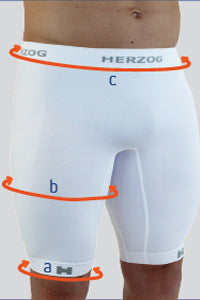
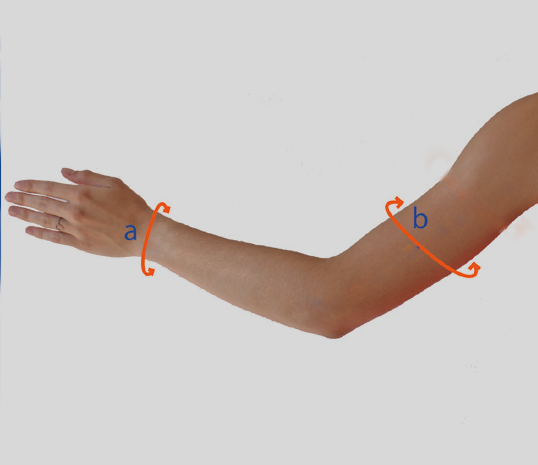
For people who wear compression for medical reasons, for example, after consulting a specialist, the Herzog PRO Compression Stockings and Herzog PRO Compression Tubes have been developed with an MDR quality mark and are individually measured at six points. This distinguishes them from standard travel socks, as the pressure distribution is precisely matched to the shape of the leg. For travelers without a medical background, theAirplane Support Compression Stockingsare often sufficient to support comfort during a long journey, with the same attention to controlled pressure build-up.

Check out the airplane socks

Frequently asked questions

Why do my ankles swell during a flight?

During a flight, you often sit still for long periods, which means your calf muscles are less active and blood and fluid can accumulate more easily in your lower legs. The lower humidity and pressure difference in the cabin can amplify this effect. For most people, the swelling subsides on its own once they start moving again.

Do compression socks help during a long car journey?

Compression socks can contribute to a lighter feeling in the legs during prolonged sitting, as they support blood circulation with controlled pressure. They don't replace regular breaks, but they complement them well. Combine them with short stops to move around for more comfort on the go.

When should I see a doctor for swelling?

If swelling only occurs in one leg, is accompanied by pain, redness, or warmth, or does not subside after a few days, it is advisable to consult a general practitioner. This could indicate something other than ordinary travel fatigue, such as thrombosis or an inflammation. If you are in doubt, always contact a healthcare professional.

Relevant blogs

6 Effective tips to prevent and relieve shin splints

Prevent and alleviate shin splints with 6 practical tips for runners. Less pain, faster recovery, and better training.

Treating Whiplash: 3-Phase Recovery with Compression and Cold Therapy

Recovering from a calf strain? Discover the 3 recovery phases and how compression and cold therapy can contribute to optimal and responsible recovery.

All about calf problems: causes, symptoms, and what you can do about them

Suffering from calf complaints? Read all about possible causes, common symptoms, recovery, and what you can do to prevent calf complaints.