Preventing Achilles tendon problems: how to reduce your risk of injury

The Achilles tendon is the strongest tendon in the body, but also one of the most injury-prone structures in athletes. Runners, hikers, footballers, and other endurance athletes regularly experience pain, stiffness, or irritation around the tendon. Complaints rarely arise overnight; it is usually the result of prolonged overuse that gradually builds up. With the right approach, you can significantly reduce the risk of these complaints.

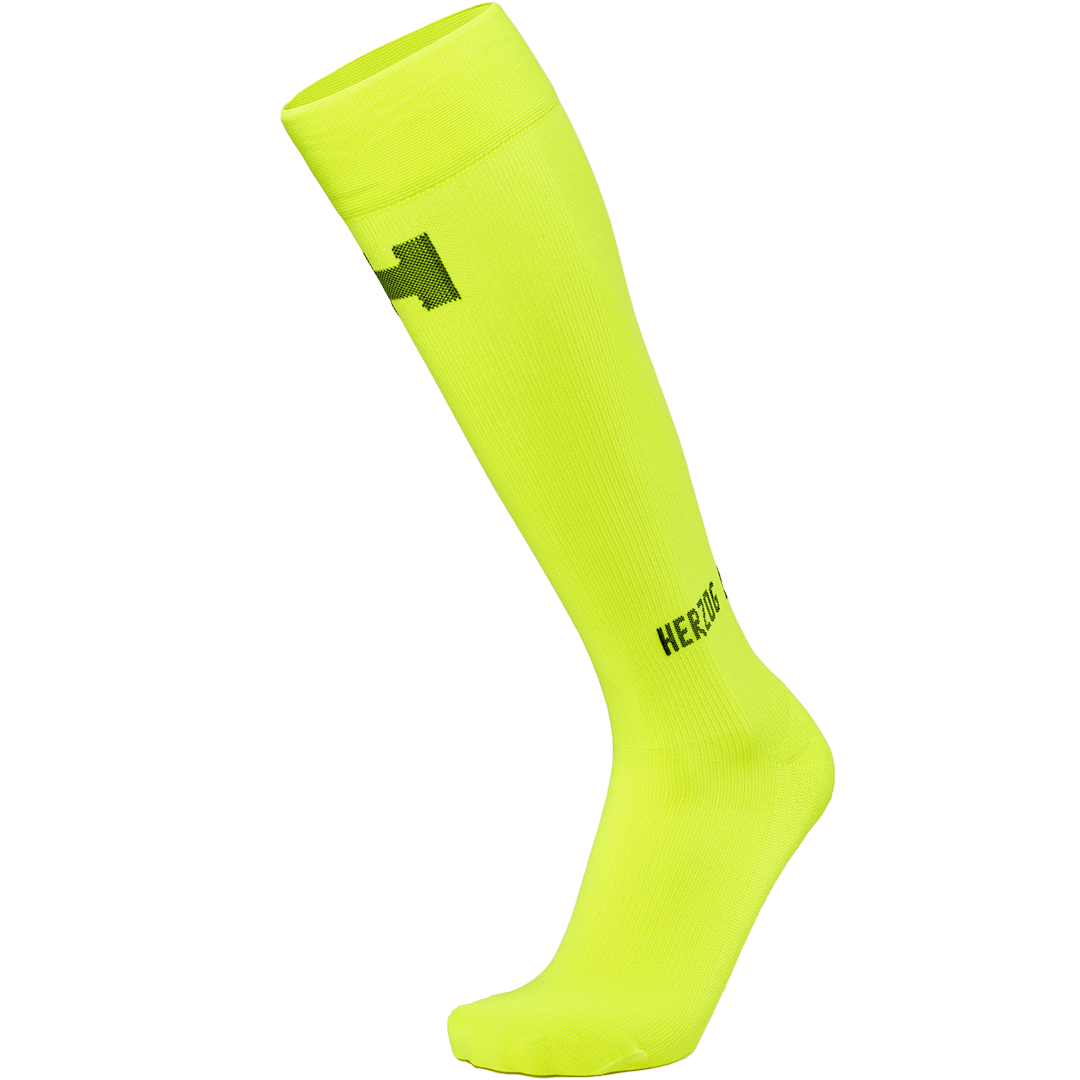
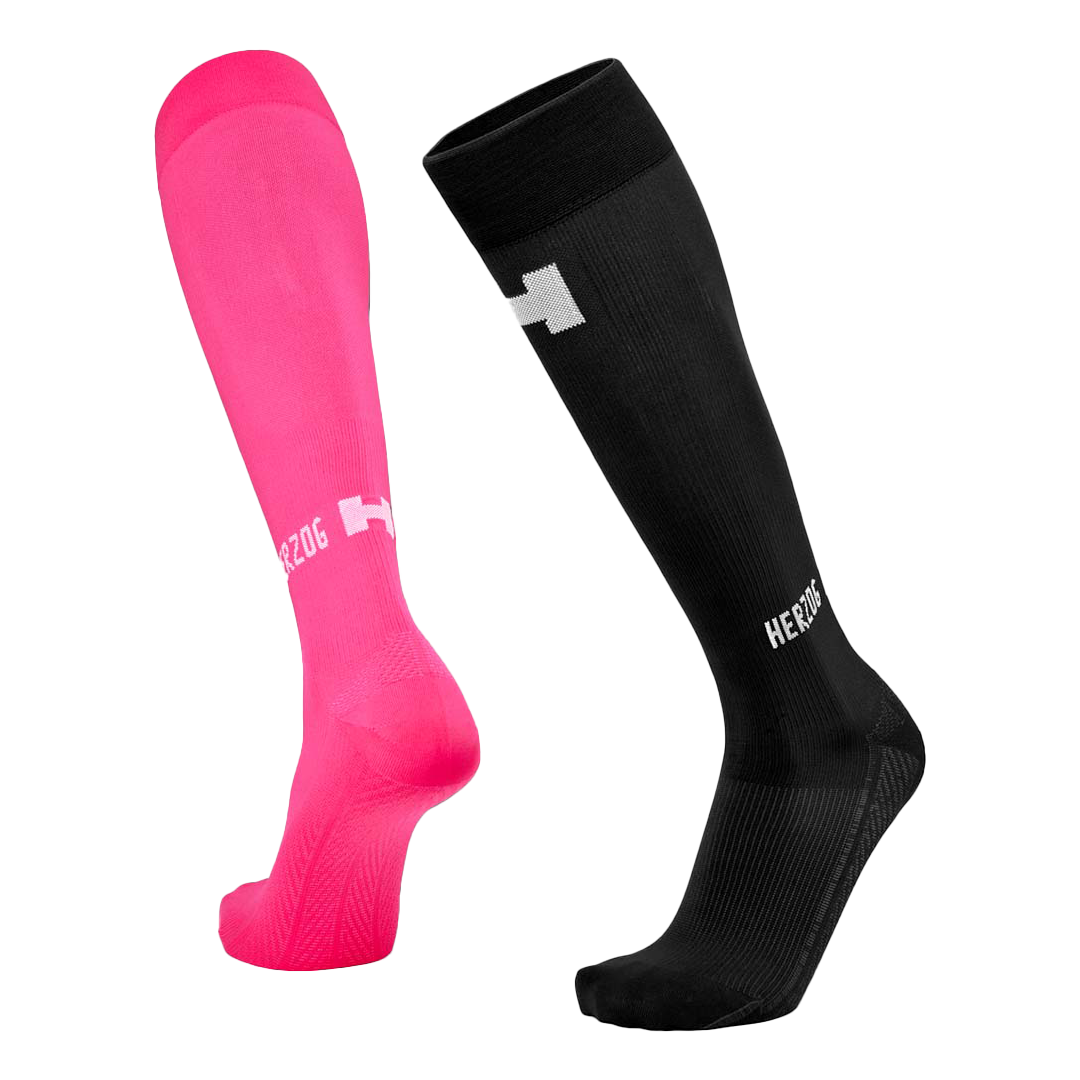
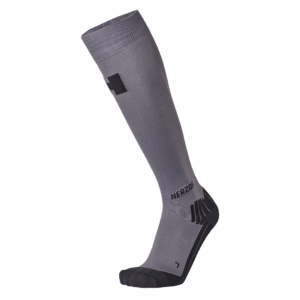
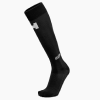
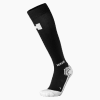
Many runners and hikers therefore look for ways to support the calf and Achilles tendon during training. For example, Herzog PRO Compression Socks are used during long runs or long walks because the controlled pressure can stimulate blood flow in the lower legs and support the calf muscles. This is not a guarantee against injuries, but it is a practical part of a broader approach towards fewer complaints.

Side Image

What makes the Achilles tendon so susceptible to overuse?

The Achilles tendon connects the calf muscles to the heel bone and absorbs multiple times the body's weight with each push-off. During running, jumping, and rapid changes in direction, the tendon is repeatedly subjected to short, intense stress. Because blood circulation in tendon tissue is relatively limited, the tissue recovers more slowly than muscle tissue. This makes the tendon susceptible to micro-tears that occur when the load increases faster than the tissue can handle. Without sufficient recovery between training sessions, small damages accumulate, eventually leading to noticeable complaints.

Overuse often arises from a combination of factors. A sudden increase in training volume, a switch to a different surface, worn running shoes, or a change in running technique can all contribute to extra pressure on the Achilles tendon. Stiff or shortened calf muscles also play a role, as they prevent the tendon from moving smoothly during push-off. In trail runningon varying terrain, the chance of this peak load increases even further, especially if the pace or distance is quickly increased, particularly when little time is taken to adapt to the new surface.

The Achilles tendon works closely with the calf muscles, which means that tendon complaints are often related to calf complaints. Those who regularly experience stiff calves are therefore at an increased risk of tendon irritation. Conditions such as plantar fasciitiscan also be accompanied by similar complaints in the back of the foot, as the stress on the tendon and heel bone influences each other. Due to this interplay, it is useful to look not only at the tendon itself but at the entire lower leg chain, especially for athletes who regularly cover long distances.

Side Image

What signs indicate Achilles tendon overuse?

The initial signs of overuse are often subtle and easily ignored. Many athletes recognize a slight stiffness in the morning that subsides after a few minutes of walking. Others only feel a dull, throbbing pain just above the heel after a workout, which lessens the next day. This fleeting nature makes the symptoms difficult to take seriously, even though it is often a sign that the tissue needs more recovery time than it receives.

When overuse persists, the symptom pattern changes. The pain then becomes less dependent on warm-up and remains present during exertion, sometimes with a burning or stinging sensation. Some people notice slight swelling around the tendon or a thickening that is palpable to the touch. Some athletes find that Herzog compression socks provide that extra bit of support to a tired calf during daily activities, although this does not replace rest or treatment for persistent complaints. These are signs that the tissue has been under pressure for a longer period and that further reduction of the load is necessary.

It is wise to distinguish between mild, temporary irritation and symptoms that persist or return with every workout. In the early stages of an Achilles tendon injuryit often helps to adjust the load in time and slow down the build-up of training, while persistent pain requires rest and possibly professional advice. If you are unsure about the cause or if the pain keeps recurring, it is advisable to consult a physiotherapist or general practitioner before the symptoms worsen further and sports activities are restricted for a long time.

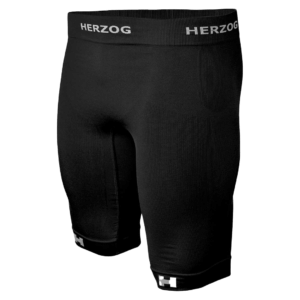
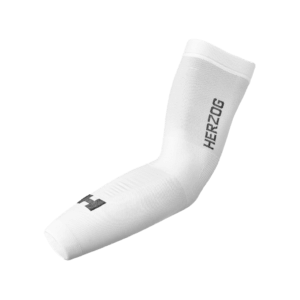
Products in this blog

Side Image

How do you reduce the risk of Achilles tendon problems?

The most important step is a gradual increase in training load. Do not add distance, pace, or intensity all at the same time. Instead, build up one variable at a time and allow the body sufficient recovery in between. Varied terrain requires extra attention, as the tendon then has to constantly flex with uneven surfaces. A gradual transition to new shoes or a different running technique also helps to give the tendon time to adapt to the new load. This applies to runners, but equally to walkers who rapidly increase their distances.

Supple and strong calf muscles take some of the load off the tendon. Regular stretching and strength exercises for the calf, such as heel raises, keep the muscle-tendon junction flexible and reduce peak load during push-off. A good warm-up before exercise and sufficient cool-down afterward also play a role here. Anyone who also practices other endurance sports in addition to running should distribute the load across the different activities, so that the tendon is not always stressed in the same way, both on the road and during interval training.

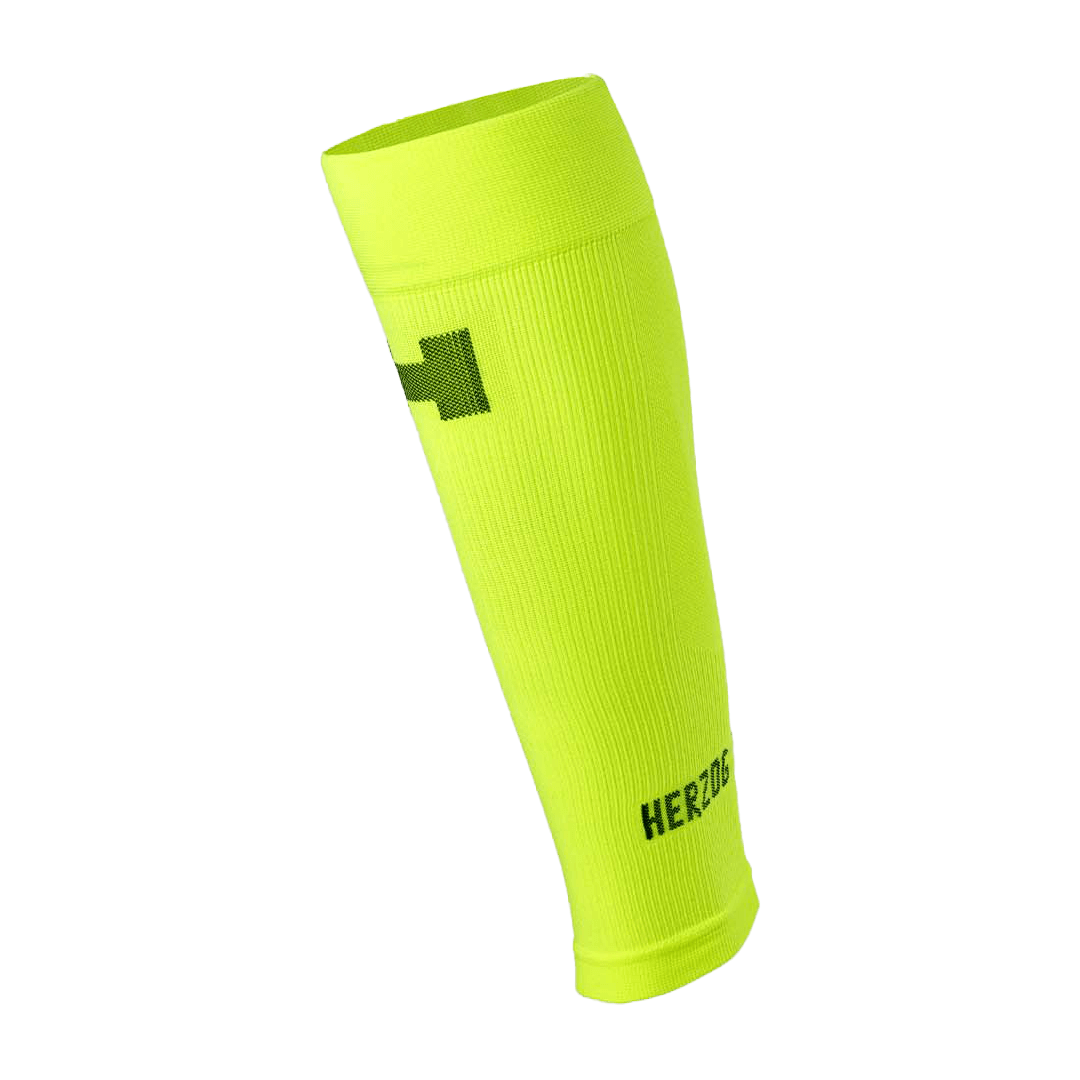
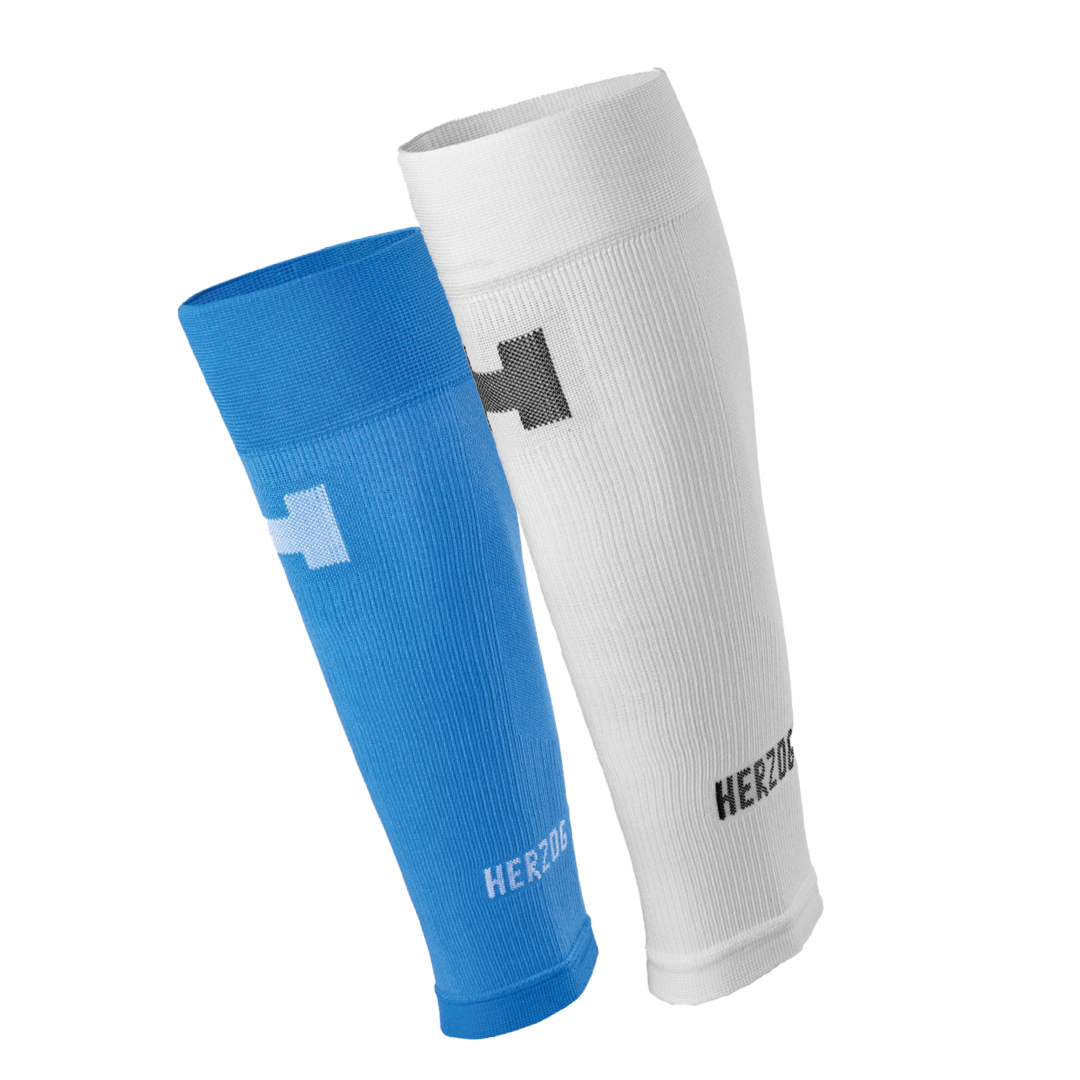
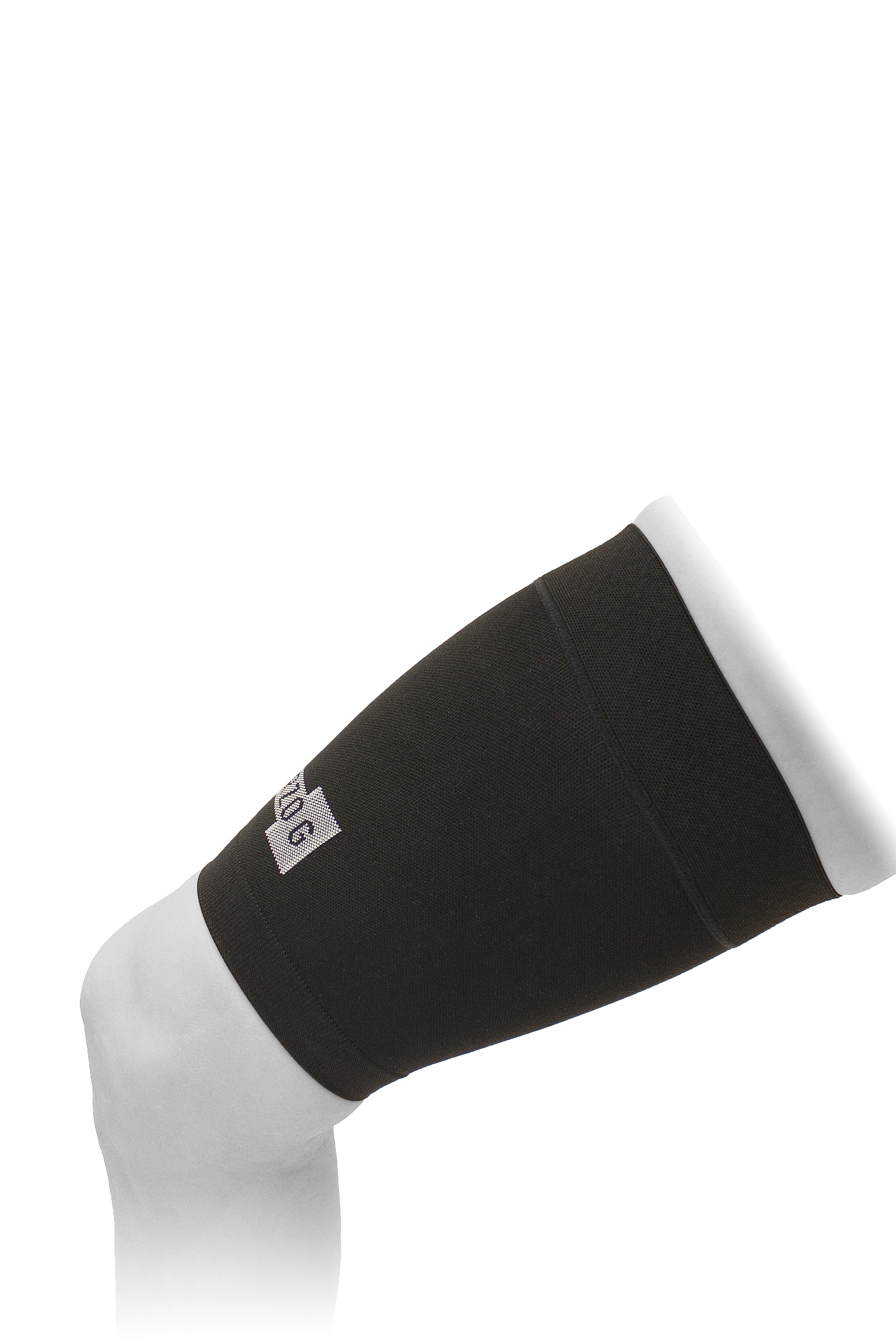
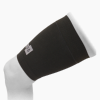
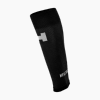
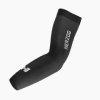
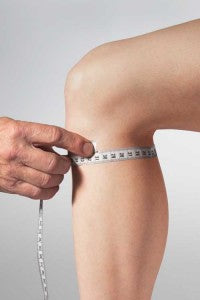
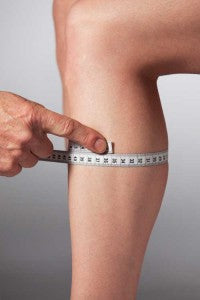
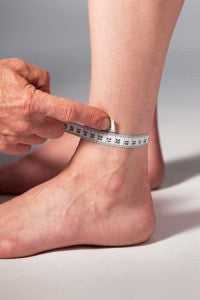
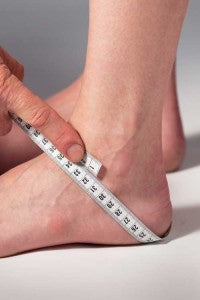
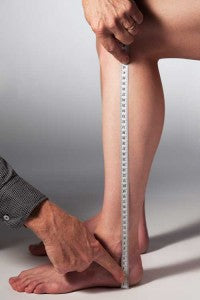
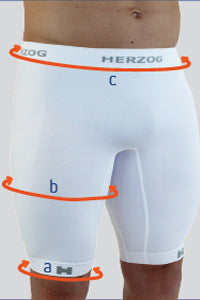
During and after exercise, many athletes opt for calf and lower leg support with compression. Herzog's compression technology was developed from medical compression technology and works with a controlled gradual pressure distribution, which is explained in more detail in the How Compression Workssection. Herzog PRO Compression Socks and Herzog PRO Compression Tubes are individually fitted at six and four measurement points, respectively, and carry an MDR quality mark, which distinguishes them from standard socks that often apply uniform pressure without such a build-up. This approach is suitable for athletes who want to support the calf and Achilles tendon without sacrificing freedom of movement.

Frequently asked questions

Can you completely prevent Achilles tendon complaints?

There is no complete guarantee against complaints, as overuse can be caused by many different factors. By gradually building up your training, keeping your calf muscles strong and supple, and reacting in time to signals, you significantly reduce the chance of complaints.

What is the difference between a regular sock and Herzog PRO Compression Socks?

A standard sock often applies roughly the same pressure everywhere, while Herzog PRO Compression Socks are developed with a controlled gradual pressure distribution and are individually fitted based on six measurement points. As a result, the sock fits the shape of the lower leg more precisely.

When should you see a doctor or physiotherapist for Achilles tendon complaints?

If you experience persistent pain at rest, noticeable swelling, or complaints that keep recurring during training, it is advisable to consult a physiotherapist or general practitioner. They can assess the cause and draw up an appropriate treatment plan.

Relevant blogs

6 Effective tips to prevent and relieve shin splints

Prevent and alleviate shin splints with 6 practical tips for runners. Less pain, faster recovery, and better training.

Treating Whiplash: 3-Phase Recovery with Compression and Cold Therapy

Recovering from a calf strain? Discover the 3 recovery phases and how compression and cold therapy can contribute to optimal and responsible recovery.

All about calf problems: causes, symptoms, and what you can do about them

Suffering from calf complaints? Read all about possible causes, common symptoms, recovery, and what you can do to prevent calf complaints.