Restless Legs: Causes, Symptoms, and What Helps

Do you ever feel like your legs can't stay still as soon as you sit or lie down? Especially in the evening and during the night, this restless feeling can flare up, with a tingling or crawling sensation that only subsides when you move. Restless legs are more common than you might think and can significantly impact your sleep and how you feel during the day.

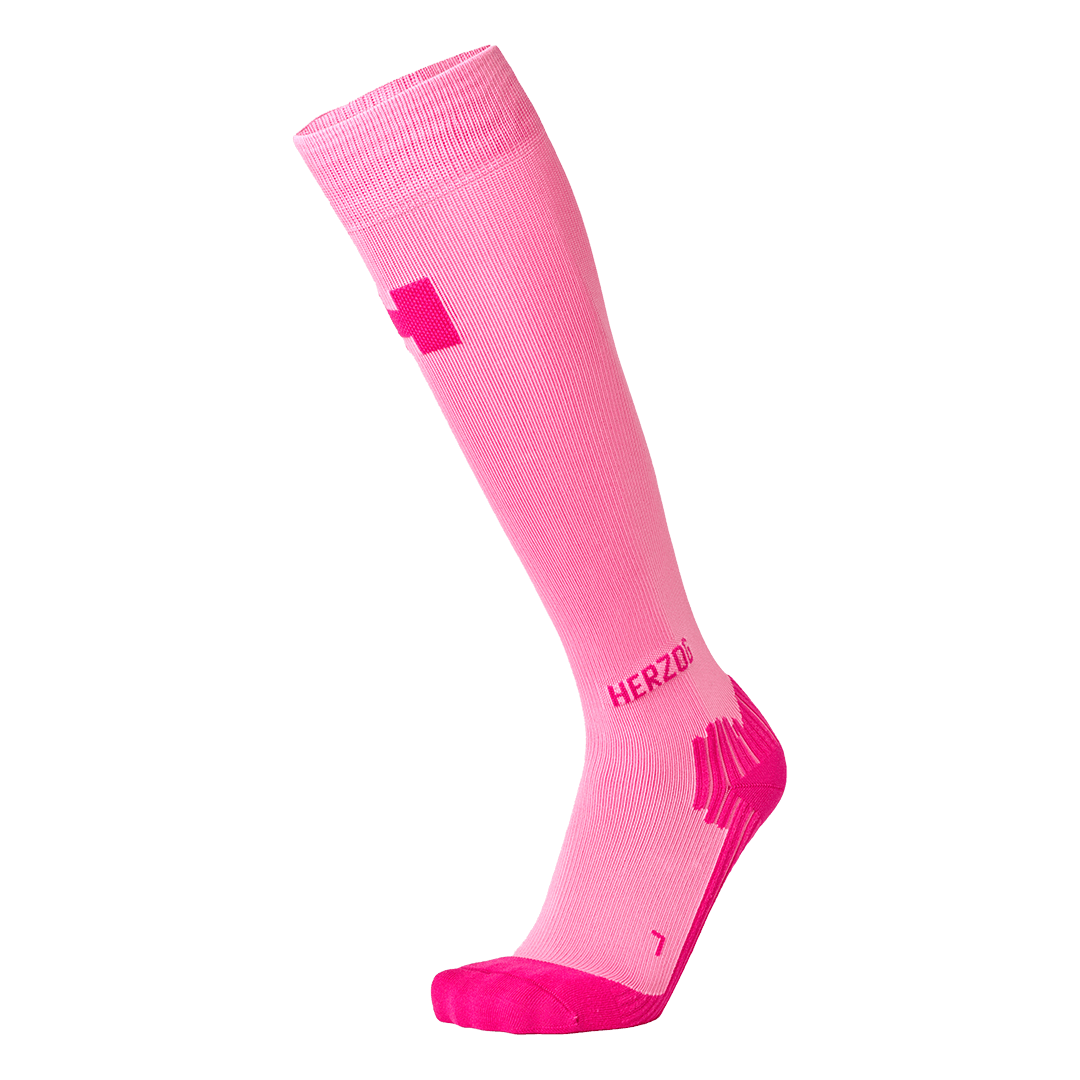
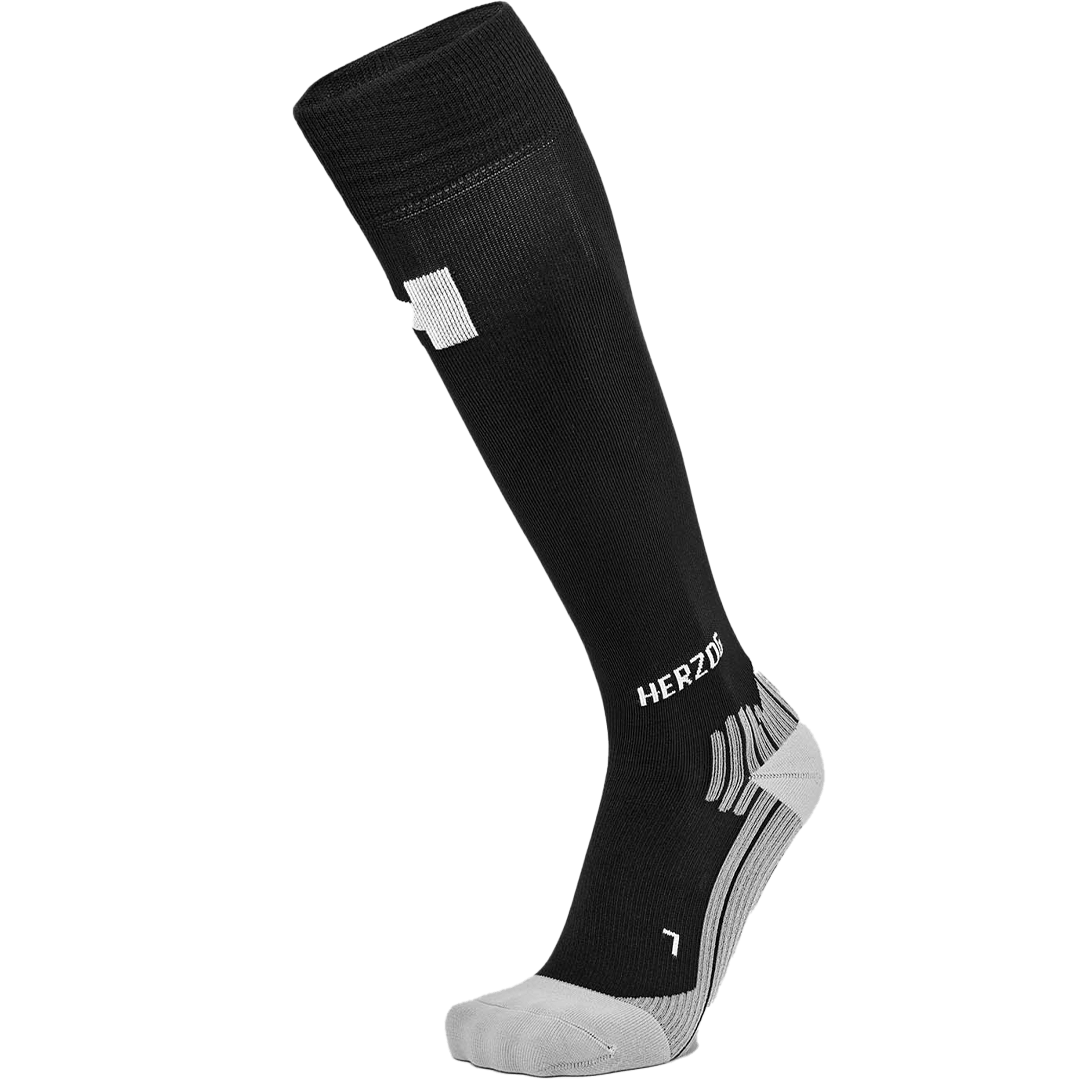
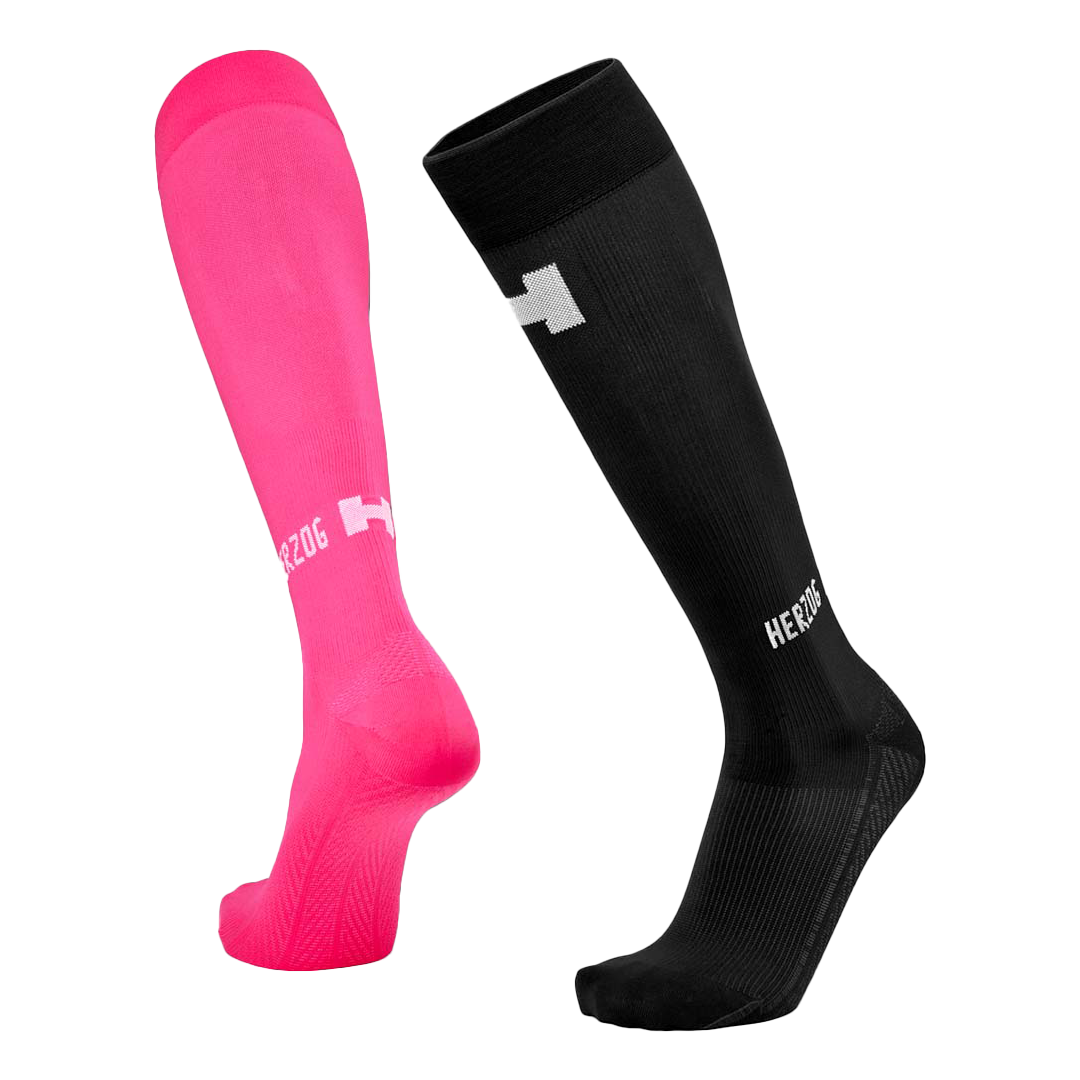
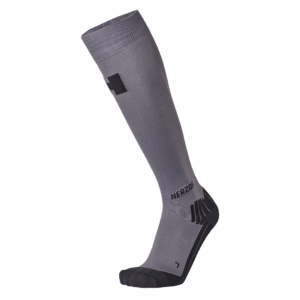
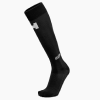
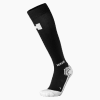
At Herzog Medical, we often see these complaints in people who sit or stand a lot, or who have trouble winding down in the evening. Herzog compression socks are then regularly used as part of a broader approach, together with exercise and a consistent sleep rhythm. The controlled pressure can contribute to a calmer feeling in the legs, although this is not a solution for the underlying cause of restless legs.

Side Image

What are restless legs and what are the symptoms?

Restless legs, also known as restless legs syndrome (RLS), is a condition where you feel a strong, sometimes irresistible urge to move your legs. This feeling usually occurs at rest, such as when sitting on the sofa or lying in bed, and often increases as the evening progresses. Many people describe it as a crawling, tingling, or pulling sensation deep in the muscles, especially in the lower legs. Moving, walking, or stretching usually provides temporary relief, but as soon as you sit still or lie down again, the restlessness can return.

In addition to the urge to move, many people also experience other leg complaints. These include a heavy or tense feeling in the calves, mild pain that flares up when you sit still for a long time, or an electrical sensation that travels through your lower leg. These signals are sometimes confused with common calf pain, but the difference lies mainly in when the symptoms occur: restless legs typically arise at rest, while calf pain is more often associated with exertion. Sleep problems are a common consequence, as the restlessness keeps you awake precisely when your body wants to rest.

Restless legs can sometimes be unrelated to other vascular problems, but the symptoms can also occur together with varicose veinsor impaired circulation. If, in addition to the urge to move, you also notice swelling, a heavy feeling during the day, painful veins, or a sudden discoloration of the skin, it is important to have this checked by your doctor. This is especially true if you suspect you might have thrombosis, as this always requires medical investigation. It is not always easy to determine for yourself whether something is restless legs or another underlying problem.

Side Image

What causes restless legs?

The exact cause of restless legs is not always clear, but there are factors that can worsen the symptoms. Iron deficiency is often mentioned, as are certain medications, kidney problems, or pregnancy. Heredity also plays a role, as the condition is more common within families. In some people, symptoms gradually develop from middle age, while others experience them at a younger age. Because the causes are so diverse, it is difficult to come up with a single explanation that applies to everyone.

In addition to physical factors, blood circulation in your legs plays a role. Those with sedentary jobs, and who therefore move little for long periods at a time, often notice that their legs feel heavier and more restless at the end of the day. Prolonged standing, for example during work in healthcare or hospitality, can also slow down circulation and worsen symptoms later in the evening. Blood and fluid then effectively pool in the lower legs, which can cause an unpleasant, tense feeling that feels like restlessness in the muscles.

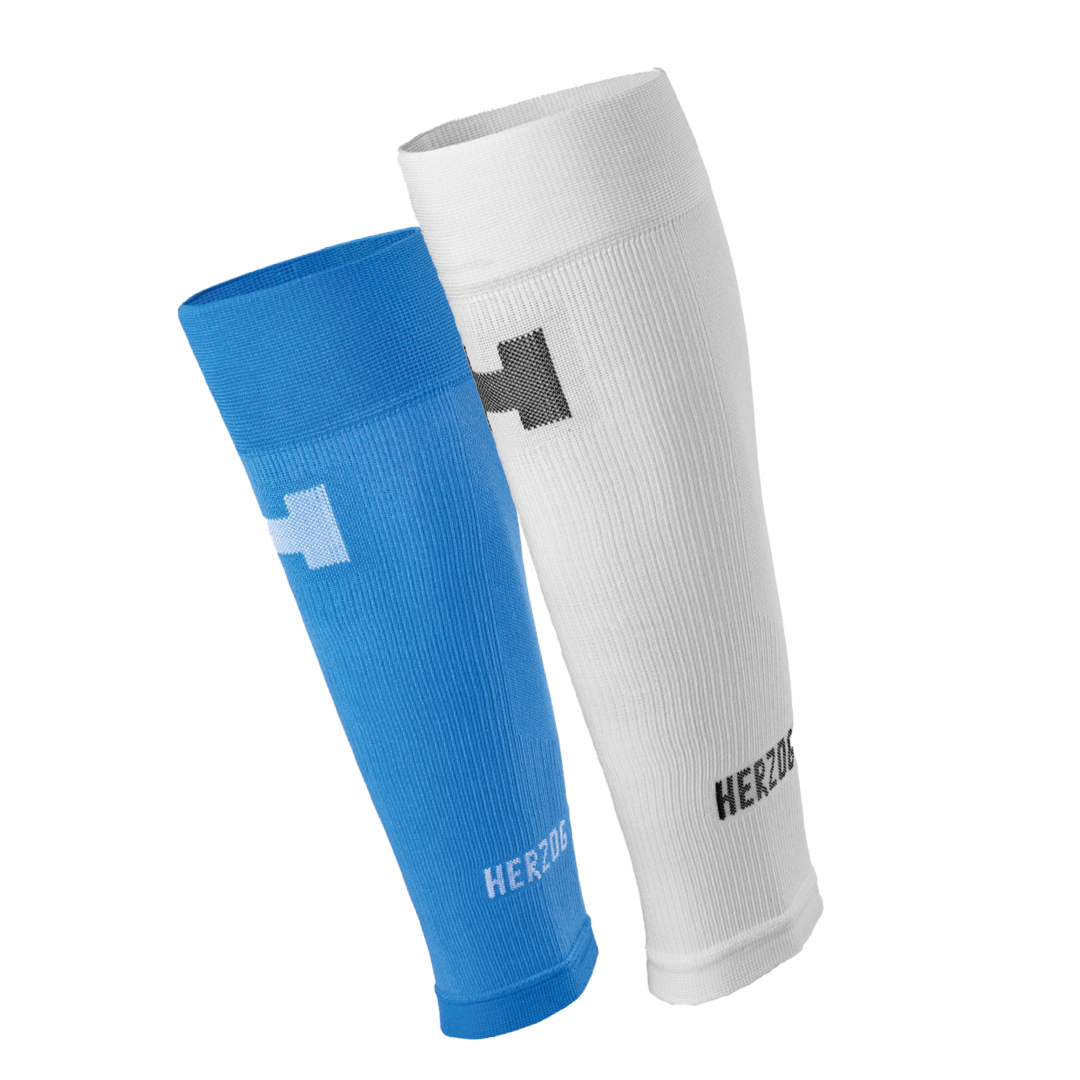
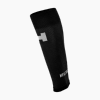
Lifestyle can also influence the symptoms. Caffeine, alcohol, and insufficient sleep are known factors that can aggravate restless legs, as are stress and an irregular daily routine. For people who sit or stand a lot for their work, wearing Herzog compression stockings during the day can contribute to a more pleasant feeling in the legs, because the gradual pressure supports blood circulation towards the heart. This is not a treatment for the underlying cause, but it is a way to reduce the strain on the legs throughout the day.

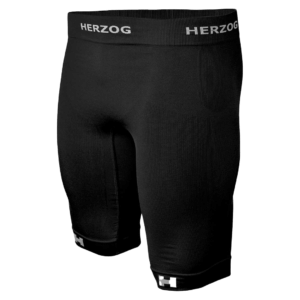
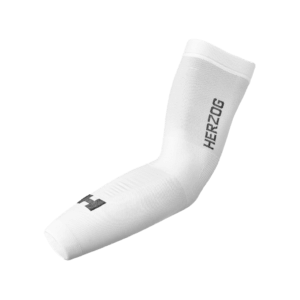
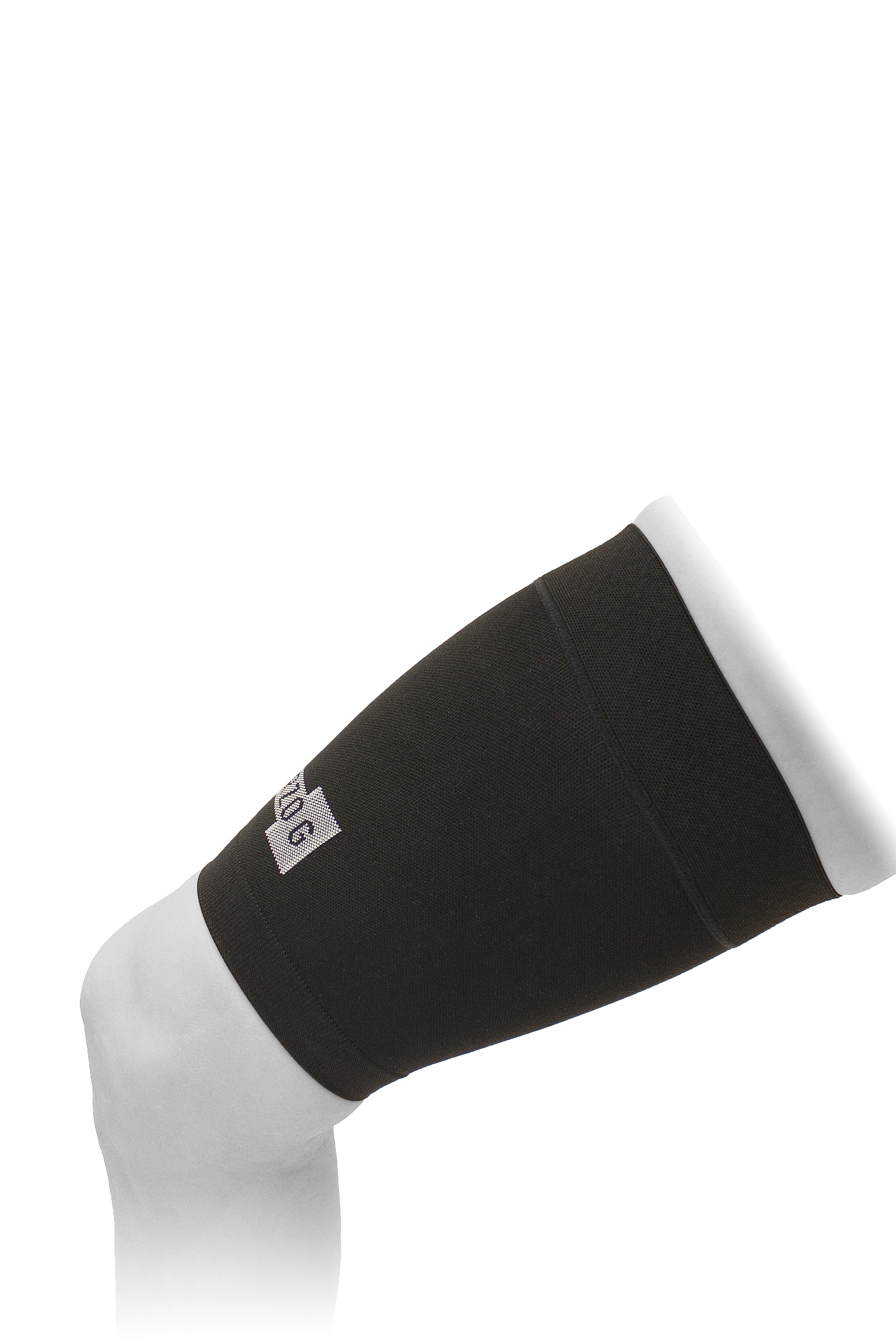
Products in this blog

Side Image

What can help with restless legs?

For many people, movement is the first step to reduce restlessness in their legs. A short walk before bed, some calf stretches, or simply getting up and walking during a long evening on the couch can already make a difference. Regular walking during the day keeps the blood circulation going and can make the symptoms less severe in the evening. Many people also find a warm shower or a light massage of the lower legs pleasant, although this does not work the same way for everyone.

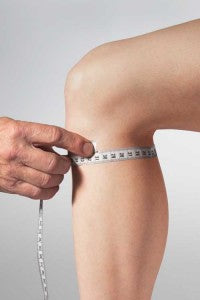
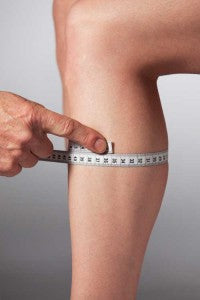
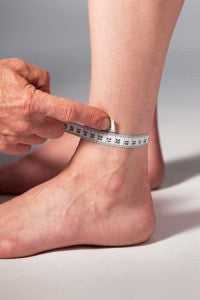
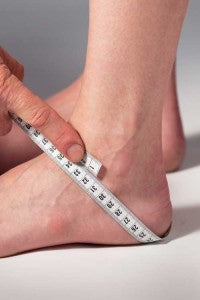
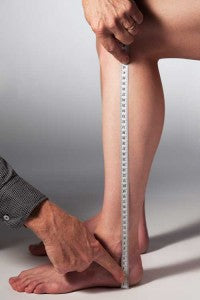
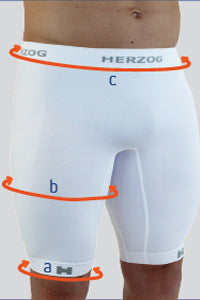
Compression can also be part of a daily approach. By applying controlled pressure to the lower legs, compression supports blood circulation and can contribute to a less heavy and restless feeling in the legs, as described on the page about the effect of compression. Herzog PRO Compression Socks are individually fitted at six measurement points and carry an MDR quality mark, ensuring that the applied pressure is accurately distributed over the lower leg. This approach is used by both athletes and healthcare professionals, indicating that Herzog's compression technology is used more broadly than just for restless legs.

In case of persistent or severe symptoms, it is advisable not to wait too long before seeking advice. Your GP can assess whether there is an underlying cause, such as an iron deficiency or another health problem, and work with you to determine what is needed. On the page about restless legsyou can read more about how compression is used in practice for these symptoms. Herzog has been working on compression technology for over twenty years and applies this knowledge to leg complaints, where compression always remains a support in addition to medical advice and not a replacement for it.

Frequently Asked Questions

What is the difference between restless legs and regular calf complaints?

Restless legs usually occur at rest, for example in the evening on the couch or in bed, and are accompanied by an urge to move. Calf complaints more often occur during or after exertion and feel more like stiffness or pain in the muscle. The difference therefore lies mainly in when the complaints arise and in the nature of the sensation.

Can compression stockings reduce restless legs?

Compression can contribute to a more comfortable feeling in the legs because the pressure supports blood circulation, but it is not a treatment for the underlying cause. Many people do experience less heaviness in their legs with daily use. For persistent complaints, it is still advisable to consult a doctor.

When should I see a doctor for restless legs?

Consult a doctor if the symptoms regularly disrupt your sleep, become increasingly severe, or are accompanied by swelling, pain, or discoloration of the skin. This could indicate an underlying cause such as an iron deficiency or a vascular problem like thrombosis. Only a medical assessment can provide clarity on this.

Relevant blogs

6 Effective tips to prevent and relieve shin splints

Prevent and alleviate shin splints with 6 practical tips for runners. Less pain, faster recovery, and better training.

Treating Whiplash: 3-Phase Recovery with Compression and Cold Therapy

Recovering from a calf strain? Discover the 3 recovery phases and how compression and cold therapy can contribute to optimal and responsible recovery.

All about calf problems: causes, symptoms, and what you can do about them

Suffering from calf complaints? Read all about possible causes, common symptoms, recovery, and what you can do to prevent calf complaints.