Stiff calves after exercise: what really helps?

After an intense training session, a competition, or a long walk, you sometimes only notice it hours later: your calves feel stiff and heavy. Climbing stairs takes more effort, and when you stand up after sitting for a while, you immediately feel the tension. This feeling of stiff calves after exercise is usually harmless and is a normal response to intensive exertion, but it can be bothersome during your daily activities.

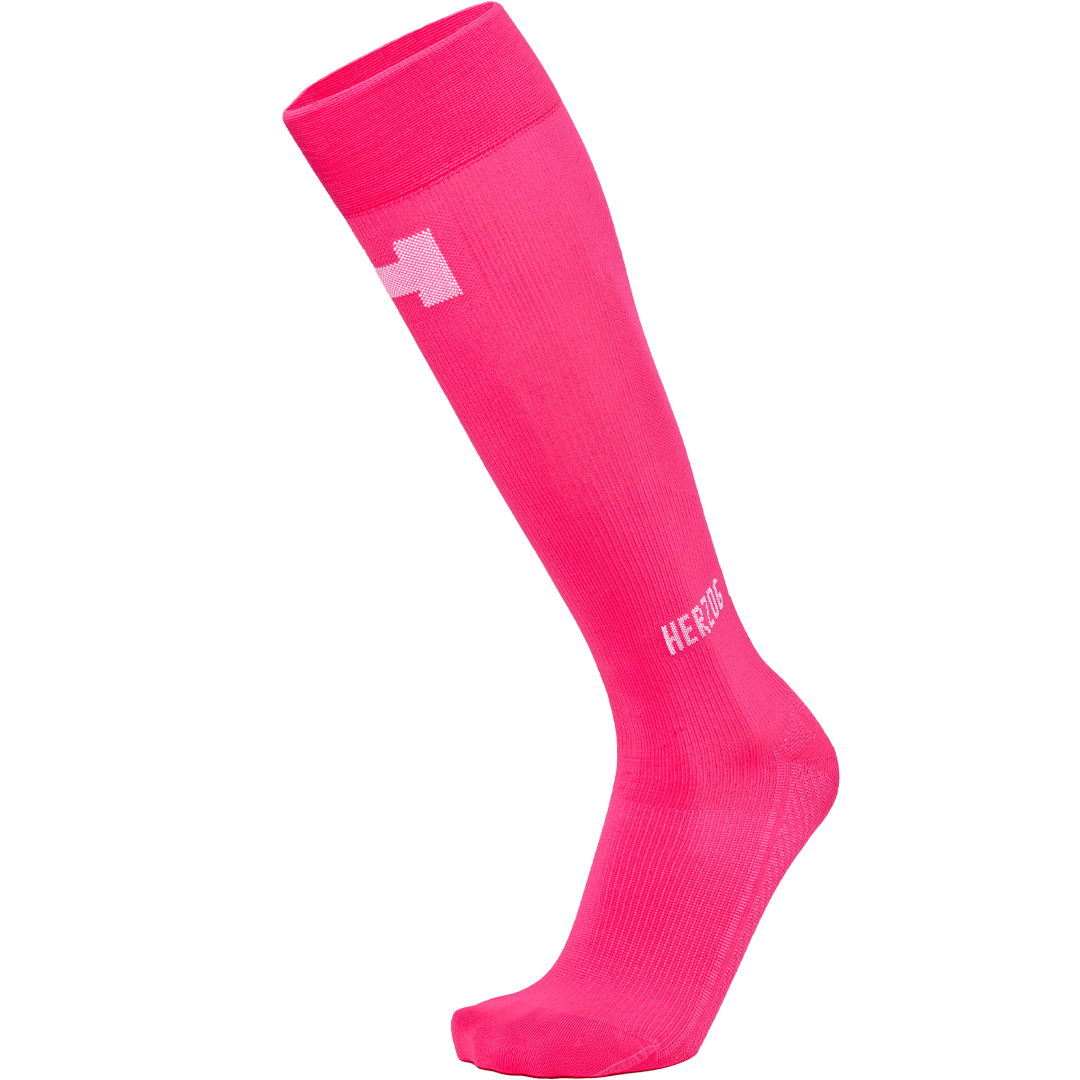
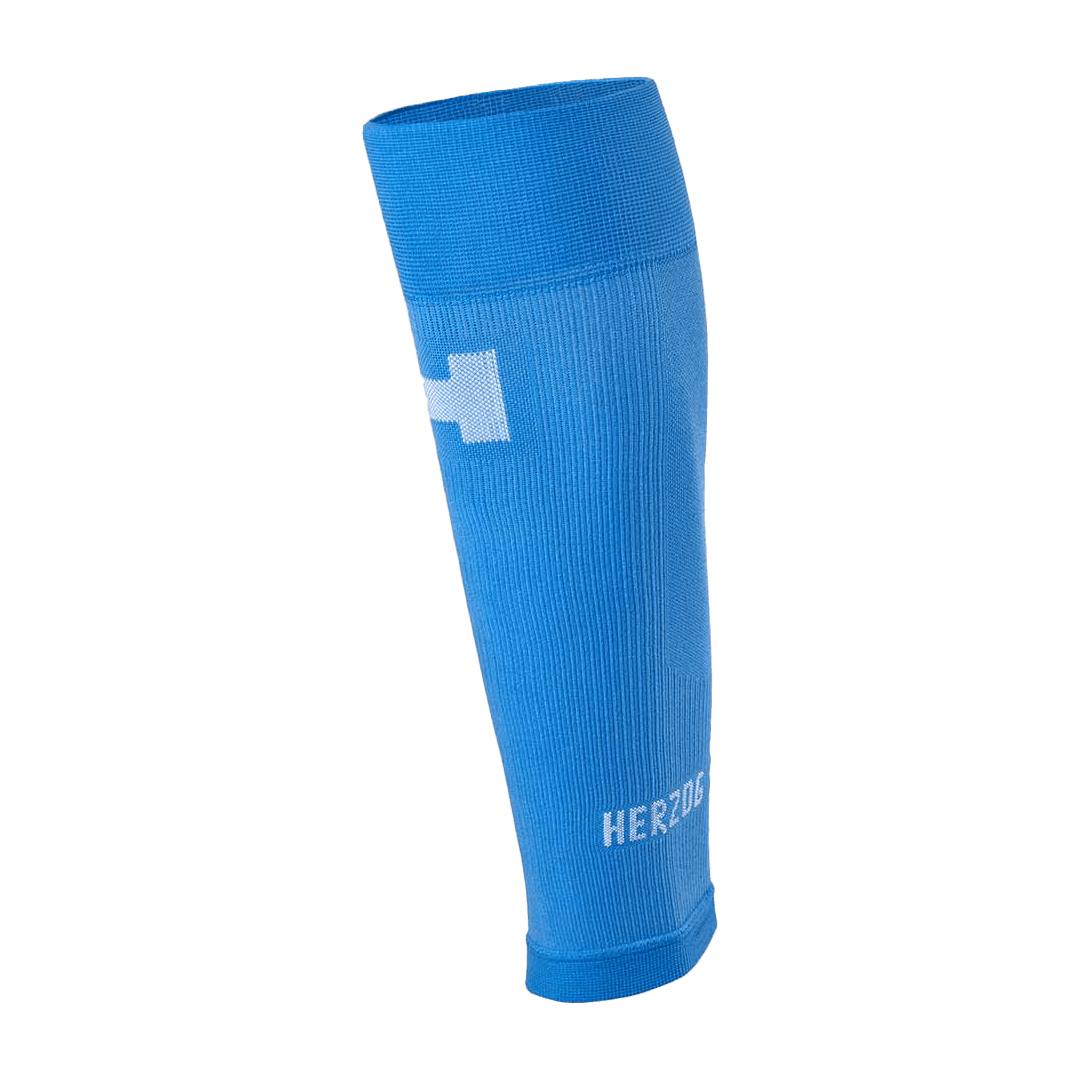
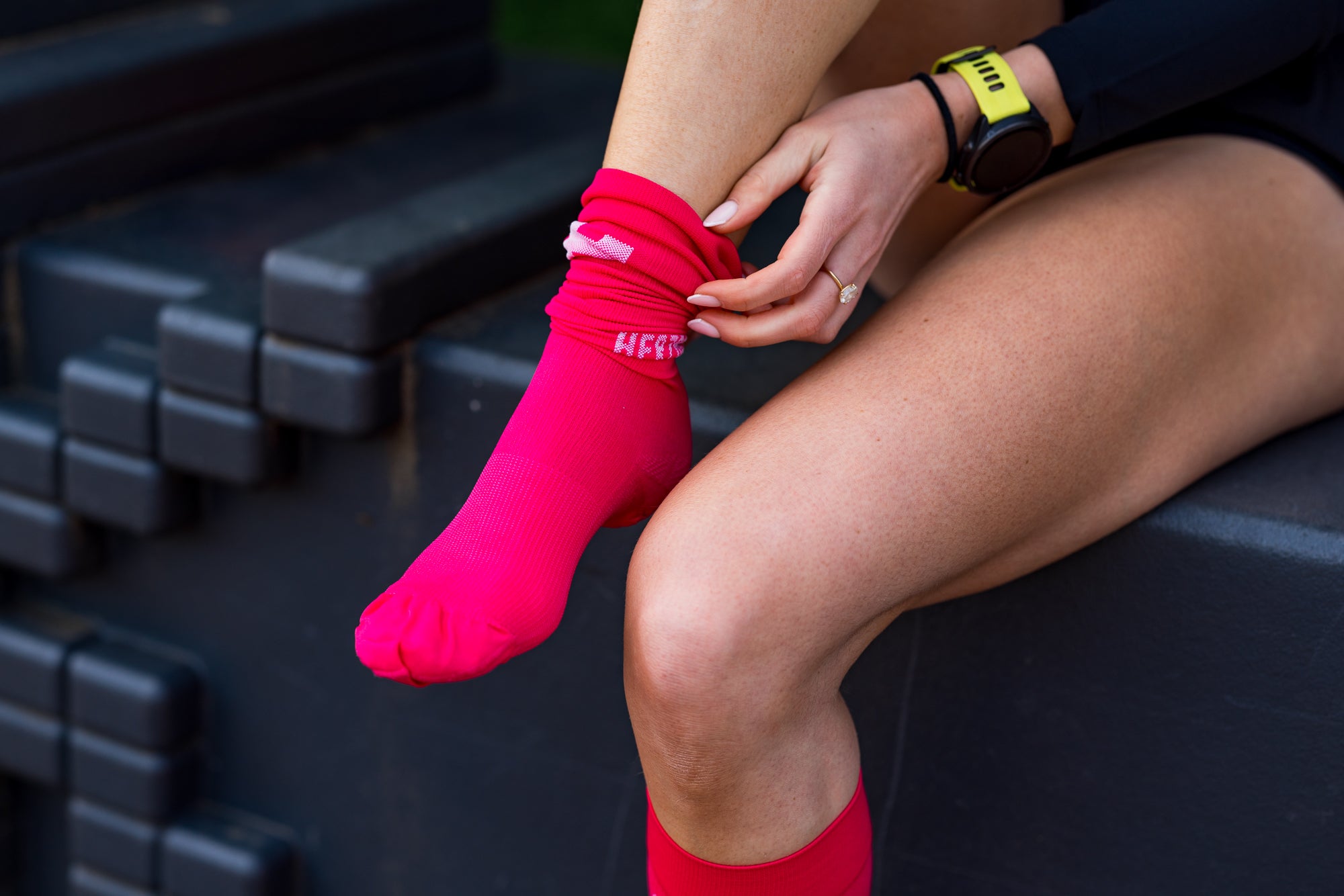
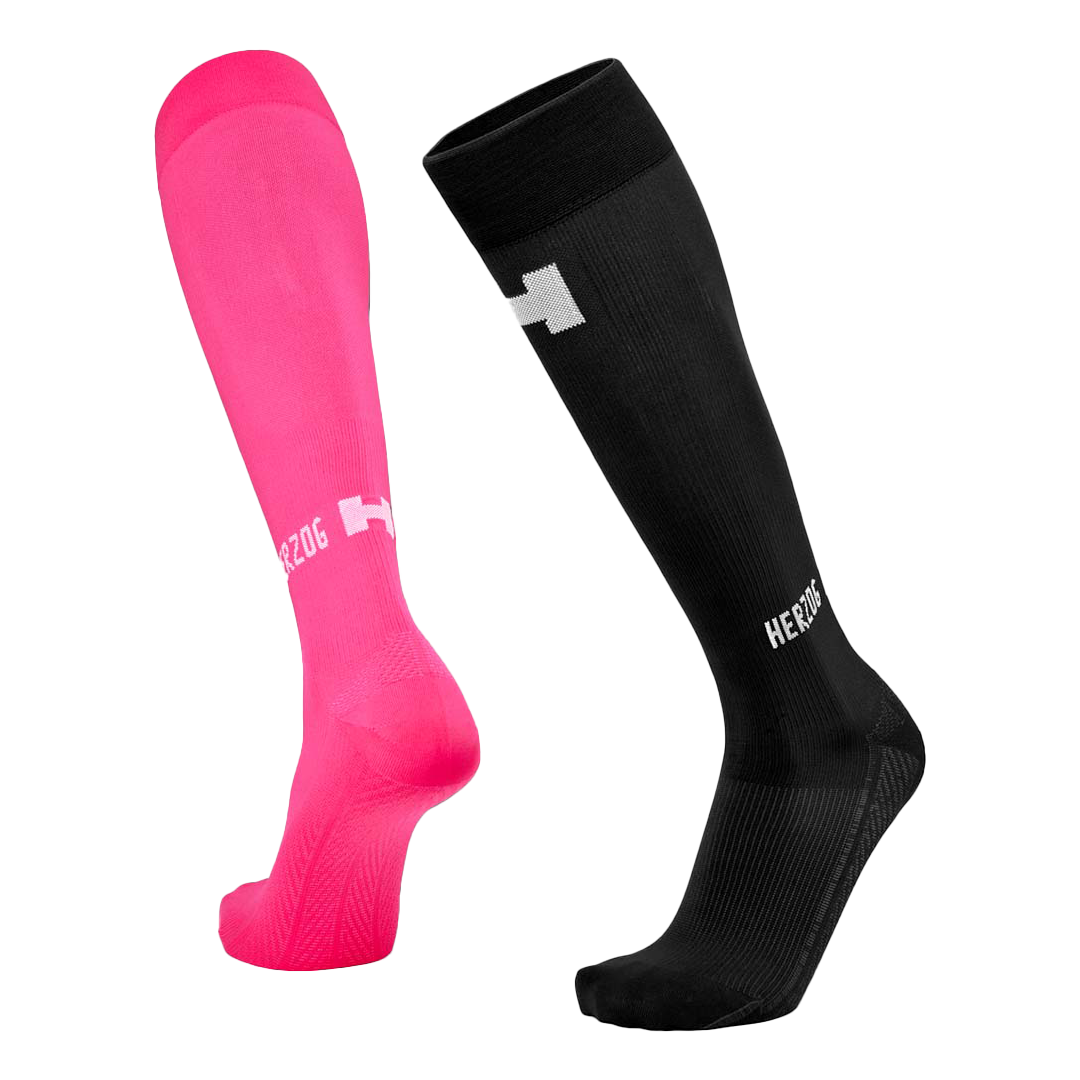
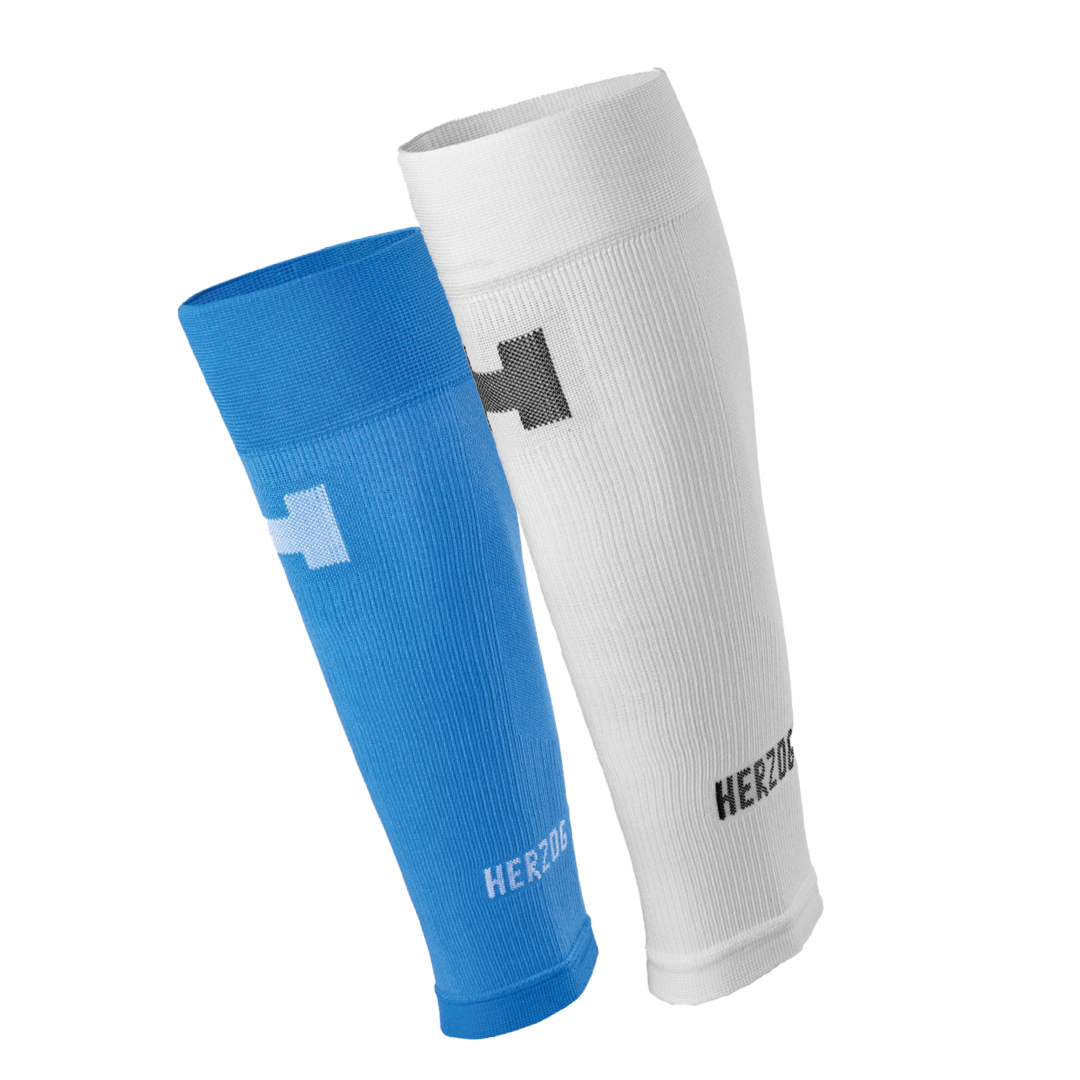
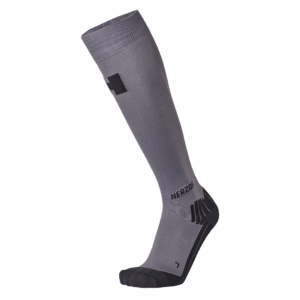
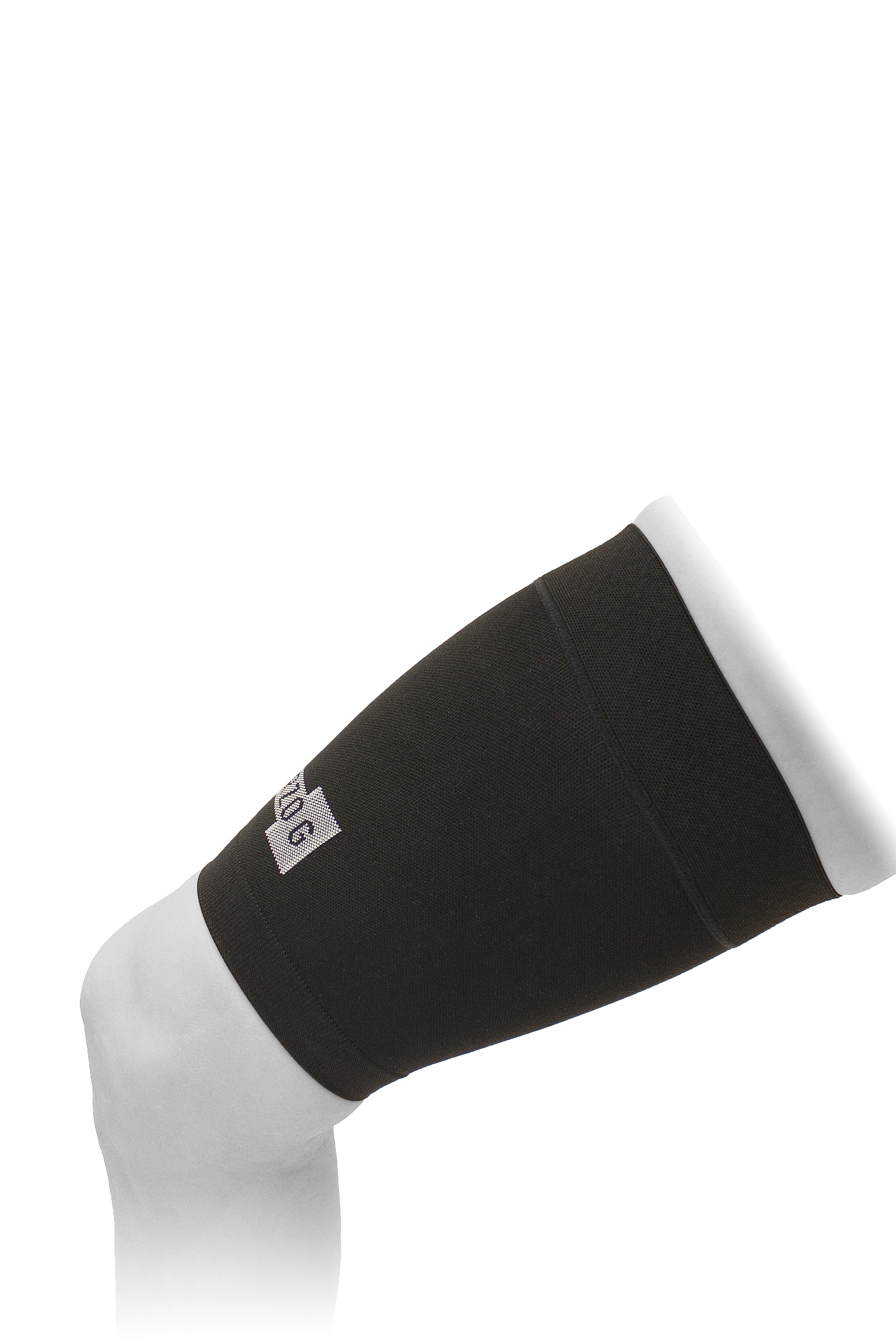
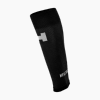
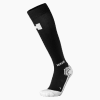
At Herzog, we see that many athletes reach for Herzog PRO Compression Socks or Tubes after a tough workout to support calf recovery. The controlled pressure can contribute to a more comfortable feeling in the muscle, although rest and gradual build-up remain just as important for good recovery. What exactly happens in the calf after exertion, and what helps to recover faster, depends on a few clear factors.


Side Image

Why do your calves feel stiff after exercise?

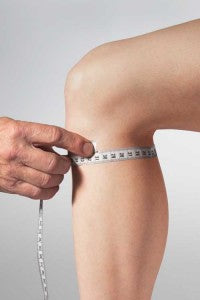
During intense exertion, tiny tears occur in the muscle fibers of the calf, especially when you do a new exercise, run harder than usual, or run downhill. This microscopic tissue repair is normal and ensures that the muscle eventually becomes stronger. In the first hours after exertion, however, this process can be accompanied by a stiff and tense feeling, sometimes even with slight swelling around the calf muscle, which you particularly notice with the first steps after a period of rest.

In addition to muscle damage, blood circulation plays a role in the development of stiffness. During exercise, the body removes waste products through the blood and lymphatic vessels, but afterwards, this removal can temporarily slow down. Fluid and waste products then remain in the tissue around the calf for a little longer, contributing to the tight feeling that many people recognize with calf complaints. You often notice this most strongly in the morning after a workout, when you have been still for a while and the muscle has been less perfused.

Triggering factors also play a role in the development of stiff calves. A short or absent warm-up, an unusual surface, incorrect footwear, or a sudden increase in training intensity increase the chance of complaints. This is often seen, for example, when runningon a new route with more elevation, or after a long hike during which your calves are unusually strained on uneven terrain. Those who recognize these factors can more easily adjust the training build-up and thus reduce the chance of recurring stiffness.

Side Image

What helps you recover faster from stiff calves?

Active recovery often works better than complete rest for stiff calves. A leisurely walk, a light bike ride, or gentle swimming strokes keep the blood flowing without further straining the muscle. Gentle and gradual stretching of the calf muscle, without pushing into pain, can contribute to a more supple feeling throughout the day. Gradually increase the intensity of subsequent training sessions, especially if you have previously suffered from a calf strain or other calf injury, as too rapid an increase in intensity increases the risk of recurrence.

Compression during and after exercise is used by many athletes to support recovery. The effect of compressionis about applying controlled pressure to the muscle, which stimulates blood circulation and reduces fluid accumulation. Herzog compression socks and tubes use a gradual pressure distribution, where the pressure is highest at the ankle and gradually decreases towards the knee. This distinguishes Herzog's compression technology from simple elastic socks without built-up pressure, which makes the muscle less likely to feel swollen or heavy after a workout.

In addition to exercise and compression, nutrition, hydration, and sleep play a role in recovery. Drinking enough water supports the removal of waste products, and a meal with sufficient protein helps with the recovery of muscle tissue. Sleep is when the body does most of its recovery work, so a few nights of adequate rest often make the difference between persistent stiffness and a muscle that feels supple again.

Products in this blog

Side Image

When is compression useful and when should you be more careful?

Compression can be useful at various times around exercise. Some people wear a sock or sleeve during the exercise itself, for example during trail running or long distances, while others choose recovery afterwards. Even with a sedentary job or a lot of standing during the day, controlled pressure can contribute to a less heavy feeling in the legs, which in turn influences how fresh the calves feel during the next training session. In this way, recovery after exercise is not separate from what happens to your legs the rest of the day.

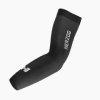
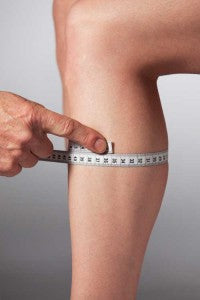
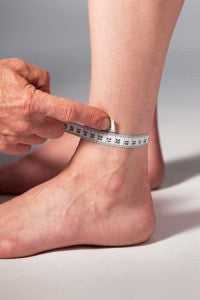
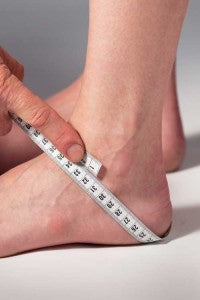
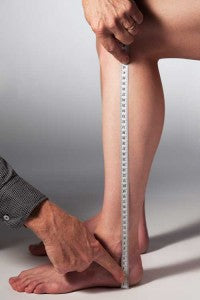
Herzog PRO Compression Socks and Herzog PRO Compression Sleeves carry an MDR quality mark and are individually fitted at six and four measuring points, so that the pressure build-up matches the shape of the leg. These Herzog compression socks have been developed from medical compression technology and are used by both athletes and healthcare professionals. This background of over twenty years of specialisation in compression ensures a different approach than a standard sock from a sports shop. This difference is particularly noticeable with recurring stiff calves, because a sock that does not fit well can distribute the pressure unevenly, making the effect on blood circulation less consistent.

Frequently asked questions

How long does it take for stiff calves to disappear after exercise?

For most people, stiff calves subside on their own within a few days, especially if you continue to move gently and give the muscle time to recover. After a more intense workout or new strain, it may take a little longer. If the stiffness persists for more than a week, it is advisable to review your training regimen.

Can you exercise with stiff calves?

Light activity such as walking or gentle movement is usually not a problem and can even contribute to recovery. An intense workout at the same intensity as before is less advisable as long as the muscle still feels clearly tense. Listen for the difference between normal stiffness and sharp pain, as the latter requires more rest.

Does compression help with stiff calves after every workout?

Compression can contribute to a more comfortable feeling in the calf after exertion, but it works best in combination with sufficient rest, hydration, and gradual training progression. Not everyone experiences the same effect, and it is not a substitute for a good warm-up or cool-down. For persistent or recurring complaints, it is advisable to also look at the cause of the stiffness.

Relevant blogs

6 Effective tips to prevent and relieve shin splints

Prevent and alleviate shin splints with 6 practical tips for runners. Less pain, faster recovery, and better training.

Treating Whiplash: 3-Phase Recovery with Compression and Cold Therapy

Recovering from a calf strain? Discover the 3 recovery phases and how compression and cold therapy can contribute to optimal and responsible recovery.

All about calf problems: causes, symptoms, and what you can do about them

Suffering from calf complaints? Read all about possible causes, common symptoms, recovery, and what you can do to prevent calf complaints.