Tapering like a PRO: less training, better performance

You've trained for weeks, pushed your body to its limits, and tested your endurance. Now, with race day approaching, it's time to enter a crucial phase of your preparation: tapering. But what exactly is tapering, and why is it so important for your performance?

Side Image

What is tapering?

Tapering is the process of gradually reducing training intensity and volume in the weeks leading up to an important competition. This allows your body to fully recover, replenish energy stores, and be fresh at the start. The goal is to maintain built-up fitness while reducing fatigue and optimizing muscle performance.

Why is tapering important?

Many athletes tend to train intensely until the last minute for fear of losing fitness. However, several studies show that a well-executed tapering process actually leads to better performance. These are the main benefits:

Improved muscle recovery: Your muscles get a chance to recover from microtraumas sustained during heavy training weeks.

  • Increased energy levels: Glycogen stores in the muscles are replenished, giving you more energy on race day.
  • Mental freshness: Reduced training stress leads to a fresh and focused mindset.
  • Optimal muscle power: The combination of rest and maintained activation ensures better responsiveness and explosiveness.
Side Image

How to taper effectively?

An effective tapering period usually lasts between one and three weeks, depending on the distance and intensity of the race. Here are some guidelines:

  • Reduce training volume: Limit your total training volume by 30-50% in the final weeks. This means fewer kilometers or shorter training sessions.
  • Maintain intensity: Continue training at race pace, but shorten the duration of these sessions. This helps your body stay sharp.
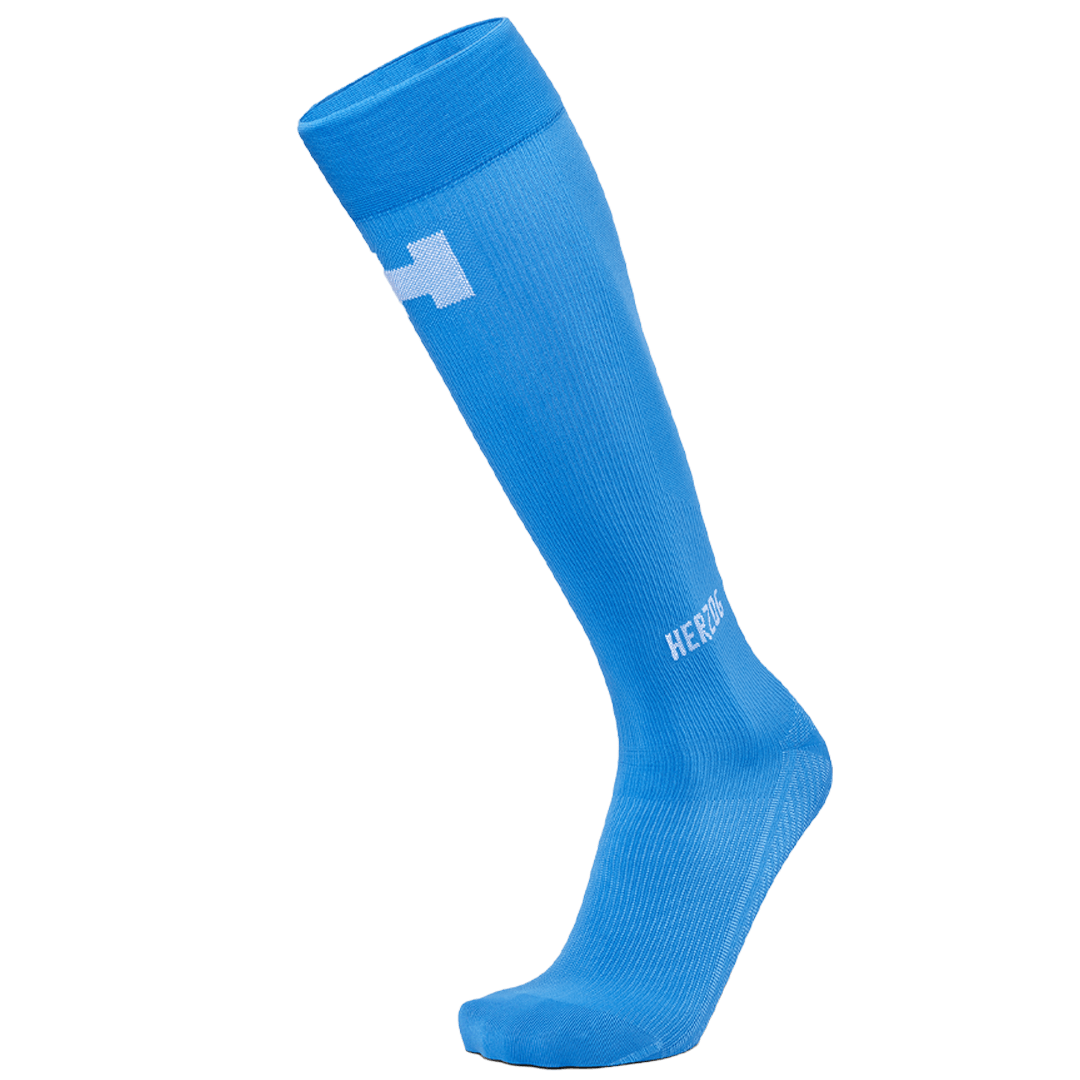
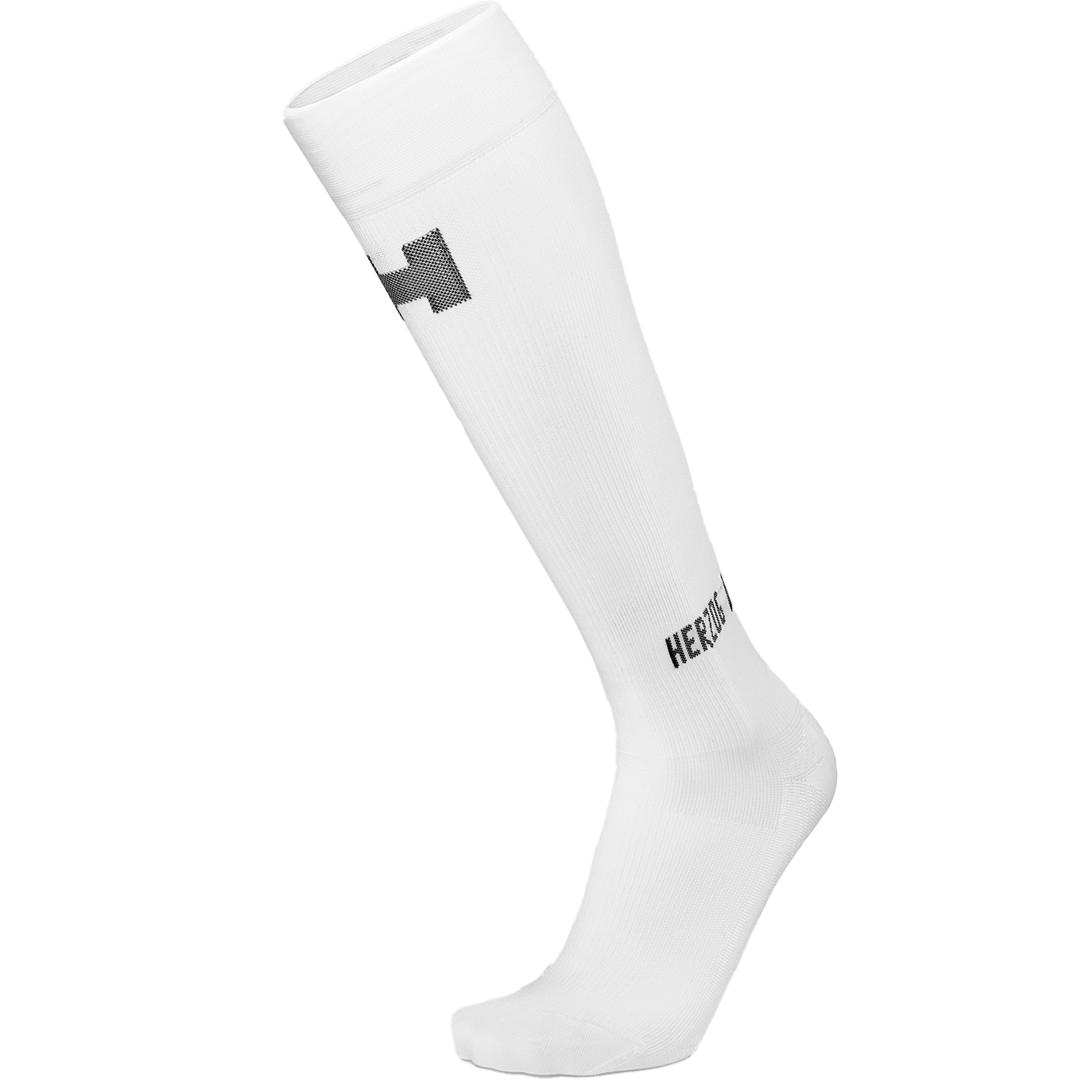
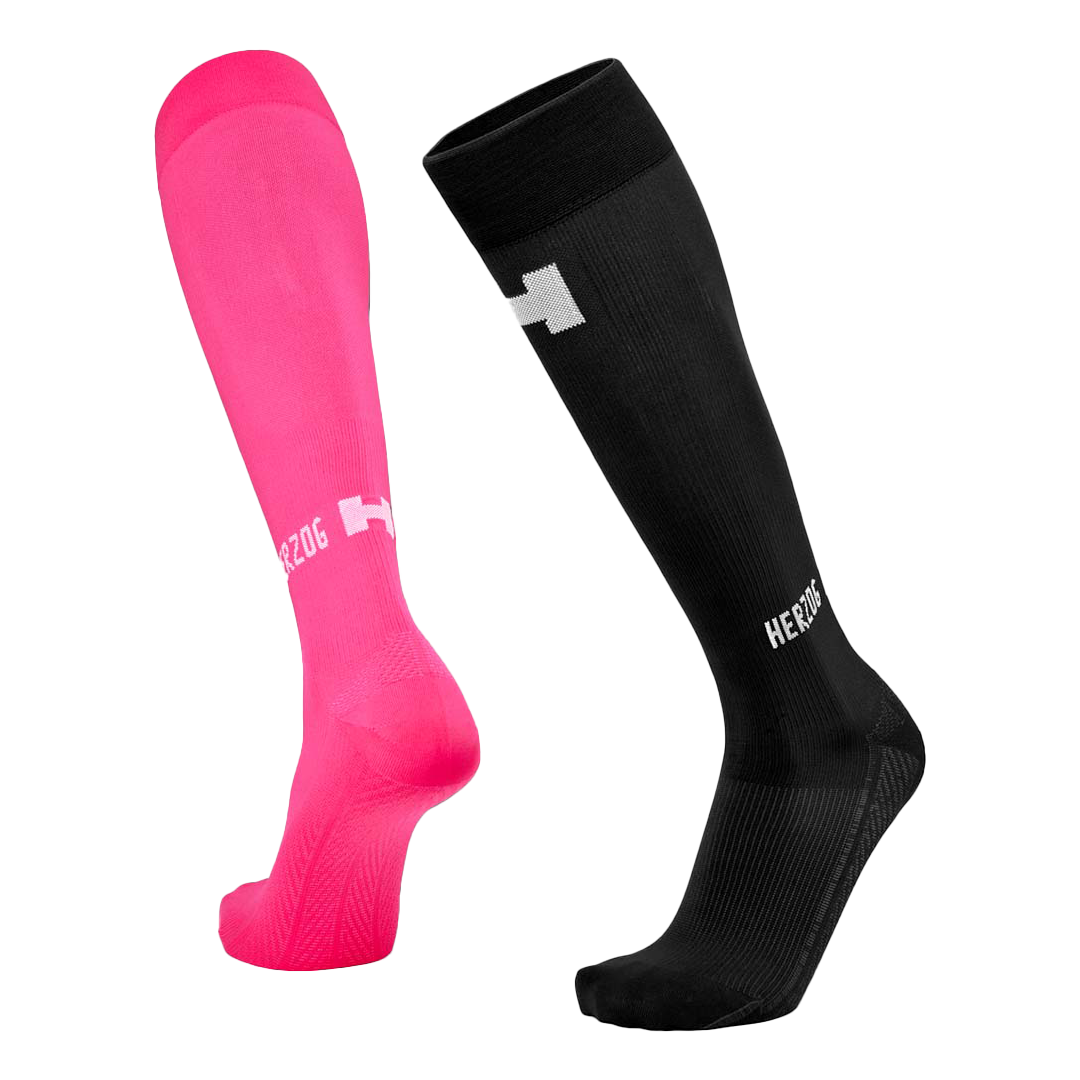
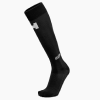
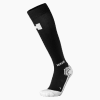
  • Focus on recovery: Ensure sufficient sleep, good nutrition, and Herzog compression socks to promote blood circulation.
  • Prevent overtraining: Avoid heavy strength training and new forms of training that can cause muscle fatigue.
  • Listen to your body: Everyone responds differently to tapering, so adjust your schedule based on how you feel.

Common tapering mistakes

Despite the importance of tapering, many athletes make mistakes that can negatively impact their performance. Some common pitfalls:

  • Tapering too abruptly: A sudden stop in training can lead to a sluggish feeling. Tip: Gradually reduce your training so your body can adjust to the reduced load.
  • Too much or too little rest: Too little rest prevents full recovery, while too much rest can lead to a loss of sharpness. Tip: Stay active with light workouts and dynamic stretches, without overexerting your body.
  • Unhealthy diet: During the tapering period, it's important to adjust your nutrition to your reduced training load. Tip: Continue to eat a varied and healthy diet, with sufficient protein and micronutrients for recovery. Are you preparing for a marathon or long-distance race? Then increase your carbohydrate intake in the final days to optimally replenish your glycogen stores.

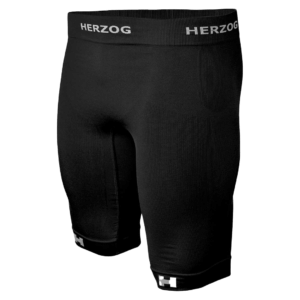
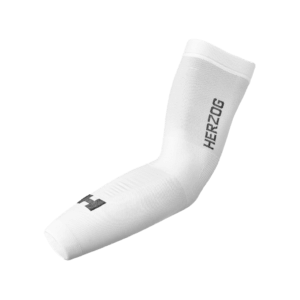
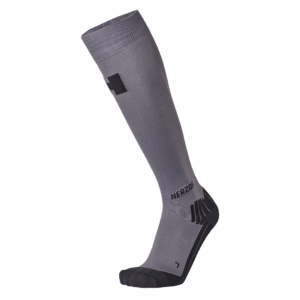
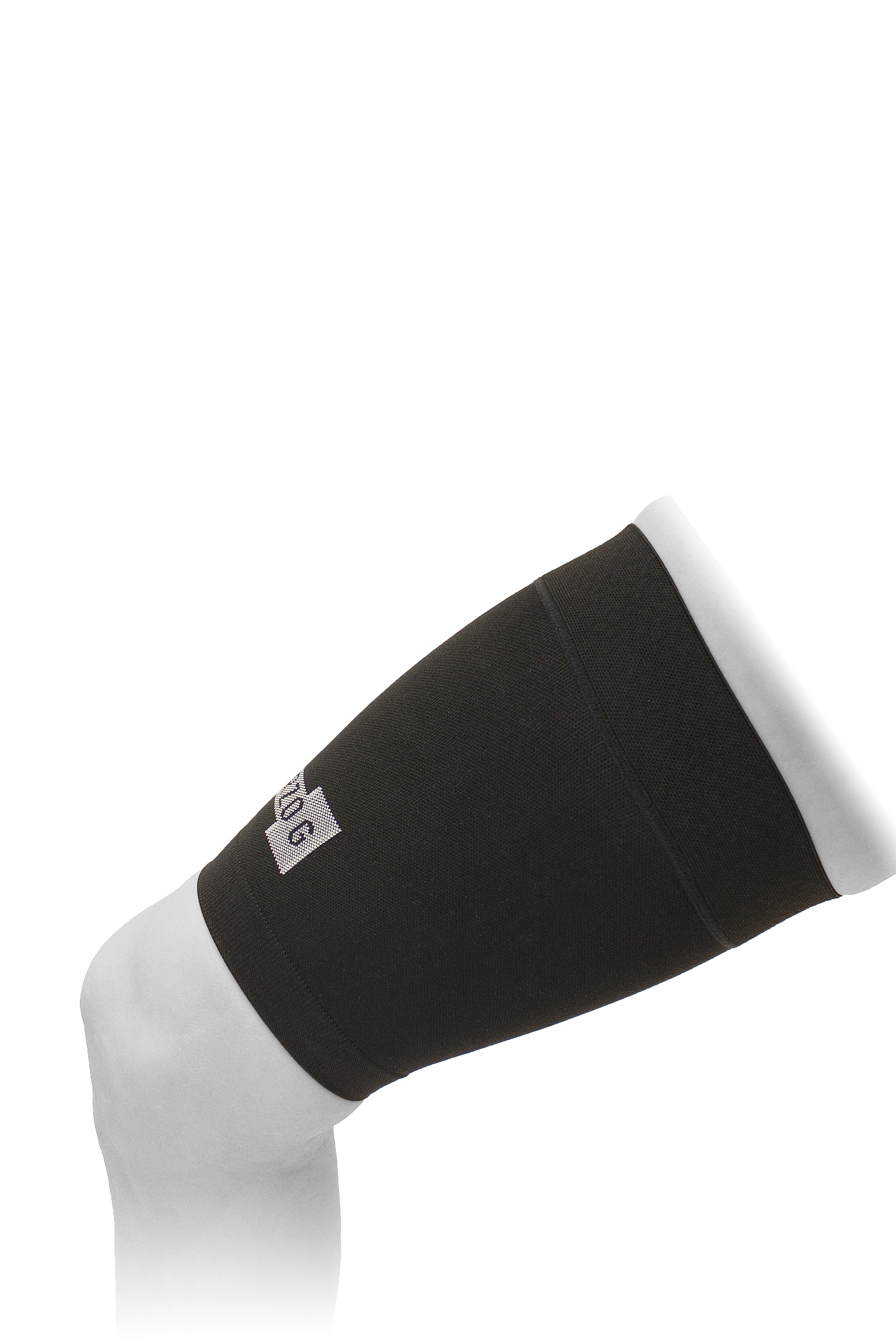
Products in this blog

Side Image

The Role of Compression Stockings in Tapering

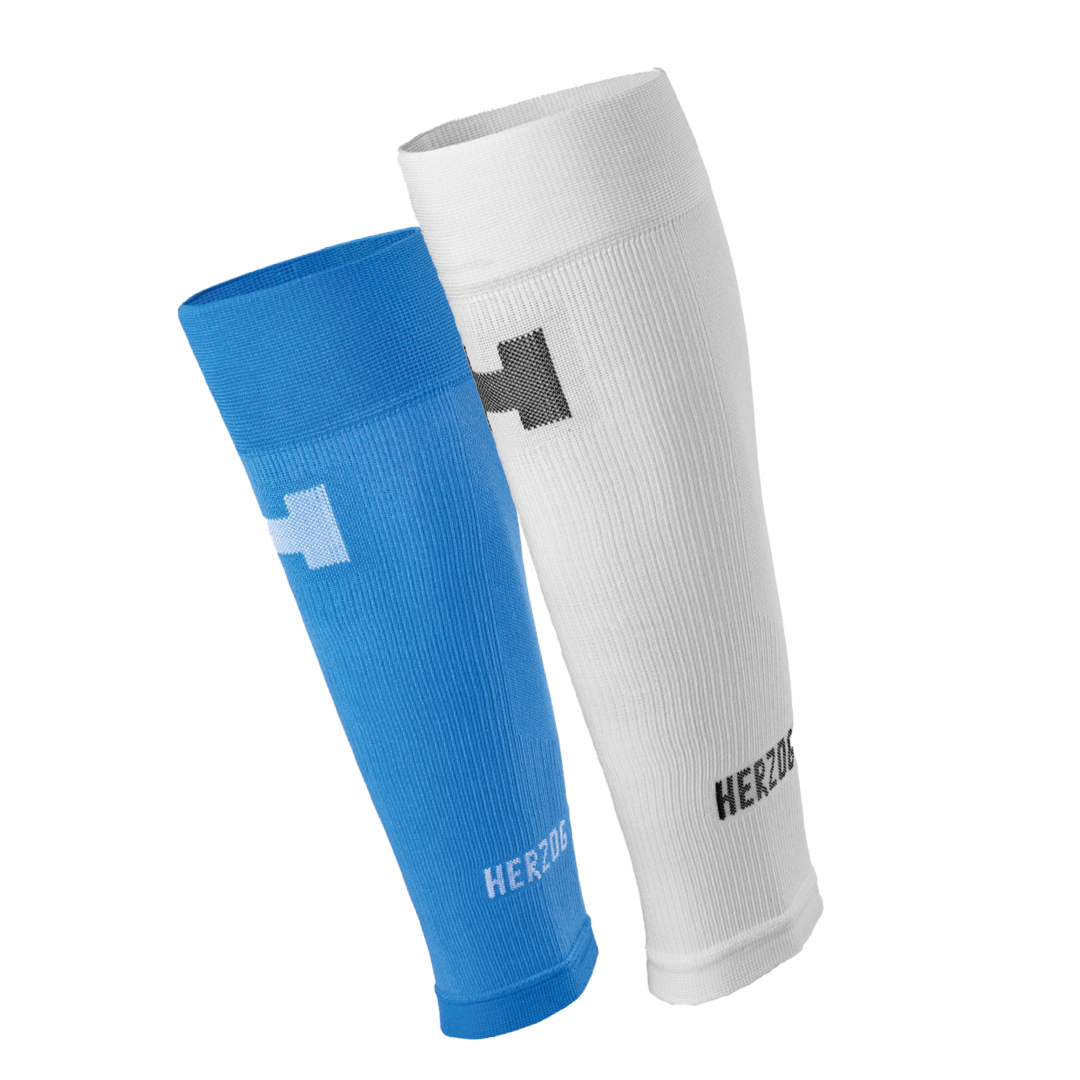
During tapering, optimal recovery is key, and Herzog Compression Stockingscan play a valuable role in this. The graduated compression of these stockings stimulates blood circulation, which helps to accelerate the removal of waste products and improve oxygen supply to the muscles. This contributes to faster recovery and reduces the risk of heavy, tired legs in the final days before the race. By wearing compression stockings during rest days or light training sessions, you optimally support your muscles and ensure that you start the race with fresh, well-circulated legs.


The Final Days Before the Race

In the final days before your race, it's all about optimal recovery and preparation. Hydrate well, eat a balanced diet, and make sure you get enough rest. A short, light training session one or two days before the race helps keep your muscles activated without overstraining them.
Tapering is an essential part of your preparation and can make the difference between a good and a great performance. By reducing your training in the right way, you give your body the chance to be in top shape at the start. So dare to rest, trust your preparation, and enjoy your race!

Relevant blogs

6 Effective tips to prevent and relieve shin splints

Prevent and alleviate shin splints with 6 practical tips for runners. Less pain, faster recovery, and better training.

Treating Whiplash: 3-Phase Recovery with Compression and Cold Therapy

Recovering from a calf strain? Discover the 3 recovery phases and how compression and cold therapy can contribute to optimal and responsible recovery.

All about calf problems: causes, symptoms, and what you can do about them

Suffering from calf complaints? Read all about possible causes, common symptoms, recovery, and what you can do to prevent calf complaints.