The differences between standard sports socks and true compression stockings

Compression stockings are popular among runners, hikers, and other athletes looking for extra support during exercise and recovery. However, not every tight-fitting sock is automatically a true compression stocking. Many sports socks feel firm around the foot and calf, but medical compression stockings work on a different principle. This difference is becoming increasingly important for athletes who are specifically looking for support during sport and recovery.

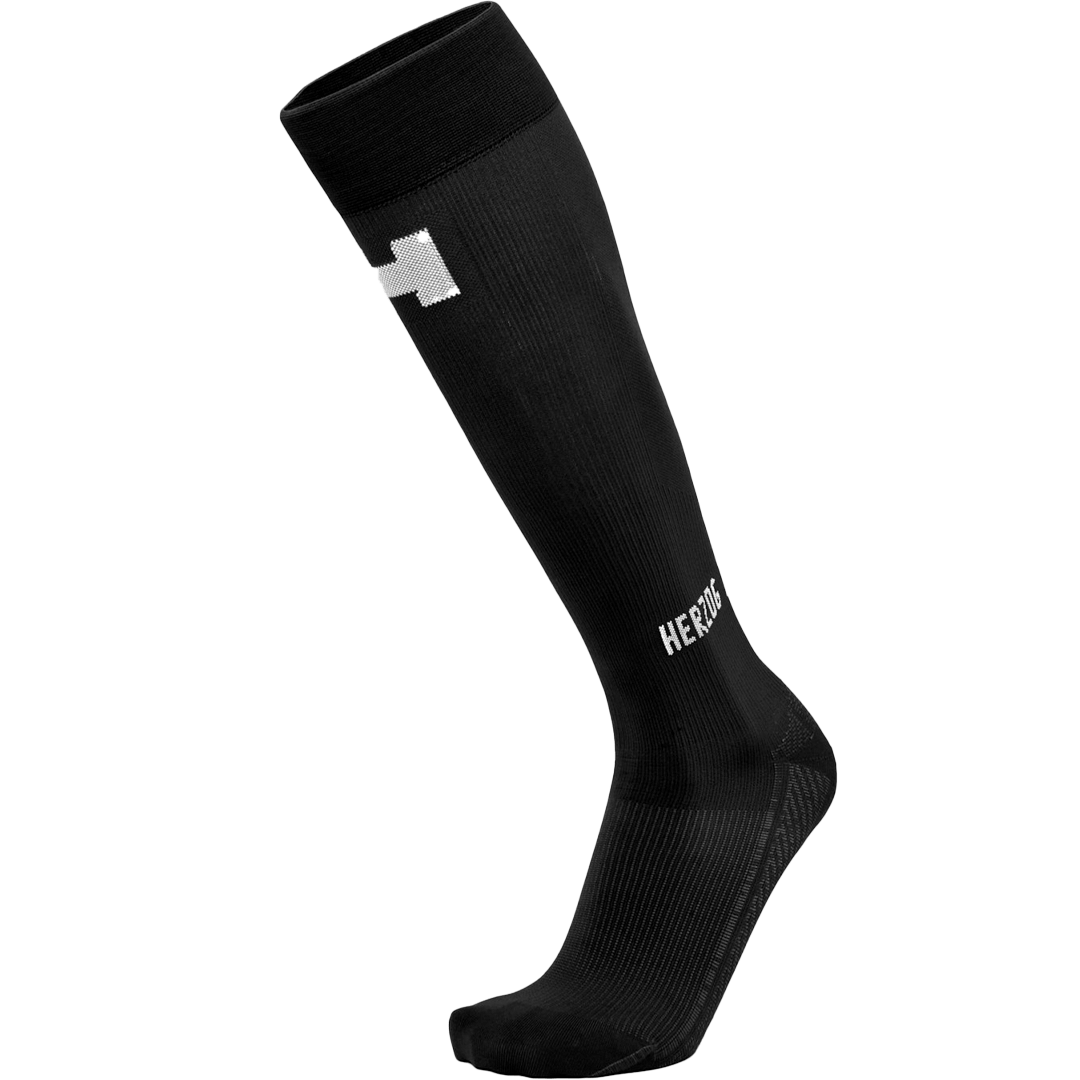
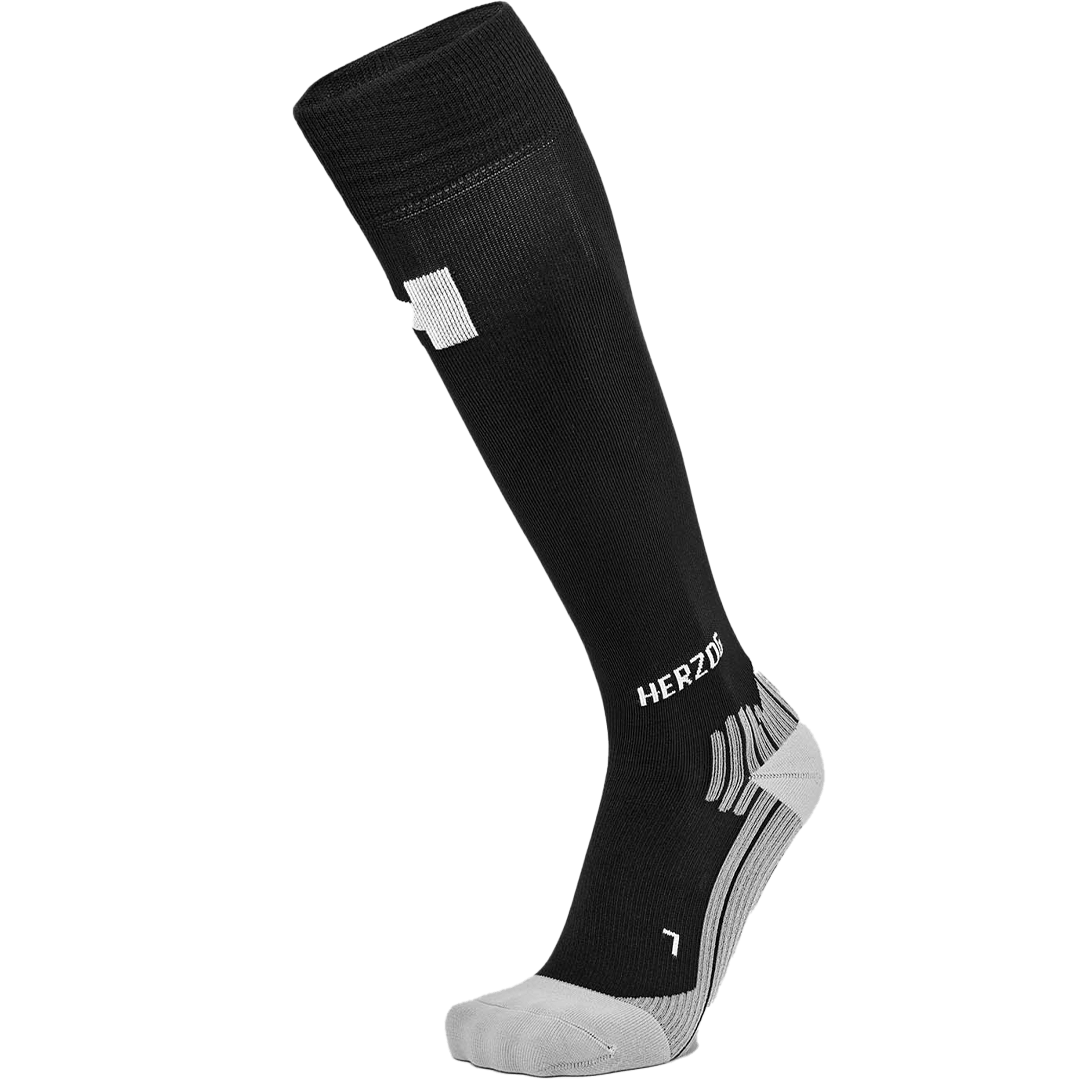
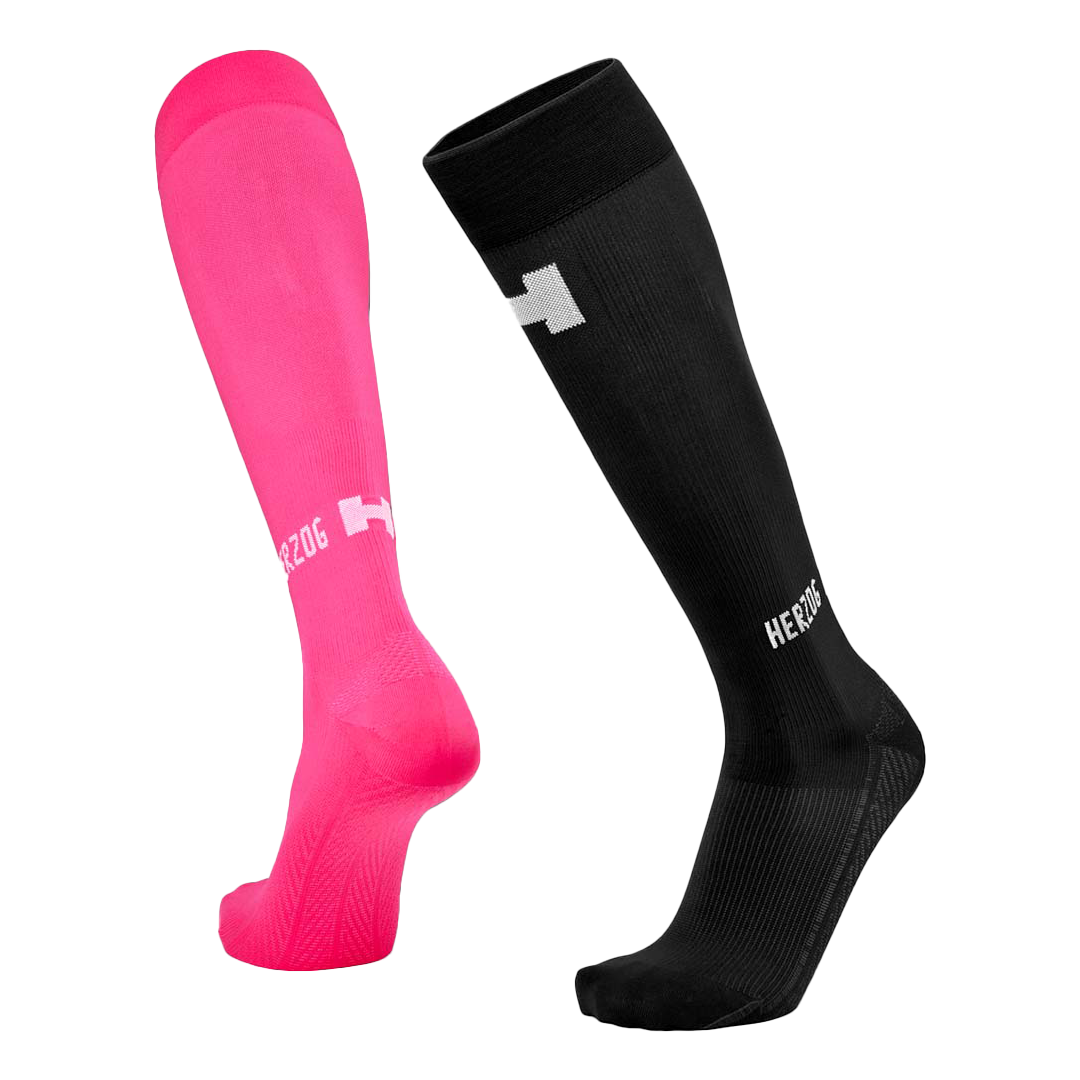
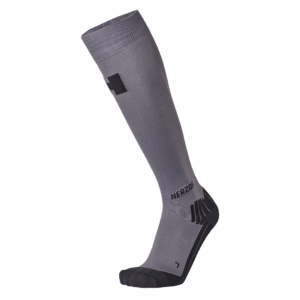
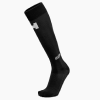
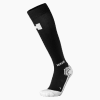
At Herzog, you see this difference reflected in the Herzog PRO Compression Stockings, which are designed to build pressure in a controlled manner from the foot towards the calf. A runner who notices their calves feel heavy after a long run benefits from a different approach than someone who simply wears a sports sock with some extra stretch. The distinction is not in the feeling of tightness, but in the way the pressure is built up.

Side Image

What makes a compression sock different from a regular sports sock?

A sports sock is usually designed to provide comfort during movement. The material is elastic, breathable, and sometimes a bit thicker in areas where friction occurs, such as the heel or toes. These properties ensure a comfortable fit and help prevent blisters, but the pressure exerted by the sock is usually evenly distributed or barely present. There is no build-up in pressure level between the ankle and calf. This makes a sports sock suitable as a base layer, but not as support for blood circulation during prolonged exertion.

A compression sock is constructed according to a different principle, namely gradual compression. This means that the pressure is highest at the ankle and gradually decreases towards the knee. This build-up supports the return of blood to the heart and helps the muscle pump in the lower leg work more effectively. More explanation about this mechanism can be found on the page about the effect of compression. This principle is the basis of Herzog's compression technology, and it is usually completely absent in a regular sports sock, even if it feels tight around the calf.

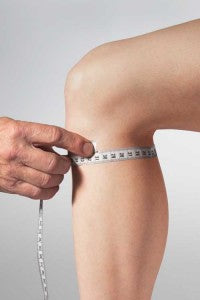
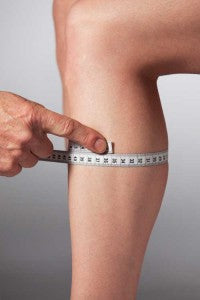
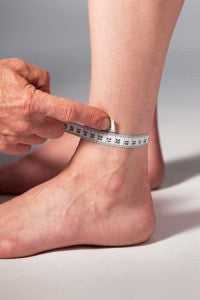
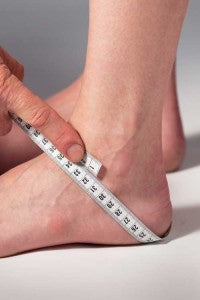
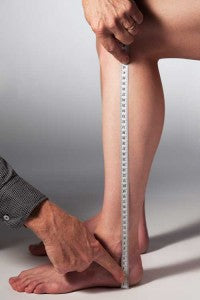
With Herzog custom-made compression socks, this process goes a step further. Instead of a standard size, each sock is individually measured at six points around the foot, ankle, and calf. This creates a pressure distribution that matches the shape of your leg, instead of an average size that approximately fits most people. You will notice this difference especially during prolonged exertion or during a workday where you stand a lot, because a precisely fitting sock keeps the pressure stable instead of sagging or shifting.

Side Image

How do you notice the difference in practice during sports?

When running or walking, your calf muscles act as a kind of pump that helps blood flow up towards the heart. During intensive or prolonged exertion, this pump can work less efficiently, causing your legs to feel heavy or tired. A sports sock does little to change this, as the pressure is not built up in a targeted way. A compression sock, however, supports this pumping mechanism because the pressure gradually decreases from the ankle, supporting blood circulation towards the heart. Many athletes therefore experience less of a heavy feeling during and after exertion.

This is especially relevant for sports where you are on your feet or walking for a long time. Think of a training block for running, a long hike during walking, or a day spent standing at work followed by an evening training session. In all these situations, fatigue builds up in the lower legs, and targeted pressure build-up can be supportive. It's not about a sock that simply fits tightly, but about a system that logically builds pressure from bottom to top, so that the body has less difficulty returning blood.

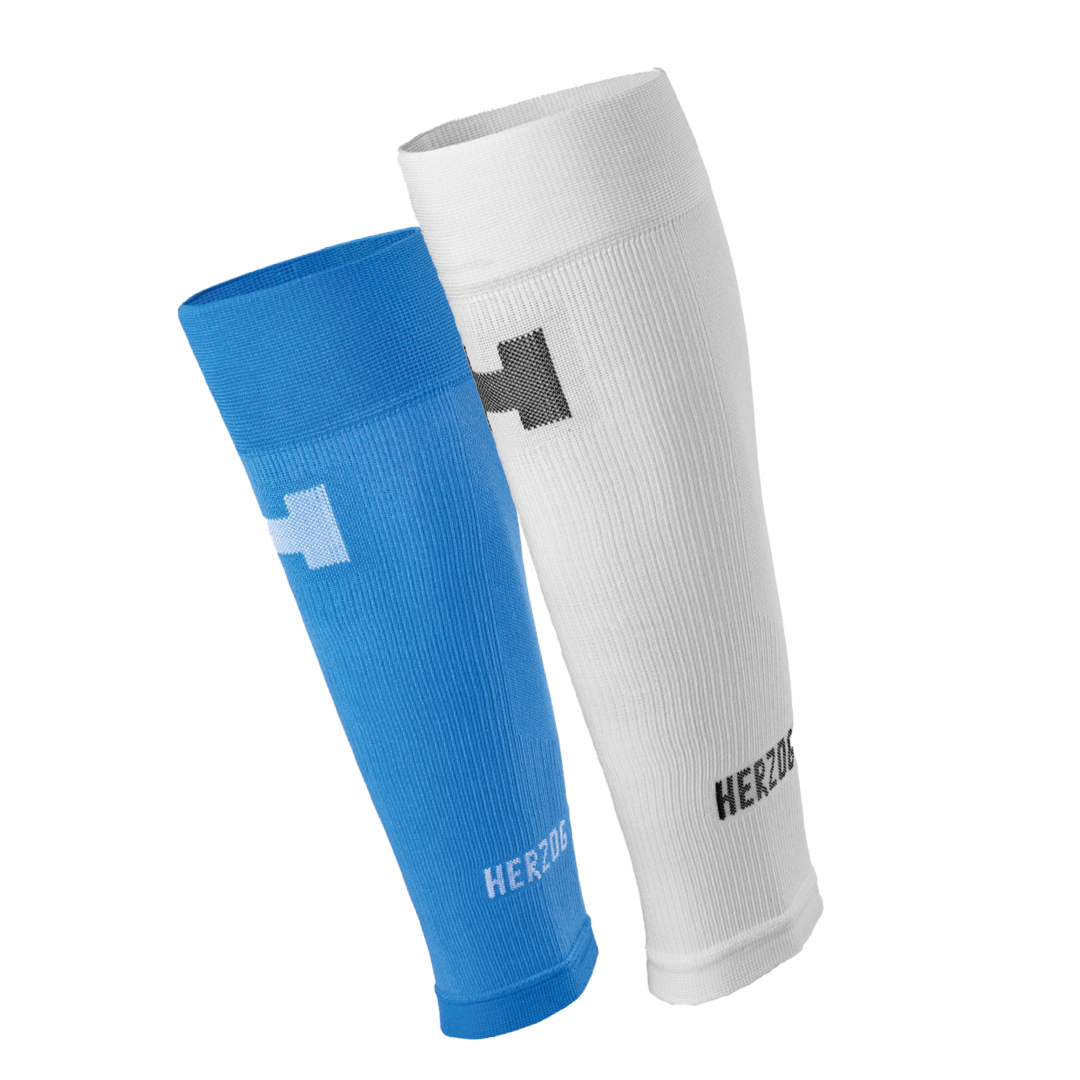
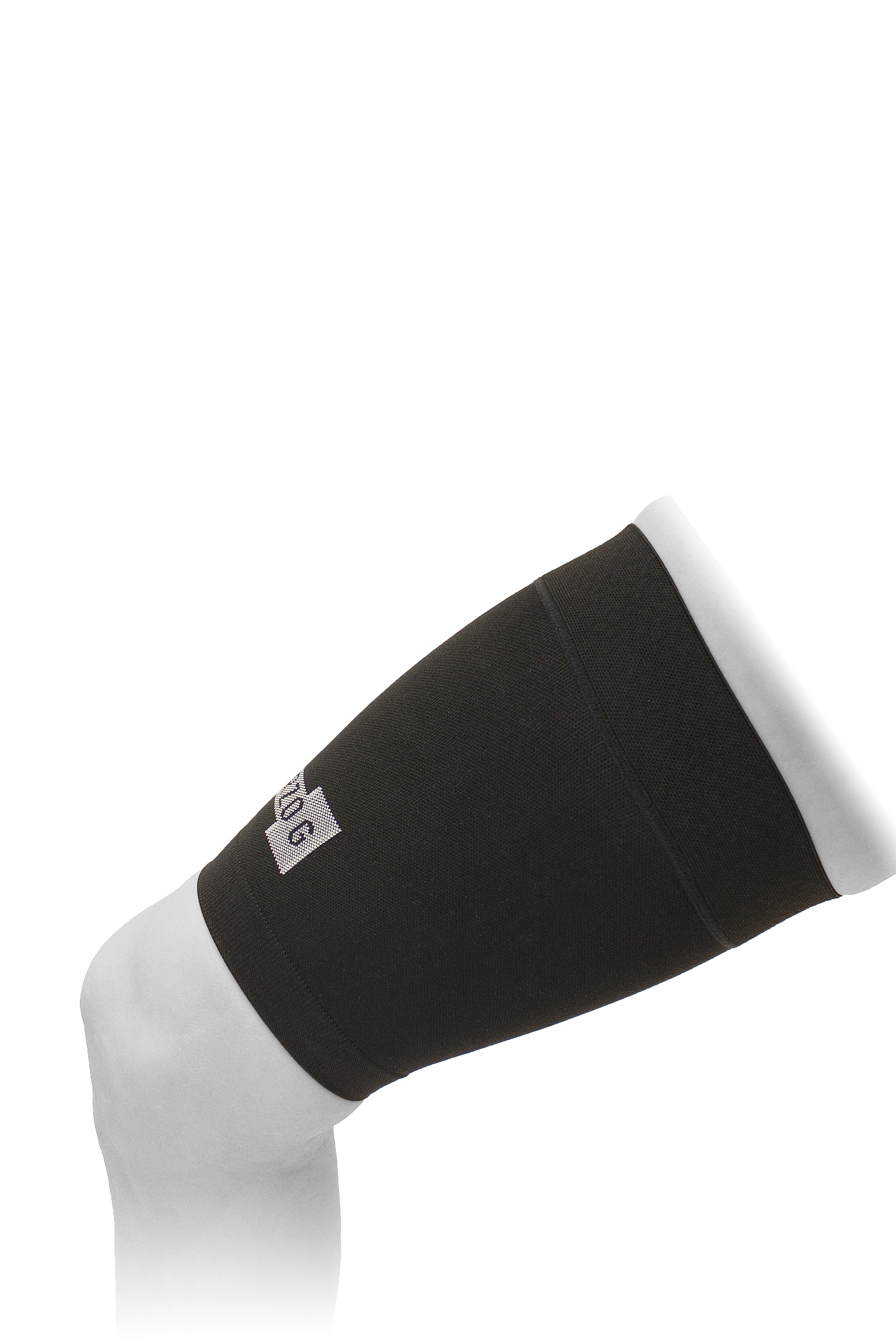
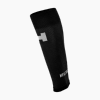
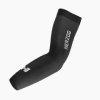
Herzog has been a specialist in compression for over twenty years and supplies products that are worn by both athletes and healthcare professionals. The Herzog PRO Compression Socks and Herzog PRO Compression Tubes are MDR-certified, meaning they comply with European requirements for medical devices. This certification says something about the way pressure is built up in a controlled and measurable manner, which is not the case with a standard sports sock. For athletes looking for targeted support during training or recovery, this makes a noticeable difference in how the product performs during long-term use.

Products in this blog

Side Image

When do you really need a compression stocking instead of a sports sock?

Not every athlete needs a medical compression stocking. For a short running training session, a good sports sock is often perfectly adequate. However, if symptoms recur or persist, the situation changes. Consider recurring calf complaintsafter an endurance run, a heavy feeling in the shins during interval training, or legs that feel noticeably thicker at the end of a workday. In these situations, the question is no longer whether a sock is comfortable, but whether it actually contributes to supporting blood circulation. That's precisely where a regular sports sock reaches its limit.

For conditions such as thrombosis, varicose veins, lipedema, or lymphedema, it's even more critical. These conditions require a medical assessment, and it is always advisable to consult a general practitioner or specialist first when experiencing symptoms related to thrombosisor varicose veins before purchasing a compression stocking yourself. A specialist can determine which compression strength and type of stocking are appropriate for your situation. Medical compression stockings from Herzog are often worn on the advice of a healthcare professional in such cases, precisely because the pressure distribution must precisely match the individual's situation.

For athletes who do not have a medical indication but are looking for targeted support during training or on a long workday, there is a distinction between the product lines within Herzog's range. The Herzog Support Compression Stockings offer an entry-level with controlled pressure distribution, while the Herzog PRO Compression Stockings are developed based on medical compression technology and carry an MDR certification. Which variant is most suitable depends on the intensity of your training and how heavy your legs feel after exertion or a long day.

Frequently Asked Questions

Is a compression sock the same as a tight sports sock?

No. A sports sock often feels tight, but usually doesn't have targeted pressure buildup. A compression sock is designed with gradual pressure that is highest at the ankle and decreases towards the knee. This difference in construction determines how the body is supported.

Can I use compression socks myself without medical advice?

For general support during sports or an active day, many people can choose a suitable sock themselves. For conditions such as varicose veins, edema, or thrombosis, it is advisable to first consult a general practitioner or specialist, as they can assess which pressure strength and approach are appropriate.

Why are Herzog PRO Compression Socks individually fitted?

Every body has a different shape of foot, ankle, and calf. By measuring at six points, the sock fits more precisely than a standard size. This contributes to more stable pressure during prolonged use, both during sports and in daily situations.

Relevant blogs

6 Effective tips to prevent and relieve shin splints

Prevent and alleviate shin splints with 6 practical tips for runners. Less pain, faster recovery, and better training.

Treating Whiplash: 3-Phase Recovery with Compression and Cold Therapy

Recovering from a calf strain? Discover the 3 recovery phases and how compression and cold therapy can contribute to optimal and responsible recovery.

All about calf problems: causes, symptoms, and what you can do about them

Suffering from calf complaints? Read all about possible causes, common symptoms, recovery, and what you can do to prevent calf complaints.