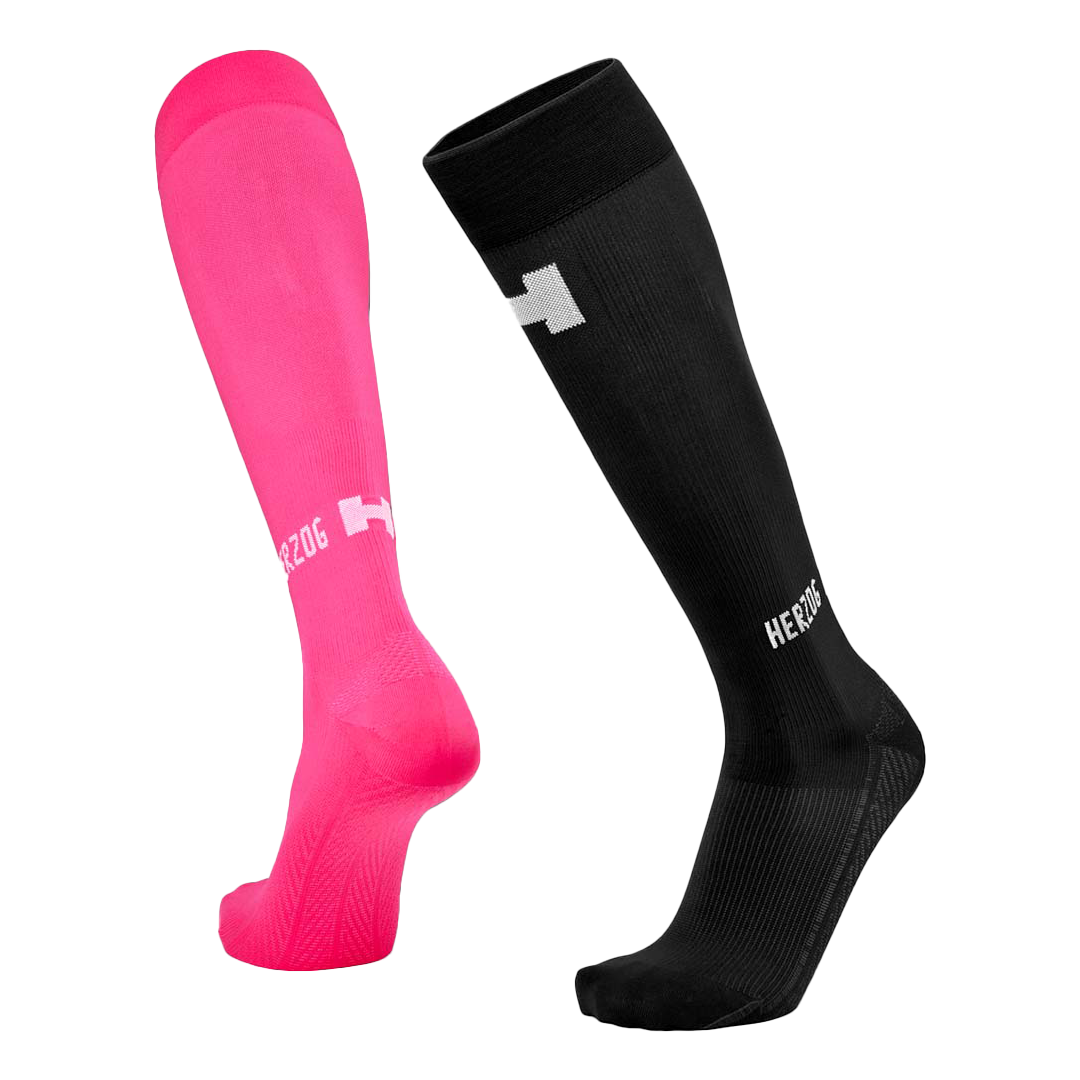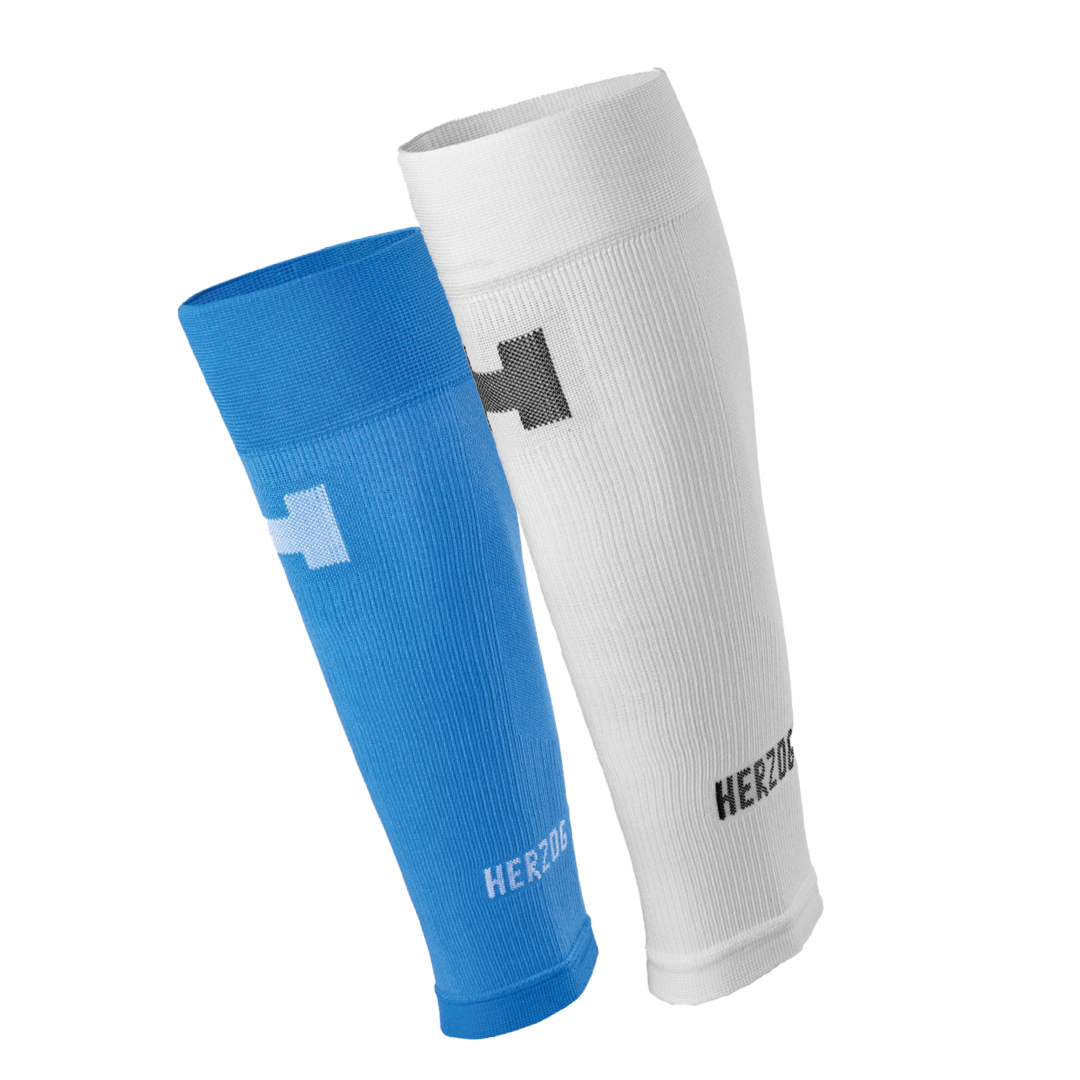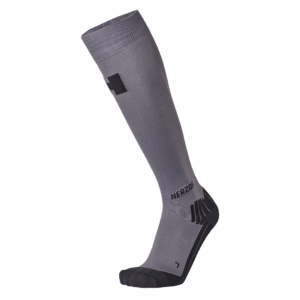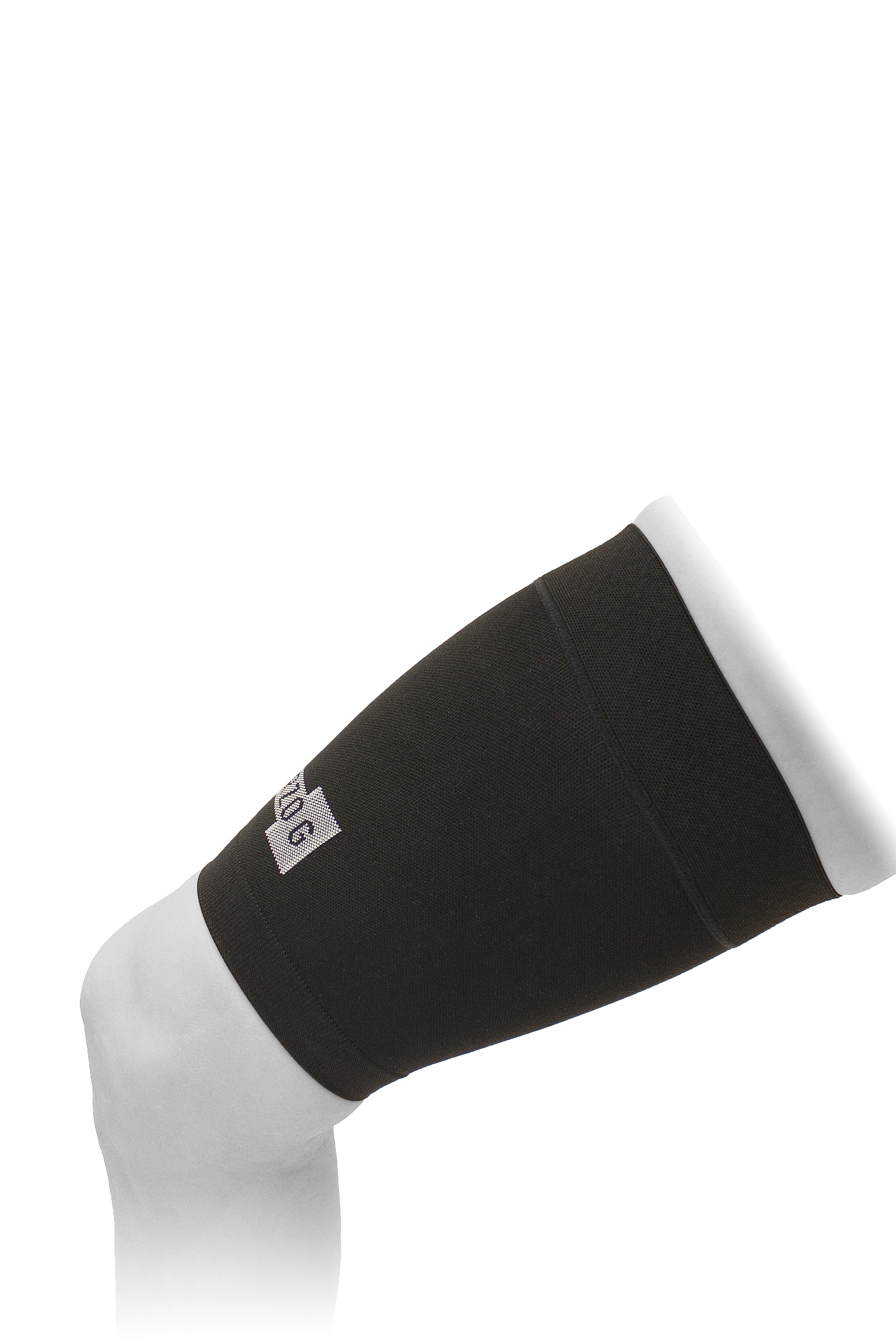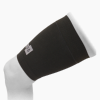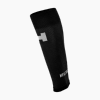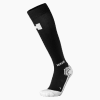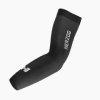

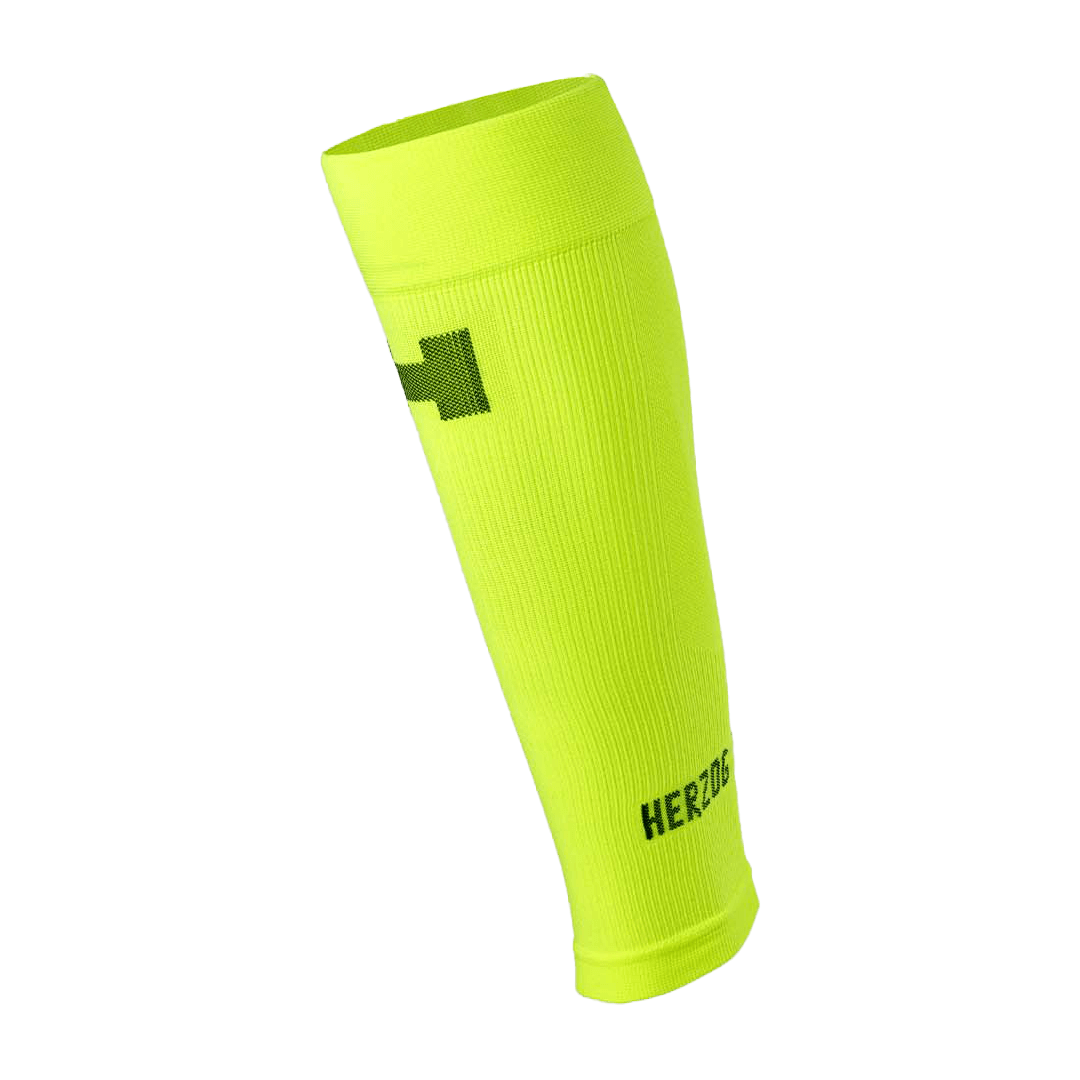
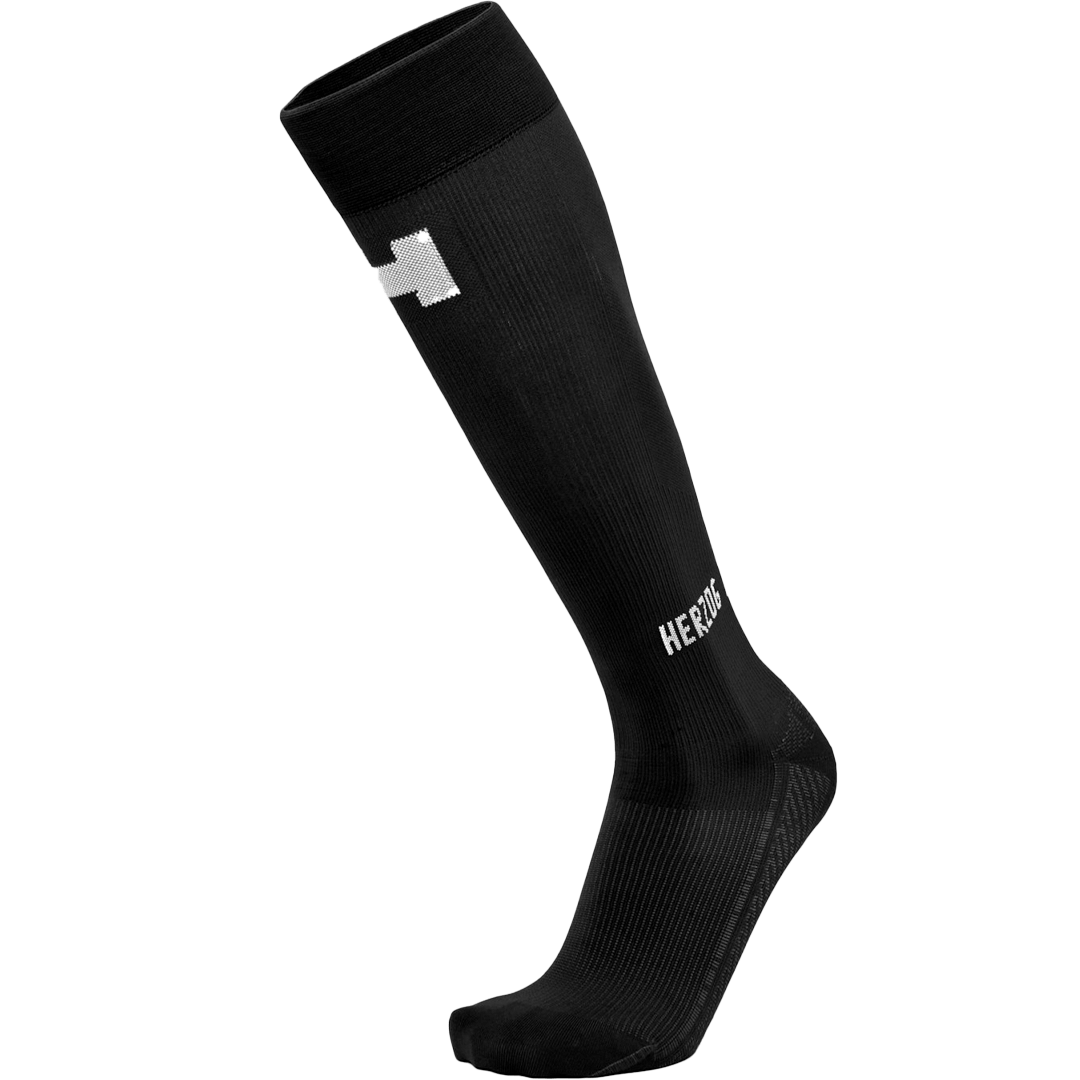
Over twenty years ago, they suddenly appeared: Herzog PRO Sport Compression Socks. Since then, these socks with their characteristic little H on the shin have become an indispensable part of the sports world. The fact that there are now numerous different compression socks on the market shows that compression is 'hot'. However, not all compression socks are created equal... Do you want to know what makes Herzog socks so unique and different? We'd be happy to explain.

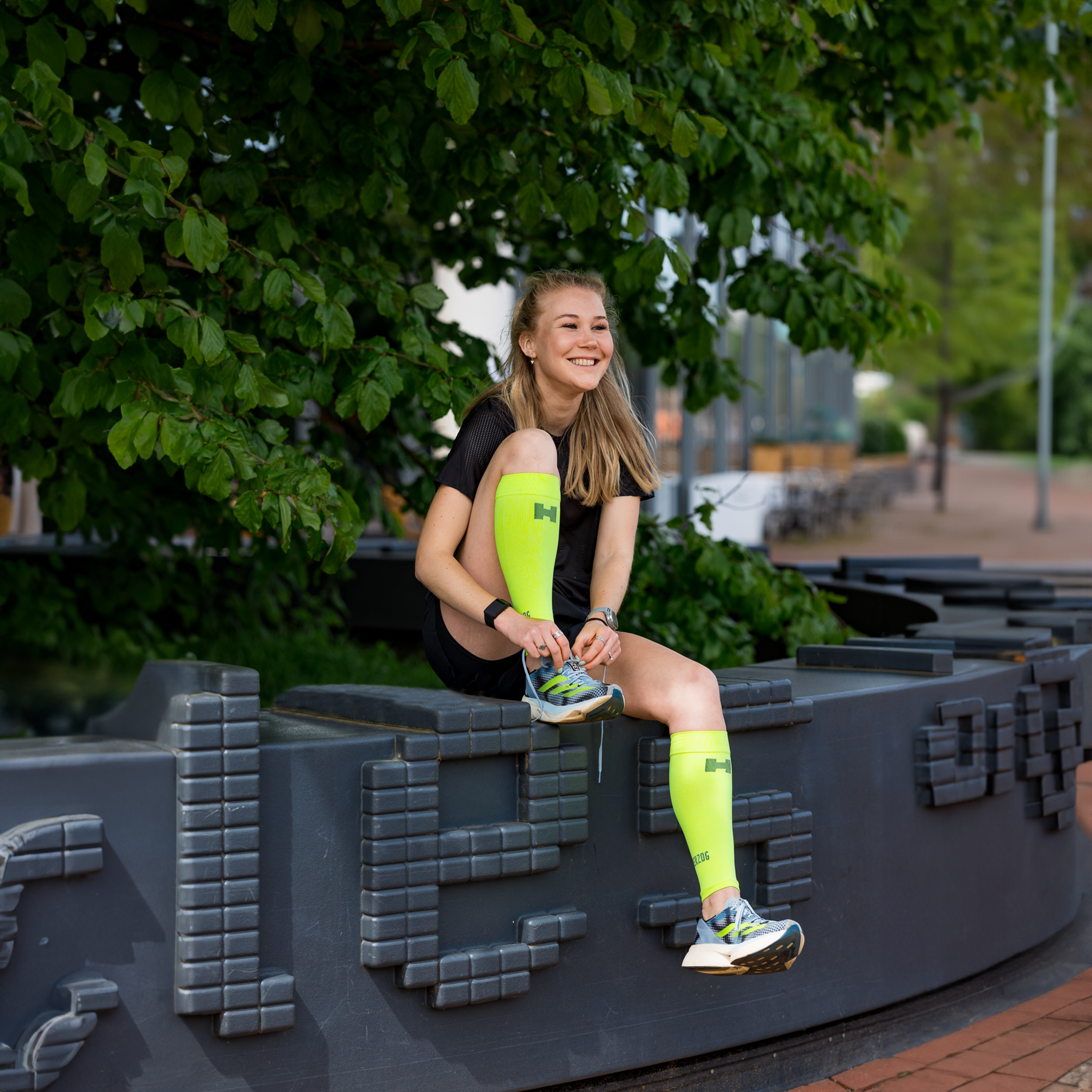
Products in this blog

Relevant blogs

6 Effective tips to prevent and relieve shin splints
Prevent and alleviate shin splints with 6 practical tips for runners. Less pain, faster recovery, and better training.

Treating Whiplash: 3-Phase Recovery with Compression and Cold Therapy
Recovering from a calf strain? Discover the 3 recovery phases and how compression and cold therapy can contribute to optimal and responsible recovery.

All about calf problems: causes, symptoms, and what you can do about them
Suffering from calf complaints? Read all about possible causes, common symptoms, recovery, and what you can do to prevent calf complaints.