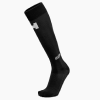
Travel with Herzog aviation socks: comfortable and fit upon arrival

A long flight may sound relaxing, but your body often thinks differently. Sitting still for hours leads to tired legs, fluid retention, and a heavy feeling upon arrival. Your blood has a harder time flowing back to your heart when your calf muscles are inactive, and you especially notice this after a few hours on the plane. That's precisely why compression socks are not a luxury, but a smart addition to your trip, especially when flying to a distant destination.

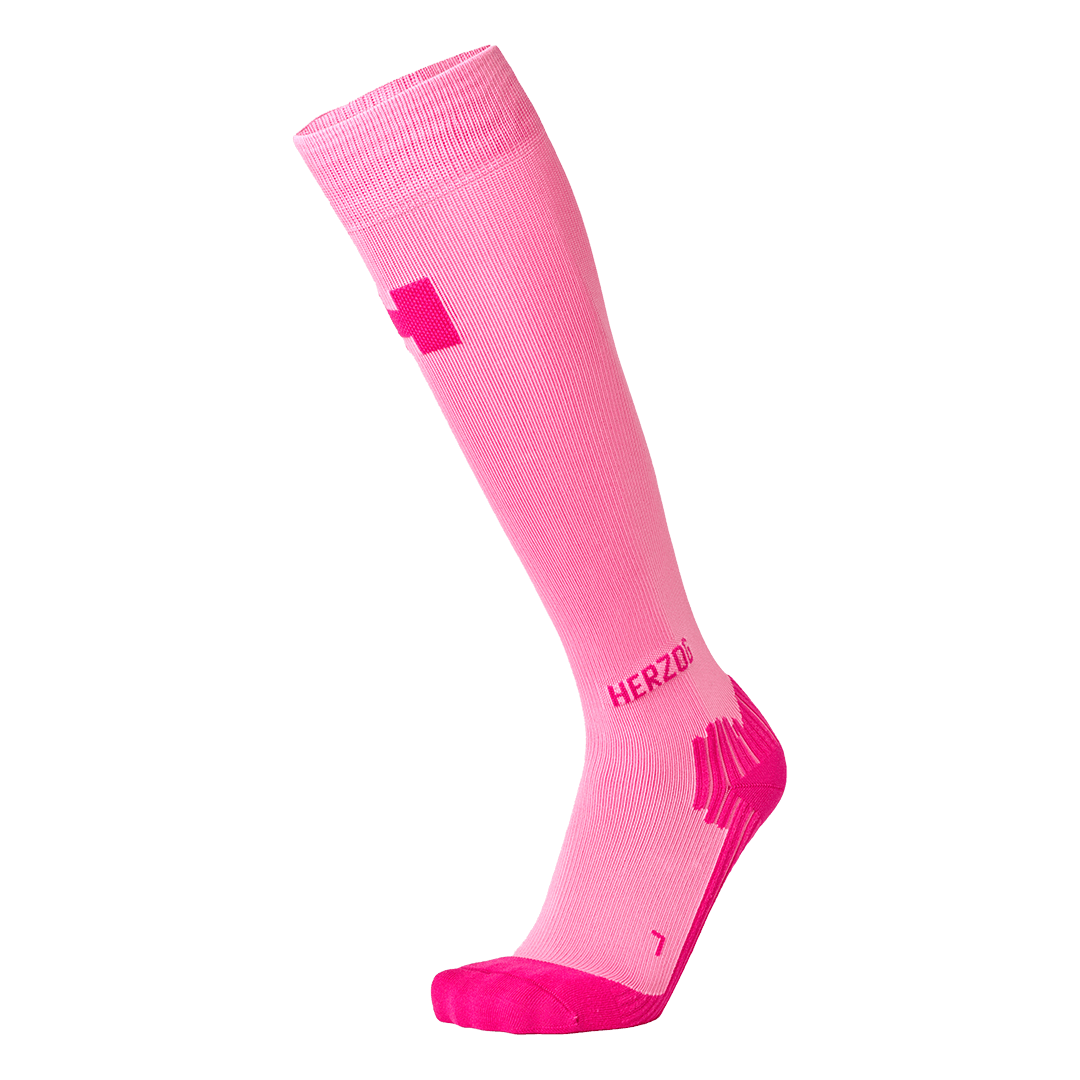
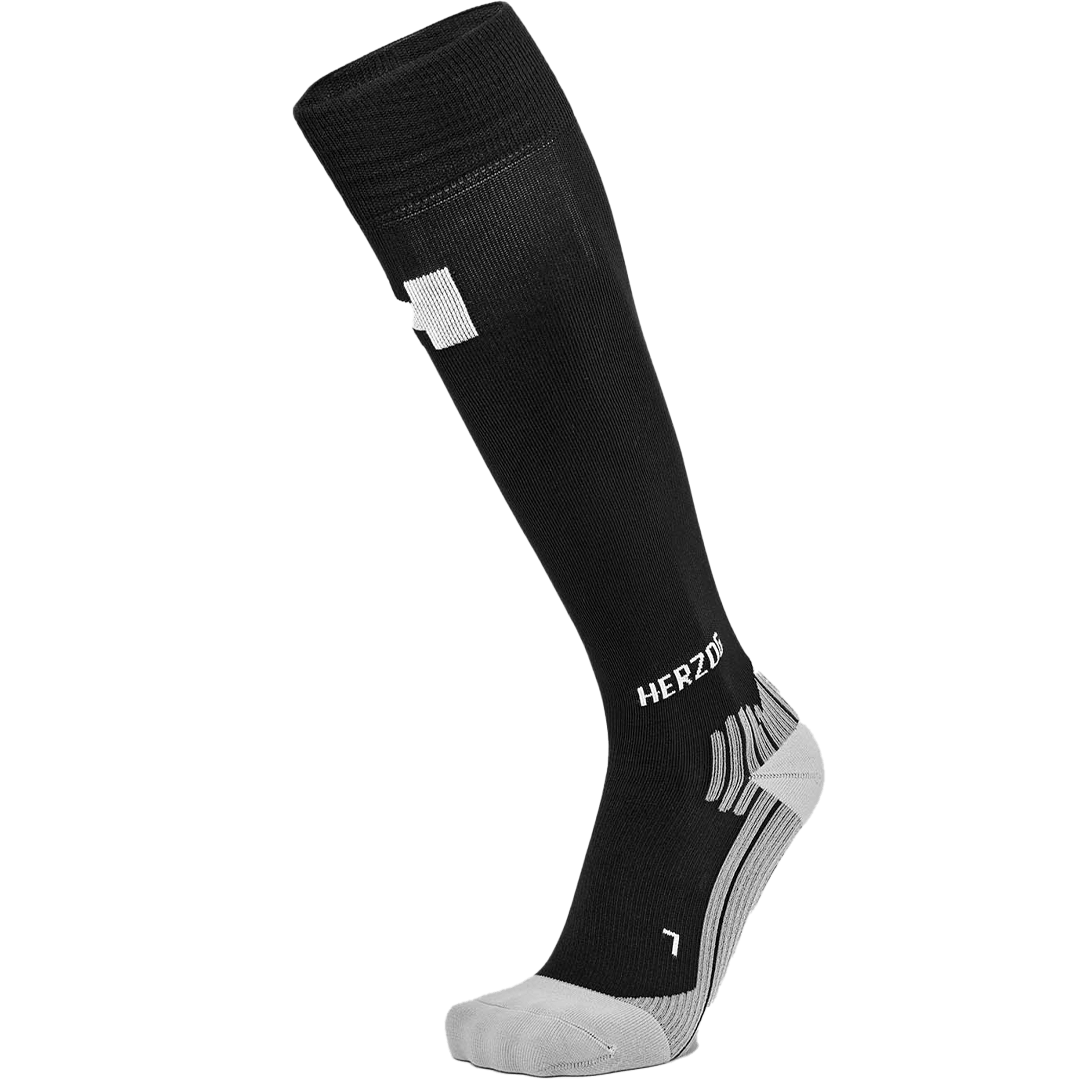
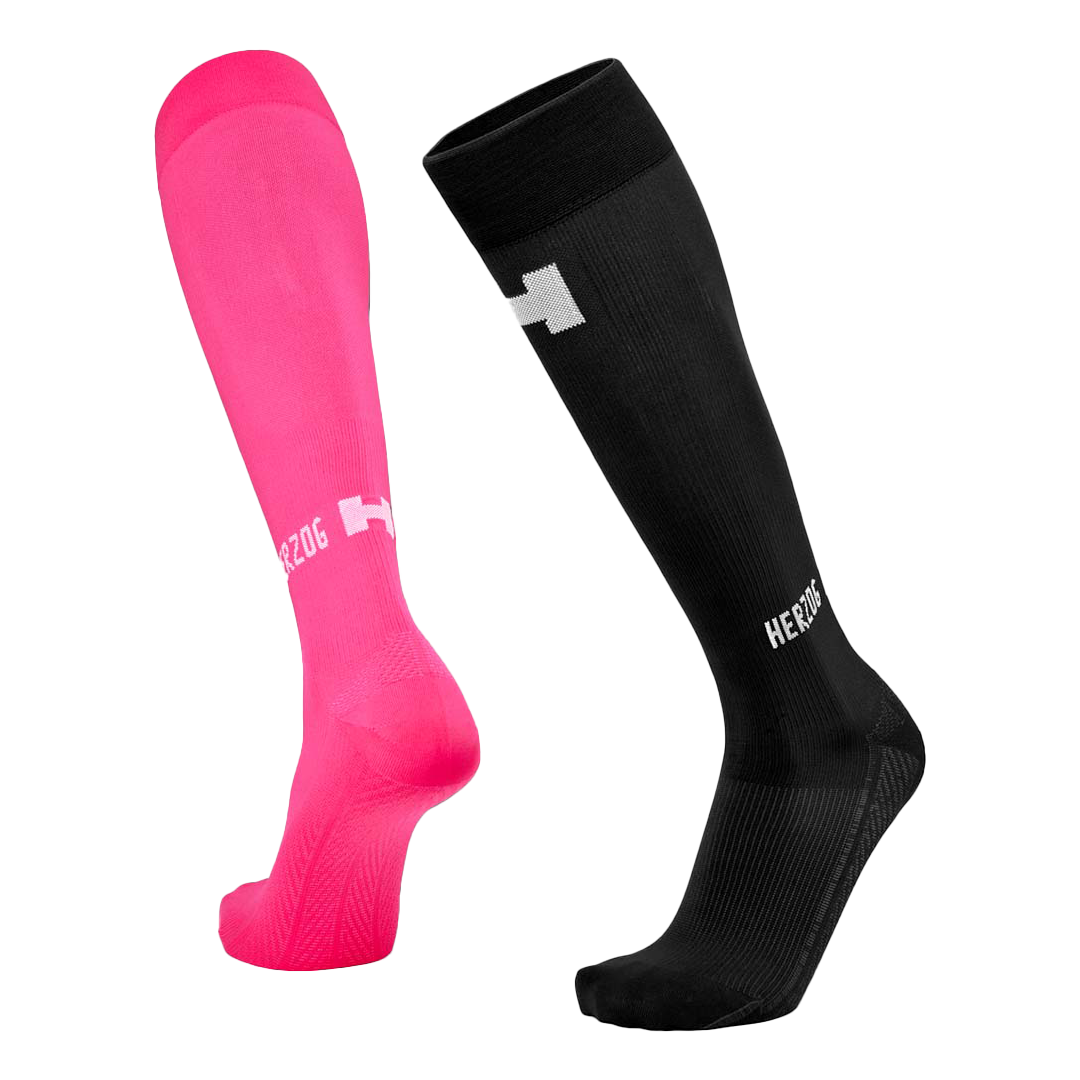
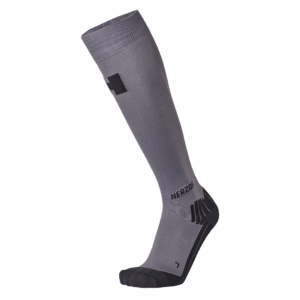
Herzog compression socks are often taken on long flights because they support blood circulation in your lower legs while you are sitting still. Many travelers notice that their legs feel less heavy when disembarking, and that comfort begins as soon as they put on the socks before the flight. It is a practical step that suits anyone who frequently travels long distances, from holidaymakers to business travelers.

Side Image

What happens in your body during a long flight?

During a flight, you often sit in the same position for hours, with little room to stretch your legs. Your calf muscles normally function as a pump that pushes blood from your lower legs back to your heart. If you remain still, this pumping action largely disappears, and blood and fluid accumulate in your lower legs and feet. That explains why your ankles feel thicker at the end of a flight than at departure, and why your shoes sometimes feel tighter after arriving at your destination.

In addition to sitting still, cabin pressure plays a role. At high altitudes, the air pressure is lower than on the ground, making it easier for fluid to move from your blood vessels into the surrounding tissue. This intensifies the feeling of swollen ankles and tight calves, especially on flights longer than a few hours. The dry cabin air also contributes to dehydration, and a body that takes in too little fluid is more likely to retain fluid in the legs. For more background on this specific discomfort, you can consult the page on swollen ankles.

For most people, this discomfort is limited to a heavy feeling that disappears after a day. For others, more is at play, for example, if there are varicose veins, a sedentary occupation, or a medical history of blood clots. In these situations, it is important not to conclude yourself what is going on, but to discuss this with your GP or a specialist. More information about the risks associated with prolonged sitting can be found on the page about thrombosis, where the link with travel is explained.

Side Image

How does compression support your legs while traveling?

Compression socks work through gradual pressure, which is highest at the ankle and gradually decreases towards the knee. This build-up supports the natural direction in which blood normally flows back to the heart. During a flight, when your calf muscles are hardly used, this external pressure can help keep blood circulation going. The page about how compression worksexplains how this principle works in practice, even outside the context of travel. Many people therefore experience less heaviness in their legs during and after the flight.

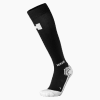
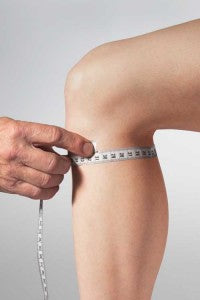
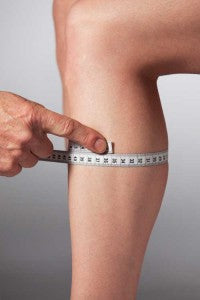
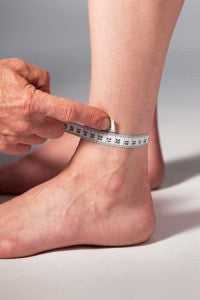
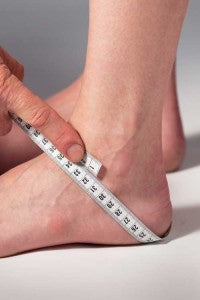
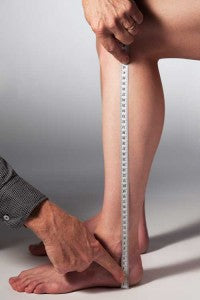
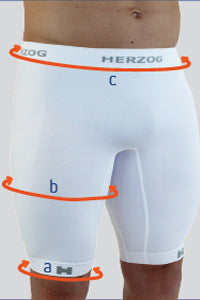
Herzog Support Compression Socks are developed using medical compression technology and are custom-fitted based on three measurement points, so that the pressure distribution precisely matches the shape of your lower leg. This is a different approach than a standard sock sold in a few fixed sizes, which results in a less precise fit.

This type of support is not only relevant during flights. People with sedentary jobs often recognize the same heavy feeling in their legs at the end of a workday, as can be read on the page about sedentary jobs and compression socks. Travelers who are also active in sports sometimes use Herzog compression socks after a training session or competition, because the pressure build-up follows the same principle in both situations. Thus, their use during a flight aligns with a broader pattern of leg support in daily life.

Products in this blog

Side Image

What do you look for when choosing flight socks?

When choosing socks for travel, fit and material play a larger role than many travelers realize. A sock that is too loose offers little support, while a sock that is too tight can constrict and feel uncomfortable during a long flight. Breathable material is also important, as cabin air is dry enough without your legs overheating in a thick, non-breathable fabric. For those unsure about the correct size, it is advisable to measure properly beforehand instead of choosing a size based on feel.

For this reason, Herzog custom-made compression socks are not offered in standard sizes but are put together based on the wearer's leg measurements. This aligns with over twenty years of experience as a compression specialist, which has shown that a few centimeters difference in calf circumference already affects how a sock feels during prolonged use. For travelers who frequently take long flights, this precision can make the difference between a sock that remains comfortable throughout the flight and one that starts to slip or constrict after a few hours.

In addition to choosing the right socks, it helps to move your feet occasionally during the flight and, if possible, walk up and down the aisle. Drinking enough water limits the impact of dry cabin air on your fluid balance. Those who want to be active immediately upon arrival, for example with a long walk or a first training session, often find that fresh legs upon arrival make all the difference. This aligns with Herzog's experience as a compression specialist, where Herzog's compression technology is tailored for both daily use and intensive travel moments.

Frequently asked questions

Do compression socks help with every long flight?

Compression socks can contribute to a lighter feeling in the legs during a long flight, especially when you are sitting still for hours. They are not a guarantee against a heavy feeling, but many travelers experience less fluid retention in the lower legs. If you have existing complaints such as varicose veins or a history of blood clots, it is advisable to discuss this with a doctor first.

Can I combine regular socks with compression socks?

Compression socks are usually worn directly on the skin so that the pressure distribution fits well on your lower leg. A thin, breathable sock underneath may be suitable in some cases, but thick socks can affect the fit and thus the effectiveness. If in doubt, choose material that does not add too much bulk under the stocking.

When should I not wear compression socks during travel without consulting a doctor?

For conditions such as thrombosis, edema, or severe varicose veins, it is important to consult a general practitioner or specialist before using compression socks during travel. They can assess which compression class and timing of use is appropriate for your situation. Without known medical conditions, most travelers can use compression socks without consultation during a flight.

Relevant blogs

6 Effective tips to prevent and relieve shin splints

Prevent and alleviate shin splints with 6 practical tips for runners. Less pain, faster recovery, and better training.

Treating Whiplash: 3-Phase Recovery with Compression and Cold Therapy

Recovering from a calf strain? Discover the 3 recovery phases and how compression and cold therapy can contribute to optimal and responsible recovery.

All about calf problems: causes, symptoms, and what you can do about them

Suffering from calf complaints? Read all about possible causes, common symptoms, recovery, and what you can do to prevent calf complaints.