Why professional athletes are actively involved in recovery optimization

When we watch top athletes at work, we mainly focus on the training, the competitions, and the results that follow. What is less visible is how much time and attention is dedicated to recovery behind the scenes. For professional athletes, recovery is not an afterthought after training, but an integral part of the program. The higher the level, the more seriously recovery is taken.

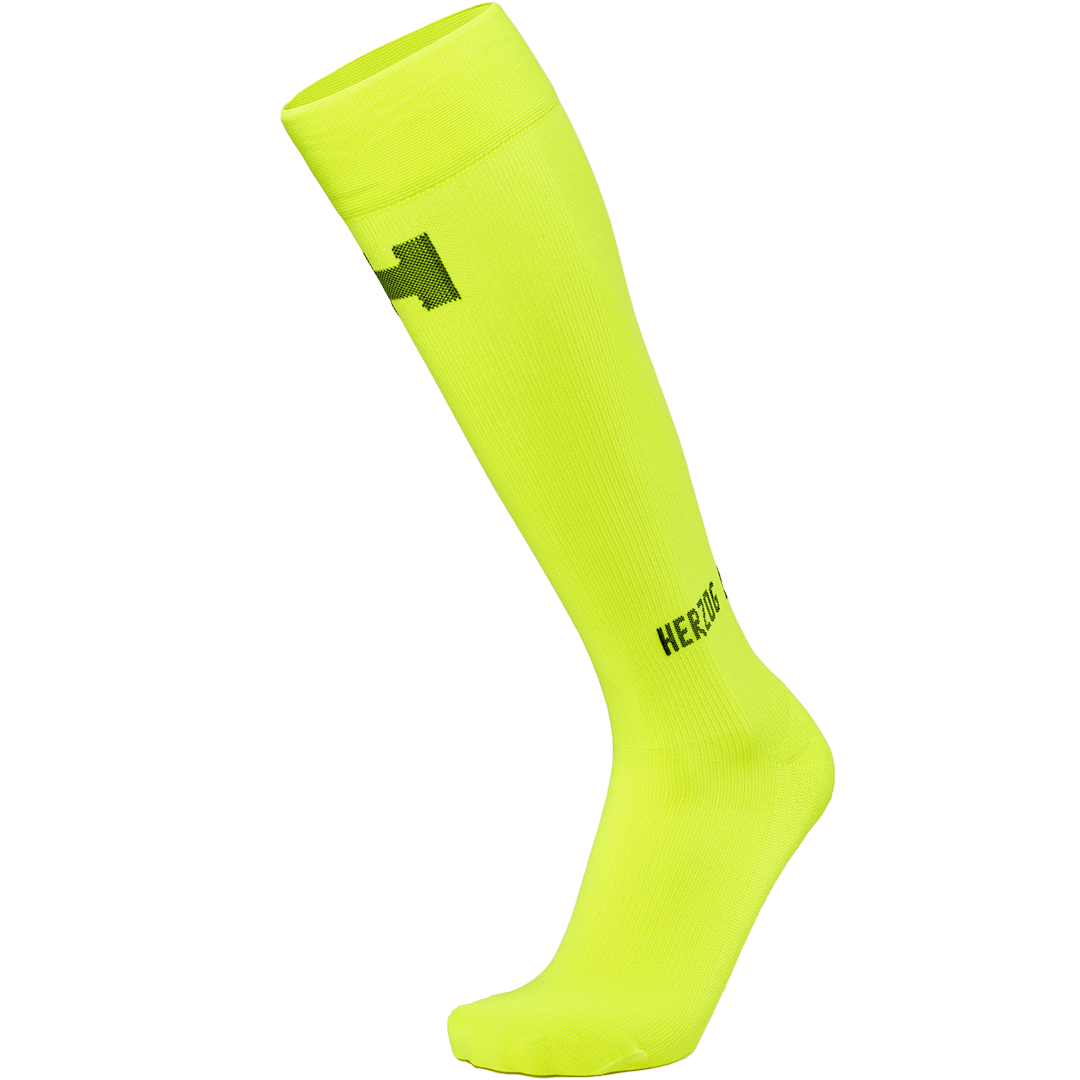
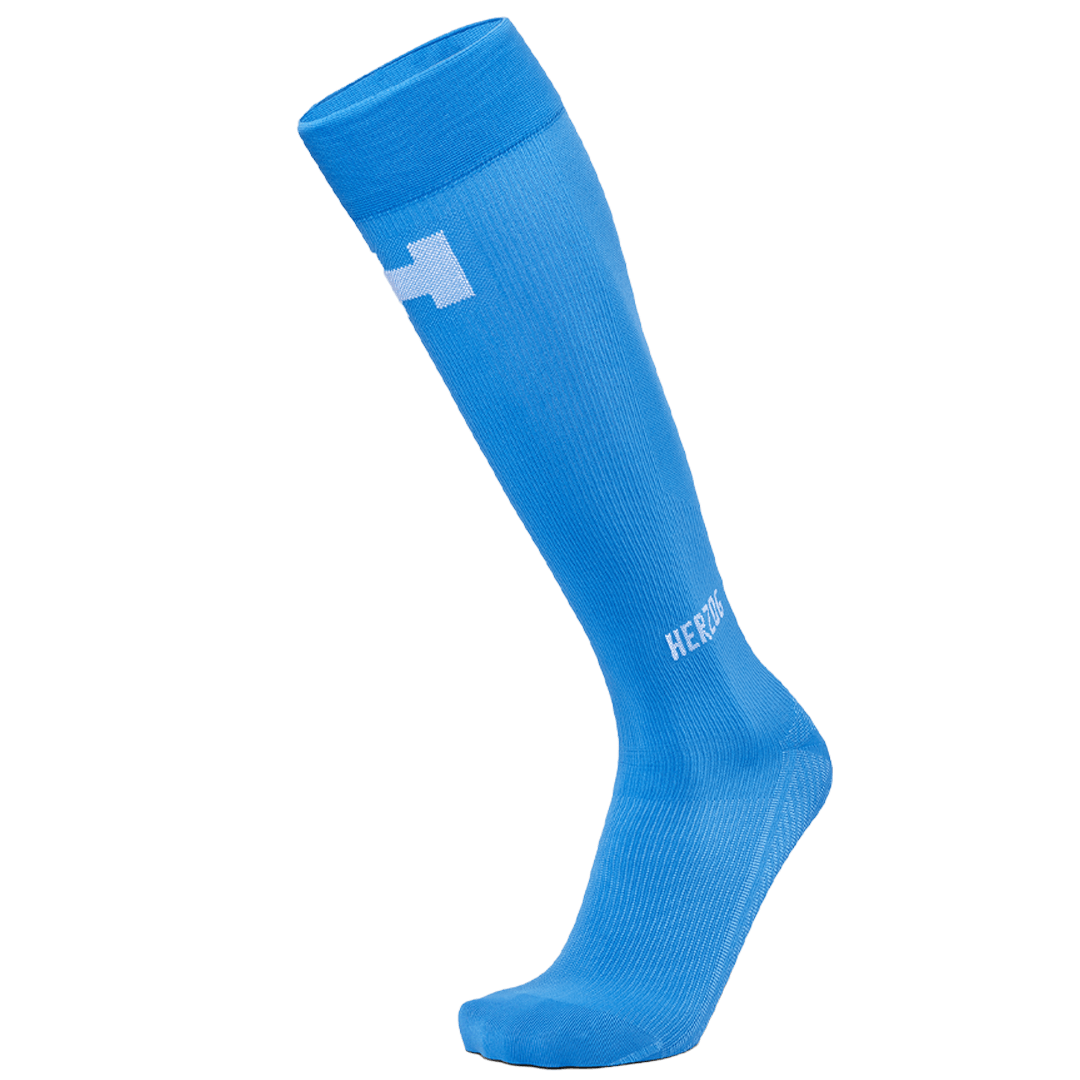
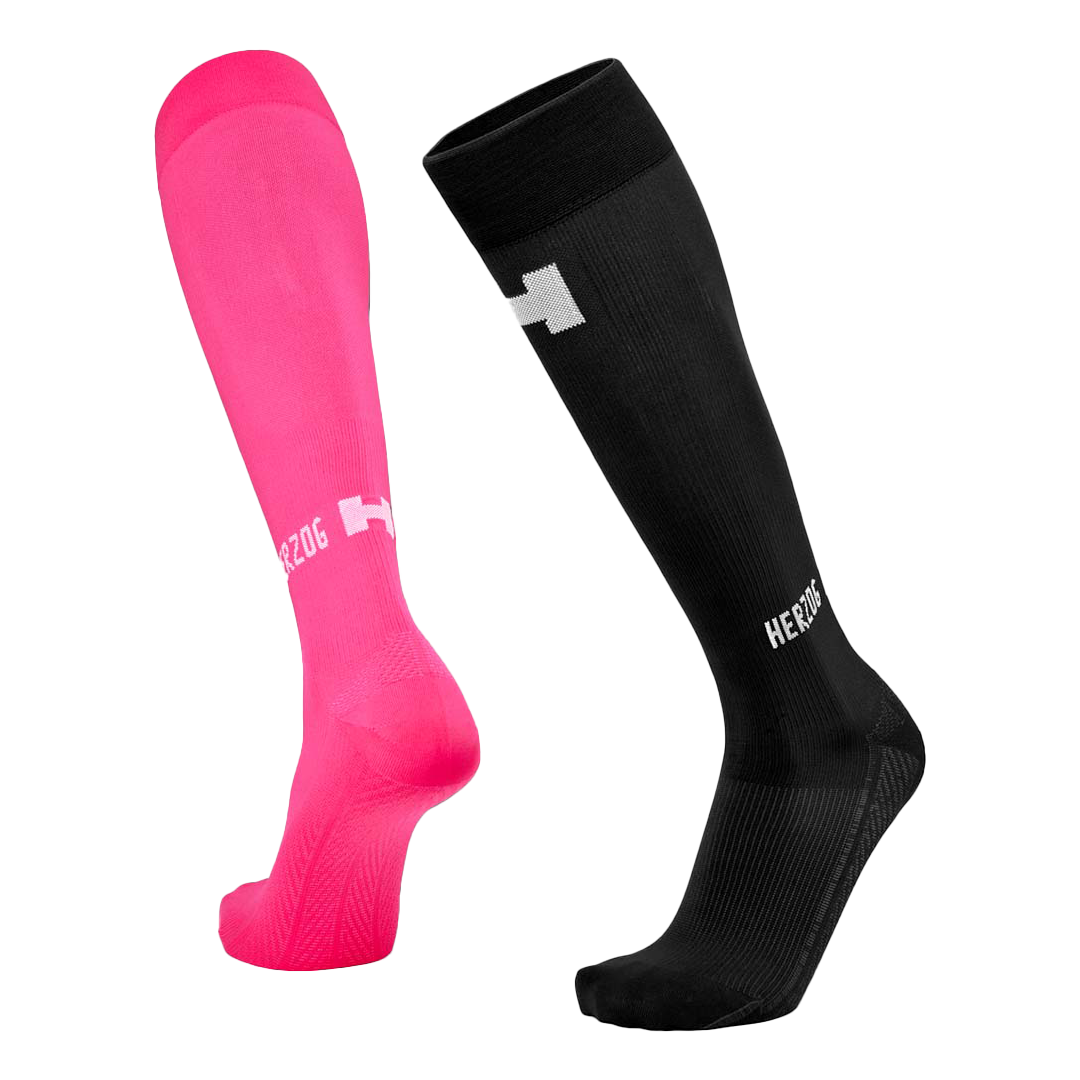
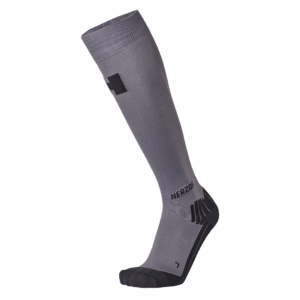
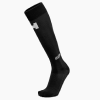
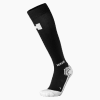
One of the ways athletes actively support recovery is with compression. Herzog PRO Compression Socks, for example, are used by runners and other endurance athletes to support blood circulation after a workout, so that waste products are removed faster and muscles feel less stiff the day after strenuous exercise. This approach is not a recent phenomenon, but an established part of how many endurance athletes structure their training week.

Side Image

What exactly does recovery optimization entail?

Recovery optimization is about consciously managing the processes that occur in the body after exertion. This starts with sleep, because during deep sleep, muscle tissue recovers and growth hormone is produced. In addition, nutrition plays a role, with sufficient proteins and carbohydrates to replenish muscle recovery and energy stores. Active recovery techniques, such as light exercise, stretching, or compression, are also used to support the body in the recovery process after a strenuous workout or competition. For recreational athletes, this is often limited to a rest day, while professional athletes plan recovery as seriously as the training itself.

During intense exertion, micro-tears occur in muscle tissue, especially during running where the calves and thighs are repeatedly stressed. The body reacts to this with a slight inflammatory response, which is necessary to build stronger muscle tissue. Good blood circulation ensures that oxygen and nutrients reach the muscles, while waste products such as lactic acid are removed. When blood circulation is insufficiently supported, this can contribute to longer-lasting muscle pain or a heavy feeling in the legs, something many runners recognize as tired calf complaintsafter a long endurance run or interval training.

For elite athletes, recovery is closely monitored, often with heart rate variability, sleep trackers, and consultations with a physiotherapist or trainer. This makes it clear whether the body has recovered sufficiently from a strenuous training block or competition, and the load can be adjusted accordingly. For most recreational athletes, that level of monitoring is not necessary, but the principle remains the same: recovery deserves just as much attention as the training itself. Those who consistently allow too little recovery time run a greater risk of overtraining and injuries in the long term.

Side Image

What role does compression play in the recovery process?

Compression works by applying light pressure to the calves and lower legs, making it easier for venous blood to be pumped back to the heart. This process is called venous return and is normally supported by the muscle pump in the calves, which is less active during rest. By adding external pressure, the body can more quickly remove waste products and supply fresh, oxygen-rich blood to tired muscles. Many runners notice that their legs feel less heavy when they wear compression after a workout, although this varies per person and per type of exertion.

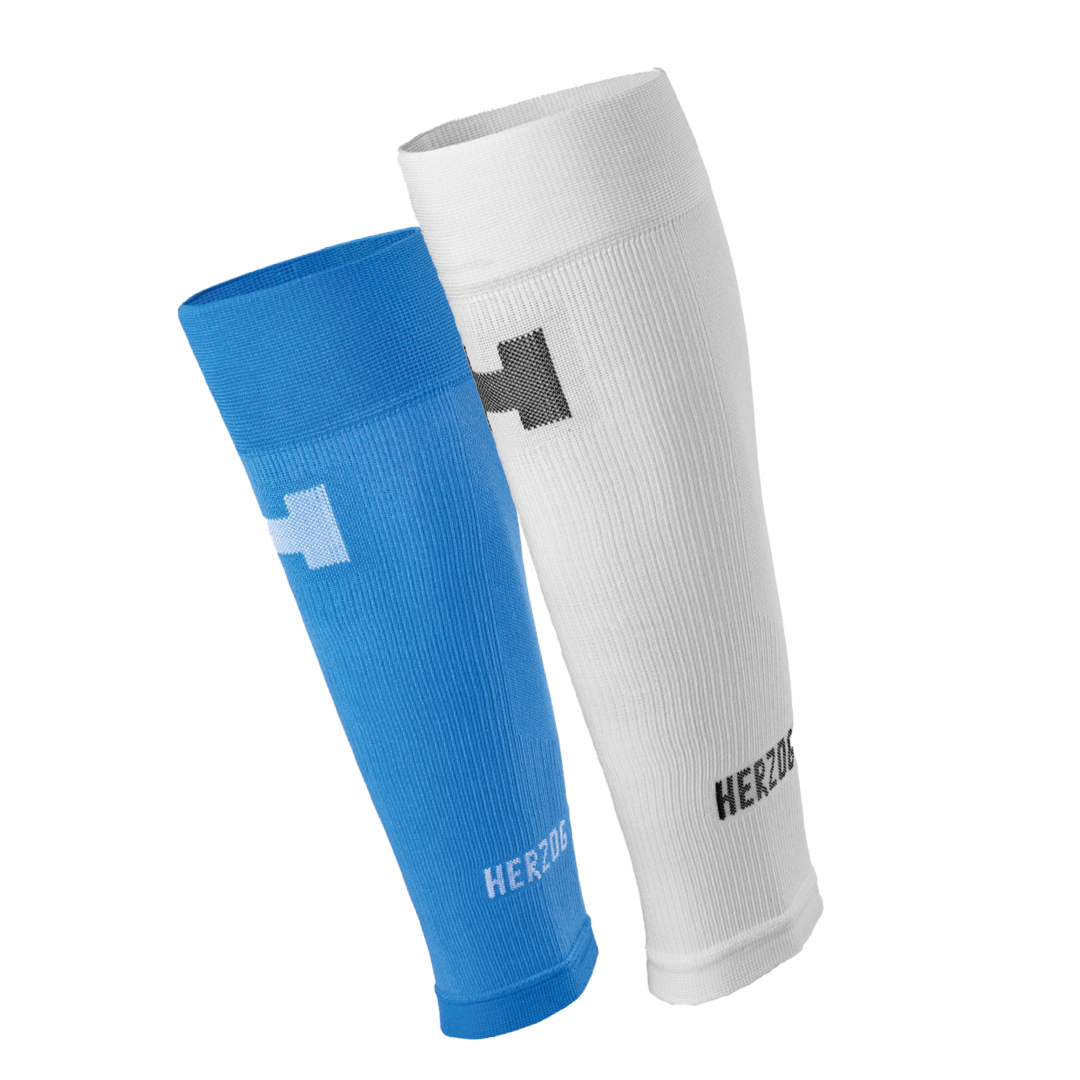
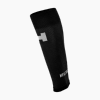
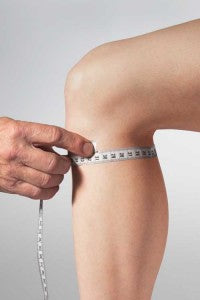
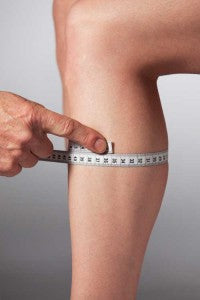
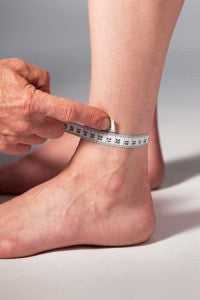
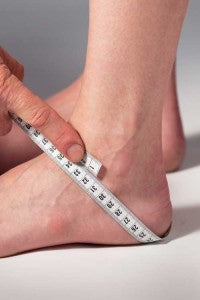
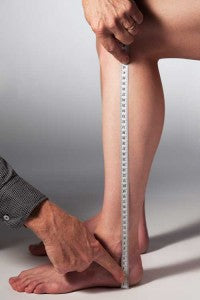
Not every sock offers the same support. Herzog PRO Compression Socks are custom-fitted at six measuring points, ensuring that the pressure distribution accurately matches the shape of the lower leg. These socks work with a controlled gradual pressure distribution, where the pressure at the ankle is highest and gradually decreases towards the knee. This differs from a standard elastic sock, which often provides the same pressure everywhere and therefore contributes less specifically to blood circulation. Herzog PRO Compression Socks and Herzog PRO Compression Tubes carry an MDR certification, indicating that they meet the requirements for medical devices.

Recovery after a long-distance run or trail run requires a little more attention than after a short training, because the muscles have been strained longer and more intensely. Many runners therefore wear compression socks afterwards, for example during cooldown, the ride home, or an evening on the couch. For those who regularly do trail running, where the terrain places extra demands on calves and ankles, this can become part of the fixed routine after a training session. Also in runningon the road, compression is used by many runners as an integral part of the recovery phase, in addition to rest, nutrition, and sleep.

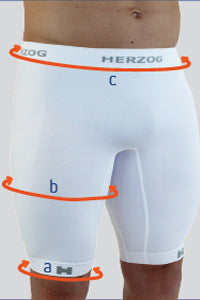
Products in this blog

Side Image

How can you apply recovery optimisation yourself as a runner?

For recreational runners, recovery optimisation doesn't have to be complicated. Sufficient sleep, a gentle cool-down, and eating on time after a workout form the basis. Additionally, it helps to gradually build up training load so that muscles and tendons have the chance to adapt. Those who add too many kilometres too quickly run a greater risk of complaints such as shin splints or a calf strain. Recovery therefore actually begins with sensible training planning itself, and not only after the last step of a long run.

Compression and other recovery techniques are not a substitute for medical advice for existing complaints. In case of persistent swelling, pain, or a heavy feeling in the legs that does not subside after rest, it is wise to consult a general practitioner or specialist, especially when there is doubt about thrombosis or varicose veins. Also, in case of structurally swollen ankles after exercise, it is good to have the cause investigated before you start with compression yourself. Recovery aids are better suited when the origin of the complaint is clear first.

Recovery optimisation is therefore not a trend that only belongs to top-level sports, but a combination of choices that every runner can apply: sleep, nutrition, rest days, and targeted support for blood circulation. Herzog's compression technology was developed from medical applications and is now used by both athletes and healthcare professionals, precisely because the effect of controlled pressure on the body has been known in healthcare for a long time. More explanation about how this works exactly is described on the page abouthow compression works, where the link between pressure, blood circulation, and recovery is further explained.

Frequently Asked Questions

How long does recovery take after a long run?

This varies per person and depends on the intensity, distance, and your own training status. Some runners feel fresh again after just one day, while others need two to three days before their muscles have fully recovered. Sufficient sleep, water, and gentle movement help support this process.

Can compression socks contribute to faster recovery after running?

Many runners find that their legs feel less heavy when they wear compression after a workout, as blood flow is supported. This doesn't work the same for everyone and is not a substitute for rest and nutrition. It is often used as a supplement to the rest of the recovery process.

When should you consult a specialist for symptoms instead of self-recovering?

In case of persistent swelling, pain that does not decrease with rest, or doubt about the cause of leg complaints, it is advisable to consult a general practitioner or specialist. This applies, for example, if thrombosis or varicose veins are suspected. Self-experimenting with recovery techniques is then not recommended before the cause is clear.

Relevant blogs

6 Effective tips to prevent and relieve shin splints

Prevent and alleviate shin splints with 6 practical tips for runners. Less pain, faster recovery, and better training.

Treating Whiplash: 3-Phase Recovery with Compression and Cold Therapy

Recovering from a calf strain? Discover the 3 recovery phases and how compression and cold therapy can contribute to optimal and responsible recovery.

All about calf problems: causes, symptoms, and what you can do about them

Suffering from calf complaints? Read all about possible causes, common symptoms, recovery, and what you can do to prevent calf complaints.