Calf problems in runners: when should you rest?

Almost every runner will experience it sooner or later: stiff, tired, or painful calves. Sometimes the complaints disappear after a day, but sometimes they keep recurring during training sessions or even during competitions. Many runners then persistently wonder: can I just keep running or is rest wiser now? The answer depends on how the complaints behave and how long they have been present.

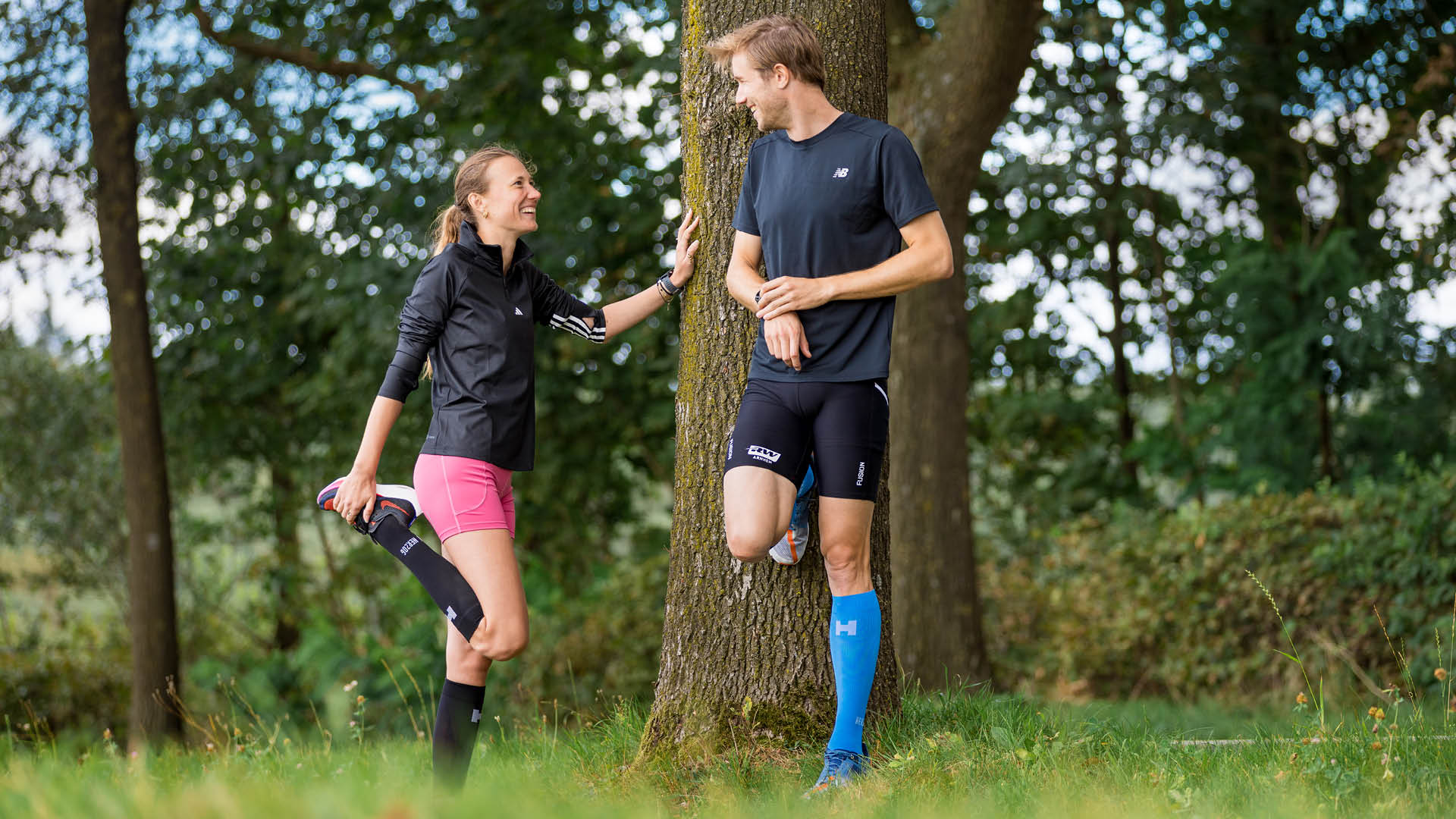
At Herzog Medical, we regularly receive questions about calf complaints in runners, especially from people who notice that their calves remain stiff after a long run or get tired faster during interval training. In many cases, this is caused by overuse of the calf muscle, but the moment you take a rest often determines how quickly you can train smoothly again. Herzog compression socks are regularly used in that recovery process as support alongside rest and build-up.

Side Image

What causes calf problems in runners?

Calf problems in runners usually arise when the calf muscle is subjected to more stress than it can handle at that moment. This often happens after a rapid increase in mileage, new running shoes, or a training session with many hills or sprints. The calf muscle is involved in pushing off and stabilizing the foot with every step, so repeated stress without sufficient recovery time quickly leads to stiffness, a burning sensation, or a cramp deep within the muscle.

A lack of flexibility in the calf and Achilles tendon also plays a role, as does reduced blood flow during longer periods of exertion. Some runners only notice calf problems in the cold, while others experience issues on warm days due to fluid loss. In addition, calf problems can sometimes be related to issues elsewhere in the lower leg, such as shin splintsor an incipient Achilles tendon injury, making it important to pinpoint the exact location of the complaint.

For many runners, it is difficult to determine whether calf problems are due to normal training fatigue or an impending injury. A good rule of thumb is to pay attention to how the problem behaves during the run itself. If the muscle becomes warmer and more supple as you run longer, it is usually just normal tension. However, if the problem persists or worsens during the run, caution is advised.

Side Image

When is it wise to rest?

Rest is advisable as soon as calf complaints no longer disappear on their own during warm-up, or when the pain actually increases instead of decreases during running. A sudden, sharp pain in the calf, followed by a feeling of weakness, is also a signal to stop immediately. This could indicate a small muscle tear or a so-called calf strain, where continuing to run can significantly delay recovery. If you are in doubt about the severity, it is advisable to consult a physiotherapist before training again.

Besides acute pain, it is wise to pay attention to recurring complaints that always appear in the same spot in the calf. When you notice that you are displaying compensatory behavior, for example by pushing off differently or adjusting your running pattern to avoid the pain, the chance of a subsequent injury increases. This compensatory behavior can ultimately lead to complaints elsewhere, such as a hamstring injury or a painful heel due to overuse, which makes it wise to intervene in time.

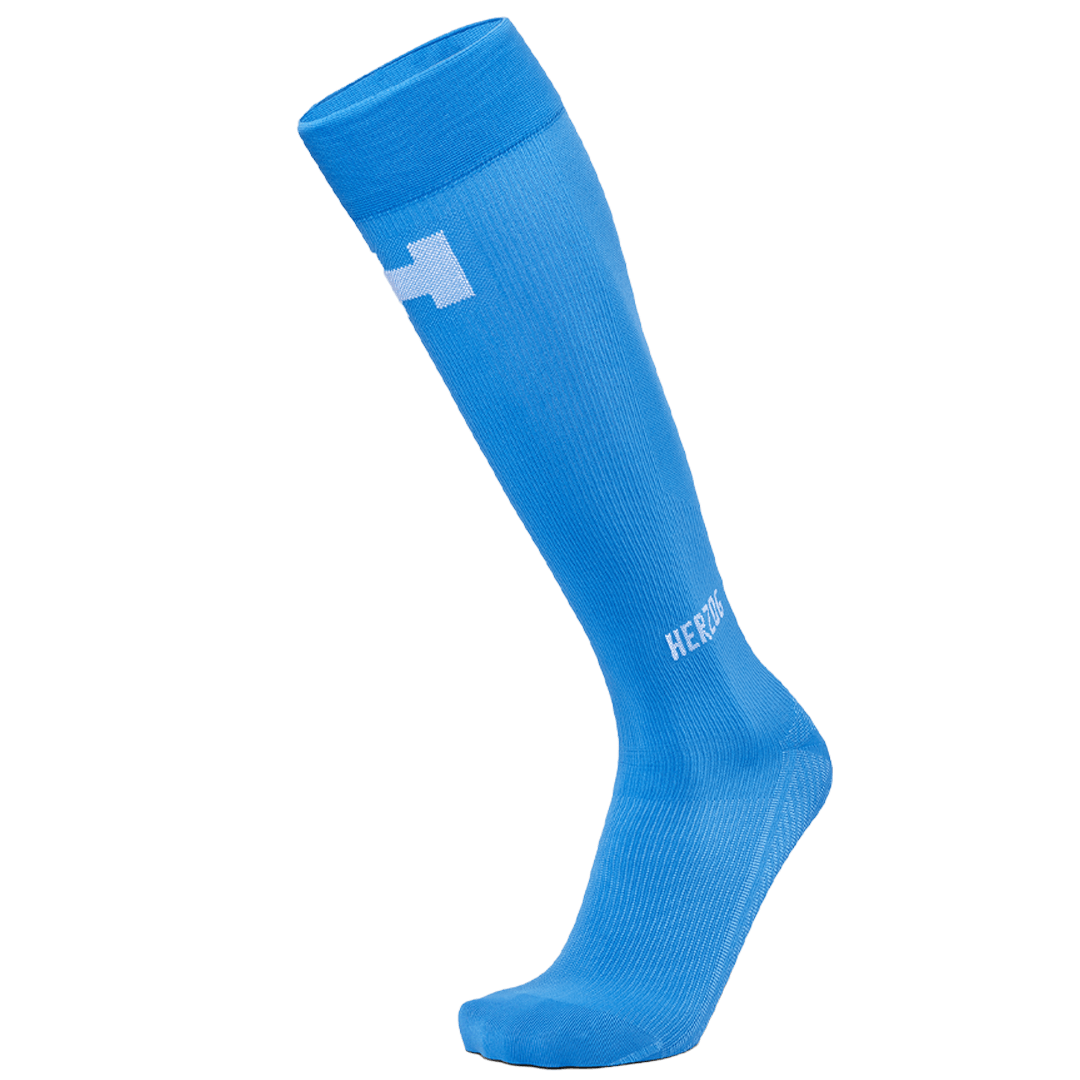
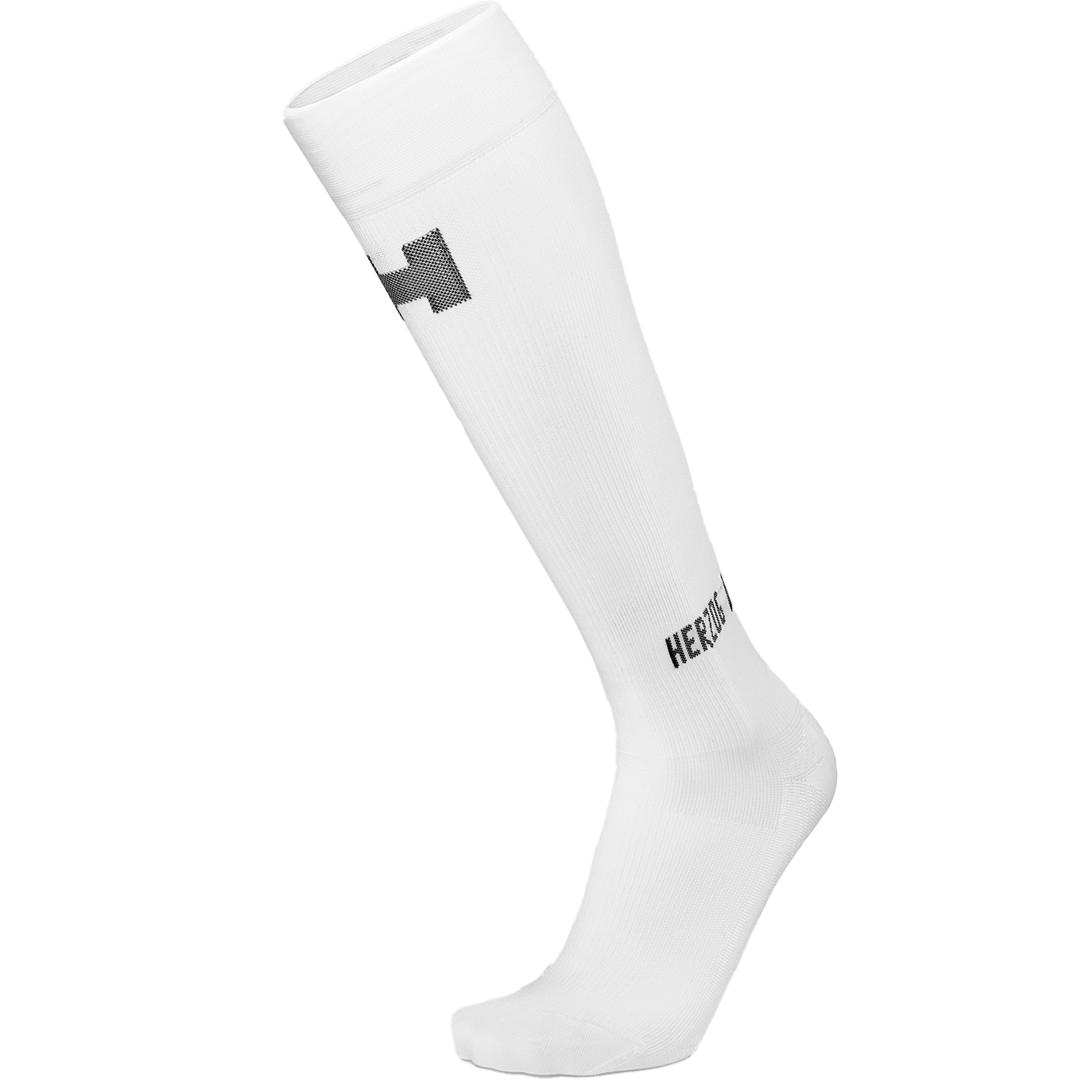
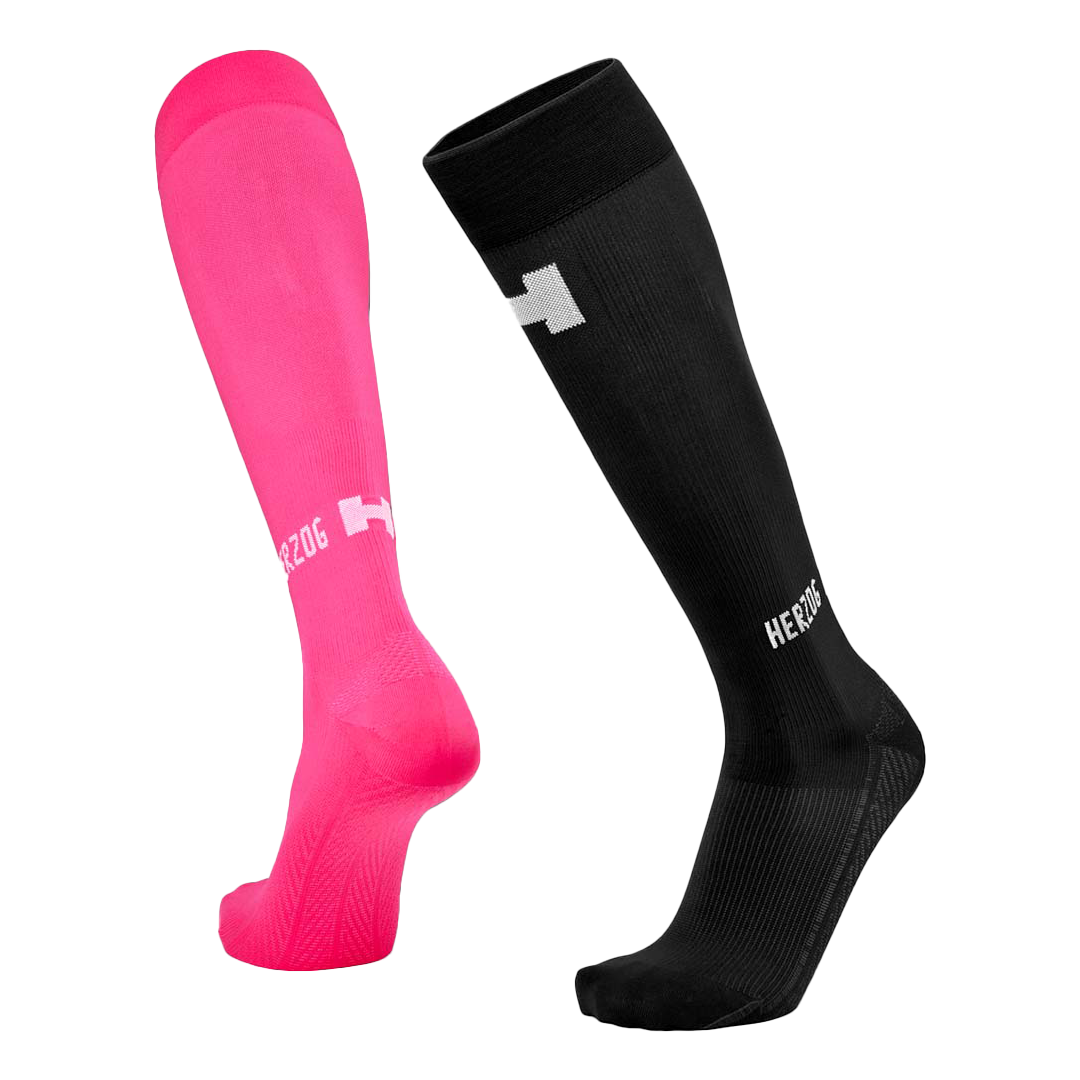
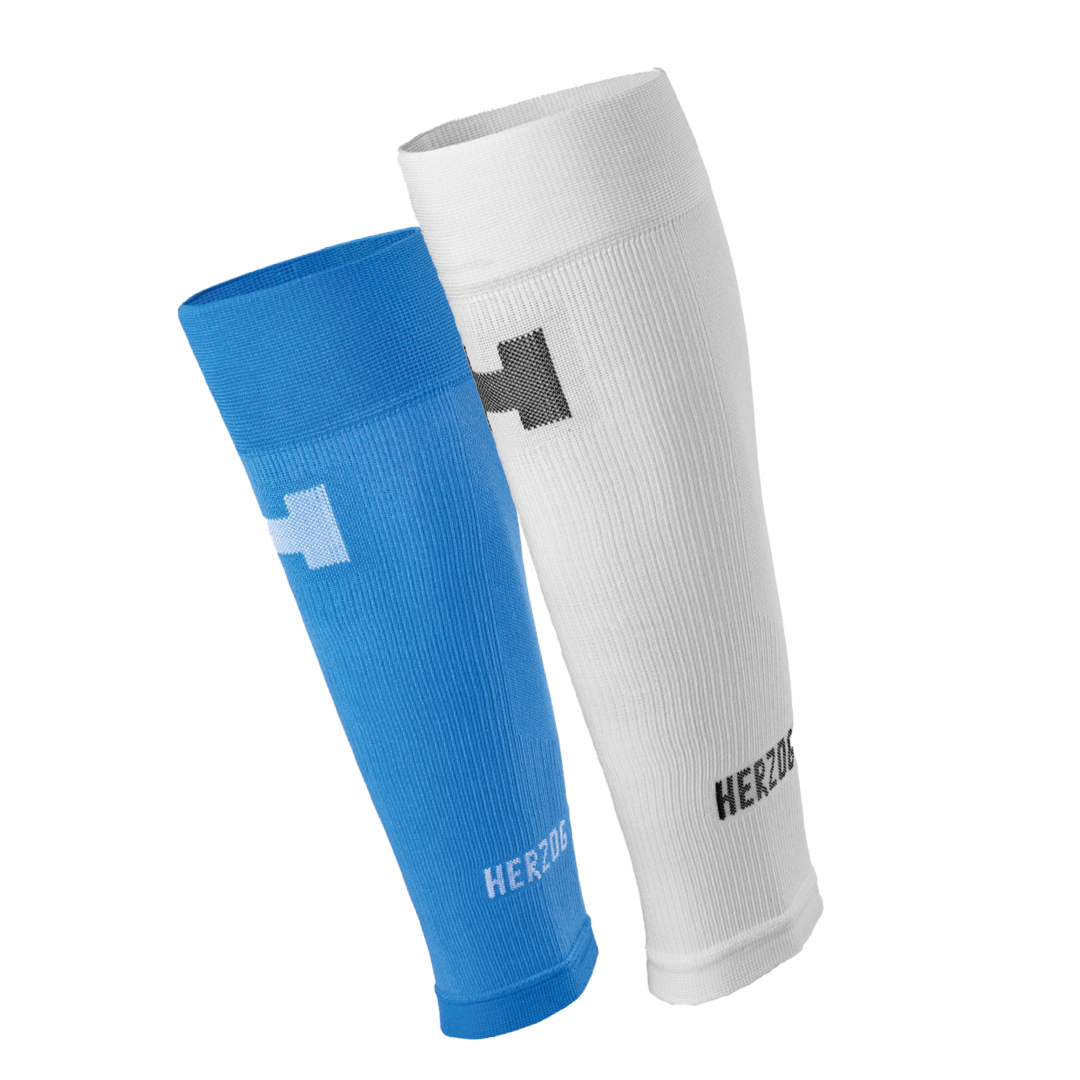
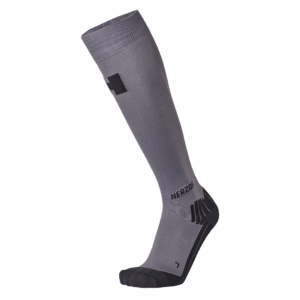
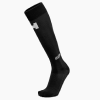
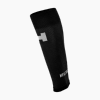
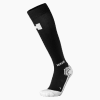
Rest does not necessarily mean complete inactivity. Often, it is wiser to temporarily reduce the load, for example by running fewer kilometers, lowering the intensity, or switching to cycling or swimming. This keeps the circulation active without further overloading the calf muscle. Herzog PRO Compression Socks are sometimes worn by runners during light activity in this phase, to support blood circulation while the muscle gets a chance to recover.

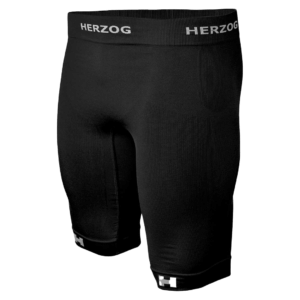
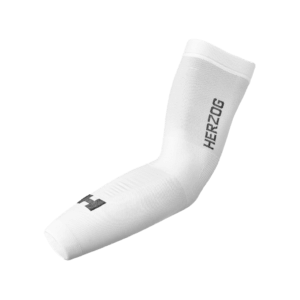
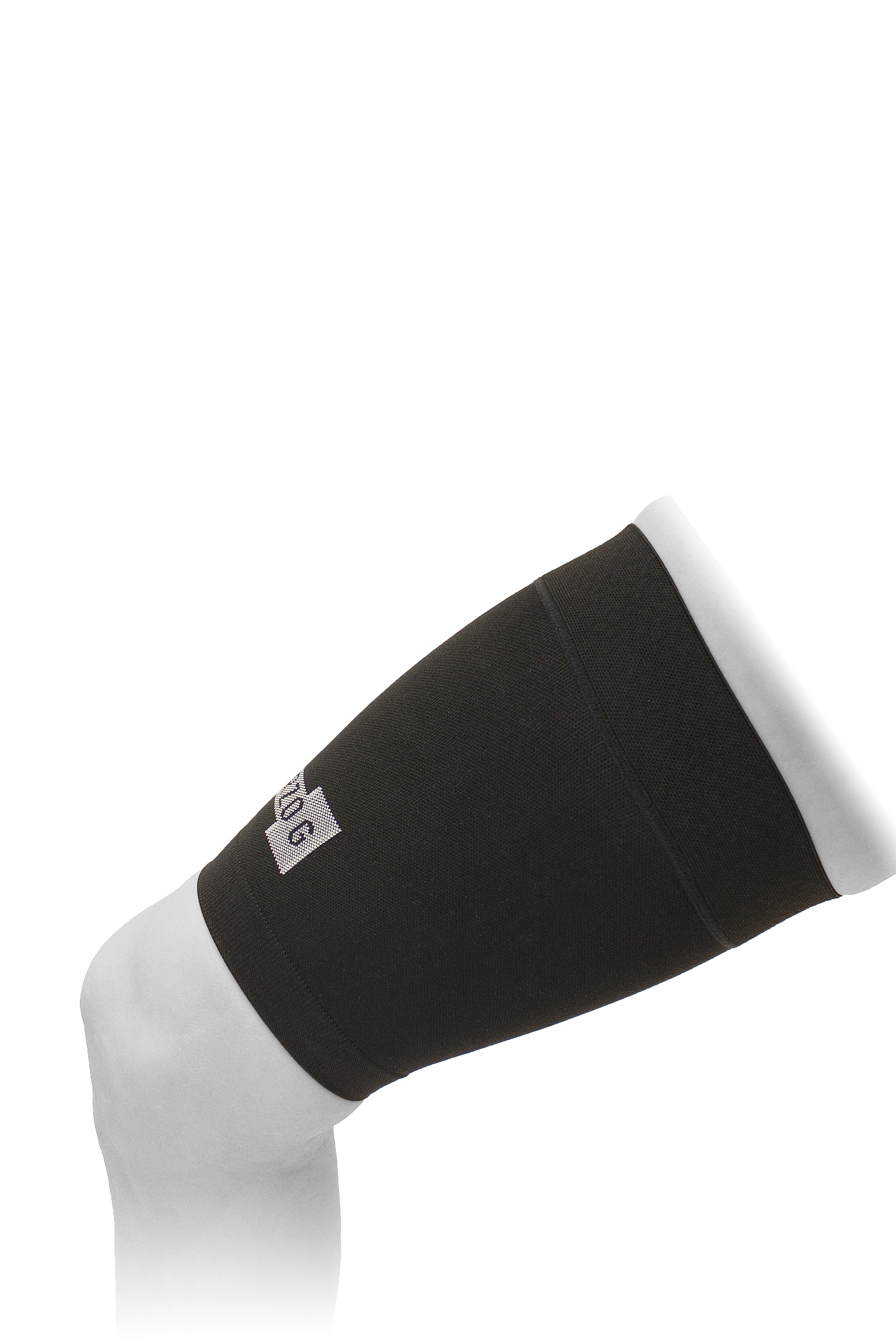
Products in this blog

Side Image

How do you approach recovery and resuming running?

As calf complaints subside, it's wise to gradually build up again rather than immediately resuming at your previous level. Start with short, easy runs on flat terrain and only then increase intensity and distance. Pay close attention to how your calf reacts, both during training and in the days that follow. If the muscle remains stiff or hurts when climbing stairs, the build-up was probably too fast.

In addition to a gradual build-up, mobility and muscle strength play a major role in preventing recurrence. Calf exercises such as calf raises, along with stretching exercises for the calf and Achilles tendon, keep the muscle flexible and resistant to strain. The surface you train on also makes a difference, as a hard surface or many hills demand more from the calf than a flat course. Those who regularly experience problems would do well to have their running technique assessed.

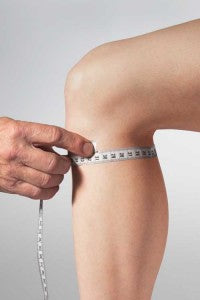
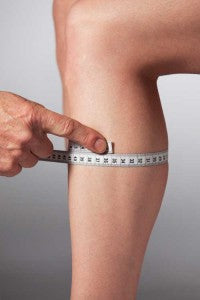
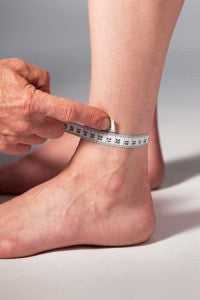
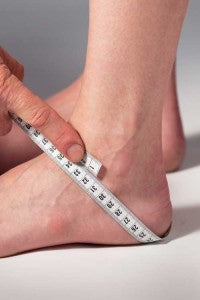
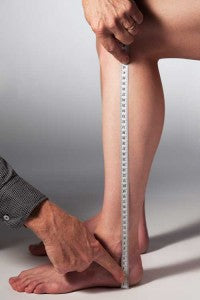
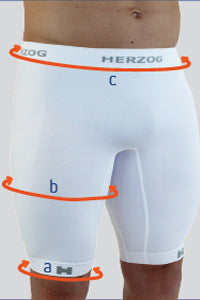
Many runners also use compression as support during the build-up phase, in addition to rest and training adjustments. The effect of compressionis based on controlled pressure that encloses the lower leg, which can support blood circulation during and after exercise. Herzog's compression technology works with individually fitted socks at six measuring points, where the PRO Compression Socks carry an MDR quality mark, unlike standard compression socks that use a universal size. You can read more about recovery at recovery with compression socks.

Frequently asked questions

Can I continue running with mild calf pain?

Mild muscle stiffness that subsides during warm-up is often harmless, and you can usually continue running. If the discomfort worsens during your run or persists after training, it's advisable to reduce your activity level and rest your calf.

How long does recovery from calf pain usually take?

This varies greatly from person to person and depends on the cause and severity of the pain. Mild overuse can improve within a few days, while a muscle tear requires weeks to heal properly. If in doubt, it's wise to consult a physical therapist or doctor.

Can compression help with calf pain?

Compression can support blood flow, and many runners experience a more comfortable feeling in their calves during and after exertion. It does not replace rest or medical treatment but is often used as a supplement during the recovery phase after a period of overuse.

Relevant blogs

6 Effective tips to prevent and relieve shin splints

Prevent and alleviate shin splints with 6 practical tips for runners. Less pain, faster recovery, and better training.

Treating Whiplash: 3-Phase Recovery with Compression and Cold Therapy

Recovering from a calf strain? Discover the 3 recovery phases and how compression and cold therapy can contribute to optimal and responsible recovery.

All about calf problems: causes, symptoms, and what you can do about them

Suffering from calf complaints? Read all about possible causes, common symptoms, recovery, and what you can do to prevent calf complaints.