Can you walk with a calf strain?

A calf tear often occurs suddenly during exercise, for example during a short sprint, an explosive change of direction, or a forceful push-off. You feel a sharp, stabbing pain in the calf muscle, often compared to a blow or a whip, and immediately afterwards you wonder if walking is still safe. The answer depends heavily on how severe the muscle tear is and which fibers are precisely damaged.

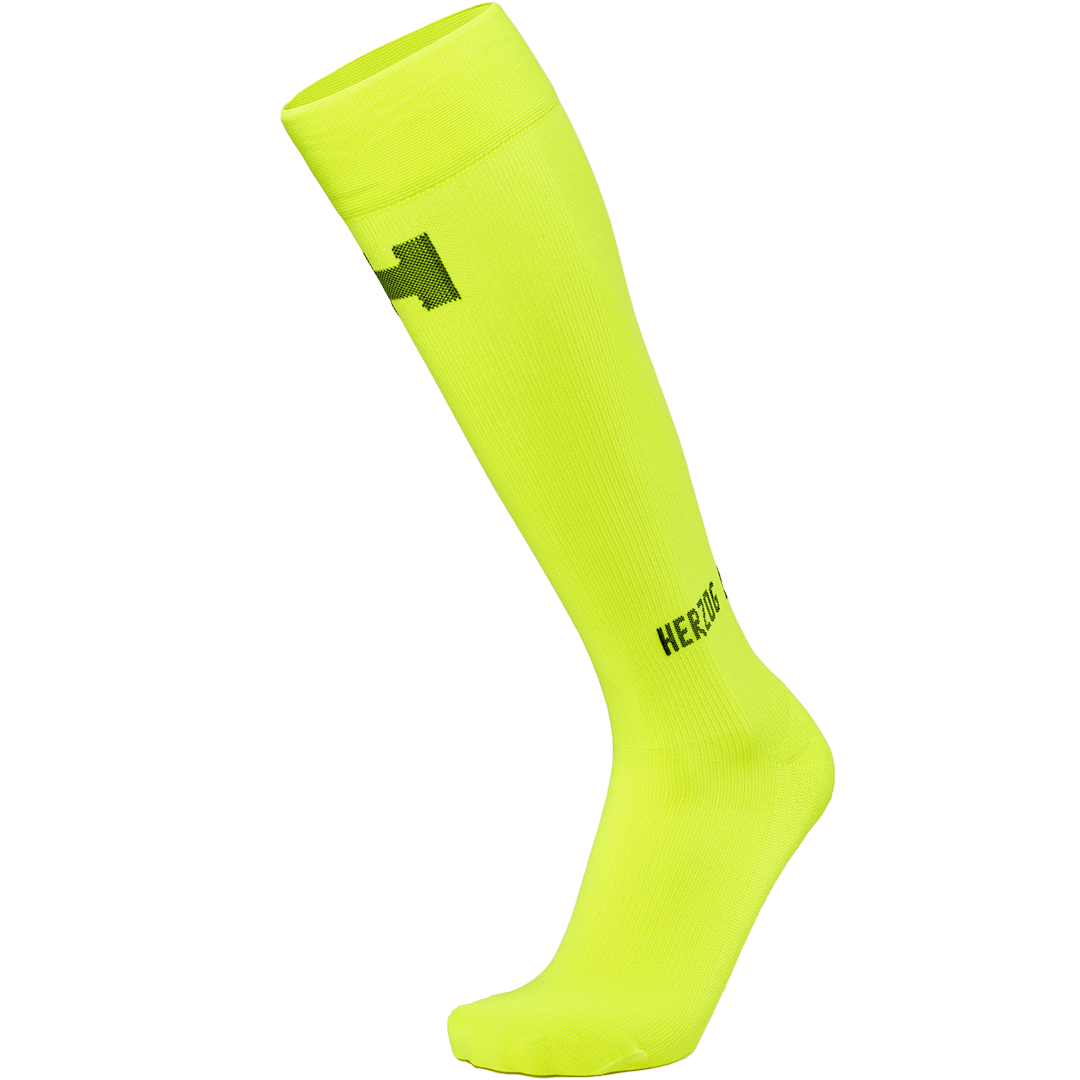
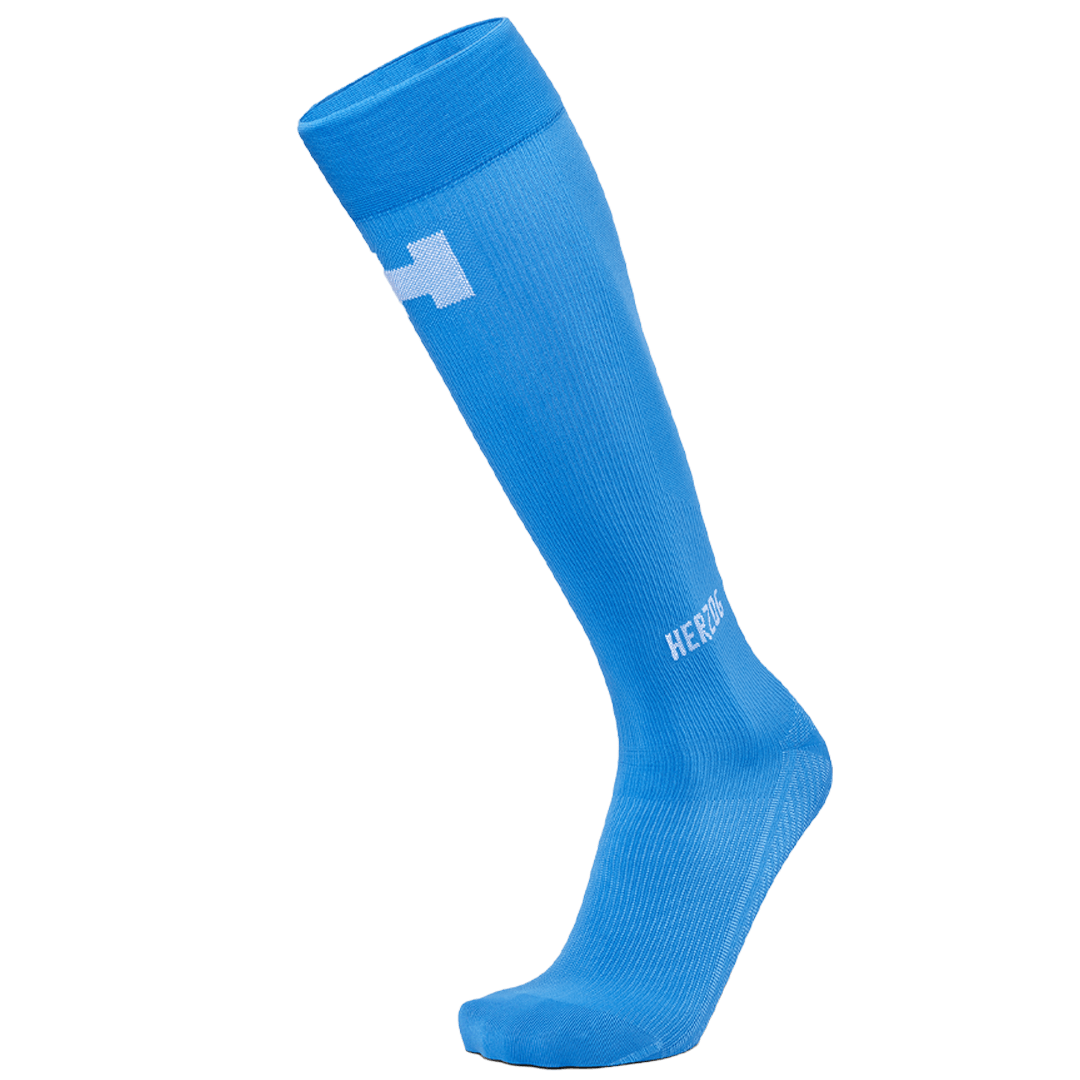
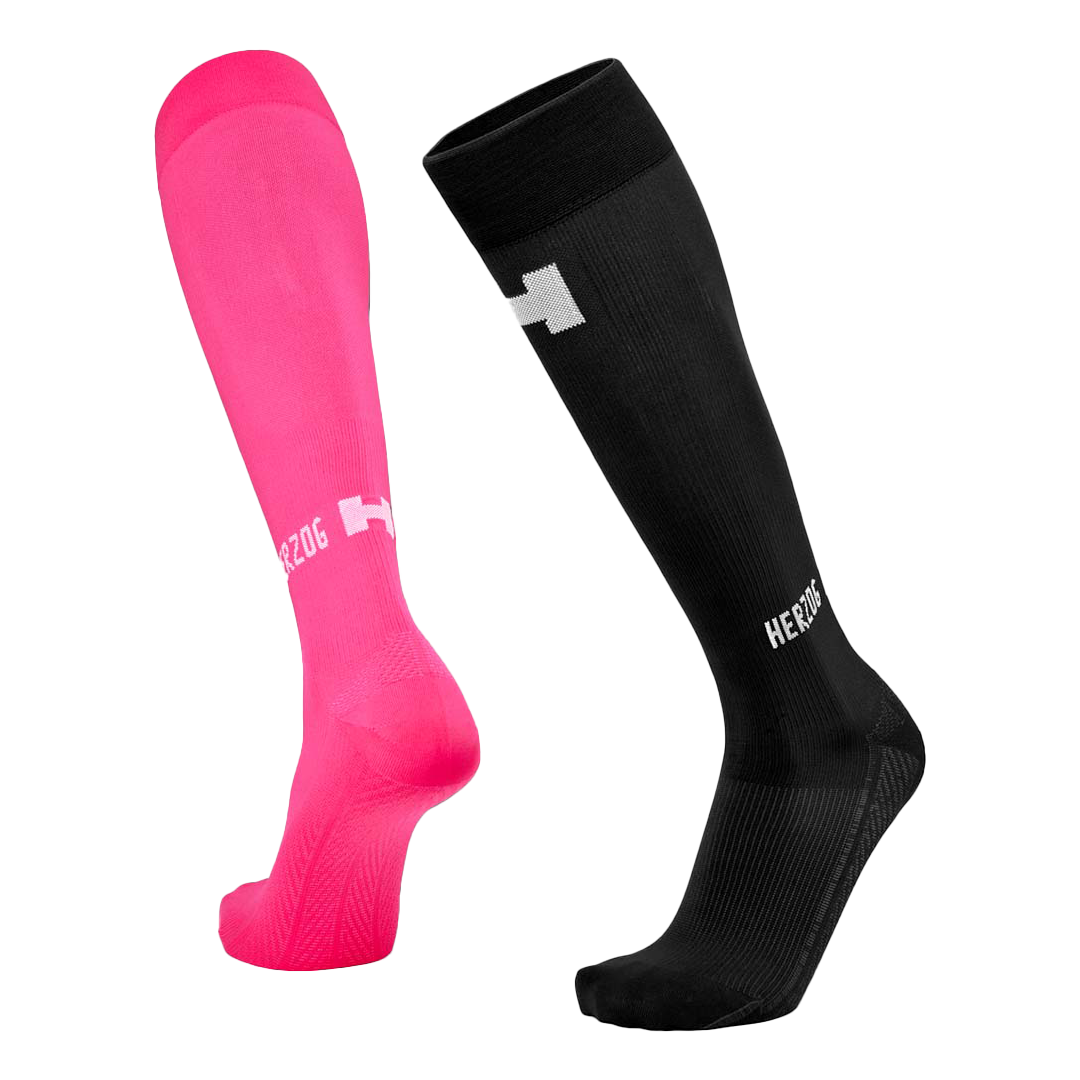
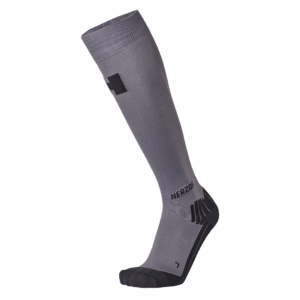
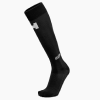
At Herzog Medical, we regularly see athletes who, after such an injury, want to know how they can safely continue to move without delaying recovery. The Herzog PRO Compression Socks are often mentioned as a tool during the first walks after a calf tear, because controlled pressure can support the calf during light exertion. However, whether walking at that moment is advisable depends on the severity of the injury itself.


Side Image

What exactly happens with a calf strain?

A calf strain is a tear in the calf muscle, usually in the medial head of the gastrocnemius, caused by a sudden, powerful contraction while the muscle is already under tension. This happens, for example, when pushing off during running, sprinting in football, or a quick jump during tennis. The name comes from the sensation athletes describe: a sharp blow as if someone hit the calf with a whip, followed by a dull, throbbing pain that clearly worsens when the muscle is tensed.

Not every twinge in the calf is a calf strain. A cramp will eventually subside, while a calf strain persists and worsens with exertion. An Achilles tendon injurycan also cause pain in the lower leg, but it is often located lower, near the heel or tendon, and not in the middle of the muscle belly. When in doubt, it is advisable to compare the complaint with broader information about calf complaints, to get a better idea of exactly where the pain is located and what that means for the severity of the injury.

Physiotherapists generally divide calf strains into mild, moderate, and severe tears. With a mild tear, you feel a sharp pain, but you can still walk with some discomfort. With a moderate tear, walking is more difficult, with a noticeable limp and swelling that increases in the hours afterward. With a severe tear, where muscle fibers are largely torn through, bearing weight on the leg is often no longer possible without intense pain. This classification largely determines whether walking is still feasible in the short term or whether rest is the only responsible choice.

Side Image

Can you still walk with a calf strain?

With a mild calf strain, you can often still walk, as long as you keep the pace slow and do not push through increasing pain. It is wise to adjust your stride, take smaller steps, and not push off with full force. As soon as you start limping or the pain becomes sharper while walking, this is a signal that the muscle needs more rest. Walking on a calf strain that actually requires rest increases the risk of the tear getting bigger and recovery taking weeks longer.

Not every situation is the same, and sometimes continuing to walk is simply not an option. Swelling that quickly increases, a clear dent or hollow in the muscle, or the inability to stand on your toes, indicate a tear that requires more attention than a few days of rest. Also, if the pain does not decrease after warming up but actually increases, that is a sign that you should not put any strain on the calf for a while. If you are in doubt about the severity, it is wiser to consult a physiotherapist than to continue walking on your own.

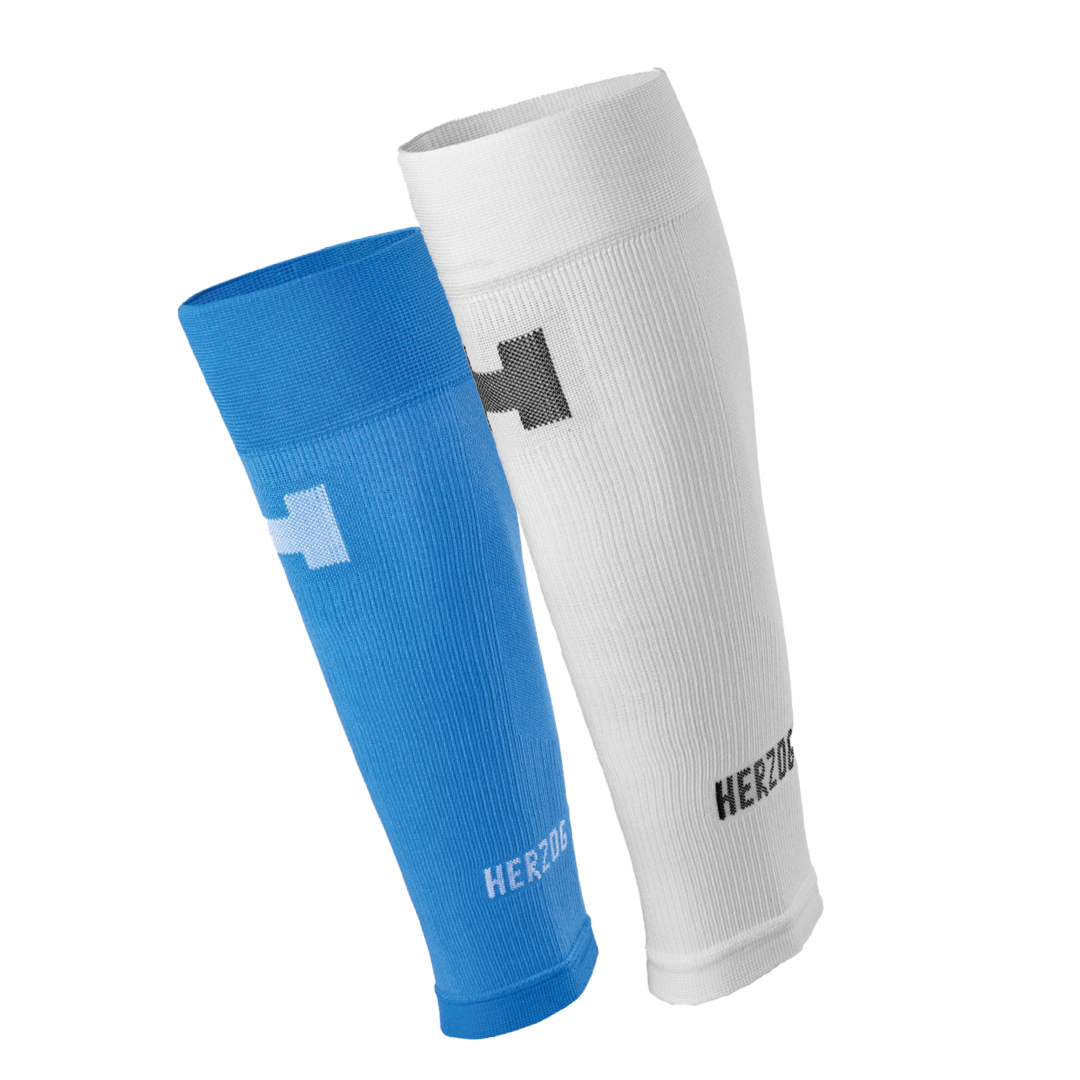
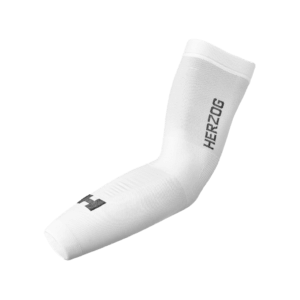
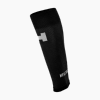
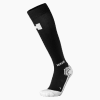
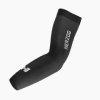
During those first cautious steps, compression can help support the calf without restricting movement. Herzog compression socks are developed based on medical compression technology and provide gradual pressure that decreases from the ankle upwards, causing the muscle to vibrate less with every step. TheHerzog PRO Compression Socksand Herzog PRO Compression Sleevesalso have an MDR quality mark, which means they meet medical requirements for therapeutic compression. This makes them suitable for use in conjunction with an injury.

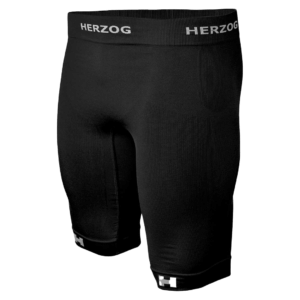
Products in this blog

Side Image

How do you recover from a calf strain and when can you start training again?

The first few days after a calf strain are all about rest, cooling, and limiting swelling. Stopping sports for a while, regularly elevating the leg, and cooling the calf in the first few hours helps to keep swelling under control. Avoid heat, massage, and stretching during this phase, as this can actually increase blood flow and delay recovery. Only when the sharp pain subsides and you can stand pain-free on one leg again is it time to carefully start moving.

After the acute phase, gradually increase the load, starting with walking on a flat surface before you even consider running. If you prefer to first walk quietly, then information about walkingwith a recovering calf is useful to determine an appropriate pace. If you skip this build-up and return to sprints or interval training too quickly, there is a high chance that the same spot in the calf will tear again, often just when you think you are ready.

Compression during recovery is often combined with other aids, such as recovery boots that stimulate blood flow in the leg with air pressure after the acute phase has passed. More explanation about how this interplay works can be found on the page about recovering with compression socks. Herzog has been working on compression technology for over twenty years, used by both athletes and healthcare professionals, and applies this knowledge to different phases of an injury, from the first careful step to the last training before you are fully active again.

Frequently asked questions

Can you walk the day after a calf tear?

That depends on the severity of the tear. With a minor calf tear, you can often carefully start walking again, as long as you remain pain-free. With a moderate or severe tear, it is wiser to rest for a few days before putting weight on it again.

How long does recovery from a calf tear take?

Recovery time varies greatly per person and per severity of the tear. A minor calf tear can feel better within a few weeks, while a more severe tear may take several weeks to several months. Patience and a gradual increase in load largely determine how quickly you can fully return to sports.

Does compression help with a calf tear?

Many people find that targeted pressure on the calf during recovery feels more comfortable with light loads. Compression does not replace medical treatment and does not resolve the tear itself, but it can contribute to comfort during walking or light training. If in doubt about the severity of the injury, it is always wise to consult a physiotherapist or general practitioner.

Relevant blogs

6 Effective tips to prevent and relieve shin splints

Prevent and alleviate shin splints with 6 practical tips for runners. Less pain, faster recovery, and better training.

Treating Whiplash: 3-Phase Recovery with Compression and Cold Therapy

Recovering from a calf strain? Discover the 3 recovery phases and how compression and cold therapy can contribute to optimal and responsible recovery.

All about calf problems: causes, symptoms, and what you can do about them

Suffering from calf complaints? Read all about possible causes, common symptoms, recovery, and what you can do to prevent calf complaints.