Compression stockings for calf complaints: when do they make sense?

Calf complaints are common among athletes. From stiff calves after a tough training session to recurring tension while running or walking, many people recognize the feeling of tired, tight, or sensitive calves after exertion. The complaints often arise gradually, after an increase in training intensity or after a long day on their feet. For athletes who regularly run or train intensively, this feeling is often familiar.

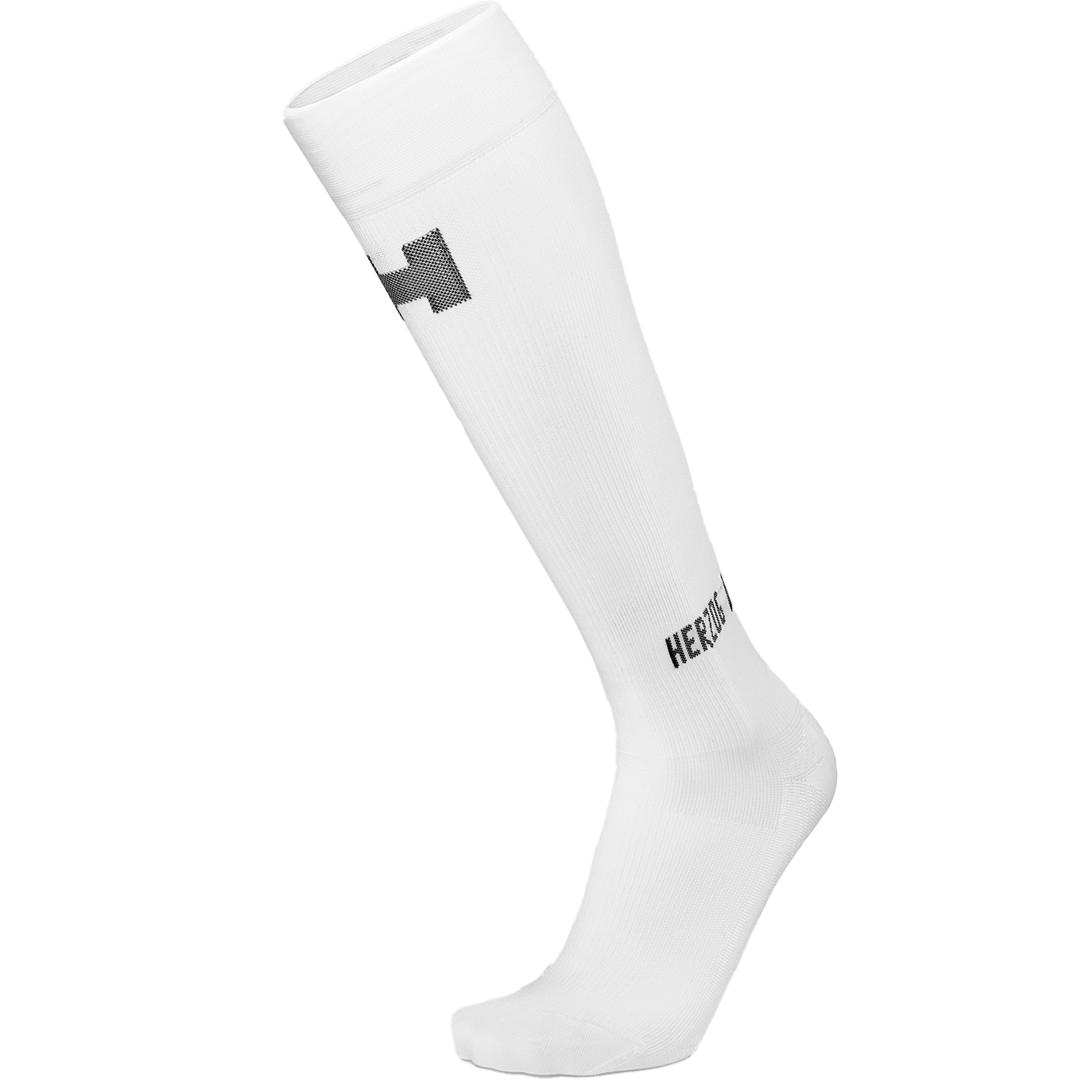
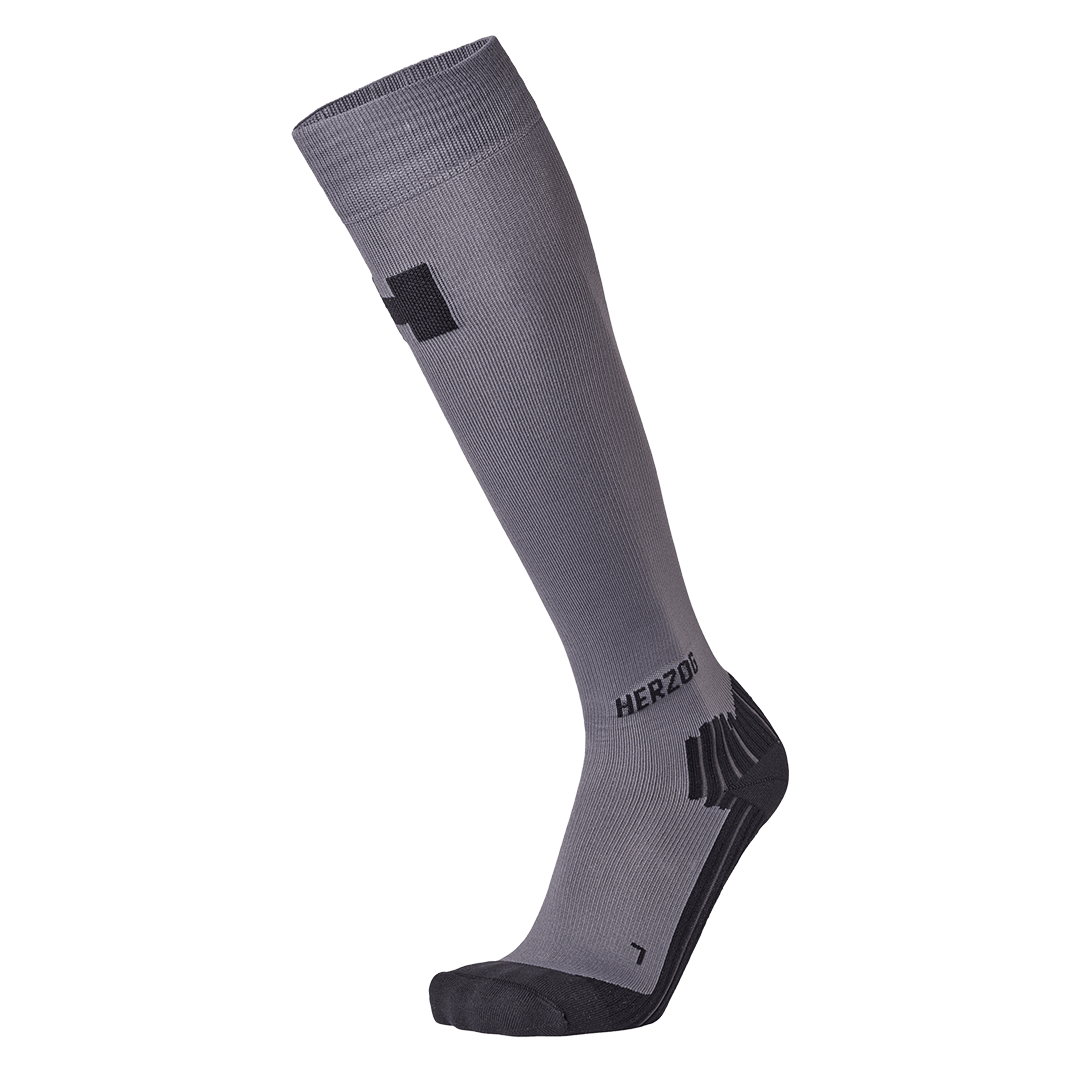
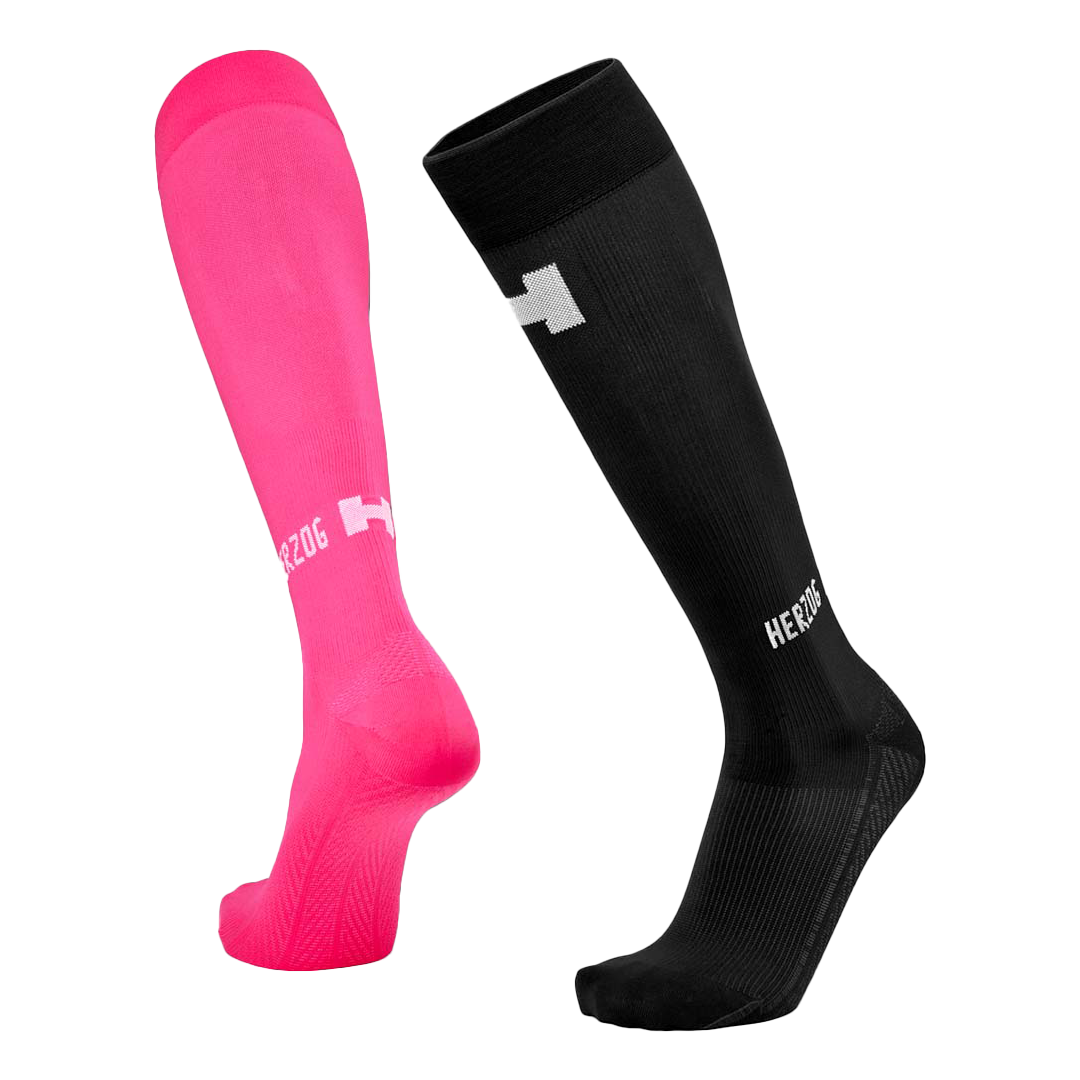
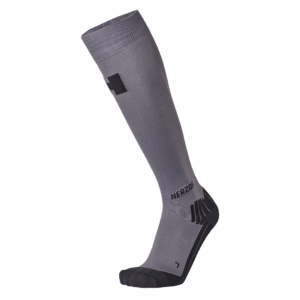
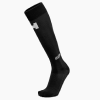
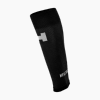
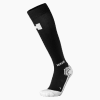
Many athletes turn to compression socks to alleviate this feeling. Herzog PRO Compression Socks, for example, are used by runners who suffer from tight calves after a long run, or by walkers who experience a heavy feeling in their legs at the end of the day. But compression is not a logical choice for every situation. It is good to know when it does and when it does not have a demonstrable effect.


Side Image

What causes calf pain during exercise and daily activities?

Calf pain usually arises from a combination of muscle tension and reduced blood flow. During intense exertion, such as running or cycling, the calf muscle works hard to propel the body forward. When the load increases too quickly or the muscle doesn't get enough recovery time, built-up tension occurs, felt as stiffness or heaviness. This happens more often to athletes who are just starting a new form of training, rapidly increasing their distance, or switching to a different surface like trail or asphalt.

Standing or sitting for extended periods can also contribute to a heavy feeling in the calves. In sedentary professions, the muscle pump in the lower leg is less active, making it easier for blood and fluid to accumulate in the lower leg and calf. This is a common pattern at the end of the workday. Athletes who travel frequently, take long car rides, or are just starting to train after a period of rest often experience this same feeling upon arrival or the next morning.

Calf pain is also often associated with other lower leg injuries. Incorrect running technique, a sudden increase in mileage, or overuse can, for example, lead to shin splintsor Achilles tendonissues. It is therefore useful to look not only at the calf itself, but also at the way you move, the surface, your shoes, and the build-up of training in the preceding weeks.

Side Image

When can compression be beneficial for calf complaints?

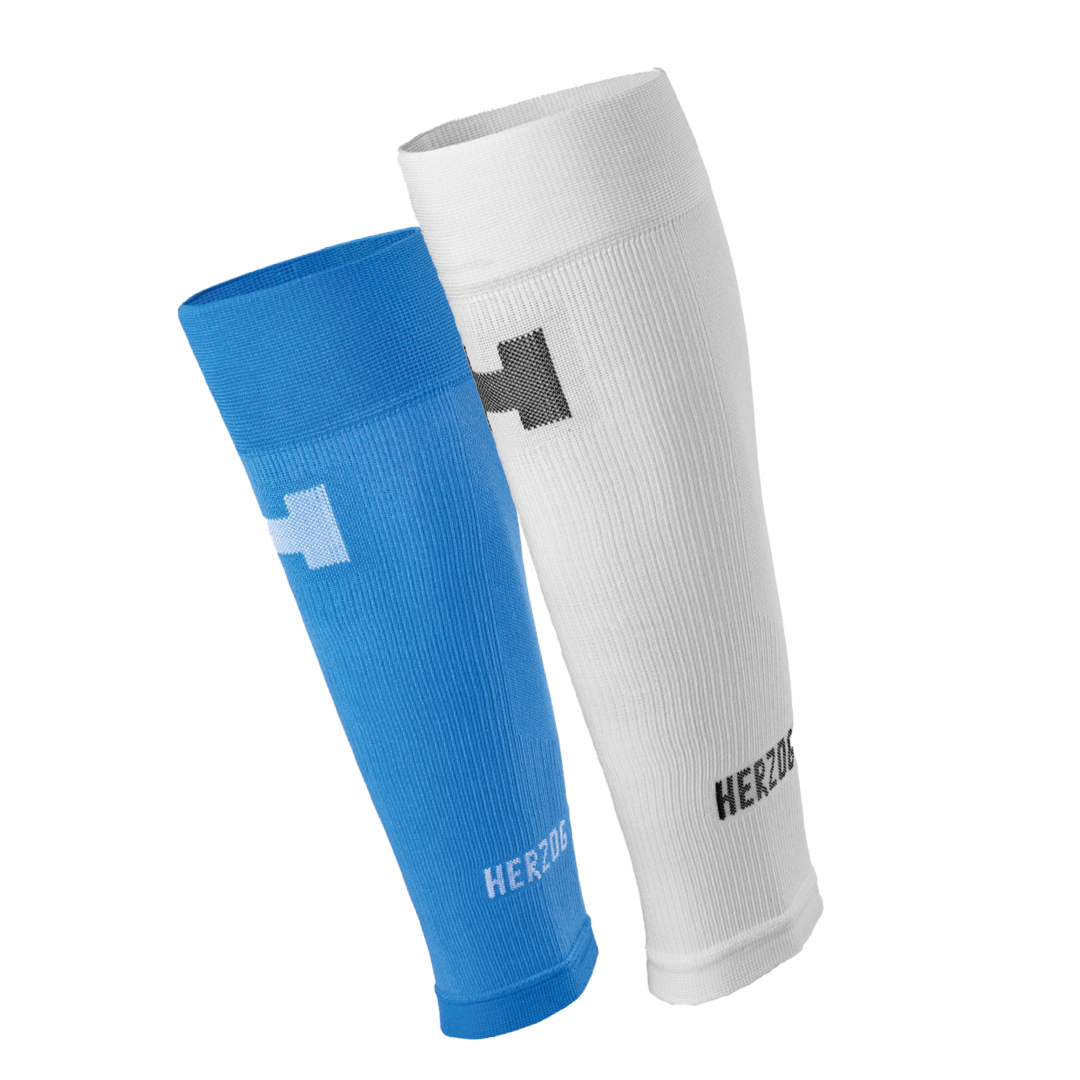
Compression can contribute to a more comfortable feeling in the calves when the complaints stem from muscle tension or reduced blood circulation after exercise. By applying controlled pressure to the lower leg, blood flow towards the heart is supported. This can help in the faster removal of waste products after a workout, which many runners and walkers recognize as a less heavy feeling in the calves during and after exercise. More background on this can be found on the page about the effects of compression.

Herzog's compression technology works with a gradual pressure distribution, meaning that the pressure is highest at the bottom of the sock and gradually decreases towards the knee. This is different from a standard elastic sock, which often applies the same pressure everywhere without considering the shape of the leg. With a controlled reduction in pressure, blood flow is stimulated in the correct direction, which is especially relevant during prolonged exertion such as trail running or a long hike.

Compression can also be supportive during recovery after a workout. Wearing a sock immediately after strenuous exercise is perceived as pleasant by many athletes, especially when the calves feel stiff. More explanation on this can be found on the page about recovering with compression socks. The Herzog PRO Compression Sockscarry an MDR certification, indicating that they comply with the requirements for medical devices, while for example the Support lineis specifically aimed at daily comfort during sports, work, and recovery.

Products in this blog

Side Image

When is compression of little use or when is caution needed?

Not all forms of calf pain are improved by compression. For an acute injury, such as a muscle tear or sudden, sharp pain, compression is not the first step. This includes a calf tear or an acute hamstring injury that radiates to the calf. In that case, it is important to first have the cause of the complaint assessed before compression is potentially used as support during recovery afterwards.

For complaints such as a severely swollen calf, persistent pain, or a warm and red-feeling leg, it is advisable to consult a general practitioner or specialist. This is especially true if thrombosisis suspected or if varicose veins cause symptoms, such as a heavy or painful feeling that does not subside after rest. Compression can in some cases be supportive under the guidance of a doctor, but should never be used as a substitute for a medical assessment or diagnosis.

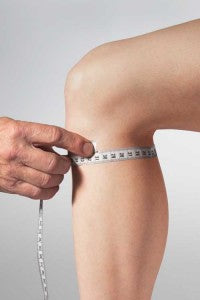
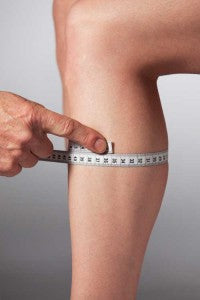
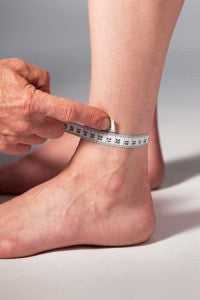
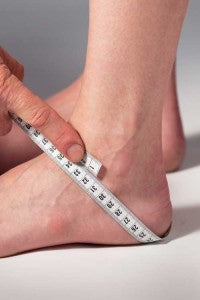
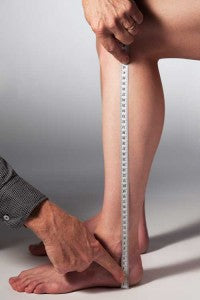
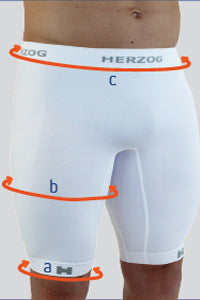
Herzog has been a specialist in compression for over twenty years and applies this knowledge to both sports products and medical devices. Herzog custom compression stockings are individually measured at six points, so that the pressure distribution matches the shape of the lower leg instead of a standard size. This approach is used by both athletes and healthcare professionals and shows that the correct fit is just as important as the choice of whether or not to use compression for calf complaints.

Frequently Asked Questions

Do compression socks always help with calf complaints?

Not in every situation. Compression can contribute to a more comfortable feeling with muscle tension and post-exercise fatigue, but for acute injuries or persistent swelling, an assessment by a doctor or specialist is first required.

What is the difference between a standard sock and a medical compression sock?

A standard sock often applies the same pressure everywhere, while Herzog medical compression socks work with a gradual pressure distribution tailored to each measuring point. This allows the sock to fit more accurately to the shape of the lower leg.

When should I see a GP for calf complaints?

In case of sudden, severe pain, a significantly swollen or warm-feeling leg, or complaints that do not subside after rest, it is advisable to consult a GP. This is especially true when thrombosis cannot be ruled out.

Relevant blogs

6 Effective tips to prevent and relieve shin splints

Prevent and alleviate shin splints with 6 practical tips for runners. Less pain, faster recovery, and better training.

Treating Whiplash: 3-Phase Recovery with Compression and Cold Therapy

Recovering from a calf strain? Discover the 3 recovery phases and how compression and cold therapy can contribute to optimal and responsible recovery.

All about calf problems: causes, symptoms, and what you can do about them

Suffering from calf complaints? Read all about possible causes, common symptoms, recovery, and what you can do to prevent calf complaints.