Post-workout recovery: what does a massage gun do?

After an intense training session or a tough competition, you often feel it right away. Your legs feel heavy, your calves are tight, and climbing stairs is more difficult than usual. That feeling shows that your muscles have worked hard and need time to recover. Recovery is often underestimated, even though it's just as important as the training itself.

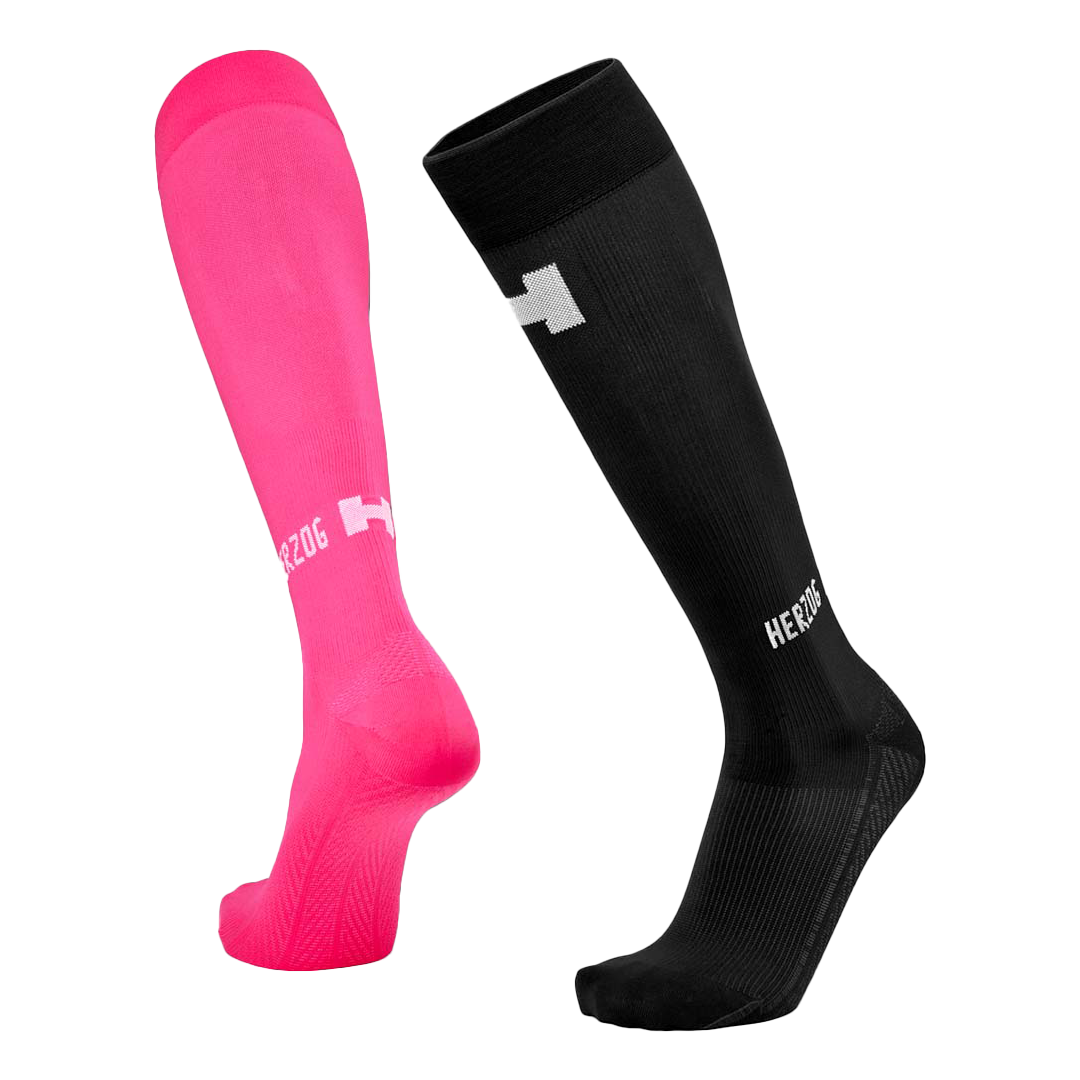
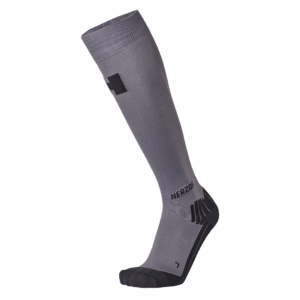
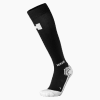
A massage gun can help by loosening muscles and locally stimulating blood circulation. Many runners combine this with Herzog PRO Compression Socks, which are worn after exercise to support the recovery process. While the massage gun works specifically on particular muscle groups, compression offers a more gradual support of blood circulation throughout the lower leg. This way, you approach recovery from two sides, with attention to both the muscle and blood circulation.

Side Image

What happens in your muscles after exercise?

During intense exercise, small tears occur in the muscle fibers. This is a normal process and the way muscles get stronger, but it also causes the stiffness and fatigue you feel afterward. Waste products released during exercise need to be removed, and blood circulation in the tissue is temporarily disrupted. The more intense the workout, the greater the strain on the muscles and the longer the body needs to recover. This explains why after a heavy workout or a long run, you sometimes experience stiff legs for days.

The feeling after a long run or a tough interval session is familiar: your calves feel tight, your knees are stiff, and climbing stairs the next morning is clearly more difficult. Some runners notice that their calves and Achilles tendons are particularly sensitive, while others mainly experience stiffness in their thighs. This varies per person and depends on the training structure, the surface, and the type of exertion. With a sudden increase in training volume or intensity, the risk of complaints such as an Achilles tendon injuryincreases, simply because muscles and tendons have less time to adapt.

Consistently too little attention to recovery can lead to overuse in the long run. This is especially true for running, where repeated impact on the same muscles and joints requires sufficient rest between workouts. Complaints such as shin pain often arise not from a single heavy workout, but from a buildup of fatigue that doesn't fully dissipate. Those who ignore this signal risk small irritations escalating into more persistent problems, such as shin splintsor recurring calf complaints. Sufficient recovery between workouts is therefore just as important as the workout itself.

Side Image

How does a massage gun work for muscle recovery?

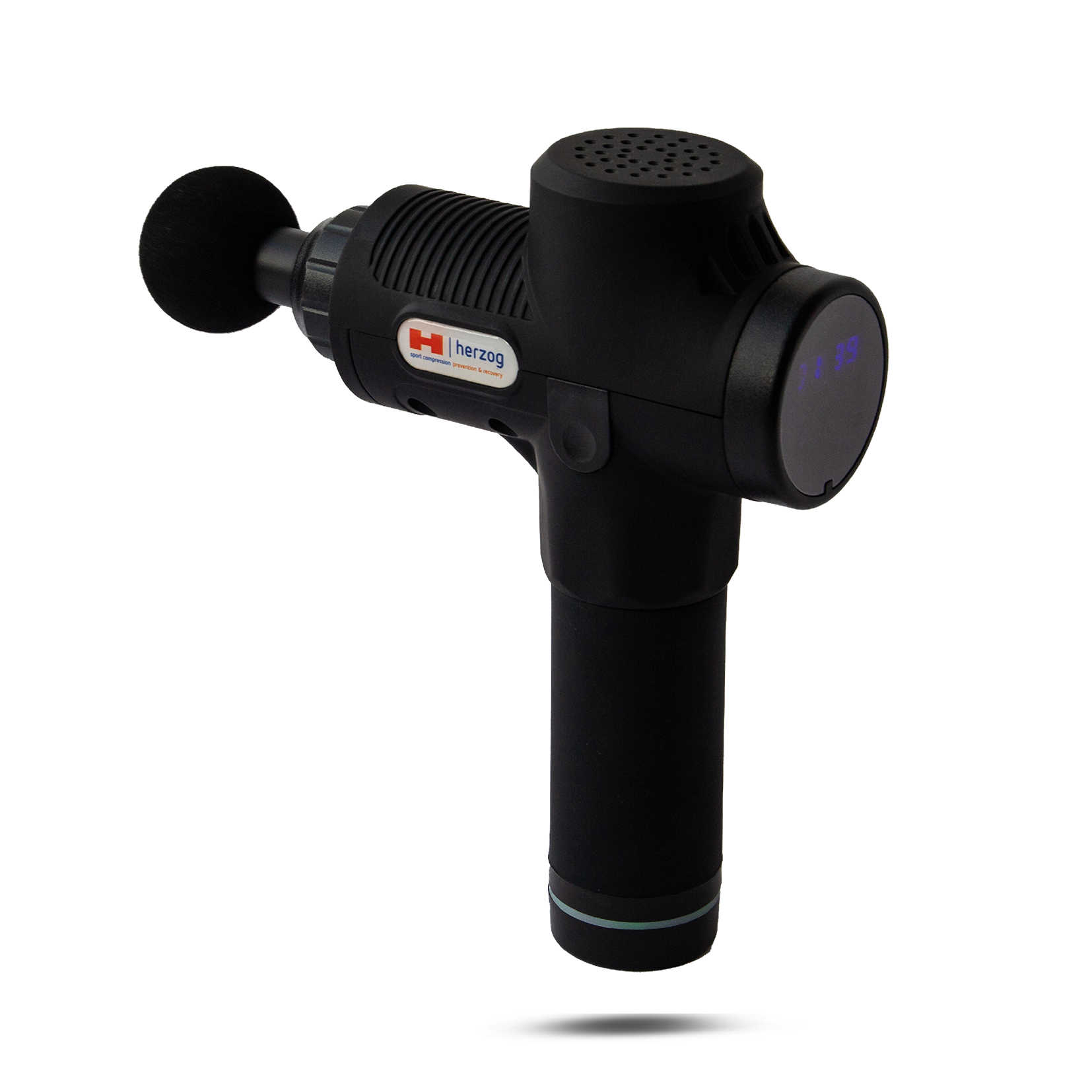
A massage gun works with rapid, short-duration pulses, called percussions. The device applies targeted pressure to a muscle group, at a much higher frequency than a manual massage. This locally stimulates blood circulation and can reduce tension in cramped muscle fibers. Many users experience that the treated muscle immediately feels looser, although the effect is mainly noticeable at the level of muscle tension and not on deeper structures such as joints or tendons. Therefore, the device is usually used on large muscle groups such as the calves, thighs, or lower back.

A suitable time to use a massage gun is usually after training, when muscles are still warm and feel supple. In cases of acute complaints, swelling, or suspected injury, caution is necessary, and treating a painful spot directly is not advisable. For a calf tear or a hamstring injury, it is advisable to consult a doctor or physiotherapist before using a massage gun, as targeted pressure on damaged tissue can worsen the symptoms. On healthy, tired muscles, the device is generally good to use as part of the recovery routine.

A massage gun does not replace rest, nutrition, or sleep, and is primarily an addition to a broader recovery routine. The device works on one muscle group at a time, while recovery also benefits from supporting blood circulation throughout the entire lower leg. Therefore, many athletes combine the massage gun with Herzog compression socks, which are worn after training to support blood circulation while the muscles rest. Where the massage gun is used actively and for a short duration, compression offers a passive form of support that lasts longer and is easy to combine with other recovery habits.

Products in this blog

Recovery Gun
€175,00
Side Image

How do you combine a massage gun with compression?

Compression works on a different principle than a massage gun. Instead of targeted pressure on one spot, a gradual pressure distribution provides light, even support to the tissue along the entire length of the lower leg. This can support the return of blood to the heart and thus helps to remove waste products released during exercise. More explanation on how this works can be found on the page about the function of compression. Where a massage gun actively loosens muscles, compression provides background support, even during rest or sleep.

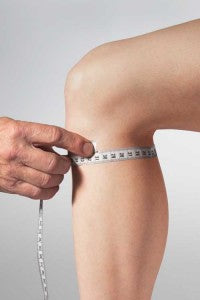
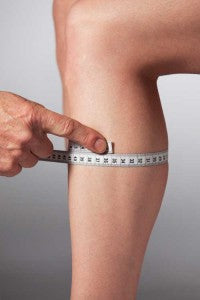
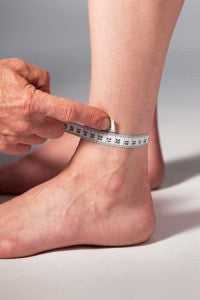
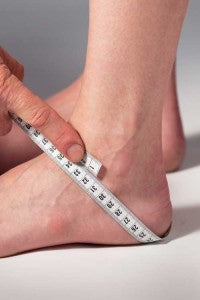
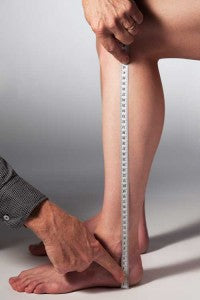
Herzog's compression technology has been developed from over twenty years of experience with medical compression and is used by both athletes and healthcare professionals. Herzog PRO Compression Socksare individually measured at six points, which means the pressure distribution fits the shape of the lower leg more accurately than with a standard sock from a fixed size chart. In addition, the socks carry an MDR quality mark, which means they comply with European requirements for medical devices. For athletes looking for Herzog medical compression socks, this offers a foundation that goes beyond an average sports accessory.

Frequently Asked Questions

When is a good time to use a massage gun?

A good time is usually after training, when the muscles are still warm. At that moment, the treatment often feels more comfortable and local blood circulation can be stimulated. In case of acute complaints or suspected injury, it is advisable to consult a doctor or physiotherapist first.

Can a massage gun replace compression?

No, a massage gun and compression work in different ways. The massage gun focuses specifically on a muscle group, while compression provides even support for blood circulation throughout the lower leg. Many people use both alongside each other as part of their recovery routine.

How long do stiff muscles last after an intensive workout?

This varies greatly from person to person and depends on the intensity of the workout, training structure, and how much rest and sleep you get. Some people feel supple again after a day, while others experience stiffness for a few days. If symptoms persist longer or worsen, it is advisable to have them checked by a doctor or physiotherapist.

Relevant blogs

6 Effective tips to prevent and relieve shin splints

Prevent and alleviate shin splints with 6 practical tips for runners. Less pain, faster recovery, and better training.

Treating Whiplash: 3-Phase Recovery with Compression and Cold Therapy

Recovering from a calf strain? Discover the 3 recovery phases and how compression and cold therapy can contribute to optimal and responsible recovery.

All about calf problems: causes, symptoms, and what you can do about them

Suffering from calf complaints? Read all about possible causes, common symptoms, recovery, and what you can do to prevent calf complaints.